Our understanding of the molecular basis for cellular senescence remains incomplete, limiting the development of strategies to ameliorate age-related pathologies by preventing stem cell senescence. Here, we performed a genome-wide CRISPR activation (CRISPRa) screening using a human mesenchymal precursor cell (hMPC) model of the progeroid syndrome. We evaluated targets whose activation antagonizes cellular senescence, among which SOX5 outperformed as a top hit. Through decoding the epigenomic landscapes remodeled by overexpressing SOX5, we uncovered its role in resetting the transcription network for geroprotective genes, including HMGB2. Mechanistically, SOX5 binding elevated the enhancer activity of HMGB2 with increased levels of H3K27ac and H3K4me1, raising HMGB2 expression so as to promote rejuvenation. Furthermore, gene therapy with lentiviruses carrying SOX5 or HMGB2 rejuvenated cartilage and alleviated osteoarthritis in aged mice. Our study generated a comprehensive list of rejuvenators, pinpointing SOX5 as a potent driver for rejuvenation both in vitro and in vivo.
Sirtuins are pro-longevity genes with chromatin modulation potential, but how these properties are connected is not well understood. Here, we generated a panel of isogeneic human stem cell lines with SIRT1- SIRT7 knockouts and found that any sirtuin deficiency leads to accelerated cellular senescence. Through large-scale epigenomic analyses, we show how sirtuin deficiency alters genome organization and that genomic regions sensitive to sirtuin deficiency are preferentially enriched in active enhancers, thereby promoting interactions within topologically associated domains and the formation of de novo enhancer-promoter loops. In all sirtuin-deficient human stem cell lines, we found that chromatin contacts are rewired to promote aberrant activation of the placenta-specific gene PAPPA, which controls the pro-senescence effects associated with sirtuin deficiency and serves as a potential aging biomarker. Based on our survey of the 3D chromatin architecture, we established connections between sirtuins and potential target genes, thereby informing the development of strategies for aging interventions.
Ageing is a complex biological process in which a gradual decline in physiological fitness increases susceptibility to diseases such as neurodegenerative disorders and cancer. Cellular senescence, a state of irreversible cell-growth arrest accompanied by functional deterioration, has emerged as a pivotal driver of ageing. In this Review, we discuss how heterochromatin loss, telomere attrition and DNA damage contribute to cellular senescence, ageing and age-related diseases by eliciting genome instability, innate immunity and inflammation. We also discuss how emerging therapeutic strategies could restore heterochromatin stability, maintain telomere integrity and boost the DNA repair capacity, and thus counteract cellular senescence and ageing-associated pathologies. Finally, we outline current research challenges and future directions aimed at better comprehending and delaying ageing.
Epigenetic dysregulation emerges as a critical hallmark and driving force of aging. Although still an evolving field with much to explore, it has rapidly gained significance by providing valuable insights into the mechanisms of aging and potential therapeutic opportunities for age-related diseases. Recent years have witnessed remarkable strides in our understanding of the epigenetic landscape of aging, encompassing pivotal elements, such as DNA methylation, histone modifications, RNA modifications, and noncoding (nc) RNAs. Here, we review the latest discoveries that shed light on new epigenetic mechanisms and critical targets for predicting and intervening in aging and related disorders. Furthermore, we explore burgeoning interventions and exemplary clinical trials explicitly designed to foster healthy aging, while contemplating the potential ramifications of epigenetic influences.
Dysfunction of the ribosome manifests during cellular senescence and contributes to tissue aging, functional decline, and development of aging-related disorders in ways that have remained enigmatic. Here, we conducted a comprehensive CRISPR-based loss-of-function (LOF) screen of ribosome-associated genes (RAGs) in human mesenchymal progenitor cells (hMPCs). Through this approach, we identified ribosomal protein L22 (RPL22) as the foremost RAG whose deficiency mitigates the effects of cellular senescence. Consequently, absence of RPL22 delays hMPCs from becoming senescent, while an excess of RPL22 accelerates the senescence process. Mechanistically, we found in senescent hMPCs, RPL22 accumulates within the nucleolus. This accumulation triggers a cascade of events, including heterochromatin decompaction with concomitant degradation of key heterochromatin proteins, specifically heterochromatin protein 1γ (HP1γ) and heterochromatin protein KRAB-associated protein 1 (KAP1). Subsequently, RPL22-dependent breakdown of heterochromatin stimulates the transcription of ribosomal RNAs (rRNAs), triggering cellular senescence. In summary, our findings unveil a novel role for nucleolar RPL22 as a destabilizer of heterochromatin and a driver of cellular senescence, shedding new light on the intricate mechanisms underlying the aging process.
Although the mTOR-4E-BP1 signaling pathway is implicated in aging and aging-related disorders, the role of 4E-BP1 in regulating human stem cell homeostasis remains largely unknown. Here, we report that the expression of 4E-BP1 decreases along with the senescence of human mesenchymal stem cells (hMSCs). Genetic inactivation of 4E-BP1 in hMSCs compromises mitochondrial respiration, increases mitochondrial reactive oxygen species (ROS) production, and accelerates cellular senescence. Mechanistically, the absence of 4E-BP1 destabilizes proteins in mitochondrial respiration complexes, especially several key subunits of complex III including UQCRC2. Ectopic expression of 4E-BP1 attenuates mitochondrial abnormalities and alleviates cellular senescence in 4E-BP1- deficient hMSCs as well as in physiologically aged hMSCs. These findings together demonstrate that 4E-BP1 functions as a geroprotector to mitigate human stem cell senescence and maintain mitochondrial homeostasis, particularly for the mitochondrial respiration complex III, thus providing a new potential target to counteract human stem cell senescence.
How N6-methyladenosine (m6A), the most abundant mRNA modification, contributes to primate tissue homeostasis and physiological aging remains elusive. Here, we characterize the m6A epitranscriptome across the liver, heart and skeletal muscle in young and old nonhuman primates. Our data reveal a positive correlation between m6A modifications and gene expression homeostasis across tissues as well as tissue-type-specific aging-associated m6A dynamics. Among these tissues, skeletal muscle is the most susceptible to m6A loss in aging and shows a reduction in the m6A methyltransferase METTL3. We further show that METTL3 deficiency in human pluripotent stem cell-derived myotubes leads to senescence and apoptosis, and identify NPNT as a key element downstream of METTL3 involved in myotube homeostasis, whose expression and m6A levels are both decreased in senescent myotubes. Our study provides a resource for elucidating m6A-mediated mechanisms of tissue aging and reveals a METTL3-m6A-NPNT axis counteracting aging-associated skeletal muscle degeneration.
Dear Editor, Cardiovascular diseases(CVDs)are the leading cause of death world-wide.Thus,diagnosing and treating CVD remains at the forefront for clinicians while identifying targetable disease mech-anisms in preclinical models are focus areas for researchers and drug developers(Cai et al.,2022a).The polymorphic protein apo-lipoprotein E(APOE),central to lipid transport and metabolism,is well-recognized for the role of its isoforms as important predic-tors for human cardiovascular disorders and neurodegenerative diseases(Tudorache et al.,2017).
Whether and how certain transposable elements with viral origins, such as endogenous retroviruses (ERVs) dormant in our genomes, can become awakened and contribute to the aging process is largely unknown. In human senescent cells, we found that HERVK (HML-2), the most recently integrated human ERVs, are unlocked to transcribe viral genes and produce retrovirus-like particles (RVLPs). These HERVK RVLPs constitute a transmissible message to elicit senescence phenotypes in young cells, which can be blocked by neutralizing antibodies. The activation of ERVs was also observed in organs of aged primates and mice as well as in human tissues and serum from the elderly. Their repression alleviates cellular senescence and tissue degeneration and, to some extent, organismal aging. These findings indicate that the resurrection of ERVs is a hallmark and driving force of cellular senescence and tis-sue aging.
Ageing is a critical factor in spinal-cord-associated disorders1, yet the ageing-specific mechanisms underlying this relationship remain poorly understood. Here, to address this knowledge gap, we combined single-nucleus RNA-sequencing analysis with behavioural and neurophysiological analysis in non-human primates (NHPs). We identified motor neuron senescence and neuroinflammation with microglial hyperactivation as intertwined hallmarks of spinal cord ageing. As an underlying mechanism, we identified a neurotoxic microglial state demarcated by elevated expression of CHIT1 (a secreted mammalian chitinase) specific to the aged spinal cords in NHP and human biopsies. In the aged spinal cord, CHIT1-positive microglia preferentially localize around motor neurons, and they have the ability to trigger senescence, partly by activating SMAD signalling. We further validated the driving role of secreted CHIT1 on MN senescence using multimodal experiments both in vivo, using the NHP spinal cord as a model, and in vitro, using a sophisticated system modelling the human motor-neuron-microenvironment interplay. Moreover, we demonstrated that ascorbic acid, a geroprotective compound, counteracted the pro-senescent effect of CHIT1 and mitigated motor neuron senescence in aged monkeys. Our findings provide the single-cell resolution cellular and molecular landscape of the aged primate spinal cord and identify a new biomarker and intervention target for spinal cord degeneration.
N6 -methyladenosine (m6 A) is a dynamic and reversible RNA modification that has emerged as a crucial player in the life cycle of RNA, thus playing a pivotal role in various biological processes. In recent years, the potential involvement of RNA m6 A modification in aging and age-related diseases has gained increasing attention, making it a promising target for understanding the molecular mechanisms underlying aging and developing new therapeutic strategies. This Perspective article will summarize the current advances in aging-related m6 A regulation, highlighting the most significant findings and their implications for our understanding of cellular senescence and aging, and the potential for targeting RNA m6 A regulation as a therapeutic strategy. We will also discuss the limitations and challenges in this field and provide insights into future research directions. By providing a comprehensive overview of the current state of the field, this Perspective article aims to facilitate further advances in our understanding of the molecular mechanisms underlying aging and to identify new therapeutic targets for aging-related diseases.
The primate frontal lobe (FL) is sensitive to aging-related neurocognitive decline. However, the aging -associated molecular mechanisms remain unclear. Here, using physiologically aged non-human pri-mates (NHPs), we depicted a comprehensive landscape of FL aging with multidimensional profiling en-compassing bulk and single-nucleus transcriptomes, quantitative proteome, and DNA methylome. Conjoint analysis across these molecular and neuropathological layers underscores nuclear lamina and heterochromatin erosion, resurrection of endogenous retroviruses (ERVs), activated pro -inflamma-tory cyclic GMP-AMP synthase (cGAS) signaling, and cellular senescence in post-mitotic neurons of aged NHP and human FL. Using human embryonic stem-cell-derived neurons recapitulating cellular aging in vitro, we verified the loss of B-type lamins inducing resurrection of ERVs as an initiating event of the aging-bound cascade in post-mitotic neurons. Of significance, these aging-related cellular and molecular changes can be alleviated by abacavir, a nucleoside reverse transcriptase inhibitor, either through direct treatment of senescent human neurons in vitro or oral administration to aged mice.
N6-methyladenosine (m6A), the most prevalent mRNA modification in eukaryotic cells, is known to play regulatory roles in a wide array of biological processes, including aging and cellular senescence. To investigate such roles, the m6A modification can be identified across the entire transcriptome by immunoprecipitation of methylated RNA with an anti-m6A antibody, followed by high-throughput sequencing (meRIP-seq or m6A-seq). Presented here is a protocol for employing meRIP-seq to profile the RNA m6A landscape in senescent human cells. We described, in detail, sample preparation, mRNA isolation, immunoprecipitation, library preparation, sequencing, bioinformatic analysis and validation. We also provided tips and considerations for the optimization and interpretation of the results. Our protocol serves as a methodological resource for investigating transcriptomic m6A alterations in cellular senescence as well as a valuable paradigm for the validation of genes of interest.
Aging, as a complex process involving multiple cellular and molecular pathways, is known to be exacerbated by various stresses. Because responses to these stresses, such as oxidative stress and genotoxic stress, are known to interplay with the epigenome and thereby contribute to the development of age-related diseases, investigations into how such epigenetic mechanisms alter gene expression and maintenance of cellular homeostasis is an active research area. In this review, we highlight recent studies investigating the intricate relationship between stress and aging, including its underlying epigenetic basis; describe different types of stresses that originate from both internal and external stimuli; and discuss potential interventions aimed at alleviating stress and restoring epigenetic patterns to combat aging or age-related diseases. Additionally, we address the challenges currently limiting advancement in this burgeoning field.
Metformin (MET) and nicotinamide riboside (NR) have both been reported to exert geroprotective effects in multiple species. However, the mechanism by which MET and NR regulate the aging program and delay aging in multiple tissues remains unclear. Here, we demonstrated that MET and NR attenuate aging features in human mesenchymal stem cells. Moreover, by systematically investigating the pathophysiological changes in different tissues from aged rats after oral administration of MET and NR, we showed that both MET and NR treatment alleviated various aging-related characteristics in multiple tissues, including inflammation, fibrosis, and protein aggregates. Consistently, MET or NR treatment partially rescued aging-related gene expression changes in aged rats. Collectively, we report that both MET and NR attenuate senescence phenotypes in human stem cells in vitro and in a variety of rodent tissues in vivo, thus providing a valuable resource and foundation for further evaluation of these two compounds against aging.
Regenerative capacity declines throughout evolution and with age. In this study, we asked whether metabolic programs underlying regenerative capability might be conserved across species, and if so, whether such metabolic drivers might be harnessed to promote tissue repair. To this end, we conducted metabolomic analyses in two vertebrate organ regeneration models: the axolotl limb blastema and antler stem cells. To further reveal why young individuals have higher regenerative capacity than the elderly, we also constructed metabolic profiles for primate juvenile and aged tissues, as well as young and aged human stem cells. In joint analyses, we uncovered that active pyrimidine metabolism and fatty acid metabolism correlated with higher regenerative capacity. Furthermore, we identified a set of regeneration-related metabolite effectors conserved across species. One such metabolite is uridine, a pyrimidine nucleoside, which can rejuvenate aged human stem cells and promote regeneration of various tissues in vivo. These observations will open new avenues for metabolic intervention in tissue repair and regeneration.
Apolipoprotein E (APOE) is a component of lipoprotein particles that function in the homeostasis of cholesterol and other lipids. Although APOE is genetically associated with human longevity and Alzheimer's disease, its mechanistic role in aging is largely unknown. Here, we used human genetic, stress-induced and physiological cellular aging models to explore APOE-driven processes in stem cell homeostasis and aging. We report that in aged human mesenchymal progenitor cells (MPCs), APOE accumulation is a driver for cellular senescence. By contrast, CRISPR-Cas9-mediated deletion of APOE endows human MPCs with resistance to cellular senescence. Mechanistically, we discovered that APOE functions as a destabilizer for heterochromatin. Specifically, increased APOE leads to the degradation of nuclear lamina proteins and a heterochromatin-associated protein KRAB-associated protein 1 via the autophagy-lysosomal pathway, thereby disrupting heterochromatin and causing senescence. Altogether, our findings uncover a role of APOE as an epigenetic mediator of senescence and provide potential targets to ameliorate aging-related diseases.
Aging in humans is intricately linked with alterations in circadian rhythms concomitant with physiological decline and stem cell exhaustion. However, whether the circadian machinery directly regulates stem cell aging, especially in primates, remains poorly understood. In this study, we found that deficiency of BMAL1, the only non-redundant circadian clock component, results in an accelerated aging phenotype in both human and cynomolgus monkey mesenchymal progenitor cells (MPCs). Unexpectedly, this phenotype was mainly attributed to a transcription-independent role of BMAL1 in stabilizing heterochromatin and thus preventing activation of the LINE1-cGAS-STING pathway. In senescent primate MPCs, we observed decreased capacity of BMAL1 to bind to LINE1 and synergistic activation of LINE1 expression. Likewise, in the skin and muscle tissues from the BMAL1-deficient cynomolgus monkey, we observed destabilized heterochromatin and aberrant LINE1 transcription. Altogether, these findings uncovered a noncanonical role of BMAL1 in stabilizing heterochromatin to inactivate LINE1 that drives aging in primate cells.
 Guanghui Liu (刘光慧)合作论文数University of Chinese Academy of Sciences;State Key Laboratory of Membrane Biology, Institute of Zoology, Chinese Academy of Sciences36
 Weiqi Zhang (张维绮)合作论文数Beijing Institute of Genomics, Chinese Academy of Sciences33
 Jing Qu (曲静)合作论文数State Key Laboratory of Stem Cell and Reproductive Biology, Institute of Zoology, Chinese Academy of Sciences;Medical School, University of Chinese Academy of Sciences;University of Chinese Academy of Sciences32
 Si Wang (王思)合作论文数Xuanwu Hospital, Capital Medical University28
 Moshi Song (宋默识)合作论文数Institute of Zoology, Chinese Academy of Sciences;University of Chinese Academy of Sciences21
 Zunpeng Liu合作论文数20
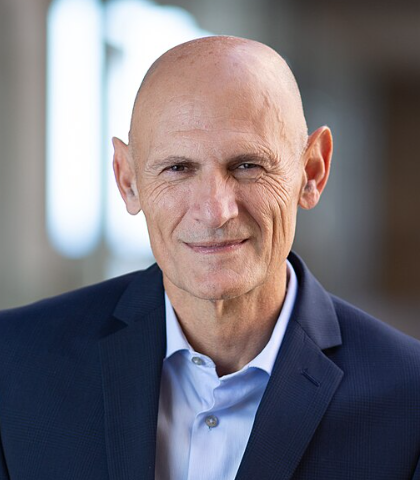 Juan Carlos Izpisua Belmonte合作论文数Gene Expression Laboratories, Salk Institute for Biological Studies20
 Qianzhao Ji合作论文数14
 Jie Ren合作论文数12Kaowen Yan合作论文数Qingdao Univ, Coll Med, Inst Translat Med, Ctr Dev Cardiol, Qingdao 266021, Peoples R China11Qiaoran Wang合作论文数10Xiaoyu Jiang合作论文数Peking Union Medicine College, Chinese Academy of Medical Sciences10
 Wei Li (李伟)合作论文数State Key Laboratory of Stem Cell and Reproductive Biology, Institute of Zoology, Chinese Academy of Sciences;Institute for Stem Cell and Regeneration, Chinese Academy of Sciences;University of Chinese Academy of Sciences10Zhejun Ji合作论文数8
 Yusheng Cai (蔡雨生)合作论文数Institute of Zoology, Chinese Academy of Sciences8
 Zehua Wang合作论文数Chinese Acad Sci, Inst Stem Cell & Regenerat8
 Liang Sun (孙亮)合作论文数Beijing Hospital8
 Shuai Ma (马帅)合作论文数Institute of Zoology, Chinese Academy of Sciences;Institute for Stem Cell and Regeneration, Chinese Academy of Sciences7
 Xiaoqian Liu (刘晓倩)合作论文数State Key Laboratory of Microbial Technology, Shandong University7Lingling Geng合作论文数7
 Jingyi Li (李静宜)合作论文数State Key Laboratory of Membrane Biology, Institute of Zoology, Chinese Academy of Sciences7
 Piu Chan合作论文数6Shijia Bi合作论文数6Jianli Hu合作论文数6
 Qi Zhou (周琪)合作论文数State Key Laboratory of Organ Regeneration and Reconstruction, Institute of Zoology, Chinese Academy of Sciences;University of Chinese Academy of Sciences6Qun Chu合作论文数5
 Jiaming Li合作论文数Nanjing Agr Univ, Ctr Pear Engn Technol Res, State Key Lab Crop Genet & Germplasm Enhancement, Nanjing, Jiangsu, Peoples R China5
 Weimin Ci (慈维敏)合作论文数Key Laboratory of Genomic and Precision Medicine, Beijing Institute of Genomics Chinese Academy of Sciences;University of Chinese Academy of Sciences5
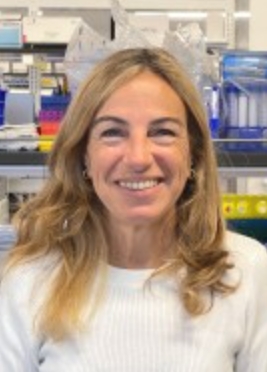 Concepcion Rodriguez Esteban合作论文数Altos Labs5
 Shuhui Sun (孙书会)合作论文数Institut National de la Recherche Scientifique5He, Yifang合作论文数4Chuqian Liang合作论文数4Wei Wang合作论文数4Yanling Fan合作论文数4
 Pengze Yan合作论文数National Laboratory of Biomacromolecules, CAS Center for Excellence in Biomacromolecules, Institute of Biophysics, Chinese Academy of Sciences, Beijing 100101, China4
 Yiyuan Zhang (张亦元)合作论文数Key Lab Mech Behav & Design Mat, Univ Sci & Technol China4
 Sheng Zhang (张胜)合作论文数The College of Life Sciences, Sichuan University4
 Yang Yu (于洋)合作论文数Institute of Advanced Clinical Medicine, Peking University;Department of Obstetrics and Gynecology, Peking University Third Hospital4Diao Zhi-Qing合作论文数3Feifei Liu合作论文数3
 Jinghui Lei合作论文数Capital Med Univ, Natl Clin Res Ctr Geriatr Disorders, Xuanwu Hosp, Beijing 100053, Peoples R China3Pedro Guillén-García合作论文数Dept Orthopaed & Trauma Surg, Clin Cemtro3HUANG Dao-yuan (黄道远)合作论文数3HuYi Feng (冯虎翼)合作论文数3
 Yang Kuan合作论文数3
 Guoguang Zhao (赵国光)合作论文数Xuanwu Hospital, Capital Medical University;Graduate School, Capital Medical University3
 Hongyu Li (李宏宇)合作论文数Institute of Crop Sciences, Chinese Academy of Agricultural Sciences3Miyang Ma合作论文数2Hongkai Zhao合作论文数2




