1 病例介绍 患者男性,20岁,大学在校学生,未婚.主诉"发作性右侧肢体抖动2年余"于2020年8月14日入院.2018年5月某日患者卧床休息时突然出现右侧肢体抖动,不受控制,持续数秒,不伴肢体无力麻木、视物模糊、言语不清,无意识丧失,发作后无不适.此后反复出现上述发作性右侧肢体抖动,每次幅度、持续时间不一,最短持续10?s,最长持续2?h,数天1次(入院前4个月发作15次).发作与姿势位置无关,无明确诱因,睡眠中无发作.发作间期神经科查体正常.期间外院住院治疗,头颅常规MRI检查未见异常,头颈CTA示:左侧大脑前动脉A1段、左侧大脑中动脉M1段狭窄.出院时考虑TIA、颅内血管狭窄(血管炎可能),予泼尼松抗炎、抗血小板聚集、调脂药物口服,治疗3个月无好转.为求进一步诊治,就诊于北京协和医院神经科.
Objective:To summarize and analyze the clinical data of Chinese patients with colony-stimulating factor 1 receptor (CSF1R)-related leukoencephalopathy, and clarify the phenotypic and genetic characteristics of Chinese patients.Methods:Medical history of patients with CSF1R-related leukoencephalopathy diagnosed from April 1, 2018 to January 31, 2021 in the department of neurology of 22 hospitals in China was collected, and scores of Mini-Mental State Examination (MMSE), Montreal Cognitive Assessment Scale (MoCA), magnetic resonance severity scale were evaluated. Group comparison was performed between male and female patients.Results:A total of 62 patients were included, and the male-female ratio was 1∶1.95. The age of onset was (40.35±8.42) years. Cognitive impairment (82.3%, 51/62) and motor symptoms (77.4%,48/62) were the most common symptoms. The MMSE and MoCA scores were 18.79±7.16 and 13.96±7.23, respectively, and the scores of two scales in male patients (22.06±5.31 and 18.08±5.60) were significantly higher than those in females (15.53±7.41 , t=2.954, P=0.006; 10.15±6.26, t=3.328 , P=0.003). The most common radiographic feature was bilateral asymmetric white matter changes (100.0%), and the magnetic resonance imaging severity scale score was 27.42±11.40, while the white matter lesion score of females (22.94±8.39) was significantly higher than that of males (17.62±8.74 , t=-2.221, P<0.05). A total of 36 CSF1R gene mutations were found in this study, among which c.2381T>C/p.I794T was the hotspot mutation that carried by 17.9% (10/56) of the probands. Conclusions:The core phenotypic characteristics of CSF1R-related leukoencephalopathy in China are progressive motor and cognitive impairment, with bilateral asymmetrical white matter changes. In addition, there exist gender differences clinically, with severer cognitive impairment and imaging changes in female patients. Thirty-six CSF1R gene mutations were found in this study, and c.2381T>C/p. I794T was the hotspot mutation.
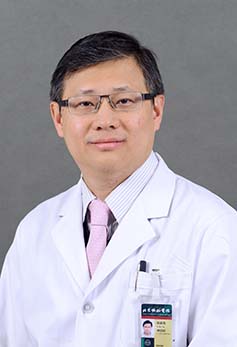 Weihai Xu (徐蔚海)合作论文数北京协和医院2
 Qianqian Si合作论文数1Fei-Xia Zhan合作论文数1hongfu li (李宏福)合作论文数1Xiaohang Qian合作论文数1Jingying Wu合作论文数1
 Gui-Xian Zhao合作论文数1Wo-Tu Tian合作论文数1Li Ling (凌丽)合作论文数1YiMin Sun (孙一忞)合作论文数1JieLing Jiang (姜杰玲)合作论文数1Wei Ge (葛巍)合作论文数1TongXia Zhang (张同霞)合作论文数1LiXia Zhang (张立霞)合作论文数1ZhanHang Wang (王展航)合作论文数1Chang Zhou (周畅)合作论文数1Ping Zhong (钟平)合作论文数1JianJun Wu (邬剑军)合作论文数1Yun Li (李云)合作论文数1Chao Zhang (张超)合作论文数1Jun Xu (徐俊)合作论文数1XingHua Luan合作论文数1
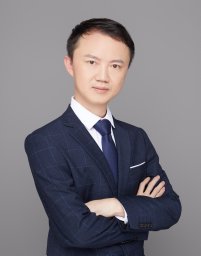 Zou Zhangyu合作论文数1
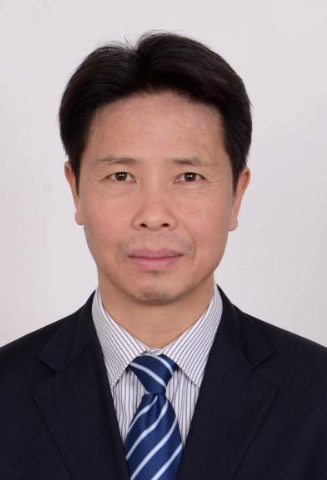 Beisha Tang (唐北沙)合作论文数Xiangya Hospital, Central South University1
 Zaiqiang Zhang (张在强)合作论文数Beijing Tiantan Hospital, Capital Medical University1
 Chunkang Chang (常春康)合作论文数Shanghai Sixth People’s Hospital Affiliated to Shanghai Jiao Tong University1
 Li Cao (曹立)合作论文数Shanghai Sixth People's Hospital Affiliated to Shanghai Jiao Tong University School of Medicine1
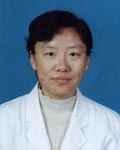 Wei Zhang (张巍)合作论文数北京大学第一医院神经内科1
 Kang Wang (王康)合作论文数Beijing Friendship Hospital, Capital Medical University1Jianguang Tang (汤建光)合作论文数1
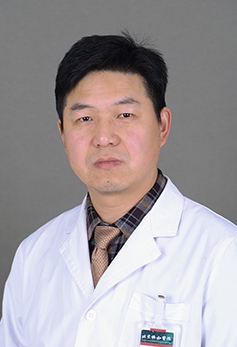 Mingli Li (李明利)合作论文数Peking Union Medical College Hospital1
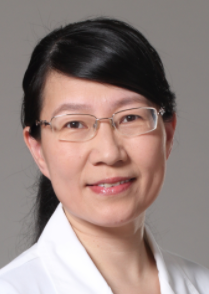 Zhiying Wu (吴志英)合作论文数The Second Affiliated Hospital, Zhejiang Unviersity School of Medicine1Xiuhe Zhao合作论文数1Youshan Zhao合作论文数1
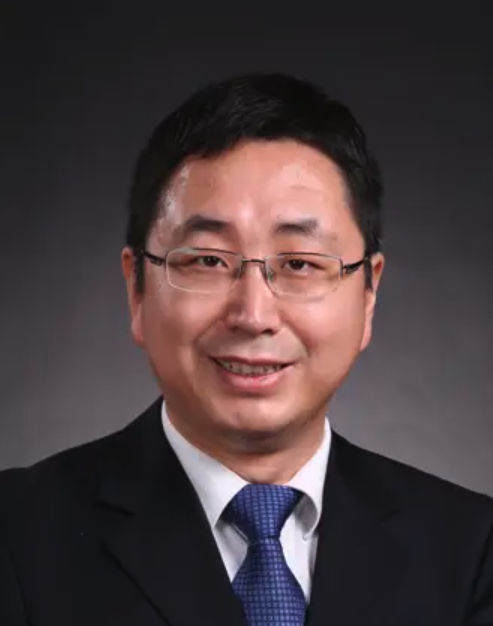 Liyong Wu (武力勇)合作论文数Xuanwu Hospital, Capital Medical University1
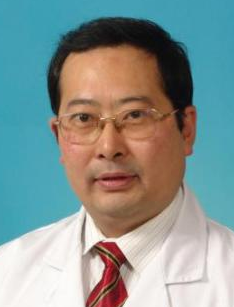 Yuwu Zhao (赵玉武)合作论文数Shanghai Sixth People’s Hospital Affiliated to Shanghai Jiao Tong University School of Medicine1
 Huidong Tang (汤荟冬)合作论文数Department of Neurology, Rui Jin Hospital Affiliated to Shanghai Jiao Tong University School of Medicine, Zhoushan Branch1
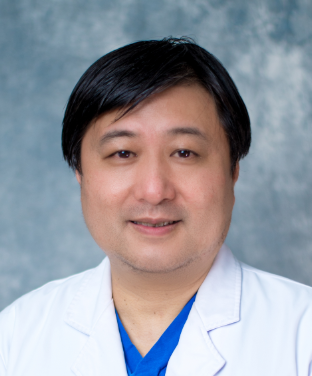 Jiong Hu (胡炯)合作论文数Ruijin Hospital, Shanghai Jiaotong University School of Medicine1
 Yuhu Zhang合作论文数1
 Yuyan Tan (谭玉燕)合作论文数Shanghai Jiao Tong University School of Medicine1




