Modern higher education is increasingly focused on training not only qualified specialists, but also socially responsible citizens who are able to actively participate in solving social problems. In this regard, there is an increasing interest in approaches that stimulate the development of prosocial attitudes and behavior among students. One of these promising areas is service learning», which combines academic learning with real-world activities aimed at benefiting society. In Russian practice, this approach is undergoing a stage of active development, which necessitates its comprehensive study and adaptation to domestic social and educational realities.The relevance of the research is due to the increasing demand from society for university graduates with not only professional knowledge, but also developed prosocial qualities such as empathy, leadership, and the ability to communicate effectively. In the context of global challenges and social problems, the formation of an active civic position and readiness for constructive interaction among young people is becoming especially important.The academic novelty of the research lies in the empirical substantiation of the influence of the “Service Learning” approach on the formation of prosocial attitudes and behavior of students in Russian universities. For the first time, a large-scale (n=1745) study was conducted, which makes it possible to evaluate not only students’ ideas about the social significance of their future profession, but also the development of personal qualities in demand in prosocial activities. The specific mechanisms and factors contributing to the formation of prosocial attitudes and behavior of students in the framework of the implementation of Service-Learning projects have been identified.The article contributes to the development of academic discussion on the formation of prosocial attitudes and behavior in higher education by offering empirical evidence substantiating the effectiveness of the “Service-Learning” approach and its impact on the development of relevant qualities in students. The results of the study make it possible to expand the theoretical understanding of this approach and develop practical recommendations for its effective implementation in Russian universities. The article also stimulates further research in the field of prosocial behavior and the search for effective methods of its formation in the higher education system.
The present paper is devoted to the search for successful experience and analysis of the problems of supporting students’ research work (R&D) and scientific mentoring in Russian universities. The relevance of the topic is due to the need to evaluate approaches to stimulating not only research and development, but also the activities of scientific mentors in terms of the sustainability and effectiveness of the impact of existing support measures on student involvement in science andteachers’ motivation to mentoring activities. Since the interaction of students and scientific mentors, implemented in the unique organizational conditions of each particular university, and a typical all-Russian context, forms an ecosystem, the article focuses on considering measures to support research and scientific mentoring in interrelation. The purpose of the article is to consider measures to support research and scientific mentoring in Russian universities. The results of an empirical study conducted in 2024 using the methods of traditional analysis of documents (normative legal acts on measures to support research and development at the federal, regional and local levels) and a semi-structured interview with scientific mentors from among academic staff of universities (n = 30) are presented. Main results: generalization of measures to support research and development at three levels (federal, regional and local) of higher education management. It is shown that, at the federal level, they are worded extremely broadly, allowing the regions and universities to specify and refine them.The uneven distribution of support measures by region and their emphasis on financial incentives are revealed. It is concluded that each university has a limited number of documents regulating the support of research and mentoring. The contradictions in the attitude of the academic staff to the measures of support for research and scientific mentoring were disclosed. The prospects for the development of a research programme to support research and scientific mentoring in universities are considered.
The article examines the implementation of one of the most important axiological foundations of higher education – the formation of attitudes among students towards public service as a social value. The relevance of the study is due to the need to evaluate educational practices that perform this social function in the higher education system. The focus of attention is on the readiness of students for public service as a result of the introduction of a new pedagogical approach «Service Learning» into the education. Some research questions are analyzed: the concept of public service and its interpretation in the context of higher education; key indicators of university students’ readiness for public service; opportunities for Service Learning to develop readiness for public service. It is proposed to consider public service as an activity in the interests of other people, implemented in two forms – as social and professional service. The first form is associated with the implementation of responsible and reciprocal behavior, the second form is the social mission of the profession. Based on the data of the sociological study (2024), the features and problems of forming readiness for social and professional service among students of Russian universities are shown. A significant result of the study was the fixation of changes in the personal qualities of students in the process of Service Learning, which are as predictors of their involvement in the practice of public service during and after university studies.
This article examines the development of the scientific mentoring institute in Russian universities. The authors assume that it should be based on scientific ideas about the content and features of the professional roles of a scientific supervisor and a scientific mentor. Despite all the similarities, these roles of research and teaching staff correspond to different functional areas of their activities with their own set of tasks, results, and features of interaction with students. The purpose of this article is to compare the professional roles of a scientific mentor and a scientific supervisor of undergraduate and graduate students for the purpose of updating the meaning of mentoring activities in the field of university research work. The subject of the analysis is the features of the professional role of a student's scientific mentor. Their presence substantiates the independent nature of mentoring activities and "legitimises" it in the role repertoire of research and teaching staff of universities. The empirical basis of the article is the materials of semi-structured interviews with research and teaching staff of Russian universities, conducted within the framework of an all-Russian study (n = 30, 2024). The interpretation of the empirical data is based on the theoretical provisions of the sociological theory of roles, the theory of social identity, the concept of professional morality and ethics. The study not only substantiates the differences in the functional content of professional roles and everyday practices of a supervisor and a mentor, but also reveals the paradoxes of the professional identification of supervisors and mentors, the moral and ethical dimension of their activities. It is shown that the features of the prescriptions, expectations and performance of their roles by supervisors and mentors are manifested in the degree of formality of their rights, duties and responsibilities, the level of individualisation and the nature of the temporal organisation of interactions with students. The practical significance of the results obtained is associated with the possibility of developing university programs to support mentors as key actors in involving students in the academic profession and university science. The role differences between a scientific mentor and a scientific supervisor allow us to further specify the management requirements for different types of professional activity of scientific and pedagogical workers, as well as optimize their resource support. The practical significance of the study for academic workers is to obtain grounds for self-assessment of their readiness for the professional role of a scientific mentor and to determine the areas of professional responsibility associated with this role.
The article shows the potential and barriers to the realization of the conception, treating students as partners in research projects of universities. The foreign experience of implementing this conception in various spheres of academic life is presented. The positive effects and limitations of the conception of students as partners in research are summarized. Based on the results of the empirical study «Scientific mentoring in Russian universities: institutional models, professional roles, everyday practices», the prerequisites and barriers to the implementation of this concept in Russian universities are identified. The administrative, economic and social barriers caused by both the institutional and organizational conditions for the implementation of university science and the peculiarities of the established model of relationships in the academic environment between different generations of researchers are revealed. The positive impact of student involvement in grant projects is shown. It is proved that this form of interaction between “adults” and young researchers creates prerequisites for the implementation of the principles of the concept of students as university partners.
The article aims at characterizing the institutional models of Russian university students’ scientific mentoring in the context of managing research activities. The institutional practices of scientific mentoring are an effective way to make an early academic career, to involve and retain talented students in the field of research and development, to popularize and strengthen the social status of science. Meanwhile, the traditional institutional forms existing in Russian universities should be developed and renewed. In addition, some practices of scientific mentoring are informal, which means that they do not have organizational support and conditions for reproduction. We focus on scientific mentoring for students of the first and second levels of higher education (bachelors, specialists, master students), who are considered as a «reserve» of the community of scientific youth. Our conclusions are based on the data of a sociological study carried out in 2023. Therein, we used methods of systematic analysis of scientific literature, of Russian and foreign universities’ websites content. The study included an online survey of 3032 students of Russian universities. The theoretical task is to substantiate the features of scientific mentoring as a scientific and educational institution. We highlight the institutional features and functions of scientific mentoring. Based on empirical data, we present the content of scientific mentoring institutional models, which have developed in modern foreign and Russian universities. The online survey of students showed their involvement in research activities, motivation for it, and the level of their scientific activity. The results of our research can be used in practice – to develop and improve scientific mentoring programs in Russian universities. The paper in general is the first attempt to interpret scientific mentoring from the standpoint of an institutional approach. We summarize the Soviet experience of scientific mentoring, as well as its modern institutional practices in foreign and Russian universities.
Introduction. An investigation of student publication activity is an important element of the study of their research culture. The authors’ attention is focused on student publications in highly ranked journals reflecting the involvement of students in “adult” university science and making a serious contribution to it. A research on student publication activity is attracting considerable interest due to its significance for university scientific and educational practices, whereas this issue is not closely examined in theoretical and empirical terms. Aim. The present paper aims to consider the features of the publication activity of students of Russian universities in the segment of highly ranked journals. It is revealed by solving the following research issues: evaluation of students’ attitude to publication activity; characterisation of quantitative indicators of students’ publication activity in highly ranked journals; identification of the specifics of students’ publication activity depending on belonging to different fields of scientific knowledge, level of training and other indicators. Methodology and research methods . The article presents the results of an empirical study conducted in 2023 using the methods of an online survey of students of Russian universities localised in all federal districts (n = 3032 people), as well as applying content analysis of highly rated journals (indexed in RSCI, WoS, Scopus). The results and conclusions of the authors’ research are compared with Russian and foreign studies on similar topics. Results. The main results of the study are the characteristics of the place of publication activity in the general structure of students’ research activities. Despite the fact that the preparation of articles is one of the most popular forms of research, it is shown that a small number of students are involved in youth science on a permanent basis. It is concluded that the authors of publications in highly ranked journals represent a special group of students, distinguished by cognitive and motivational readiness for such activities. The article presents the features of the publication activity of a selected group of students: gender asymmetry (predominance of female students among authors); multiple authorship; an increase in the degree of publication activity from junior to senior courses, from bachelor’s degree (specialty) to master’s degree. The question of the ethical side of student publications is discussed. It is justified as a promising area of research. Various factors of success of student publications in the segment of highly ranked journals are discussed. The factors are as follows: involvement in research practices on a regular basis, the presence of a scientific mentor. In conclusion, the possibilities of using various theoretical frameworks for interpreting the publication activity of students are considered. Scientific novelty of the research consists in the introduction into scientific circulation of new empirical data representing the all-Russian situation with the publication activity of students of the first two levels of education (bachelor’s/specialist’s and master’s degree), as well as their interpretation in a comparative perspective with foreign studies. Practical significance of the article is the possibility of using the results and conclusions of the current study in the development of university programmes for involving students in research and scientific mentoring.
The strategies of the universities involve strengthening the role of student science and developing programs to support it, including scientific mentoring. The implementation of the institute of scientific mentoring in Russian universities should be preceded by the study of students’ expectations regarding the qualities of a scientific mentor. The success of the interaction between a student and a scientific mentor (SM) is determined by the correspondence of the expectations of students and mentors from each other. In addition, a promising “partner” model of scientific interaction is based on taking into account or adjusting students’ expectations from the SM. The purpose of the study was to identify the ideas of students of Russian universities about the qualities of scientific mentors. The purpose is to identify students’ view on the ideal and real qualities of SM. The objectives were detection the significant socio-demographic, personal and professional characteristics of SM; establishment differences in the perceptions of SM among students with different educational and research experience, as well as students enrolled in programs of different profiles; fixing contradictions between the real and expected image of SM. The article is based on the results of the survey of students of Russian universities (N=3032 people). The results show the high importance for students of the personal and professional qualities of SM in comparison with their socio-demographic characteristics. Among the personal and professional characteristics of the mentor, pedagogical, cultural competencies come to the fore. Students who are successful in studies and research, as well as undergraduates and students studying in social and humanitarian programs, have high requirements for SM. There is a great need for scientific mentoring among students of a natural-technical profile. It is concluded that the majority of Russian students are guided by SM qualities corresponding to the authoritative style of mentoring. The features of the SM indicate the correspondence of the real and desired qualities of SM. The contradictions between the real and expected image of SM can be taken into consideration in scientific mentoring programs.
The article is devoted to the summarizing results of the sociological study of the re- search culture of students (February-April 2023, n=3,032 people). The aim of the article was to iden- tify its features and contradictions in the conditions of modern Russian universities. The productivity of the theoretical and methodological framework for studying this problem, developed on the basis of L.N. Kogan’s approach, is argued. The article proposes to consider the research culture as a way of developing the essential forces of students and to identify its structural elements such as cognitive, axiological and praxeological. In accordance with the theoretical and methodological approach, the characteristic of the research culture of students is given. The results of the survey allowed us to conclude that the majority of students have an interest in science and scientific knowledge as values, and at the same time – about the formation of a critical assessment of the risks that research produces among students who are active in scientific terms. The problem areas of students’ research competencies that prevent the “seamless” integration of student and “adult” science, including meth- odological and organizational ones, have been identified. Such problematic features of the praxe- ological block of students’ research culture as their low involvement in publication practices and tol- erance to unethical research practices are shown. The significant influence of teachers and scientific mentors performing activating and socializing functions on the formation of the research culture of students is substantiated. The practical significance of the research lies in a comprehensive under- standing of the state of the research culture of students of Russian universities, identifying factors that influence (positively or negatively) its formation and development. On this basis, it is possible to develop scientifically based programs for the academic development of students, especially in terms of its scientific track.
The article presents the results of the All-Russian sociological study of academic and sociocultural adaptation of students in Russian universities. The purpose of the article was to identify and interpret the problems of students’ adaptation to the educational process, research activities, project training, sociocultural environment of the university. The subject of the study was the selfassessment of the adaptability of junior students, as well as the factors influencing it. The novelty of the research consists in a comprehensive consideration of students’ adaptation to key activities at the university, including a new type of project activity. The empirical study was implemented through a massive online survey of students in May-July 2022. The respondents were first and second-year students enrolled in bachelor’s and full-time specialty programs in various areas of training. The total volume of the sample was 15,902 people, the maximum sampling error didn’t exceed 1%.Based on empirical data, the article shows the main problems of students’ adaptation to learning, namely, a significant amount of new information, the pace of the educational process, the format of practical classes and coursework that require more independence and activity than in school education. The authors reveal the connection between the level of students’ educational activity and initiative and the degree of their integration into the university community. The negative trend of decreasing student activity in the research field compared to the school period of study , as well as the preservation of a high proportion of those who are prone to academic fraud due to the lack of adaptive resources, is shown. It is concluded that the adaptation of students to project activities is complicated by their unwillingness to responsibility and independence, an attitude towards individualism and autonomy, an insufficiently high level of professional culture and professional knowledge, which is at odds with the expectations of project customers. At the same time, positive effects have been recorded in the field of sociocultural adaptation of nonresident and foreign students. Getting used to the specifics of Russian culture, the academic environment, and the new urban society occurs without much difficulty. The conclusion is made about the effectiveness of university programs of adaptation and support of foreign students and students with disabilities, reasoned by the absence of significant differences in adaptation problems in all groups of students.
The article presents the results of a study of the features of interaction between students and their parents as a factor of minimizing the educational risks. These features are analyzed through the prism of the functions of their interaction, such as economic, emotional, parental control. The empirical basis of the article comprises the data of sociological surveys conducted in the Sverdlovsk region in 2018 and 2021. The methodical strategy was based on a combination of quantitative (mass survey of students (n=953) and parents (n=452)) and qualitative (focus groups with university students (n=7) and in-depth interviews with parents of university students (n=20)) methods of collecting information. The analysis revealed changes in the interactions of students and their parents, mainly related to the transformation of the nature, form of education and activity of students. It is shown that the implementation of the functions of interaction between students and their parents allows minimizing the risks of non-compliance of the chosen specialty with the needs and interests of students, reducing educational, professional motivation, poor-quality vocational training at university.
Introduction. To determine the prospects for the development of the social community of parents as a subject of civil society in Russia it is necessary to analyze foreign practices of social and civil activities of parents. In this sense, the activities of European parents are of interest, reflecting the experience of countries with a developed civil society (France, Germany, Sweden). The aim of the article is to analyze the institutional opportunities and practices of European parentsʼ participation in the system of school education. Materials and Methods. The methodological framework for the study of parentsʼ involvement in childrenʼs education was the concept of D. Epstein. To achieve this goal, the content of normative documents regulating the participation of European parents in the education of their school children was studied; a secondary analysis of statistical information and scientific publications was carried out. Results. The study showed that despite the common European space, parents of the analyzed countries have different institutional opportunities to participate in the education of their children. Two basic principles of state policy in relation to the parent community, which affect the peculiarities of their participation in school education, are highlighted. The first principle is the restriction of the freedom of individual choice of parents in the field of school education to ensure equal access to public school education. The second is the priority of childrenʼs rights over the rights of parents. The interaction of the school with parents is focused on the education of politically correct parents who fulfill the requirements of the school. It is noted that the Russian parent community can more actively use at least two European practices for the implementation and protection of parental and children rights and interests in the field of school education: collective forms of protection of rights and interests; consolidation with the local community for the implementation of parental and children needs and interests. Discussion and Conclusion. The obtained results contribute to the development of the sociological concept of the parent community as a subject of civil society. The materials of the article will be useful to scientists analyzing the problems of the development of Russian civil society; representatives of educational management engaged in the development of programs for the harmonization of relations between parents and schools; civil activists.
Н.В.Шаброва 1 ЗАЩИТА ПРАВ И ИНТЕРЕСОВ ДЕТЕЙ В СФЕРЕ ШКОЛЬНОГО ОБРАЗОВАНИЯ: ПРАКТИКИ РОССИЙСКИХ РОДИТЕЛЕЙ Защита прав и интересов детей в сфере школьного образования -важный индикатор реализации в стране принципов и идеалов гражданского общества.Федеральный закон «Об образовании в Российской Федерации» закрепил статус родителей школьников в качестве участников образовательных отношений и зафиксировал их право защищать интересы детей.В статье предпринята попытка анализа практик защиты российскими родителями детскородительских прав и интересов в сфере школьного образования.Эти практики рассматриваются как проявление становления родительства в качестве субъекта гражданского общества
Choosing an educational trajectory is an important moment in the life of every school students. Thanks to him, school students can realize their needs and interests. However, the freedom to choose an educational trajectory is limited by several institutional, organizational, group and personal factors.The purpose of the article is to analyse the plans of high school children in choosing an educational trajectory.Research tasks:1) to study the influence of educational motivation and success in learning on the student's choice of educational trajectory.2) to identify the influence of socio-demographic factors (type of school, economic status of the family, place of residence) on the student's choice of educational trajectory.The empirical basis of the article is the results of a mass survey of high school children conducted in the Sverdlovsk region, Russia (January - February 2021, n = 700).The article shows that half of high school students (48%) plan to study at university, and a quarter (24%) – at college. 36% have already decided on the choice of specialty and educational organization. Those who plan to study at the university more clearly represent the direction of their future studies.The choice of an educational track depends on the educational motivation. Those who do not want to study are 4 times more among those planning to study at college than among those planning to study at university. High school children who plan to continue their studies at the university differ from those who plan to study at college in their attitude to the knowledge they are currently receiving. For the first group, the value of the acquired knowledge and the desire to enrich it is 2 times higher than for the second (46.6% / 21.1%).The dependence between success in learning and the choice of educational trajectory is revealed. Successful students are more likely to continue their studies at the university, and unsuccessful students are more likely to go to college.The choice of the educational trajectory is influenced by all the analysed socio-demographic factors: the type of school, the economic situation of the family, the place of residence. Students of lyceums and gymnasiums were more likely to talk about the desire to continue their studies at the university, and ordinary schools’ students - at college. High school children from economically prosperous families are more likely than from poor ones to plan to continue their studies at university (57% vs. 18.8%). Students from the lower middle class (29.6%) and the upper lower class (36.4%) are more focused on continuing their studies at college. Students from poor families were several times more likely to note that they do not plan to continue their studies yet but will go to work. High school children of Yekaterinburg and other large cities of the Sverdlovsk region (about 60%) plan to study at the university more often. Students of medium-sized cities were more likely to talk about the desire to continue their studies at college (30.0% and 43.6%, respectively).It is concluded that the choice of an educational track reflects the influence of subjective and objective factors.
The article analyses the institutional possibilities and practices of parent participation in the school system of the United States of America. Education is an area where today the civic subjectivity of parents is most clearly manifested both in foreign countries and in Russia. Therefore, the author believes that the experience of American parents, that reflects a long and controversial process of implementing the principles of civil society in the field of educational relations, is of interest both in scientific and applied aspects. The methodological basis of the study is the concept of D. Epstein. The author studied the content of legal documents regulating the participation of American parents in the education of their schoolchildren; a secondary analysis of statistical information and sociological research data was carried out. The study showed: 1) the dependence of the institutional possibilities for the realisation by American parents of the needs and interests in the field of school education on the characteristics of the school education system of the region (state); 2) persistent social disparities in access to quality schooling among different sub-communities of American parents; 3) the impact of social inequality of American parents on the possibilities of protecting child-parental rights and interests in the field of school education; 4) difficulties in implementing the participatory model of interaction between the school and the American parent community; 5) the influence of economic and social resources of American parents (income, time, cultural and educational capital) on the nature of their involvement in the intra-school life of children; 6) a crisis of confidence of the American parent community in mass (national) parent public organisations and the functions they perform. It is concluded that, despite the differences in the institutional landscape of civic activity in the United States and Russia, both in general and in the field of school education, in both countries there are similar problems of interaction between parents and the school. In this regard, the author comes to the conclusion about the importance of taking into account some of the constructive practices that have developed in American society when developing the activities of the parents of Russian schoolchildren.
The choice of a school is an important indicator of the implementation of the principles and ideals of civil society in the country. Thanks to him, parents and children can realize their needs and interests, but not only follow the educational trajectories set by the state. At the same time, the freedom of parental choice of school is considered as a factor that increases social inequality. The freedom to choose a school depends on the historical, political, socio-cultural specifics of the country.The purpose of the article is to analyze the singularity of school choice by Russian parents. Research tasks: 1) to study the institutional possibilities of parental choice of school in Russia; 2) to identify the criteria of parental choice of school; 3) to analyze the practices of parental choice of school.The empirical basis of the article is the results of sociological studies of parents of school students in Yekaterinburg (the administrative center of the Sverdlovsk region of the Russian Federation) conducted in 2019-2021: 1) mass survey (2019, n=7281); 2) in-depth interview (2021, n=20).The article shows that the choice Russian parental of school for their children is limited by the admission rules established by the education authorities. To be able to enroll / transfer to school, a child must reach a certain age, have no contraindications for health reasons, live (be registered) in the territory for which the selected school is assigned. Parents and their children may be refused admission to a public school if there are no available places and/or the child does not meet the criteria for individual selection (if such is provided for by the school's charter).Russian parents strive to provide their children with high-quality education. According to the parents surveyed, the predictor of quality education is the professionalism of teachers (more than 70%). When parental choice of school 86.9% of parents are guided primarily by this criterion. In addition, for 69% of parents, it is important that the school is nearby to home.Some parents implement a passive strategy of choosing a school, some - an active strategy. A passive strategy means entering a school that is prescribed by the territory of residence. An active strategy is implemented in the form of finding the best school option for training. This strategy is based on the analysis of parental resources and the abilities of children to learn in it. For an active strategy of choosing a school, parents use legal methods (moving to a new place of residence, choosing a private school) and illegal methods (fictitious registration, corruption schemes). An active school choice strategy is more often implemented by parents with higher human and social capital and/or economic resources.
The article examines the socio-cultural factors that affect the educational achievements of students (schoolchildren and students) and determine their educational failure / success. The purpose of the paper is to identify and consider cognitive, axiological and behavioral factors of educational failure / success that have a socio-cultural nature. The paper is based on the data of the interdisciplinary research «Transfer of human capital of educational communities: from failure to success», carried out in 2019–2020. In the course of the empirical study, the methods of expert interviews with representatives of educational organizations of the Sverdlovsk region and secondary analysis of data from pedagogical, socio-psychological, and sociological studies reflecting the socio-cultural prerequisites of educational failure / success were used.
Public opinion in relation to people of the “third age” is a mirror reflecting the position of this group in the society. The growing share of representatives of the older generation in the population structure, the difficulties of implementing the pension reform make it necessary to form a positive public opinion regarding the social community of people of the “third age”. The purpose of the article was to analyse the social technologies used by the authorities of the Sverdlovsk region to form public opinion regarding people of the “third age”. The article is based on the materials of a sociological study carried out in the spring of 2021. The method of analysing documents and content of the website of the Ministry of Social Policy of the Sverdlovsk Region, as well as the method of secondary analysis of data from sociological studies on public opinion in relation to people of the “third age” was used.
 P. A. Ambarova合作论文数Inst Econ & Manageincia, Ural Fed Univ23
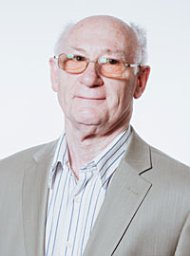 Garold Zborovsky合作论文数Ural Fed Univ5
 Vladimir Nikolskiy合作论文数2
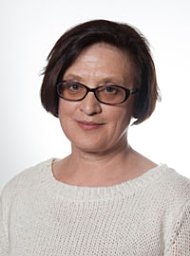 Elena Shuklina合作论文数2
 е в кеммет合作论文数1V. P. Zasypkin合作论文数1Зборовский Гарольд Ефимович合作论文数1Мария Владимировна Певная合作论文数1Svetlana Ermolaeva合作论文数1о о тихонова合作论文数1
 Anna Kuzminchuk合作论文数1




