Study DesignRetrospective Cohort Study.ObjectiveTo propose a new technique named "lateral mass gutter" and investigate its role in augmenting spinal canal cross-sectional area (SCA) during laminoplasty.MethodsThis study included 105 patients who received cervical laminoplasty from February 2021 to February 2024. Patients were allocated to the conventional (CON) group or the lateral mass (LM) group according to the guttering technique used intraoperatively. Propensity score matching with a caliper of 0.2 was utilized to reduce selection bias. Intergroup comparisons encompassed clinical outcomes (Visual Analog Scale (VAS) of neck pain, Japanese Orthopaedic Association (JOA) score), radiographic measurements (SCA, laminoplasty opening angle (LOA), hinge fractures, hinge fusion, C2-7 Cobb angle) and postoperative complications (cerebrospinal fluid leakage, incisional fat liquefaction, C5 nerve root palsy, axial neck pain, cervical spine instability).ResultsFollowing propensity score matching, baseline parameters were comparable between the CON and LM groups (37 patients per group, P > 0.05). Compared to the CON group, the LM group exhibited a significantly smaller LOA, a lower incidence of hinge fractures, a higher rate of hinge fusion, greater improvement in JOA and a larger expansion in the SCA (P < 0.05). No statistically significant differences were observed between the two groups regarding VAS of neck pain or postoperative complications (P > 0.05).ConclusionCompared to conventional guttering technique, lateral mass gutter significantly reduces hinge fracture, promotes hinge fusion, enhances spinal canal expansion and optimizes postoperative neurological recovery in posterior cervical laminoplasty.
Intervertebral disc degeneration (IDD) is a major cause of chronic low back pain, the mechanism of which is still unclear. Inflammation-induced extracellular matrix metabolism (ECM) dysregulation in the nucleus pulposus (NP) and NP cell senescence are known to be the key causes of IDD. However, few drugs can reliably alleviate ECM dysregulation and NP cell senescence. Muscone, as the key natural component of musk, is a widely applied antiapoptotic and anti-inflammatory drug. We found Muscone exerts protective effects by inhibiting the expression of ECM catabolism-related genes, cell apoptosis, the cell senescence and senescence-associated secretory phenotype (SASP) in NP cells, which is the key cellular phenotype associated with IDD. We have also shown that muscone can increase the expression of ECM anabolism-related genes and the proliferation of NP cells during inflammation. High-throughput RNA sequencing indicated that muscone protects NP cells mainly by altering the phosphorylation and expression of p53. Further validation confirmed both in vivo and in vitro that muscone could regulate ECM-related genes, cell apoptosis, cell senescence and the SASP by inhibiting p53. In summary, our findings show that muscone protects against the degeneration of nucleus pulposus cells by inhibiting p53 signaling and thus may have therapeutic value for IDD.
Intervertebral disc degeneration (IVDD) is a primary contributor to low back pain, posing significant social and economic burdens. Increasing evidence shows that obesity contributes to IVDD, yet the underlying mechanisms remain elusive. Here, we firstly revealed a causal correlation between obesity and IVDD via a two-sample mendelian randomization analysis and identified fatty acid-binding protein 4 (FABP4) as the potential regulator to associate IVDD and obesity. Elevated FABP4 expression promoted extracellular matrix (ECM) disequilibrium and angiogenesis to exacerbate IVDD progression. Genetically knocking out or pharmacologically inhibiting FABP4 in high-fat diet-induced mice alleviated IVDD. Mechanistically, obesity activated the mammalian target of rapamycin complex 1 (mTORC1), which upregulated FABP4 expression, leading to the accumulation of advanced glycation end-products (AGEs) in intervertebral disc tissue. AGEs further activated the NF-κB signalling pathway, exacerbating ECM degradation and neovascularization. Conversely, rapamycin-mediated inhibition of mTORC1 suppressed FABP4 expression in nucleus pulposus cells (NPCs), alleviating IVDD in vivo. Collectively, our findings reveal a critical role of the obesity-induced mTORC1-FABP4 axis in ECM degradation and angiogenesis during IVDD progression. Targeting FABP4 may represent a promising therapeutic strategy for IVDD in obese individuals.
Study DesignRetrospective Cohort Study.ObjectiveThe aim of this study was to evaluate the efficacy of our proposed surgical procedure named unilateral exposure channel-assisted (UCA) laminoplasty in treating degenerative cervical myelopathy (DCM), and the postoperative volume changes of cervical paraspinal muscles.MethodsFrom January 2020 to January 2022, 104 patients with DCM underwent unilateral open-door laminoplasty, among which, 63 patients underwent UCA laminoplasty (UCA group) and 41 patients underwent traditional laminoplasty (LP group). The radiological and clinical parameters as well as postoperative complications were recorded and analyzed before operation and during the follow-up.ResultsThe operation was completed successfully for all patients from both groups, who showed significant but comparable improvement in clinical outcome indicators including mJOA score, Neck pain VAS score, NDI score and radiological indicators including spinal canal diameter and area at the final follow-up compared to pre-operation. When conducting the intra-group comparison, less intraoperative time consumption and blood loss, less postoperative drainage and lower incidence of axial symptoms were observed in patients from UCA group than LP group. Furthermore, we found better preservation of C2-7 cobb angle, cervical curvature index (CCI) and cervical paraspinal muscle on the hinge side in patients underwent UCA laminoplasty than traditional laminoplasty.ConclusionThe UCA laminoplasty showed similar efficacy on alleviating clinical symptoms, and priority on maintaining cervical sagittal balance, minimizing intraoperative invasion, speeding up postoperative rehabilitation, reducing paraspinal muscle atrophy and postoperative axial symptoms when compared with traditional unilateral open-door laminoplasty.
BACKGROUND:There is currently no established index for evaluating the adequacy of the surgical area during laminoplasty. This study aims to propose a novel concept of the drifting angle of the spinal cord (DA-SC) at the cephalic and caudal junction of surgical and nonsurgical laminae during laminoplasty, and to assess its clinical relevance. METHODS:A retrospective review of clinical and radiological data was conducted on 296 patients who underwent laminoplasty. Patients were classified into four groups based on preoperative DA-SC of cephalic and caudal junction of surgical and nonsurgical laminae: Group DA-SC SS (both cephalic and caudal DA-SC were small); DA-SC LL (both cephalic and caudal DA-SC were large); DA-SC LS (cephalic DA-SC was large whereas caudal DA-SC was small); and DA-SC SL (cephalic DA-SC was small whereas caudal DA-SC was large). Clinical outcomes were recorded and analyzed before surgery, 2 months postoperatively, and at the last follow-up. RESULTS:Both cephalic and caudal DA-SC increased significantly following laminoplasty, patients in group DA-SC SS demonstrated superior clinical recovery rate than that of other three groups, indicating that small DA-SC is positively related with great clinical outcomes. CONCLUSIONS:The concept of DA-SC is valuable in assisting making decisions regarding the extent of laminoplasty in patients with cervical ossification of the posterior longitudinal ligament. Reducing the DA-SC by extending the surgical area is necessary when DA-SC is large.
目的:评价颈后路单侧显露选择性通道辅助下椎管扩大椎板成形术(selective channel-assisted lamino-plasty,SCA-LP)治疗多节段颈椎行性疾病的安全性与有效性,并对比3种颈椎后路单开门椎管扩大椎板成形术(laminoplasty,LP)的临床疗效.方法:回顾性分析2020年3月~2021年7月共114例行颈后路LP的患者资料,其中男62例、女52例,年龄58.27±7.36岁.其中多节段脊髓型颈椎病52例、颈椎管狭窄症25例、颈椎后纵韧带骨化症37例.39例患者接受了颈后路单侧显露SCA-LP,33例患者接受了颈后路单侧显露完全保留对侧椎旁肌的椎管扩大椎板成形术(muscle-preserved laminoplasty,MP-LP),42例患者接受了常规的颈后路单开门LP.随访12~28个月(18.46±5.75个月).比较三组患者的年龄、性别、体重指数(body mass index,BMI).记录并比较三组的手术时间、术中出血量、术后引流量及平均住院日.于术前、术后即刻、术后2个月、术后12个月及末次随访时采用疼痛视觉模拟量表(visual analog scale,VAS)评分评估颈部和上肢疼痛程度,颈椎功能障碍指数(neck disability index,NDI)评价患者颈椎功能,日本骨科学会(Japanese Orthopedic Association,JOA)评分评估神经功能状况.在术前、术后即刻、术后2个月、术后12个月及末次随访时的颈椎侧位X线片上测量C2-C7 Cobb角、CT横断面上测量骨性椎管面积,比较三种手术方法对C2-C7 Cobb角的影响及椎管面积的增加程度(比较每个节段的增加程度及每例患者的平均增加程度).结果:三组患者的年龄、性别、BMI差异无统计学意义(P>0.05).所有患者均顺利完成手术,术后均未发生神经损伤、感染等并发症.手术时间及平均住院日MP-LP组均最短、SCA-LP组次之、LP组最长,术中出血量及术后引流量MP-LP组均最少、SCA-LP组次之、LP组最多,三组间的差异均有统计学意义(P<0.05).三组患者术后各时间点NDI及JOA评分均较术前有明显改善(P<0.05),术前、术后即刻、术后2个月、术后12个月及末次随访时的NDI及JOA评分三组间均无统计学差异(P>0.05).LP组中,术后即刻的颈痛VAS评分要高于术前,术后12个月及末次随访时低于术前,差异均有统计学意义(P<0.05);术后2个月的颈痛VAS评分与术前比较无统计学差异(P>0.05).SCA-LP组、MP-LP组术后即刻的颈痛VAS评分与术前的差异均无统计学意义(P>0.05),术后2个月、12个月及末次随访均显著低于术前(P<0.05).术后即刻及术后2个月随访,SCA-LP组、MP-LP组的颈痛VAS评分均显著低于LP组(P<0.05);术后12个月及末次随访三组的颈痛VAS评分差异无统计学意义(P>0.05).三组术后即刻的C2-C7 Cobb角均较术前无统计学差异(P>0.05),LP组术后2个月、12个月及末次随访的C2-C7 Cobb角均显著小于术前(P<0.05),SCA-LP组、MP-LP组术后2个月的C2-C7 Cobb角均与术前无统计学差异(P>0.05),SCA-LP组、MP-LP组术后12个月及末次随访的C2-C7 Cobb角均显著小于术前(P<0.05).三组间术前及术后即刻C2-C7 Cobb角差异无统计学意义(P>0.05),术后2个月、12个月及末次随访的C2-C7 Cobb角SCA-LP组、MP-LP组均大于LP组(P<0.05).三组间术后即刻、2个月、12个月及末次随访的平均椎管面积增加百分比差异无统计学意义(P>0.05).SCA-LP组中所有患者的C7(100%)、12例患者的C6(30.77%)、6例患者的C3(15.38%)需要通道下制作铰链.术后即刻、2个月、12个月及末次随访SCA-LP组和LP组患者C7的椎管面积增加程度均优于MP-LP组(P<0.05);三组间C3~C6椎管面积增加程度的差异无统计学意义(P>0.05).结论:与常规的颈后路单开门LP相比,两种改良术式均能有效减少铰链侧肌肉韧带的损伤,术后加速康复,减少术后早期轴性颈痛的发生率.与MP-LP相比,SCA-LP能更有效地增加手术节段的椎管面积.
Objective:Osteogenesis imperfecta (OI) is a congenital disorder characterized by muscle defect and skeletal fragility, and no cure is yet available. Crosstalk between bone and muscle has become a new coming focus of therapeutic strategy in OI. Irisin, a secreted myokine, was found to be involved in regulating bone metabolism, and may be beneficial for the treatment of OI. However, its effects in OI have yet to be determined. This study sought to determine whether Irisin therapy is capable of reducing fracture risk in OI and to investigate the potential mechanisms of action.Methods:Fibronectin type III domain containing 5 (FNDC5)/Irisin expression was assessed by enzyme-linked immunosorbent assay (ELISA) and immunohistochemical staining. In vivo, X-ray was used for fracture counting and micro-CT, dynamic histomorphometry analysis, immunohistochemistry, histomorphometry, and biomechanical test were used to evaluate the effects of Irisin on fracture frequency and bone quality in OI mouse model, oim/oim mouse. In vitro, osteogenesis-related gene expressions were determined by quantitative real-time PCR (qRT-PCR), western blot, and osteoblastogenesis assay were assessed by alkaline phosphatase (ALP) staining and alizarin red S (ARS) staining. Mechanistically, cell immunofluorescence staining, co-immunoprecipitation (co-IP) (Co-IP), molecular docking, western blot, luciferase reporter assay, and chromatin immunoprecipitation (ChIP) assay were used for elucidating the mechanisms of how Irisin antagonized transforming growth factor-β (TGF-β)/Smad signaling in oim/oim osteoblasts and further attenuated the inhibitory effect of TGF-β1 on osteogenic differentiation.Results:Musculoskeletal system-related FNDC5/Irisin was decreased in the serum, muscle, and bone in oim/oim mice. Irisin administration reduced bone fracture and attenuated bone abnormalities by improving bone mass and strength and facilitating the expression of osteogenic differentiation markers. In vivo study and in vitro experiments showed that Irisin antagonized TGF-β/Smad signaling by interfering with TGF-β1-TGF-β receptor II (TβRII) binding. In oim/oim osteoblasts, Irisin alleviated TGF-β1-induced suppression of osteogenic differentiation through both integrin-dependent and integrin-independent mechanisms. Independent of integrin receptors, Irisin affected osteogenesis by activating ERK/p38 signaling and counteracting TGF-β/Smad2/3 signaling. In particular, Irisin alleviated TGF-β1-induced inhibition of Runx2 function at the osteocalcin promoter through decreasing Smad2/3 signaling and inducing HADC4/5 degeneration.Conclusions:Collectively, Irisin could effectively reduce bone fracture in oim/oim mice through promoting osteogenesis and counteracting TGF-β/Smad signaling.Translational potential statement:Findings from this study provided evidence for using Irisin as a potential therapeutic reagent to prevent the progression of OI.
[目的]分析严重椎间隙狭窄颈椎病的影像学特征.[方法]将C2/3或C3/4椎间隙称之为参考椎间隙,将椎间隙狭窄最严重的间隙称之为目标椎间隙,如果目标椎间隙高度小于或等于参考椎间隙高度的50%定义为严重椎间隙狭窄.回顾性分析2019年1月-2022年2月132例严重椎间隙狭窄颈椎病患者的影像指标测量结果,分析不同节段间测量指标的变化,探讨它们之间的相关性.[结果]132例患者中,严重椎间隙狭窄累及1~4个椎间隙,共累及225个椎间隙.不同节段发生严重椎间隙狭窄的概率依次为:C5/6为79.6%,C6/7为56.1%,C4/5为28.0%;C3/4为6.8%.各节段之间椎间隙高度、颈椎整体曲度C2-7Cobb角、局部Cobb角、中立位各节段棘突间距、动力位下各节段棘突间距,以及椎间孔高度、宽度及面积的差异均有统计学意义(P<0.05).相关性分析方面,椎管面积与椎间隙高度、局部Cobb角、动力位棘突间距变化呈正相关(P<0.05),但与C2~C7Cobb角、中立位棘突间距没有相关性(P>0.05).椎间孔面积与椎间隙高度、局部Cobb角、动力位棘突间距变化有呈显著正相关(P<0.001),与C2~C7 Cobb角、中立位棘突间距没有相关性(P>0.05).[结论]严重椎间隙狭窄最常见于C5/6椎间隙,其次是C6/7椎间隙.椎间孔面积与椎间隙高度、局部Cobb角、动力位棘突间距变化有显著相关性.
Osteoporotic bone defect is an intractable challenge in clinical practice, involving impaired bone repair ability and abnormal immune response. Despite the development of various tissue-engineered scaffolds for osteoporotic bone repair, the pathogenesis of osteoporosis has been lacking consideration, resulting in poor efficacy. Here, we integrated short-chain chitosan (CS) and nanoparticulate hydroxyapatite (nHAp) into a covalent tetra-armed poly (ethylene glycol) (tetra-PEG) network to create a composite hydrogel (PEG/nHAp/CS, PHC). The constructed PHC hydrogel exhibited ability of enhancing osteogenesis with high mechanical strength, excellent surface properties, and good biocompatibility. PHC hydrogel also had immunomodulatory effects of promoting M2 macrophage polarization and suppressing M1 macrophage polarization via antagonizing TLR4/NF-kappa B signaling. PHC hydrogel further increased osteogenic capacity and inhibited osteoclast formation and resorption indirectly. Parathyroid hormone (PTH) could be effective loaded and sustainable released in the PHC hydrogel (PTH@PHC), in which the osteogenic ability was further enhanced via activation of cAMP/PKA/CREB signaling. By using an osteoporotic calvaria bone defect rat model, we demonstrated that the PTH@PHC hydrogel was able to improve bone regeneration and bone defects healing. Findings of this study indicated that the bioactive composite hydrogel has powerful osteogenic-promoting potency and immunomodulation, which provides a promising therapeutic strategy for future clinical repair of osteoporotic bone defect.
Background The present study aimed to assess the efficacy of a new haplo-paraspinal-muscle-preserving (HMP) laminoplasty technique in the treatment of cervical myelopathy. Methods The medical records of 68 patients diagnosed with multisegmental cervical myelopathy were retrospectively reviewed. Of these, 22 patients who underwent HMP laminoplasty were defined as the muscle-preserved group (MP), and 46 patients who underwent traditional open-door laminoplasty were enrolled and defined as the traditional open-door laminoplasty group (LP). Patient demographic data and surgical parameters like clinical and radiological parameters, operation duration, blood loss, and spinal canal expansion distance were compared. Results Average surgical time and blood loss were significantly reduced in the MP group when compared with the LP group (P < 0.05). Both groups demonstrated significant improvements in neurological function and spinal canal expansion (P > 0.05). However, the visual analog scale score in the MP group was significantly lower compared with the LP group at the 6-month follow-up (P < 0.05), but no differences were found at the 1-year follow-up. The loss of lordosis was more prominent in the LP group when compared with the MP group at 1-year follow-up (P < 0.05). Lower events of persistent axial pain were found in the MP group but with no statistical significance. More hinge side laminae fractures could be found in the MP group, but more hinge side displacements were found in the LP group. Conclusions The HMP laminoplasty technique is relatively safe, effective, easier to perform, and better for lordosis maintenance and complication control compared with the traditional open-door technique. Clinical Relevance Although traditional open-door laminoplasty is an efficient approach in treating multisegmental cervical myelopathy, the complications could significantly affect the clinical outcome. Our new HMP laminoplasty technique has a lower complication rate and a better lordosis maintenance ability; therefore, it could be a better choice in treating multisegmental cervical myelopathy. Level of Evidence 3.
Four-level cervical spondylotic myelopathy (CSM) is a common disease affecting a large number of people, with the optimal surgical strategy remaining controversial. This study compared the clinical outcomes, radiological parameters, and postoperative complications of primarily performed surgical procedures such as anterior cervical discectomy and fusion (ACDF), open-door laminoplasty (LAMP), and laminectomy with fusion (LF) in treating four-level CSM. A total of 116 patients who received ACDF (38 cases), LAMP (45 cases), and LF (33 cases) were followed up for a minimum of 24 months were enrolled in this study and retrospectively analyzed. Clinical outcomes were evaluated using the Japanese Orthopedic Association (JOA) scoring system, the Neck Disability Index (NDI), and the Visual Analogue Scale (VAS). Changes in the curvature of the cervical spine were determined using the cervical curvature index (CCI) and the C2–C7 Cobb angle. Cervical mobility was evaluated using the C2–C7 range of motion (ROM) and active cervical ROM (aROM). Complications were recorded and compared among the three groups. All patients achieved significant improvement in JOA, NDI, and VAS scores at the final follow-up (P < 0.05), whereas no remarkable difference was found among the groups (P > 0.05). In addition, both C2–7 ROM and aROM were significantly reduced in the three groups and LAMP showed the least reduction relatively. As for complications, LAMP showed the lowest overall incidence of postoperative complications, and patients in the ACDF group were more susceptible to dysphagia, pseudoarthrosis than LAMP and LF. Considering improvements in clinical symptoms and neurological function, no remarkable difference was found among the groups. Nevertheless, LAMP had advantages over the other two surgical procedures in terms of preserving cervical mobility and reducing postoperative complications.
骨代谢是骨形成和骨吸收相互平衡过程的总称[1].整合素(integrin,ITG)是细胞膜上的一种介导细胞-基质相互作用的跨膜受体[2],由a亚基和B亚基非共价结合形成异二聚体.迄今为止,脊椎动物中已经描述了 18种α亚基和8种β亚基,它们形成25种不同的异二聚体[3、4],并广泛参与骨代谢各个过程.笔者通过文献回顾,对ITG在骨代谢中的调节作用与机制进行综述.
Study Design A retrospective observational study. Objective To describe a novel outcome indication system, the posterior compression score (PCS), and investigate its clinical value in cervical ossification of the posterior longitudinal ligament (OPLL) patients treated with laminoplasty. Methods A total of 282 OPLL patients who underwent laminoplasty from January 2013 to December 2018 were reviewed. The patients were divided into high-score (HS) or low-score (LS) groups based on whether the PCS was over 8. Propensity score matching analysis with a caliper of .1 was used to attenuate the potential selection bias. Clinical measurements, including the Japanese Orthopedic Association (JOA) score, visual analog scale (VAS), neck disability index (NDI), and radiological measurements, including C2–C7 lordotic angle and range of motion (ROM), were compared between the groups. Results The mean follow-up period was 29.87 ± 9.17 months. There were no significant differences between the two groups regarding patients’ baseline demographical and clinical characteristics after propensity score matching. No significant differences were found in the operative time, blood loss, postoperative VAS score for neck and arm pain, postoperative C2–C7 lordotic angle, or postoperative ROM ( P > .05). However, the postoperative JOA score and recovery rate were significantly higher in the HS group than in the LS group, while the postoperative NDI was significantly lower in the HS group ( P < .05). Conclusion OPLL patients with higher PCS scores displayed better clinical outcomes. The novel PCS system is suggested to be a reliable scoring system for surgical outcome evaluation in patients with cervical OPLL.
目的 探讨在颈椎前路椎间盘切除融合(ACDF)术中应用新型低切迹一体化融合器系统(Carmen)治疗单节段脊髓型颈椎病患者的临床效果。方法 对2018年1月至2020年1月于海军军医大学第二附属医院骨科颈椎外科行单节段ACDF治疗的脊髓型颈椎病患者136例的临床资料进行回顾性研究。依据所使用的内固定系统将全部患者分为两组:Carmen组38例,其中男20例,女18例,年龄(47.2±6.7)岁;零切迹内固定系统(Zero-P)组98例,其中男56例,女42例,年龄(48.7±7.3)岁。对两组患者手术时间、术中失血量和术后12个月融合率分别进行比较;对两组患者术前、术后6个月与术后12个月日本骨科协会评分(JOA)、疼痛视觉模拟评分(VAS)、颈椎C2-C7 Cobb角、手术节段局部Cobb角和颈椎活动范围(ROM)分别进行组内和组间比较。采用SPSS 18.0对数据进行统计学处理;P<0.05为差异有统计学意义。结果 对所有患者完成12个月以上随访。两组患者手术时间、术中失血量和术后12个月融合率差异均无统计学意义(均P>0.05);两组患者术后JOA评分、颈部和上肢VAS评分、颈椎ROM较术前均有显著改善(均P<0.05),上述指标和手术相关并发症的发生率组间差异均无统计学意义(均P>0.05);Carmen组患者术后12个月颈椎C2-C7Cobb角及手术节段局部Cobb角均显著大于Zero-P组患者(均P<0.05)。结论 在单节段脊髓型颈椎病患者ACDF术中使用Carmen融合器,其临床疗效与传统Zero-P系统相当,在纠正以及维持颈椎曲度方面较Zero-P系统更具优势。
Objectives Anterior cervical discectomy and fusion (ACDF) with zero‐profile interbody has a lower incidence of complications in treating cervical spondylotic myelopathy (CSM). However, postoperative axial neck pain is still commonly occurred, and the factors affecting which is not known. Here, we retrospectively analyze the risk factors for postoperative axial pain after performing ACDF with zero‐profile implant in single‐level CSM. Methods Patients who suffered from single‐level CSM and who received ACDF with zero‐profile implant between 2018 January to 2020 December were reviewed. Of 180 single‐level CSM patients, 144 patients who passed the inclusion criteria were enrolled. Patients were divided into two groups according to the severity of postoperative axial pain as measured by postoperative neck visual analogue scale (nVAS). Clinical parameters including age, sex, smoking history, symptom duration, body mass index (BMI), the Japanese Orthopaedic Association (JOA) scores, as well as radiological parameters were obtained pre‐ and post‐operatively, and the data were compared between two groups. Pearson's chi‐square tests and Mann–Whitney U tests were implemented to identify statistically significant differences between subgroups for categorical and continuous data, respectively; otherwise, the data were tested with Student's t‐test. Risk factors were identified using logistic regression. Results Of the patients (97.8%) achieved satisfied neurological recovery, and 88.2% of the patients achieved fusion at 1‐year follow‐up. 33% of the patients (48 patients out of 144) had sustained postoperative axial pain after the surgery. Comparison of different severity groups exhibited no significant differences in terms of the possible risk factors (P > 0.05) except for pre‐ and post‐operative C2–C7 Cobb angles (6.33 ± 6.53 vs. 11.88 ± 7.41, P < 0.05; 13.49 ± 5.31 vs 16.64 ± 7.34, P < 0.05). Furthermore, correlation analysis showed that the preoperative C2–C7 Cobb angle is significantly correlated with the severity of the postoperative axial pain (R2 = 0.83, P < 0.01). In addition, logistic regression analysis demonstrated that the preoperative C2–C7 Cobb angle is an independent predictor of postoperative axial pain (P < 0.01, OR = 0.53). Further receiver operating characteristic (ROC) analysis displayed an area under the curve (AUC) of 0.78 (P < 0.01) for preoperative C2–C7 Cobb angle, and the optimal cutoff was 8.4° (sensitivity 0.77, specificity 0.65). Conclusion The pre‐operative C2–C7 Cobb angle is a risk factor for severe postoperative axial pain after anterior cervical discectomy and fusion with zero‐profile interbody, and we should be cautious when poor preoperative C2–C7 Cobb angle is found in myelopathy patients planning to use zero‐profile interbody to treat such patients.
目的 探讨神经根型颈椎病(CSR)患者术前颈椎矢状面参数对颈椎前路椎间盘切除融合术(ACDF)术后神经功能改善的影响.方法 回顾性分析2016年1月—2020年1月接受ACDF治疗且随访时间≥6个月的171例单节段CSR患者资料.测量患者术前矢状面参数及责任节段椎间孔宽度,其中矢状面参数包括C2~7 Cobb角、C1~7矢状面轴向距离(SVA)、C2~7 SVA、T1倾斜角(T1S).采用颈椎功能障碍指数(NDI)评估患者术前及术后6个月的神经功能.根据患者术后6个月NDI将其分为症状缓解组(NDI<15分,n=138)和症状缓解不良组(NDI≥15分,n=33),比较2组术前颈椎矢状面参数、术前症状持续时间及椎间孔宽度的差异,利用多因素logistic回归模型分析术后神经症状缓解不良的危险因素.结果 2组术前C2~7 Cobb角、C1~7 SVA、C2~7 SVA差异无统计学意义(P>0.05);症状缓解不良组术前T1S高于症状缓解组,椎间孔宽度低于症状缓解组,症状持续时间长于症状缓解组,差异均有统计学意义(P<0.05).多因素logistic回归分析结果显示,术前T1S较高、椎间孔宽度过小及症状持续时间较长是术后6个月神经症状缓解不良的危险因素.结论 对于单节段CSR患者,术后神经功能改善不良与术前T1S较高、椎间孔宽度较小及症状持续时间较长有关.
目的:观察颈前路经椎间隙扩大锥状减压融合术(enlarged anterior cervical intervertebral cone-shape decompression and fusion,EACDF)治疗严重椎间隙狭窄颈椎病的临床疗效.方法:回顾性分析2015年1月~2020年7月采用颈椎前路减压融合手术治疗的135例严重椎间隙狭窄颈椎病患者的临床资料,其中53例患者行颈前路椎体次全切减压融合术(anterior cervical corpectomy and fusion,ACCF),纳入ACCF组;82例患者行EACDF,术中采用撑开扩大椎间隙、切除椎体部分后缘及部分钩椎关节的扩大减压方式,纳入EACDF组.对比两组间患者的年龄、性别、体质指数(body mass index,BMI),记录两组患者的手术时间、术中出血量、平均住院日,术前和术后即刻、2个月、12个月及末次随访时的颈肩部及上肢疼痛视觉模拟评分(visual analog scale,VAS)、颈椎残障指数(neck disability index,NDI)及日本骨科协会(Japanese Orthopaedic Association,JOA)评分,测量术前和术后即刻、2个月、12个月及末次随访时的颈椎整体曲度(C2-C7 Cobb角)、手术节段Cobb角、手术节段椎间高度、狭窄节段椎间孔高度及面积.记录两组植骨融合率及手术并发症.结果:两组间年龄、性别、BMI均无统计学差异(P>0.05),所有患者均顺利完成手术,术后随访24-78个月(47.74±20.36个月).两组间手术时间、出血量、平均住院日均无统计学差异(P>0.05).两组术后即刻、2个月、12个月及末次随访的颈痛与上肢痛VAS评分、NDI及JOA评分较术前均有明显改善(P<0.05);两组间术前颈痛与上肢痛VAS评分、NDI及JOA评分均无明显差异(P>0.05),EACDF组术后即刻上肢痛VAS评分明显低于ACCF组(P<0.05),两组间术后2个月、12个月及末次随访时的颈痛与上肢痛VAS评分、NDI及JOA评分均无统计学差异(P>0.05).EACDF组术后即刻、2个月、12个月及末次随访时的C2-C7 Cobb角、手术节段Cobb角、手术节段椎间高度、狭窄节段椎间孔高度及面积较术前均有明显改善(P<0.05);ACCF组术后即刻、2个月、12个月及末次随访时的C2-C7 Cobb角、手术节段Cobb角、狭窄节段椎间孔面积较术前均明显改善(P<0.05),术后即刻手术节段椎间高度、狭窄节段椎间孔高度较术前均明显改善(P<0.05),但术后12个月和末次随访时的狭窄节段椎间孔高度较术前无明显差异(P>0.05).两组间术前C2-C7 Cobb角、手术节段Cobb角、手术节段椎间高度、狭窄节段椎间孔高度及面积均无统计学差异(P>0.05),术后即刻、2个月、12个月及末次随访时EACDF组均明显大于ACCF组(P<0.05).末次随访时两组均已植骨融合,ACCF组钛网下沉发生率20.75%.结论:相较于ACCF术式,EACDF能够获得一致的临床效果,并且在恢复椎间隙高度、纠正颈椎曲度及减压椎间孔狭窄方面更具优势.
目的:观察颈后路单侧显露完全保留对侧椎旁肌的椎管扩大成形术治疗多节段退变性颈椎疾病的临床疗效.方法:回顾性分析我院2019年3月~2020年12月通过单开门椎管扩大成形术治疗的76例多节段退变性颈椎疾病患者,男性41例,女性35例,年龄61.4±8.2岁.其中31例采用单侧显露完全保留一侧椎旁肌的颈椎管扩大成形术,纳入肌肉保留(muscle-preserved,MP)组;45例采用常规单开门椎管扩大成形术,纳入常规(open-door laminoplasty,LP)组,随访16.3±5.2个月.比较两组患者的年龄、性别及体重指数(body mass index,BMI),记录并比较手术时间、出血量、术后引流量,收集并比较两组患者术前、术后即刻、术后2个月、术后1年及末次随访时颈肩部及上肢视觉疼痛模拟评分(visual analog scale,VAS)、颈椎残障指数(neck disability index,NDI)及日本骨科协会(Japanese Orthopaedic Association,JOA)评分.患者术前、术后即刻、术后2个月、术后1年及末次随访时的颈椎侧位X线片上测量C2-C7 Cobb角,CT横断面上测量椎管面积,比较两组椎管面积的增加百分比.结果:所有患者均顺利完成手术.MP组手术时间为75.4±19.3min,出血量为97.8±36.2ml,术后引流量为134.2±40.3ml;LP组手术时间为88.3±21.2min,出血量为182.5±47.8ml,术后引流量为225.8±49.0ml.MP组手术时间、出血量、术后引流量均低于LP组(P<0.05).两组患者术后各时间点NDI及JOA评分均较术前有明显改善(P<0.05),两组间术前及随访期间各时间点NDI及JOA评分的无统计学差异(P>0.05).术后即刻及术后2个月时MP组的颈痛VAS评分低于LP组(P<0.05),但在1年时无显著差异(P>0.05).MP组和LP组术后早期轴性颈痛发生率分别是19.7%和28.5%,有统计学差异(P<0.05);MP组和LP组术后1年轴性颈痛发生率13.2%和14.6%,无统计学差异(P>0.05).MP组术后即刻 C2-C7 Cobb角为9.8°±8.4°,末次随访为8.1°±7.9°;LP组术后即刻C2-C7 Cobb角为9.5°±8.4°,末次随访为4.0°±7.7°.两组间术前及术后即刻C2-C7 Cobb角无统计学差异(P>0.05),两组术后各时间点C2-C7 Cobb角有统计学差异(P<0.05).MP组术后即刻平均椎管面积较术前增加(109.6±18.4)%,末次随访较术前增加(105.2±19.8)%;LP组术后即刻平均椎管面积较术前增加(115.2±19.0)%,末次随访较术前增加(111.4±20.9)%,两组椎管面积增加无统计学差异(P>0.05).结论:单侧显露完全保留对侧椎旁肌的椎管扩大成形术可减少手术时间、手术出血及术后引流量,降低术后早期轴性颈痛的发生率.
目的 评价颈椎后路单侧显露通道辅助下椎管扩大椎板成形术治疗颈椎退行性疾病的临床效果。方法2020年9月—2021年11月,采用椎管扩大椎板成形术治疗颈椎退行性疾病患者64例,其中36例采用颈椎后路单侧显露通道辅助进行手术(通道组),28例采用传统后路进行手术(对照组)。记录2组患者手术时间、住院时间、术中出血量、术后引流量等指标及并发症发生情况。于术前、术后即刻、术后2个月及末次随访时采用疼痛视觉模拟量表(VAS)评分评估颈部和上肢疼痛程度,采用颈椎功能障碍指数(NDI)和日本骨科学会(JOA)评分评估神经功能状况。结果 所有手术顺利完成。所有患者随访3 ~ 16个月,平均7.8个月。术后未发生神经损伤、感染等并发症。2组手术时间、住院时间差异无统计学意义(P > 0.05)。通道组术中出血量和术后引流量均明显小于对照组,差异有统计学意义(P < 0.05)。末次随访时2组颈痛VAS评分均较术前显著改善,且术后即刻、术后2个月通道组颈痛VAS评分低于对照组,差异均有统计学意义(P < 0.05)。2组术后各时间点上肢痛VAS评分、NDI及JOA评分均较术前明显改善,差异有统计学意义(P < 0.05);各时间点组间差异无统计学意义(P > 0.05)。结论 与常规术式相比,颈椎后路单侧显露通道辅助下椎管扩大椎板成形术能有效减轻铰链侧肌肉和韧带损伤,减少术中出血量、术后引流量及降低术后早期轴性颈痛发生率。
ObjectiveTo evaluate the clinical efficacy and practicality of anterior trans‐intervertebral space decompression and fusion (ATIDF) by comparing radiological and clinical outcomes between ATIDF and traditional anterior cervical corpectomy and fusion (ACCF) in cervical spondylosis patients with severe disc space narrowing.MethodsSeventy‐one cervical spondylosis patients with severe disc space narrowing underwent anterior cervical spine surgery were included in this retrospective study. Thirty‐seven patients underwent ATIDF and 34 patients underwent ACCF. The neck disability index (NDI), Japan Orthopaedic Association (JOA) score and the Hirabayashi improvement rate were used to evaluate patient neurological status. Cervical sagittal alignment (C2–C7 Cobb angle), surgical segment sagittal alignment (Cobb angle of surgical segment) and disc space height were also compared between the two groups.ResultsThere were 39 males and 32 females; mean age was 63.72 ± 6.36 years (range, 39–81 years). Mean follow‐up was 22.4 months (range, 6–45 months). All patients achieved an adequate neurological improvement. There were no significant differences in NDI, JOA scores and Hirabayashi improvement rate between the two groups. The change of C2–7 Cobb angle and surgical segment Cobb angle were both greater in the ATIDF group. The average intervertebral height ratio of the patients in the ATIDF group increased significantly after surgery (0.38 ± 0.17 before surgery to 1.13 ± 0.32 after surgery, P < 0.01). The overall complication rate was lower in the ATIDF group than the ACCF group (35.14% and 44.12%). At 6 months follow‐up, three patients in the ACCF group presented with subsidence of the titanium mesh cage.ConclusionATIDF is an effective technique for treating cervical spondylosis with severe disc space narrowing; it can achieve adequate decompression and improve sagittal alignment while avoiding and reducing the implant‐related complications inherent to traditional ACCF.
 Wen Yuan (袁文)合作论文数Shanghai Changzheng Hospital45
 Xiaolong Shen (沈晓龙)合作论文数28Yang Liu合作论文数20
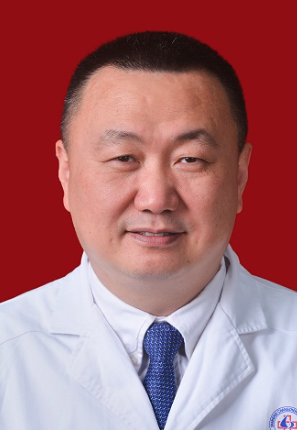 Huajiang Chen (陈华江)合作论文数Shanghai Changzheng Hospital17Chen Xu (徐晨)合作论文数17Shi Chang-gui合作论文数14Xiao-Dong Wu合作论文数13Leixin Wei合作论文数11
 Zeng Xu合作论文数11Cao Peng合作论文数11
 Xinwei Wang (王新伟)合作论文数Shanghai Changzheng Hospital11Ruizhe Wang合作论文数10Zhang Ying合作论文数10Baifeng Sun合作论文数9Ye Tian合作论文数9
 Huajian Zhong合作论文数8
 Bin Sun合作论文数7ZiFan Zhang (张子凡)合作论文数7ZhangGui Shi (石长贵)合作论文数6Min Qi (祁敏)合作论文数6XinWei Wang (王新伟)合作论文数5Rongcheng Zhang合作论文数4
 Jian Xi Wang合作论文数4Bo Hu合作论文数4Zhang Ke (张科)合作论文数4Yizhi Zhang合作论文数4
 Lei Guo (郭蕾)合作论文数Ruijin Hospital, Shanghai Jiao Tong University School of Medicine4Yu Chen合作论文数4Minjie Dong合作论文数3Yuanyuan Chen合作论文数3Yifei Gu合作论文数3Jiancheng Zheng合作论文数3
 Wenbo Lin合作论文数3Ke Zhang合作论文数3Wenchao Zhou合作论文数3Ying Zhang (张颖)合作论文数3
 Peng Cao (曹鹏)合作论文数Ruijin Hospital, Shanghai Jiao Tong University School of Medicine3Jueqian Shi合作论文数2Yibo Dou合作论文数2Fazhi Zang合作论文数2Zhanchao Wang合作论文数2Weiheng Wang合作论文数2Yunhao Wang合作论文数2
 Jia-Jia Lu合作论文数2Hao Zhang合作论文数2




