Objective: Powerful adjuvant strategies are required to improve the survival of patients with completely resected stage ΙΙΙA non-small cell lung cancer (NSCLC). We aimed to compare the efficacy of traditional Chinese medicine (TCM) treatment versus observation after adjuvant chemotherapy in these patients. Methods: Eligible patients were randomized 1:1 to receive either oral decoctions based on Qi-Yin syndrome differentiation (TCM group) or observation (observation group). The intervention lasted for 12 months. The primary endpoint was 1-year disease-free survival (DFS). Secondary endpoints were DFS, quality of life, regulatory T cells (Tregs), and cytotoxic T lymphocyte-associated antigen-4 (CTLA-4) on the surface of Tregs in peripheral blood. We used EORTC QLQ-LC43 to evaluate quality of life. Results: Between Apr 29, 2019, and Nov 11, 2021, 75 patients were randomly assigned to oral decoctions based on Qi-Yin syndrome differentiation (n = 38) or observation (n = 37). The full analysis set included 35 patients in the TCM group and 35 in the observation group. After a median follow-up of 24.2 months, oral decoctions based on Qi-Yin syndrome differentiation improved DFS compared with observation (HR 0.378, 95% CI: 0.157-0.912; P = .03). One-year DFS was 82.1% in the TCM group and 61.9% in the observation group ( P = .06). Three months after randomization, scores of total health, role function, emotional function, and social function in the TCM group were higher than those in the observation group ( P < .01 for all), scores of fatigue, pain, insomnia, appetite loss, constipation, cough, and chest pain were lower than those in the observation group ( P < .05 for all); there was no significant difference in the proportion of Tregs between the TCM group and the observation group ( P = .58); the proportion of CTLA-4 + Tregs in the TCM group was lower than that in the observation group ( P = .046). There were no adverse events that occurred in both groups. Conclusions: Oral decoctions based on Qi-Yin syndrome differentiation after adjuvant chemotherapy prolonged DFS, reduced the risk of disease recurrence and metastasis, improved quality of life, and down-regulated the proportion of CTLA-4 + Tregs in completely resected stage ΙΙΙA NSCLC patients. Trial Registration: Chinese Clinical Trial Register, No. ChiCTR1800019396. Date of registration: 9 November 2018.
目的:探讨雷火灸联合益气健脾方对肺脾气虚型肺癌患者中医临床症状及免疫功能的影响.方法:选择肺脾气虚型肺癌患者70例,按随机数字表法分为治疗组和对照组各35例.两组均采用益气健脾方治疗,治疗组在此基础上加用雷火灸治疗(双侧足三里,每日1次,每次30min,10次为1个疗程).两组均以28d为1个治疗周期,共治疗2个周期.比较两组患者治疗前后中医临床症状评分、T淋巴细胞亚群水平和自然杀伤细胞水平.结果:两组治疗期间均有病例脱落,最终纳入分析的患者共60例,两组各30例.治疗后,两组中医临床症状总积分较治疗前均下降(P<0.05);治疗组中医临床症状总积分低于对照组(P<0.05),咳嗽、咳痰、气短、神疲乏力4个单项症状评分低于对照组(P<0.05).治疗后,对照组CD3+T 细胞计数较治疗前升高(P<0.05),治疗组CD3+T细胞计数和CD4+T细胞计数较治疗前升高(P<0.05),且治疗组CD3+T 细胞、CD4+T细胞计数均高于对照组(P<0.05).结论:益气健脾方可改善肺脾气虚型肺癌患者的中医临床症状,且联合雷火灸疗效更显著.益气健脾方可提高肺脾气虚型肺癌患者CD3+T细胞计数,且联合雷火灸能明显提高患者的CD3+T细胞、CD4+T细胞计数,改善免疫功能.
肺癌发病率和死亡率均位居世界癌症前列,约85%的肺癌为非小细胞肺癌(non-small cell lung cancer,NSCLC),大多数患者在确诊时已是晚期,5年生存率较低,严重危害人类生命和健康。中医药在恶性肿瘤综合治疗中具有重要作用,口服中成药作为中医药的重要组成部分,具有制剂稳定、口感温和、携带方便、有效成分确切等区别于汤剂的优点,已广泛用于NSCLC的辅助治疗,在临床应用中不管是联合化疗、靶向治疗、放射治疗,还是单用维持治疗均可发挥增效减毒的功效,使治疗有效率提高,治疗相关毒副反应减轻,进而延长患者生存时间,改善患者生活质量。口服中成药辅助治疗NSCLC的作用机制主要包括抑制肺癌细胞的增殖、侵袭与转移,促进肺癌细胞凋亡,抑制肿瘤新生血管生成,逆转多药耐药,调节机体免疫功能,体现了中医药通过多途径、多通路、多靶点发挥抗肿瘤作用的特点。目前临床上常用于治疗NSCLC的口服中成药包括金复康口服液、参一胶囊、平消胶囊、消癌平片、康莱特胶囊、复方斑蝥胶囊、回生口服液、养正消积胶囊、西黄丸、紫龙金片、华蟾素胶囊等,这些中成药治疗NSCLC的临床与基础研究均较多,但缺乏系统性整合与梳理,故该文对目前临床上常用的口服中成药辅助治疗NSCLC的作用机制及临床应用研究进展进行系统综述,以期为后续研究和临床治疗提供参考。
近年来,随着免疫检查点抑制剂(immune checkpoint inhibitors,ICIs)在肿瘤治疗中的广泛应用,免疫治疗相关不良反应逐渐引起人们的关注.免疫检查点抑制剂相关肺炎(checkpoint inhibitor pneumonitis,CIP)是相对少见的免疫治疗相关肺毒性,也是引起ICIs相关死亡的重要原因之一.积极探索CIP的相关危险因素,甄别出发生CIP的高危人群,有利于CIP的早期诊断、及时治疗.故本文就CIP的危险因素及管理策略研究进展进行综述,以提高临床医生对该不良反应的认识.
RATIONALE:Immune checkpoint inhibitors (ICIs) have been widely used in the treatment of various types of cancers worldwide, which is the most significant breakthrough in cancer therapy in recent years. Despite their excellent benefits in anti-tumor efficacy, a subset of patients will experience various autoimmune toxicities, termed as immune-related adverse events (irAEs), which can affect almost any organ systems, but related to the pulmonary and pancreatic islets simultaneously has rarely been reported and discussed.PATIENT CONCERNS:In this report, we describe a rare case of a 65-year-old man patient with advanced small cell lung cancer (SCLC) who suffered general fatigue, dry cough, chest tightness, shortness of breath and polyuria-polydipsia syndrome after the eighth cycle treatment with programmed cell death ligand-1 (PD-L1) inhibitor durvalumab.DIAGNOSES:According to the results of laboratory tests, chest computed tomography and multidisciplinary discussion, the patient was eventually diagnosed with ICI-related pneumonitis and autoimmune diabetes mellitus.INTERVENTIONS:Multiple daily subcutaneous insulin injections, empirical anti-infection and immunosuppression treatment with corticosteroids were performed.OUTCOMES:After the cessation of durvalumab and comprehensive treatment, the patient's respiratory condition was relieved significantly and his blood glucose was well controlled with insulin therapy.LESSONS:With the widespread use of ICIs, there will be more patients developing these rare but severe irAEs in clinical practice, which should attract great attention of both clinicians and patients.
目的:以自动化框架获取古代中医肿瘤病名文献并可视化分析,系统梳理探寻古代中医肿瘤学发展概况.方法:基于国医典藏古籍数据库平台,检索古代中医肿瘤相关病名,使用Python 3.8语言下的自动化框架工具Selenium WebDriver,以Lxml的etree库来解析数据,自动统计相关古籍的“分类”“作者”“成书年”“内容提要”信息.核对整理数据后,用Tableau 2019.2软件数据可视化分析,并结合人工方式查阅数据库中与古代中医肿瘤学相关文献,以朝代为索引,以症状、病因、病机及预后等为着眼点,探寻中医肿瘤学发展历程.结果:共自动纳入242本古籍1 128条774 349字节文本数据,发现先秦时期中医古籍肿瘤病名文献分类及年代分布单一,出现肿瘤疾病朴素的病机观点;从汉至唐时期相关文献记录数量及病名种类逐渐丰富,进一步丰富了肿瘤病性、体征、分类方法、鉴别诊断等认知;宋明时期古籍分类中方书与外科占比逐渐增多,腹腔脏器肿瘤病名记载量为历代之最;清代至民国相关文献涉及肿瘤病名及分类最完善,中医肿瘤辨证论治体系形成.结论:中医肿瘤学发端于先秦,完善于汉唐,成熟于宋明,大成于清代至民国;综合自动化框架与解析工具进行数据可视化的方法,有助于分析古代中医文献细分特点,便捷高效,守正创新,以期为当代中医研究提供经典借鉴.
目的 观察董氏奇穴针灸防治晚期肺腺癌患者化疗引起恶心呕吐的临床疗效.方法 将73例晚期肺腺癌化疗患者随机分为试验组和对照组,其中试验组37例,对照组36例.对照组采用格拉司琼等常规止吐方案治疗;试验组在对照组治疗方案基础上加董氏奇穴针灸治疗.观察并比较两组患者化疗过程中对于恶心呕吐症状控制的总有效率和总体满意率.结果 试验组恶心呕吐症状控制的总有效率及总体满意度均高于对照组,差异有统计学意义(P<0.05).结论 董氏奇穴针灸可预防及减少晚期肺腺癌化疗消化道不良反应的发生.
1971年Folkman J首次提出"饿死肿瘤"学说[1],即通过阻断肿瘤血管生成来遏止肿瘤的生长和转移,近年来随着肿瘤生物学的进展,抗血管生成靶向治疗己逐步成为肿瘤治疗中必不可少的成分.阿帕替尼是我国自主研发并具有自主产权的新型抗血管生成靶向药物,具有抗肿瘤血管生成[2]和抗肿瘤[3,4]的双重作用,尽管目前阿帕替尼在中国仅被批准用于晚期胃癌三线治疗[5],但研究表明阿帕替尼在多种实体肿瘤中均显示出良好的生存获益[6,7],然而目前国内外针对阿帕替尼应用晚期非小细胞肺癌(non-small cell lung canc-er,NSCLC)三线治疗领域的报道极少,本文旨在通过分析我科近期收治的1例难治性非小细胞肺癌应用阿帕替尼获益的病例分析,为临床医生提供借鉴.
 LingShuang Liu (刘苓霜)合作论文数8LiPing Shen (沈丽萍)合作论文数7Yi Jiang (姜怡)合作论文数4XIAO Haiwei (肖海威)合作论文数3WEN Yanping (文艳萍)合作论文数3Xiangyan BI (毕向雁)合作论文数2Shi Zhang合作论文数Lab Neurosci, Intramural Res Program2Ruoyan QIN (秦若琰)合作论文数2Xiaoli XIN (辛晓丽)合作论文数2Fangfang Liu合作论文数1
 Yan-lan KANG (康砚澜)合作论文数上海中医药大学1Huiru Guo合作论文数1Yuqing CAI (蔡雨晴)合作论文数1Peng ZHANG (张朋)合作论文数1MengJun Dan (单孟俊)合作论文数1GuangXin Ruan (阮广欣)合作论文数1HuiRu Guo (郭慧茹)合作论文数1Shan Meng-Jun (单孟俊)合作论文数1
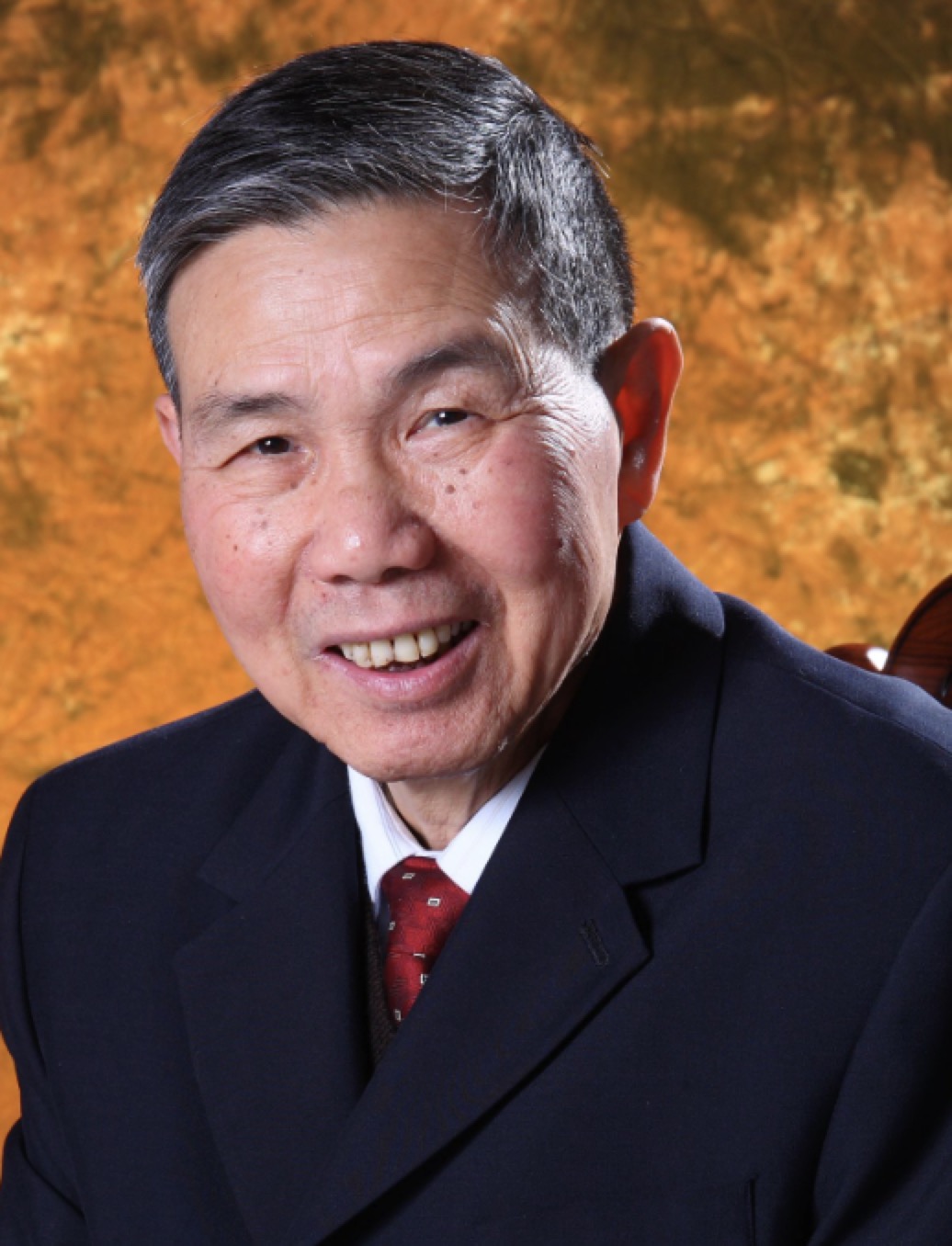 Jiaxiang Liu (刘嘉湘)合作论文数Longhua Hospital Shanghai University of Traditional Chinese Medicine1




