The calcium (Ca2+) could enhance the toxicity of exogenous proline and the production of reactive oxygen species (ROS). However, the molecular mechanism underlying calcium-enhanced proline toxicity (CEPT) is still elusive. Here, we find that CEPT depends on the presence of the amino acid permease 1 in Arabidopsis (AtAAP1), since CEPT was significantly attenuated in ataap1 mutant than in wild-type plants. Notably, the role of AtAAP1 in CEPT is not related to its primary function as an amino acid transporter, neither was the expression of AtAAP1 affected under calcium or proline treatment. Further analysis revealed that treatment with 15 mM calcium, but not with proline, significantly induced the endocytosis of AtAAP1 protein through both clathrin and membrane micro-domain pathways, which was not blocked by translation inhibitor cycloheximide. After being internalized into cells, AtAAP1 protein go through the early endosome and late endosome, as evidenced by the co-localization of AtAAP1-GFP with the markers for the early (TGN) or late endosome (PVC). These results suggested that internalized AtAAP1 protein was not destined for degradation in vacuole, because the AtAAP1-GFP were not co- localized with the marker of PVC/vacuole. Collectively, our results indicated that Ca2+ can promote the endocytosis of AtAAP1, playing a role in relaying a signal of high amino acid levels in the surrounding environment.
[目的] 了解红麻亚硝酸还原酶基因HcNiR生物信息学特性及组织表达特异性,为培育红麻氮高效利用品种提供理论依据.[方法] 以红麻材料349叶片的cDNA为模板,利用PCR扩增HcNiR基因的CDS序列,采用生物信息学方法分析HcNiR的氨基酸组成、蛋白质跨膜结构、信号肽、高级结构以及蛋白的同源进化树;采用实时荧光定量PCR检测HcNiR基因在红麻不同组织的表达情况.[结果] HcNiR基因cDNA全长1395 bp,编码蛋白含有464个氨基酸,包含2个保守的亚硝酸和亚硫酸还原酶4Fe-4S结构域及铁氧蛋白部分结构域.HcNiR蛋白是一个不含跨膜转运结构与信号肽的亲水稳定性蛋白质,该蛋白质等电点是5.49,分子量51.68 kDa;具有26处潜在磷酸化位点.在其蛋白二级结构中,α-螺旋和无规则卷曲所占比例超过70%.通过氨基酸序列同源性分析发现,红麻HcNiR氨基酸序列与木槿HsNiR氨基酸序列相似性较高,达到97.37%,都含有铁-硫/铁血红素结合位点.进化树分析结果表明,红麻HcNiR基因与木槿HsNiR基因亲缘关系较近.组织特异性表达结果显示,红麻HcNiR基因在叶中的表达量高于根.[结论] HcNiR基因编码蛋白含亚硝酸和亚硫酸还原酶4Fe-4S结构域及铁氧蛋白部分结构域;HcNiR基因具有组织表达特异性,在红麻叶片中表达较高,推测其主要在初级氮的同化过程中发挥重要调控作用.
Given the rising domestic demand and increasing global prices of corn and soybean, China is looking for alternatives for these imports to produce animal fodder. Kenaf (Hibiscus cannabinus L.) has great potential as a new forage source, due to abundant proteins, phenols and flavonoids in its leaves. However, few studies have evaluated the mechanism of protein synthesis in kenaf leaves. In the current work, compared with kenaf material “L332,” the percentage of crude protein content in leaves of material “Q303” increased by 6.13%; combined with transcriptome and proteome data, the kenaf samples were systematically studied to obtain mRNA-protein correlation. Then, the genes/proteins related to protein synthesis in the kenaf leaves were obtained. Moreover, this work detected mRNA expression of 20 differentially expressed genes (DEGs). Meanwhile, 20 differentially expressed proteins (DEPs) related to protein synthesis were performed parallel reaction monitoring. Fructose-1,6-bisphosphatase (FBP), nitrite reductase (NirA), prolyl tRNA synthase (PARS) and glycine dehydrogenase (GLDC) presented increased mRNA and protein levels within kenaf leaves with high protein content. Based on the obtained findings, FBP, NirA, PARS, and GLDC genes may exert a vital function in the protein synthesis of kenaf leaves. The results provide a new idea for further studying the potential genes affecting the quality trait of protein content in kenaf leaves and provide gene resources and a theoretical foundation for further cultivating high protein kenaf varieties.
钙调蛋白转录因子(calmodulin-binding transcription factor,CAMTA)在植物生长发育、响应生物和非生物逆境胁迫过程中发挥重要调控作用.黄麻(Corchorus capsularis)是一种十分重要的草本韧皮纤维经济作物,为研究黄麻中CAMTA在干旱逆境响应中的作用,本研究以圆果黄麻'黄麻179'为材料,根据黄麻基因组测序的CAMTA基因序列(Cc.02G0003260)设计引物,用RT-PCR技术克隆获得CAMTA基因,命名为CAMTA1(GenBank No.OK415793).序列分析表明,CAMTA1基因包含13个外显子,12个内含子,其开放阅读框为3051 bp,编码1个含1016个氨基酸的蛋白质,具有CAMTA类蛋白所具有的CG-1结构域、TIG结构域、ANK重复序列以及IQ基序.通过蛋白序列比对发现CAMTA1与锦葵科植物的CAMTA蛋白质同源性较高.qPCR分析表明CAMTA1基因在根、茎、叶和果皮中均有表达,在干旱胁迫诱导后6.0 h时叶片中的CAMTA1基因表达量达到最高.荧光素酶蛋白互补实验表明,CAMTA1能与另一类逆境响应转录因子AP2/ERF相互作用,共同调控植物的生长发育及响应生物与非生物胁迫.研究结果为进一步阐明CAMTA1基因参与植物干旱响应的分子机理提供参考.
为了筛选高蛋白饲用红麻品种,试验选取红麻全叶型材料"348"和"349"以及裂叶型材料"352"和"353"为研究对象,在生育期(6月至9月)分别测定叶片中参与氮素代谢指标(硝酸还原酶、谷氨酰胺合成酶、硝态氮)及其营养品质(粗纤维、粗脂肪、灰分、粗蛋白),在成熟期(10月)测定其农艺性状(株高、茎粗、皮厚)及产量.结果显示,各材料在8~9月的叶中粗蛋白含量百分比较高,且"348"和"349"的粗蛋白含量百分比显著高于"352"和"353"(p<0.05);"353"的粗脂肪含量在9月较高,达到6.14%;"352"的粗纤维含量在8月较高,达到10.73%;"349"粗灰分含量在6月较高,达到6.43%."348"和"349"农艺性状及产量测定结果均显著高于"352"和"353"(p<0.05).综合以上结果,"348"和"349"与"352"和"353"相比更适合作为植物饲料资源在南方地区种植与开发利用.
Regulation of seed size is a key strategy for improving crop yield and is also a basic biological question. However, the molecular mechanisms by which plants determine their seed size remain elusive. Here, we report that the GW2-WG1-OsbZIP47 regulatory module controls grain width and weight in rice. WG1, which encodes a glutaredoxin protein, promotes grain growth by increasing cell proliferation. Interestingly, WG1 interacts with the transcription factor OsbZIP47 and represses its transcriptional activity by associating with the transcriptional co-repressor ASP1, indicating that WG1 may act as an adaptor protein to recruit the transcriptional co-repressor. In contrary, OsbZIP47 restricts grain growth by decreasing cell proliferation. Further studies reveal that the E3 ubiquitin ligase GW2 ubiquitinates WG1 and targets it for degradation. Genetic analyses confirm that GW2, WG1, and OsbZIP47 function in a common pathway to control grain growth. Taken together, our findings reveal a genetic and molecular framework for the control of grain size and weight by the GW2-WG1-OsbZIP47 regulatory module, providing new targets for improving seed size and weight in crops.
Jute (Corchorus capsularis L.) is one of the most important sources of natural fibre. Drought is among the main factors affecting the production of jute. It is essential for drought tolerance improvement to discover the genes associated with jute development during drought stress. In this study, we analyzed the transcriptome of jute under drought stress and identified new genes involved in drought stress response. In total, 120,219 transcripts with an average length of 764 bp were obtained, these transcripts included 94,246 unigenes (average length, 622 bp). Differentially expressed genes (DEGs) were discovered in drought stress (1329), among which 903 genes showed up-regulated expression, while 426 genes showed down-regulated expression. GO enrichment analyses indicated most of the enriched biological pathways were biosynthesis pathways of organic ring compounds and cellular nitrogen compounds. KEGG enrichment analyses indicated 573 DEGs were involved in 157 metabolic pathways. RT-qPCR experiments indicated that the expression trends were consistent with the results of the high-throughput sequencing. Over-expression of no apical meristem (NAM) -2-like gene increased drought tolerance and knockdown plants were drought sensitive. It has expression peaks after 6 h of drought stress and regulate 3-ketoacyl-CoA synthase gene expression. Yeast-2-Hybrid assays validated the physical interaction between NAM-2-like protein and KCS. The results provide relatively comprehensive information regarding genes and metabolic pathways that lays the foundation for the breeding of drought-resistant varieties, and represent the first identification of NAM-2-like gene and provides new insight into the regulatory network of drought tolerance in Corchorus capsularis L.
干旱是严重影响农作物生长的非生物限制因子之一,NAC(NAM,ATAF1/2和CUC2)转录因子是植物类特有的一类转录因子,在调控植物生长发育和应对非生物胁迫过程中发挥重要作用.为研究红麻(Hibiscus cannabinus)中NAC转录因子在干旱胁迫方面的调控功能,本研究从红麻转录组数据库中分离得到一个红麻NAC类基因,命名为HcNAC1(GenBank No.MT799841).序列分析发现HcNAC1基因编码区包含1044 bp,编码347个氨基酸,蛋白质分子量38.77 kD,等电点为8.78.HcNAC1具有NAM/NAC类基因家族的保守结构域,在该蛋白的N端含有160个氨基酸组成的NAC结构域,具有两个核定位信号(nuclear localization signal,NLS)序列.系统发育进化树分析表明红麻HcNAC1基因与木槿(Hibiscus syriacus)的进化关系最近.利用反转录PCR(reverse transcription PCR,RT-PCR)和qRT-PCR对该基因在不同组织部位和干旱胁迫处理24 h内的表达量进行了检测,结果表明:HcNAC1在根、茎、叶、花和果实中均有表达,叶片组织中HcNAC1随着聚乙二醇6000(PEG6000)干旱处理的时间的延长,其表达量也逐步增加,处理12 h后,表达量达到最大值,随后逐渐下降,说明HcNAC1在响应干旱胁迫中发挥着重要的调控作用.本研究探究了HcNAC1基因表达与干旱胁迫的相互关系,为后期研究红麻NAC转录因子参与干旱逆境胁迫的分子机制提供参考依据.
Drought is the main factor that significantly affects plant growth and has devastating effects on crop production of jute. NAC (NAM, ATAF, and CUC2) transcription factors (TFs) are a large gene family in plants that have been shown to play many important roles in regulating developmental processes and abiotic stress resistance. In this study, a NAC transcription factor, CcNAC1, was cloned and characterized its function in jute. RT-qPCR analysis showed that CcNAC1 expression peaks after 8 h of drought stress. CcNAC1 overexpression and knockdown plants were created by Agrobacterium-mediated genetic transformation. PCR and southern hybridization results indicate that the CcNAC1 gene was integrated into the genome of jute. Overexpression of the CcNAC1 gene sped up the plant growth, promoted early flowering, and increased drought tolerance compared to the control plants. 3-Ketoacyl-CoA synthase (KCS) gene expression level increased significantly in the CcNAC1-overexpression plants and decreased in knockdown plants, which showed that CcNAC1 transcription factor regulated KCS gene expression. Yeast-2-Hybrid (Y2H) assays validated the physical interaction between CcNAC1 and KCS. The results provide relatively comprehensive information on the molecular mechanisms of CcNAC1 gene underlying the regulation of plant growth and drought stress resistance, and indicate that CcNAC1 acts as a positive regulator in drought tolerance in jute (Corchorus capsularis L.).
利用同源克隆技术,对拟南芥再生相关基因PID作同源序列比对,从大豆中克隆PID基因全长CDS序列,得到大豆再生相关基因GmPID,分析大豆再生相关基因GmPID启动子序列、氨基酸序列、编码的蛋白质结构、亲疏水性、蛋白质结构及同源进化树.结果表明, GmPID编码区cDNA长度为1 359 bp,编码452个氨基酸, GmPID编码的蛋白为碱性亲水性蛋白;分析其蛋白功能结构域发现,GmPID蛋白含有丝氨酸/苏氨酸激酶催化结构域,为PKc-like超家族成员;构建系统进化树发现其与密花豆亲缘较近.研究结果有利于深入研究大豆再生相关基因GmPID在大豆再生过程中的关键作用,为提高大豆再生效率提供理论基础.
Drought is one of the most serious abiotic factors restricting the growth and development of jute. Stromules are highly dynamic tubular protuberances on the surface of the plastid that play an important role in the responses to biotic and abiotic stresses, as well as in signal transduction between different plastids and between plastids and the nucleus in plants. However, the mechanism underlying the formation of stromules remains unclear. In this study, chloroplast-labeled jute was utilized to clone the jute 3-ketoacyl-CoA synthase (KCS) gene and obtain its genomic and cDNA sequences. KCS gene expression peaks after 6 h of drought stress. Subsequently, overexpression and gene editing vectors of the jute KCS gene were constructed and transfected into the callus of jute via transformation mediated by Agrobacterium tumefaciens. The transformed plants were identified by sequencing, q-PCR and Southern blot. In addition, the chloroplast stromules of the transformed plants were observed by confocal microscopy. In comparison with control plants, plants overexpressing KCS gene displayed a significantly increased chloroplast stromules frequency of mesophyll cells, enhanced lignin content, and increased growth rate, stem bark thickness, stem diameter and plant height. In addition, KCS expression was significantly increased drought tolerance under 29% polyethylene glycol 6000 (PEG6000) stress. However, in plants with an edited version of the KCS gene, the chloroplast stromules, lignin content and stem diameter was reduced. These results indicate that the jute KCS gene is involved in other processes related to jute growth and development in addition to the formation of chloroplast stromules.
[目的]对46份粳稻品种抗稻瘟病基因进行分子检测,并对其进行抗性评价. [方法]利用水稻稻瘟病抗病基因Pi-ta、Pi-b、Pi54和Pi21的功能标记对 46份育种材料进行分子标记检测,结合稻瘟病抗性接种鉴定,对基因型与表型进行相关性分析. [结果]46 个品种中携带Pi-ta、Pi-b、Pi54和Pi21抗性基因的材料分别为 18、35、22和16个,其中3个材料含有4个抗性基因;6个材料含有 3个抗性基因;25个材料含有 2个抗性基因;11个材料含有1个抗性基因;1个未检测到抗性基因.结合稻瘟病田间抗性鉴定表明,同时含有3个以上抗性基因的材料只有2份表现为中感(MS)和感病(S),其他均为中抗(MR)以上. [结论]单一抗病基因型的抗病能力因新生理小种的出现而不稳定,抗病基因的聚合利用和新的广谱抗性基因的发掘迫在眉睫.
通过对江苏省育种单位提供的95份迟熟中粳新材料进行稻瘟病抗性基因检测与穗颈瘟抗性分析发现,携带Pi-ta基因的材料有59份,携带Pi-b基因的材料有74份,携带Pi-kh基因的材料有85份,同时携带Pi-ta、Pi-b、Pi-kh抗病基因的材料有37份;其中有1份材料苗瘟抗性等级为5级,其穗颈瘟抗性等级为7级,另外有12份材料的稻瘟病抗性综合指数>5.00.结果表明,Pi-ta等抗病基因的抗性正在丧失.
Homogalacturonan (HG) is the main component of pectins. HG methylesterification has recently emerged as a key determinant controlling cell attachment, organ formation, and phyllotaxy. However, whether and how HG methylesterification affects intercellular metabolite transport has rarely been reported. Here, we identified and characterized knockout mutants of the rice (Oryza sativa) OsQUA2 gene encoding a putative pectin methyltransferase. Osqua2 mutants exhibit a remarkable decrease in the degree of methylesterification of HG in the culm-sieve element cell wall and a markedly reduced grain yield. The culm of Osqua2 mutant plants contains excessive sucrose (Suc), and a 13CO2 feeding experiment showed that the Suc overaccumulation in the culm was caused by blocked Suc translocation. These and other findings demonstrate that OsQUA2 is essential for maintaining a high degree of methylesterification of HG in the rice culm-sieve element cell wall, which may be critical for efficient Suc partitioning and grain filling. In addition, our results suggest that the apoplastic pathway is involved in long-distance Suc transport in rice. The identification and characterization of the OsQUA2 gene and its functionality revealed a previously unknown contribution of HG methylesterification and provided insight into how modification of the cell wall regulates intercellular transport in plants.
47 Homogalacturonan (HG) is the main component of pectins. HG methylesterification has 48 recently emerged as a key determinant controlling cell attachment, organ formation, and 49 phyllotaxy. However, whether and how HG methylesterification affects intercellular 50 metabolite transport has rarely been reported. Here, we identified and characterized 51 knockout mutants of the OsQUA2 gene encoding a putative pectin methyltransferase 52 (PMT). Osqua2 mutants exhibit a remarkable decrease in the degree of 53 www.plantphysiol.org on May 11, 2017 Published by www.plantphysiol.org Downloaded from Copyright © 2017 American Society of Plant Biologists. All rights reserved. 3 methylesterification (DM) of HG in the culm-sieve element (SE) cell wall, and a markedly 54 reduced grain yield. The culm of Osqua2 mutant plants contain excessive sucrose, and a 55 CO2 feeding experiment showed that the sucrose over-accumulation in the culm was 56 caused by blocked sucrose translocation. These and other findings demonstrate that 57 OsQUA2 is essential for maintaining a high DM of HG in the rice culm-SE cell wall, 58 which may be critical for efficient sucrose partitioning and grain filling. In addition, our 59 results suggest that the apoplastic pathway is involved in long-distance sucrose transport in 60 rice. The identification and characterization of the OsQUA2 gene and its functionality 61 revealed a previously unknown contribution of HG methylesterification and provided 62 insight into how the modification of cell wall regulates the intercellular transport in plants. 63 64
综述了水稻抗褐飞虱方面的研究进展,简单介绍了笔者单位从抗性亲本的选择着手,培育抗褐飞虱水稻新品种的实践和取得的初步成效.
Grain size is one of the most important agronomic components of grain yield. Grain length, width and thickness are controlled by multiple quantitative trait loci (QTLs). To understand genetic basis of large grain shape and explore the beneficial alleles for grain size improvement, we perform QTL analysis using an F-2 population derived from a cross between the japonica variety Beilu 129 (BL129, wide and thick grain) and the elite indica variety Huazhan (HZ, narrow and long grain). A total number of eight major QTLs are detected on three different chromosomes. QTLs for grain width (qGW), grain thickness (qGT), brown grain width (qBGW), and brown grain thickness (qBGT) explained 77.67, 36.24, 89.63, and 39.41% of total phenotypic variation, respectively. The large grain rice variety BL129 possesses the beneficial alleles of GW2 and qSW5/GW5, which have been known to control grain width and weight, indicating that the accumulation of the beneficial alleles causes large grain shape in BL129. Further results reveal that the rare gw2 allele from BL129 increases grain width, thickness and weight of the elite indica variety Huazhan, which is used as a parental line in hybrid rice breeding. Thus, our findings will help breeders to carry out molecular design breeding on rice grain size and shape.
Control of organ size by cell proliferation and cell expansion is a fundamental process in plant development, but little is known about the genetic and molecular mechanisms that determine organ size in plants. To understand the genetic and molecular mechanisms of organ growth control, we isolate a set of mutants with altered leaf size and identify the narrow leaf mutant, zhaiye 17 (zy17) (zhaiye means narrow leaf in Chinese). zy17 exhibits narrow leaves, slightly short plants, small panicles, reduced panicle branches and decreased grain numbers per panicle compared with the wild type. Our cytological analyses show that the narrow leaf phenotype of zy17 is caused by the reduced number of cells, indicating that ZY17 regulates cell proliferation. Genetic analyses show that the zy17 mutant phenotypes are controlled by a single gene. Using the whole genome resequencing approach and linkage analysis, we identify Os02g22390, Os02g28280 and Os02g29530 as candidate genes. Os02g22390 encodes a retrotransposon protein with the mutation occurring in the intronic region; Os02g28280 encodes a protein with unknown function with a base substitution resulting in non-synonymous mutation; Os02g29530 encodes a protein containing the PFAM domain related to glycosyltransferase, with a 2 bp deletion mutation causing a premature termination. Further studies on these three candidate genes will be helpful for understanding the molecular mechanism of organ size control in rice.
Organ growth involves the coordination of cell proliferation and cell growth with differentiation. Endoreduplication is correlated with the onset of cell differentiation and with cell and organ size, but little is known about the molecular mechanisms linking cell and organ growth with endoreduplication. We have previously demonstrated that the ubiquitin receptor DA1 influences organ growth by restricting cell proliferation. Here, we show that DA1 and its close family members DAR1 and DAR2 are redundantly required for endoreduplication during leaf development. DA1, DAR1, and DAR2 physically interact with the transcription factors TCP14 and TCP15, which repress endoreduplication by directly regulating the expression of cell-cycle genes. We also show that DA1, DAR1, and DAR2 modulate the stability of TCP14 and TCP15 proteins in Arabidopsis thaliana. Genetic analyses demonstrate that DA1, DAR1, and DAR2 function in a common pathway with TCP14/15 to regulate endoreduplication. Thus, our findings define an important genetic and molecular mechanism involving the ubiquitin receptors DA1, DAR1, and DAR2 and the transcription factors TCP14 and TCP15 that links endoreduplication with cell and organ growth.
采用8种农药对玉米苗期地下害虫进行防治试验,结果表明:8种药剂与空白对照之间都达到极显著的水平,保苗率78%~95%,其中以斯美地效果最好,保苗率95%,其次是米乐尔,保苗率达89%.
 GaoYang Zhang (张高阳)合作论文数8
 Siqi Huang (黄思齐)合作论文数中国农业科学院麻类研究所7
 DeFang Li (李德芳)合作论文数Institute of Bast Fiber Crops, Chinese Academy of Agricultural Sciences7JieLou Deng (邓接楼)合作论文数5
 Yunhai Li (李云海)合作论文数Institute of Genetics and Developmental Biology, Chinese Academy of Sciences4
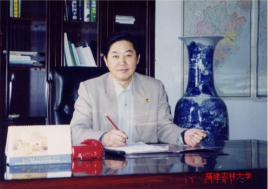 Jianmin Qi (祁建民)合作论文数福建农林大学作物科学学院4
 Baiying Man合作论文数3Xie YuLin合作论文数3ZHANG Chao (张超)合作论文数3Shilian Shan合作论文数3Chao Zhang合作论文数3YongLiang Zhu (朱勇良)合作论文数3ZhongYing Qiao (乔中英)合作论文数3Yong Deng (邓勇)合作论文数3Duan Penggen合作论文数3Yinping Zhang合作论文数2Longfei Zhu合作论文数The Nurturing Station for the State Key Laboratory of Subtropical Silviculture, Zhejiang Agriculture and Forestry University, Linan, Hangzhou 311300, People's Republic of China;linxcx@163.com.2JianDong Zhang (张建栋)合作论文数2
 Yuehua Luo (罗越华)合作论文数School of Breeding and Multiplication, Hainan University2Mouille Grégory合作论文数AgroParisTech, INRA2
 Gaertner C合作论文数2Yaping Fu (付亚萍)合作论文数China National Rice Research Institute, Chinese Academy of Agricultural Sciences2Gineau Emilie合作论文数2Sechet Julien合作论文数2
 Ran Xu (徐冉)合作论文数School of Breeding and Multiplication, Hainan University;College of Tropical Cros, Hainan University2
 Jiantang Xu (徐建堂)合作论文数College of Agriculture, Fujian Agriculture and Forestry University2
 Xiaorong Fan (范晓荣)合作论文数College of Resources and Environmental Sciences,Nanjing Agricultural University2
 Xinchun Lin (林新春)合作论文数College of Forestry and Biotechnology, Zhejiang A&F University2Jack Dumenil合作论文数1Yaru Lu合作论文数1XING Kongya (邢孔丫)合作论文数1Yonghan Xu合作论文数1Li JinCai合作论文数1ZHOU Yue (周越)合作论文数1
 Ziggiju Mesenbet Birhanie合作论文数1Li Xueqian (李雪倩)合作论文数1JIANG Lei (蒋蕾)合作论文数1YANG Da-wei (杨大为)合作论文数1Liu Yu合作论文数1Ting Wang合作论文数1Xin YANG (杨锌)合作论文数1SONG Yun-Sheng (宋云生)合作论文数1li hui合作论文数1Jiangjiang Zhang合作论文数1Na Fang合作论文数1
 Cuiping Zhang合作论文数1Jie Tao合作论文数1qiaoquan xie (谢巧泉)合作论文数1Yong ZHANG (张勇)合作论文数1




