Driven by global initiatives to mitigate climate change, the offshore wind power industry is experiencing rapid growth. Personnel transfer between service operation vessels (SOVs) and offshore wind turbines under complex sea conditions remains a critical factor governing the safety and efficiency of operation and maintenance (O&M) activities. This study establishes a fully coupled dynamic response and control simulation framework for an SOV equipped with an active motion-compensated gangway. A numerical model of the SOV is first developed using potential flow theory and frequency-domain multi-body hydrodynamics to predict realistic vessel motions, which serve as excitation inputs to a co-simulation environment (MATLAB/Simulink coupled with MSC Adams) representing the Stewart platform-based gangway. To address system nonlinearity and coupling, a composite control strategy integrating velocity and dynamic feedforward with three-loop PID feedback is proposed. Simulation results demonstrate that the composite strategy achieves an average disturbance isolation degree of 21.81 dB, significantly outperforming traditional PID control. Validation is conducted using a ship motion simulation platform and a combined wind–wave basin with a 1:10 scaled prototype. Experimental results confirm high compensation accuracy, with heave variation maintained within 1.6 cm and a relative error between simulation and experiment of approximately 18.2%. These findings demonstrate the framework’s capability to ensure safe personnel transfer by effectively isolating complex vessel motions and validate the reliability of the coupled dynamic model for offshore operational forecasting.
Current research on floating offshore wind turbines (FOWTs) primarily focuses on their global dynamic motion responses, whereas structural evaluations of floaters often rely on single-material, linear-elastic models that overlook material complexity and nonlinearity. These limitations become more significant as concrete and hybrid materials are adopted for cost savings and as extreme loads govern design considerations. This study introduces a load-transfer method that links time-domain coupled simulations with failure-focused nonlinear structural assessment for multi-material FOWT floaters. The method reconstructs wetted-surface wave pressures along with the complete coupled load set, then applies them to an identical high-fidelity finite-element model incorporating material nonlinearity. Verification is achieved through cross-software comparisons, demonstrating consistent stress and displacement responses for the steel structure baseline compared with SESAM. The method is then used to analyze the OC4-DeepCwind semi-submersible platform, equipped with the NREL 5 MW wind turbine, to assess operational and ultimate limit states for steel, concrete, and hybrid configurations. Results reveal distinct nonlinear patterns of stress, strain, and damage evolution under extreme loads. Additionally, the hybrid design shows improved structural performance by leveraging the strengths of different materials. Overall, this method supports more reliable predictions of mechanical response and ultimate capacity for next-generation multi-material floating platforms.
Pavement overlay on operating expressways can reduce the effective height of existing roadside W-beam guardrails and thereby compromise their crashworthiness. Prior research demonstrated that guardrails have had challenges meeting impact safety standards when pavement thickening. Focusing on a representative post-overlay condition in which the effective guardrail height is reduced to 600 mm, this study investigates the likely failure mechanism of the original guardrail and develops a retrofit structure to restore its protective performance. Finite element (FE) simulations indicate that, under the representative post-overlay condition, the existing guardrail is prone to unstable vehicle redirection and truck rollover, with inadequate blocking and guiding capability. To address this problem, a novel dual-row W-beam guardrail (DRG) retrofit concept is proposed. Two key design variables, namely the beam thickness and the spacing between the two beam rows, were optimized using an FNN-based surrogate model combined with NSGA-II. The optimization objectives were the maximum elevation of the vehicle gravity center, the maximum vehicle tilt angle, and the maximum dynamic lateral displacement of the guardrail. The optimized DRG was then evaluated through FE simulation and correlated with full-scale crash test results. Compared with the original post-overlay guardrail, the optimized DRG reduced rollover-related vehicle responses and improved overall crash-response performance. The full-scale test results showed good agreement with the FE predictions, supporting the feasibility of the proposed retrofit system under the representative test conditions.
The growing demand for renewable energy has driven focus toward floating offshore wind turbines (FOWTs), although their economic viability remains hindered by high costs. While shared mooring designs employ shared lines among multiple FOWTs as a coupled multibody system, their safety redundancy under extreme conditions, including mooring line failure scenarios, still requires extensive validations. This study aims to evaluate the dynamic behaviors of a grand trine shared mooring system for floating offshore wind farms under mooring line failure scenarios in 50-year return period storm conditions. Both damaged and transient analyses are conducted for a 3-FOWT grand trine shared mooring floating offshore wind farm in different mooring line failure scenarios by the in-house software Kraken to investigate the dynamic behaviors and transient effects. Results indicate the failure of a shared mooring line significantly affects the offset and line tension of the connected FOWTs, while having a minimal impact on other FOWTs unconnected with the shared line. The FOWT motions exhibit significant transient effects when the line failure deviates from the environmental load direction, while mooring line tensions exhibit negligible transient effects. The static and dynamic tension of shared lines in failure scenarios is significantly lower than upstream anchored lines, which exhibit minimal differences compared to those in intact conditions.
Offshore wind turbines are subjected to complex environmental loads throughout their operational life. Accurately quantifying the contribution of each load component and assessing the inherent randomness of the marine environment are crucial for structural design and reliability assessment. This study establishes a fully coupled numerical model to investigate the dynamic response of a monopile-supported OWT under combined wind, wave, and current loading. A systematic series of load cases, including four control scenarios and eighteen singlevariable environmental conditions, are designed to decouple the effects of individual load components. The results demonstrate that wind load is the dominant factor governing the global dynamic response, while wave load significantly influences the fore-aft mudline loads. Current load, in contrast, exhibits a negligible impact. Furthermore, the influence of stochastic wind-wave processes is rigorously evaluated through sixty realizations under various mean wind speeds. The analysis reveals substantial variability in extreme structural responses induced by this randomness. Notably, at a mean wind speed of 17 m/s, the minimum fore-aft mudline shear force can be as low as 58.2 % of the maximum value observed across different stochastic realizations. These findings underscore the potential risks associated with deterministic design approaches and highlight the necessity of incorporating environmental load stochasticity in the structural design and safety assessment of offshore wind turbines.
With increasing decarbonisation demands, the structural safety of liquefied carbon dioxide (LCO2) carriers in low-temperature environments has gained attention. Cracks significantly reduce structural service life, and fracture toughness is an essential material property for assessing the crack stability. Cracks tend to form in welded regions due to stress concentration. While some fracture toughness tests on the heat-affected zone (HAZ) at low temperatures have been conducted, numerical simulation studies remain limited. Firstly, this study experimentally evaluates the fracture toughness of FH36 steel base material and HAZ specimens under both room and low temperatures. To further investigate the experimental process and establish a constitutive model, finite element simulations of the testing process are performed, which incorporates a stress-modified fracture strain (SMFS) model to account for material damage. Furthermore, a new method for determining material parameters in the SMFS model is proposed, and a numerical approach for simulating fracture in the HAZ at low temperatures is developed. The resulting fracture toughness data and damage model are expected to provide reliable support for structural safety assessments in low-temperature environments.
OBJECTIVE:To improve the traffic risk conditions of mountainous expressway tunnel sections, it is necessary to conduct safety risk assessments and adopt different countermeasures according to the assessed risk levels. METHODS:An evaluation system was established with 4 primary indicators-tunnel condition, traffic characteristics, operational environment, and safety facilities-and 16 secondary indicators. Safety status was divided into 5 risk levels. To assign indicator weights objectively, information entropy was used to improve the traditional CRITIC method. Two assessment models based on extension matter-element theory and set pair analysis were then developed to form a dual-verification mechanism: the former handles indicator-grade incompatibility via correlation functions, while the latter treats assessment uncertainty using multiple connection numbers. RESULTS:Fifteen tunnels on the Guangzhou-Kunming Expressway in Yunnan Province were selected as evaluation objects. The improved CRITIC method effectively reduced subjective bias, with key indicator weights adjusted by up to 10% for more objective weighting. The extension matter-element model and set pair analysis (SPA) model yielded highly consistent dual assessment results (agreement rate >80%). Most tunnels were classified as low-risk, while several long tunnels were categorized as medium-risk. The SPA model showed greater advantages in describing risk evolution trends, clearly characterizing transitions between adjacent risk levels via potential series. CONCLUSION:The improved CRITIC method significantly enhances the objectivity of indicator weighting, making it more consistent with actual tunnel conditions. The combined application of the extension matter-element model and the set pair analysis model form a complementary dual verification mechanism. Case studies verified that this integrated evaluation system can accurately determine tunnel safety levels and provide a reliable basis for developing targeted risk prevention and control measures.
The cost-effective design of the hull structure is essential for reducing the levelized cost of floating offshore wind turbine (FOWT). However, current structural design tends to be conservative due to the challenge of predicting extreme stress under ultimate sea states. Spectral analysis (SA) and equivalent design wave (EDW) are two approaches widely used in the industry to predict extreme stress. EDW is more efficient as compared with SA, while its prediction accuracy depends on the selection of characteristic loads. To investigate the effects of EDW selection on the extreme stress and governing characteristic loads in different structural regions, SA and EDW are conducted in this study for a OC5-DeepCwind semi-submersible hull structure FOWT. An efficient frequency-domain hydro-structure interaction analysis of the hull is conducted to obtain implicitly balanced load cases. The EDW conditions are selected based on the long-term SA results of the characteristic loads. The extreme stress obtained from SA and EDW with various characteristic loads is compared. The results indicate that most EDWs are concentrated around a specific frequency range and three main headings, which are determined by the relationship between corresponding wavelength and geometric dimensions. Internal loads of braces and global acceleration are the indicative characteristic loads, which govern the extreme stress prediction in hotspot regions. Local pressure should also be included in the characteristic loads, which governs the prediction of extreme stress in the waterline and ballast regions.
OBJECTIVES:To investigate the spatial evolution of driving visual load under different road alignment conditions and its relationship with driving risk at tunnel entrance and exit sections on mountainous two-lane roads, and to develop an integrated framework for risk assessment and prediction. METHODS:Real-vehicle tests were conducted across nine mountainous two-lane road tunnels in Chongqing, China; valid data from 27 of 30 recruited drivers were retained after preprocessing. Eye-movement, vehicle-speed, and vehicle-state data were collected. Driving visual load was quantified using non-negative matrix factorization based on pupil area change rate, blink frequency, fixation duration, and saccade velocity. Driving behavior risk was represented by the safe speed difference, and comprehensive driving risk was calculated using the improved entropy weight-Technique for Order Preference by Similarity to Ideal Solution (TOPSIS) method, followed by K-means clustering. Several machine-learning models were compared for risk-level prediction, and the best-performing Light Gradient Boosting Machine (LightGBM) model was further optimized using the whale optimization algorithm (WOA) and interpreted using SHapley Additive exPlanations (SHAP). RESULTS:Driving visual load clustered near tunnel portals and increased markedly at approximately 70 m before the entrance portal and 50 m before the exit portal. Across alignment conditions, driving visual load was highest in horizontal curve sections, followed by grade and straight sections. In contrast, comprehensive driving risk was highest in combined curve-grade sections, followed by horizontal curve sections. The entrance high-risk zone was concentrated from 30 m outside to 40 m inside the portal, whereas the exit high-risk range was narrower. CONCLUSIONS:Abrupt light-environment transitions and complex alignment conditions jointly increase driving visual load and risk clustering. The proposed framework linking visual load, behavioral risk, comprehensive risk, and risk prediction supports lighting optimization, speed management, and safety facility deployment.
To improve the economic feasibility of offshore aquaculture, this study proposes a novel concept of fish farming vessel which is retrofitted by an old bulk carrier. Large open farming tanks has been created by replacing the side hull plates with rigid metal nets and retaining the transverse bulkhead. The seakeeping performance of the vessel is evaluated through numerical simulations which are validated against experimental results. A numerical model based on the potential flow based boundary element method is developed using panel elements for the hull and dipole elements for the nets. The effects of net solidity ratio and wave slope variation on seakeeping performance are analyzed. Results show that increasing solidity ratio leads to higher peaks near the natural frequencies in the Response Amplitude Operators (RAOs). Besides, the installation of net generally reduces RAOs due to wave energy dissipation through nets and decreased wave excitation. Comparisons with experimental results from free decay, regular waves, and white noise waves tests demonstrate good agreement in terms of natural frequencies and trends of RAOs. Discrepancies in natural frequencies, especially in pitch motion, are attributed to the underestimation of added mass in the numerical model. The findings validate the feasibility of using dipole elements to represent net structures and underscore the importance of accounting for wave slope in seakeeping analysis of net-integrated offshore structures.
This study proposes a passive Baffled Sloshing Tank (BST) device installed inside tanks to reduce roll response of LNG bunkering vessels. Small to medium-sized bunkering vessels with Type C tanks experience significant roll amplification due to internal sloshing, as the ratio of fluid mass to vessel size is relatively large compared to conventional LNG carriers. To address this operational challenge, a novel BST concept was developed featuring a longitudinal swash bulkhead with a controlled opening that divides the tank into two compartments, enabling phase-lagged fluid transfer between compartments to generate passive damping. Comprehensive model tests were conducted at 1:100 Froude scaling covering filling ratios from 20% to 80% under both regular and irregular wave conditions. As an independent cross-check on the physical validity of the experimental setup, a numerical framework combining frequency-domain and time-domain analyses with a quasi-static free-surface correction was used to reproduce the baseline (without BST) roll response. The parametric studies identified BST-3 with 3.77% opening ratio as the best performing configuration, achieving 47.7% average RAO-area remaining ratio in regular waves across all filling ratios. Under irregular wave conditions with significant wave height of 4.5 cm and mean periods of 0.95 and 1.15 s, BST-3 reduced maximum roll angles to 46-56% of baseline values for filling ratios 20-60%, with standard deviation reductions of approximately 50%. Performance was enhanced under longer wave periods due to increased time for phase-lag development between tank motion and fluid response. At high filling ratios (80%), effectiveness was moderate due to reduced sloshing behavior with limited free surface mobility. To preliminarily examine possible transferability to another tank geometry, subject to further investigation, the BST-3 configuration was applied to membrane-type tanks, showing comparable performance levels with 44-47% maximum roll reduction and 38-40% standard deviation reduction under irregular waves. These results suggest that the BST concept may be transferable to another tank geometry, subject to further geometry-specific validation, while showing comparable model-scale performance in the tested membrane-tank configuration. The spectral analysis confirmed dramatic suppression of resonance peaks with energy redistribution away from critical frequencies for both Type C and membrane tanks. This study experimentally demonstrates that a simple longitudinal bulkhead with the selected model-scale BST configuration can achieve substantial roll reduction, consistent with a passive phase-lag damping mechanism. The BST device offers a cost-effective solution for enhancing stability and operational safety of LNG bunkering vessels without active control systems, complex structural modifications, or additional energy consumption, making it practical for retrofit applications and new vessel designs.
The shared mooring concept is still in the early-stage of development although it is been commonly recognized as a promising solution towards the cost reduction for floating offshore wind turbine (FOWT). However, there is tremendous lack of dedicated rules, standard, project experiences. Moreover, the coupling effects and the nonlinearity of multibody coupled system, the dynamic behavior of shared mooring systems remains uncertain and presents significant challenges. This paper proposes a novel grand trine shared mooring concept which possesses the favorable structural redundancy and can be assembled in modules. A 3-FOWT grand trine system with shared mooring lines and shared anchors has been designed and analyzed under both operating and survival conditions. The fully coupled analyses are conducted to investigate the performance, characteristics, and dynamic behaviors of the complicated system. Results indicate that FOWTs' displacements and mooring line tensions in the shared mooring are greater than those in a similar single FOWT mooring. The downstream FOWTs exhibits greater offsets and larger natural periods than upstream ones. An oval-shaped displacement envelope is observed for the FOWTs, with limited mooring stiffness provided by shared mooring lines less affected by the in-phase FOWT motions. This study demonstrates the great potential of the grand trine concept for the development of floating wind farms. The 3-FOWT grand trine wind farm meets the engineering requirements for both FOWT displacement and line tension, ensuring the safety of employing shared mooring lines and shared anchors in mooring systems.
The nonlinear wave effects are critical for the extreme stress prediction of floating offshore wind turbine (FOWT) under the harsh environment. Typically, the free-surface induced nonlinear Froude-Krylov and hydrostatic loads, and the viscosity induced drag force are the main contributors to the nonlinear wave effects of FOWT. However, the extreme stress prediction in the time domain involves time-consuming hydro-structure analysis, making it nearly impossible to conduct simulations under a large amount of environmental conditions. Equivalent design wave (EDW) is an efficient approach by using a few regular wave time-domain simulations to predict extreme stress, which is less explored for FOWT. To investigate the mentioned nonlinear wave effects, the extreme stress is predicted based on the OC5 Semi-submersible FOWT using EDW approach, and the hydro-structure interaction of hull structures is analyzed using boundary element and finite element methods. The stress superposition approach is proposed to consider the aerodynamic effects in the linear analysis. The nonlinear wave effects on the global response and local stress are discussed in details. The results show that the nonlinear wave effects significantly affects the motion response and bending moment due to the free-surface corrections. The nonlinear Morison loads have limited influence on the global response while they significantly amplifies the local extreme stress in braces and intersection regions. Moreover, the aerodynamic loads have a pronounced influence on the extreme stress at the tower-hull intersection. The EDW approach provides a practical way to take into account the nonlinear wave effects and improves the efficiency of structural optimization.
The impact of wave loads on the structural integrity of floating foundation for wind turbine is crucial. However, the structural design standards of hull for floating offshore wind turbine (FOWT) are typically derived from the design specifications of oil and gas platforms, which leads to uneconomical designs and high steel consumption. The economic design of the floater will provide anew approach to the cost reduction of FOWT. Therefore, it is of great importance to better understand the structural response characteristics such as the relationship between internal loads and wave parameters under different wave loading conditions. To achieve this goal, one of the most difficult problem is the interaction between hydrodynamic and structural analysis because the philosophies of these methodologies are completely different. In this study, atypical 5 MW Semi-submersible FOWT is selected, the finite element model is established for the floater. Given the primary emphasis on wave-induced structural response in the frequency domain, the impact of wind and current loads is not considered. Therefore, the tower and rotor nacelle assembly of the wind turbine are simplified as an equivalent concentrated mass point. An implicitly balanced model is proposed, the hydrodynamic pressure based on the 3D diffraction and radiation theory is recalculated at structural points, and different pressure components are separately transferred from the hydrodynamic to the structural model. Global motion response are validated by comparing the results of numerical simulation and a 1:50 Froude scaling model test. Wave-induced global structural response amplitude operator (RAO) and local stress RAO are calculated, the long-term extreme stress analysis based on 2,592 sea-states from a scatter diagram is performed. The mechanism and characteristics of structural response and waves are investigated. Results indicate that the internal loads are significant when the corresponding wavelength satisfies some relations with the geometry dimensions of the Semi-submersible floater, which is credited to the phase difference of hydrodynamic pressure. Stress hot spots appear at the intersection between the floater and tower, column and bracing, and hull around the still water level due to various causes e.g. hydrodynamic pressure, and internal loads. These findings can guide the engineering design and optimization of the Semi-submersible floater.
Jacket platforms are widely used in offshore oil and gas development. Traditional design methods rely on engineers' experience, which are often conservative, resulting in significant design redundancy and resource waste. Topology optimization techniques can provide the optimal material distribution under given loads. This paper employs dynamic topology optimization techniques, fully considering the time-history of environmental loads. The rational approximation of material properties method is used for material interpolation. The HHT-alpha method is used to solve structural dynamic equation, and the adjoint method is employed to calculate the sensitivity of design variables. The modal order reduction is used to reduce computational costs. The dynamic topology optimization produces topological configurations that align with engineering expectations and satisfy mechanical optimality. Subsequently, heuristic algorithms are used for further shape and size optimization of the reconstructed structure. The performance of the particle swarm optimization, genetic algorithm, and differential evolution algorithm is compared. The optimized structure achieves a maximum weight reduction of 49.3 % compared to the initial design with mechanical performance improvements, demonstrating significant economic benefits and revealing the potential for discovering new structural configurations through topology optimization.
Tourism transportation is an indispensable element in tourism activities, serving as the premise for the emergence and development of tourism. Understanding the travel modes and path choice behaviors of tourists is the first step toward enhancing tourism transportation. An increasing amount of mobile phone (MP) data containing abundant information has been widely accumulated with the aid of information and communication technology. However, its limitations in capturing the travel modes of tourists and factors affecting their travel behavior (e.g., travel attitudes of travelers) restrict its further application. By contrast, revealed preference (RP) survey data collected through questionnaires include these factors. Nevertheless, from the perspective of dataset size, passive data sources such as MP data provide larger datasets than conventional questionnaire surveys (e.g., RP surveys). Therefore, this study proposes a set of new approaches for estimating the travel modes and path choices of tourists by combining the RP survey and MP data. The joint estimation of the two datasets based on a nested model structure with balanced parameters can adapt to different scales of the two datasets. Furthermore, we investigated tourists' concerns regarding comfort and environmental protection and constructed a hybrid choice model (HCM) to quantify their impact. The travel process of tourists was more accurately reflected by introducing the stochastic transfer waiting time extracted from the MP data, and the performance of the estimation method was improved. The proposed model, findings, and discussion provide a basis for establishing policy measures, thereby contributing to improving the service quality and modal share of public transportation.
Equivalent design wave (EDW) and spectral analysis are two methods to predict the stress in the Semi-submersible hull of floating offshore wind turbine (FOWT). Compared with spectral analysis, EDW save the cost of finite element calculation, while its accuracy depends on the selection of global response and the method used to select EDWs. To investigate the effect of equivalent design wave selection on the stress prediction, EDW analysis with different selection of governing loads and spectral analysis are conducted for FOWT Semi-submersible (Semi-sub) hull. In this study, a typical 5 MW Semi-sub FOWT is selected and the finite element (FE) model of hull is constructed. Hydro-structure interaction analysis of the hull is conducted, with the hydrodynamic pressure recalculated at structural points, and different pressure components separately transferred from the hydrodynamic to structural model. The frequency, amplitude, wave heading of EDWs are selected according to the long-term spectral analysis results of the global response. The results indicate that in practical EDW analysis, in addition to selecting internal load and inertial load as governing loads according to the specifications, the pressure, velocity, and hydrodynamic coefficients should also be considered to enhance the accuracy of EDW predictions. Most of the EDWs are concentrated around a specific frequency and heading, which is related to structural type and geometric dimension. These findings will provide a reference for the selection of design waves and the design of geometric dimension.
 Dongsheng Qiao (乔东生)合作论文数Department of Harbor & Ocean Engineering, Dalian University of Technology20
 Enjian Yao (姚恩建)合作论文数School of Traffic and Transportation, Beijing Jiaotong University17
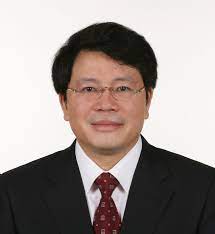 Jinping Ou (欧进萍)合作论文数School of Civil Engineering, Harbin Institute of Technology16
 Wei Huang (黄维)合作论文数School of Civil Engineering, Sun Yat-Sen University13
 Dezhi Ning (宁德志)合作论文数Department of Hydraulic Engineering, Dalian University of Technology;State Key Laboratory of Coastal and Offshore Engineering13
 ShaSha Liu (刘莎莎)合作论文数北京交通大学10
 Haizhi Liang合作论文数9Meng Yun-wei合作论文数8Guangyan Qing (青光焱)合作论文数7
 Jun Yan (闫俊)合作论文数School of Marine Science and Engineering, Hainan University6
 Wenhua Zhao合作论文数University of Cambridge;Oceans Institute, Oceans Graduate School, The University of Western Australia;Industrial Transformation Research Hub for Offshore Floating Facilities6
 Zhenzhong Hu (胡振中)合作论文数Institute for Ocean Engineering, Tsinghua Shenzhen International Graduate School6
 Ning Huan合作论文数5
 Xiaobo Chen合作论文数Research Department, Bureau Veritas5
 Sunwei Li (李孙伟)合作论文数Tsinghua Shenzhen International Graduate School, Tsinghua University4Changlong Feng合作论文数3
 Hui Liang合作论文数3
 Do Kyun Kim Ceng Mrina Msname合作论文数3
 Yongsheng Zhang合作论文数Sch Traff & Transportat, Beijing Jiaotong Univ3TANG Ying (唐英)合作论文数3Rodrigo Araujo合作论文数3
 Kun Liu (刘鲲)合作论文数School of Civil Engineering & Transportation, South China University of Technology3
 Bin Teng (滕斌)合作论文数State Key Laboratory of Coastal and Offshore Engineering, School of Hydraulic Engineering, Dalian University of Technology3
 Yu-Tao Guo (郭宇韬)合作论文数Shenzhen International Graduate School, Tsinghua University2Shibao Li合作论文数2
 Miaozi Zheng合作论文数2
 Anna Feichtner合作论文数2W. Tang (唐炜)合作论文数Univ Tennessee2Bin Wang合作论文数2Ying Min Low合作论文数Department of Civil and Environmental Engineering, National University of Singapore2
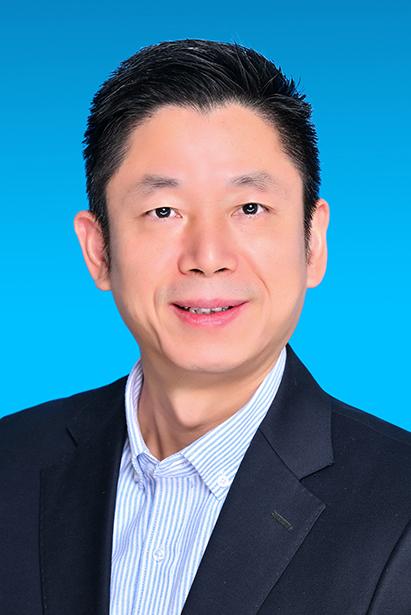 Menglan Duan (段梦兰)合作论文数Tsinghua Shenzhen International Graduate School2
 Guoqiang Tang (唐国强)合作论文数Department of Hydraulic Engineering, Dalian University of Technology;School of Infrastructure Engineering, Dalian University of Technology2
 Toshiyuki Yamamoto (山本俊行)合作论文数Institute of Materials and Systems for Sustainability, Nagoya University2
 Yang Yang (杨扬)合作论文数北京交通大学交通运输学院交通运输规划与管理2Zhenhua Huang合作论文数2
 Lars Johanning合作论文数School of Engineering, Computing and Mathematics, Faculty of Science and Engineering, University of Plymouth;College of Engineering, Mathematics and Physical Sciences, University of Exeter2Weichen Ren合作论文数1
 Guangning Zhi合作论文数1Lili Zhang合作论文数1
 Byongug Jeong合作论文数1Junyi Hong合作论文数1Ziqi Liu合作论文数1Sijun Wang合作论文数1
 Jinqiu Du合作论文数1
 Shuo Leng合作论文数1Zizhe Wang合作论文数1hai gu合作论文数1Zhihao Zhao合作论文数1




