BACKGROUND AND PURPOSE:This study aimed to determine the changes in cerebral blood flow (CBF) in patients who received different durations of hemodialysis (HD) using arterial spin labeling magnetic resonance imaging. METHODS:The study included 46 patients who received HD and 24 demographically similar healthy controls (HCs). Patients who received HD were divided into three subgroups based on its duration: HD-1 (n=15, dialysis duration ≤24 months), HD-2 (n=16, dialysis duration >24 and ≤72 months), and HD-3 (n=15, dialysis duration ≥73 months). All subjects completed the Mini Mental State Examination and Montreal Cognitive Assessment tests, and the patients who received HD underwent laboratory tests. Group-level differences in the global and regional CBFs between patients who received HD and HCs were assessed. Correlation analysis was performed to evaluate the associations among CBF, clinical variables, and cognitive function. RESULTS:Compared with HCs, global and regional CBFs were significantly increased in the HD-1 and HD-2 groups (p<0.05), but there was no significant difference in the HD-3 group (p>0.05). However, compared with the HD-1 group, the HD-3 group had significantly decreased global and regional CBFs (p<0.05). The cognitive function was worse in patients who received long-term HD than in HCs. Increased dialysis duration and hemoglobin level were predictive risk factors for decreased CBF in patients who received long-term HD. CONCLUSIONS:Patients who received long-term HD with normal CBF had worse cognitive function, which may be related to increased dialysis duration.
Objective : This study aims to investigate the alterations in interhemispheric functional connectivity in neurologically asymptomatic patients with end-stage renal disease (ESRD) undergoing maintenance hemodialysis (HD) using resting-state functional magnetic resonance imaging (rs-fMRI) with voxel-mirrored homotopic connectivity (VMHC) algorithm. Methods : The rs-fMRI data were acquired from 40 neurologically asymptomatic patients with ESRD and 34 matched healthy control (HC) subjects. All subjects underwent neuropsychological tests, and patients with ESRD underwent laboratory tests. Intergroup VMHC differences in the voxel manner were analyzed. Correlation analysis was performed to evaluate the relationships between VMHC values and clinical variables in patients with ESRD. We further performed a receptive operation characteristic (ROC) analysis to confirm the sensitivity and specificity of our results. Results : Compared with HCs, patients with ESRD exhibited significantly decreased VMHC values in the inferior parietal lobule (IPL), superior temporal gyrus (STG), insula, precentral gyrus (PreCG), middle occipital gyrus (MOG), and calcarine/lingual/cuneus. Patients with ESRD did not exhibit increased VMHC values in any brain regions compared with HCs. Furthermore, the VMHC value of MOG was positively correlated with hemoglobin levels in patients with ESRD. Conclusions : The results revealed that the impairment of interhemispheric coordination in patients with ESRD, which provided preliminary evidence of VMHC as a potential biomarker of patients with ESRD.
BACKGROUND:To evaluate the impact of family history of atrial fibrillation (FAF) on postablation atrial tachyarrhythmia (AT) recurrence.METHODS:All the 8198 patients undergoing initial AF ablation registered in the Chinese Atrial Fibrillation Registry study were analyzed. FAF was defined as having first-degree relatives diagnosed as AF at age 65 years or younger, and before the time the case in this study was diagnosed. Cox proportional hazards models were used to evaluate the impact of FAF on postablation AT recurrence. Age, sex, body mass index, AF type, history of congestive heart failure, hypertension, diabetes mellitus, prior stroke/transient ischemic attack/systemic embolism, vascular diseases, use of contact force-sensing catheter, and completion of high school were adjusted. The definition of AT recurrence was any documented AF, atrial flutter, or AT lasting more than or equal to 30 s after 3 months blanking period.RESULTS:After a mean follow-up of 26.2 ± 19.6 months, 318 out of the 645 patients (49.3%) with FAF and 3339 out of the 7553 patients (44.2%) without FAF experienced AT recurrence, corresponding to annual recurrence rates of 22.8% and 20.2%, respectively. Patients with FAF had a significant higher risk of AT recurrence (adjusted hazard ratio 1.129, 95% confidence interval 1.005-1.267) in multivariable analysis. Moreover, FAF had a significant higher impact on AT recurrence in the subgroup of patients diagnosed with AF at age 50 years or younger (p for interaction = .036).CONCLUSION:FAF is a risk factor for postablation AT recurrence. This is especially true in those with AF diagnosed at 50 years or younger.
目的:探讨心房颤动家族史与年轻(≤50岁)心房颤动患者导管消融术后复发的关系.方法:中国心房颤动注册研究从2011年8月至2018年12月前瞻性纳入25512例心房颤动患者.在排除瓣膜性心房颤动、既往行导管消融、术后随访<3个月的患者后,2919例接受导管消融治疗且首次心电图诊断心房颤动时年龄≤50岁的患者纳入本研究.根据患者有无心房颤动家族史,将患者分为无心房颤动家族史组和有心房颤动家族史组.术后第3、6、12个月及其后每6个月进行随访,收集患者心房颤动复发信息.心房颤动家族史定义为:一级亲属(父母或兄弟姐妹)在65岁之前诊断心房颤动,且诊断时间早于该患者.采用Cox多因素回归分析校正其他已知的影响心房颤动复发的因素,评估心房颤动家族史与患者导管消融术后复发的关系.结果:2919例入选患者中,289例(9.9%)有心房颤动家族史,2630例(90.1%)无心房颤动家族史.术后平均随访(24.05±19.38)个月,共有1272例(43.6%)患者心房颤动复发.有心房颤动家族史的患者导管消融术后复发率显著高于无心房颤动家族史者(26.70/100人年vs.21.19/100人年,P=0.0033).多因素Cox回归分析显示,与无心房颤动家族史者相比,有心房颤动家族史者术后复发风险升高27%(HR=1.27,95%CI:1.07~1.50,P=0.0056).结论:在年轻心房颤动患者中,心房颤动家族史与患者导管消融术后复发率高显著相关.
Purpose: To investigate the effect of head-cooling on resting-state spontaneous brain activity during passive hyperthermia.Methods: An environmental heat exposure was simulated on 16 healthy men under a normal control condition (NC) at 25 degrees C and two hot conditions at 50 degrees C with hyperthermia with head-cooling condition (HHC) and without hyperthermia condition (HOT) keeping the head cool, respectively. Resting-state functional MRI (fMRI) data were acquired under each condition and the values of amplitude low frequency fluctuations (ALFF) and z functional connectivity (zFC) were computed to examine regional activity and functional integration, respectively. Pearson's correlation analysis between the ALFF value and subjective sensations scores were performed.Results: Brain regions with significant ALFF differences among the three conditions were found primarily in the right medial prefrontal cortex/anterior cingulate cortex (MPFC/ACC), bilateral posterior cingulate cortex/precuneus (PCC/PCu), and right fusiform gyrus. Compared to the NC or HOT condition, the HHC condition exhibited significantly increased ALFF in the bilateral PCC/PCu and decreased ALFF in the right fusiform gyrus. However, ALFF of the right MPFC/ACC showed no significant difference between the NC and HHC conditions. Positive FC between the right MPFC/ACC and bilateral PCC/PCu was significantly increased in HHC condition with respect to HOT condition. Negative FC between the right fusiform gyrus and the right MPFC/ACC, bilateral PCC/PCu was observed with a decreasing trend from the HHC condition to the HOT condition. Moreover, head-cooling also improved thermal comfort during passive hyperthermia.Conclusions: Head-cooling could substantially reduce the negative effect of hyperthermia on human brain activity as well as thermal sensation.
 Kai Liu合作论文数3
 Bo Li (李波)合作论文数School of Life Sciences, Westlake University3
 Gang Sun (孙钢)合作论文数Peking Union Medical College Hospital3Yan Xue合作论文数2
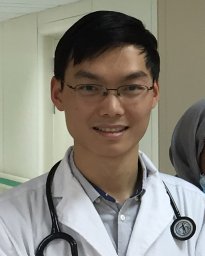 Chao Jiang合作论文数Capital Med Univ, Beijing Anzhen Hosp, Natl Clin Res Ctr Cardiovasc Dis, Dept Cardiol, Beijing, Peoples R China2FengYu Jia (贾凤玉)合作论文数2Xueyuan Guo合作论文数2
 Songnan Li (李松南)合作论文数Beijing Anzhen Hospital, Capital Medical University2
 Xin Du (杜昕)合作论文数Beijing Anzhen Hospital, Capital Medical University2
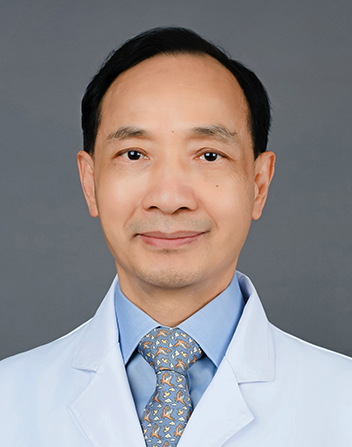 Changsheng Ma (马长生)合作论文数Beijing Anzhen Hospital, Capital Medical University;Graduate School of Capital Medical University2
 Caihua Sang (桑才华)合作论文数Beijing Anzhen Hospital, Capital Medical University2
 Deyong Long (龙德勇)合作论文数Beijing Anzhen Hospital, Capital Medical University2Jing Du (杜婧)合作论文数Beijing Center for Disease Prevention and Control2
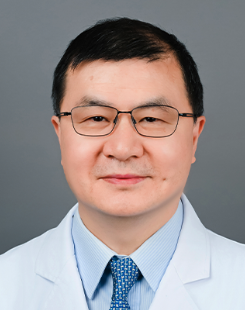 Jianzeng Dong (董建增)合作论文数Heart Failure Center, Beijing Anzhen Hospital, Capital Medical University2Chenxi Jiang合作论文数2Yiwei Lai合作论文数1Lexia DU (杜乐霞)合作论文数1Jingye Li合作论文数1
 Xiangyi Kong合作论文数Beijing Anzhen Hosp, Capital Med Univ1Yu Bai合作论文数1Song Zuo合作论文数1
 Xiaohong Zhou合作论文数Harvard Medical School, Harvard University1Qian Shaowen合作论文数1Qingjun Jiang合作论文数1
 Rong Bai (白融)合作论文数Beijing Anzhen Hospital, Capital Medical University1
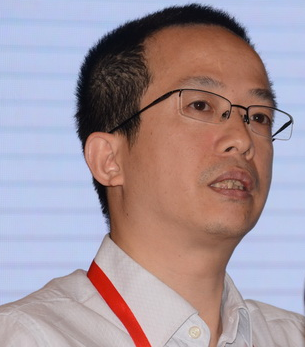 Nian Liu (刘念)合作论文数Beijng Anzhen Hospital, Capital Medical University1
 Wei Wang (王伟)合作论文数Fu Xing Hospital, Capital Medical University1
 Ribo Tang (汤日波)合作论文数Beijing Anzhen Hospital, Capital Medical University1




