Vascular stent implantation is a major treatment for vascular diseases, yet postoperative infection and persistent inflammation increase the risk of in-stent restenosis. Herein, core-shell structured PCL/PEO-PVP fiber membranes co-loaded with ciprofloxacin hydrochloride (CIP) and curcumin (CUR) were fabricated via coaxial electrospinning. Orthogonal experiments were conducted to optimize critical spinning parameters through multi-index comprehensive evaluation. Characterizations confirm intact core-shell architecture and stable polymeric backbone structure. In vitro release tests reveal sequential drug-delivery behavior: a rapid initial release of hydrophilic CIP and a delayed sustained release of hydrophobic CUR were observed, contributing to early-stage antibacterial and long-term anti-inflammatory effects, respectively. The "antibacterial zone" method verifies favorable antibacterial activity against Staphylococcus aureus (S. aureus) and Escherichia coli (E. coli). ELISA results demonstrate the enhanced anti-inflammatory capacity of the dual-drug-loaded coaxial fiber membrane. Cellular assays confirm satisfactory cytocompatibility, and endothelial cells achieve normal proliferation and exhibit typical polygonal morphology on the membrane surface. This dual-drug-loaded coaxial-fiber membrane realizes coordinated sequential antibacterial and anti-inflammatory properties, which provides a feasible strategy for developing functional coatings toward vascular stents.
Aortic dissection (AD) is a life-threatening vascular disorder for which current mechanical interventions provide limited biological repair of the injured aortic wall. Here, we evaluated the short-term reparative potential of systemic endothelial progenitor cell (EPC) therapy in AD. We observed increased accumulation of CD34 + VEGFR2+ EPC-like cells in human AD tissues, particularly in regions of intimal injury, although these findings should be interpreted as an injury-associated tissue response rather than definitive evidence of endogenous protection. In a murine model of AD, transplanted EPCs preferentially localized to the injured aorta and were associated with reduced aortic dilation, improved re-endothelialization, and preservation of extracellular matrix architecture within the aortic wall. These findings suggest that EPC administration may support vascular repair in experimental AD during the early phase after injury. However, the relative contributions of transplanted versus endogenous EPCs, the precise mechanisms involved, and the long-term durability of repair remain to be determined. Collectively, our results provide preliminary preclinical support for further investigation of EPC-based biological strategies in AD.
Background: Aortic dissection (AD) is a life-threatening condition characterized by the tearing of the aortic wall, with significant genetic factors contributing to its development. This multicentre cohort study aims to elucidate the genetic characteristics associated with AD and their implications for personalized medicine. Methods: A total of 265 patients with confirmed acute and chronic AD were enrolled from 13 tertiary hospitals. Genetic analysis was conducted using next-generation sequencing to identify mutations in 39 genes associated with AD. We assessed the relationship between genetic mutations and clinical prognosis, focusing on adverse outcomes such as aortic-related death, adverse aortic remodelling, and major clinical events. Patients were categorized based on the presence of single or multiple gene mutations, and their clinical outcomes were monitored during hospitalization and follow-up. Results: Among the 265 cases, 41 (15.5%) were classified as hereditary thoracic aortic aneurysm and dissection (TAD), while 124 (46.8%) were identified as type B aortic dissection (TBAD). Notably, 78.75% of patients with TBAD exhibited mutations, with the FBN1 gene being the most frequently mutated (12.22%). The analysis revealed that individuals with mutations in FBN1, FBN2, ABCC6, and ACVRL1 had poor prognostic outcomes, with rates of adverse events reaching up to 100% in the latter. A statistically significant increase in aortic-related complications was observed in patients with multiple gene mutations (80%) compared to those without (23.53%, p < 0.05). Conclusions: This study highlights the critical role of genetic mutations in the prognosis of aortic dissection, particularly in patients with multiple mutations. The findings support the integration of genetic screening into clinical practice, paving the way for personalized medicine approaches in the management of aortic dissection. Future research should focus on the development of targeted therapies based on genetic profiles to improve patient outcomes.
Background: Abdominal Aortic Aneurysm (AAA) is a critical global health issue, affecting an estimated up to 8% of men over 65, with a complex etiology involving smoking, age and gender. However, the lack of specific drug treatments underscores the need for a robust in vitro model to advance our comprehension of AAA pathophysiology and serve as an ex vivo surrogate for drug testing. Methods: This study introduces an innovative AAA patient-derived organoid (PDO) model using a non-enzymatic procedure, a Matrigel-free system, and specialized organoid culture medium, leveraging 3-dimensional (3D) cultures to replicate the disease's microenvironment. The stability of this culture system was assessed through microscopic observation, H&E staining, immunohistochemistry (IHC), viability assays, and whole-genome sequencing (WES). Additionally, we conducted pharmacological assessments to explore the effects of drug treatments on AAA PDO. Results: Our model maintains aortic morphological integrity and pathological phenotypes, incorporates the immune microenvironment (validated by IHC markers for macrophages and lymphocytes), and adjacent tissues (loose connective tissue and vegetative blood vessels). The model demonstrates remarkable stability, confirmed by consistent genetic mutation sites throughout cultivation via WES, and cell survival after five weeks in vitro via live-cell staining. Preliminary pharmacological assessments show promising efficacy, with distinct responses to 1 μM metformin, 1 μM RU.521, or 1 μM STING-IN-2 treatments for 48 h via mass spectrometry. Conclusions: The AAA organoid model, to the best of our knowledge, is the first reported abdominal aortic aneurysm PDO model, and signifies a promising step towards therapeutic treatment options for AAA, potentially complementing existing surgical approaches.
Gene therapy, which treats genetic diseases by fixing defective genes, has gained significant attention. Viral vectors show great potential for gene delivery but face limitations like poor targeting, uncontrolled release, and risks from high-dose delivery which can lower efficiency and trigger immune responses. Loading viral vectors onto tissue engineered scaffolds presents a promising strategy to address these challenges, but their widespread application remains limited due to concerns regarding viral vector bioactivity, scaffold biocompatibility, and the stability of sustained release. An adeno-associated virus (AAV), recognized for its safety, high efficiency, and low immunogenicity, was employed as a model virus. In this study, we developed an electrospun scaffold (AAV/PCL-PEO@Co-ES) by encapsulating the AAV within core–shell fibers composed of polycaprolactone (PCL) and polyethylene oxide (PEO) via coaxial electrospinning. This configuration ensures viral vector protection while enabling controlled and sustained release. The physicochemical characterization results indicated that the scaffold exhibited excellent mechanical properties (tensile strength: 3.22 ± 0.48 MPa) and wettability (WCA: 67.90 ± 8.45°). In vitro release and cell transduction assays demonstrated that the AAV-loaded scaffold effectively controls viral vector release and transduction. Furthermore, both in vitro and in vivo evaluations demonstrated good biocompatibility and efficient viral vector delivery. These findings highlight the potential of the AAV/PCL-PEO@Co-ES scaffold as a safe and effective platform for sustained gene delivery, offering valuable insights for the future design of clinically relevant viral vector delivery systems.
Background: The objective of this study is to document our experience using low-profile endografts for the endovascular repair of abdominal aortic aneurysms (AAAs) in cases where access arteries are challenging, commonly referred to as hostile access arteries. Methods: Data regarding patients with narrow or tortuous access arteries who underwent endovascular aortic repair (EVAR) using low-profile endografts at 3 tertiary medical centers between January 2020 and December 2022 were retrospectively collected and analyzed. A total of 76 patients were enrolled in the study. The primary endpoints included technical success, occurrence of endoleaks, endograft occlusion, and any device- or procedure-related major adverse events. Secondary endpoints were assessed for endograft migration, endograft fracture, access site complications, and aneurismal sac shrinkage. Results: The mean follow-up duration was 28.1 +/- 9.0 months (range, 14.0e54.0). Among the patients, 32 (42.1%) had narrow artery access (diameter <6.0 mm), 29 (38.2%) had access arteries characterized by tortuosity, and 15 (19.7%) patients presented with both narrow and tortuous access arteries. Technical success was achieved in 73 (96.1%) cases. A total of 4 (5.2%) patients received reintervention due to endograft occlusion. During follow-up, a total of 8 (10.5%) type II endoleaks were observed during follow-up without intervention, and the endoleak disappeared in the follow-up period. Abdominal aortic aneurysm-sac shrinkage and stability were observed in 25 (32.9%) and 51 (67.1%) cases, respectively. The overall survival rate was 98.7%. The perioperative and follow-up outcomes for the groups categorized by 'Narrow arteries', 'Tortuous arteries', and 'Narrow and Tortuous arteries' did not show statistically significant differences when compared to each other. Conclusions: This preliminary investigation indicates that the use of low-profile endografts is associated with safety and effectiveness within the observed period.
The timely and accurate diagnosis of aortic dissection is crucial for improving cardiovascular outcomes, driving a growing demand for biosensing platforms with high sensitivity and accuracy. By implementing Boolean logic in the biosensors, the accuracy of disease diagnosis can be improved by multianalyte detection from a single sample. However, integrating the different signal readouts within a single probe to detect multiple analytes is challenging. Herein, the AND-gated biosensors that utilize fluorescent intensity and NMR relaxation as signal readouts for simultaneous quantification of D-dimer and fibrillin-1, respectively, were proposed. Such biosensors integrate the detection results from multiple analytes, enhancing the diagnostic accuracy of aortic dissection. The AND-gated biosensors exhibit competitive sensitivities (0.96 pg/mL for D-dimer and 3.22 pg/mL for fibrillin-1), enabling the early-stage diagnosis of aortic dissection. The linear ranges for D-dimer and fibrillin-1 are wide enough to cover multiple concentration orders, laying the foundation for accurate diagnosis of aortic dissection. The performance of the AND-gated biosensors for aortic dissection diagnosis has been systematically investigated and applied in aortic dissection screening of patients (7 cases found in 17 individuals), which shows a high diagnostic consistency compared to clinical diagnosis. Such biosensors will not only help clinicians diagnose the disease but also provide a tool for early and prehospital diagnosis before the phenotypic manifestation.
Objective: This study aimed to assess the long-term outcomes in patients treated by thoracic endovascular aortic repair (TEVAR) for blunt thoracic aortic injuries (BTAI). Materials and methods: From January 2010 to December 2019, this retrospective observational study was conducted at 3 centers, involving 62 consecutive BTAI patients who underwent TEVAR. Computed tomography angiography scans were planned to be conducted at 6 months post-procedure, and annually thereafter. Results: Technical success was achieved in all 62 procedures (100%), which included cases of dissection (n=35, 56.45%), pseudoaneurysm (n=20, 32.26%), and rupture (n=7, 11.29%). Mean injury severity score was 31.66±8.30. A total of 21 supra-arch branches were revascularized by chimney technique, with 12 cases involving the left subclavian artery (LSA) and 9 cases involving the left common carotid artery. In addition, 11 LSAs were covered during the procedure. The in-hospital mortality rate was 1.61% (n=1). The mean follow-up time was 86.82±30.58 months. The all-cause follow-up mortality rate was 3.28% (n=2). Stenosis or occlusion of 3 supra-arch branches (4.92%) was identified at follow-up, with 2 cases (3.28%) requiring re-intervention. No spinal cord ischemia, endoleak, or migration was observed. Conclusions: Despite only including patients with long-term follow-up, this study confirms the long-term safety and effectiveness of TEVAR for BTAI. For young BTAI patients, as the thoracic aorta increases with age, longer follow-up is needed to observe the potential mismatch between the endograft and the aorta. Clinical Impact This study confirms the long-term safety and effectiveness of endovascular treatment for blunt thoracic aortic injury (BTAI). For young BTAI patients, as the thoracic aorta increases with age, longer follow-up is needed to observe the potential mismatch between the endograft and the aorta. Through a remarkably extended follow-up period (86.82±30.58 months) conducted at multiple centers in China, this study confirms the long-term safety and effectiveness of endovascular treatment for BTAI.
The use of endovascular stent-graft has become an important option in the treatment of aortic pathologies. However, the currently used endograft membranes have limited ability to prevent bacterial colonization. This makes them unsuitable for the treatment of mycotic aneurysms, as the infection is prone to progress after endograft implantation. Moreover, even in non-mycotic aortic pathologies, endograft infections can occur in the short or long term, especially for patients with diabetes mellitus or in immune insufficiency conditions. So, this study aimed to develop a kind of Ag-NPs-loaded endograft membrane by coaxial electrospinning technique, and a series of physical and chemical properties and biological properties of the Ag-NPs-loaded membrane were characterized. Animal experiments conducted in pigs confirmed that the Ag-NPs-loaded membrane was basically non-toxic, exhibited good biocompatibility, and effectively prevented bacterial growth in a mycotic aortic aneurysm model. In conclusion, the Ag-NPs-loaded membrane exhibited good biocompatibility, good anti-infection function and slow-release of Ag-NPs for long-term bacteriostasis. Thus, the Ag-NPs-loaded membrane might hold potential for preventing infection progression and treating mycotic aortic aneurysms in an endovascular way.
Purpose: This study aimed to assess the safety and viability of combining branched stent graft with fenestrated thoracic endovascular aortic repair (TEVAR) in treating aortic arch lesions. Materials and Methods: The cohort included patients presenting with aortic arch lesions who underwent treatment with a combination of branched stent graft and fenestrated TEVAR between July 2020 and November 2022. Technical success was defined as the precise deployment of the stent graft, maintenance of branch vessel patency, and the absence of type I endoleak. The secondary outcomes examined were complications and all-cause mortality. Results: The study cohort comprised 21 patients (average age: 61.0±14.8 years) with aortic arch lesions from 3 tertiary care hospitals. The aortic arch lesions encompassed aortic dissection (N=8), aortic aneurysm (N=8), pseudoaneurysm (N=1), intramural hematoma (N=1), and penetrating aortic ulcer (N=3). The technical success rate achieved was 95.2% (20/21). Failure in one case was due to an intraoperative type I endoleak, which was rectified with an additional stent graft placement. The 30-day mortality rate was 4.8% (1/21). One patient suffered a stroke but responded well to medical intervention. The median hospital stay was 10.9±5.4 days. During the follow-up period, one death (4.8%) was associated with aortic complications. A type II endoleak was observed and managed with close monitoring. Two patients underwent re-interventions for retrograde type A dissection and stent migration, respectively. No occlusions were observed in the target branch arteries. Conclusions: The combination of branched stent graft with fenestrated TEVAR emerges as a viable strategy for addressing specific lesions in the aortic arch. Clinical Impact This study demonstrates the feasibility of using branched stent grafts with fenestrated TEVAR for treating aortic arch lesions, achieving a technical success rate of 95.2%. Compared to traditional open surgery, this innovative, minimally invasive approach reduces perioperative mortality and complications, such as stroke and spinal cord ischemia. For clinicians, it offers a viable alternative for patients unfit for open repair, particularly in complex aortic arch cases. While the initial outcomes are promising, further research is needed to assess long-term durability and risks, including stent graft migration and late endoleak, ensuring the technique’s safety and efficacy over time.
PurposeTo compare the long-term efficacy of the parallel stent graft (PSG), fenestrated stent graft (FSG), and branched stent graft (BSG) techniques to treat thoracoabdominal aortic pathologies.Materials and methodsIn total, 291 patients with thoracic aortic aneurysm (TAA) and dissection (TAD) involving visceral arteries who underwent PSG (n = 85; 15 TAA and 70 TAD), FSG (n = 107; 47 TAD and 60 TAA), or BSG (n = 99; 37 TAD and 62 TAA) were included from multiple centers from January 2015 to December 2022, and a total of 1,108 visceral aortic branches were reconstructed.ResultsThe average reconstruction time of each visceral aortic branch for FSG, BSG, and PSG is 27.5 ± 12.1, 23.2 ± 11.9, and 18.8 ± 11.8 min, respectively (P < 0.01). The free-from-endoleak rate at the last follow-up for FSG, BSG, and PSG was 86.9%, 91.9%, and 60.0%, respectively. The last follow-up patency rate for FSG, BSG, and PSG was 85.0%, 91.9%, and 94.1%, respectively. The average reconstruction price of each visceral aortic branch for FSG, BSG, and PSG was 41.40 ± 3.22 thousand RMB, 41.84 ± 3.86 thousand RMB, and 42.35 ± 4.52 thousand RMB, respectively (P = 0.24).ConclusionTo treat the aortic pathologies involving the visceral segment, BSG had a lower endoleak rate and higher branch patency rate when compared with the FSG and PSG techniques. The expense of BSG was comparable to the other two techniques.
Abstract Background: Infected aortic aneurysm is one of the most life-threatening cardiovascular diseases. There is still no standardized and uniform practice in the management of it. Objective: This study aimed to comprehensively analyze all the literatures related to infected aortic aneurysm in the past decades by using bibliometric tools from Web of Science Core Collection, revealing the research dynamics and hotspots in this field. Methods: We summarized the articles in the Web of Science Core Collection for infected aortic aneurysm in each year from January 2000 to October 2023. The bibliometric tools including SCImago, VOSviewer and CiteSpace were used to perform data extraction and visualization. The national characteristics of macro-geographical distribution, the contributions of disciplines, journals and authors, and cooperation network of institutions and authors were revealed. Results: A total of 1088 publications were included. The distribution of publications by year showed that the number of publications rose steadily since2004, followed by a decline from 2013 to 2017 and reaching a peak in 2021.The geographical distribution indicated that there was a large gap between the number of publications and citations in the United States and other countries.The co-authorship analysis showed that collaboration between prolific countries, productive institutions or excellent authors was scarce. The infected aortic aneurysm research was a multi-disciplinary field and most of the articles were published in journals related to surgery including Journal of Vascular Surgery, European Journal of Vascular and Endovascular Surgery etc. The keyword analysis revealed clustering and burst terms, indicating that current research focused on treatment of infected aortic aneurysm. Conclusions: This study revealed trends in research and public interest in infected aortic aneurysm. Our findings suggested that the field was growing, and the United States taking the lead position. Moreover, cooperation between countries should be strengthened, and future research hot spots might focus on deeper exploration of drug mechanisms, prediction of treatment efficacy, prediction of adverse events, and new modes of administration, such as combination therapy, which may pave the way for further research.
BackgroundIn the era of the internet, individuals have increasingly accustomed themselves to gathering necessary information and expressing their opinions on public web-based platforms. The health care sector is no exception, as these comments, to a certain extent, influence people’s health care decisions. During the onset of the COVID-19 pandemic, how the medical experience of Chinese patients and their evaluations of hospitals have changed remains to be studied. Therefore, we plan to collect patient medical visit data from the internet to reflect the current status of medical relationships under specific circumstances. ObjectiveThis study aims to explore the differences in patient comments across various stages (during, before, and after) of the COVID-19 pandemic, as well as among different types of hospitals (children’s hospitals, maternity hospitals, and tumor hospitals). Additionally, by leveraging ChatGPT (OpenAI), the study categorizes the elements of negative hospital evaluations. An analysis is conducted on the acquired data, and potential solutions that could improve patient satisfaction are proposed. This study is intended to assist hospital managers in providing a better experience for patients who are seeking care amid an emergent public health crisis. MethodsSelecting the top 50 comprehensive hospitals nationwide and the top specialized hospitals (children’s hospitals, tumor hospitals, and maternity hospitals), we collected patient reviews from these hospitals on the Dianping website. Using ChatGPT, we classified the content of negative reviews. Additionally, we conducted statistical analysis using SPSS (IBM Corp) to examine the scoring and composition of negative evaluations. ResultsA total of 30,317 pieces of effective comment information were collected from January 1, 2018, to August 15, 2023, including 7696 pieces of negative comment information. Manual inspection results indicated that ChatGPT had an accuracy rate of 92.05%. The F1-score was 0.914. The analysis of this data revealed a significant correlation between the comments and ratings received by hospitals during the pandemic. Overall, there was a significant increase in average comment scores during the outbreak (P<.001). Furthermore, there were notable differences in the composition of negative comments among different types of hospitals (P<.001). Children’s hospitals received sensitive feedback regarding waiting times and treatment effectiveness, while patients at maternity hospitals showed a greater concern for the attitude of health care providers. Patients at tumor hospitals expressed a desire for timely examinations and treatments, especially during the pandemic period. ConclusionsThe COVID-19 pandemic had some association with patient comment scores. There were variations in the scores and content of comments among different types of specialized hospitals. Using ChatGPT to analyze patient comment content represents an innovative approach for statistically assessing factors contributing to patient dissatisfaction. The findings of this study could provide valuable insights for hospital administrators to foster more harmonious physician-patient relationships and enhance hospital performance during public health emergencies.
Background: This retrospective study aimed to evaluate the safety and efficacy of cutting balloon angioplasty and conventional balloon angioplasty in supra-aortic arterial lesions caused by Takayasu arteritis. Methods: A total of 46 patients with supra-aortic arterial lesions between January 2011 and December 2018 were included. Cutting balloon angioplasty was applied for 17 patients with 24 supra-aortic arterial lesions (group A), while 29 patients with 36 supra-aortic arterial lesions received conventional balloon angioplasty (group B). The preoperative clinical manifestation, operation result, and postoperative outcomes were recorded and compared in the 2 groups. Results: Dizziness, visual disturbance, and unequal/absent pulses were the most common manifestations. The technical success of revascularization was 93.5% (43/46) in patients and 93.3% (56/60) in lesions. The stent implantation rate in group A was significantly lower than that in group B (4.2% vs. 50% in lesions, P < 0.05). Restenosis was the most common complication in both groups. Although the early (& LE;30 days) and late (>30 days) complications in group A were less than those in group B, there was no significant difference between the 2 groups (P > 0.05). Moreover, the primary-assisted patency of cutting balloon angioplasty and conventional balloon angioplasty at 1, 2, and 5 years were 66.7%, 62.5%, and 62.5% and 61.1%, 58.2%, and 49.8%, there was no significant difference between the 2 groups (P > 0.05), respectively. Conclusions: Compared with conventional balloon angioplasty, cutting balloon angioplasty could be considered a safe and effective alternative for supra-aortic arterial lesions caused by Takayasu arteritis, demonstrating better patency and clinical benefit.
Introduction: With the steady rise in interest in e-learning and the sudden boost provoked by the COVID-19 pandemic, it becomes necessary to explore the e-learning experience within the medical community in the MENA region. Methods: An online survey was conducted during the early phase of the COVID-19 pandemic (June 15 – October 15, 2020). Results: Seventy-eight vascular surgeons and trainees from 16 countries participated. 88% of the participants were male. 55% attended more than 4 activities. More than half of the activities did not lead to any official certification. Topic was the primary determinant for attending an activity. National societies and social media played a major role in disseminating activity-related information. Lack of time, increased workload, differences in time zone, and technical issues were the main obstacles cited. 84.7% of the participants had a positive impression. Conclusion: As the COVID-19 pandemic boosted e-learning activities in vascular surgery, a shift was observed in the learning mode and new leadership skills were called upon. Novel ways of quality control are required.
Vascular smooth muscle cells (VSMCs) are the major contributor to vascular repair and remodeling, which showed high level of phenotypic plasticity. Abnormalities in VSMC plasticity can lead to multiple cardiovascular diseases, wherein alternative splicing plays important roles. However, alternative splicing variants in VSMC plasticity are not fully understood. Here we systematically characterized the long-read transcriptome and their dysregulation in human aortic smooth muscle cells (HASMCs) by employing the Oxford Nanopore Technologies long-read RNA sequencing in HASMCs that are separately treated with platelet-derived growth factor, transforming growth factor, and hsa-miR-221-3P transfection. Our analysis reveals frequent alternative splicing events and thousands of unannotated transcripts generated from alternative splicing. HASMCs treated with different factors exhibit distinct transcriptional reprogramming modulated by alternative splicing. We also found that unannotated transcripts produce different open reading frames compared to the annotated transcripts. Finally, we experimentally validated the unannotated transcript derived from gene CISD1 , namely CISD1-u , which plays a role in the phenotypic switch of HASMCs. Our study characterizes the phenotypic modulation of HASMCs from an insight of long-read transcriptome, which would promote the understanding and the manipulation of HASMC plasticity in cardiovascular diseases.
Objective: Selenium (Se) is a key part of the body ' s oxidation defence system. However, it is unclear whether Se affects the development of aortic aneurysm (AA). An animal experiment was conducted to clarify the role of Se in AA development. Methods: C57BL/6N male mice were fed with a Se de fi cient (Se -D, < 0.05 mg/kg), Se adequate (Se -A, 0.2 mg/kg), or Se supplemented (Se -S, 1 mg/kg) diet for 8 weeks. Subsequently, an AA murine model (Se -D, n = 11; Se -A, n = 12; Se -S, n = 15) was established using angiotensin II (Ang II, 1 mg/kg/min) for four weeks plus b - aminopropionitrile (BAPN, 1 mg/mL) for the fi rst two weeks. Saline replaced Ang II, and BAPN was removed during the modelling process for sham mice (Se -A, n = 9). To determine whether Se de fi ciency promoted aortic dilation via matrix metalloproteinase-2 (MMP-2), the non-speci fi c MMP inhibitor doxycycline (Dox, 100 mg/kg/day) was given to Se -D AA mice ( n = 7) for two weeks. Results: The maximum aortic diameter in Se -D AA model mice was signi fi cantly increased compared with Se -A AA model mice. MMP-2 expression and activity in the aortic media of Se -D AA model mice was signi fi cantly increased compared with Se -A AA model mice. A large number of vascular smooth muscle cells (VSMCs) were found aggregating in the media of the non-dilated aorta of Se -D AA model mice, which was completely inhibited by Dox. The percentage of VSMCs in aortic media of Se -D AA model mice was signi fi cantly higher than in Se -A AA model mice. The maximum aortic diameter and occurrence rate of AA in Se -D AA model mice with Dox were signi fi cantly reduced compared with Se -D AA model mice. Conclusion: Se de fi ciency promoted dilatation of the aorta in AA model mice by increasing expression and activity of VSMC derived MMP-2, causing abnormal aggregation and proliferation of VSMCs in aortic media.
Abstract Purpose: With the onset of the COVID 19 pandemic, digitalization came to the forefront of education delivery and continuous professional development took place predominantly online. We investigate the relevance of e-Learning in the vascular surgery community in mainland People’s Republic of China (PRC) and address the regional variability in comparison with the international community Methods: The international EL-COVID survey took place online from June 15, 2020 to October 15, 2020. We subtracted and analyzed the data from the PRC participants. Results: From 84 different countries, PRC had the largest contribution to the EL-COVID study (n = 109, 12.7%). Most of the Chinese responders were experienced vascular surgeons (73.39% vs. 53.81%; p=0.0001) and attended more than four eL activities (52.29% vs. 54.08%; not significant). Female vascular surgeons were underrepresented: 7.33% vs. 23.15%; p=0.0002. While participation at international activities did not vary, attendance at national eL activities was reduced (27.52% vs. 73.62%, p<0.0001). Obtaining official accreditation/CME points was relevant in choosing what eL opportunities to attend. Employers were less supportive of participation during working hours (17.43% vs. 46.52%; p<0,0001). eL opportunities were mainly promoted on social media (44.04% vs. 27.17%; p=0.0003) and to a lesser degree through direct contact from national/international societies (27.52% vs. 39.49%; p=0.016). Conclusion: As in other countries, eL is gaining relevance in the vascular surgery community of PRC. Adequate support as well as improving the dissemination strategy of national societies are needed to meet the demands of the modern vascular surgeon.
Pristimerin (PM), serving as a biological component mainly obtained from Celastraceae and Hippocrateaceae families, has been extensively explored for its numerous pharmacological activities, especially anti-cancer activity. However, the function of PM on pathological cardiac hypertrophy is poorly understood. This work was intended to investigate the effects of PM on pressure-overload induced myocardial hypertrophy and its potential pathways. Mouse model of pathological cardiac hypertrophy was generated by transverse aortic constriction (TAC) or minipump administration of the beta-adrenergic agonist ISO for 4 weeks, and PM (0.5 mg/Kg/d, i.p.) was treated for 2 weeks. PPAR alpha-/- mice received TAC surgery were used for mechanism exploration. Moreover, neonatal rat cardiomyocytes (NRCMs) were utilized to explore the effect of PM following Angiotensin II (Ang II, 1.0 mu M) administration. We found that PM attenuated pressure-overload induced cardiac dysfunction, myocardial hypertrophy and fibrosis in mice. Likewise, PM incubation dramatically reversed Ang II-mediated cardiomyocytes hypertrophy in NRCMs. RNA-Sequence showed that PM selectively contributed to improvement of PPAR alpha/PGC1 signaling, while silencing PPAR alpha abrogated the beneficial effects of PM on Ang II-treated NRCMs. Importantly, PM ameliorated Ang II-induced mitochondrial dysfunction and decrease in metabolic genes, whereas knockdown of PPAR alpha eliminated these alterations in NRCMs. Similarly, PM presented limited protective effects on pressure-overload induced systolic dysfunction and myocardial hypertrophy in PPAR alpha deficient mice. Overall, this study revealed that PM exerted protective activity against pathological cardiac hypertrophy through improvement of PPAR alpha/PGC1 pathway.
 Zaiping Jing (景在平)合作论文数School of Medicine, Tongji University;Center for Vascular Disease, Shanghai Fourth People's Hospital, Tongji University;Department of Vascular Surgery, First Affiliated Hospital, Naval Medical University81
 Rui Feng (冯睿)合作论文数61Xianhao Bao合作论文数31Yuxi Zhao合作论文数30
 Qing-Sheng Lu合作论文数30
 Jian Zhou (周建)合作论文数Changhai Hospital30Zhaoxiang Zeng合作论文数22
 Zhiqing Zhao (赵志青)合作论文数Changhai Hospital19WeiMing Wu (吴伟铭)合作论文数18Junjun Liu合作论文数16Li Zhenjiang合作论文数13
 Yongxue Zhang (张勇学)合作论文数10
 Junmin Bao (包俊敏)合作论文数Department of Vascular Surgery, Changhai Hospital, Navy Medical University9Xiang Feng合作论文数9
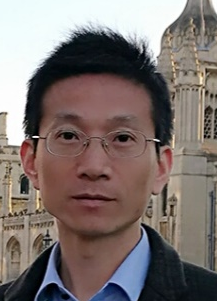 Zhongzhao Teng合作论文数Department of Radiology, School of Clinical Medicine, University of Cambridge9Liangxi Yuan合作论文数9
 Lefeng Qu (曲乐丰)合作论文数中国人民解放军第二军医大学8
 Jonathan Gillard合作论文数Department of Radiology, University of Cambridge8Mingjin Guo合作论文数7Tao Li合作论文数7Yifei Pei合作论文数7Xu Ding合作论文数6
 Yudong Sun合作论文数Computing Laboratory, University of Oxford6Ye Lu合作论文数5Yiming Li合作论文数5XiaoLong Wei (魏小龙)合作论文数5MingYuan Liu (刘明远)合作论文数5
 Adam Brown合作论文数Monash University;Monash Cardiovascular Research Centre5
 Haiguang Zhang (张海光)合作论文数School of Mechatronic Engineering and Automation, Shanghai University5
 Yuan Huang合作论文数Department of Radiology;Department of Radiology, University of Cambridge;Department of Pure Mathematics and Mathematical Statistics, University of Cambridge5
 Qingxi Hu (胡庆夕)合作论文数Shanghai University5
 Kak Khee Yeung合作论文数5Hubert Stępak合作论文数4
 Matthias Trenner合作论文数Klin & Poliklin Vaskulare & Endovaskulare Chirurg, Tech Univ Munich4Rongjie Zhang合作论文数4Mingwei Wu合作论文数4
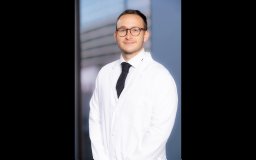 Marton Berczeli合作论文数Department of Cardiovascular Surgery, Houston Methodist Hospital4
 Jun Jie Ng合作论文数4
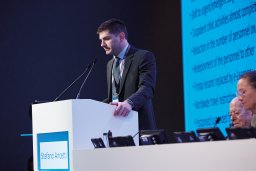 Stefano Ancetti合作论文数IRCCS St Orsola Malpighi Hosp, Univ Bologna4Katsargyris Athanasios合作论文数Department of Vascular and Endovascular Surgery, Klinikum Nürnberg4
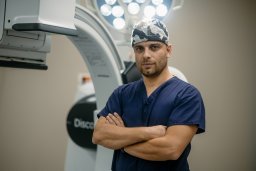 Patelis Nikolaos合作论文数Laiko Hospital, National Kapodistrian University of Athens4
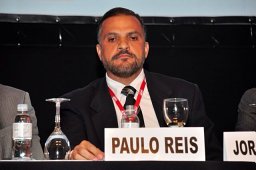 Paulo Eduardo Ocke Reis合作论文数Department of Specialized and General Surgery, Fluminense Federal University (UFF),4
 Mihai Ionac合作论文数Division of Microsurgery;University of Medicine and Pharmacy Timisoara;Department of Plastic;Department of Plastic, University of Medicine and Pharmacy Timisoara4
 Vincent Jongkind合作论文数4
 Michael Sutcliffe合作论文数Department of Engineering, University of Cambridge4
 Lamisse Karam合作论文数Hotel Dieu de France University Hospital-Beirut, Saint Joseph University4Ivan Cvjetko合作论文数4
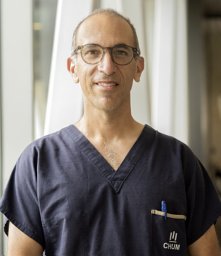 Stephane Elkouri合作论文数Centre Hospitalier de l’Université de Montreal (CHUM),, University of Montreal4




