Background Tumor-infiltrating T cells enter an exhausted or dysfunctional state, which limits antitumor immunity. Among exhausted T cells, a subset of cells with features of progenitor or stem-like cells has been identified as TCF1+ CD8+ T cells that respond to immunotherapy. In contrast to the finding that TCF1 controls epigenetic and transcriptional reprogramming in tumor-infiltrating stem-like T cells, little is known about the regulation of TCF1. Emerging data show that elevated body mass index is associated with outcomes of immunotherapy. However, the mechanism has not been clarified.Methods We investigated the proliferation of splenic lymphocytes or CD8+ T cells induced by CD3/CD28 stimulation in vitro. We evaluated the effects of low-density lipoprotein (LDL) and LRP11 inhibitors, as well as MAPK13 inhibitors. Additionally, we used shRNA technology to validate the roles of LRP11 and MAPK13. In an in vivo setting, we employed male C57BL/6J injected with B16 cells or MC38 cells to build a tumor model to assess the effects of LDL and LRP11 inhibitors, LRP11 activators, MAPK13 inhibitors on tumor growth. Flow cytometry was used to measure cell proportions and activation status. Molecular interactions and TCF1 status were examined using Western blotting. Moreover, we employed RNA sequencing to investigate the effects of LDL stimulation and MAPK13 inhibition in CD8+ T cells.Results By using a tumor-bearing mouse model, we found that LDL-induced tumor-infiltrating TCF1+PD1+CD8+ T cells. Using a cell-based chimeric receptor screening system, we showed that LRP11 interacted with LDL and activated TCF1. LRP11 activation enhanced TCF1+PD1+CD8+ T-cell-mediated antitumor immunity, consistent with LRP11 blocking impaired T-cell function. Mechanistically, LRP11 activation induces MAPK13 activation. Then, MAPK13 phosphorylates TCF1, leading to increase of stem-like T cells.Conclusions LRP11-MAPK13-TCF1 enhanced antitumor immunity and induced tumor-infiltrating stem-like T cells.
BackgroundIn recent years, the implementation of the first case of pig-to-human heart xenotransplantation and the report of three cases of pig-to-brain-dead human recipient kidney transplantation indicate that xenotransplantation is getting closer to clinical application. In the near future, China may also launch clinical trials of kidney xenotransplantation. Therefore, it is necessary to investigate the level of knowledge and acceptance of xenotransplantation among kidney transplant recipients and candidates in China. This study aims to investigate the level of comprehension and acceptance of kidney xenotransplantation in kidney transplant recipients and explore related factors, providing a reference for promoting the application and clinical trials of xenotransplantation in the near future.MethodsA questionnaire was completed by 211 kidney transplant recipients and 21 candidates. Answers to the questionnaires were self-administered by the respondents. Scores were compared using nonparametric tests, as well as using Chi-square test or Fisher's exact test to compare differences in answers.ResultsRespondents demonstrated a high score of 75 (out of 100) on knowledge and acceptance of kidney xenotransplantation. The sector "Knowledge and Attitude" received the overall highest score from respondents (85.0 out of 100), while "Risks and Concerns" received the lowest score (50 out of 100). Interestingly, respondents paid more attention to infection risks but showed less concern about rejection or unknown risks. Furthermore, 191 respondents (82.3%) expected that pig kidney xenografts could function for at least 5 years or more. The scores were statistically significant in terms of age, gender, level of education, level of knowledge on the case of xenotransplantation clinical trial, and willingness to donate organs. cognitionConclusionsThe awareness rates of xenotransplantation are high among kidney transplant recipients and candidates, for which the majority showed a generally favorable attitude towards this procedure. Respondents did not have a comprehensive understanding of the specific knowledge of xenotransplantation and expressed more concern about the risk of infection compared to the risk of rejection and other unknown risks, while also expecting long-term survival similar to allograft transplantation for pig kidney xenografts.
Concanavalin A (Con A) is known to be a T-cell mitogen and has been shown to induce hepatitis in mice through the triggering of conventional T cells and NKT cells. However, it remains unknown whether Con A itself can directly induce rapid hepatocyte death in the absence of a functional immune system. Here, by using an immunodeficient mouse model, we found Con A rapidly induced liver injury in vivo despite a lack of immunocyte involvement. We further observed in vitro that hepatocytes underwent a dose-dependent but caspase-independent apoptosis in response to Con A stimulation in vitro. Moreover, transcriptome RNA-sequencing analysis revealed that apoptosis pathways were activated in both our in vivo and in vitro models. We conclude that Con A can directly induce rapid but non-classical apoptosis in hepatocytes without the participation of immunocytes. These findings provide new insights into the mechanism of Con A-induced hepatitis.
Extracellular regulated protein kinases (ERK) signaling is a master regulator of cell behavior, life, and fate. Although ERK pathway is shown to be involved in T-cell activation, little is known about its role in the development of allograft rejection. Here, it is reported that ERK signaling pathway is activated in allograft-infiltrating T cells. On the basis of surface plasmon resonance technology, lycorine is identified as an ERK-specific inhibitor. ERK inhibition by lycorine significantly prolongs allograft survival in a stringent mouse cardiac allotransplant model. As compared to untreated mice, lycorine-treated mice show a decrease in the number and activation of allograft-infiltrated T cells. It is further confirmed that lycorine-treated mouse and human T cells are less responsive to stimulation in vitro, as indicated by their low proliferative rates and decreased cytokine production. Mechanistic studies reveal that T cells treated with lycorine exhibit mitochondrial dysfunction, resulting in metabolic reprogramming upon stimulation. Transcriptome analysis of lycorine-treated T cells reveals an enrichment in a series of downregulated terms related to immune response, the mitogen-activated protein kinase cascade, and metabolic processes. These findings offer new insights into the development of immunosuppressive agents by targeting the ERK pathway involved in T-cell activation and allograft rejection.
Hepatic ischemia/reperfusion injury (IRI) is a majorfactor contributingto the failure of hepatic resection and liver transplantation. Aspart of our ongoing investigation into bioactive compounds derivedfrom fungi, we isolated eight indole alkaloids (1-8) from the endophytic fungus Aspergillus amoenus TJ507. Among these alkaloids, one previously undescribed compound,amoenamide D (1), was identified. The planar structureof 1 was elucidated by extensive spectroscopic analysis,including HRESIMS and NMR spectra. The absolute configuration of 1 was elucidated by using electronic circular dichroism calculations.Notably, in the CoCl2-induced hepatocyte damage model,notoamide Q (3) exhibited significant anti-hypoxia injuryactivity. Furthermore, in a murine hepatic ischemia/reperfusion injury model, treatment with 3 prevents IRI-induced liver damageand hepatocellular apoptosis. Consequently, 3 might serveas a potential lead compound to prevent hepatic ischemia/reperfusioninjury.
Autoimmune hepatitis is a serious hepatic disorder with unknown nosogenesis, and natural products have been deemed to be one of the most significant sources of new drugs against this disease. Prenyllongnols A-D (1-4), four undescribed prenylated acylphloroglucinols, were isolated from Hypericum longistylum. Compounds 1-4 exhibited remarkable immunosuppressive activities in murine splenocyte proliferation under the induction of concanavalin A (Con A), and IC50 values ranged from 2.98 ± 0.21 to 6.34 ± 0.72 μM. Furthermore, in a Con A-challenged autoimmune hepatitis mouse model, the mice in the group that were pretreated with isolate 2 significantly ameliorated liver injury and decreased proinflammatory cytokine production. Notably, natural product 2 was the first prenylated acylphloroglucinol to protect against concanavalin A-induced autoimmune hepatitis. This finding underscores the potential of prenylated acylphloroglucinol-type metabolites as promising candidates for designing novel immunosuppressors in the quest for new antiautoimmune hepatitis drugs.
Hepatic ischemia/reperfusion injury is a major cause of hypohepatia after surgical procedures such as hypo-volemic shock, transplantation, and so on. In our continuous study of bioactive natural products from fungus, eight ergosterol-type sterides (1-8), including two undescribed compounds, sterolaspers A (1) and B (2), were isolated from Aspergillus sp. TJ507. Structure elucidation was accomplished by extensive spectroscopic analysis and comparison with the reported NMR data as well as X-Ray single crystal diffraction tests. Activity screen of these isolates showed 5 alpha-stigmast-3,6-dione (3) possessing anti-hypoxia injury effects against CoCl2-induced hypoxia damage in hepatocytes. More importantly, compound 3 could improve liver function, alleviate liver damage, and restrain the hepatocellular apoptosis in hepatic ischemia/reperfusion injury murine model. As such, this ergosterol-type steride, 5 alpha-stigmast-3,6-dione (3), might serve as lead structure for the development of novel hepatoprotective agents in the clinical treatment of hepatic ischemia/reperfusion injury.
Objective:To explore the efficacy and safety of a novel Tripterygium preparation (Kunxian Capsules)in kidney transplant recipients developing refractory proteinuria after transplantation.Methods:A total of 59 kidney transplant recipients received regular follow-ups from August 2018 to July 2021.Severity of proteinuria, kidney graft function and adverse effects were retrospectively recorded before and at Month 1/2/3/6 months after Kunxian treatment.They were divided into two groups of effective and void to explore the potential effect-related factors.Results:Six-month treatment was completed in 57 patients except for 2 cases of discontinued treatment due to severe adverse effects.A significant reduction in amount of proteinuria was observed at Month 1 [1.09(0.42, 2.59 g/24 h)vs 1.82(1, 2.7 g/24 h, P<0.01)]and the trend continued during subsequent follow-ups.Twenty-nine patients(50.9%)responded remarkably.Eighteen patients(31.6%)showed no response.The overall effective rate was 68.4%.Inter-group comparison revealed strong correlations between treatment efficacy and baseline serum creatinine levels, early initiation of treatment and symptom duration from onset to treatment.Kidney graft IgA nephropathy demonstrated the highest effective rate(11/13, 84.6%). Furthermore, elevated blood concentration of tacrolimus hinted at a potential drug interaction. Conclusions:Kunxian Capsules is efficacious and safe for renal transplant recipients developing moderate-severe proteinuria and not responding to traditional medications.Early initiation of treatment before graft function decline is recommended.Reducing tacrolimus dose cautiously in advance and monitoring adverse events are also essential.
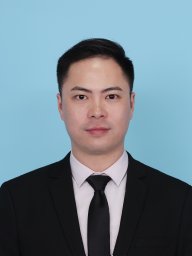 Tan Xiaosheng (谭小生)合作论文数Tongji Hosp, Huazhong Univ Sci & Technol6
 Gang Chen (陈 刚)合作论文数6Lingjuan Sun合作论文数5Hao Feng合作论文数4Zhengyi Shi合作论文数4Changxing Qi (齐昌兴)合作论文数School of Pharmacy, Tongji Medical College, Huazhong University of Science and Technology4Peiling Xie合作论文数3
 Yonghui Zhang (张勇慧)合作论文数School of Pharmacy, Tongji Medical College, Huazhong University of Science and Technology3Yuhao Tu (涂宇豪)合作论文数2Zhibo Ma合作论文数2Yeting Zhang合作论文数2Meng Wu合作论文数2Jingzeng Wang合作论文数1Zhangrong Hou合作论文数1Fei Song合作论文数1Xincai Hao合作论文数1Jieru Guo合作论文数1Pengfei Bu合作论文数1Daqiang Zhao合作论文数1L. Chen合作论文数1
 Yi Guo合作论文数1Yunfang Cao合作论文数1Zhiliang Guo合作论文数1Mi Wu合作论文数1Guangyuan Zhao合作论文数1
 Yanhui Li合作论文数1Rula Sa合作论文数1Ming Chen合作论文数1Xia Huang合作论文数1
 Lan Zhu (朱兰)合作论文数Chinese Academy of Medical Sciences & Peking Union Medical College1Cheng Fu合作论文数1
 Zhishui Chen (陈知水)合作论文数Tongji Hospital, Tongji Medical College of Huazhong University of Science and Technology1
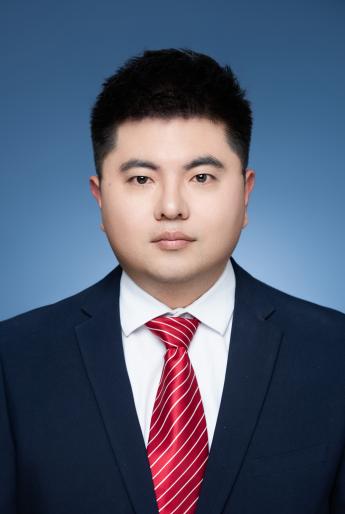 Weiguang Sun (孙伟光)合作论文数School of Pharmacy, Tongji Medical College, Huazhong University of Science and Technology1Peixiang Lan合作论文数Shandong University, Shandong University1
 Lianghu Gu (辜良虎)合作论文数School of Pharmacy, Tongji Medical College, Huazhong University of Science and Technology1




