The authors propose a novel fault diagnosis method to address the challenges of complex fault feature extraction and low diagnostic efficiency caused by the intricate and variable frequency components of vibration signals and the mismatch between the sampling frequency and the actual bearing vibration under variable-speed conditions in printing equipment bearings. This method is based on improved Least Squares Support Vector Machines (LSSVMs) with Kernel Principal Component Analysis (KPCA) for dimension reduction and Deep Belief Networks (DBNs) for variable-speed feature mining. Time-domain feature values of the vibration signal were first extracted to construct a feature set, and the KPCA algorithm was applied for dimensionality reduction. Dimensionality reduction features were used as the input of the DBN to extract higher-order features and enhance the discriminant ability. Finally, the optimized features were classified and diagnosed using the LSSVM model, enabling the extraction of nonlinear complex features under variable-speed conditions and improving diagnostic efficiency. In addition, the lightweight design that combines KPCA dimensionality reduction, DBN deep feature extraction, and improved LSSVM classification effectively addresses the issue of low efficiency in feature extraction and diagnosis caused by the complex and variable vibration signals under variable-speed conditions. Experiments were conducted using bearing vibration data collected from a simulated test bench, covering five fault types. The bearing acceleration vibration signals were collected within 0-5 sand 0-10 sin the speed range of 0-1800 r/min. The proposed model achieved diagnostic accuracies of 98.33% and 98.8889% under these two conditions, respectively, verifying its effectiveness and superiority under complex operating conditions.
Propelled by the "dual-carbon" strategy, green and intelligent ports are rapidly advancing toward low-carbon and intelligent development. However, the large-scale incorporation of renewable energy and the extensive electrification of transport equipment have substantially heightened system volatility and scheduling complexity. To address the challenges associated with multi-energy coupling and economic operation in medium and large ports, a hierarchical collaborative optimization scheduling strategy is proposed. The upper layer employs an improved Bio-enhanced Dung Beetle Optimization (BDBO) algorithm for parameter optimization and carbon-cost minimization. Meanwhile, the lower layer establishes a rolling time-series control mechanism grounded in Adaptive Dynamic Hierarchical Decoupling Planning (ADHDP), thereby constituting an integrated BDBO-ADHDP dual-agent system. Simulation results across four seasonal scenarios demonstrate that the proposed methodology outperforms DQN, PSO, GA, ACO, and DBO algorithms in reducing grid power purchases, enhancing renewable energy utilization, mitigating curtailment, and lowering operational costs. Moreover, it achieves faster convergence, superior robustness, and effective carbon-emission control. This study substantiates the efficacy of the proposed strategy within green port integrated energy systems and highlights its potential for broader application in other multi-energy coupled systems.
In Roll-to-Roll (R2R) precision coating systems, the unwinding section is a critical component that determines the stability of the entire tension control system, which primarily comprises unwinding and traction units. To address the limitations of conventional tension control methods, such as insufficient control accuracy and poor disturbance rejection during the unwinding process, this study proposes a cascaded dual-loop control strategy optimized by an improved artificial lemming algorithm (IALA). The outer loop employs a super-twisting sliding mode controller (STSMC), whereas the inner loop utilizes a proportional-integral controller with a nonlinear gain (NLPI). First, a nonlinear coupled dynamic model of the unwinding and traction units is established based on their tension transmission characteristics and operational mechanisms. Considering the nonlinearity and strong coupling of the system, a cascaded dual-unit control structure is developed. The outer tension loop generates the reference angular velocity via the STSMC, and the inner velocity loop performs angular-velocity tracking through the NLPI controller and generates the motor torque command, thereby achieving coordinated dual-loop control. The closed-loop stability and tracking convergence of the proposed cascaded control system are analyzed using Lyapunov theory. Because the STSMC contains multiple interdependent parameters that are difficult to tune using traditional empirical methods, this study introduces the IALA for controller-parameter optimization. The simulation results demonstrate that the proposed IALA exhibits superior optimization accuracy and convergence performance. Compared with conventional PID and ADRC controllers, the proposed IALA+STSMC-NLPI strategy exhibits superior dynamic response, disturbance rejection capability, and robustness. Under variable operating conditions, for the unwinding unit, the ITAE and IMSE are reduced by approximately 15.7
With the rapid development of e-commerce and the logistics industry, the importance of logistics packaging defect detection as a key link in product quality control is becoming increasingly prominent. However, existing target detection models often face the problems of difficulty in improving detection accuracy and high model complexity when dealing with small-scale targets in logistics packaging. For this reason, an improved target detection model, DScanNet, is proposed in this paper. To address the problem that the model’s detailed feature extraction for small target defects is not sufficient and thus leads to low detection accuracy, the MEFE module, the local feature extraction module (LFEM Block), and the PCR module of the multi-scale convolution and feature enhancement strategy are proposed to enhance the model’s capability of capturing defective features and focusing on specific features, and to improve the detection accuracy. To address the problem of excessive model complexity, a Mamba module incorporating a channel attention mechanism is proposed to optimize the model via its linear complexity. Through experiments on its own dataset, BIGC-LP, DScanNet achieves a high accuracy of 96.8% on the defect detection task compared with the current mainstream detection algorithms, while the number of model parameters and the computational volume are effectively controlled.
The presence of factors such as tooth side clearance, bearing clearance, and time-varying meshing stiffness introduces strong nonlinearity into mechanical system, significantly impacting the reliability and safety of mechanical equipment. When analyzing the dynamic characteristics of gear systems, the clearance factor can not be ignored. Few studies have considered the coupling effect of bearing clearance and tooth side clearance on the nonlinear characteristics of gear system, and the influence mechanism remain unclear. In this paper, a nonlinear dynamic model of a single-stage gear system with six degrees of freedom (6-DOF) was established, incorporating the coupling effects of tooth side clearance and bearing clearance. Using the control variable method, the tooth side clearance and bearing clearance were regarded as constant or dynamic clearance, respectively. The dynamic characteristics of the gear system were analyzed through time history chart, phase diagram, Poincare section diagrams, and fast Fourier transform (FFT) spectrum. When studying dynamic clearance, the influence of surface micromorphology on the clearance was considered based on fractal theory. The results showed that when tooth side clearance and bearing clearance were regarded as constants, the periodicity of the gear system remained essentially unchanged despite variations in clearance values. When tooth side clearance was considering as a fractal clearance and bearing clearance as a constant, the system’s periodicity changed with variations in the fractal dimension D. When tooth side clearance and bearing clearance were treated as fractal clearances, the system transitioned from a chaotic state to a periodic state with increasing fractal dimension D. This paper provides a theoretical foundation for the design and manufacturing of gear and bearing surfaces in the future.
In this study, we design reconfigurable multi-phased negative Poisson's ratio metamaterial (NPM) for low-frequency vibration reduction. The designed NPMs consist of a concave hexagonal skeleton and horizontal diamond-shaped counterweights, which incorporate a base material and replaceable metal cores. By replacing these metal cores, the bandgap can be reconfigured and adjusted as needed. Finite element simulations and excitation experiments are employed to investigate the vibration suppression effects of these NPMs. The results show that the three-phase NPM has more advantages in low-frequency vibration reduction, compared with the single-phase and two-phase NPMs. When the metal core of the three-phase NPM is made of a higher-density material (lead), the lower edge of the bandgap is as low as 471.4 Hz, and the bandgap coverage below 1000 Hz reaches 36.1%. These findings provide new ideas for low-frequency vibration reduction in engineering practice.
As the key intelligent equipment in the warehouse operation system, warehouse robots are indispensable in reducing logistics costs and improving logistics efficiency. Path planning is the core technology of warehouse robots, which directly affects the distance traveled by the robot during operation and is crucial for improving the efficiency of warehouse operation. Aiming at the problem of inefficient robot path planning in warehousing scenarios, this paper proposes a path planning model based on multi-robot paths and shortest as the objective function, with the number of robots and robot energy as the constraints. The model optimizes the robot path through an ant colony algorithm and subsequently uses the optimized path as the initial path for the genetic algorithm to improve the quality of the path. In this paper, the proposed algorithm is analyzed in comparison with a single ant colony algorithm and a single genetic algorithm in a warehousing scenario. Experimental results show that the proposed algorithm possesses better robustness and stability, and significantly improves the path planning efficiency of the warehouse robot.
To address the challenges in identifying effective fault features and achieving sufficient diagnostic accuracy and robustness in variable-speed printing press bearings, where complex mixed-condition vibration signals exhibit non-stationarity, strong nonlinearity, ambiguous time-frequency characteristics, and overlapping fault features across multiple operating conditions, this paper proposes an adaptive optimization signal decomposition method combined with dual-modal time-series and image deep feature fusion for variable-speed multi-condition bearing fault diagnosis. First, to overcome the strong parameter dependency and significant noise interference of traditional adaptive decomposition algorithms, the Crested Porcupine Optimization Algorithm is introduced to adaptively search for the optimal noise amplitude and integration count of ICEEMDAN for effective signal decomposition. IMF components are then screened and reorganized based on correlation coefficients and variance contribution rates to enhance fault-sensitive information. Second, multidimensional time-domain features are extracted in parallel to construct time-frequency images, forming time-sequence-image bimodal inputs that enhance fault representation across different dimensions. Finally, a dual-branch deep learning model is developed: the time-sequence branch employs gated recurrent units to capture feature evolution trends, while the image branch utilizes SE-ResNet18 with embedded channel attention mechanisms to extract deep spatial features. Multimodal feature fusion enables classification recognition. Validation using a bearing self-diagnosis dataset from variable-speed hybrid operation and the publicly available Ottawa variable-speed bearing dataset demonstrates that this method achieves high-accuracy fault identification and strong generalization capabilities across diverse variable-speed hybrid operating conditions.
Reasonable cargo space allocation scheme can shorten the time of books in and out of the warehouse and achieve orderly storage of books, thus enhancing the overall operational efficiency of the uninhabited bookstore and providing customers with a convenient book-buying experience. In order to formulate a scientific cargo space allocation plan, this paper combines the status quo of domestic and international research on cargo space optimisation, analyses and collates relevant data such as book orders from uninhabited bookstores, and processes them using the K-means method; A mathematical model of space allocation is established with the optimisation objectives of operation equilibrium and book picking time minimisation. Subsequently, the crossover rate and mutation rate are dynamically adjusted on the basis of the traditional genetic algorithm, and a parameter dynamic adjustment strategy based on adaptive genetic strategy is proposed to improve the Non-dominated sorted genetic algorithm-II (NSGA-II). In order to improve the efficiency of solving the multi-objective uninhabited bookstore stock optimisation problem, and to avoid overly relying on the parameter selection to solve the result. Finally, taking B uninhabited bookstore as an example, 100 orders are randomly selected for experiments to verify the feasibility of the improved algorithm. The results show that the performance of the improved algorithm is enhanced, and the optimised book allocation scheme can effectively reduce the book access time and improve the efficiency of access and storage.
The bearing vibration fault monitoring of advanced printing systems is crucial for ensuring system reliability, improving print quality, and enhancing production efficiency. In consideration of the high noise and strong interference attributes of bearing vibration signals of printing equipment caused by complex environmental factors, the original data noise interference is suppressed by a diagnostic approach for rolling bearing vibration signal faults combined Complementary Ensemble Empirical Mode Decomposition with Adaptive Noise (CEEMDAN) and Dung Beetle Optimization-Support Vector Machine (DBO-SVM) proposed in this article. This method suppresses noise interference in the original data by decomposing and reconstructing vibration signals, and innovatively proposes the DBO-optimized SVM to address the problems of poor anti-interference ability and weak generalization ability of a single intelligent diagnostic method, effectively improving the fault diagnosis rate. First, the decomposition by CEEMDAN effectively overcomes the difficulties of modal aliasing and significant reconstruction errors found in traditional empirical mode decomposition (EMD). The optimal component reconstruction strategy considering the Correlation Coefficient and the Variance Contribution Rate is designed to obtain the vibration signal after noise reduction. Second, to effectively avoid the limitation of heavily relying on expert experience for hyperparameter adjustment, a DBO-SVM model is constructed utilizing a heuristic beetle optimization algorithm, dynamically optimizing the key kernel function parameters and penalty factors of SVM. Finally, the algorithm's performance was tested using public datasets and self-tested data from Case Western Reserve University. The results indicate that the proposed approach achieves greater diagnostic accuracy and exhibits robust generalization.
This study proposes a novel ResNeXt50-based fault diagnosis method for gearbox, which integrates Depthwise Separable Convolution (DSC) and Convolutional Block Attention Module (CBAM) to mitigate the challenges of high computational complexity and low diagnostic efficiency in existing approaches. The proposed methodology initially employs Continuous Wavelet Transform (CWT) to transform vibration signals into two-dimensional time–frequency representations, thereby enhancing feature discriminability. The approach further incorporates Depthwise Separable Convolution (DSC) in the second layer of ResNeXt50's residual blocks to optimize computational efficiency, while positioning a Convolutional Block Attention Module (CBAM) before the pooling layer. This CBAM integration strengthens critical feature extraction through dynamic channel-wise and spatial weight adaptation. The proposed model achieves rolling bearing classification accuracies of 96.125
In this work, we propose a negative Poisson’s ratio metamaterial with added mass (NPM). Introducing added mass induces the emergence of new bandgaps, effectively reducing the bandgap frequency and widening its width. Simulation results show that added mass can generate new low-frequency bandgaps. Vibration transmission spectra of the structure are measured through vibration experiments, which closely matched the bandgaps, confirming the vibration reduction function of the structure. In addition, the energy absorption performance of the NPMs under quasi-static compression is experimentally tested. The results show that although the introduction of added mass affects the energy absorption effect to a certain extent, arranging the metamaterial units into a gradient structure based on the mass gradient significantly enhances the vibration isolation and energy absorption effects. This study presents a pioneering methodology for the development of integrated metamaterials capable of accommodating multiple functionalities.
Gearbox fault diagnosis based on traditional deep learning often needs a large number of samples. However, the gearbox fault samples are limited in practical engineering, which could lead to poor diagnosis performance. Based on the above problems, this paper proposes a gearbox fault diagnosis method based on Gramian angular field (GAF) and TLCA-MobileNetV3 to achieve fast and accurate limited sample recognition under varying working conditions, and further achieve the cross-component fault diagnosis within the gearbox. First, the 1D signals are converted into 2D images through GAF. Second, a lightweight convolutional neural network is established. Coordinate attention (CA) is integrated into the network to establish remote dependency in space and improve the ability of feature extraction. The optimal strategy for model training is determined. Finally, a transfer learning strategy is designed. The lower structures of network are frozen. The higher structures of network are fine-tuned using limited samples. Through experimental verification, the proposed network could achieve limited sample fault diagnosis under varying working conditions and cross-component conditions.
There is an interaction between subway station and the catchment area around the station, the catchment area of subway station on surrounding land is closely related to the connection modes. At present, subway passengers mainly reach subway stations by walking, cycling and bus, and the catchment area of the three connection modes is different. In order to clarify the catchment area of subway stations, it is necessary to study the catchment area of the three connection modes of subway stations. This study starts with a generalized connection cost for each connection mode, constructing the generalized connection cost models, especially considering the psychological changes of passengers with the increase of connecting distance. On this basis, we use Logit-SUE model to construct the probability density curve of the superior connection distance of different connection modes in different types and different area subway stations. Taking Beijing Metro Line 4 as the research case, through analyzing the probability density curve of each station of Line 4 we calculate the advantageous connection range of each subway station with different connection modes, and take the advantageous connection range as the catchment area for each type of connection mode.
Aiming at the nonlinear and non-stationarity of gearbox fault signals and the confusion among different fault categories, a gear fault diagnosis method combining variational mode decomposition, reconstruction and ResNeXt is proposed in this paper. In this paper, parameter K of VMD is determined according to the changing trend of sample entropy (SE), K modal components are obtained after decomposition, and the effective modal components are extracted and reconstructed according to Pearson autocorrelation coefficient, so as to remove redundant information from the original signal. Then the reconstructed signal is transformed by time–frequency and output two-dimensional time–frequency information, which is used as the input of ResNeXt model to extract the characteristics of different faults. Moreover, the model performance is improved by changing the learning rate decline rate, and a fault diagnosis model with high precision and good stability is established.
With the reform of railway transport and the introduction of the "Belt and Road" initiative, the market share of railway transport has gradually increased, and the volume of goods in railway logistics parks has increased dramatically, and the traditional manual sorting has been unable to meet the huge demand for goods, and it is necessary to improve the operational efficiency of warehousing with the help of intelligent logistics equipment represented by AGV. Task allocation is one of the key issues of AGV task scheduling system. AGV task allocation algorithm, as the core technology of AGV scheduling, can affect the efficiency of AGV operation. Based on this, this paper introduces the grouping strategy into the CBBA algorithm, reduces the computation of the AGVs in the conflict resolution phase, and improves the operation speed of the algorithm. In order to verify the performance of the method, simulation experiments are carried out in this paper, and the results show that the improved CBBA algorithm can effectively shorten the AGV task execution time and the average path of executing tasks, which verifies the effectiveness and feasibility of the method.
In practical engineering, the working conditions of gearbox are complex and variable. In varying working conditions, the performance of intelligent fault diagnosis model is degraded because of limited valid samples and large data distribution differences of gearbox signals. Based on these issues, this research proposes a gearbox fault diagnosis method integrated with lightweight channel attention mechanism, and further realizes the cross-component transfer learning. First, time–frequency distribution of original signals is obtained by wavelet transform. It could intuitively reflect local characteristics of signals. Secondly, based on a local cross-channel interaction strategy, a lightweight efficient channel attention mechanism (LECA) is designed. The kernel size of 1D convolution is affected by channel number and coefficients. Multi-scale feature input is used to retain more detailed features of different dimensions. A lightweight convolutional neural network is constructed. Finally, a transfer learning method is applied to freeze lower structures of the network and fine-tune higher structures of the model using small samples. Through experimental verification, the proposed model could effectively utilize samples. The application of transfer learning could realize accurate and fast fault classification of small samples, and achieve good gearbox fault diagnosis effect under varying working conditions and cross-component conditions.
In this paper, we design a flexural wave Bessel metasurface with resonant pillars, which converts the flexural wave produced by a point into a Bessel beam. The refractive index is determined through the application of the generalized Snell's law, subsequently discretized into pixel blocks. These blocks facilitate implementation via the use of metamaterial unit cells. The metasurface is realized by resonant pillar-type metamaterials, and composed of 41 different independent unit cells obtained by retrieving the energy bands. Simulation results demonstrate that the designed metasurface exhibits effective focusing for flexural wave. Additionally, the self-reconstruction effect of the Bessel metasurface is verified through the introduction of obstacles. This research provides a new perspective for the application of Bessel beam in the domain of flexural wave.
印刷机高转速的运行环境对其传动齿轮的性能提出了更高的要求,研究印刷机传动齿轮的优化设计,对提高印刷机传动齿轮的使用寿命、降低运行时的振动和噪声、提高印品质量有着深远的现实意义和重要的学术价值.本文研究了印刷机传动系统的结构,揭示了齿轮在传动系统中的重要作用;总结了国内外学者在齿轮动力学分析和齿轮优化方面所做的研究;结合印刷机传动齿轮的工作环境和齿轮优化设计的发展趋势,给出了印刷机传动齿轮优化设计需要进一步研究的问题.
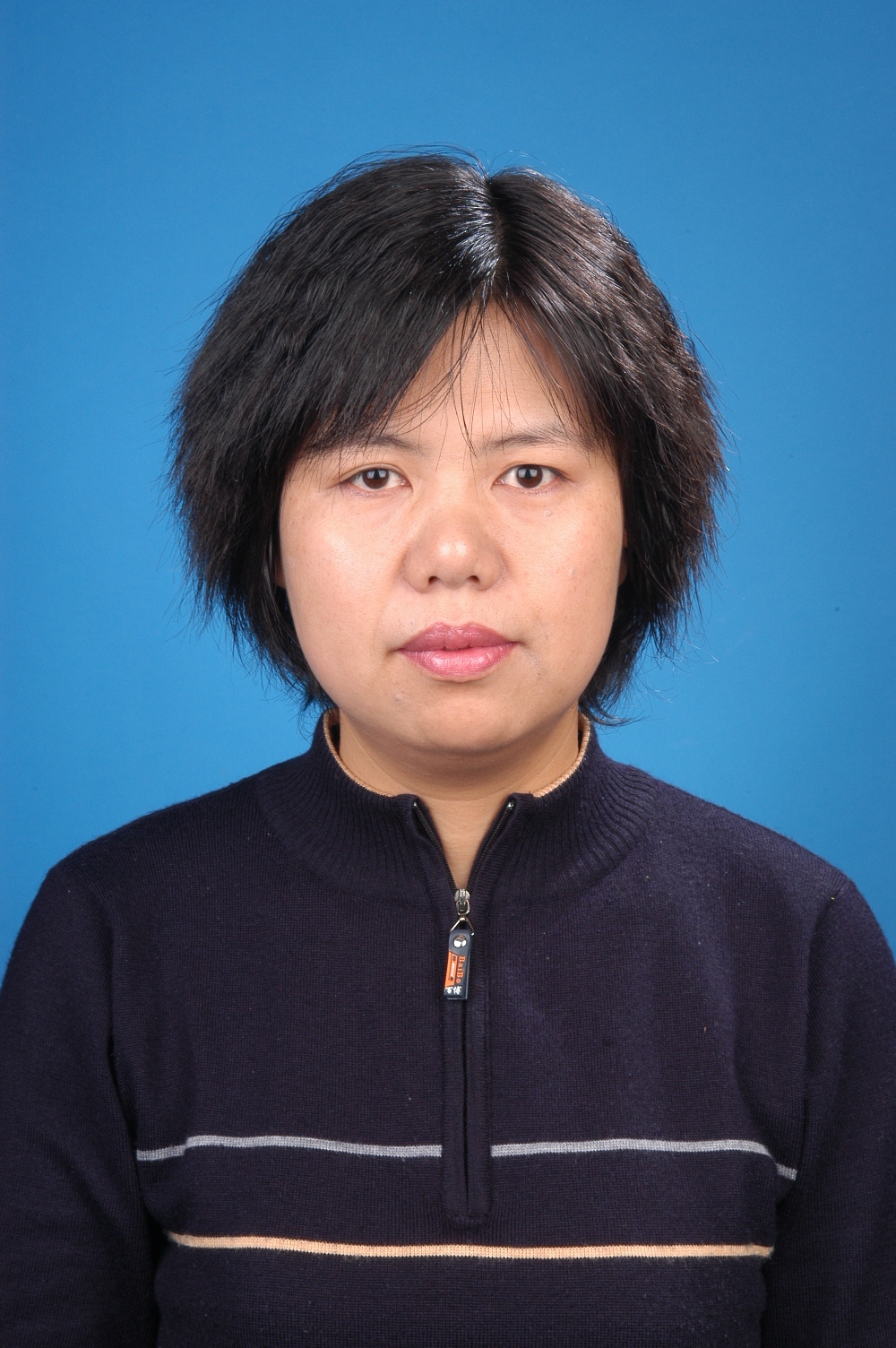 Yanping Du (杜艳平)合作论文数School of Mechanical and Electrical Engineering, Beijing Institute of Graphic Communication33
 Zhaohua Wang合作论文数13Xianyang Su合作论文数7
 Zhaoyong Sun合作论文数Chinese Acad Sci, Inst Acoust, Key Lab Noise & Vibrat Res, Beijing 100190, Peoples R China5Lizhi Peng合作论文数4Guanyi Liu合作论文数4Yanlin Liu合作论文数4
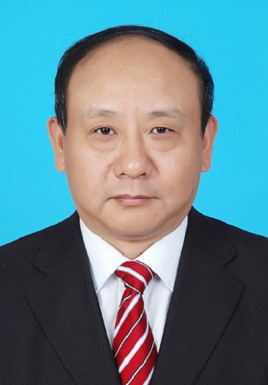 Xuewei Li (李学伟)合作论文数Beijing Union University4Xiaomei Jia合作论文数3Ye Liu合作论文数3
 Juanqiong Gou (苟娟琼)合作论文数School of Economics and Management, Beijing Jiaotong University3Juncheng Tu合作论文数2QIU Heting (邱荷婷)合作论文数2Lizhi Peng合作论文数2Zhou Yao合作论文数2
 Liuxian Zhao合作论文数Hefei University of Technology, Hefei University of Technology2
 Xuemei Li (李雪梅)合作论文数School of Economics and Business Administration, Chongqing University2Yunqing Feng合作论文数1
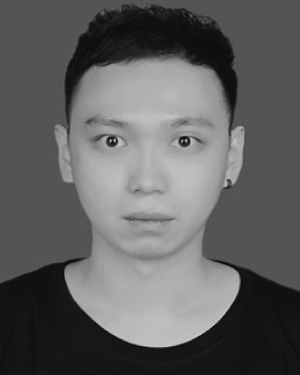 Guanyi Liu合作论文数1
 Yuxin Liu合作论文数1Zhiwei Zhang合作论文数1Tian Qi合作论文数1Ji Jia (贾冀)合作论文数1Ye LIU (刘烨)合作论文数1
 Xin Zhu合作论文数1
 Huiqi Zhu合作论文数1Hua-Yan Shang合作论文数1
 Shengying Yue (岳圣瀛)合作论文数School of Aerospace Engineering, Xi'an Jiaotong University;State Key Laboratory of Strength and Vibration of Mechanical Structures, Xi'an Jiaotong University1
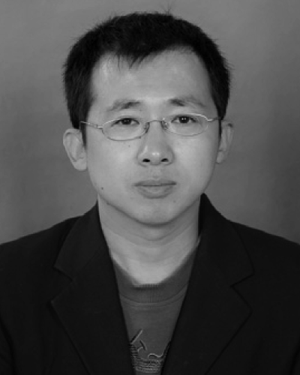 Ao Zhang合作论文数1
 DeChen Yao (姚德臣)合作论文数School of Mechanical-Electronic and Vehicle Engineering, Beijing University of Civil Engineering and Architecture1Guangshi Wang (王光石)合作论文数1
 Tao Meng (孟涛)合作论文数Beijing Institute of Graphic Communication1
 Minghao Zhu (朱明皓)合作论文数School of Economics and Management, Beijing Jiaotong University1
 Jun Yang合作论文数Department of Mechanical and Materials Engineering, Faculty of Engineering, Western University1Ying Qiu (邱颖)合作论文数Beijing Polytechnic1




