BACKGROUND:Olanzapine (OLZ) reverses chronic stress-induced anxiety. Chronic stress promotes cancer development via abnormal neuro-endocrine activation. However, how intervention of brain-body interaction reverses chronic stress-induced tumorigenesis remains elusive. METHODS:KrasLSL-G12D/WT lung cancer model and LLC1 syngeneic tumor model were used to study the effect of OLZ on cancer stemness and anxiety-like behaviors. Cancer stemness was evaluated by qPCR, western-blotting, immunohistology staining and flow-cytometry analysis of stemness markers, and cancer stem-like function was assessed by serial dilution tumorigenesis in mice and extreme limiting dilution analysis in primary tumor cells. Anxiety-like behaviors in mice were detected by elevated plus maze and open field test. Depression-like behaviors in mice were detected by tail suspension test. Anxiety and depression states in human were assessed by Hospital Anxiety and Depression Scale (HADS). Chemo-sensitivity of lung cancer was assessed by in vivo syngeneic tumor model and in vitro CCK-8 assay in lung cancer cell lines. RESULTS:In this study, we found that OLZ reversed chronic stress-enhanced lung tumorigenesis in both KrasLSL-G12D/WT lung cancer model and LLC1 syngeneic tumor model. OLZ relieved anxiety and depression-like behaviors by suppressing neuro-activity in the mPFC and reducing norepinephrine (NE) releasing under chronic stress. NE activated ADRB2-cAMP-PKA-CREB pathway to promote CLOCK transcription, leading to cancer stem-like traits. As such, CLOCK-deficiency or OLZ reverses NE/chronic stress-induced gemcitabine (GEM) resistance in lung cancer. Of note, tumoral CLOCK expression is positively associated with stress status, serum NE level and poor prognosis in lung cancer patients. CONCLUSION:We identify a new mechanism by which OLZ ameliorates chronic stress-enhanced tumorigenesis and chemoresistance. OLZ suppresses mPFC-NE-CLOCK axis to reverse chronic stress-induced anxiety-like behaviors and lung cancer stemness. Decreased NE-releasing prevents activation of ADRB2-cAMP-PKA-CREB pathway to inhibit CLOCK transcription, thus reversing lung cancer stem-like traits and chemoresistance under chronic stress.
Psychological stress causes gut microbial dysbiosis and cancer progression, yet how gut microbiota determines psychological stress-induced tumor development remains unclear. Here we showed that psychological stress promotes breast tumor growth and cancer stemness, an outcome that depends on gut microbiota in germ-free and antibiotic-treated mice. Metagenomic and metabolomic analyses revealed that psychological stress markedly alters the composition and abundance of gut microbiota, especially Akkermansia muciniphila (A. muciniphila), and decreases short-chain fatty acid butyrate. Supplement of active A. muciniphila, butyrate or a butyrate-producing high fiber diet dramatically reversed the oncogenic property and anxiety-like behavior of psychological stress in a murine spontaneous tumor model or an orthotopic tumor model. Mechanistically, RNA sequencing analysis screened out that butyrate decreases LRP5 expression to block the activation of Wnt/β-catenin signaling pathway, dampening breast cancer stemness. Moreover, butyrate as a HDAC inhibitor elevated histone H3K9 acetylation level to transcriptionally activate ZFP36, which further accelerates LRP5 mRNA decay by binding adenine uridine-rich (AU-rich) elements of LRP5 transcript. Clinically, fecal A. muciniphila and serum butyrate were inversely correlated with tumoral LRP5/β-catenin expression, poor prognosis and negative mood in breast cancer patients. Altogether, our findings uncover a microbiota-dependent mechanism of psychological stress-triggered cancer stemness, and provide both clinical biomarkers and potential therapeutic avenues for cancer patients undergoing psychological stress.
Circadian disruption predicts poor cancer prognosis, yet how circadian disruption is sensed in sleep-deficiency (SD)-enhanced tumorigenesis remains obscure. Here, we show fatty acid oxidation (FAO) as a circadian sensor relaying from clock disruption to oncogenic metabolic signal in SD-enhanced lung tumorigenesis. Both unbiased transcriptomic and metabolomic analyses reveal that FAO senses SD-induced circadian disruption, as illustrated by continuously increased palmitoyl-coenzyme A (PA-CoA) catalyzed by long-chain fatty acyl-CoA synthetase 1 (ACSL1). Mechanistically, SD-dysregulated CLOCK hypertransactivates ACSL1 to produce PA-CoA, which facilitates CLOCK-Cys194 S-palmitoylation in a ZDHHC5-dependent manner. This positive transcription-palmitoylation feedback loop prevents ubiquitin-proteasomal degradation of CLOCK, causing FAO-sensed circadian disruption to maintain SD-enhanced cancer stemness. Intriguingly, timed β-endorphin resets rhythmic Clock and Acsl1 expression to alleviate SD-enhanced tumorigenesis. Sleep quality and serum β-endorphin are negatively associated with both cancer development and CLOCK/ACSL1 expression in patients with cancer, suggesting dawn-supplemented β-endorphin as a potential chronotherapeutic strategy for SD-related cancer.
Cancer stem-like cells (CSCs) contribute to cancer metastasis, drug resistance and tumor relapse, yet how amino acid metabolism promotes CSC maintenance remains exclusive. Here, we identify that proline synthetase PYCR1 is critical for breast cancer stemness and tumor growth. Mechanistically, PYCR1-synthesized proline activates cGMP-PKG signaling to enhance cancer stem-like traits. Importantly, cGMP-PKG signaling mediates psychological stress-induced cancer stem-like phenotypes and tumorigenesis. Ablation of PYCR1 markedly reverses psychological stress-induced proline synthesis, cGMP-PKG signaling activation and cancer progression. Clinically, PYCR1 and cGMP-PKG signaling components are highly expressed in breast tumor specimens, conferring poor survival in breast cancer patients. Targeting proline metabolism or cGMP-PKG signaling pathway provides a potential therapeutic strategy for breast patients undergoing psychological stress. Collectively, our findings unveil that PYCR1-enhanced proline synthesis displays a critical role in maintaining breast cancer stemness.
Circadian clocks orchestrate daily rhythms in many organisms and are essential for optimal health. Circadian rhythm disrupting events, such as jet-lag, shift-work, night-light exposure and clock gene alterations, give rise to pathologic conditions that include cancer and clinical depression. This review systemically describes the fundamental mechanisms of circadian clocks and the interacting relationships among a broken circadian clock, cancer and depression. We propose that this broken clock is an emerging link that connects depression and cancer development. Importantly, broken circadian clocks, cancer and depression form a vicious feedback loop that threatens systemic fitness. Arresting this harmful loop by restoring normal circadian rhythms is a potential therapeutic strategy for treating both cancer and depression.
Circadian rhythm sustains the homeostasis of systemic functions by regulating vital physiological processes and behaviors. Nowadays, circadian disruption caused by changing environments and deleterious lifestyles is responsible for many diseases. Cancer is facilitated by the circadian disruption that destroys the equilibrium of biological events, including gene expression, metabolic pathways, immune response, neuroendocrinology, and gut microbiota. The collapse of the circadian feedback mechanism is the underlying reason for the tilted balance of “Yin-Yang” to promote tumor development. Therefore, important chronobiological approaches have been applied to cancer treatment, such as restoring biological rhythms through behavioral intervention, using chronotherapy in antitumor drug administration, and developing drugs targeting clock genes. Conclusively, this paper will systematically review the relationship between circadian disturbances and tumor regulation and provide new research perspectives and treatment strategies for applying chronobiology in the field of cancer.
Chronic stress is well-known to cause physiological distress that leads to body balance perturbations by altering signaling pathways in the neuroendocrine and sympathetic nervous systems. This increases allostatic load, which is the cost of physiological fluctuations that are required to cope with psychological challenges as well as changes in the physical environment. Recent studies have enriched our knowledge about the role of chronic stress in disease development, especially carcinogenesis. Stress stimulates the hypothalamic?pituitaryadrenal (HPA) axis and the sympathetic nervous system (SNS), resulting in an abnormal release of hormones. These activate signaling pathways that elevate expression of downstream oncogenes. This occurs by activation of specific receptors that promote numerous cancer biological processes, including proliferation, genomic instability, angiogenesis, metastasis, immune evasion and metabolic disorders. Moreover, accumulating evidence has revealed that ?-adrenergic receptor (ADRB) antagonists and downstream target inhibitors exhibit remarkable anti-tumor effects. Psychosomatic behavioral interventions (PBI) and traditional Chinese medicine (TCM) also effectively relieve the impact of stress in cancer patients. In this review, we discuss recent advances in the underlying mechanisms that are responsible for stress in promoting malignancies. Collectively, these data provide approaches for NextGen pharmacological therapies, PBI and TCM to reduce the burden of tumorigenesis.
 Bai Cui合作论文数7CenXin WANG (王岑心)合作论文数6Huandong Luo合作论文数6Xiaoyu Zhang合作论文数6Jinxin Lu合作论文数6
 Qiang Liu (刘强)合作论文数Institute of Cancer Stem Cell, Dalian Medical University;Sun Yat-sen University Cancer Center;State Key Laboratory of Oncology in South China6Fei Peng合作论文数6
 Keith W. Kelley合作论文数Department of Animal Sciences, College of Agricultural, Consumer and Environmental Sciences, University of Illinois at Urbana-Champaign;School of Psychology, Shenzhen University6Bin He合作论文数4Fan An合作论文数3Ling Wang合作论文数3Dekang Lv合作论文数3Qitong Su合作论文数2Y-Q Yang合作论文数2Yunkun Zhang合作论文数2Ziqian Deng合作论文数2Tonghui Jiang合作论文数2Yanping Huang合作论文数2Zaheer Ud Din合作论文数2Lingzhi Xu合作论文数2
 Eric W-F Lam合作论文数Sun Yat-sen University Cancer Center;State Key Laboratory of Oncology in South China2Yuanyuan Luo合作论文数2Qiang LIU (刘强)合作论文数1
 Xinyu Liu (刘心昱)合作论文数Dalian Institute of Chemical Physics, Chinese Academy of Sciences;University of Chinese Academy of Sciences1Chunli Wang合作论文数1
 Min-Dian Li合作论文数1Guo Tao合作论文数1
 Ying Xu (徐颖)合作论文数School of Basic Medical Sciences, Suzhou Medical College, Soochow University1Gu Chun-Dong合作论文数1
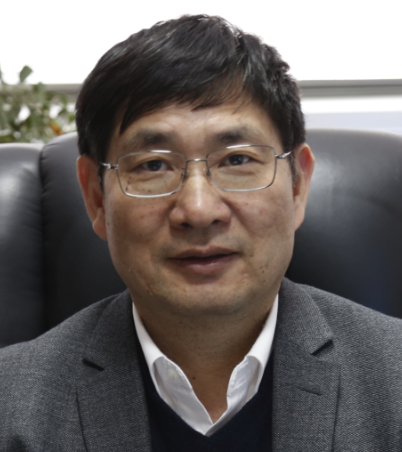 Guowang Xu (许国旺)合作论文数Key Laboratory of Separation Science for Analytical Chemistry, Dalian Institute of Chemical Physics, Chinese Academy of Sciences1
 Hong Wang (王宏)合作论文数Faculty of Medicine, Dalian University of Technology1
 Jin Xiang (项瑾)合作论文数School of Pharmaceutical Sciences, Wuhan University1Qiulong Yan (鄢秋龙)合作论文数Dalian Medical University1




