Ultrasound imaging is widely used for thyroid disease assessment, yet few-shot thyroid lesion detection remains challenging because lesion appearance is often degraded by speckle noise, low contrast, ambiguous boundaries, and large acquisition-dependent variability. Moreover, thyroid interpretation relies heavily on standardized scanning planes and anatomical landmarks, whereas existing few-shot or open-vocabulary detectors usually learn lesion-level visual patterns without explicitly modeling such clinical context. In this work, we propose TUS-DET, a clinically grounded open-vocabulary detection framework for few-shot thyroid ultrasound lesion localization. The core idea is to transfer anatomical-semantic priors from thyroid ultrasound standard planes (TUSP) and key anatomical structures (KAS) to downstream lesion detection. Specifically, TUS-DET first learns region-text correspondences from standard-plane images and anatomical structures, and then adapts this prior to lesion localization with only a few annotated target samples. To achieve this, we introduce a thyroid ultrasound path-aggressive network (TUS-PAN) that injects text-derived anatomical semantics into multi-scale visual features, together with a learnable context mechanism that improves domain adaptation during few-shot fine-tuning. Experiments on multiple public thyroid ultrasound lesion datasets demonstrate that TUS-DET consistently improves few-shot detection performance over representative open-vocabulary detection baselines, particularly under extremely limited supervision. Additional analyses further show that TUSP-based pre-training provides effective anatomical grounding, improves downstream transferability, and maintains moderate computational cost compared with heavy grounding-style detectors. The code, bounding-box annotations, and pre-trained models will be released at https://github.com/PuppetDiary/TUS-DET.
The abutment is an important part of artificial dental implants, whose design process is time-consuming and labor-intensive. Long-term use of inappropriate dental implant abutments may result in implant complications, including peri-implantitis. Using artificial intelligence to assist dental implant abutment design can quickly improve the efficiency of abutment design and enhance abutment adaptability. In this paper, we propose a text condition embedded abutment design framework (TCEAD), the novel automated abutment design solution available in literature. The proposed study extends the self-supervised learning framework of the mesh mask autoencoder (MeshMAE) by introducing a text-guided localization (TGL) module to facilitate abutment area localization. As the parameter determination of the abutment is heavily dependent on local fine-grained features (the width and height of the implant and the distance to the opposing tooth), we pre-train the encoder using oral scan data to improve the model’s feature extraction ability. Moreover, considering that the abutment area is only a small part of the oral scan data, we designed a TGL module, which introduces the description of the abutment area through the text encoder of Contrastive Language-Image Pre-training (CLIP), enabling the network to quickly locate the abutment area. We validated the performance of TCEAD on a large abutment design dataset. Extensive experiments demonstrate that TCEAD achieves an Intersection over Union (IoU) improvement of 0.8 %-12.85 % over other mainstream methods, underscoring its potential in automated dental abutment design.
Attention mechanisms have become a key module in modern vision backbones due to their ability to model long-range dependencies. However, their quadratic complexity in sequence length and the difficulty of interpreting attention weights limit both scalability and clarity. Recent attention-free architectures demonstrate that strong performance can be achieved without pairwise attention, motivating the search for alternatives. In this work, we introduce Vision KAN (ViK), an attention-free backbone inspired by the Kolmogorov-Arnold Networks. At its core lies MultiPatch-RBFKAN, a unified token mixer that combines (a) patch-wise nonlinear transform with Radial Basis Function-based KANs, (b) axis-wise separable mixing for efficient local propagation, and (c) low-rank global mapping for long-range interaction. Employing as a drop-in replacement for attention modules, this formulation tackles the prohibitive cost of full KANs on high-resolution features by adopting a patch-wise grouping strategy with lightweight operators to restore cross-patch dependencies. Experiments on ImageNet-1K show that ViK achieves competitive accuracy with linear complexity, demonstrating the potential of KAN-based token mixing as an efficient and theoretically grounded alternative to attention.
Incomplete multi-view multi-label learning is fundamentally an information integration problem under simultaneous view and label incompleteness. We introduce Permutation-Consistent Variational Encoding framework (PCVE) with an information bottleneck strategy, which learns variational representations capable of aggregating shared semantics across views while remaining robust to incompleteness. PCVE formulates a principled objective that maximizes a variational evidence lower bound to retain task-relevant information, and introduces a permutation-consistent regularization to encourage distributional consistency among representations that encode the same target semantics from different views. This regularization acts as an information alignment mechanism that suppresses view-private redundancy and mitigates over-alignment, thereby improving both sufficiency and consistency of the learned representations. To address missing labels, PCVE further incorporates a masked multi-label learning objective that leverages available supervision while modeling label dependencies. Extensive experiments across diverse benchmarks and missing ratios demonstrate consistent gains over state-of-the-art methods in multi-label classification, while enabling reliable inference of missing views without explicit imputation. Analyses corroborate that the proposed information-theoretic formulation improves cross-view semantic cohesion and preserves discriminative capacity, underscoring the effectiveness and generality of PCVE for incomplete multi-view multi-label learning.
Automated polyp segmentation in colonoscopy videos is an essential computer-aided technology for early detection and removal of polyps. However, most existing video polyp segmentation methods are designed with pixel-level temporal learning mechanisms, at the cost of time-consuming frame-wise annotations. In this paper, we present VPSentry, a novel semi-supervised segmentation model with a sentry mechanism. Our model integrates a prototype memory to store the long-term spatiotemporal cues of colonoscopy videos. Moreover, we devise adaptive prototypes to capture and generalize critical representations from individual frames, enabling long-term temporal fusion across labeled and unlabeled frames. In addition, we propose a correlation dynamic propagation module that propagates information from prototypes to features while simultaneously extracting dynamic features to perceive variations in polyp details between adjacent frames. Since colonoscopy scenes may change among consecutive frames, we further employ a sentry mechanism to assess the inter-frame continuity. This mechanism guides the prototype memory updating and the correlation dynamic propagation, further facilitating robust temporal propagation and dynamic detail perception for semi-supervised learning of long-term colonoscopy video sequences. Extensive experiments on the large-scale SUN-SEG dataset demonstrate that our model achieves optimal segmentation performance with real-time inference efficiency.
Multimodal fusion of color fundus photography (CFP) and optical coherence tomography (OCT) B-scan images has demonstrated superior diagnostic potential for retinal diseases compared to single-modality approaches. However, existing fusion paradigms - whether through naive concatenation or attention mechanisms - treat cross-modal interactions indiscriminately, lacking adaptive modulation of modality-specific contributions under varying clinical scenarios. We propose an adaptive fusion framework that dynamically routes and refines multimodal signals for enhancing disease recognition. The framework comprises two key components: 1) Dynamic Cross-Modal Expert Routing (CMER), which selectively activates convolutional neural network (CNN) experts from one modality based on contextual guidance from the other, ensuring only the most relevant feature extractors contribute to fusion; and 2) Top-K Expert-Guided Wavelet Fusion (TEWF), which performs discrete wavelet transform (DWT) to decompose selected features into low- and high-frequency subbands. Cross-modal attention is then applied specifically to high-frequency components, where lesion-specific microstructures reside, enabling frequency-aware fusion. Finally, inverse DWT (IDWT) reconstructs the fused representation, weighted by CMER-derived importance scores to amplify informative modality cues while suppressing redundancy. Experimental validation on two multimodal retinal datasets demonstrates that our method achieves state-of-the-art performance, outperforming existing fusion strategies by significant margins in disease classification accuracy and robustness.
In liver ultrasound, the acquisition of standard scanning planes serves as a prerequisite for reliable lesion assessment. In clinical practice, physicians make diagnostic decisions by jointly interpreting the spatial configuration of key anatomical structures within standard planes and local lesion features. However, existing studies commonly treat standard plane recognition and lesion detection as two separate tasks, lacking a unified modeling approach that reflects their semantic continuity and clinical interdependence. Inspired by the diagnostic workflow of liver ultrasound, we propose LUS-DET, an open-vocabulary object detection framework designed to semantically bridge liver ultrasound standard plane analysis (LUSP) and liver ultrasound disease diagnosis (LUDD) through text-guided modeling. Specifically, we curate a retrospective LUSP dataset and develop a region-text alignment mechanism linking 44,669 region-caption pairs across 12 anatomical categories to enable in-domain open-vocabulary pretraining. Building upon this alignment, we introduce object prompts to guide zero-shot lesion detection in an open-source LUDD task without using any lesion-specific annotations. Experimental results demonstrate that LUS-DET not only achieves competitive zero-shot performance, but also exhibits superior accuracy and robustness during end-to-end fine-tuning compared to conventional detection baselines. To the best of our knowledge, this is the first study to propose a clinically coherent modelling paradigm that unifies standard plane localisation and lesion analysis in liver ultrasound, providing a new direction for structure-aware and workflow-aligned AI systems in medical imaging.
Fluorescein Fundus Angiography (FFA), although widely used to visualize the retinal vasculature to monitor Diabetic retinopathy (DR), typically requires the intravenous injection of sodium fluorescein, a fluorescent contrast agent, making it an invasive procedure. In contrast, Color Fundus (CF) images are much more accessible and cheaper to collect. Generation of FFA based on CF thus become an effective approach to address such problem. However, previous works and existing image generation methods often struggle to preserve fine-grained details and anatomical integrity in terms of FFA generation. To address this limitation, we propose the Guidance-Controllable Mamba Diffusion Model (OTMamba) capable of generating high-fidelity FFA images directly from CF photographs. In contrast to existing GAN-based and diffusion-based medical image generation approaches that suffer from high computational complexity, limited scalability, and poor transferability, our proposed method demonstrates enhanced performance and clinical relevance in ophthalmology image translation. Experimental results confirm the model’s superiority in synthesizing diagnostically valuable FFA images, providing a promising non-invasive alternative for diabetic retinopathy screening and management.
Developing robust and effective computer-aided diagnostic (CAD) methods for thyroid ultrasound (TUS) remains a key challenge in medical imaging. Prior work has largely focused on binary or multi-class lesion classification, whereas real-world diagnosis follows standardized guidelines based on combinations of lexicon-level descriptors. These combinations naturally exhibit long-tailed distributions due to epidemiological patterns, limiting the robustness and generalizability of existing methods. Motivated by this, we introduce Thyro-LMD, the first long-tailed multi-label dataset for TUS. Using histopathology as the reference, Thyro-LMD provides retrospective, fine-grained annotations aligned with ACR TI-RADS lexicons and reveals a highly imbalanced label distribution. We benchmark representative methods, including end-to-end models, general-purpose multimodal large models (e.g., GPT-4o), and pretrained foundation models. While some methods show reasonable head-class performance, they struggle with body and tail classes. We therefore propose SynTUS-Net, a purpose-built baseline comprising collaborative modules addressing long-tailed multi-label challenges across data loading, feature encoding, and prediction regularization. SynTUS-Net achieves leading performance on Thyro-LMD, outperforming conventional traditional SOTA models by 5.3 Micro-F1 and 11.83 Macro-F1, and exceeding GPT-4o by 42.76 on Tail-F1. Extensive ablation studies confirm the contribution of each module. We believe Thyro-LMD and SynTUS-Net establish a clinically grounded benchmark and a new paradigm for interpretable and generalizable AI in ultrasound. Code and data will be released here.
Semi-supervised breast ultrasound (BUS) lesion boundary segmentation is a promising technique to enhance model generalization, with the potential to address the challenges of high annotation costs and data scarcity in medical imaging. However, existing semi-supervised strategies face significant challenges in this domain due to the low contrast and difficulty in differentiating between breast ultrasound lesion areas and the background. To address this, we propose a novel semi-supervised strategy for breast ultrasound lesion boundary segmentation. Unlike traditional approaches that rely on visual feature understanding, we redefine the semi-supervised segmentation problem as semantic decoupling between foreground and background in lesion images. Based on this insight, we proposed a text-guided semi-supervised segmentation framework for breast ultrasound lesions. It first learns disentangled representations through contrastive learning between text and image features of foreground and background, then enhances the semantic understanding of the image encoder through supervised learning with partially labeled data. Subsequently, the pretrained encoder-decoder is guided by weak prompts on unlabeled data to generate robust pseudo-labels, progressively achieving semantic decoupling of foreground and background for lesion segmentation. We validated the effectiveness of this method on three publicly available breast ultrasound datasets, achieving consistently superior segmentation performance compared with existing semi-supervised approaches. The code will be released here.
Contrastive learning has achieved remarkable success in self-supervised representation learning, often guided by information-theoretic objectives such as mutual information maximization. Motivated by the limitations of static augmentations and rigid invariance constraints, we propose IE-CL (Incremental-Entropy Contrastive Learning), a framework that explicitly optimizes the entropy gain between augmented views while preserving semantic consistency. Our theoretical framework reframes the challenge by identifying the encoder as an information bottleneck and proposes a joint optimization of two components: a learnable transformation for entropy generation and an encoder regularizer for its preservation. Experiments on CIFAR-10/100, STL-10, and ImageNet demonstrate that IE-CL consistently improves performance under small-batch settings. Moreover, our core modules can be seamlessly integrated into existing frameworks. This work bridges theoretical principles and practice, offering a new perspective in contrastive learning.
Infantile Epileptic Spasms Syndrome (IESS) represents a severe form of developmental epileptic encephalopathy in infancy, characterized by clusters of spasms and hypsarrhythmia patterns on electroencephalogram (EEG), which often lead to long-term neurodevelopmental impairments if not diagnosed promptly. The inherent non-stationarity and polymorphic complexity of EEG signals complicate interpretation, resulting in time-consuming and error-prone diagnostics that hinder timely therapeutic interventions. To address these challenges, we propose SinTransNet, an innovative EEG-based deep learning framework that combines multi-band signal decomposition, adaptive sinusoidal convolutions, and Transformer-based attention mechanism. This architecture decomposes EEG into five key frequency bands ( δ , θ , α , β , γ ) to isolate oscillatory features such as spike-and-wave complexes, employs sinusoidal convolutions for frequency-adaptive feature extraction, and utilizes Transformer attention to capture inter-band correlations and long-range dependencies essential for accurate IESS detection. Evaluated on a proprietary dataset comprising 129 EEG recordings with 1,941 epileptic spasm events, SinTransNet demonstrates superior performance with average accuracy of 85.69
Diabetic retinopathy (DR) is one of the leading causes of vision loss worldwide, making early and accurate DR grading critical for timely intervention. Recent clinical practices leverage multi-view fundus images for DR detection with a wide coverage of the field of view (FOV), motivating deep learning methods to explore the potential of multi-view learning for DR grading. However, existing methods often overlook the inter-view correlations when fusing multi-view fundus images, failing to fully exploit the inherent consistency across views originating from the same patient. In this work, we present MVGFDR, an end-to-end Multi-View Graph Fusion framework for DR grading. Different from existing methods that directly fuse visual features from multiple views, MVGFDR is equipped with a novel Multi-View Graph Fusion (MVGF) module to explicitly disentangle the shared and view-specific visual features. Specifically, MVGF comprises three key components: (1) Multi-view Graph Initialization, which constructs visual graphs via residual-guided connections and employs Discrete Cosine Transform (DCT) coefficients as frequency-domain anchors; (2) Multi-view Graph Fusion, which integrates selective nodes across multi-view graphs based on frequency-domain relevance to capture complementary view-specific information; and (3) Masked Cross-view Reconstruction, which leverages masked reconstruction of shared information across views to facilitate view-invariant representation learning. Extensive experimental results on MFIDDR, by far the largest multi-view fundus image dataset, demonstrate the superiority of our proposed approach over existing state-of-the-art approaches in diabetic retinopathy grading.
COVID-19 prognosis using clinical tabular data faces significant challenges due to missing values and class imbalance issues. Existing methods often overlook the complex high-order interrelationship among clinicalattributes and struggle with training stability on imbalanced datasets. We propose ACGM, an attribute-centric graph modeling network that simultaneously addresses missing data imputation and COVID-19 prognosis. ACGM consists of three key modules: an attributes preprocessing module (APM) for coarse-grained imputation initialization, a graph-enhanced attributes imputation module (GEAIM) that models high-order inter-attribute relationships through graph structures, and a graph-enhanced disease prognosis module (GEDPM) that leverages these complex attribute interactions for final prediction. GEAIM and GEDPM employ a mean-teacher strategy with attributes graph matching to preserve high-order relationships, enhance training stability, and maintain structural integrity of attribute interactions. Extensive experiments are conducted on four public COVID-19 tabular datasets, demonstrating the superiority of our ACGM over existing methods. Through comprehensive interpretability analysis, we identify that attributes such as LDH, Difficulty In Breathing, and SaO2 significantly impact COVID-19 prognosis, aligning well with clinical insights and radiologist assessments.
Deep neural networks (DNNs) have significantly advanced diabetic retinopathy (DR) diagnosis, yet their black-box nature limits clinical acceptance due to a lack of interpretability. Concept bottleneck model (CBM) offers a promising solution by enabling concept-level reasoning and test-time intervention, with recent DR studies modeling lesions as concepts and grades as outcomes. However, current methods often ignore relationships between lesion concepts across different DR grades and struggle when fine-grained lesion concepts are unavailable, limiting their interpretability and real-world applicability. To bridge these gaps, we propose VLM-GCR, a vision-language model guided graph concept reasoning framework for interpretable DR diagnosis. VLM-GCR emulates the diagnostic process of ophthalmologists by constructing a grading-aware lesion concept graph that explicitly models the interactions among lesions and their relationships to disease grades. In concept-free clinical scenarios, our method introduces a vision-language guided dynamic concept pseudo-labeling mechanism to mitigate the challenges of existing concept-based models in fine-grained lesion recognition. Additionally, we introduce a multi-level intervention method that supports error correction, enabling transparent and robust human-AI collaboration. Experiments on two public DR benchmarks show that VLM-GCR achieves strong performance in both lesion and grading tasks, while delivering clear and clinically meaningful reasoning steps.
Diabetic retinopathy (DR) is the most common complication of diabetes and remains a leading cause of irreversible blindness worldwide. In recent years, many deep learning-based methods have been applied to DR grading, significantly reducing the risk of visual impairment. However, most existing models are trained on datasets composed of single-view fundus images, which cannot provide a comprehensive view of the retina. As a result, these models are constrained by incomplete damage representation and exhibit limited generalization performance. To address this limitation, we constructed the Multi-Field Imaging Dataset for Diabetic Retinopathy Grading (MFIDDR), which includes 34 452 fundus images from 4344 patients. Each image was annotated by seven certified ophthalmologists to ensure the reliability of the labels. To the best of our knowledge, MFIDDR is the first publicly available dataset that simultaneously contains four-view fundus images of the same eye, centered on the macula and optic disc, tangent to the upper and lower horizontal lines of the optic disc, as well as clinical information. Based on this dataset, we conducted extensive benchmarking experiments using various representative methods, establishing a solid baseline for future research. Additionally, we proposed a new multi-view foundation model that integrates information fusion across multi-view data to achieve more accurate DR grading. Experimental results demonstrate that this information fusion-driven strategy significantly improves the performance of DR grading models. The MFIDDR dataset has made available at github.com/mfiddr/MFIDDR.
Weakly Supervised Semantic Segmentation (WSSS) for histopathology tissues has significantly improved to reduce the burden of annotation through class activation maps (CAMs). Nevertheless, accurate segmentation remains challenging due to the high intra-class variability across patients and the subtle inter-class differences, as early-stage abnormal cells often resemble normal ones. Moreover, WSSS methods tend to emphasize the most discriminative features, often neglecting outlier features that are from less common or more subtle morphological variations within a class. Despite progress in recent approaches, the reliance on a coarse, one-to-many mapping hampers their capacity to capture subtle, pixel-level distinctions. Motivated by this limitation, we hypothesize that adopting a fine-grained, one-to-one alignment will yield more accurate and complete segmentation outcomes. Therefore, we propose a novel fine-grained prototype alignment framework named FProtoSeg, with structure-aware prototype modeling and text-aware prototype alignment to extract more specific features and activate more complete CAMs. Specifically, structure-aware prototype modeling captures class characteristics by employing prototypes, thereby adapting to the semantic attributes of different instances. Text-aware prototype alignment aligns visual and textual features to enhance prototype awareness, ensuring that instance feature distributions are in harmony with text features. Experimental results demonstrate that FProtoSeg achieves state-of-the-art performance, attaining a mean Intersection over Union (mIoU) of 71.21% on the BCSS-WSSS dataset and 76.64% on the LUAD-HistoSeg dataset, significantly outperforming existing methods.
Medical Vision-Language Models (MedVLMs) excel at perception tasks but struggle with complex clinical reasoning required in real-world scenarios. While reinforcement learning (RL) has been explored to enhance reasoning capabilities, existing approaches face critical mismatches: the scarcity of deep reasoning data, cold-start limits multi-specialty alignment, and standard RL algorithms fail to model clinical reasoning diversity. We propose MMedExpert-R1, a novel reasoning MedVLM that addresses these challenges through domain-specific adaptation and clinical guideline reinforcement. We construct MMedExpert, a high-quality dataset of 10K samples across four specialties with step-by-step reasoning traces. Our Domain-Specific Adaptation (DSA) creates specialty-specific LoRA modules to provide diverse initialization, while Guideline-Based Advantages (GBA) explicitly models different clinical reasoning perspectives to align with real-world diagnostic strategies. Conflict-Aware Capability Integration then merges these specialized experts into a unified agent, ensuring robust multi-specialty alignment. Comprehensive experiments demonstrate state-of-the-art performance, with our 7B model achieving 27.50 on MedXpert-MM and 83.03 on OmniMedVQA, establishing a robust foundation for reliable multimodal medical reasoning systems.
Existing deep learning models have demonstrated potential in Diabetic retinopathy (DR) diagnosis, but they still suffer from three key challenges: reliance on single-source inputs, opaque and untraceable reasoning processes, and the absence of a mechanism for result verification. Thus, we propose a provenance-enabled concept-based framework for multi-view DR diagnostic (ProConMV), which integrates DR lesion masks, clinical text and multi-view data, utilizing multimodal prompt analysis and visual-text concept interaction to learn the interpretable multi-source input. During the reasoning stage, the proposed framework introduces lesion concepts for causal reasoning chains combining clinical guidelines, and adds doctor intervention for human-machine collaboration. For dynamic fusion decision and verification in multi-view DR diagnosis, we derive via generalization theory that incorporating each view’s lesion concept uncertainty and grading uncertainty reduces the generalization error upper bound. Accordingly, we design a dual uncertainty-aware module to enable provenance-based verification, ultimately enabling verifiable analysis of DR diagnostic results. Extensive experiments conducted on two public multi-view DR datasets demonstrate the effectiveness of our method.
Protein function prediction is a central challenge in bioinformatics, as it provides critical support for drug discovery and the mechanistic understanding of human diseases. While multimodal biological data provides complementary information for accurate annotation, existing fusion methods fail to effectively model global and complex multimodal dependencies. This leads to insufficient use of heterogeneous biological information and limits prediction performance. To address these issues, we propose M2GO, an end-to-end framework that combines a Heterogeneous Mixture-of-Experts (HMoE) architecture with a Gated Residual Interaction for Global Expert Fusion (GRI) module. The GRI first uses gate-weighted concatenation to retain the unique predictive patterns of each expert, and then models global and high-order dependencies across experts through a nonlinear interaction network. A direct residual connection is further used to enhance the learning of effective expert interactions while preserving reliable original knowledge, enabling more expressive, balanced, and robust multimodal fusion. To further improve multimodal representation learning, we introduce a multimodal Masked Autoencoder (MAE) pretraining strategy. This self-supervised paradigm uses a full-reconstruction objective to capture structured dependencies between PPI topology and biological attributes, which effectively improves the generalization and discriminative capacity of the learned representations. Extensive experiments on large-scale human protein datasets show that M2GO consistently outperforms state-of-the-art methods. The superior performance in terms of Fmax demonstrates that the proposed global expert fusion strategy enables stable and high-precision protein function prediction. The code is available at: https://github.com/yuantang0130/M2GO.
 Linlin Shen (沈琳琳)合作论文数College of Computer Science and Software Engineering, Shenzhen University28
 Chengliang Liu (刘成亮)合作论文数University of Macau26
 Yong Xu (徐勇)合作论文数School of Computer Science and Technology, Harbin Institute of Technology (Shenzhen);Harbin Institute of Technology Shenzhen Graduate School25
 Jie Wen (文杰)合作论文数School of Computer Science & Technology, Harbin Institute of Technology, Shenzhen12
 Wenting Chen (陈文婷)合作论文数Department of Radiation Oncology, Stanford University8
 Xiaopeng Jin (金晓鹏)合作论文数Jiangxi Forestry Science and Technology Promotion Station7
 Yabo Liu (刘亚博)合作论文数School of Computer Science and Technology, Harbin Institute of Technology, Shenzhen6
 Zhihao Wu (吴志昊)合作论文数School of Artificial Intelligence, Shenzhen University;National Engineering Laboratory for Big Data System Computing Technology, Shenzhen University6
 Zhihui Lai (赖志辉)合作论文数College of Computer Science and Software Engineering, Shenzhen University6
 Jinghua Wang (王京华)合作论文数School of Computer Science and Technology, Harbin Institute of Technology (Shenzhen)4XiaoYan Dou (窦晓燕)合作论文数4
 Wei Wang (王玮)合作论文数School of Computer Science and Technology, Harbin Institute of Technology (Shenzhen)4
 Chao Huang合作论文数School of Electronics and Computer Science, University of Southampton4Jinkai Li合作论文数3He MENG (孟贺)合作论文数3Guorong Lyu合作论文数3
 Jie Liu合作论文数Department of Electrical Engineering, College of Engineering, City University of Hong Kong3
 Wai Keung Wong合作论文数School of Fashion and Textiles, The Hong Kong Polytechnic University3
 Xuechen Li合作论文数China-UK Visual Information Processing Laboratory, Institute of Computer Vision, Shenzhen University3
 Heng Kong (孔恒)合作论文数Department of Breast and Thyroid Surgery, The Nanshan Hospital of Shenzhen City3
 Jiansong Zhang (张健松)合作论文数Computer Vision Institute, School of Computer Science & Software Engineering, Shenzhen University2Qihao Xu合作论文数2Haoran Li合作论文数2Bob Zhang合作论文数2Xinquan Yang合作论文数2Tian Zhang合作论文数2
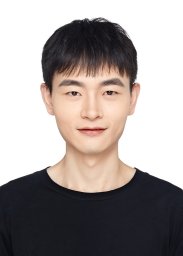 Yundong Sun (孙云栋)合作论文数School of Computer Science & Engineering, Linyi University2
 Xiaohan Xing合作论文数the Chinese University of Hong Kong,Department of Electronic Engineering,Hong Kong,China2
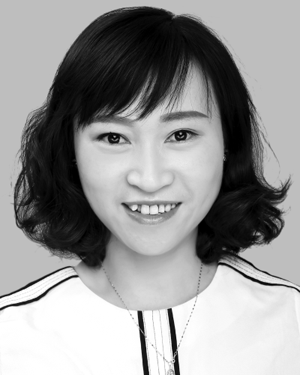 Lian Wu合作论文数2
 Yuxin Lin合作论文数School of Computer Science and Technology, Harbin Institute of Technology2Xuguang Li合作论文数2
 Yongqiang Deng (邓永强)合作论文数School of Dentistry, Shenzhen University Medical School;Shenzhen University General Hospital2
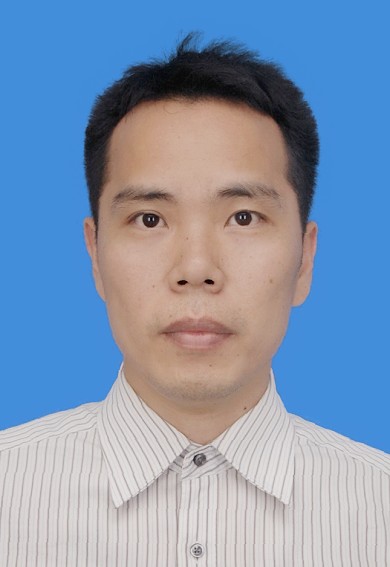 Huisi Wu (吴惠思)合作论文数College of Computer Science and Software Engineering, Shenzhen University2
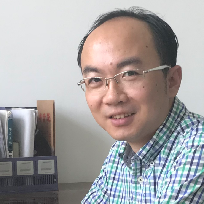 Songyan Wang (王松岩)合作论文数College of New Energy, Harbin Institute of Technology, Weihai2
 Dongjie Zhu (朱东杰)合作论文数School of Computer Science and Technology, Harbin Institute of Technology, Weihai2
 Jingyong Su (苏敬勇)合作论文数Artificial Intelligence Laboratory, Harbin Institute of Technology;School of Computer Science and Technology, Harbin Institute of Technology (Shenzhen)2Que Yuanxi合作论文数1Bingzhi Chen合作论文数1Desen Wang合作论文数1Zhiming Chen合作论文数1Qisheng Lu合作论文数1Waikeung Wong合作论文数1Junsong Wang合作论文数1Yumeng Liu合作论文数1




