Cytoscape is a free software package for visualizing, modeling and analyzing molecular and genetic interaction networks. This protocol explains how to use Cytoscape to analyze the results of mRNA expression profiling, and other functional genomics and proteomics experiments, in the context of an interaction network obtained for genes of interest. Five major steps are described: (i) obtaining a gene or protein network, (ii) displaying the network using layout algorithms, (iii) integrating with gene expression and other functional attributes, (iv) identifying putative complexes and functional modules and (v) identifying enriched Gene Ontology annotations in the network. These steps provide a broad sample of the types of analyses performed by Cytoscape.
Large-scale gene expression studies provide significant insight into genes differentially regulated in disease processes such as cancer. However, these investigations offer limited understanding of multisystem, multicellular diseases such as atherosclerosis. A systems biology approach that accounts for gene interactions, incorporates nontranscriptionally regulated genes, and integrates prior knowledge offers many advantages. We performed a comprehensive gene level assessment of coronary atherosclerosis using 51 coronary artery segments isolated from the explanted hearts of 22 cardiac transplant patients. After histological grading of vascular segments according to American Heart Association guidelines, isolated RNA was hybridized onto a customized 22-K oligonucleotide microarray, and significance analysis of microarrays and gene ontology analyses were performed to identify significant gene expression profiles. Our studies revealed that loss of differentiated smooth muscle cell gene expression is the primary expression signature of disease progression in atherosclerosis. Furthermore, we provide insight into the severe form of coronary artery disease associated with diabetes, reporting an overabundance of immune and inflammatory signals in diabetics. We present a novel approach to pathway development based on connectivity, determined by language parsing of the published literature, and ranking, determined by the significance of differentially regulated genes in the network. In doing this, we identify highly connected "nexus" genes that are attractive candidates for therapeutic targeting and followup studies. Our use of pathway techniques to study atherosclerosis as an integrated network of gene interactions expands on traditional microarray analysis methods and emphasizes the significant advantages of a systems-based approach to analyzing complex disease.
Technological advances in biomedical research are generating a plethora of heterogeneous data at a high rate. There is a critical need for extraction, integration and management tools for information discovery and synthesis from these heterogeneous data. In this paper, we present a general architecture, called ALFA, for information extraction and representation from diverse biological data. The ALFA architecture consists of: (i) a networked, hierarchical object model for representing information from heterogeneous data sources in a standardized, structured format; and (ii) a suite of integrated, interactive software tools for information extraction and representation from diverse biological data sources. As part of our research efforts to explore this space, we have currently prototyped the ALFA object model and a set of interactive software tools for searching, filtering, and extracting information from scientific text. In particular, we describe BioFerret, a meta-search tool for searching and filtering relevant information from the web, and ALFA Text Viewer, an interactive tool for user-guided extraction, disambiguation, and representation of information from scientific text. We further demonstrate the potential of our tools in integrating the extracted information with experimental data and diagrammatic biological models via the common underlying ALFA representation.
We have built software tools to support the hypothesis formulation activities of molecular biologists, in particular the activities of organizing, retrieving, using, sharing, and reusing diverse biological information. A key aspect of our approach, based upon the findings of user studies, is the use of narrative structure as a conceptual framework for developing and representing the "story" of how genes, proteins, and other molecules interact in biological processes. Biological stories are represented textually and graphically within a simple conceptual model of items, collections , and stories .
article Share on Making a place for seniors on the Net: SeniorNet, senior identity, and the digital divide Authors: Mizuko Ito National Institute for Educational Policy Research of Japan, Tokyo, Japan National Institute for Educational Policy Research of Japan, Tokyo, JapanView Profile , Vicki L. O'Day Univ. of California, Santa Cruz, Santa Cruz, CA Univ. of California, Santa Cruz, Santa Cruz, CAView Profile , Annette Adler Agilent Labs, Palo Alto, CA Agilent Labs, Palo Alto, CAView Profile , Charlotte Linde NASA Ames Research Center, Moffett Field, CA NASA Ames Research Center, Moffett Field, CAView Profile , Elizabeth D. Mynatt Georgia Institute of Techology, Altanta Georgia Institute of Techology, AltantaView Profile Authors Info & Claims ACM SIGCAS Computers and SocietyVolume 31Issue 3September 2001 pp 15–21https://doi.org/10.1145/504696.504699Published:01 September 2001Publication History 23citation1,297DownloadsMetricsTotal Citations23Total Downloads1,297Last 12 Months31Last 6 weeks2 Get Citation AlertsNew Citation Alert added!This alert has been successfully added and will be sent to:You will be notified whenever a record that you have chosen has been cited.To manage your alert preferences, click on the button below.Manage my AlertsNew Citation Alert!Please log in to your account Save to BinderSave to BinderCreate a New BinderNameCancelCreateExport CitationPublisher SiteGet Access
The field of molecular biology is in a remarkably rapid period of change, as the genome sequencing projects and new experimental technologies have generated an explosion of data. To analyze and draw insights from the vast amounts of information, biologists use a new generation of bioinformatics software tools, often working closely with mathematicians and computer scientists. There are elements of both collision and convergence in these interdisciplinary encounters. We conducted user studies with biologists engaged in investigating the molecular basis of disease. We describe several issues that arise in this collision/convergence of disciplines, drawing on the notion of boundary objects in-the-making. We provide recommendations on building technology for people whose work now sits at the crossroads of diverse and rapidly changing scientific fields.
We conducted an ethnographic study of SeniorNet, an organization focused on helping seniors gain access to computing technology. Our research examines the social and cultural context of access to computing, with a particular focus on the role of community. Our study of SeniorNet has helped us understand the nature of seniors as a group, as we have immersed ourselves in the uniquely supportive and cohesive communities of SeniorNet. At the same time, our stereotypes of seniors have been challenged as we have come to understand the diversity that the category of "senior" so incompletely describes. This diversity has implications for how we approach access issues for the senior population and as we consider the benefits of computing for seniors as well as benefits for others in interacting with seniors.
With the explosion of participation on the Internet, there is increasing interest and speculation in extending its uses to support diverse online communities, and particular interest in using the Internet to combat loneliness and isolation amongst senior citizens For the past year, we have been investigating SeniorNet (SN), a 12 year old organization that attempts to bring seniors together via computer networking technologies. We found a rich tapestry of human relationships supported by various technical and social underpinnings. In this paper, we delve into the richness of an active community and describe the intertwining technical and social factors that make it valuable and useful for its members. An underlying question in these discussions is "If network communities have to be principally created and maintained by their members (as we posit), then how do designers help without getting in the way?".
Designers of Internet applications and those helping others learn about the net need to understand the problems Internet newcomers face as they encounter the idiosyncratic structures that organize the networked world. As part of an ethnographic study of SeniorNet, an organization that helps seniors learn to use computers, we explore early encounters with the networked world by analyzing questions asked in introductory computer classes. These questions, grounded in newcomers' prior experience, show how the taken-for-granted assumptions and strategies underlying successful Internet use differ from those in other domains. The questions and analysis are grouped in the following categories: identity on the Internet; boundaries and scope of the Internet; boundaries and scope of the personal computer; and organizations and providers in the networked world.
Collaboration has long been of considerable interest to both designersand researchers in the CHI and CSCW communities. This paper contributes tothis discussion by proposing the concept of network communities as a newgenre of collaboration for this discussion. Network communities are robustand persistent communities based on a sense of locality that spans both thevirtual and physical worlds of their users. They are a technosocialconstruct that requires understanding of both the technology and thesociality embodying them. We consider several familiar systems as well ashistorical antecedents to describe the affordances these systems offer theircommunity of users. Based on our own experience as designers, users andresearchers of a variety of network communities, we extend this initialdesign space along three dimensions: the boundary negotiations between realand virtual worlds, support for social rhythms and the emergence anddevelopment of community. Finally we offer implications for designers,researchers and community members based on our findings.
 Allan Kuchinsky合作论文数Agilent Technologies13
 A Vailaya合作论文数12
 Vicki L. O'Day合作论文数10
 Elizabeth Mynatt合作论文数Khoury College of Computer Sciences, Northeastern University7Robert Kincaid合作论文数Tableau Software7
 Mimi Ito合作论文数University of California, Irvine7Charlotte Linde合作论文数5david moh合作论文数4Peter Bluvas合作论文数4
 Paul Dourish合作论文数Department of Informatics, Donald Bren School of Information and Computer Sciences, University of California, Irvine;University of Melbourne3Michael Creech合作论文数2
 Konrad Tollmar合作论文数Lund University2
 Victoria Bellotti合作论文数Bloomberg;Victoria Bellotti Consulting2Michael L. Creech合作论文数2A HENDERSON合作论文数1JY King合作论文数1Brian Cantwell Smith合作论文数1Duncan Sanderson合作论文数1Gale Moore合作论文数1Ketan Babaria合作论文数1Kathy Graham合作论文数1
 Amir Ben-Dor合作论文数1Mark Jones合作论文数1
 J. Garcia合作论文数1
 Bill Gaver合作论文数School of Design, Northumbria University1Benjamin Gross合作论文数1Ryan Kelley合作论文数1E Yang合作论文数1
 Martin Kuiper合作论文数Univ Ghent VIB, Dept Plant Syst Biol, B-9052 Ghent, Belgium1
 Robert Fish合作论文数Department of Computer Science, Princeton University;NETovations, LLC1Ethan Cerami合作论文数Harvard T.H. Chan School of Public Health, Harvard University1Lotia Samad合作论文数1
 Bruce R Conklin合作论文数Division of Genomic Medicine, Department of Medicine, School of Medicine, University of California1
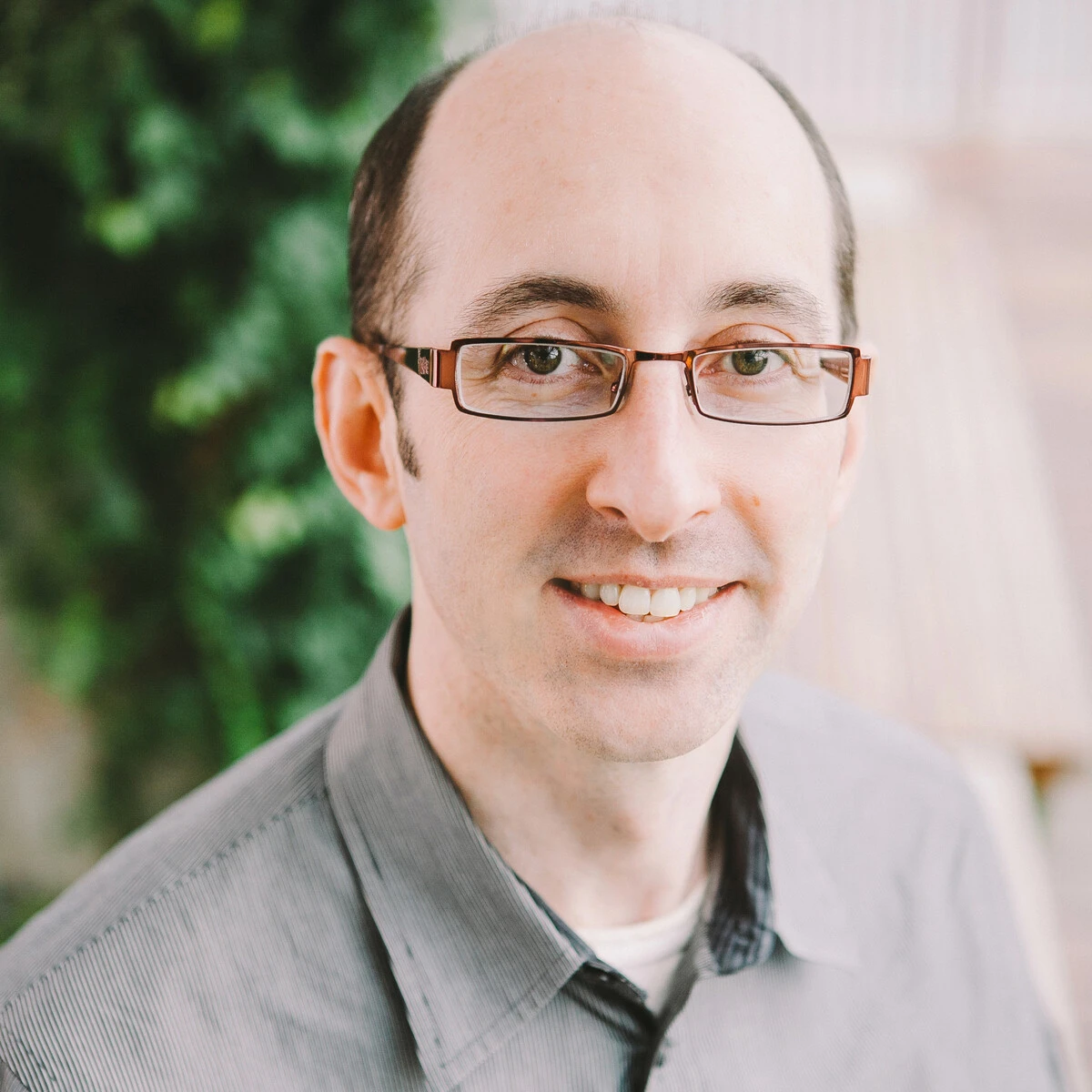 Gary Bader合作论文数Donnelly Centre for Cellular and Biomolecular Research, University of Toronto;Department of Molecular Genetics, Temerty Faculty of Medicine, University of Toronto1
 Thomas Erickson合作论文数IBM TJ Watson Research Center1Austin Henderson合作论文数1Ferrara Rossella合作论文数1
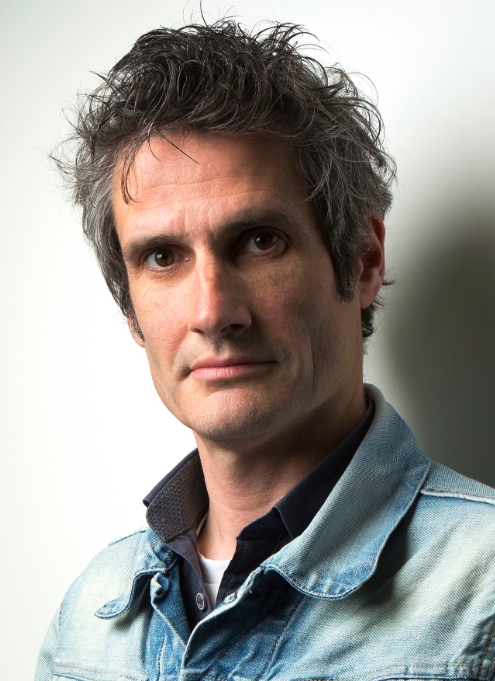 Kenton O'Hara合作论文数School of Computer Science, Faculty of Engineering, University of Bristol1John H. Morris合作论文数Department of Pharmaceutical Chemistry, University of California San Francisco1
 Leroy Hood (莱诺·伊·胡德)合作论文数Department of Immunology, University of Washington;The Hood-Price Lab for Systems Biomedicine, Institute for Systems Biology;Providence St. Joseph Health;Department of Microbiology & Immunology, University of British Columbia;Keck Graduate Institute of Applied Life Sciences1Alex Apffel合作论文数1
 Trey Ideker合作论文数Department of Medicine, University of California, San Diego1
 Thomas Quertermous合作论文数Department of Medicine, Stanford University;Division of Cardiovascular Medicine, Stanford University1Mary Chen合作论文数1Catherine Wolf合作论文数IBM T. J. Watson Research Center1
 Chris Sander合作论文数Dana–Farber Cancer Institute;Cell Biology Department, Harvard Medical School;Division of Medical Sciences, Harvard University1
 Andrew Connolly合作论文数Department of Astronomy, University of Washington;Institute for Data Intensive Research in Astrophysics and Cosmology, University of Washington1
 Bruce Damer合作论文数BIOTA Institute1Rowan H. Christmas合作论文数1




