Delayed graft function (DGF) is commonly defined as the need for dialysis within 7 days after kidney transplantation; however, current definitions often rely on subjective clinical judgment and lack standardized criteria describing graft sufficiency accurately. This inconsistency hinders diagnosis and research comparisons. This protocol sets objective thresholds for DGF using quantifiable urine output and serum renal function values to objectively describe graft sufficiency and independent ability to maintain homeostasis. Research in swine models is challenging due to the absence of consensus diagnostic endpoints for DGF and the difficulty of performing dialysis for prolonged durations. To address this, we introduce a clearly defined protocol for defining and inducing DGF in porcine kidney auto-transplantation after 30 min of isolated renal warm ischemia, simulating donor after circulatory death (DCD)-like procurement. We describe non-invasive Foley catheterization, central venous access, and arterial line monitoring methods in female swine, allowing accurate urine output measurement, daily labs, and intraoperative monitoring. These techniques are detailed to ensure transparency and reproducibility, creating a standardized endpoint for DGF studies in swine that recapitulates the clinical phenotype.
BACKGROUND Early allograft dysfunction (EAD) contributes to significant morbidity and mortality. Although EAD can occur after any preservation method, the risk is higher with static cold storage (SCS) - still the predominant modality worldwide - given its longer ischemia time. We hypothesize specific peri-implantation alterations in serum cytokine and transcription factor levels are associated with EAD in recipients of allografts preserved using SCS. AIM To identify peri-implantation predictive biomarkers of EAD in SCS recipients. METHODS We conducted a prospective single-center pilot study of adult deceased donor SCS-preserved liver transplant recipients from August 2023 to July 2024. EAD was defined by the Olthoff criteria. Arterial serum was obtained pre-implantation (timepoint, T1) and 2 (T2) and 48 hours (T3) post-implantation to measure biomarker levels by multiplex immunoassay. Biomarker levels between non-EAD and EAD groups, and their associations with clinical outcomes, were compared using Mann-Whitney U , χ 2 or Fisher’s exact, Friedman, Wilcoxon Z , and Spearman correlation tests. RESULTS EAD occurred in 8 of 24 SCS recipients (33.3%). Compared with non-EAD recipients, those with EAD had lower interleukin-6 (IL-6) levels at T1 [6.3 pg/mL interquartile ranges (IQR): 3.7, 12.9 vs 15.4 pg/mL IQR: 8.7, 24.9, P = 0.0433], greater peri-implantation increases in induced protein 10 (IP-10) (T2-T1) [386.7 pg/mL (IQR: -26.7, 1280.7) vs -181.5 pg/mL (IQR: -452.4, 145.9), P = 0.02], and higher 48-hour post-implantation hypoxia inducible factor-1 alpha (HIF-1α) levels at T3 [611.2 pg/mL (IQR: 384.7, 869.9) vs 157.9 pg/mL (IQR: 110, 273), P = 0.0095]. Discriminatory performance was moderate-to-strong for pre-implantation IL-6 [area under the curve (AUC) = 0.7578], peri-implantation IP-10 (AUC = 0.7969), and 48-hour post-implantation HIF-1α (AUC = 0.8889). CONCLUSION When integrated with established risk factors and pending external validation, these biomarkers may predict EAD and enhance early risk stratification in SCS recipients.
BACKGROUND:Ex vivo lung perfusion (EVLP) has emerged as a strategy to assess and extend preservation of donor lungs prior to transplantation. However, due to progressive deterioration of the graft, current protocols limit EVLP duration to 10-12 h. We developed an optimized cellular perfusate, DEVOL solution, designed to support multi-day EVLP and evaluated its performance against standard TransMedics OCS perfusate. METHODS:Porcine lungs were procured, flushed with OCS solution, and perfused using either STANDARD (n=5) or DEVOL (n=5) perfusate supplemented with washed red blood cells. Physiological parameters, perfusate biomarkers, histology, and transcriptomics were assessed throughout extended perfusion. A lung tissue culture system was employed to investigate procurement flush perfusate reperfusion-related cytokine release. RESULTS:DEVOL-perfused lungs exhibited increased median perfusion survival time compared with STANDARD (36 vs. 12 h). Improved viability was associated with reduced edema and lower endothelial injury markers (PECAM-1, syndecan-1). DEVOL lungs demonstrated transient early rises in pulmonary vascular resistance and IL-10, as well as sustained elevations in IL-17, without evidence of increased tissue injury. Mathematical simulation and cell culture experiments suggest this phenomenon is due in part to rapid calcium influx into DEVOL-perfused lungs following calcium-free OCS flush during procurement. CONCLUSION:DEVOL perfusate markedly prolongs lung viability during EVLP compared to standard, commercially available perfusate by maintaining oncotic and osmotic balance. Ongoing studies will dissect the contribution of individual DEVOL components to extended perfusion and integrate additional EVLP parameters to elucidate mechanisms underlying late graft failure observed in this study.
Donation after circulatory death (DCD) livers increasingly use machine perfusion (MP). This study evaluates MP's impact on older DCD livers based on data from the United Network for Data Sharing, covering all first adult DCD liver transplants (2016-2025). The cohort, divided into pre-MP and MP eras (separated by the FDA approval of the first normothermic MP platform in 2021), showed accelerated growth in DCD liver transplants during the MP era. Donors ≥60 rose 7.8-fold, including donors ≥70 (a USA first). By 2025, DCD livers accounted for 43.2%, with 61.35% from donors ≥50. Normothermic regional perfusion (NRP) (3.0%-16.5%), NMP (2.1%-38.9%), and sequential NRP-NMP (0.1%-10.7%) increased significantly (p < 0.001). The MP era was associated with a decrease in median waitlist time from 112 to 62 days (p < 0.001). Early graft survival was similar across ages. For ages 50-59, 1- and 3-year survivals were 87.9%/78.4% pre-MP and 90.1%/78.8% in the MP era. For 60-69, survival was 85.0%/80.6% pre-MP and 90.0%/71.3% in the MP era. DCD LTs for ≥70 were limited to the MP era with 87.8% 1-year survival. Multivariable Cox regression showed that static cold storage (HR = 1.29), donor age 50-69 versus 18-49, and recipient age (HR = 1.01) increased the risk of graft loss after adjustment. MP is associated with an increased number of older DCD liver transplants and acceptable early graft survival.
Background:Normothermic machine perfusion (NMP) improves utilization of extended criteria liver grafts, but the optimal delivery strategy-whether in-transit or back-to-base-remains uncertain. Methods:Adult recipients of donation after circulatory death (DCD) liver transplants between January 1, 2022, and January 1, 2024, were identified using the national transplant database. In-transit NMP was defined as grafts coded as machine perfused; back-to-base NMP was inferred for noncoded grafts with a cold ischemia time of ≥10 h. Baseline characteristics, geographic distribution, and outcomes-including acute rejection, length of stay, and graft survival-were compared. Multivariable Cox regression was used to adjust for dialysis and recipient hospitalization status. A sensitivity analysis was performed, limited to cases with cold ischemia time of ≥10 h across both groups. Results:Among 1217 DCD liver transplants using NMP, 936 (77%) were in-transit and 281 (23%) were back-to-base. In-transit NMP was more commonly used in the Western United States, whereas back-to-base was concentrated in the Midwest and Southeast. In-transit recipients had higher rates of pretransplant dialysis (3.1% versus 0.7%; P < 0.05) and shorter preservation times (14.1 versus 16.0 h; P < 0.05). Median hospital stay was shorter in the in-transit group (8 versus 9 d, P < 0.001). There were no significant differences in acute rejection (P = 0.15) or 1-y graft survival (93.3% versus 90.5%, P = 0.23). In adjusted analysis, back-to-base NMP was not associated with increased graft failure risk (hazard ratio 1.46; 95% confidence interval, 0.90-2.38; P = 0.13). Findings were consistent in the sensitivity analysis (n = 1001). Conclusions:In-transit and back-to-base NMP strategies yield comparable clinical outcomes in DCD liver transplantation. Strategy selection may be guided by logistical infrastructure and center-level expertise without compromising recipient outcomes.
Background:Early allograft dysfunction (EAD), defined as hepatic insufficiency within a week of orthotopic liver transplantation (OLT), affects up to 25% of recipients and is associated with morbidity and mortality. Ischemia-reperfusion injury (IRI), the primary driver of EAD, reflects immune and cellular dysregulation triggered by transient tissue oxygen deprivation. Heme oxygenase-1 (HO-1), a cytoprotective enzyme, plays a central role in mitigating hepatic IRI. We hypothesized a distinct perioperative HO-1 signature correlates with EAD. Methods:We conducted a prospective observational pilot study of 43 primary adult, deceased donor OLT recipients at Emory University Hospital between August 2023 and July 2024. EAD was defined by the Olthoff criteria, using serum bilirubin, international normalized ratio (INR), and aminotransferases. Perioperative arterial serum was assayed preimplantation at anesthesia induction (timepoint, T1), and 2 (T2), and 48 h (T3) postimplantation to measure HO-1 using multiplex immunoassay and compared between recipients with and without EAD. Group comparisons (EAD versus non-EAD) used Mann-Whitney U for continuous variables (reported as medians) and chi-square or Fisher exact test for categorical variables. HO-1 changes over time were assessed with the Friedman test and post hoc comparisons. The Spearman correlation evaluated associations between HO-1 and clinical parameters. Results:EAD occurred in 9 of 43 patients (20.9%). Recipients who developed EAD exhibited significantly higher HO-1 levels 2 h postimplantation (T2) (22,665 pg/mL [interquartile range (IQR): 17 881, 25 361] versus 10,765 pg/mL [IQR: 8060, 18 903], P = 0.0284) and a significantly greater peri-implantation rise in HO-1 levels (T2-T1) (21,050 pg/mL[IQR: 17 645, 24 765] versus 9,264 pg/mL [IQR: 6876,17514], P = 0.0358), compared with those without EAD. Receiver operating characteristic curve analysis revealed moderate predictive ability of the peri-implantation rise in HO-1 levels (T2-T1) (area under the curve = 0.7157). Conclusions:Peri-implantation HO-1 kinetics may represent a novel biomarker of EAD. Larger validation studies and mechanistic investigations are warranted to refine risk stratification and guide targeted interventions to mitigate EAD.
Allocation out-of-sequence (AOOS) refers to deviation from the match run order in deceased donor organ allocation and is intended for use in exceptional cases to expedite organ placement. Contemporary patterns of AOOS in liver transplantation are not well characterized. This study aimed to describe liver AOOS practices and examine their association with organ utilization. Liver match runs from 2019 to 2024 were analyzed using the Organ Procurement and Transplantation Network potential transplant recipient data set to identify AOOS events. Data from the Scientific Registry of Transplant Recipients were incorporated to analyze program- and Organ Procurement Organization (OPO)specific organ utilization and offer acceptance. AOOS prevalence, timing, and geographic variability were examined, and correlations with adjusted utilization metrics were assessed. AOOS increased from 5% in 2019 to 18% in 2024, with use concentrated in a subset of OPOs (range, 2%-39%; median, 17%) and centers (range, 0%-55%; median, 10%), often in shared geographic areas. From 2019 to 2024, AOOS offers were initiated progressively earlier in the allocation process. OPO-level AOOS use was not correlated with donor yield, though center-level AOOS acceptance was associated with higher adjusted offer acceptance. These findings highlight a potential need for further standardization of AOOS practices in liver transplantation.
The 2024 Annual Congress of the International Liver Transplantation Society (ILTS) was from May 1–4 in Houston, Texas, USA, under the theme “Liver Disease and Transplantation: Breaking Barriers and Exploring New Frontiers.” In addition to a robust scientific program, the congress also hosted a hands-on cadaveric robotic liver surgery course, a machine perfusion workshop, and a transesophageal echocardiography course. In this report, the ILTS Vanguard and Basic Sciences Committees present a summary of the congress proceedings.
Transplantation, the only definitive therapy for intestinal failure, is plagued by severe complications associated with intestinal barrier breakdown including the translocation of bacteria. Currently, clinical intestinal transplantation (IT) employs static cold storage (CS), however, normothermic machine perfusion (NMP) has significantly improved the outcome of solid organ transplantation beyond the intestine. Our preliminary work demonstrates that NMP significantly reduces intestinal epithelial damage compared to CS. The objective of this study was to evaluate the impact of NMP on epithelial barrier function and gut microbiota. We hypothesize that NMP preserves intestinal barrier function and maintains microbial populations resulting in a healthier allograft. We optimized a method to quantify real-time lactulose:mannitol (L/M) fluctuations to assess paracellular intestinal permeability. A mixture of mannitol (50 mg/kg) and lactulose (500 mg/kg) was administered into the proximal jejunal lumen (n=3) during continuous ex vivo perfusion. Plasma perfusate samples were collected hourly spanning NMP-storage time (18 hours). Additionally, shotgun proteomics and whole genome shotgun (WGS) sequencing were employed to evaluate tight junction protein expression and intestinal microbiome populations in the jejunum and ileum following NMP, respectively. L/M ratios successfully measured intestinal permeability and absorptive function up to 12 hours of NMP storage, when evidence intestinal barrier compromise was suspected based upon blood lactate values and epithelial damage observed in histology. Myosin IXB, a protein involved in tight junction integrity, was significantly elevated following NMP, indicating improved barrier function. Furthermore, the microbiome of the jejunum and ileum during NMP storage and post-transplant remained stable, suggesting that NMP effectively preserves the donor intestine’s microbial diversity without significant overgrowth of pathogens. Overall, current methods of NMP storage preserve intestinal barrier function and microbial populations, improving overall health of the donor intestine. These findings highlight the potential of NMP to in improve transplant outcomes by enhancing graft viability and maintaining intestinal homeostasis thus offering distinct advantages over CS. Funding: U.S. Department of Defense PR181265; NIH K01OD010199 SERCA, NIH 5T32OD011130-15, 1R01Al182590-01 This abstract was presented at the American Physiology Summit 2025 and is only available in HTML format. There is no downloadable file or PDF version. The Physiology editorial board was not involved in the peer review process.
Maintaining intestinal barrier integrity is critical to ensuring intestinal transplant (IT) patients’ health. Our research has focused on optimizing allograft viability during the storage period by mimicking a normal physiological environment through normothermic machine perfusion (NMP). In initial studies comparing NMP to traditional cold storage methods, NMP storage reduced apoptotic cells (CC3 + ), increased proliferative cells (Ki67 + ), and significantly improved recipient animal survival. We therefore hypothesized that NMP improves graft preservation via mechanisms of enhanced epithelial proliferation and reduced apoptosis. Porcine intestine underwent NMP storage for 6h followed by transplantation into a recipient. Biopsies were obtained at donor procurement (T0), following 6h NMP (T6), after 1h of in vivo post-transplant reperfusion (T1RP), and at 48h post-transplant (T48). Mechanisms of epithelial cell apoptosis and regenerative potential were evaluated utilizing transcriptomic and proteomic analyses of crypt derived cells and were confirmed using whole tissue immunofluorescence (IF). Gene biomarker expression of proliferation Ki67 was significantly upregulated in jejunal and ileal crypts at T6 and T1RP with increased KI67 + cell counts confirmed by IF. In the ileum, VEGFA upregulation likely enhanced oxygen supply for tissue repair. The intestinal stem cell (ISC) marker ATOH1, critical for secretory lineage differentiation, was downregulated in both the jejunum and ileum, suggesting a shift toward epithelial proliferation over differentiation during early post-transplant phases. Active and reserve ISC markers LGR5 and HOPX, respectively , remained stable in the jejunum and were downregulated in the ileum. Together, this data suggests a role of transit amplifying cell activation in epithelial barrier maintenance. We also found evidence of reduced apoptotic signals at T6 and T1RP, including a significant decrease in ileum CASP3 gene expression and a reduced number of CC3 + cells confirmed by IF in jejunum and ileum. Proteomic analyses revealed increased levels of anti-apoptotic proteins such as HYOU1, Regucalcin, and Galectin that regulate stress responses and cell death pathways, promoting cell survival and tissue repair and further corroborating the minimal tissue injury and favorable graft environment of NMP-mediated transplant. This molecular profile of NMP in IT revealed maintenance of epithelial barrier integrity via intracellular mechanisms targeting proliferation and apoptotic pathways. An enhanced renewal characterized by increased proliferation and reduced apoptosis underscores NMP's potential to optimize graft preservation and improve long-term transplantation outcomes. US DOD PR181265, NIH K01OD010199 SERCA, NIH 5T32OD011130-15, R01Al182590-01 This abstract was presented at the American Physiology Summit 2025 and is only available in HTML format. There is no downloadable file or PDF version. The Physiology editorial board was not involved in the peer review process.
The difficulty of delivering genes to the kidney has limited the translation of genetic medicines, particularly for the more than 10% of the global population with chronic kidney disease. Here we show that new variants of adeno-associated viruses (AAVs) displaying robust and widespread transduction in the kidneys of mice, pigs and non-human-primates can be obtained by evolving capsid libraries via cross-species cycling in different kidney models. Specifically, the new variants, AAV.k13 and AAV.k20, were enriched from the libraries following sequential intravenous cycling through mouse and pig kidneys, ex vivo cycling in human organoid cultures, and ex vivo machine perfusion in isolated kidneys from rhesus macaques. The two variants transduced murine kidneys following intravenous administration, with selective tropism for proximal tubules, and led to markedly higher transgene expression than parental AAV9 vectors in proximal tubule epithelial cells within human organoid cultures and in autotransplanted pig kidneys. Following ureteral delivery, AAV.k20 efficiently transduced kidneys in pigs and macaques. The AAV.k13 and AAV.k20 variants are promising vectors for therapeutic gene-transfer applications in kidney diseases and transplantation.
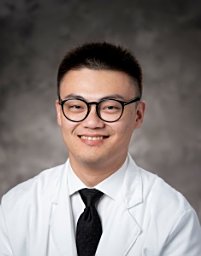 Qimeng Gao合作论文数Department of Surgery, Duke University Medical Center48
 Matthew G. Hartwig合作论文数38
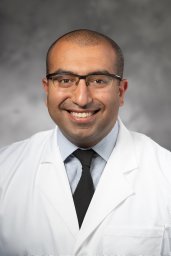 Nader Abraham合作论文数Department of Surgery, Duke University Hospital37Samuel J Kesseli合作论文数Department of Surgery, Duke University Medical Center37
 Debra L. Sudan合作论文数Division of Abdominal Transplantation, Department of Surgery, Duke University36
 Brian I Shaw合作论文数Department of Surgery, Duke University Medical Center32
 Markus Selzner合作论文数Division of General Surgery, Department of Surgery, Temerty Faculty of Medicine, University of Toronto;Toronto General Hospital Research Institute, University Health Network27
 Lisa M McElroy合作论文数Department of Population Health Sciences, Duke University School of Medicine26
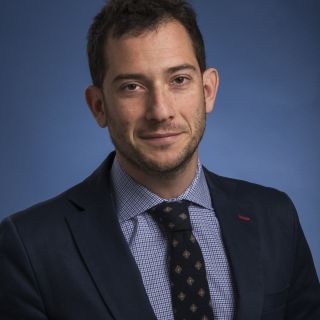 Gonzalo Sapisochin Cantis合作论文数Department of Surgery, Temerty Faculty of Medicine, University of Toronto24
 Ian McGilvray合作论文数Department of Surgery, Temerty Faculty of Medicine, University of Toronto;China Medical University First Hospital;Toronto Institute of Transplantation;Toronto General Hospital Research Institute;University Health Network;Mount Sinai Hospital24Dimitrios Moris合作论文数23M. Dib合作论文数23
 Mariya L. Samoylova合作论文数Department of Surgery, University of California23
 Stuart J. Knechtle合作论文数Children’s Hospital of Atlanta23
 Bryan Clary合作论文数Department of Surgery, School of Medicine, University of California, San Diego22Mark Cattral合作论文数Institute of Medical Science, Temerty Faculty of Medicine, University of Toronto21
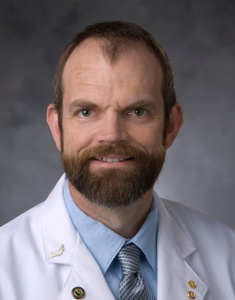 William Parker合作论文数Department of Surgery, School of Medicine, Duke University School of Medicine20Paul D. Greig合作论文数20Samantha E Halpern合作论文数19
 Anand Ghanekar合作论文数Toronto General Hospital Research Institute, University Health Network16Kadiyala V. Ravindra合作论文数16
 John Yerxa合作论文数Department of Nuclear Medicine, Massachusetts General Hospital16Turley Ryan S合作论文数15
 Nicolas Goldaracena合作论文数15
 Kannan P Samy合作论文数15Riley Kahan合作论文数14Reddy Srinevas K合作论文数14
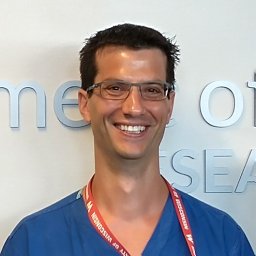 Al-Adra David P合作论文数Department of Surgery, University of Alberta14Song Mingqing合作论文数14David R. Grant合作论文数14
 Michael Mulvihill合作论文数13Marquez Max合作论文数13Uwe Scheuermann合作论文数12
 Liara M Gonzalez合作论文数College of Veterinary Medicine, North Carolina State University12
 Todd V. Brennan合作论文数Department of Surgery, Cedars-Sinai Medical Center;American College of Surgeons;International College of Surgeons12
 Nazia Selzner合作论文数Institute of Medical Science, Temerty Faculty of Medicine, University of Toronto;International Liver Transplant Society;Toronto General Hospital;Toronto General Research Institute11
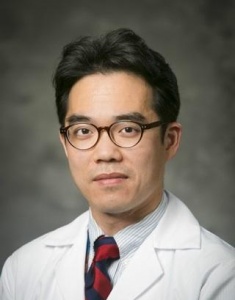 Jean Kwun合作论文数Department of Surgery, School of Medicine, Duke University School of Medicine11
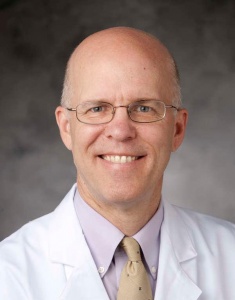 Carl Berg合作论文数Department of Medicine, Duke University School of Medicine11Vikraman Deepak合作论文数11
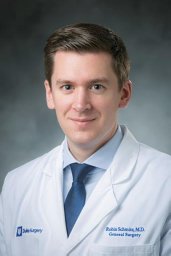 Schmitz Robin合作论文数Department of General, Visceral, and Transplantation Surgery, University of Heidelberg11D. Sudan合作论文数10M. Zhang合作论文数10
 Brian Ezekian合作论文数10
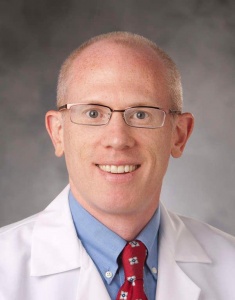 Scott L Sanoff合作论文数Department of Medicine, School of Medicine, Duke University School of Medicine10
 Aravind Asokan合作论文数Division of Surgical Sciences, Department of Surgery, Duke University School of Medicine;Department of Molecular Genetics & Microbiology, Duke University School of Medicine;Lucidigm Therapeutics10
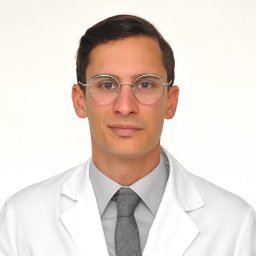 John Anwar Imran合作论文数Department of Physiology, Tulane University School of Medicine10
 Aparna Rege合作论文数10Jared Gloria合作论文数9Min Zhang合作论文数9




