(1) Background: Refractory acute graft-versus-host disease (R-aGvHD) remains a leading cause of death after allogeneic stem cell transplantation. Survival rates of 15% after four years are currently achieved; deaths are only in part due to aGvHD itself, but mostly due to adverse effects of R-aGvHD treatment with immunosuppressive agents as these predispose patients to opportunistic infections and loss of graft-versus-leukemia surveillance resulting in relapse. Mesenchymal stromal cells (MSC) from different tissues and those generated by various protocols have been proposed as a remedy for R-aGvHD but the enthusiasm raised by initial reports has not been ubiquitously reproduced. (2) Methods: We previously reported on a unique MSC product, which was generated from pooled bone marrow mononuclear cells of multiple third-party donors. The products showed dose-to-dose equipotency and greater immunosuppressive capacity than individually expanded MSCs from the same donors. This product, MSC-FFM, has entered clinical routine in Germany where it is licensed with a national hospital exemption authorization. We previously reported satisfying initial clinical outcomes, which we are now updating. The data were collected in our post-approval pharmacovigilance program, i.e., this is not a clinical study and the data is high-level and non-monitored. (3) Results: Follow-up for 92 recipients of MSC-FFM was reported, 88 with GvHD ≥°III, one-third only steroid-refractory and two-thirds therapy resistant (refractory to steroids plus ≥2 additional lines of treatment). A median of three doses of MSC-FFM was administered without apparent toxicity. Overall response rates were 82% and 81% at the first and last evaluation, respectively. At six months, the estimated overall survival was 64%, while the cumulative incidence of death from underlying disease was 3%. (4) Conclusions: MSC-FFM promises to be a safe and efficient treatment for severe R-aGvHD.
Background Recognition of HLA-C2 group alleles on recipient cells by activating killer immunoglobulin like receptors, KIR2DS1 on donor natural killer cells may lead to increased graft-versus-leukemia effect or immunomodulation in patients treated by allogeneic hematopoietic stem cell transplantation (allo-HSCT) influencing disease free and overall survival (OS). Objective In the present study, 314 consecutive, allo-HSCT recipient and donor pairs were included with retrospective donor KIR-genotyping and clinical parameters analyzes. Results After a median follow-up of 23.6 months, recipients with HLA-C2 group allele (rC2) showed improved (p = 0.046) OS if transplanted with KIR2DS1 positive donors (d2DS1) compared to those without one or both of this genetic attribute. Within the myeloablative conditioning (MAC) subgroup (n = 227), rC2 homozygous+ d2DS1 patients (n = 14) showed a 5 years OS of 93% followed by rC2 heterozygous+ d2DS1 patients (n = 48, 65%) compared to rC2 and/ or d2DS1 negatives (47%, p = 0.018). Multivariate analyses indicated rC2+ d2DS1 positivity as an independent predictor of OS (HR: 0.47, 0.26-0.86, p = 0.014) besides donor type, presence of CMV-reactivation or chemoresistant disease. Among MAC-treated patients, the combined rC2+ d2DS1 presence was associated with a markedly decreased cumulative incidence of transplant related mortality (p = 0.0045). Conclusion The combination of rC2+d2DS1 may be a favorable genetic constellation in allo-HSCT with MAC potentially reducing transplant related mortality.
Introduction: Since the seminal paper of LeBlanc in 2008, despite several negative studies, the scientific community has retained optimism with respect to the usefulness of mesenchymal stroma cells (MSCs) in refractory acute graft-versus-host disease (GvHD). A prevailing theme of past studies was that, while pediatric GvHD responded to MSCs, adult GvHD did not. As reported, we developed proprietary protocols GMP-quality MSC production from bone marrow (BM) mononuclear cells expanded in platelet lysate-enriched media.
The inability to generate mesenchymal stromal cells (MSCs) of consistent potency likely is responsible for inconsistent clinical outcomes of patients with aGvHD receiving MSC products. We developed a novel MSC manufacturing protocol characterized by high in vitro potency and near-identity of individual doses, referred to as "MSC-Frankfurt am Main (MSC-FFM)". Herein, we report outcomes of the 69 patients who have received MSC-FFM. These were 51 children and 18 adults with refractory aGvHD grade II (4%), III (36%) or IV (59%). Patients were refractory either to frontline therapy (steroids) (29%) or to steroids and 1–5 additional lines of immunosuppressants (71%) were given infusions in four weekly intervals. The day 28 overall response rate was 83%; at the last follow-up, 61% and 25% of patients were in complete or partial remission. The median follow-up was 8.1 months. Six-month estimate for cumulative incidence of non-relapse mortality was 27% (range, 16–38); leukemia relapse mortality was 2% (range, 0–5). This was associated with a superior six-month overall survival (OS) probability rate of 71% (range, 61–83), compared to the outcome of patients not treated with MSC-FFM. This novel product was effective in children and adults, suggesting that MSC-FFM represents a promising therapy for steroid refractory aGvHD.
Abstract We developed a new MSC expansion protocol (Kuci 2016) ensuring strict equipotency of therapeutic doses of the product MSC-FFM, which has received a national marketing authorization by the national regulatory authority Paul-Ehrlich-Institute (Number: PEI: A.11748.01.1) and is thus available for routine clinical use in patients with steroid refractory (SR) aGvHD. We here report outcomes of 69 consecutively treated patients (pts) with MSC-FFM as compassionate use in six countries. Patients and methods: 69 pts with steroid or treatment refractory aGvHD from 19 allogeneic transplant services from Germany, Hungary, Israel, Norway, Saudi-Arabia and UK were treated with MSC-FFM. Pts were aged between 0.5 and 66 years, with a preponderance of children Conditioning regimens were based on TBI in 15 pts (22%), Busulfan in 15 pts (22%), Treosulfan in 21 pts (30%), and other chemotherapies in 18 pts (26%). For in vivo T cell depletion, ATG or Campath were used in 34 (49%) and 14 pts (20%), respectively. GvHD prophylaxis was administered to 86% of all pts (n=62); in two-third of all pts with Cyclosporine A alone (16%) or in combination with Methotrexate (38%) or MMF (10%). Stem cell donors were MSD (n=14; 20%), MUD (n=45; 65%) or MMFD (n=10; 15%). Grafts were derived from BM (n=35; 51%) and peripheral blood (n=33; 48%) (cord blood: n=1). At the time of MSC-FFM treatment, 66 pts (96%) were suffering from either aGvHD grade III (n=26; 38%) or grade IV (n=40; 58%), 4% had aGvHD grade II. Acute GvHD occurred at a median time of 30 days (5-280 days) after transplant. MSC-FFM treatment was requested after pts had failed to respond to steroids (n=20, 29%), (SR pts) or if pts have failed to three (n=23, 33%), four (n=12, 17%), or ≥ five (n=14, 20%) lines of immune suppressive drugs (treatment refractory pts). Response was defined as either complete response (CR), i.e. complete resolution of all signs of GvHD, partial response (PR), i.e. GvHD reduction by at least one grade according to the Glucksberg criteria, or non-response (NR) at day 28 after first MSC transfusion. Results: At day 28, 33% of pts (n=23) achieved CR and 52% PR (n=36), resulting in an overall response rate (ORR) of 85%. 12% of pts (n=8) failed to respond and in 2 pts (3%) no data were available at day +28. As best response, 59% of pts (n=41) had a CR and 28% of pts (n=19) a PR, while 9 pts (13%) did not benefit from MSC transfusion. These response rates resulted in a cumulative incidence of non-relapse mortality (NRM) of 30±7% and relapse mortality (CIRM) of 2±2%. The overall survival (OS) probability was 68±6% at 12 months. MSC transfusions were equally effective in pts with aGvHD °III (n=26) or °IV (n=40), who had an estimated OS survival probability at 1 year of 72±10% and 64±8% (p=0.822), respectively. CR, PR and NR rates on day 28 were 42%, 50% and 8% for aGvHD °III vs. 27.5%, 52.5% and 15% (5% no response) for aGVHD °IV. Clinical responsiveness did not differ between children ( 0.085 for all comparisons). Only 29% of our pts (n=20) belonged to the group of SR pts, who all (100%) responded to MSC treatment: 65% with a CR and 35% PR at the day 28 and 75% (n=15) with CR and 25% (n=5) PR at last follow-up. In pts with treatment refractory aGVHD (n=49; 71%); at day 28 10 pts (20%) achieved CR, 29 pts (59%) PR, 8 pts (16%) NR, 2 pts did not reach this time point, resulting in an ORR of 79%. At last follow-up, 26 pts (53%) were in CR, 14 pts (29%) in PR and only 9 pts (18%) did not respond. Comparison of outcomes for SR vs. treatment-refractory pts also did not reveal statistically significant differences. Predicted one-year OS was 67±12% vs. 69±7% for SR vs. treatment-refractory pts (p=0.969, n.s.), with a CIRM of 0% vs. 3±3% and an NRM of 33±12% vs. 28±7% (p≥0.350, n.s.) Conclusion: MSC-FFM offers an excellent chance to survive for pts with steroid or even treatment refractory aGvHD. This warrants further clinical evaluation. Disclosures Bader: Novartis, Medac, Amgen, Riemser, Neovii: Consultancy, Honoraria, Research Funding. Bug: Jazz Pharmaceuticals: Other: Travel Funding; Astellas: Other: Travel Funding; Celgene: Honoraria, Other: Travel funding; Novartis: Honoraria, Research Funding; Janssen: Other: Travel Funding; Amgen: Honoraria. Lang: Miltenyi Biotec GmbH: Patents & Royalties, Research Funding. Lucchini: Alexion: Membership on an entity's Board of Directors or advisory committees. Buchner: Novartis Pharmaceuticals Corporation: Consultancy; Pfizer: Consultancy. Jarisch: Novartis: Consultancy.
Abstract: Introduction and aim: The publication summarizes the 2548 stem cell transplantations performed in the period of 1993-2015 in Szent Laszló Hospital, Budapest and provides a detailed discussion of the 425 allogeneic transplantations during 2007–2013. Method: The analysis explains the major steps of the evolution of allogeneic stem cell transplantation and compares the results of the unique Hungarian allogeneic center. Results: The significant shift in the transplantation indications from chronic myeloid leukemia to myelodysplastic syndromes and the rising age of the recipients are in line with world wide tendencies. The latter one is the consequence of the introduction and improvement of the concept of reduced intensity conditioning regimens, originally arising from the idea of Endre Kelemen. The most limiting factor, the donor availability seems to be resolved with the use of a new immunomodulating regimen, the application of posttransplantation cyclophosphamide, which allows the transplantation through HLA barriers with haploidentical family donors with comparable results to the HLA matched volunteer unrelated donors. The above mentioned tendencies result the wider use of allogeneic stem cell transplantation less dependent from recipient age, comorbidities and even donor availability. Conclusions: The publication highlights the need of expanding the stem cell transplantation budget and the involvement of new centers in Hungary in allogeneic of stem cell transplantation. Orv. Hetil., 2017, 158(8), 291–297.
 E. Torbagyi合作论文数67Laszlo Gopcsa合作论文数62L. Lengyel合作论文数46A. Batai合作论文数36P. Remenyi合作论文数35T Masszi合作论文数34Peter Remenyi合作论文数Department of Computer Science, University of Agricultural Sciences27M. Reti合作论文数26
 Hajnalka Andrikovics合作论文数Department of Molecular Diagnostics, National Medical Center24Tamás Masszi合作论文数22K Pálóczi合作论文数21Lilla Lengyel合作论文数21Zoltán Csukly合作论文数20
 Attila Tordai合作论文数Department of Molecular Diagnostics, National Medical Center20
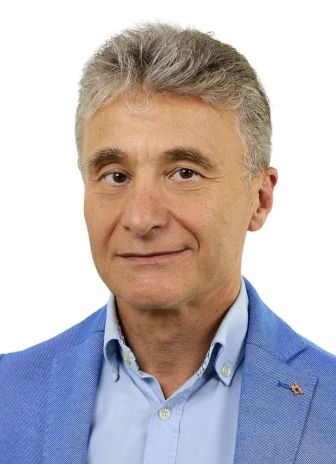 Árpád Bátai合作论文数Acute Leukemia Department, South-Pest Centrum Hospital19
 Marienn Réti合作论文数14R. Rásonyi合作论文数14Katalin Balassa合作论文数14Melinda Paksi合作论文数13Zoltan Csukly合作论文数12Gergely Krivan合作论文数11E Kelemen合作论文数10J Földi合作论文数10Nora Meggyesi合作论文数10Annadenise Tremmel合作论文数9Zita Farkas合作论文数8G Mikala合作论文数7Janos Fabian合作论文数7János Sinkó合作论文数7J. Fabian合作论文数7P Páldi-Haris合作论文数7Hoffer I合作论文数7Jakab J合作论文数7Bors András合作论文数7Judit Csomor合作论文数7Andras Bors合作论文数7Katalin Pálóczi合作论文数7
 Aniko Szilvasi合作论文数6
 Andrea Sipos合作论文数Haematol & Stem Cell Transplantat, St Istvan and St Laszlo Hospital6
 Dora Inotai合作论文数6
 Gábor Varga合作论文数Department of Surgery, University of Pécs6
 Katalin Rajczy合作论文数6Vera Goda合作论文数6
 Halvard Bonig合作论文数6
 Peter Bader合作论文数Goethe University Frankfurt6K. P. Kiss合作论文数5Raj Pol合作论文数5Grit Herter-Sprie合作论文数5




