Background & Aim: Understanding predictive factors for complicated grief after COVID-19 losses is critical for developing targeted support strategies. This study aimed to examine predictors of complicated grief among Iranians who lost a family member during the pandemic. Materials & Methods: This descriptive-correlational study was conducted from December 2022 to August 2023. A total of 150 relatives of COVID-19 victims were recruited via convenience sampling. Data were collected using the Inventory of Complicated Grief, the Burdened by Grief and Loss questionnaire, the WHO-5 Well-being Index, and a measure of pandemic-related burden. Data were analyzed using SPSS v. 26, employing chi-square, Fisher's exact test, and multiple logistic regression to identify predictors. Results: The likelihood of developing complicated grief among women compared to men was 3.77 times higher (p<0.001, OR=3.77), and the chance of complicated grief in close family members compared to distant relatives was 4.55 times higher (p<0.001, OR=4.55). An increase in psychological well-being score significantly lowered the likelihood of complicated grief in bereaved companions (p<0.001, OR=0.86); however, an increase in being burdened by grief and loss scale significantly augmented the likelihood of complicated grief in bereaved companions (p<0.001, OR=1.11). However, an increase in the Burdened by Grief and Loss score significantly increased the likelihood of complicated grief in bereaved companions (p<0.001, OR=1.11). The prevalence of complicated grief in Iranian people who have lost their family members because of COVID-19 was higher compared to similar studies. Conclusion: Female gender, close kinship with the deceased, and a heavier psychological burden of loss were significant risk factors for complicated grief, while stronger mental health served as a protective factor. Given the crucial role of nurses in bereavement care, there is an urgent need for structured, supportive interventions and psychological services, ideally delivered through clinical guidelines tailored for these vulnerable groups.
Spiritual Care is a recognised dimension of Palliative Care, yet its provision is often inadequate. This study aimed to improve the identification of patients’ spiritual needs using a standardised screening, address these more effectively in everyday Palliative Care, and evaluate potential benefits of this intervention. We conducted a monocentric, mixed-methods, quasi-experimental, pre-post study. For a six-month period (12/2023–05/2024), patients attended by an inpatient Palliative Care consultation service in a tertiary hospital were screened for spiritual needs using the Spiritual Needs Screener. Hospital chaplaincy documentation was also considered. Results were compared with data on spirituality of a retrospective comparison cohort. We conducted three focus groups with Palliative Care team representatives. Data from 100 patients in the prospective interventional cohort were compared with data of the retrospective comparison cohort (n = 651). Improvements were observed in all aspects compared: The number of visits documented by hospital chaplaincy increased, patients’ requests for Spiritual Care were recorded more thoroughly, and spiritual support was recommended to patients more frequently. The focus groups highlighted multi-professionalism as a prerequisite to implement Spiritual Care, the increased awareness of the spiritual dimension, and a differentiated assessment of the feasibility of standardised electronic screening. Implementing the screening improved recognising spiritual needs and emphasised hospital chaplains’ role in healthcare. Our results show the importance of multi-professionalism to provide Spiritual Care, the increasing awareness of Spiritual Care as consequence of this study at the study location, and the possibility to overcome barriers in Spiritual Care implementation through sustainable, resource-efficient solutions. Trial Registration ClinicalTrials.gov Identifier: NCT06206551; first posted: January 16, 2024.
Despite the growing interest in spirituality within healthcare, specific instruments are needed to measure healthcare professionals’ spiritual care competencies as a first step toward improving them. This study translates the Spiritual Care Competence Questionnaire (SCCQ) into Italian and validates it in a sample of 494 healthcare professionals recruited via a 15-min online survey across 14 health and care centers. To enable cross-validation, the dataset was randomly split 60/40 into EFA and CFA sets; to mitigate item non-response, missing data were addressed via multiple imputation. Exploratory factor analysis supported a 17-item, four-factor solution explaining 38
The outcomes of a 40-h Spiritual/Existential Care training program (SpECi) for healthcare professionals on their patients' treatment satisfaction (n = 774) were evaluated. Most patients felt supported in their spiritual needs by the staff (79–81
The COVID-19 pandemic has significantly altered the experience of loss and mourning, potentially increasing distress among bereaved individuals. This study aimed to assess this experience and examine the role of spirituality and religiosity in this context. Using a mixed-methods, cross-sectional design, this research employed a sociodemographic questionnaire, the Inventory of Complicated Grief (ICG), the WHO-5 Well-Being Index, the Burdened by Grief and Loss (BGL) scale, and an open-ended question regarding what participants found helpful in their grieving process. Of the 323 responses eligible for quantitative analysis, 225 participants responded to the open-ended question. Notably, 36.84% of the sample scored above 25 on the ICG, indicating significant grief-related distress. Quantitative findings revealed that individuals with spiritual engagement (religious or not) reported lower levels of grief and higher general well-being scores. Qualitative analysis of the open responses highlighted spirituality as the most prominent source of support in coping with grief during the pandemic. Given Brazil’s high mortality rate, a substantial number of people may be experiencing complications in their grieving processes. Healthcare professionals and spiritual/religious care providers should be equipped to offer appropriate support and foster interdisciplinary dialog to assist those bereaved effectively.
Introduction:During the COVID-19 pandemic, many medical students played an active role in the healthcare sector. This cross-sectional survey was used to record the participants´ work and learning experiences. Methodology:During the first lockdown (May/June 2020), we conducted a nationwide online survey of medical students who took part in pandemic assignments. Results:A total of 381 medical students on placement participated in the survey. The most common placement locations were hospitals (60%), followed by outpatient care (21%) and the public health services (18%). Tasks included in particular nursing activities, blood sampling, patient consultations and smear tests. Most students felt well integrated. Hospitals were associated with more stress and excessive demands.The greatest learning gains were experienced in the areas of collaboration, communication, knowledge of the health system, practical skills, insights into everyday medical practice and crisis management. In the free text responses, many respondents criticised the healthcare system particularly the focus on economics, bureaucratic processes and hierarchical structures. Positive feedback related to appreciation of nursing care. Many students said that they missed support from the faculty. Looking to the future, many would like to see more practical and responsible activities in healthcare. 80% of participants would be available for such an assignment again. Conclusion:The integration of the students can be considered a success. Many experienced progresses in key areas of expertise and would like to see more structured active participation in healthcare.
Background/Objectives: This study examines the attitudes of German hospice professionals toward physician-assisted suicide (PAS), focusing on ethical conflicts, emotional challenges, and institutional readiness within an unregulated legal context. Methods: A 2023 survey of 558 hospice workers used 13 closed-ended items to assess perspectives on PAS. Results: Latent class analysis identified subgroups based on shared response patterns. Three latent classes were identified, reflecting how hospice professionals might respond to the implementation of PAS in Germany: (1) “Low Conflict, Supportive Attitude”, referring to professionals likely to accept and support PAS with minimal ethical or emotional resistance; (2) “Moderate Conflict, Balanced Perspective”, describing professionals cautiously open to discussion but harboring notable ethical reservations; and (3) “High Conflict, Low Support”, encompassing professionals anticipated to face significant opposition and emotional challenges. Additionally, organizational readiness was reported as low (51.4%), alongside widespread concerns about increased workload and mental strain. Conclusions: Hospice professionals exhibit varied attitudes toward PAS, underscoring the importance of proactive measures should policymakers move toward its implementation. Ethical training, emotional support, and robust institutional frameworks will be essential to equip professionals for the challenges ahead.
Infertility is a growing global health issue that significantly affects quality of life (QoL). Understanding its impact on QoL is essential for developing effective healthcare interventions. This study explored QoL, well-being, and spiritual needs among individuals affected by infertility, with implications for healthcare provision. Standardized questionnaire data from an anonymous mixed-methods study that was conducted from October 2022 to January 2023 in Switzerland and addressing QoL (FertiQoL), spiritual needs (SpNQ-20), and psychological well-being (WHO-5) of individuals undergoing fertility treatments. The analysis included 326 participants. FertiQoL scores were lowest in the emotional domain (M = 46.35) and highest in the relational domain (M = 68.51), with a mean overall score of 56.69, indicating moderate QoL impacts. Participants without children reported significantly lower FertiQoL and WHO-5 well-being scores than those with children (p < 0.05). The WHO-5 mean score indicated moderate well-being (M = 13.89). SpNQ-20 results showed the highest needs in inner peace (M = 1.82), followed by generativity (M = 1.09) and existential needs (M = 0.86), with religious needs scoring the lowest (M = 0.43). Participants without children had significantly higher spiritual needs (p < 0.05). This study highlights the emotional and spiritual challenges of infertility, revealing differences in experiences between individuals with and without children. It emphasizes the importance of addressing mental health and well-being in infertility care. Further research should focus on the psychological impacts of fertility treatments, including depressive mood states.
CONTEXT:Amyotrophic Lateral Sclerosis (ALS) is a progressive and fatal neurodegenerative disorder which poses multidimensional burden to patients and caregivers. OBJECTIVES:This study aimed to investigate spiritual needs in people with Amyotrophic Lateral Sclerosis (pALS) and their closest caregivers, and to identify factors which may contribute to these needs. METHODS:Spiritual needs were assessed based on the Spiritual Needs Questionnaire (SpNQ) as part of a longitudinal cohort study in pALS and their closest caregivers who were included in a multiprofessional pilot project for ALS in Southern Germany with a focus on neuropalliative care. RESULTS:About 61 pALS and 52 caregivers were assessed for their spiritual needs. We show that both pALS and their caregivers maintain stable and distinct spiritual needs over time, irrespective of age, gender, care setting, or perceived level of loneliness. While pALS emphasize generativity and inner peace needs, caregivers primarily focus on finding inner peace, which they value even more than pALS. CONCLUSIONS:Both pALS and their caregivers have strong unmet spiritual, and particularly nonreligious needs, which should be regularly assessed by the interprofessional team. Documenting these needs is the initial step in the spiritual care process, which requires a collaborative response from the interprofessional team. All healthcare professionals involved in ALS care should be attuned to the potential for unmet spiritual needs in patients and their caregivers. Early identification of these needs can facilitate the initiation of appropriate support processes.
The ongoing aggression war by Russia in Ukraine underscores the need to explore the impact of geopolitical crises on students’ well-being within the system university. Previous studies have raised concern regarding rising mental health issues among students, exacerbated by war-related stressors. The effects extend to non-war-involved countries on several levels, with heightened anxiety and fear reported for students. In this study, the affectedness of well-being, perceived stress and work engagement among German medicine students is surveyed in a cross-sectional multi-methods study before and after the initial war occurrences in Ukraine were reported. Results show lessened well-being and increase perceived stress, but non significantly affected work engagement. The students report several demands and resources to cope with stressors and maintain ongoing study motivation and capability. By understanding the personal repercussions of systemic crises, this study seeks to identify longitudinal support needs for medical students navigating uncertain times.
This study explores spiritual dryness experienced by imams with a focus on identifying its triggers. Using a qualitative research approach, in-depth interviews were conducted with 15 imams in Pakistan. Thematic analysis of the data revealed that a majority of the participants experienced phases of spiritual dryness. The triggers of spiritual dryness are multifaceted, encompassing not only a sense of disconnection from God but also deeper struggles such as spiritual exhaustion from overcommitment, emotional and psychological distress, isolation and lack of community support and economic hardship. Many imams also experienced a crisis of identity and purpose and a profound dilemma of faith, all of which contributed to and intensified their experience of spiritual dryness. This research contributes to the understanding of spiritual dryness within the context of religious leadership and offers practical implications for supporting imams in maintaining spiritual well-being.
Background: Access to green spaces is crucial for public health. For psychological health, the ability to pause in fascination or wondering awe (as an indicator of mindful resonance with nature) appears particularly relevant. However, it remains unclear whether non-interventional experience of nature is directly related to wellbeing or requires a mediator. Methods: A cross-sectional anonymous survey was conducted among 491 participants (74% women; mean age 51 ± 13 years) with standardized instruments (NR-6, ENS, GrAw-7, GQ-6, WHO-5). Results: Experience of Nature (r = 0.56) and Nature-Relatedness (r = 0.55) are strongly associated with Awe/Gratitude, while only Awe/Gratitude is moderately related to Wellbeing (r = 0.42). Mediator analyses revealed that the relationship between Experience of Nature and Wellbeing is significantly mediated by Awe/Gratitude (β = 2.28, p < 0.001). This highlights the central role of this resource through which nature experiences promote wellbeing. Regression analyses confirmed Awe/Gratitude as the best predictor of Wellbeing, followed by Gratitude disposition, and sporting outside (R2 = 0.25). Conclusions: Merely being in nature does not substantially affect well-being. Rather, mindful perception of nature as a space where modern public health practices, such as mindful walking, are particularly effective, is essential. From a public health and urban planning perspective, accessible, quiet, and aesthetically engaging green spaces that attract and fascinate people should be prioritized to foster such restorative experiences.
Infertility, affecting one in six individuals worldwide, poses substantial emotional and physical challenges. Its impact on quality of life (QoL), mental health and social relationships is well documented. However, qualitative insights into the lived experiences of those affected remain limited, as do the perspectives of health professionals involved in their care. This study presents qualitative findings from a mixed-method approach. Data were collected through 23 semi-structured interviews with 26 affected individuals and three focus group discussions with 20 healthcare professionals. The results underscore the multifaceted burden of infertility, including emotional distress, relationship strain and a pervasive sense of social exclusion. Participants expressed a clear need for more empathetic and individualized care, while healthcare professionals pointed to structural barriers. The study also identified a lack of societal recognition for infertility and the complex challenges. In some narratives, spirituality emerged as a personal coping resource - though one that is often overlooked or insufficiently addressed in clinical practice. Key recommendations include the expansion of peer support networks, public awareness raising, flexible treatment models and interprofessional collaboration. Future research should evaluate the effectiveness of peer support systems and interdisciplinary care models in addressing the complex and diverse needs of individuals affected by infertility.
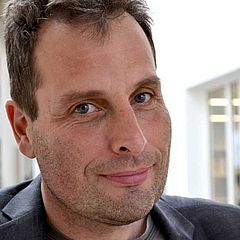 Thomas Ostermann合作论文数Department für Psychologie und Psychotherapie, Fakultät für Gesundheit, Universität Witten/Herdecke92
 Klaus Baumann合作论文数61
 Eckhard Frick合作论文数45
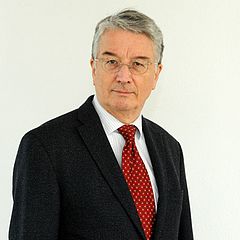 Peter Heusser合作论文数Herdecke;Department fur Humanmedizin, Fakultat fur Gesundheit, Universitat Witten45Michael Schietzel合作论文数40Peter F. Matthiessen合作论文数32
 Daniela Rodrigues Recchia合作论文数26
 Hvidt Niels Christian合作论文数Res Unit Gen Practice, Univ Southern Denmark25Surzykiewicz Janusz合作论文数21
 Matthias Kröz合作论文数Forschungsabteilung der Klinik Arlesheim;Forschungsinstitut Havelhöhe21U Pfüller合作论文数18
 Bettina Berger合作论文数Center for Integrative Medicine, University Witten/Herdecke17GM Stein合作论文数16
 Frauke Musial合作论文数Department of Community Medicine, UiT The Arctic University of Norway16
 Jens Søndergaard合作论文数Research Unit for General Practice, University of Aarhus16Marcus Reif合作论文数16
 Christoph Gutenbrunner合作论文数Department of Rehabilitation Medicine, Hannover Medical School15
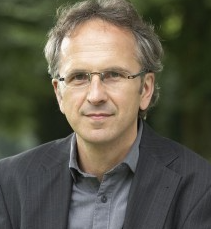 Andreas Michalsen合作论文数Institute of Social Medicine, Epidemiology and Health Economics, Charité – Universitätsmedizin Berlin14Gustav J. Dobos合作论文数Integrative Medicine, University of Duisburg-Essen14
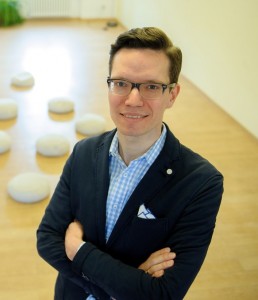 Holger Cramer合作论文数Department of Internal and Integrative Medicine, Faculty of at the University of Duisburg-Essen13
 Roland Zerm合作论文数13K Schweizer合作论文数12
 Mareike Gerundt合作论文数12Alex Kappel Kørup合作论文数12Kyungeun Choi合作论文数12Désirée Poier合作论文数11Christoph Jacobs合作论文数11
 Giancarlo Lucchetti合作论文数11
 Yvonne Beerenbrock合作论文数11
 Parameshwaran Ramakrishnan合作论文数Center for Development of Spirituality as Medical Subject, AdhiBhat Foundation India11
 Eunmi Lee合作论文数11
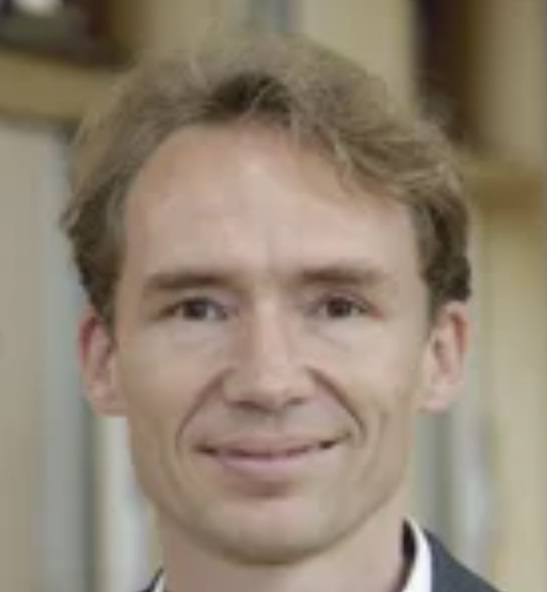 David Martin合作论文数Faculty of Health, Universitat Witten/Herdecke11
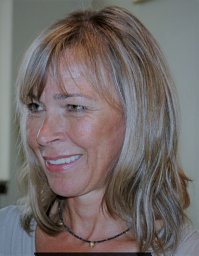 Christa Raak合作论文数Faculty of Medicine, University of Witten/Herdecke11Stephan Schmitz合作论文数10Inga Wermuth合作论文数10
 Hiroyuki Okuyama合作论文数10
 E.s. Schouten合作论文数10Christian Ihling合作论文数10Satoshi Shimizu合作论文数10Al-Yousefi Nada A合作论文数College of Medicine, King Saud University (KSU),10Lauche Romy合作论文数10Stumpf C合作论文数10Bartsch Hans Helge合作论文数10Ohno Izumi合作论文数10
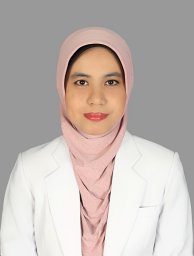 Azimatul Karimah合作论文数10Nakayama Yusuke合作论文数10
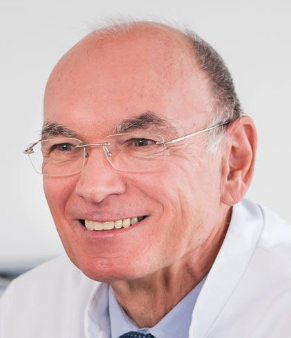 Hans Tesch合作论文数Centrum für Hämatologie und Onkologie Bethanien10J. Bruns合作论文数10
 Takuji Okusaka (奥坂拓志)合作论文数Department of Hepatobiliary and Pancreatic Oncology, National Cancer Center Hospital10




