Offer a holistic package of care including: medical, psychological and occupational health services. Medical screenings, travel health clinics and pharmacy. Pre-, during and post-deployment resilience briefings. Trauma, burnout and stress specialist support services. Training in stress and trauma awareness, resilience building, psychological first aid and peer support programmes.
Objective Psychological treatments for posttraumatic stress disorder (PTSD) are usually delivered once or twice a week over several months. It is unclear whether they can be successfully delivered over a shorter period of time. This clinical trial had two goals: to investigate the acceptability and efficacy of a 7-day intensive version of cognitive therapy for PTSD and to investigate whether cognitive therapy has specific treatment effects by comparing intensive and standard weekly cognitive therapy with an equally credible alternative treatment. Method Patients with chronic PTSD (N=121) were randomly allocated to 7-day intensive cognitive therapy for PTSD, 3 months of standard weekly cognitive therapy, 3 months of weekly emotion-focused supportive therapy, or a 14-week waiting list condition. The primary outcomes were change in PTSD symptoms and diagnosis as measured by independent assessor ratings and self-report. The secondary outcomes were change in disability, anxiety, depression, and quality of life. Evaluations were conducted at the baseline assessment and at 6 and 14 weeks (the posttreatment/wait assessment). For groups receiving treatment, evaluations were also conducted at 3 weeks and follow-up assessments at 27 and 40 weeks after randomization. All analyses were intent-to-treat. Results At the posttreatment/wait assessment, 73% of the intensive cognitive therapy group, 77% of the standard cognitive therapy group, 43% of the supportive therapy group, and 7% of the waiting list group had recovered from PTSD. All treatments were well tolerated and were superior to waiting list on nearly all outcome measures; no difference was observed between supportive therapy and waiting list on quality of life. For primary outcomes, disability, and general anxiety, intensive and standard cognitive therapy were superior to supportive therapy. Intensive cognitive therapy achieved faster symptom reduction and comparable overall outcomes to standard cognitive therapy. Conclusions Cognitive therapy for PTSD delivered intensively over little more than a week was as effective as cognitive therapy delivered over 3 months. Both had specific effects and were superior to supportive therapy. Intensive cognitive therapy for PTSD is a feasible and promising alternative to traditional weekly treatment.
Supervision is an essential part of training new cognitive behavioural therapists to a competent standard. It is also crucial to the maintenance of such competence in more experienced therapists and for their further development. This chapter has three sections. The first section outlines background theory and evidence regarding supervision. The second section considers how to get the most out of supervision as a cognitive behaviour therapist, including the skills necessary to use supervision effectively and how you may best prepare for supervision. The third section provides some guidance for supervisors. This includes questions you might ask as a supervisor to help supervisees develop skills to use supervision and develop CBT competences and metacompetence. It also considers supervisors’ development needs including the role of supervision of supervision.
Objective: Trauma-focused psychological treatments are recommended as first-line treatments for Posttraumatic Stress Disorder (PTSD), but clinicians may be concerned that the good outcomes observed in randomized controlled trials (RCTs) may not generalize to the wide range of traumas and presentations seen in clinical practice. This study investigated whether Cognitive Therapy for PTSD (CT-PTSD) can be effectively implemented into a UK National Health Service Outpatient Clinic serving a defined ethnically mixed urban catchment area.Method: A consecutive sample of 330 patients with PTSD (age 17-83) following a wide range of traumas were treated by 34 therapists, who received training and supervision in CT-PTSD. Pre and post treatment data (FTSD symptoms, anxiety, depression) were collected for all patients, including dropouts. Hierarchical linear modeling investigated candidate moderators of outcome and therapist effects.Results: CT-PTSD was well tolerated and led to very large improvement in PTSD symptoms, depression and anxiety. The majority of patients showed reliable improvement/clinically significant change: intent-to-treat: 78.8%/57.3%; completer: 84.5%/65.1%. Dropouts and unreliable attenders had worse outcome. Statistically reliable symptom exacerbation with treatment was observed in only 1.2% of patients. Treatment gains were maintained during follow-up (M = 280 days, n = 220). Few of the selection criteria used in some RCTs, demographic, diagnostic and trauma characteristics moderated treatment outcome, and only social problems and needing treatment for multiple traumas showed unique moderation effects. There were no random effects of therapist on symptom improvement, but therapists who were inexperienced in CT-PTSD had more dropouts than those with greater experience.Conclusions: The results support the effectiveness of CT-PTSD and suggest that trauma-focused cognitive behavior therapy can be successfully implemented in routine clinical services treating patients with a wide range of traumas. (C) 2013 The Authors. Published by Elsevier Ltd. All rights reserved.
Severe and persistent health anxiety (or hypochondriasis) is characterized by threat-based interpretations of bodily symptoms and health-related information. Until recently it was regarded as intractable, but there is increasing evidence that cognitive–behaviour therapy (CBT) for health anxiety is an effective and specific treatment for this condition. This contribution discusses clinical characteristics of the disorder, describes the cognitive–behavioural model for understanding severe health anxiety, and outlines the key elements of the treatment approach derived from the model.
Most people will experience anxiety about health at some stage, perhaps after noticing a new or unexpected bodily symptom, in response to media coverage of a specific disease or following medical tests or physical illness. This is usually relatively short-lived, and anxiety subsides as symptoms abate or in response to reassurance from a doctor or other health professional. However, in some cases it persists and becomes a clinically significant problem. ‘Severe health anxiety’ refers to fears and beliefs that arise from misinterpreting bodily symptoms and health-related information as evidence of a potentially serious degenerative or life-threatening disease. Anxiety of this sort is rarely allayed for long by medical reassurance, and tends to shift from one symptom to another.
This study investigated perceptions of medical care among patients with chronic fatigue syndrome (CFS) referred to a specialist clinic. Sixty-eight patients completed a questionnaire survey on their overall satisfaction with medical care received since the onset of their illness, and their views on specific aspects of care. Two-thirds of patients were dissatisfied with the quality of medical care received. Dissatisfied patients were significantly more likely to describe delay, dispute or confusion over diagnosis; to have received and rejected a psychiatric diagnosis; to perceive doctors as dismissive, skeptical or not knowledgeable about CFS and to feel that the advice given was inadequate or conflicting. Satisfied patients were significantly more likely to perceive doctors as caring, supportive and interested in their illness; to state that they did not expect their doctors to cure CFS and to perceive their GP or hospital doctor as the source of greatest help during their illness. Many patients were critical of the paucity of treatment, but this was not associated with overall satisfaction. The findings suggest that medical care was evaluated less on the ability of doctors to treat CFS, and more on their interpersonal and informational skills. Dissatisfaction with these factors is likely to impede the development of a therapeutic doctor-patient alliance, which is central to the effective management of CFS. The findings suggest a need for better communication and better education of doctors in the diagnosis and management of CFS.
OBJECTIVE This study evaluated the long-term outcome of cognitive behavior therapy versus relaxation therapy for patients with chronic fatigue syndrome. METHOD Sixty patients who participated in a randomized controlled trial of cognitive behavior therapy versus relaxation therapy for chronic fatigue syndrome were invited to complete self-rated measures and participate in a 5-year follow-up interview with an assessor who was blind to treatment type. RESULTS Fifty-three patients (88%) participated in the follow-up study: 25 received cognitive behavior therapy and 28 received relaxation therapy. A total of 68% of the patients who received cognitive behavior therapy and 36% who received relaxation therapy rated themselves as "much improved" or "very much improved" at the 5-year follow-up. Significantly more patients receiving cognitive behavior therapy, in relation to those in relaxation therapy, met criteria for complete recovery, were free of relapse, and experienced symptoms that had steadily improved or were consistently mild or absent since treatment ended. Similar proportions were employed, but patients in the cognitive behavior therapy group worked significantly more mean hours per week. Few patients crossed the threshold for "normal" fatigue, despite achieving a good outcome on other measures. Cognitive behavior therapy was positively evaluated and was still used by over 80% of the patients. CONCLUSIONS Cognitive behavior therapy for chronic fatigue syndrome can produce some lasting benefits but is not a cure. Once therapy ends, some patients have difficulty making further improvements. In the future, attention should be directed toward ensuring that gains are maintained and extended after regular treatment ends.
MPO-ANCA may produce a combination of P-ANCA and atypical cytoplasmic ANCA indirect immunofluorescent patterns on certain ethanol fixed neutrophil substrates
The overlap of symptoms in chronic fatigue syndrome (CFS) and psychiatric disorders such as depression can complicate diagnosis. Patients often complain that they are wrongly given a psychiatric label. We compared psychiatric diagnoses made by general practitioners and hospital doctors with diagnoses established according to research diagnostic criteria. 68 CFS patients referred to a hospital fatigue clinic were assessed, and psychiatric diagnoses were established by use of a standardized interview schedule designed to provide current and lifetime diagnoses. These were compared with psychiatric diagnoses previously given to patients. Of the 31 patients who had previously received a psychiatric diagnosis 21 (68%) had been misdiagnosed: in most cases there was no evidence of any past or current psychiatric disorder. Of the 37 patients who had not previously received a psychiatric diagnosis 13 (35%) had a treatable psychiatric disorder in addition to CFS. These findings highlight the difficulties of routine clinical evaluation of psychiatric disorder in CFS patients. We advise doctors to focus on subtle features that discriminate between disorders and to use a brief screening instrument such as the Hospital Anxiety and Depression Scale.
Back to table of contents Previous article Next article Letter to the EditorFull AccessMs. Deale and Colleagues ReplyALICIA DEALE, M.SC., TRUDIE CHALDER, M.SC., and SIMON WESSELY, M.D., ALICIA DEALESearch for more papers by this author, M.SC., TRUDIE CHALDERSearch for more papers by this author, M.SC., and SIMON WESSELYSearch for more papers by this author, M.D., London, United KingdomPublished Online:1 Oct 1998https://doi.org/10.1176/ajp.155.10.1461cAboutSectionsView EPUB ToolsAdd to favoritesDownload CitationsTrack Citations ShareShare onFacebookTwitterLinked InEmail To the Editor: We are pleased to have this opportunity to correct our oversight and draw attention to the trial of cognitive behavior therapy for chronic fatigue syndrome carried out by Dr. Sharpe and his colleagues in Oxford. This was the first randomized controlled trial to find cognitive behavior therapy superior to standard medical care alone, although the absence of an attention control left unanswered the question of nonspecific treatment factors (thought by some to be an important determinant of change in chronic fatigue symdrome). Another trial (1) found cognitive behavior therapy to be superior to a credible placebo treatment of relaxation (which controlled for therapist time, attention, and homework practice). In both trials, a combination of graded activity and cognitive restructuring was used, although the Oxford study had a cognitive emphasis and the London study had a behavioral emphasis. Nevertheless, the proportions of patients improved, and the pattern of improvement (with gains continuing during follow-up) were strikingly similar in both studies. We wholeheartedly agree with Dr. Sharpe’s concluding comments.References1. Lloyd A, Hickie C, Wakefield D: Immunologic and psychologic therapy for patients with chronic fatigue syndrome: a double blind, placebo controlled trial. Am J Med 1993: 94:197–203Google Scholar FiguresReferencesCited byDetailsCited ByNone Volume 155Issue 10 October 1998Pages 1461c-1462 Metrics History Published online 1 October 1998 Published in print 1 October 1998
Longitudinal studies have shown that physical illness attributions are associated with poor prognosis in chronic fatigue syndrome (CFS). Speculation exists over whether such attributions influence treatment outcome. This study reports the effect of illness beliefs on outcome in a randomized controlled trial of cognitive-behavior therapy versus relaxation. Causal attributions and beliefs about exercise, activity, and rest were recorded before and after treatment in 60 CFS patients recruited to the trial. Physical illness attributions were widespread, did not change with treatment, and were not associated with poor outcome in either the cognitive-behavior therapy group or the control group. Beliefs about avoidance of exercise and activity changed in the cognitive behavior therapy group, but not in the control group. This change was associated with improved outcome. These findings suggest that physical illness attributions are less important in determining outcome (at least in treatment studies) than has been previously thought. In this study, good outcome is associated with change in avoidance behavior, and related beliefs, rather than causal attributions.
A variety of treatments for chronic fatigue syndrome (CFS) have been proposed but few have been systematically evaluated. The publication of this well-designed, double-blind, randomised controlled trial is therefore a welcome contribution to the literature.
 Simon Wessely合作论文数Department of Psychological Medicine, School of Academic Psychiatry, Institute of Psychiatry, Psychology & Neuroscience, King's College London16
 Trudie Chalder合作论文数16
 Ger P J Keijsers合作论文数www.bsl.nl3
 Anke Ehlers合作论文数Department of Experimental Psychology, University of Oxford3Ann Hackmann合作论文数3I. M. Marks合作论文数2Albert Idit合作论文数2
 David M Clark合作论文数University of Oxford2
 Jennifer Wild合作论文数Department of Experimental Psychology, University of Oxford2Freda Mcmanus合作论文数Institute of Psychiatry, Kings College2
 Nick Grey合作论文数Centre for Anxiety Disorders and Trauma, South London and Maudsley NHS Trust2
 Richard Stott合作论文数2Sheena Liness合作论文数2M Fennell合作论文数1J Durkin合作论文数1V Langston合作论文数1David J. Castle合作论文数1D. O. Hebb合作论文数1A. Stewart合作论文数1Y. Chadhoury合作论文数1T M Scott合作论文数1JD Bremner合作论文数1
 Christopher M. Layne合作论文数1JP Seibyl合作论文数1Helmi Azhar合作论文数1D Hawker合作论文数1C Eriksson合作论文数1P Randall合作论文数1RA Bronen合作论文数1
 Francesca Brady合作论文数1F T Cutts合作论文数1Scragg P合作论文数1Huntley Z合作论文数1Fuchkan N合作论文数1De Araujo L A合作论文数1Dharap A S合作论文数1
 Moshe Bensimon合作论文数Bar-Ilan University1Hacker Hughes J合作论文数1
 Steven Southwick合作论文数Clinical Neuroscience Division, National Center for PTSD, U.S. Department of Veterans Affairs;School of Medicine, Yale University1
 Mark Peakman合作论文数Peter Gorer Department of Immunobiology, School of Immunology & Microbial Sciences, Faculty of Life Sciences & Medicine, King’s College London;Department of Diabetes, School of Cardiovascular Medicine & Sciences, Faculty of Life Sciences & Medicine, King’s College London1A. Steinberg合作论文数1Alexander Dobrovic合作论文数1
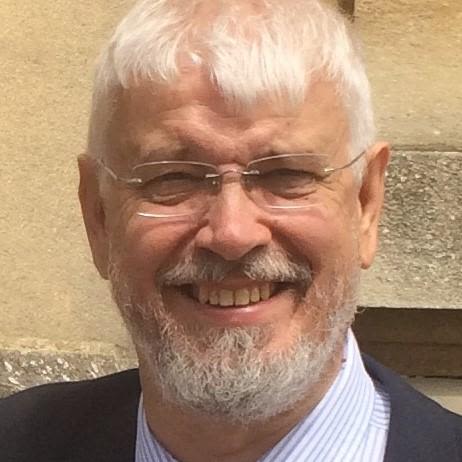 Paul Salkovskis合作论文数Department of Experimental Psychology, Medical Sciences Division, University of Oxford;Institute of Clinical Psychology Training and Research, University of Oxford1
 Dennis S. Charney合作论文数Mount Sinai School of Medicine1
 Neil Greenberg合作论文数Institute of Psychiatry, Psychology & Neuroscience, King's College London;March on Stress1R. Field合作论文数1D Amir合作论文数1Carl Neblett合作论文数1




