Ulcerative colitis (UC) symptoms of stool frequency, rectal bleeding, and abdominal pain significantly impair quality of life. The STRIDE-II treat-to-target framework includes symptomatic relief as a short-term therapeutic goal in UC management.1,2 Early symptomatic improvement is clinically meaningful, as it influences patient satisfaction, adherence, and long-term outcomes. Guselkumab (GUS) is a dual-acting IL-23p19 subunit inhibitor that potently neutralises IL-23 and binds to CD64, a receptor on cells that produce IL-23. We evaluated early symptomatic improvement and remission following GUS induction in clinical trial participants (pts) with moderately to severely active UC. In the 12-week Phase 3, randomised, double-blind QUASAR induction study (NCT04033445), pts with moderately to severely active UC received intravenous (IV) GUS 200 mg or placebo (PBO) at Weeks (W)0, 4, and 8.3 This post-hoc analysis evaluated change from baseline in Mayo stool frequency (SFS) and rectal bleeding (RBS) subscores (per daily patient-reported outcome [PRO-2] data) and proportions of pts (observed-case data) achieving symptomatic response (decrease in symptomatic Mayo score [sum of SFS and RBS] by ≥ 30% and ≥1 point) and remission (SFS of 0 or 1; RBS of 0) within the first 14 days of treatment. Mixed-Effect Model for Repeated Measures was used to estimate least-squares (LS) mean differences in SFS and RBS changes with GUS vs PBO. W2 data with subcutaneous (SC) GUS 400 mg induction (W0,4,8) are from the Phase 3, placebo-controlled ASTRO study (NCT05528510).4 The QUASAR full analysis set included 701 pts. By Day (D)6, pts receiving GUS had greater improvements in SFS (LS mean difference: -0.122 [95CI: -0.240, -0.005], p = 0.041) and RBS (-0.124 [-0.239, -0.009], p = 0.034) compared with PBO (Fig. 1). At D14, LS mean differences vs PBO were -0.180 (95CI: -0.306, -0.055) for SFS (p = 0.005) and -0.280 (-0.406, -0.155) for RBS (p < 0.001). At D6 and D14, 29.5% (114/387) and 41.7% (160/384) of GUS vs 22.0% (54/245) and 26.4% (64/242) of PBO pts, respectively, achieved symptomatic response (both p < 0.05); 7.8% (31/395) and 13.3% (52/392) of GUS vs 4.8% (12/249) and 10.1% (25/248) of PBO pts, respectively, achieved symptomatic remission (both p > 0.05) (Fig. 2). With SC induction (ASTRO), 35.8% of SC GUS vs 25.9% of PBO pts were in symptomatic response at W2; 12.2% vs 7.9%, respectively, were in symptomatic remission.4 Pts treated with GUS had rapid improvements in SFS and RBS - clinically meaningful indicators of UC activity - as early as D6 after IV induction. These findings underscore the clinical relevance of early symptom control and align with STRIDE-II short-term treatment targets. Study support: Johnson & Johnson. References: 1.Turner D, Ricciuto A, Lewis A, et al. STRIDE-II: An Update on the Selecting Therapeutic Targets in Inflammatory Bowel Disease (STRIDE) Initiative of the International Organization for the Study of IBD (IOIBD): Determining Therapeutic Goals for Treat-to-Target strategies in IBD. Gastroenterology. 2021;160:157083. 2.Dignass A, Rath S, Kleindienst T, Stallmach A. Review article: Translating STRIDE-II into clinical reality - Opportunities and challenges. Aliment Pharmacol Ther. 2023;58:492502. 3.Rubin DT, Allegretti JR, Panés J, et al. Guselkumab in patients with moderately to severely active ulcerative colitis (QUASAR): phase 3 double-blind, randomised, placebo-controlled induction and maintenance studies. Lancet. 2025;405:33-49. 4.Long M, Allegretti JR, Danese S, et al. Efficacy and safety of subcutaneous guselkumab induction therapy in participants with moderately to severely active ulcerative colitis: results from the randomised, placebo-controlled, phase 3 ASTRO study. Lancet Gastro Hep. 2025 [In Press]. Conflict of interest: Dignass, Axel: Fees for participation in clinical trials, review activities such as data monitoring boards, statistical analysis and end point committees from Abivax, AbbVie, Falk, Galapagos, Gilead, J&J, Pfizer and Takeda consultancy fees from AbbVie, Alfasigma, Amgen, Biogen, Boehringer Hexal, J&J, Lilly, MSD, Pfizer, Pharmacosmos, Roche, Sandoz, Stada, Takeda, and Vifor Pharma payment from lectures including service on speakers bureaus from AbbVie, Alfasigma, Biogen, CED Service GmbH, Celltrion, Falk, Fresenius Kabi, Ferring, Galapagos, Gilead, Hexal, High5MD, J&J, Materia Prima, MedToday, MSD, Pfizer, Sandoz, Streamed-Up, Takeda, and Vifor Pharma payment for manuscript preparation from Abbvie, Falk, J&J, Takeda, Thieme, and UniMed Verlag Hirai, Fumihito: Grant support from AbbVie, Daiichi-Sankyo, EA Pharma Co, Ltd. JIMRO, Mitsubishi Tanabe Pharma Corporation, Mochida Pharmaceutical Co., Ltd., Nippon Kayaku Co., Ltd., Pfizer Inc., and Takeda Pharmaceutical Co., Ltd. Consulting fees from Bristol Myers Squibb, EA Pharma Co, Ltd., Eli Lilly, Gilead Sciences, and Johnson & Johnson. Lecture fees from AbbVie, EA Pharma Co, Ltd., Kissei Pharmaceutical Co, Ltd., Mitsubishi Tanabe Pharma Corporation, Mochida Pharmaceutical Co., Ltd, and Takeda Pharmaceutical Co., Ltd. Saruta, Masayuki: Grants or contracts from AbbVie GK, CMIC CMO Co., Ltd., Kissei Pharmaceutical Co., Ltd., Mochida Pharmaceutical Co., Ltd., PPD-SNBL K.K., and Zeria Pharmaceutical Co., Ltd. payment or honoraria for lectures, presentations, speaker’s bureaus, manuscript writing, or educational events from AbbVie GK, EA Pharma Co., Ltd., Gilead Sciences K.K., Johnson & Johnson, Pharmaceutical K.K., Kissei Pharmaceutical Co., Ltd., Mitsubishi Tanabe Pharma Corporation, Mochida Pharmaceutical Co., Ltd., Nobelpharma Co., Ltd., Takeda Pharmaceutical Co., Ltd., and Viatris Pharmaceutical Co., Ltd. Sasaki, Ayako: Employee of Johnson & Johnson Yoshigoe, Shinichi: Employee of Johnson & Johnson Zhuo, Jianmin: Employee of Johnson & Johnson Yang, Yishen: Employee of Johnson & Johnson Herr, Keira: Employee of Johnson & Johnson Hisamatsu, Tadakazu: Grant support from AbbVie, Daiichi-Sankyo, EA Pharma Co, Ltd. JIMRO, Mitsubishi Tanabe Pharma Corporation, Mochida Pharmaceutical Co., Ltd., Nippon Kayaku Co., Ltd., Pfizer Inc., and Takeda Pharmaceutical Co., Ltd. Consulting fees from Bristol Myers Squibb, EA Pharma Co, Ltd., Eli Lilly, Gilead Sciences and Johnson & Johnson. Lecture fees from AbbVie, EA Pharma Co, Ltd., Kissei Pharmaceutical Co, Ltd., Mitsubishi Tanabe Pharma Corporation, Mochida Pharmaceutical Co., Ltd., and Takeda Pharmaceutical Co., Ltd.
BACKGROUND:Older adults with ulcerative colitis (UC) have unique treatment challenges. Ozanimod is approved for the treatment of moderately to severely active UC in adults based on the phase 3 True North (TN) study results. Here, we analyzed the impact of patient age on ozanimod safety and efficacy in TN and during the open-label extension (OLE). METHODS:Patients were stratified by age at TN baseline: <40, 40 to 60, and >60 years (cutoff: 75 years). Safety was evaluated in all patients during TN and the OLE; efficacy was assessed at weeks 10 and 52 in TN and up to OLE week 190 in patients who entered as TN week 52 ozanimod clinical responders. RESULTS:Of 1012 patients analyzed, 492 were <40 years of age, 404 were 40 to 60 years of age, and 116 were >60 years of age. Infection, malignancy, cardiac events, and macular edema were low throughout TN across all ages. Exposure-adjusted incidence rates (EAIRs) of opportunistic and serious infections increased with age during the OLE. Patients ≥40 years of age had higher hypertension EAIRs than those <40 years of age, but EAIRs of other cardiovascular TEAEs were low. No cases of progressive multifocal leukoencephalopathy occurred over 242 weeks of ozanimod exposure. Efficacy rates for evaluated clinical and mucosal endpoints at weeks 10 and 52 with ozanimod were generally consistent across age groups with the overall population; similar trends were observed in the OLE. CONCLUSIONS:Ozanimod safety was similar and efficacy was generally comparable across age groups, although statistical significance vs placebo was not achieved in patients >60 years of age.
The International Organization for the Study of Inflammatory Bowel Disease (IOIBD) is an international scientific organization that has shaped the framework for inflammatory bowel disease (IBD) research, clinical management strategy, therapeutic development, and clinical trial methodology for more than four decades. Formally constituted in April 1981 in Lyon, France, IOIBD was created to address fundamental barriers to scientific and clinical progress in IBD, including inconsistent definitions of disease activity and outcomes across studies and countries. Since the establishment of the IOIBD Foundation for Research and Education in 1997, IOIBD has combined a highly engaged global membership of experts with structured governance, continuously active thematic clusters, and an annual rotating international meeting to deliver consensus frameworks and collaborative initiatives that translate directly to clinical practice and regulatory and translational science. Key outputs include studies of global epidemiology of IBD, the Selecting Therapeutic Targets in IBD (Selecting Therapeutic Targets in Inflammatory Bowel Disease, STRIDE) treat-to-target programs; the SPIRIT consensus initiative addressing long-term disease impact and endpoints for disease-modification trials; validated approaches to capturing disability and patient-reported outcomes; consensus guidance on nutrition and diet as modifiable and potentially disease-modifying factors; recommendations to optimize IBD clinical trial design and endpoints; reclassification of IBD initiative; rapid international guidance during the COVID-19 pandemic; and educational initiatives including topic-focused satellite symposia, the Helmsley-IOIBD Clinical Experience Exchange Program, and the Empowering Women in IBD Leadership Program (EMPOWHER). This manuscript reviews IOIBD's history, operational model, selected scientific contributions, educational mission, and evolving strategy as the field moves toward precision medicine, globalization of care, and data-intensive approaches, including artificial intelligence.
INTRODUCTION:Fibrostenotic Crohn's disease remains a major unmet clinical need, as currently licensed therapies primarily target inflammation and have not been shown to prevent fibrosis progression or reverse established strictures. Renewed interest in intestinal fibrosis, coupled with an expanding therapeutic pipeline, has prompted renewed debate over whether anti-fibrotic therapy in Crohn's disease represents hype or a realistic therapeutic opportunity. AREAS COVERED:This special report summarizes emerging anti-fibrotic strategies in Crohn's disease, including clinical data for ontunisertib and preclinical evidence for anti-TL1A therapies and obefazimod. It also examines lessons from successful anti-fibrotic drug development in pulmonary and hepatic fibrosis, focusing on pathway selection, patient stratification, endpoint development, and trial design. EXPERT OPINION:Early clinical and translational findings suggest that targeting fibrosis in Crohn's disease may be feasible. In the authors' view, the greater challenge lies in developing the tools and trial frameworks needed to demonstrate that therapies can alter the course of fibrostenotic disease.
Ulcerative colitis is a chronic inflammatory bowel disease requiring long-term therapeutic strategies that balance efficacy, safety and durability/ persistence. As treatment targets have evolved toward deep remission, including clinical, endoscopic and histologic healing, there remains un unmet need for therapies that provide sustained benefit with selective immunomodulation. Interleukin-23 (IL-23) plays a central role in Th17-mediated mucosal inflammation, making selective IL-23p19 inhibition an attractive approach. Guselkumab, a fully human monoclonal antibody targeting IL-23p19, has demonstrated consistent efficacy and a favorable safety profile in Phase II and III clinical trials for moderate-to-severe UC. Data from the QUASAR and ASTRO programs show significant improvements in clinical, endoscopic, histologic and various quality of life (eg fatigue, urgency) outcomes during both induction and maintenance, with durable responses, corticosteroid-sparing effects, and efficacy across biologic-naïve and biologic-experienced populations. Emerging evidence also suggests a potential role of guselkumab within advanced combination strategies, although this approach remains investigational. This review summarizes the mechanistic rationale, pivotal clinical evidence, and practical considerations informing the positioning of guselkumab within contemporary UC treatment algorithms.
BACKGROUND & AIMS:Prolonged washout periods between advanced therapies and investigational drugs are commonly required in inflammatory bowel disease (IBD) randomized controlled trials (RCTs). These requirements restrict patient enrollment and diverge from real-world clinical practice. This study aimed to establish an international expert consensus on washout durations for advanced therapies and conventional immunosuppressants (IS) in IBD clinical trials and to propose methodological recommendations for future study designs. METHODS:An international panel of 12 IBD clinical trial experts participated in a Delphi consensus process. Agreement of ≥75% among participants was predefined as consensus. RESULTS:A total of 12 statements were approved. Consensus was reached to eliminate washout periods for conventional IS (thiopurines, tacrolimus, methotrexate, and mycophenolate mofetil). For golimumab and ozanimod, experts agreed on a 2-week washout period. For other biologics (infliximab, adalimumab, vedolizumab, ustekinumab, and anti-IL-23 agents), most participants favored a 2-4-week washout duration and for JAK inhibitors and etrasimod, participants supported a short 2-week washout, though without reaching formal consensus. Experts recommended incorporating washout-based stratification (<4 vs ≥4 weeks) at randomization into future trial designs to evaluate its impact on safety, pharmacokinetics, and efficacy outcomes. CONCLUSIONS:This international Delphi consensus highlights the need to adapt current washout practices in IBD RCTs to real-world practice. Experts supported shorter and standardized washout durations-preferably less than 4 weeks-to better align with clinical practice, while maintaining patient safety. Acceptance of these recommendations by regulators could harmonize washout duration criteria, enhance recruitment efficiency, and accelerate patient access to innovative therapies without compromising safety.
Mesalazine is the first-line treatment for mild-to-moderate ulcerative colitis (UC) of any extent, as recommended by all major international and national guidelines. Approximately 85% of UC cases are classified as mild-to-moderate, making mesalazine a cornerstone therapy for the majority of patients. It rapidly induces clinical response and clinical remission, sustains steroid-free clinical, endoscopic, and histologic remission over the long term, and has a safety profile comparable to placebo. This paper reviews the recommendations for mesalazine use in the German UC guideline and provides practical advice (including do's and don'ts) for their implementation in daily clinical practice. Examples include explaining the expected timeline and nature of the clinical response to mesalazine treatment; outlining the practical implications of the dose-dependency of the drug's therapeutic effect; and emphasizing the importance of rectal mesalazine as the first-line treatment for proctitis. Additionally, we conducted a systematic literature search to evaluate whether mesalazine should be continued after escalation to biologics or small molecules. While no clear evidence of short-term clinical benefit was found, there was also no evidence of harm. In light of the potential long-term chemoprotective effect of mesalazine, continuation may be considered on a case-by-case basis. Lastly, we provide an overview of the various mesalazine formulations available in Germany, detailing how they are not interchangeable due to differences in drug-release profiles, excipients, and dosing strengths. Understanding these differences may help clinicians personalize treatment, improving adherence and clinical outcomes.
INTRODUCTION:Inflammatory bowel disease (IBD) remains a major cause of morbidity, with many patients failing to achieve sustained remission and mucosal healing. Receptor-interacting protein kinase 1 (RIPK1) is a potential therapeutic target that links tumor necrosis factor receptor signaling to inflammation, apoptosis, and necroptosis, processes relevant to epithelial injury and barrier dysfunction in IBD. AREAS COVERED:This narrative review summarizes the biological rationale and translational and clinical evidence for targeting RIPK1 in IBD. MEDLINE was searched from database inception to March 2026 to identify relevant articles. Preclinical studies across cell systems, human tissue, and murine colitis models, suggest that RIPK1 kinase activity contributes to inflammatory signaling, epithelial injury, and necroptosis, while selective inhibition attenuates these processes and ameliorates experimental colitis. However, RIPK1 also has kinase-independent scaffolding functions important for epithelial homeostasis, highlighting the complexity of therapeutic targeting. GSK2982772 did not demonstrate convincing efficacy, whereas clinical efficacy data for newer RIPK1 inhibitors, including ABBV-668 and eclitasertib, have not yet been reported. EXPERT OPINION:RIPK1 remains a compelling but clinically unvalidated target in IBD. Future progress will depend on improved patient selection, confirmation of mucosal target engagement, and better recognition of patients in which RIPK1 signaling is a key driver.
BACKGROUND & AIMS:Patient-reported outcomes and outcome measures have increasing prominence in clinical trials for inflammatory bowel disease. This systematic review provides an overview of patient-reported outcome measures used in randomized controlled trials, their placebo outcome rates, effect sizes, and operating properties. METHODS:We first searched MEDLINE, Embase and Cochrane CENTRAL up to March 31, 2025, for randomized controlled trials in inflammatory bowel disease using patient-reported outcome measures. In a subsequent search, we searched the databases for studies, regardless of design, reporting on the operating properties of patient-reported outcome measures. In the first part, we summarized the patient-reported outcome measures and outcome definitions. We calculated pooled placebo outcome rates and pooled risk ratios using the DerSimonian-Laird random-effects model. In the second part, we summarized the validity of patient-reported outcome measures. RESULTS:A total of 132 (71 in Crohn's disease, 61 in ulcerative colitis) randomized controlled trials reported 29 patient-reported outcome measures, most commonly the IBD Questionnaire, PRO-2, the Euro QoL survey, and the 36-item Short Form survey. Outcome definitions and reporting formats were highly heterogeneous. Pooled placebo outcome rates for different patient-reported outcome measures were 25.2% to 43.6%. Although superiority over placebo was demonstrated using different patient-reported outcome measure-based outcomes, effect sizes were smaller compared with the primary endpoint for the same trials. A total of 171 studies evaluated the operating properties of 78 patient-reported outcome measures. A minority of instruments underwent extensive validation. These included IBD Control, IBD Disability Index, and IBD Questionnaire. CONCLUSIONS:There is substantial heterogeneity in patient-reported outcome measure reporting in randomized controlled trials. Placebo rates were high and effect sizes low for patient-reported outcome measures. Only a minority of patient-reported outcome measures were extensively validated; of the latter, none were developed following regulatory recommendations.
BACKGROUND:Real-world evidence (RWE) studies complement randomized trials by assessing treatment effectiveness and safety in routine clinical practice. In Crohn's disease (CD), heterogeneous disease progression makes standardized timing of outcome assessment critical, yet guidance is limited. METHODS:We conducted a two-round Delphi survey with international inflammatory bowel disease experts to identify clinically meaningful time points for 10 priority outcomes across four clinical scenarios: during and after the first year, with and without advanced therapy. RESULTS:Baseline and 12 months were identified as essential time points across all treatment contexts. Intermediate assessments at 3 and 6 months were recommended for dynamic outcomes (eg, biomarkers, clinical remission), while annual evaluations were suggested for slowly evolving outcomes (eg, colorectal cancer risk, CD-related surgeries). Timing preferences varied by treatment exposure and disease activity phase. CONCLUSIONS:We provide the first expert-endorsed temporal framework for outcome assessment in RWE studies of CD. Standardized measurement timing can enhance study comparability and methodological rigor, supporting more consistent interpretation of real-world data. Claims are limited to framework development and do not extend to direct clinical or regulatory impact.
 Laurent Peyrin-Biroulet合作论文数CHRU De Nancy100
 Jürgen Stein合作论文数90
 Danese Silvio合作论文数Vita-Salute San Raffaele University;IRCCS Humanitas Research Hospital81
 Fernando Magro合作论文数Dept Gastroenterol, Ctr Hosp Sao Joao74
 Andreas Sturm合作论文数72
 Julian Panés合作论文数Institut d'investigacions Biomèdiques August Pi i Sunyer, Hospital Clinic de Barcelona;Department of Gastroenterology, Hospital Clinic de Barcelona55
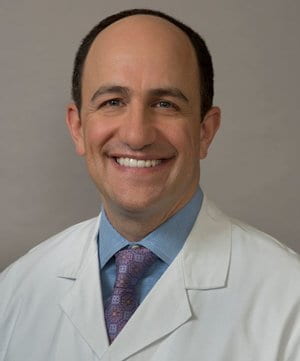 David T. Rubin合作论文数Division of the Biological Sciences, University of Chicago;Digestive Diseases Center, University of Chicago Medicine;MacLean Center for Clinical Medical Ethic;Comprehensive Cancer Center, University of Chicago50
 Séverine Vermeire合作论文数Department of Chronic Diseases and Metabolism, Faculty of Medicine, KU Leuven47
 Bruce E Sands合作论文数Feinstein IBD Clinical Center, Icahn School of Medicine at Mount Sinai;The Mount Sinai Hospital, Icahn School of Medicine at Mount Sinai46
 Daniel C. Baumgart合作论文数44
 Britta Siegmund合作论文数43
 Wiedenmann Bertram合作论文数Charité – Universitätsmedizin Berlin42
 Torsten Kucharzik合作论文数Klinik für Allgemeine Innere Medizin, Gastroenterologie und Pneumologie, Klinikums Lüneburg42Matthew Germinaro合作论文数40
 Tadakazu Hisamatsu (久松理一)合作论文数Faculty of Medicine, Kyorin University;Department of Gastroenterology and Hepatology, Kyorin University School of Medicine38
 Vipul Jairath合作论文数Schulich School of Medicine and Dentistry, Western University;Department of medicine, Western University;Division of Gastroenterology Office, Western University37
 Stefan Schreiber合作论文数Department of Internal Medicine I, University Hospital Schleswig-Holstein;Institute of Clinical Molecular Biology, Kiel University36
 Walter Reinisch合作论文数Medical University of Vienna36
 Bernd Bokemeyer合作论文数Gastroenterologische Gemeinschaftspraxis Minden36
 Andreas Stallmach合作论文数Department of Internal Medicine, University Hospital Jena34
 Geert D’Haens合作论文数Department of Gastroenterology and Hepatology, Amsterdam University Medical Centers;University of Amsterdam32
 Brian Bressler合作论文数Division of Gastroenterology, Department of Medicine, Faculty of Medicine, The University of British Columbia31
 Ailsa Hart合作论文数Department of Metabolism, Digestion and Reproduction, Faculty of Medicine, Imperial College London30
 Brian Feagan合作论文数Division of Gastroenterology, Schulich School of Medicine & Dentistry, Western University;Robarts Research Institute, Western University;Alimentiv Inc;London Health Sciences Centre29
 Jessica Allegretti合作论文数29Zhang Hongyan合作论文数28Kuan-Hsiang Huang合作论文数27
 Gary R. Lichtenstein合作论文数Department of Medicine, Perelman School of Medicine, University of Pennsylvania;Hospital of the University of Pennsylvania26Ayşegül Aksan合作论文数25Iris Dotan合作论文数25
 Simon Travis合作论文数Nuffield Department of Medicine, University of Oxford;Linacre College, University of Oxford24
 Alessandro Armuzzi合作论文数Humanitas Research Hospital, Humanitas University21
 Remo Panaccione合作论文数Department of Medicine, Cumming School of Medicine, University of Calgary21
 Niels Teich合作论文数Internistische Gemeinschaftspraxis für Verdauungs- und Stoffwechselkrankheiten21
 Raja Atreya合作论文数Inflammatory Bowel Disease Unit, University Hospital Erlangen, Friedrich-Alexander University Erlangen-Nürnberg;Clinical Study Centre, University Hospital Erlangen, Friedrich-Alexander University Erlangen-Nürnberg21Franz Hartmann合作论文数21
 Irina Blumenstein合作论文数21
 Taku Kobayashi合作论文数School of Life Sciences, Tokyo University of Pharmacy and Life Sciences21F Hartmann合作论文数20
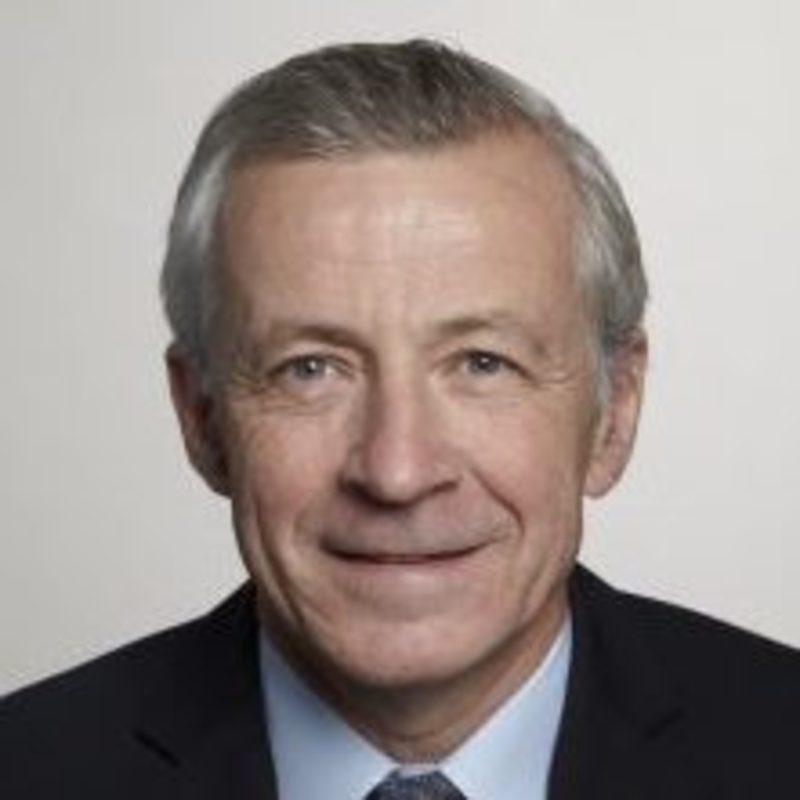 Jean-Frederic Colombel合作论文数Icahn School of Medicine at Mount Sinai20
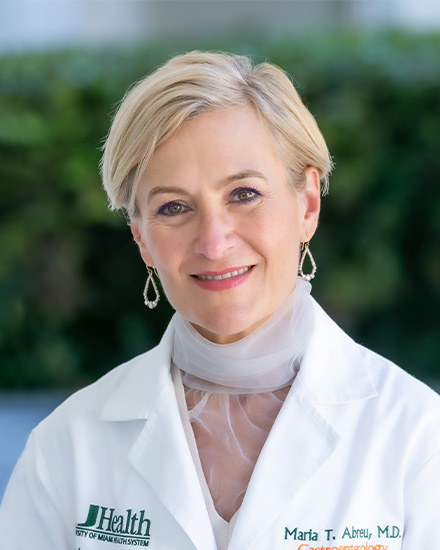 Maria Abreu合作论文数Department of Medicine, Miller School of Medicine, University of Miami20
 William Sandborn合作论文数Mirador Therapeutics20Corey A. Siegel合作论文数20Jost Langhorst合作论文数19
 Dominik Bettenworth合作论文数Department of Medicine B, University of Münster19Ye Miao合作论文数18
 Peter Kienle合作论文数18Gerhard Rogler合作论文数18Muhammad rafki Nazar合作论文数Janssen-Cilag Polska Sp. Z. o.o17




