In Crohn’s disease (CD), transmural inflammation is strongly linked to adverse long-term outcomes (1,2). It is unclear whether a “non-transmural disease” assessed by intestinal ultrasound (IUS) at diagnosis predicts a more favorable early disease course. We aimed to characterize baseline features and 1-year outcomes in an ongoing prospective inception cohort of patients with newly diagnosed CD, stratified by IUS findings at presentation. Consecutively enrolled patients (May 2021–present), underwent baseline IUS assessment using the International Bowel Ultrasound segmental activity score (IBUS-SAS) (3). “Non-transmural disease” was defined a priori using an IBUS-SAS cutoff of < 23.8 (4). Baseline comparisons included CDAI, CRP, faecal calprotectin, SES-CD, and recommendation to initiate biologic therapy. The composite 1-year outcome comprised any CD-related surgery, hospitalization, steroid dependence, or exposure to ≥ 2 biologics. In patients with paired IUS assessments (baseline and 1 year), within-patient changes in IBUS-SAS were evaluated. Of 117 patients with newly diagnosed CD, 91 (78%) had baseline IUS, 83 completed 1-year follow-up and 61 had follow-up IUS at 1 year. The 41.7% patients with “non-transmural disease” at baseline had significantly lower baseline CDAI (median [IQR] 155 [86–226] vs 232 [173–276]); CRP (0.32 [0.15–1.47] vs 2.53 [1.01–4.87] mg/L); faecal calprotectin (309 [104–749] vs 878 [430–1860] μg/g); and SES-CD (6 [4–13] vs 10 [7–12]) compared to those with active transmural disease. Recommendation for biologic initiation was less frequent (58% vs 89%), as was biologic start within 1 year (47% vs 79%). At 1 year, the composite complication rate was significantly lower in the “non-transmural disease” baseline IUS group (8.6% vs 29.2%; p = 0.03). In the paired IUS subset (n = 61), IBUS-SAS improved by a median of − 9.8 (−43.2–0) points. The most prominent improvement was observed in patients with active transmural disease at baseline (IBUS-SAS >23.8) (−39.0 [−58.0–−19.2]; p < 0.001). A “non-transmural disease” IUS (IBUS-SAS <23.8) at CD diagnosis identifies a substantial subgroup of patients with lower inflammatory burden, reduced early need for biologics, and markedly fewer 1-year complications. Incorporating routine IUS phenotyping at diagnosis may enhance early risk-stratification. References: 1.Fernandes SR, Rodrigues RV, Bernardo S, et al. Transmural healing is associated with improved long term outcomes in patients with Crohn’s disease. Inflammatory Bowel Diseases. 2017;23(8):1403-1409. doi:10.1097/MIB.0000000000001143 2.Castiglione F, Imperatore N, Testa A, et al. One year clinical outcomes with biologics in Crohn’s disease: Transmural healing compared with mucosal or no healing. Aliment Pharmacol Ther. 2019;49(8):1026-1039. doi:10.1111/apt.15190 3.Novak KL, Nylund K, Maaser C, et al. Expert consensus on optimal acquisition and development of the International Bowel Ultrasound Segmental Activity Score (IBUS-SAS): A reliability and inter-rater variability study on intestinal ultrasonography in Crohn’s disease. Journal of Crohn’s and Colitis. 2021;15(4):609-616. doi:10.1093/ecco-jcc/jjaa216 4.Long X, Peng C, Zhang X, et al. Different imaging techniques’ diagnostic efficacy for Crohn’s disease activity and external validation and comparison of MDCTAs, SES-CD and IBUS-SAS. BMC Gastroenterol. 2024;24(1):277. doi:10.1186/s12876-024-03376-8 Conflict of interest: Banai Eran, Hagar: No conflict of interest Gal, Donna: No conflict of interest Sharar Fischler, Tali: No conflict of interest Ollech, Jacob: No conflict of interest Avni Biron, Irit: No conflict of interest Snir, Yifat: No conflict of interest Broitman, Yelena: No conflict of interest Friedenberg, Adi: No conflict of interest Pauker, Maor: No conflict of interest Dotan, Iris: Grant: The Leona M. and Harry B. Helmsley Charitable Trust, Altman Research, Pfizer, BMS Personal Fees: Pfizer, Falk, Ferring, Abbvie, Janssen, Celltrion, Takeda, Celgene/BMS, Gilead, Galapagos, Materia Prima, Sandoz, Sublimity, Sangamo, Spyre, Eli-Lilly, Harp Diagnostics, Gutreat, Astra Zeneca Yanai, Henit: Grant: Pfizer, ISF Personal Fees: AbbVie, Janssen, Pfizer, Takeda, Bristol Myers Squibb, and Elly Lilli.
Nurses play a key role in inflammatory bowel disease (IBD) management. This randomized controlled trial evaluated intensive nurse-led program in patients with IBD starting advanced therapy. Patients were randomized (1:1) to intensive nurse follow‑up (Arm A) or standard care (Arm B). Both arms received baseline nurse education; Arm A additionally had scheduled nurse calls and visits. Primary outcome was reduction in IBD‑Disk score in W12. Secondary outcomes were W52 reduction, robust response (> 20-point improvement), and IBD-Disk remission (score < 40). Overall, 98 patients were randomized (Arm A: n = 50; Arm B: n = 48) with similar baseline characteristics. Mean baseline IBD‑Disk scores were 49.2 ± 20.7 in Arm A and 42.0 ± 19.8 in Arm B (p = 0.07). At W12, both groups improved, with greater IBD-Disk reductions in Arm A (16.1 ± 22.9 vs. 10.1 ± 20.1, p = 0.09). At W52, improvement was greater in Arm A (18.4 ± 20.7 vs 9.4 ± 17.8; p = 0.08). More patients achieved robust response in Arm A (49
The Mediterranean diet (MED) is increasingly recommended as a dietary strategy for patients with inflammatory bowel diseases (IBD). However, feasibility and cultural adaptability across diverse populations may be challenging, and data are limited. The IBDMED is a microbiota-targeted, MED-based nutritional education program tailored for patients with IBD. This study assessed the feasibility of implementing IBDMED beyond the Mediterranean region by comparing adherence and related influencing factors in two distinct geographic and ethnic countries, Israel (ISR) and India (IND). Patients with early mild-to-moderate Crohn’s disease were randomized to the IBDMED intervention or a local standard-of-care dietary counseling (control). The IBDMED program comprised individualized dietitian consultations, a mobile app with MED-based guidance, online dietitian chat and wearables for lifestyle monitoring. Traditional recipes were adapted to MED principles, and in IND, olive oil was provided. Adherence was evaluated using a predefined IBDMED adherence score1. Patient feedback questionnaires were collected at week 8 to identify factors promoting adherence. Analyses were stratified by study arm (IBDMED vs control) and country (ISR, IND). (NCT05536544). Seventy-eight patients completed the 8-week program (ISR = 42; IND = 36). The median age was 34 years (IQR 25-42) and median BMI was 23.2 kg/m2 (IQR 20.5-26.7). Adherence scores improved significantly in both arms, with greater improvement in the IBDMED group than in controls (+3.6 vs + 1.2; both p < 0.01) and in both countries (ISR + 2.46; IND + 2.28; both p < 0.001). Country-specific patterns were observed: in ISR, intake of fruit and yogurt increased, whereas in IND, intake of whole grains, legumes, and nuts increased. Vegetable and olive oil intake increased across both countries. Significant reductions were noted in red and processed meat and artificial sweeteners in ISR, and in sweet pastries and salty snacks in IND. Among IBDMED participants completing feedback (34/39, 87%), satisfaction was high (mean 4.7 ± 0.5 on a 1–5 scale), and only 8.8% reported difficulty adhering. Weekly dietitian calls were rated the most supportive tool for increasing adherence, followed by the daily app questionnaire, online chat, and wearables. Importantly, dietary and lifestyle changes were reported among family members of enrolled patients (ISR: 57.9%; IND: 86.7%). The IBDMED intervention was feasible and culturally adaptable across ISR and IND, showing high adherence and favorable, country-specific dietary changes. Collateral household benefits were observed. Identified adherence-promoting factors should be used to implement MED-based dietary strategies in diverse geographic settings. Reference: 1. Godny L. et al, Gastroenterology 2025 [PMID: 39814239] Conflict of interest: Shakhman, Shelly: No conflict of interest Elial-Fatal, Sarine: No conflict of interest Godny, Lihi: Grant: Helmsley Charitable Trust Pfeffer-Gik, Tamar: Altman Health Janssen Strauss group Fathima, Sana: None Raghunathan, Nalini: No conflict of interest Yanai, Henit: Grant: Pfizer, ISF Personal Fees: AbbVie, Janssen, Pfizer, Takeda, Bristol Myers Squibb, and Elly Lilli. Rabinowitz, keren: No conflict of interest Banerjee, Rupa: RB has received grants/research support from Asian Healthcare Foundation, and the Leona M and Harry B Helmsley Charitable Trust Advisory board fees from Abbott, AstraZeneca, Abbvie, Cadila, Cipla, Dr Reddy Labs, Eli Lilly, Emcure, Ferring Pharma, Hetero Drugs, Janssen, MSN Labs, Mankind Pharma, Menarini, Micro Labs, Pfizer, Sun Pharmaceuticals, Takeda Pharmaceuticals, Torrent, Waterley, and Zydus. Dotan, Iris: Grant: The Leona M. and Harry B. Helmsley Charitable Trust, Altman Research, Pfizer, BMS Personal Fees: Pfizer, Falk, Ferring, Abbvie, Janssen, Celltrion, Takeda, Celgene/BMS, Gilead, Galapagos, Materia Prima, Sandoz, Sublimity, Sangamo, Spyre, Eli-Lilly, Harp Diagnostics, Gutreat, Astra Zeneca
BACKGROUND:Siblings of individuals with Crohn's disease (CD) are at increased risk for developing CD but the underlying mechanisms remain unclear. OBJECTIVE:We hypothesised that childhood (vs adult) exposure to a sibling with CD drives microbial perturbations, increasing CD susceptibility. DESIGN:We used the prospective Genetic Environmental Microbial (GEM) Project and the nationwide South Korean database to assess the association between childhood exposure to affected siblings and CD onset. The association between childhood exposure and gut microbiome was evaluated in the GEM cohort. A T-cell transfer model of colitis in germ-free mice was conducted to investigate the effects of stool from childhood-exposed versus adult-exposed siblings. Finally, an integrative risk model combining faecal calprotectin (FCP) and microbial enterotypes was trained and internally validated within the GEM cohort. RESULTS:In the GEM cohort, childhood exposure to an affected sibling was associated with a fourfold higher risk of developing CD compared with adult exposure (adjusted HR (aHR) (95% CI) 4.00 (1.83 to 8.75); p=5.3×10⁻⁴), which was validated in the South Korean dataset (aHR (95%CI) 2.54 (1.70 to 3.81; p=6.0×10⁻⁶)). Childhood exposure was associated with reduced abundances of Lachnospira, Roseburia and Colidextribacter, reductions that mediation analysis identified as partially mediating CD risk. In vivo, transplantation of childhood exposure-associated microbiota into germ-free recipient mice exacerbated colitis and elevated mucosal interleukin-22 expression, supporting a potential mechanistic role. Our model identified siblings with elevated FCP and Blautia-enriched or Prevotella-enriched enterotypes as highest risk, with a 10-year cumulative incidence of 22.5%. CONCLUSION:Childhood exposure to siblings with CD is an independent risk factor of CD onset, potentially mediated by early-life microbial perturbation.
BACKGROUND & AIMS Pouchitis, de-novo small intestinal inflammation is the most common complication developing in patients with ulcerative colitis after total large bowel resection and ileal pouch-anal anastomosis (IPAA) reconstruction. While the first line treatment is antibiotics, the microbial properties underlying flare, remission, and relapse remain vague. We aimed to investigate how antibiotic treatment drives microbial shifts that underlie remission and contribute to relapse. METHODS Patients after IPAA were prospectively recruited during clinical flare (active pouchitis defined by the pouchitis disease activity index) and received a two-week course of metronidazole with either ciprofloxacin or doxycycline. Longitudinal follow up was conducted during a year. Clinical data were recorded, and fecal samples were obtained during consequent flares, recovery, and relapses. Microbial gene repertoire, strains, and resistance to antibiotics were determined. Metagenomic sequencing was integrated with whole-genome sequencing of Escherichia coli isolates, providing strain-specific virulence and antibiotic resistance profiles. RESULTS Patients (n=21) recruited provided 130 samples over one-year follow-up. Both antibiotic regimens induced rapid but transient clinical improvement, reflected by a decrease in fecal calprotectin (728 to 265 μg/g, p<.05), and a marked reduction in bacterial exotoxin genes (p<.05), yet both parameters rebounded by 6 weeks post-treatment. Antibiotic resistance gene abundance significantly increased during treatment (p<.05), without expansion of resistance gene diversity, indicating that pre-existing resistant strains increased. CONCLUSIONS Antibiotic-induced remission in pouchitis likely results from a temporary suppression of exotoxin-producing bacteria, enabling resistant, low-virulence strains to transiently dominate; The fact that harmful strains quickly rebound after treatment cessation highlights the need for targeted approaches to achieve sustained microbial control.
Background:The Crohn's disease (CD) exclusion diet (CDED) is an emerging dietary therapy for inducing remission in CD. However, data on its effects on gut microbiome in adults remain limited. This study investigated microbial responses to CDED in adults with mild-to-moderate CD and compared them with pediatric patients and healthy pediatric controls. Methods:Microbiome data were analyzed from a randomized controlled trial (RCT) in adults (baseline, weeks 6, 12, 24) and a pediatric RCT (baseline, weeks 6, 12). Baseline microbial composition, diversity, and functional potential were compared between patients who achieved sustained clinical remission (SCR) at both weeks 12 and 24 and those who did-not. Functional profiling was performed using gene ortholog annotations, linear discriminant analysis, and metabolite inference. Results:Baseline microbial and functional profiles differed between patients with and without SCR. SCR was associated with lower alpha diversity, higher relative abundances of Alistipes and Faecalibacterium, and increased flagellin gene expression. SCR was associated with enrichment of genes for redox balance, fatty acid metabolism, and DNA repair, while non-SCR showed elevated NAD biosynthesis, bacterial adhesion, and pro-inflammatory pathways. Haemophilus and Prevotella were negatively linked to SCR. Compositional and functional microbiome analyses revealed a microbiome shift during CDED-induced remission toward a profile more similar to healthy pediatric controls. Conclusions:Before and during CDED, distinct baseline microbial and functional profiles were associated with SCR. These highlight the potential of the gut microbiome as a biomarker for identifying patients most likely to benefit from sustained effects of dietary therapy, supporting a more personalized approach to CD management.
INTRODUCTION:The implementation of imaging features in administrative databases and electronic health records is limited by non-standardized free-text radiology reports. We developed a natural language processing (NLP) tool to automatically extract imaging-based variables from radiological reports and integrate them with clinical data to predict disease course in children and adults with Crohn's disease (CD). METHODS:Free-text reports from Magnetic-Resonance Enterography and Computed-Tomography Enterography of patients with newly diagnosed CD were linked to clinical data from the nationwide epi-IIRN cohort and processed using Hierarchical Structured Matching Prediction BERT (HSMP-BERT), an NLP model. The primary outcome was difficult-to-treat course, defined by steroid-dependency, the need for ≥2 classes of biologics or surgery. Predictors were identified using Cox proportional hazards and Gradient Boosting Survival Analysis (GBSA) machine learning models. RESULTS:Among 780 newly diagnosed patients, 160 (20%) developed difficult-to-treat course. Imaging-based predictors, including stricturing/penetrating disease, disease location, disease extent and the MaRIAs score, demonstrated modest discrimination for difficult-to-treat course (0.59 [95%CI 0.53-0.65]). Clinical predictors (laboratory values, induction treatment, age, sex and perianal involvement), showed better discrimination (AUC of 0.68 [95%CI 0.64-0.73]), while combining imaging and clinical variables resulted in only marginal improvement (AUC of 0.69 [95%CI 0.64-0.74]). In GBSA, the AUC was 0.57 (0.52-0.65) for radiologic model, 0.65 (0.62-0.72) to clinical model and 0.67 (0.61-0.72) to the integration model. For surgery, the improvement was more pronounced, in both, Cox regression and GBSA. Across models, the most influential predictors were induction treatment with systemic steroids, and stricturing or penetrating disease. CONCLUSIONS:Automated NLP-based extraction of imaging reports linked to clinical and laboratory data enables scalable and standardized phenotyping of CD in large datasets and populations.
The International Organization for the Study of Inflammatory Bowel Disease (IOIBD) is an international scientific organization that has shaped the framework for inflammatory bowel disease (IBD) research, clinical management strategy, therapeutic development, and clinical trial methodology for more than four decades. Formally constituted in April 1981 in Lyon, France, IOIBD was created to address fundamental barriers to scientific and clinical progress in IBD, including inconsistent definitions of disease activity and outcomes across studies and countries. Since the establishment of the IOIBD Foundation for Research and Education in 1997, IOIBD has combined a highly engaged global membership of experts with structured governance, continuously active thematic clusters, and an annual rotating international meeting to deliver consensus frameworks and collaborative initiatives that translate directly to clinical practice and regulatory and translational science. Key outputs include studies of global epidemiology of IBD, the Selecting Therapeutic Targets in IBD (Selecting Therapeutic Targets in Inflammatory Bowel Disease, STRIDE) treat-to-target programs; the SPIRIT consensus initiative addressing long-term disease impact and endpoints for disease-modification trials; validated approaches to capturing disability and patient-reported outcomes; consensus guidance on nutrition and diet as modifiable and potentially disease-modifying factors; recommendations to optimize IBD clinical trial design and endpoints; reclassification of IBD initiative; rapid international guidance during the COVID-19 pandemic; and educational initiatives including topic-focused satellite symposia, the Helmsley-IOIBD Clinical Experience Exchange Program, and the Empowering Women in IBD Leadership Program (EMPOWHER). This manuscript reviews IOIBD's history, operational model, selected scientific contributions, educational mission, and evolving strategy as the field moves toward precision medicine, globalization of care, and data-intensive approaches, including artificial intelligence.
BACKGROUND & AIMS:Prolonged washout periods between advanced therapies and investigational drugs are commonly required in inflammatory bowel disease (IBD) randomized controlled trials (RCTs). These requirements restrict patient enrollment and diverge from real-world clinical practice. This study aimed to establish an international expert consensus on washout durations for advanced therapies and conventional immunosuppressants (IS) in IBD clinical trials and to propose methodological recommendations for future study designs. METHODS:An international panel of 12 IBD clinical trial experts participated in a Delphi consensus process. Agreement of ≥75% among participants was predefined as consensus. RESULTS:A total of 12 statements were approved. Consensus was reached to eliminate washout periods for conventional IS (thiopurines, tacrolimus, methotrexate, and mycophenolate mofetil). For golimumab and ozanimod, experts agreed on a 2-week washout period. For other biologics (infliximab, adalimumab, vedolizumab, ustekinumab, and anti-IL-23 agents), most participants favored a 2-4-week washout duration and for JAK inhibitors and etrasimod, participants supported a short 2-week washout, though without reaching formal consensus. Experts recommended incorporating washout-based stratification (<4 vs ≥4 weeks) at randomization into future trial designs to evaluate its impact on safety, pharmacokinetics, and efficacy outcomes. CONCLUSIONS:This international Delphi consensus highlights the need to adapt current washout practices in IBD RCTs to real-world practice. Experts supported shorter and standardized washout durations-preferably less than 4 weeks-to better align with clinical practice, while maintaining patient safety. Acceptance of these recommendations by regulators could harmonize washout duration criteria, enhance recruitment efficiency, and accelerate patient access to innovative therapies without compromising safety.
Inflammatory bowel diseases (IBD) are chronic inflammatory disorders shaped by environmental factors, including diet. The Mediterranean diet, beneficial for IBD, is rich in flavonoids. Apigenin, a dietary flavonoid with suggested anti-inflammatory effects in experimental IBD models, was thus selected as a prototype flavonoid for testing its effects on the human intestinal mucosa, and the underlying mechanisms. Colonic and small bowel mucosal explants were obtained from patients with Crohn’s disease (CD) and non-IBD controls (NC). Explants were incubated overnight with/without 50 µM apigenin. Explants’ differential gene expression was assessed by RNA-sequencing followed by DESeq2 and pathway enrichment analyses. Supernatants from the same explant cultures were analyzed for IL6, IL8, IL1β, and CXCL1 (ELISA). Peripheral blood mononuclear cells (PBMCs) from patients with IBD and NC were stimulated with IFNγ and heat-killed E. coli with/without 5–50 µM apigenin; supernatants were analyzed for IL6 and IL8 (ELISA). To simulate inflammatory conditions NC human intestinal organoids (HIOs) were stimulated with IFNγ or heat-killed E. coli with/without 50 µM apigenin, and supernatants were analyzed for CXCL1and IL8 (ELISA). Mucosal explants, HIO and PBMCs used for ex-vivo assessments were obtained from 30 patients with IBD and 12 NC. Apigenin-treated CD mucosal explants (n = 6) had 2708 differentially expressed genes identified (RNA-seq) compared to untreated controls. Downregulated pathways included innate immunity (TLR2, IL24, IL1b), epithelial functions, i.e. redox regulation (DUOX2, DUOXA2, NOS2) and mucin expression (MUC1, MUC4, MUC17). Upregulated pathways included extracellular matrix organization (FMOD, ECM2 and several COL genes), antigen presentation (HLA-DQA1, HLA-DQA2, HLA-DRB1) and cell growth (IGF1, NGF, GDF9). Cytokine secretion of ileal mucosal explants was significantly reduced by apigenin, specifically IL6, IL8 IL1β and CXCL1 levels (p < 0.01, p < 0.05, p < 0.05, and p < 0.05, respectively) while in colonic explants only IL6 secretion was significantly (p < 0.05) reduced. Apigenin reduced CXCL1secretion in stimulated HIOs and significantly decreased IL6 and IL8 production by stimulated PBMCs (p < 0.01). Inhibition rates of cytokine secretion from colonic and ileal mucosal explants as well as PBMCs ranged from 0% to 79%, reflecting marked inter-individual variability. Apigenin exerts anti-inflammatory effects in human intestinal mucosa, modifying both immune and epithelial pathways. Ex-vivo testing of dietary metabolites like apigenin may provide a functional framework for predicting individual responses and advancing mechanism-based nutritional therapy in IBD. Conflict of interest: Dr. Rabinowitz, Keren Masha: No conflict of interest Abu-Taha, Hanan: No conflict of interest Shafran, Yana: No conflict of interest Grunwald, Assaf: No conflict of interest Arruas, Jessica: No conflict of interest Avraham, Sharon: No conflict of interest Kaboub, Kawsar: No conflict of interest Cohen Kedar, Sarit: No conflict of interest White, Ian: No conflict of interest Wasserberg, Nir: No conflict of interest Brook, Elena: No conflict of interest Levy Barda, Adva: No conflict of interest Yanai, Henit: Grant: Pfizer, ISF Personal Fees: AbbVie, Janssen, Pfizer, Takeda, Bristol Myers Squibb, and Elly Lilli. Godny, Lihi: Grant: Helmsley Charitable Trust Dotan, Iris: Grant: The Leona M. and Harry B. Helmsley Charitable Trust, Altman Research, Pfizer, BMS Personal Fees: Pfizer, Falk, Ferring, Abbvie, Janssen, Celltrion, Takeda, Celgene/BMS, Gilead, Galapagos, Materia Prima, Sandoz, Sublimity, Sangamo, Spyre, Eli-Lilly, Harp Diagnostics, Gutreat, Astra Zeneca
BACKGROUND:Real-world evidence (RWE) studies complement randomized trials by assessing treatment effectiveness and safety in routine clinical practice. In Crohn's disease (CD), heterogeneous disease progression makes standardized timing of outcome assessment critical, yet guidance is limited. METHODS:We conducted a two-round Delphi survey with international inflammatory bowel disease experts to identify clinically meaningful time points for 10 priority outcomes across four clinical scenarios: during and after the first year, with and without advanced therapy. RESULTS:Baseline and 12 months were identified as essential time points across all treatment contexts. Intermediate assessments at 3 and 6 months were recommended for dynamic outcomes (eg, biomarkers, clinical remission), while annual evaluations were suggested for slowly evolving outcomes (eg, colorectal cancer risk, CD-related surgeries). Timing preferences varied by treatment exposure and disease activity phase. CONCLUSIONS:We provide the first expert-endorsed temporal framework for outcome assessment in RWE studies of CD. Standardized measurement timing can enhance study comparability and methodological rigor, supporting more consistent interpretation of real-world data. Claims are limited to framework development and do not extend to direct clinical or regulatory impact.
Patients with Crohn's disease can have isolated or co-existent upper gastrointestinal involvement, but this is an understudied clinical manifestation. There are neither standardised definitions nor diagnostic or management recommendations to help to guide clinical practice. Therefore, we conducted a RAND/University of California Los Angeles appropriateness study on the definition, diagnosis, management, and appropriate outcomes of upper gastrointestinal Crohn's disease (UGICD). An international expert panel of 30 gastroenterologists and pathologists and two patient representatives were recruited. Following a previously published systematic review, 1061 candidate items were grouped into questions and evaluated for appropriateness. Two modified Delphi rounds of voting with an interposed moderated group discussion were performed. The expert panel defined UGICD as disease occurring in the oesophagus, stomach, and/or duodenum (proximal to the ligament of Treitz) that can occur at any time during the disease course. Upper endoscopy is appropriate only in patients with newly diagnosed or existing Crohn's disease with suspicion for upper gastrointestinal involvement (eg, upper gastrointestinal symptoms or the presence of anaemia). Management of UGICD should be determined on a case-by-case basis and factors, such as disease location and symptomatic, endoscopic, and imaging severity, should guide medical, endoscopic, and surgical intervention. Both clinical and endoscopic response and remission are appropriate treatment targets for routine clinical practice; there is uncertainty about the value of histological outcomes in UGICD.
Tumor-associated B cell responses are frequently observed in tumors and their draining lymph nodes, yet their antigen specificities and functional potential remain incompletely defined. Historically, intracellular antigens have been largely disregarded in tumor antigen mining and discovery efforts. In particular, the extent to which intracellular tumor antigens can be effectively targeted by antibodies and the cellular immune system has remained unclear, poorly characterized, and therapeutically underexploited. We developed a high-throughput platform combining hybridoma generation with unbiased antigen-based flow cytometric enrichment to isolate tumor-reactive monoclonal antibodies. Using a murine 4T1 triple-negative breast cancer model engineered to express the intracellular protein ZsGreen1 (ZsG), we characterized B cell responses and selected antigen-specific hybridomas via fluorescence-activated cell sorting. Antibody specificity was validated using biochemical and cellular assays, and in vivo activity was evaluated following systemic administration. Translational applicability was assessed using hybridomas generated from human tonsillar and peripheral blood B cells. Tumor growth elicited a class-switched, antigen-specific B cell response against the intracellular ZsG antigen. Hybridomas retained a dual phenotype, expressing both surface B cell receptors and secreted immunoglobulins, enabling efficient antigen-driven selection. Isolated monoclonal antibodies recognized native intracellular epitopes that were not detectable using conventional screening approaches. Notably, systemic administration of an anti-ZsG antibody was associated with reduced tumor growth in early established tumors in vivo, supporting functional antibody activity under these conditions. Furthermore, biotinylated tumor lysates enabled unbiased identification of additional tumor-reactive antibodies, and the platform was successfully extended to human B cells. These findings support the accessibility of intracellular tumor antigens to antibody recognition and establish a framework for discovering antibodies targeting this antigen class. The platform described here provides a scalable approach for isolating tumor-reactive antibodies and expands the landscape of potential targets for cancer immunology and immunotherapy.
Abstract Mucosal healing (MH) is the primary therapeutic endpoint in ulcerative colitis (UC), yet frequent relapses suggest it does not reflect complete tissue recovery. To define the basis of this vulnerability, we generated a multimodal atlas of UC integrating single-cell and bulk transcriptomics, Visium HD spatial profiling, and multiplexed imaging across 89 patients. We show that MH represents a distinct biological state marked by persistent stromal remodeling along three axes: emergence of inflammatory fibroblasts, sustained loss of OGN⁺ niche-supporting fibroblasts, and expansion of pericytes with matrix-remodeling features and reduced vascular association. Spatial analyses revealed persistent reorganization of mucosal tissue domains despite apparent clinical remission. Across independent cohorts, baseline inflammatory fibroblast and pericyte signatures robustly predicted non-response to anti-TNF therapy. These findings suggest that patients in MH remain in a biologically altered state linked to relapse risk and identify stromal reprogramming as a determinant of disease persistence and therapeutic response in UC.
BACKGROUND & AIMS:Central reading of endoscopy and histopathology is the current standard for disease activity assessment in inflammatory bowel disease (IBD) clinical trials but is limited by interreader and intrareader variability, operational delays, and cost. Artificial intelligence (AI) and machine learning (ML) offer the potential to improve accuracy, efficiency, and reproducibility. The International Organization for the Study of IBD (IOIBD) developed consensus statements on AI/ML use for endoscopic and histologic endpoint assessment in IBD trials. METHODS:As part of the IOIBD endpoints cluster initiative, a narrative, evidence-informed review with literature searches of Medline and Embase (January 2018-February 2025) identified studies applying AI/ML to endoscopy or histology in IBD. Relevant evidence informed 36 survey statements formulated by a steering committee. Seventy-two IOIBD members were invited to vote online; consensus required ≥80% agreement (score: 7-10 on a 10-point scale). RESULTS:Forty-five members completed the survey. Consensus was reached for 28 statements related to endoscopy, pathology, and trial design. Experts agreed that AI-based central reading could improve diagnostic accuracy, expedite processes, reduce costs, and enhance reproducibility. Combining human and AI assessments was favored over AI replacement. The key limitations identified included insufficient validation, generalizability concerns, and dependence on human-annotated training datasets. CONCLUSIONS:This IOIBD consensus supports the integration of AI/ML into central reading for IBD clinical trials to improve objectivity, efficiency, and consistency, while maintaining human oversight. Further research should address validation, regulatory frameworks, and multimodal integration to enable broader adoption in both trials and clinical practice.
 Henit Yanai合作论文数115Dan Turner合作论文数58Irit Avni Biron合作论文数49
 Idan Goren合作论文数49Hagit Tulchinsky合作论文数48
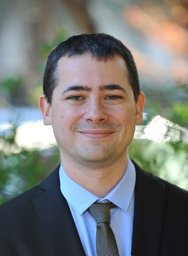 Jacob Ollech合作论文数Pulmonary Institute;Rabin Medical Center;Sackler Faculty of Medicine;Tel Aviv University45
 Nitsan Maharshak合作论文数Sackler Faculty of Medicine, Tel Aviv University43Shomron Ben-Horin合作论文数39Keren M. Rabinowitz合作论文数35
 Uri Kopylov合作论文数Sheba Medical Center & Sackler School of Medicine, Tel-Aviv University34Snir Yifat合作论文数33Matz Eran合作论文数33Yehuda Chowers合作论文数31Ron Yulia合作论文数30
 Danese Silvio合作论文数Vita-Salute San Raffaele University;IRCCS Humanitas Research Hospital30Zohar Levi合作论文数Petach Tikva and Sackler Faculty of Medicine, Tel Aviv University29
 Séverine Vermeire合作论文数Department of Chronic Diseases and Metabolism, Faculty of Medicine, KU Leuven28
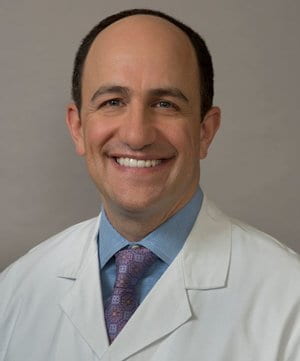 David T. Rubin合作论文数Division of the Biological Sciences, University of Chicago;Digestive Diseases Center, University of Chicago Medicine;MacLean Center for Clinical Medical Ethic;Comprehensive Cancer Center, University of Chicago27
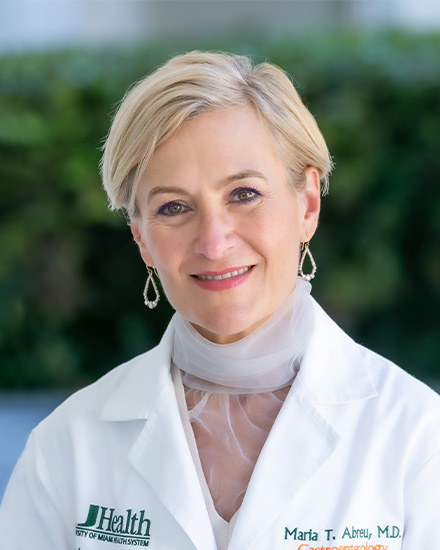 Maria Abreu合作论文数Department of Medicine, Miller School of Medicine, University of Miami27
 Uri Gophna合作论文数The Shmunis School of Biomedicine and Cancer Research, George S. Wise Faculty of Life Sciences, Tel Aviv University27
 L Godny合作论文数Sackler Fac Med, Tel Aviv Univ26Shira Greenfeld合作论文数25
 Axel Dignass合作论文数Department of Medicine, Agaplesion Markus Hospital, Goethe University25Revital Kariv合作论文数25
 Laurent Peyrin-Biroulet合作论文数CHRU De Nancy24
 Yiska Loewenberg-Weisband合作论文数Clalit Hlth Serv, Clalit Res Inst22
 Rami Eliakim合作论文数22Revital Barkan合作论文数21
 Remo Panaccione合作论文数Department of Medicine, Cumming School of Medicine, University of Calgary21Ariella Bar-Gil Shitrit合作论文数21Hofit Elad合作论文数21Sarit Cohen-Kedar合作论文数20
 Vipul Jairath合作论文数Schulich School of Medicine and Dentistry, Western University;Department of medicine, Western University;Division of Gastroenterology Office, Western University19Adi Barzel合作论文数Sch Neurobiol Biochem & Biophys, Tel Aviv Univ18
 Geert D’Haens合作论文数Department of Gastroenterology and Hepatology, Amsterdam University Medical Centers;University of Amsterdam18
 Rachel Gingold-Belfer合作论文数18Ungar Bella合作论文数From the Department of Gastroenterology, Sheba Medical Center Tel Hashomer;Institute of Clinical Pharmacology, Sheba Medical Center Tel Hashomer (RL);Pediatric Gastroenterology Unit, Edmond &Lily Safra Children's Hospital;Sackler School of Medicine, Tel-Aviv University;and Rambam Health Care Campus;Bruce Rappaport School of Medicine, Technion Institute of Technology18Zamir Halpern合作论文数18Yelena Broitman合作论文数17Gili Focht合作论文数17
 Brian Feagan合作论文数Division of Gastroenterology, Schulich School of Medicine & Dentistry, Western University;Robarts Research Institute, Western University;Alimentiv Inc;London Health Sciences Centre17Eli Brazowski合作论文数17
 Fernando Magro合作论文数Dept Gastroenterol, Ctr Hosp Sao Joao17Tali Sharar Fischler合作论文数16Natan Ledderman合作论文数16Ohad Atia合作论文数Juliet Keidan Inst Pediat Gastroenterol Hepatol &, Hebrew Univ Jerusalem16Leah Reshef合作论文数16
 Ben-Tov Amir合作论文数16
 Bruce E Sands合作论文数Feinstein IBD Clinical Center, Icahn School of Medicine at Mount Sinai;The Mount Sinai Hospital, Icahn School of Medicine at Mount Sinai16




