There is mounting evidence to suggest that T‐cell‐mediated suppression of haemopoiesis is a pathogenetic mechanism in three bone marrow failure syndromes: aplastic anaemia (AA), paroxysmal nocturnal haemoglobinuria (PNH) and myelodysplasia (MDS). T‐cell microclones can be detected by sensitive polymerase chain reaction (PCR)‐based methods in all three disorders. Recently, larger clonal populations of T‐cell large granular lymphocytes (T‐LGLs) have been observed in some patients with AA and MDS. Here, we report the development of a large clonal T‐LGL population in a patient with bona fide PNH. In this patient, we defined part of the sequence of the T‐cell receptor (TCR) β‐chain gene, and we have shown that the large T‐LGL population emerged from a background of multiple smaller T‐cell clones. Thus, T‐LGL clones in AA, MDS and PNH probably expand as a result of antigenic stimulation. It is postulated that the antigen driving clonal T‐cell proliferations in these disorders exists on haemopoietic stem cells.
OBJECTIVES: Our objectives were to (1) expand and strengthen the women's health curriculum at the University of California, San Francisco, and (2) evaluate the responses of both medical students and faculty to this curriculum.STUDY DESIGN: A written evaluation of the curriculum in women's health was completed by both students and faculty. Variables studied included mean scores of cases, the overall course score, and the preferences of medical students for faculty specialty in teaching the small groups.RESULTS: The overall course evaluation score was 7.81 (range 1 to 10). For those students who had both faculty from internal medicine or family medicine and obstetrics and gynecology, there was a strong preference that obstetrician-gynecologists teach the majority of the cases.CONCLUSIONS: The new case-based curriculum in women's health was enthusiastically received by both medical students and faculty.
 L Luzzatto合作论文数2DJ Araten合作论文数2K. Nafa合作论文数2Karadimitris Anastasios合作论文数2R Notaro合作论文数1Iag Roberts合作论文数1Norma Wilcox合作论文数1CS ROSENFELD合作论文数1R Thertulien合作论文数1
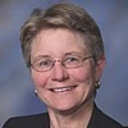 Jeanette S Brown合作论文数Department of Obstetrics, Gynecology, and Reproductive Sciences, School of Medicine, University of California, San Francisco1
 Irene Roberts合作论文数Department of Paediatrics, Medical Sciences Division, University of Oxford;MRC Molecular Haematology Unit, MRC Weatherall Institute of Molecular Medicine, University of Oxford1Patricia A. Robertson合作论文数1Mindy E. Goldman合作论文数1
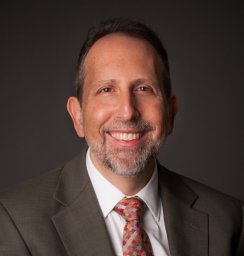 Lee A. Learman合作论文数School of Medicine, University of California1Tracy A. Flanagan合作论文数1




