La France connaît un vieillissement démographique depuis les années 1950 : au 1er janvier 2025, 28,1 % de la population avait 60 ans ou plus. Ce phénomène touche également le monde du travail dans tous les secteurs et notamment celui des soins (en 2022, 32 % des agents de la fonction publique hospitalière étaient âgés de 50 ans ou plus) et leur maintien en emploi constitue ainsi un enjeu majeur. Les professionnels de santé exercent dans un environnement professionnel exigeant, les exposant à de multiples risques physiques, psychosociaux, organisationnels ou accidentel. Cette exposition favorise une usure prématurée de leur état de santé, réduisant leur capacité de travail compromettant alors leur maintien en emploi. Or, les outils de santé au travail demeurent insuffisants pour appréhender ces problématiques complexes. Au début des années 2000, le concept de fragilité défini par Fried, est apparu en gériatrie. Il décrit un état de vulnérabilité lié à l’altération des réserves homéostatiques. Cette notion offre un cadre théorique pertinent pour anticiper la perte d’autonomie. Nous proposons d’élargir ce concept au champ du travail, en distinguant deux dimensions : la fragilité individuelle (vulnérabilité intrinsèque liée à l’état de santé) et la fragilité professionnelle (vulnérabilité induite par les conditions et l’organisation du travail). Leur articulation définit la fragilité au travail, concept qui tient compte de l’état de déclin et de vulnérabilité lié à l’âge et aux conditions de travail. Comme dans le modèle de Fried, les trois états « robuste », « pré-fragile » et « fragile » sont considérés et appuient l’idée d’un état de santé évolutif dans le temps. L’utilisation de cette notion permettrait un repérage précoce des travailleurs à risque ultérieur de désinsertion professionnelle et d’adapter les stratégies de prévention à mettre en place selon leur niveau de fragilité. Cette nouvelle approche repose sur un dépistage précoce de la fragilité au travail intégrant l’âge et les déterminants professionnels, afin de garantir aux travailleurs vieillissants un parcours professionnel soutenable jusqu’à la retraite.
Older adults, with complex needs and an elevated risk of complications, account for a high proportion of emergency visits in France. Mobile geriatric teams (MGTs) and the emergency geriatric medicine unit (EGMU) based in the emergency department (ED) have been developed to improve care. Although the EGMU reduces hospitalizations and readmissions, its cost-effectiveness remains uncertain. This study assessed the incremental cost-effectiveness ratio (ICER) of the EGMU compared to the MGT unit. In all, 338 older patients were included: 102 managed by the MGT unit in January 2014 and 236 in the EGMU in January 2015, which replaced the MGT unit. The primary efficacy endpoint was the rate of readmission to the ED within 30 days (30DRA). We conducted the analysis from the payer’s perspective, incorporated a Monte Carlo simulation, and generated a cost-effectiveness acceptability curve. The average cost per patient was estimated to be €5,738.16 in the EGMU, compared to €6,701.35 in the MGT unit. The mean 30DRA was 0.09 for the EGMU and 0.13 for the MGT unit. The ICER was €24,079 per readmission avoided (RA). The probability that the EGMU would be cost-effective at a willingness-to-pay threshold of €33,622.84 per RA was 63.26
BACKGROUND:This study aimed to estimate the risk of four adverse outcomes [disability in instrumental activities of daily living (IADL), institutionalisation, dementia and death] associated with Intrinsic Capacity (IC) impairment at baseline, and to test different combinations of IC impairments to better identify high-risk profiles. METHODS:The sample was drawn from two population-based cohorts (Three-City and AMI), in which the six IC domains were assessed: cognition, nutrition, psychology, hearing, vision and mobility. Participants were categorised into three groups: no impairment (IC0), single impairment (IC1) and two impairments or more (IC2+). Cox models were used to estimate the risk of adverse outcomes associated with IC1 and IC2+ compared to IC0. Conditional inference tree analyses, followed by Cox models, were then conducted to identify the most predictive domains and combinations defining the highest-risk profiles. RESULTS:Among the 2964 participants ≥65 included, 24.9% had one IC impairment and 62.3% had two or more. Being in the IC2+ group was associated with a significantly increased risk of all outcomes [adjusted hazard ratios (aHRs) ranging from 2.0 to 3.0], whereas IC1 was not, except for IADL-disability (aHR = 1.46; 95%CI = 1.14-1.87). Mobility, cognitive and visual impairments were constitutive of the highest-risk profiles. CONCLUSIONS:This study supports the relevance of the ICOPE-targeted IC domains in predicting adverse outcomes. Given the high proportion of individuals screened positive, refining the screening threshold by considering the number and combination of impairments may better identify those who should benefit from the subsequent steps for more advanced assessment or intervention as a priority.
Le vieillissement de la population générale constitue un enjeu majeur de santé publique et de société. La transition démographique et le recul de l’âge de départ à la retraite confrontent les organisations du travail à de nouveaux défis. Dans ce contexte de vieillissement de la population, les professionnels de santé, et en particulier les aides-soignants (AS), sont confrontés à des conditions de travail exigeantes susceptibles d’altérer leur santé (facteurs de pénibilité physiques, psychosociaux et accidentels) et de compromettre leur maintien en emploi. Dans ce contexte, nous avons réalisé une revue systématique de la littérature sur Scopus et Pubmed des études s’étant intéressées aux conditions de travail et l’état de santé des AS de 50 ans et plus travaillant dans des structures gériatriques. Au total, 6 articles ont été retenus dans cette revue de la littérature et 4 s’étaient intéressés aux TMS. Les résultats montraient que 88,4 % des AS présentaient au moins un trouble musculosquelettique et il existait un lien avec l’âge, le travail en horaire décalé ou les fortes exigences psychosociales liées à la profession. Concernant les moyens de prévention identifiés pour limiter les risques liés à la pénibilité physique, les stratégies proposées impliquaient l’acquisition et l’utilisation d’équipements de manutention adaptés, la mise en place de programmes collectifs d’échauffement et d’étirements et la réorganisation du travail pour réduire cette pénibilité. Dans un article traitant du burn-out lié au décès des patients, il était souligné le rôle essentiel du soutien social et proposait des formations spécifiques à la gestion de la mort des patients. Enfin, un article abordait les blessures par agressions ou morsures, avec des incidences respectivement de 24,7 % et de 7,8 %. Ces agressions étaient associées aux heures supplémentaires et au manque de temps pour les soins des personnels. Les stratégies de prévention suggérées comprenaient la formation à la gestion de la violence et l’augmentation des effectifs. Afin de contribuer à la continuité de la qualité des soins en structures gériatriques, il apparaît essentiel de prévenir l’usure prématurée de l’état de santé de ces professionnels, de développer et de mettre en œuvre des mesures de prévention ciblées pour réduire les risques professionnels auxquels sont soumis les AS. Ces mesures de prévention proposées devront faire l’objet d’études médicoéconomiques afin d’évaluer leur efficience.
Dans les services de gériatrie, les aides-soignants (AS) évoluent dans un contexte tendu des organisations de travail, et sont confrontés à la complexité de la prise en charge des patients. Cette situation les expose à de multiples risques professionnels pesant sur leur santé et augmentant le risque d’usure prématurée, compromettant ainsi leur maintien en emploi. En prévision d’une étude plus large évaluant les conditions de travail et l’association avec l’état de santé des AS, il a été réalisé des observations de terrain. Comprendre comment ces professionnels composent au quotidien avec la pénibilité de leur travail constitue une étape essentielle pour identifier des pistes d’amélioration de leurs conditions de travail. Ce travail repose sur une observation directe non participante menée dans trois unités d’un établissement gériatrique du CHU de Limoges, sur quatre journées typiques de travail. Les observations ont été réalisées à différents moments afin de rendre compte du roulement des équipes et des tâches à accomplir. Dans le cadre d’un travail de thèse d’université, un doctorant a suivi une AS représentative du service et l’a accompagnée dans toutes ses activités. Des entretiens non directifs ont également été conduits pour enrichir la compréhension des pratiques et des contraintes vécues. Les résultats soulignent la charge physique liée aux soins de nursing et à la distribution des repas, nécessitant postures contraignantes, manutentions de patients et déplacements constants. La charge mentale et émotionnelle est élevée, marquée par la déchéance des corps, la pression temporelle et la gestion de comportements difficiles. Les tensions d’équipe et le manque de reconnaissance hiérarchique renforcent cette pénibilité. Malgré cela, les AS témoignent pour autant d’un attachement profond à leur métier, marqué par une véritable vocation humaine. Ces observations confirment les données retrouvées dans la littérature c’est-à-dire l’existence d’une proportion importante de troubles musculosquelettiques et dans une moindre mesure d’un épuisement professionnel. Pour limiter l’usure prématurée, plusieurs pistes peuvent être identifiées : généralisation des aides mécaniques à la manutention, présence d’hôtelière aux trois repas, formations sur la fin de vie et la prévention de la violence, amélioration du soutien social et de la communication entre collègues, et mise en place d’une gestion de la mobilité professionnelle différente pour limiter la durée d’expositions aux risques, afin de préserver la santé des AS et favoriser leur maintien en emploi.
The aim of this study was to identify patient-related factors associated with attitudes toward deprescribing and to explore perceived barriers and facilitators among community-dwelling adults. A cross-sectional observational study was conducted in 60 community pharmacies across the Haute-Vienne and Dordogne regions of France. Eligible participants were adults aged ≥ 55 years, with at least one chronic condition and taking five or more chronic medications. Pharmacies were selected using a random cluster sampling method stratified by geographic area. Consecutively recruited patients completed an anonymous self-administered questionnaire assessing their attitudes toward deprescribing, perceived medication burden, and potential barriers or facilitators. Sociodemographic and clinical data were also collected. Multivariate logistic regression was used to identify factors associated with acceptance of deprescribing. Among the 505 included patients (mean age 71.9 ± 9.0 years), 24.6
Objectif Préciser (profondeur, type, évaluabilité par un test global rapide) les troubles cognitifs fonctionnels induits par la somnolence chez des personnes âgées ayant des troubles cognitifs. Méthodes Groupe de cas, issus d’une cohorte de patients de plus de 70 ans suivis pendant au moins un an en centre mémoire, qui présentent hors hospitalisation une chute réversible de leur performance cognitive, attribuée au facteur présent seulement le jour où elle est observée. Le test utilisé est le Mini-Mental State Examination (MMS) dans sa version française, qui étudie, sur 30 points, l’orientation, le calcul, l’apprentissage et le rappel de mots, le langage et la visuo-construction. Résultats La perturbation cognitive a été attribuée à la somnolence dans 3 cas sur 7. Chez une patiente de 82 ans, insuffisante cardiaque à fraction d’éjection altérée traitée par 5 molécules, ayant un MMS à 21 précédemment et chez laquelle la perte de 3 points affectait les orientations temporelle et spatiale, la somnolence était due à une dette de sommeil par lever précoce pour une consultation à 9heures (avec plus de 2heures de route) alors que les autres consultations avaient lieu l’après-midi. Chez une patiente de 78 ans, la somnolence était due à un SAS ; elle avait diminué et le MMS était passé de 23 à 25 à la consultation suivante, sous PPC. Chez une patiente de 72 ans traitée notamment par escitalopram et mirtazapine, ayant un MMS à 24 précédemment et chez laquelle la perte de 3 points affectait le calcul et le rappel, la cause de la somnolence est restée incertaine : elle ne semblait notamment ni thérapeutique (le traitement était théoriquement inchangé) ni pondérale (le poids était de 15kg de plus et le MMS de 4 points de plus à la consultation suivante). Conclusion Chez les patients âgés atteints de troubles neurocognitifs, une somnolence peut en aggraver le tableau de façon réversible, importante, diverse, évaluable par le MMS. Il convient de prévenir la somnolence, notamment en respectant les habitudes de vie, en traitant un SAS et en évitant certains médicaments, et aussi de la prendre en compte sur le plan diagnostique.
INTRODUCTION:Predispositions such as immunosenescence expose older adults to infections. Aging and sepsis lead to pharmacokinetic modifications, especially in antibiotic treatments. For severe infections such as infective endocarditis or bacteraemia, high doses of antibiotics are needed, frequently beta-lactams. Due to pharmacokinetic changes, older adults are at risk of overexposure or underexposure. The first can lead to adverse events and the second to longer length of stay or treatment failure, both of which lead to functional decline. METHODS:A retrospective single-centre study. Aged ≥ 75 years, the included patients suffered from a bacterial infection requiring high-dose intravenous beta-lactams or daptomycin. The primary endpoint was the proportion of patients having undergone serum concentration measurement. Secondary endpoints included the clinical and biological characteristics associated with serum concentration monitoring, the clinical and biological factors associated with the likelihood of monitoring, and outcomes related to whether or not serum concentration measurement was performed. RESULTS:One hundred and fifty-two (152) patients were included. The proportion of patients having undergone serum concentration measurement was 40.1% (61). The median age was 80 ± 9 years. The median Charlson Comorbidity Index score was 8 ± 4. Patients having undergone serum concentration monitoring had significantly higher rates of bacteraemia and endocarditis. Patients with Therapeutic Drug Monitoring (TDM) were found to experience fewer adverse events (39.3%, 95% CI: 27.1-52.7 vs. 45.1%, 95% CI: 34.6-55.8; p = 0.414) and lower in-hospital mortality (13.1%, 95% CI: 5.8-24.2 vs. 17.6%, 95% CI: 10.4-27.0; p = 0.459). CONCLUSION:While TDM could help to optimize treatment of older adults with infections, it remains underused. Further studies are needed to confirm its usefulness in the management of severe infections.
Background “ Unités de réadaptation cognitivo-comportementale (URCC)” are specialized units for patients with Alzheimer's disease or related dementias presenting behavioral disorders. Falls are frequent in these settings, with dementia increasing fall risk six-fold. Detection remains difficult, especially at night when staff presence is reduced. Automated telesurveillance systems (ATS) may help improve fall detection and prevention. Objective To assess the impact of ATS on the prevention of serious nocturnal falls in URCC. Methods We conducted a prospective, multicenter, randomized clinical trial including 344 patients in the URCC units of Brive and Limoges. Patients in the intervention group were monitored with ATS, while controls stayed in rooms without ATS. Results Patients had a mean age of 83.6 years (SD = 6.1), with 58% women. The cumulative incidence of serious nocturnal falls was 0.01 (SD = 0.02) per patient per stay, with no difference between groups (U = 13,739; p = 0.262). For non-serious nocturnal falls, incidence was 0.03 (SD = 0.07) in the intervention group versus 0.01 (SD = 0.04) in control group (U = 15,391; p = 0.054). Total nocturnal falls were similar (0.03 versus 0.02; U = 14,684; p = 0.529). Conclusions ATS allowed detection of more non-serious nocturnal falls, potentially enabling tailored prevention strategies to reduce future falls. Further studies are needed to evaluate the effectiveness of these interventions. Trial registration ClinicalTrials.gov NCT01561872 (registered 13/02/2015).
Dans un contexte de vieillissement de la population active et de recul de l’âge de départ à la retraite, la question du vieillissement au travail devient centrale, notamment dans les secteurs de soins, où la moyenne d’âge est élevée. De nombreux professionnels de santé exercent au-delà de 50 ans, souvent dans des conditions de travail éprouvantes, susceptibles d’altérer leur santé et leurs capacités à poursuivre leur travail. De plus, les perceptions négatives à l’égard des travailleurs plus âgés sont fréquentes en milieu professionnel. L’objectif de ce travail était d’évaluer la perception des professionnels de la santé au travail sur le vieillissement et la pénibilité des personnels de santé vieillissants. Une enquête a été réalisée auprès des médecins et des infirmiers de santé au travail (IDEST) de la Nouvelle-Aquitaine prenant en charge des personnels soignants de structures publiques ou privées entre septembre et décembre 2025. Un auto-questionnaire a été proposé en ligne et étudiait les stéréotypes perçus, le suivi et les moyens de prévention mis en place par les professionnels de santé au travail et les moyens de prévention de la désinsertion professionnelle pour ces soignants de plus de 50 ans. L’analyse préliminaire des résultats portait sur 60 répondants (22 % médecins et 78 % IDEST). Alors que la littérature s’accorde sur un seuil de 55 ans pour définir un travailleur âgé, les perceptions recueillies dans notre étude apparaissaient plus hétérogènes (42 % des répondants le repoussaient à un âge plus tardif). Les résultats mettaient en évidence que parmi les six capacités fonctionnelles, les répondants accordaient une importance particulière aux capacités physiques (81,7 %) et sensorielles (90,0 % pour la vision et 85,0 % pour l’audition). Concernant les actions prioritaires à mettre en place pour garantir un suivi adapté des travailleurs âgés, l’amélioration des conditions de travail (98,3 %) via l’amélioration de l’ergonomie des postes (93,2 %) et la réduction de la charge physique du travail (78,0 %) était le plus important. Enfin la santé du travailleur (96,7 %) et plus précisément la survenue d’un problème de santé physique (94,8 %) et le cumul des problèmes de santé (93,1 %) étaient considérés comme les facteurs de risque les plus importants de la désinsertion professionnelle. La diminution des capacités du travailleur âgé, et principalement ses capacités physiques, augmente le risque de désinsertion professionnelle. Ce travail est essentiel pour mieux comprendre les vulnérabilités professionnelles afin de contribuer à l’élaboration d’outils de prévention permettant une sécurisation du parcours professionnel des personnels âgés en milieu de soins.
Objectives To evaluate health literacy (HL), assess the use of digital tools/sources, and identify factors associated with low or moderate HL in older (aged >= 65) and younger (18-64) patients with cancer. Methods A cross-sectional multicenter study including patients with cancer was conducted in 26 centers in France. HL was assessed using the Functional, Communicative and Critical Health Literacy (FCCHL) scale. Factors associated with low/moderate HL (score<median) were studied using logistic regression models. Results The population comprised 669 patients aged 18-64 and 658 patients aged 65 + . The older patients used digital tools less than younger patients did. The median overall HL score was: 3.7 and 3.6, for younger and older patients respectively. The need for help to fill out the questionnaire was associated with low/moderate HL in both age groups. Then, older age and living in rural area were associated with low/moderate HL in younger patients only, and rare internet use in older patients. Conclusion This article highlights the importance of considering HL in care management, as well as whom patients may present higher risk of low HL. Practice implications: It is crucial to assess HL in patients with cancer, and then to seize every opportunity to enhance HL. Conclusion: This article highlights the importance of considering HL in care management, as well as whom patients may present higher risk of low HL. Practice implications: It is crucial to assess HL in patients with cancer, and then to seize every opportunity to enhance HL.
Background Falls can occur unpredictably or follow patterns linked to modifiable risk factors and adverse outcomes. Identifying fall trajectories and their key predictors can help clinicians implement targeted prevention strategies. We hypothesize that distinct clinical fall trajectories exist, each with identifiable baseline predictors. Methods This seven-year prospective study followed 1,648 community-dwelling older adults (≥ 60 years). Participants were assessed at home. Data collection included cardiovascular risk factors, fall occurrences, socio-environmental characteristics and a comprehensive geriatric assessment summary score. Fall trajectories were identified using a Gaussian Mixture Model (GMM) and Multinomial Logistic Regression (MLR) determined the predictors of each trajectory. Marginal prediction allowed us to refine predictor analysis by identifying the category within each feature that contributes the most to the steadiest trajectory. Results Four distinct fall trajectories were identified during the 7 years follow up: Cluster Falls and No Falls (65.5%), Increasing Falls (6.7%), Chronic Recurring Falls (15.7%) and Low-Rate Chronic Falls (12.1%). At baseline the steadiest trajectory is Increasing Falls. Clustered Falls and No Falls trajectory is characterized by lack of leisure activities, functional impairment (Instrumental Activities of Daily Living [IADL] < 8) and pathological performance on the Single Leg Balance (SLB) test. The Chronic Recurring Falls trajectory was primarily composed of women with obesity. The Low-Rate Chronic Falls group also consisted mainly of obese women with IADL < 8 and pathological SLB. We also investigated predictors at the 18-month follow-up. Conclusions Falls in older individuals may occur at discrete intervals or follow recurrent patterns, including chronic recurrence, all of which are associated with increased risks. Women, obesity, impairment in activities of daily living, reduced physical performance and depressive symptoms should be prioritized for intervention.
Background Frailty represents a significant public health challenge among aging populations. Early and accurate detection is vital for implementing timely interventions that may delay or prevent functional deterioration. Among the available assessment tools, The Fried frailty phenotype is widely recognized as a reference framework for assessing frailty. In parallel, the WHO’s ICOPE Step 1 has been developed as a tool to detect potential declines in intrinsic capacity. Considering its design and purpose, ICOPE Step 1 may be regarded as a feasible option for use as a screening tool in clinical and community settings; however, direct comparative analyses within the same population remain limited. This study aimed to evaluate the concordance between the ICOPE Step 1 tool and Fried criteria to inform and enhance frailty screening practices in both clinical and community-based settings. Methods This cross-sectional study included 202 community-dwelling older adults aged ≥60 years (mean age 85.0 ± 4.5; 160 [79.2 %] females), categorized as non-frail, pre-frail, or frail based on Fried’s frailty phenotype and the WHO ICOPE Step 1 screening tool. The diagnostic performance of the ICOPE tool was assessed in comparison to Fried’s criteria by calculating sensitivity, specificity, and the area under the receiver operating characteristic (ROC) curve. Results Compared to the reference Fried criteria, the ICOPE Step 1 tool identified a higher proportion of individuals as frail (63 % vs. 29 %) and fewer as robust (2 % vs. 18 %). Diagnostic performance analysis showed a sensitivity of 83.9 % and a specificity of 43.8 %, with an area under the ROC curve (AUC) of 0.639, indicating moderate discriminative ability. Conclusion ICOPE Step 1 demonstrated high sensitivity as a rapid, community-based screening tool for identifying older adults at risk of frailty. While it cannot replace the diagnostic utility of the Fried phenotype due to its limited specificity, it serves as a valuable first-line instrument to guide further comprehensive geriatric assessment, particularly via ICOPE Step 2.
BackgroundThe study addresses the challenges of cognitive impairment in an aging population, focusing on the health economic assessment of technologies used by community-dwelling older adults to support cognitive function.ObjectiveTo conduct a systematic review of economic evaluations of digital tablets combined with human support in preventing cognitive impairment in elderly people living at home.MethodsThe following databases were used: PubMed, Scopus, Science Direct, Cochrane library. A total of 45 articles from 2000 to 2024 were identified and screened following the PRISMA guidelines.ResultsOne protocol study and one randomized control trial were included.ConclusionsThe economic evaluation of tablet-based digital intervention for older adults with cognitive impairments is underexplored, necessitating broader research on technology use in this area.
OBJECTIVE:This study aimed to compare the effects of telemedicine use in management of neuropsychiatric symptoms (NPS) in patients with dementia in long-term care facilities (LTCFs) versus usual care. DESIGN:DETECT is a prospective randomized controlled cluster pilot study with two arms: "usual care" and "intervention arm" utilizing telemedicine for NPS management. Our study includes secondary and exploratory analyses from the DETECT study (primary analyses were the subject of a separate publication). SETTING:Nineteen LTCFs participated. Patient outcomes included total hospitalizations including emergency room admittance, psychotropic drug prescriptions, NPS based on NPI-NH, quality of life based on QolAD, and functional status based on Activity Daily Living (ADL). MEASUREMENTS:Analyses were conducted on a modified intention-to-treat population. Mixed models were used for outcome measures, considering data correlation over time and intra-LTCF correlation. RESULTS:One hundred forty-one patients were included: 65 in the control group and 76 in the intervention group, 99 women (70.2%) with a mean age of 86.8 years ± 6.6 (SD). No difference was identified regarding hospitalizations and psychotropic drug prescriptions in the intervention group. During exploratory analyses, telemedicine showed significant improvement in the intervention group for NPI frequency × severity score (p = 0.001), NPI distress score (p = 0.03), ADL (p = 0.006), and several quality-of-life items compared to usual care. CONCLUSIONS:Secondary analyses form DETECT study show no difference in the use of telemedicine on management of NPS in patients with dementia in LTCFs, in terms of hospitalizations and psychotropic drug prescription. However, some exploratory analyses indicated a positive effect of Telemedicine, including severity, frequency, distress, and functional autonomy compared to usual care.
BACKGROUND:Preservation of mobility independence is a primary goal in older adults with physical frailty and sarcopenia (PF&S). Interventions based on the combination of physical activity (PA) and nutritional counselling have been indicated as strategies for the management of this condition, although their effectiveness is not confirmed in all investigations. A possible explanation for this uncertain scenario relies in the impact of the adherence to PA interventions. Hence, the present study investigated the impact of the adherence to PA sessions on the incidence of mobility disability in older adults with PF&S. METHODS:This is a secondary analysis of an evaluator blinded, randomised controlled trial, developed in 16 clinical sites across 11 European countries, from January 2016 to 31 October 2019. Participants were community-dwelling older adults (70+ years) with PF&S enrolled in the SPRINTT trial (NCT02582138). PF&S was operationalised as having a total score from 3 to 9 on the short physical performance battery (SPPB), low appendicular lean mass and ability to complete the 400-m walk test in < 15 min. Data from participants allocated to a multicomponent intervention (PA with technological support plus nutritional counselling) and a healthy ageing lifestyle education programme (control group) were analysed. Adherence to PA was assessed based on the number of weekly sessions attended. According to recommendations of the American College of Sports Medicine, adherence was categorised as below recommendations (< 2 sessions/week, BR), meeting recommendations (2-3 sessions/week, MR), and above recommendations (> 3 sessions/week, AR). The primary outcome was incident mobility disability, operationalised as incident inability to complete the 400-m walk test in < 15 min during up to 36 months of follow-up. RESULTS:Data of 1444 participants (mean age 79.3 years, 72.6% women) were analysed. In those with SPPB scores of 3-7, MR and AR groups had lower risk of mobility disability compared with controls [MR HR (95% CI): 0.57 (0.41-0.78), p = 0.001; AR HR (95% CI): 0.33 (0.23-0.46), p < 0.001] and BR groups [MR: HR (95% CI): 0.48 (0.34-0.69), p < 0.001; AR: HR (95% CI): 0.27 (0.18-0.38), p < 0.001] in a dose-dependent manner. In those with SPPB scores of 8 or 9, the BR group had a higher risk of mobility disability than controls. MR and AR groups had a lower risk of mobility disability than the BR group. CONCLUSIONS:In older adults with PF&S, adherence to PA recommendations is associated with lower incidence of mobility disability. This benefit depends on the degree of adherence as well as baseline physical performance. TRIAL REGISTRATION:ClinicalTrials.gov NCT02582138.
Currently, population aging is a public health issue. End-of-life situations of older patients in hospital are increasingly frequent and raise therapeutic and ethical questions. Patients at the end of their lives, particularly older patients, are more often exposed to infections. The place of antibiotic therapy is central in terminal palliative care. Nevertheless, the use of antibiotics should always be assessed, especially because of the development of bacterial resistance. Therefore, this study assessed the prevalence of antibiotic use in older people at the end of life. This descriptive retrospective study included all patients aged 75 years and older, hospitalised in 2018 at the Limoges University Hospital Centre and at the hospital in Saint-Yrieix la Perche who died in hospital. The primary outcome was the use of an antibiotic in the last 10 days of life. Of the 338 patients included, 237 (70.1%) were treated with an antibiotic and 233 (68.9%) experienced hyperthermia > 38.3°C or hypothermia < 35°C. The most frequent infections were pulmonary (n = 141, 43.3%) and urinary tract (n = 67, 20.1%). Of the patients, 23.3% did not have an established infection diagnosis. Samples were taken from 29% of the patients. Escherichia coli and Staphylococcus aureus were the bacteria most often isolated. Of the patients, 54.4% (n = 129) died while taking antibiotics. For 25.7% (n = 61) of the patients, a doctor decided to stop treatment early. Many older patients at the end of their lives are concerned about antibiotic therapy. In the absence of scientific proof of the effectiveness of antibiotics to relieve patients at the end of life, these treatments should be studied to develop guidelines about their use in terminal palliative care.
Introduction Preventing loss of autonomy has become a public health issue due to the increase in healthcare costs associated with ageing. It has become even more pressing with the arrival of the baby-boomer generation. This has given rise to several initiatives. This is the background to the VIVADOM project. The project provides a complete kit for older adults aged 60 years and over living at home. First, the kit includes a technological package (telecare, light path and digital tablet). Then, these older adults benefit from personalised human support provided by postal workers trained in gerontology. The aim of this study will be to carry out a health economic assessment (HEA) of the VIVADOM project as part of the prevention of frailty and/or dependency (by comparing beneficiaries of the complete kit with non-beneficiaries). The comparator will be the fact of not benefiting from the complete kit. In addition, the efficiency of the project in preventing falls and cognitive problems will be studied. We will calculate three incremental cost-effectiveness ratios (ICER) for these three issues.Methods and analysis The economic model used will be the Markov model. Transition probabilities, average costs and average quality-adjusted life year (QALY) will be calculated for the two groups being compared. The ICER will be obtained by dividing the difference in average costs by the difference in average QALYs. Finally, ICERs will be compared with willingness-to-pay (WTP) to assess the efficiency of the system. Thus, the VIVADOM project will be efficient when these ICERs are lower than the WTP. Univariate and probabilistic sensitivity analysis will be carried out to ensure the robustness of the analysis results.Ethics and dissemination The HEA of the VIVADOM project has been approved by the research unit of the University of Limoges in France. The results will be published in a peer-reviewed journal and presented at relevant national and international conferences.
Aging is associated with a progressive change of body composition characterized by muscle mass decline and accumulation of adipose tissue that can lead to sarcopenia and obesity, respectively. The prevalence of sarcopenia is poorly known given the different parameters and thresholds in proposed definitions. The combination of obesity (defined as a percentage of body fat mass of > 25
Les chutes et les blessures liées aux chutes représentent l’une des causes les plus importantes de perte d’autonomie chez les personnes âgées. En France a été lancé en 2022 un plan national visant à réduire de 20 % l’incidence des chutes compliquées d’hospitalisation ou de décès. Le plan comprend 5 axes : (1) savoir repérer les risques de chute et alerter ; (2) aménager son logement pour éviter les risques de chute ; (3) des aides techniques à la mobilité faites pour tous ; (4) l’activité physique, meilleure arme antichute ; (5) la téléassistance pour tous ; et un axe transversal visant à informer et sensibiliser les personnes âgées, leurs proches, les professionnels et toutes les personnes en lien avec les personnes âgées. Ce plan de prévention des chutes lancé en France et déployé en région va offrir l’opportunité de déployer sur le plan national les recommandations mondiales publiées la même année.
 Dantoine Thierry F合作论文数From the Hebrew SeniorLife Institute for Aging Research (L.A.L., D.H., M.G., I.I., T.G.T.), Boston, MA;Department of Medicine, Beth Israel Deaconess Medical Center;Harvard Medical School (L.A.L., F.S., T.G.T.), Boston, MA;Department of Neurology, Brigham and Women's Hospital, Boston, MA (F.S.);and Geriatric Medicine Department, Limoges University;Harvard Medical School, Limoges University27
 Pierre-Marie Preux合作论文数CHU Limoges;Institut d'Epidémiologie Neurologique et de Neurologie Tropicale, Université de Limoges;UMR Inserm22
 Caroline Gayot合作论文数21
 Florent Lachal合作论文数15Saulnier Isabelle合作论文数13Noëlle Cardinaud合作论文数12
 Jost Jeremy合作论文数Neurology Department, Auckland City Hospital;INSERM U1094, Tropical Neuroepidemiology, Limoges, France.;Neurology Department, Auckland City Hospital9
 Benoit Marin合作论文数Service de l'Information Médicale et de l'Evaluation;Unité Fonctionnelle de Recherche Clinique et Biostatistique, Centre Hospitalier Universitaire de Limoges;Unité Fonctionnelle de Recherche Clinique et Biostatistique, Centre Hospitalier Universitaire de Limoges8Michel Druet-Cabanac合作论文数Pôle HU Gérontologie Clinique, CHU de Limoges7
 Lewis Lipsitz合作论文数Division of Gerontology, Beth Israel Deaconess Medical Center;Harvard Medical School;Hebrew SeniorLife7
 Vincent Rialle合作论文数University of Grenoble Alpes7
 Gilles Tixier Charnel Kehoua合作论文数6A. Clementz合作论文数6Sophie Boyer合作论文数6Guerchet Maëlenn合作论文数6Ndamba-Bandzouzi Bébène合作论文数6
 Stephane Mandigout合作论文数6Pascal Mbelesso合作论文数6Charlotte Bimou合作论文数5Cécile Laubarie-Mouret合作论文数5
 Thomas Travison合作论文数Harvard Medical School5Devender Bhalla合作论文数5
 Iléana Desormais合作论文数Centre Hospitalier Universitaire - Limoges5
 Anaick Perrochon合作论文数faculty of sport sciences, university of Poitiers5
 Jean-François Dartigues合作论文数Inserm;Institute of Public Health, Epidemiology and Development, University Victor Segalen Bordeaux 25
 Marie-Laure Laroche合作论文数Faculté de Médecine de Limoges, Université de Limoges;Centre de Pharmacovigilance et de Pharmacoépidémiologie5
 Gregory A. Wellenius合作论文数Department of Environmental Health, Harvard School of Public Health5Margaret Gagnon合作论文数5Ikechukwu Iloputaife合作论文数5Victor Aboyans合作论文数5
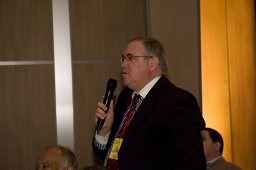 Jean-Pierre Clément合作论文数CHU Limoges;CH Esquirol;Centre Mémoire de Ressources et de Recherche, Limoges, France;Centre Mémoire de Ressources et de Recherche, CH Esquirol5V. Ratsimbazafy合作论文数4Yves Rolland合作论文数4
 Hubert Blain合作论文数4
 Sophie Pilleron合作论文数Tropical Neuroepidemiology, INSERM4Cardinaud Noëlle合作论文数4Philippe Lacroix合作论文数4
 Jean Claude Desport合作论文数4
 Farzaneh Sorond合作论文数4M. L. Laroche合作论文数3
 Elena Paillaud合作论文数3H.H. Karam合作论文数3Camille Collin合作论文数3Anaïs Bosetti合作论文数3Aurore Lacour合作论文数3A de Mauléon合作论文数3Claude Mignard合作论文数3Fati Nourhashemi合作论文数3Pierresylvain Marcheix合作论文数3




