Introduction: Our primary objective was to evaluate the psychometric properties of Mini nutritional screening assessment (MINI-MNA) among our community-dwelling older adults. Our secondary objective was to put together a micro-version with superior psychometric properties and empirical probable cut-point value for screening malnutrition risk. Methods: We recruited elderly (60+years) subjects (10 subjects/questionnaire-item) from various sampling units in the general urban population of Gorgan district, Golestan. The questionnaire was translated and back-translated to, in turn, determine various psychometric properties. We also did exploratory and confirmatory factor analyses. Data analyses were conducted using AMOS (Analysis of Moment Structure) and SPSS Statistics version 25 (IBM Corp, Armonk, NY). Results: A total of 242 subjects ((54.1% men; sample mean age 70.5 (95%CI 69.5-71.5) years) successfully participated. For MINI-MNA, the alpha coefficient was 0.75 and the average item-test correlation was 0.67. Its group alpha coefficient for responding a yes or no to its item(s) was 0.78 and 0.82, respectively. Its fit index was 0.95. For our micro-questionnaire, the alpha coefficient was 0.81 and average item-test correlation was 0.81. Its fit index was 0.97. It’s probable age-adjusted cut-point for distinguishing the risk of malnutrition was a score six with a sensitivity of 92.3%, specificity of 94.8% and a Youden index of 0.87. Conclusion: Our questionnaire displayed far better psychometric properties as compared to MINI-MNA. We acknowledge that this questionnaire is not intended to be a replacement of existing questionnaires, a brief, optimized alternative helps address barriers like limited visit time, patient/provider burden, and lower sensitivity/specificity found for some tools in prior research but rather expands on the ways to screen the risk of malnutrition among community-based older adults.
We used an Intervention Mapping Approach (IMA) to derive multi-level HIV prevention strategies aiming to develop an HIV prevention intervention program among female sex workers (FSWs). We also aimed at pilot testing the effects of the IMA-based “HIV Prevention and Awareness Program (HIV-PAP)” on safe sex behaviors and its determinants among FSWs in Tabriz, Iran. To develop HIV-PAP, we conducted the six-step process of IMA. At Step 1, in a cross-sectional study, 140 FSWs were face-to-face interviewed. At Step 2, the program matrix was provided based on the importance and variability for identifying priority factors. At Steps 3 and 4, the methods and strategies for behavioral change were selected, and the HIV-PAP program components and materials were developed. At Steps 5 and 6, evaluation (as a pilot testing with Static-Group Comparison design) was conducted applying a pre-experimental study, in which 30 FSWs were assigned to intervention (n = 15) and control (n = 15) groups. The intervention group participated in a two-month long program, and one month later, the initial questionnaires were completed by both groups. The respondents (M age: 33.4 years, SD: 9.7) acquired low score (less than 50
Ageism is one of the most common forms of discrimination among older adults. Although applicable in regards to discrimination against all age groups, the term ageism is predominantly used in relation to the treatment of older people. Anti-aging language refers to the use of words, phrases and sentences when talking with or about older adults. Terms such as "old people," "old age," "elderly", "the elderly" and "the aged" are in the form of anti-aging speaking, and it is recommended that the terms "older people", "older adults", "seniors" and "later life" be used instead of the latter mentioned terms, indicating there is a growing sense that emphasis on a positive perception and illustration of aging. There is a lack of evidence on the diversity, frequency, range of terms and expressions and examples of anti-aging speaking, and also the other end, positive aging. In this perspective study, we raised questions to address the existing gap, with the hope to help future researchers in the use of negative/positive semantic words or negative/positive attitudes towards the older adults and examples of anti-aging/positive aging speaking in scientific texts. Raising such research questions might be useful in capturing the spirit of the field and some of its focus, and revealing how scientists talk about aging, or whether they use or are trying to combat ageist language.
Introduction: Although the life expectancy of kidney patients has increased due to hemodialysis (HD), the disease affects their lives in various ways. In this study, we systematically reviewed the relationships between health literacy (HL) and bio-behavioral and psycho-social outcomes in HD patients, to determine the necessary information needed for both micro- and macro-level health decision-making. Methods: We performed a comprehensive search for globally eligible studies (from 2000 to 2020) on PubMed, EMBASE, ProQuest, CINAHL Nursing, Cochrane Library and Google scholar. The quality assessment of the studies was performed using the standardized tool of the Joanna Briggs Institute (JBI). Results: Among 29 included studies, 23 and 6 articles were of medium and low quality, respectively, and no article was of high quality. In general, 7210 participants were included in these studies. In total, the lowest, highest and the average level of HL in all researches were reported to be 16%, 76.9% and 31.25% respectively. The findings showed a moderate level of evidence for the relationship of HL with self-care-associated outcomes, disease-related biomarkers, QOL, and perceived social support. Conclusion: Despite study heterogeneity and low quality, HL was found to be positively contributed to self-care behaviors, perceived social support and QOL of HD patients. HL seems to play an underpinning role in promoting HD patients’ QOL and its bio-behavioral and psychosocial determinants.
Introduction: This study aimed to examine the associations between teaching skills and job-related stress among the mentors of community health workers (M-CHWs). Methods: This cross-sectional study was conducted from May to December 2018 in Iran. Through census, all 110 M-CHWs from the rural health worker educational institutions (RHWEIs) were invited to participate in the study. Applying structured questionnaires, data were collected through face-to-face interviews. Results: The analysis yielded a maximum canonical correlation coefficient of .96 between teaching skills and work-related stress which was statistically significant (Wilks’s λ=.014 criterion, F (42, 317.71)=11.29, P<0.001). Results showed moderate to strong significant relationships between subscales of teaching skills and work-related stress (P<0.05). Conclusion: Our findings call attention to the relationships between teaching strategies, teaching program, and professional knowledge by total teaching skills. The M-CHWs’ well understanding of their role was correlated with less experiencing work-related stress.
Background and Objective: ti ve: Our objective ti ve was to determine the frequency of inadequate functional ti onal health literacy (FHL) among adult Kurd population, ti on, and infer the contribution ti on index of sociodemographic factors for FHL across gender. Materials and Methods: In this cross-sectional ti onal study, multistage ti stage cluster sampling was employed to recruit 1000 people older than 18 years from 38 urban and 14 rural healthcare centers in Sanandaj, Iran. Data on FHL was collected from May to July 2019, through face-to-face interviews by using the validated Persian version of the Test of functional ti onal health literacy in adults (TOFHLA). The concentration ti on index method was used to measure inequality in FHL. Results: Overall, 869 respondents (response rate: 86.9%) with a mean age of 33.68 (+/- 13.0) completed the TOFHLA questionnaire. ti onnaire. The average TOFHLA score was 51.9, which was 52.2 (+/- 0.46) among males and 50.7 (+/- 0.40) among females, p<0.001. Among females, the place of residence, monthly income, age, education ti on level, and being head of the household contributed to 43%, 32%, 13%, 11.5%, and 11% of FHL inequality, respectively. ti vely. While, among males, the place of residence (45.2%), household size (15.1%), and monthly income (13.5%) contributed most to inequality in FHL. Conclusion: FHL has disparities ti es by gender and location. ti on. Males and rural people are at particular ti cular risk for poor FHL. For ease and better tt er resolution ti on of poor FHL, each population, ti on, gender, and area type should be considered as a stand-alone, which may help in identifying ti fying tailored interventions ti ons for males and females with low levels of FHL. Paper Type: Research Article ti cle
Background and Purpose: We measured the psychometric properties i.e., validity, reliability, and stability of the Persian 10-item Kessler psychological distress scale (K10) among older adults in Iran. Materials and Methods: We recruited elderly (60+ years) subjects (20 per item of the questionnaire) from various sampling units in the general population of Gorgan district, Golestan, Iran. After the translation/back-translation process, the questionnaire underwent various forms of validity and reliability, including Cronbach alpha (overall, by items, and by group of yes to an item and no to an item). The intra-class correlation coefficient was measured at a two-week interval, and inter-rater agreement was also determined. Both exploratory and confirmatory factor analyses were also conducted, along with receiver-operator characteristics vis-à-vis hospital anxiety and depression scale. Results: In total, 190 subjects (47.3% males, mean age: 70.3, 95% CI: 69.2-71.4) participated in the study. A total of 35.8% had psychological distress (PD) (i.e., score >20). The alpha coefficient was 0.88 with no item below 0.86. The alpha coefficients to report a yes to an item (α=0.85) or no to an item (α=0.90) were similar to each other. The intra-class coefficient for test-retest at a two-week interval was 0.90. Exploratory factor analysis showed a one-factor structure of the underlying construct, with a cumulative variance of 97.1%. Confirmatory factor analysis showed high fit indices for the questionnaire (0.91) and a low standardized residual of 0.05.
Objective:We assessed knowledge, attitude, and practice regarding two malaria prevention measures (long-lasting impregnated mosquito nets, LLINs, and intermittent preventative therapy with sulphadoxine-pyrimethamine (IPTp-SP)) among pregnant women in Nigeria.Methods:Pregnant women selected from among the four communities of Nnewi were interviewed by using a semistructured, interviewer-administered questionnaire on the respondents' demography, knowledge of the cause, consequences, and malaria prevention methods. Also, a total of 48 focused group discussions, 24 key informant interviews, and 24 in-depth interviews were held among women leaders, village heads, pregnant women, community health workers, husbands of pregnant wives, and drug and insecticide-treated net sellers.Results:A total of 384 women (88.0% third trimester, 90.0% literate, and 41.1% primigravidae) participated. About 80.0% suffered from malaria during their current pregnancy. The majority was aware of the cause of malaria, local name of malaria, mode of transmission, risk of malaria among pregnant women, etc. However, their knowledge and attitude were inadequate regarding the symptomatology and complications of malaria in pregnancy, benefits of sleeping under the net or taking chemoprophylactic doses, or the concurrent use of both. About 80.0% had LLINs, yet only 41.5% slept under it the previous night. Only 31.0% had IPTp-SP doses under direct observation. Only 35.9% had a good understanding of IPTp-SP during pregnancy.Conclusion:Our work presents important practice gaps associated with the prevention of malaria during pregnancy. The pregnant women seemed to be aware of the basic concepts related to malaria but that does not translate into adequate attitude and practice necessary for malaria reduction.
Background: We aimed to determine the role of demographic, lifestyle, and personality trait factors in predicting control of blood pressure (BP) among patients with hypertension (HTN) in West Azerbaijan, Iran. Methods: In this case control study we recruited participants from all primary health centers of Salmas city; who were at least 18 years of age, had a HTN diagnosis during the previous six months, and had a mandatory household record. Of 490 random subjects approached, 441 (84.2%) fulfilled our inclusion criteria (case: 221; control: 220). The age-matched controls were recruited from the same source population and were required to have controlled HTN. Data were collected through demographic Checklist, Ten-Item Personality Inventory (TIPI) and International Physical Activity Questionnaire (IPAQ). Results: Upon multivariate analyses, factors related to personality traits subdomains including extraversion personality (odd ratio [OR]: 0.85; CI: 0.73, 0.97) was effective in control of BP. Factors related to uncontrolled BP were agreement and consciences subdomains (OR 1.26 [CI: 1.07, 1.48] and OR 1.21 [CI: 1. 02, 1.44]), rare fruit consumption (OR 5.95 [CI: 1.24, 12.1]), Grade 1 and 2 obesities (OR 2.29 [CI: 1.28, 4.09] and OR 7.11 [CI: 2.21, 12.52]) and smoking (OR 3.27 [CI: 1.56, 6.89]). Conclusion: In addition to regular physical activity and fruit consumption and quitting smoking; personality traits such as Agreement and conscience personality traits were predictive of HTN control. We believe our work provides the required knowledge to design comprehensive HTN prevention programs by taking into account the multi-level causality approach.
With the lack of respite care, caregivers will often suffer from physical, mental, and financial hardships. In the Middle East and North African countries, religion and cultural considerations may pull in opposite directions as a vast majority of families in the region care for their loved ones at home. Moreover, the sense of responsibility and obligations toward caring for an older family member also influences caregivers' decision-making, even though such considerations may deprive them of even a short vacation or break. It is important for policymakers and stakeholders, in close participation with families and older adults receiving care, to take into account how various factors related to social, cultural, and religious matters affect quality of care and the well-being of care recipients and caregivers. Official policies could have an essential role in opening new avenues for temporary respite care, but authorities should be aware of the importance of cultural and religious principles while setting up such policies. Therefore, policymakers should engage with the relevant organizations, such as municipalities, nongovernmental organizations, charities, and religious institutions, to help the health system in establishing respite care facilities. In this article, we discuss a number of key issues and provide suggestions as to how this goal might be achieved. The availability of respite services could have a positive influence on the physical and mental health of both older adults in need of care and informal caregivers. In conclusion, those receiving care, caregivers, and the public health-care system will gain from the development of a range of respite care services.
Objective Our aim in the present study was to estimate the psychometric properties of the full-length Adelaide driving self-efficacy scale (ADSES) for use among community-based resident older adults in Tehran, Iran. Methods We recruited older adults (60+ years) from various sampling units nested in the Tehran district's general urban population (20 subjects/questionnaire-item). The questionnaire was translated and back-translated by using recommended pathways. Multiple forms of validity and reliability, including Cronbach alpha, were estimated. Also, we measured intra-class correlation coefficient, and did confirmatory factor analysis (CFA). Results A total of 243 participants (mean age: 65.8, 95%CI 65.4-66.3) met our inclusion criteria. For ADSES, the alpha coefficient was 0.77, the intraclass correlation coefficient was 0.97 (95% CI: 0.95-0.98), and the average item-test correlation was 0.67. Upon CFA, we found a 0.95 comparative fit index, a coefficient of determination = 92.6%, and standardized size of the residual = 0.04. Conclusion Our Persian language ADSES was found to have adequate validity and factor structure parameters for evaluating driving self-efficacy among community-based older adults in a non-western context. Our questionnaire is an essential first step toward evaluating driving self-efficacy among older adults, especially where no such tool is available, to help develop driving self-efficacy as a healthy aging measure.
Introduction. The primary objective of our study was to determine the nature of medication beliefs and their association with adherence to antiseizure medications (ASMs) among elderly epilepsy patients. Our secondary objective was to enhance the psychometric properties and factor structure parameters of the Beliefs about Medications Questionnaire (BMQ) adapted to epilepsy and affected aged subjects. Methods. A population-based survey was performed in which older adults (≥60 years of age) were invited for a free face-to-face consultation with the specialists as well as for the collection of necessary data. The eligible subjects were those who are affected with epilepsy and having epileptic seizures of any type. In addition, the participants were required to be of any sex, currently under treatment with ASMs, resident of Tehran, and able and interested to participate independently. All were carefully examined with a reasonably detailed case-history examination. Two Persian questionnaires used were Medication Adherence Rating Scale (MARS) and BMQ. Those with a MARS score of ≥6 were considered as adherent to ASMs. All data were described in descriptive terms. We did a group comparison of means and proportions for all possible independent variables between adherents and nonadherents. Then, we did a hierarchical multiple linear regression. For this, independent variables were categorized into three different blocks: (a) sociodemographic block (Block-1), (b) treatment side-effect block (Block-2), and (c) BMQ block that included ten items of the BMQ scale (Block-3). We also did a forward step-wise linear regression by beginning with an empty model. We also estimated the psychometric properties and factor structure parameters of BMQ and its two subdomains. Results. Of all (N = 123, mean age: 63.3 years, 74.0% males), 78.0% were adherent (mean score: 7.0, 95% CI 6.2–7.8) to ASMs. The MARS scores were not different between males and females. The mean BMQ score was 23.4 (95% CI 19.8–27.0) with the mean need score of 20.0 (95% CI 18.0–22.0) and mean concern score of 16.5 (95% CI 14.3–18.7). A positive need-concern differential was 20.4%. Upon hierarchical regression, the adjusted R2 for Block-1 was 33.8%, and it was 53.8% for Block-2 and 92.2% for Block-3. Upon forward step-wise linear regression, we found that “ASMs disrupt my life” (ß −1.9, ES = −1.1, p=0.008 ) as the only belief associated with adherence. The alpha coefficient of BMQ was 0.81. Conclusions. Ours is one of the very few studies that evaluated medication beliefs and their association with adherence to ASMs among elderly epilepsy patients in a non-western context. In our context, medication beliefs are likely to have an independent role in effecting adherence to ASMs, particularly the concern that “ASMs disrupt life.” Treating physicians should cultivate good conscience about ASMs and evaluate the patient’s medication beliefs early-on to identify those who might be at the risk of becoming nonadherent.
evaluate fear related to epilepsy and its treatment among those with idiopathic epilepsy. Our secondary objective was to estimate the psychometric properties of a brief Bhalla-Gharagozli Fear in epilepsy Questionnaire (BG-FEQ). Methods: We conducted patient- fi nding exercise in our study areas through various means to obtain subjects with idiopathic epilepsy. We carefully examined each patient through a detailed case-history examination. Following that, we evaluated fear related to epilepsy by using Bhalla-Gharagozli Fear in Epilepsy Questionnaire (BG-FEQ) across two broad domains: epilepsy and pharmacotherapy. Results: The study obtained 52 subjects (39.0 years; 45.0% males, 70.0% married, 35.0% unquali fi ed, 85.0% active epilepsy, 80.0% generalized seizures) with idiopathic epilepsy. The alpha coef fi cient was 92.8, with no item-speci fi c coef fi cient of ≤ 0.91. The alpha coef fi cient was 0.90 and 0.93 for reporting a “ yes ” and “ no ” to the items, respectively. We obtained a two-factor structure of BG-FEQ that provided a cumulative variance of 83.6%. The majority (65.0%) reported at least one fear. The per-patient mean number of the fear element was 2.1 (95% CI 1.1 – 3.3), which differed signi fi cantly for males and females (1.1, 95% CI 0.4 – 2.6 and 3.0, 95% CI 1.4 – 4.6, respectively, p=0.03). The most frequent fear was that of addiction and the bad effects of anti-seizure medications (both 45.0%). Upon bootstrap regression after constraining gender, the fear elements were associated with illiteracy, dif fi culty in understanding epilepsy and sleeping in a prone position. The sample power was 99.0%. Conclusion: There was a signi fi cant representation of fear among those with idiopathic epilepsy, especially among the females, particularly the fear of brain tumour, premature death and more frequent/severe seizures over time. At least 65.0% of idiopathic subjects are likely to be affected by at least one fear. The essential mitigating approach should be the education of practitioners towards better identi fi cation and therapeutic handling of comorbid constructs, and also for the education of patients and their caregivers towards better awareness and prevention. There is also a need for formal Epilepsy Educators towards better awareness, therapeutic support and prevention of epilepsy.
Background: We determined whether practice of religious beliefs influence health-related lifestyle among general elderly population. Methods: We recruited elderly (60+years) subjects from among the general population who were invited to answer practice of religious belief and healthy lifestyle in Iranian elderly questionnaires. Results: A total of 218 elderly subjects participated (51.3% males, mean age: 68.3 years, SD 9.2, range 60-92). The mean religious belief was 73.0 (SD 11.5) without male-to-female difference (p=0.9). The mean lifestyle was 100.9 (SD 14.7, range 61-138) with a 9.3% male-to-female difference, p=0.0001. The odds of better lifestyle with religion was 5.5 (p=0.001, effect-size=0.18, variance=29.5%). The most benefit was in prevention (effect-size 0.18), nutrition (effect-size 0.15), and social relationship (effect-size 0.12). Conclusions: Based on a representative un-selected validated sample, and by using a systematic questionnaire, and after controlling for various possible confounders, and within current evaluation limits, we may conclude that religion may mitigate health-related lifestyle.
possible and hands-on we prepared a pool of items that possibly represent perceptions about self-esteem. After that, a series of discussions took place and items that were deemed to be most relevant in representing the perceptions of poor self-esteem in epilepsy were selected. While doing this, we followed the requirements of relevance, brevity, feasibility, readability, consistency of style and formatting, and clarity of the language. The content validity was assessed qualitatively by an expert panel of specialists from neurology, mental health, and public health. We used the responses from this panel to improve the items. Content validity index (CVI) was measured, and a CVI score higher than 0.75 was considered acceptable. The responses to each of the six epilepsy-related elements of self-esteem were dichotomous based on the patient’s subjective perception about the absence (score zero) or presence (score one) of those elements. Each patient’s self-esteem score was the sum of the total number of elements that were reportedly present among them, which were then averaged for the entire sample population as well males and females. higher the poorer self-esteem. Besides, we big five personality traits by using ten-item personality inventory.
Introduction: The primary objective of this study was to evaluate fear related to epilepsy and its treatment among those with idiopathic epilepsy. Our secondary objective was to estimate the psychometric properties of a brief Bhalla-Gharagozli Fear in epilepsy Questionnaire (BG-FEQ). Methods: We conducted patient-finding exercise in our study areas through various means to obtain subjects with idiopathic epilepsy. We carefully examined each patient through a detailed case-history examination. Following that, we evaluated fear related to epilepsy by using Bhalla-Gharagozli Fear in Epilepsy Questionnaire (BG-FEQ) across two broad domains: epilepsy and pharmacotherapy. Results: The study obtained 52 subjects (39.0 years; 45.0% males, 70.0% married, 35.0% unqualified, 85.0% active epilepsy, 80.0% generalized seizures) with idiopathic epilepsy. The alpha coefficient was 92.8, with no item-specific coefficient of <= 0.91. The alpha coefficient was 0.90 and 0.93 for reporting a "yes" and "no" to the items, respectively. We obtained a two-factor structure of BG-FEQ that provided a cumulative variance of 83.6%. The majority (65.0%) reported at least one fear. The per-patient mean number of the fear element was 2.1 (95% CI 1.1-3.3), which differed significantly for males and females (1.1, 95% CI 0.4-2.6 and 3.0, 95% CI 1.4-4.6, respectively, p=0.03). The most frequent fear was that of addiction and the bad effects of anti-seizure medications (both 45.0%). Upon bootstrap regression after constraining gender, the fear elements were associated with illiteracy, difficulty in understanding epilepsy and sleeping in a prone position. The sample power was 99.0%. Conclusion: There was a significant representation of fear among those with idiopathic epilepsy, especially among the females, particularly the fear of brain tumour, premature death and more frequent/severe seizures over time. At least 65.0% of idiopathic subjects are likely to be affected by at least one fear. The essential mitigating approach should be the education of practitioners towards better identification and therapeutic handling of comorbid constructs, and also for the education of patients and their caregivers towards better awareness and prevention. There is also a need for formal Epilepsy Educators towards better awareness, therapeutic support and prevention of epilepsy.
Objective:Marital life is closely related to physical, social, and mental well-being.The aim of this study was to determine the reduction in chronic marital life stress among exposed subjects through the emotion re-focus approach.
Objective: We examined the gender-based associations of health literacy (HL) with selfreported medication adherence (MEDA) among patients with primary hypertension (pHTN).Patients and Methods: The subjects were recruited from the general population through all health centers of the Heris county, east Azarbaijan.They were to be adults (30+ years age), with pHTN of any stage, of any gender, and without comorbid illness.All underwent detailed face-toface interview.We used valid questionnaires for HL and MEDA.Hierarchical regression was done to establish the association between MEDA, socio-demographic variables, and nine HL domains by gender.Other statistical procedures were also done.Results: A total of 300 (48.6% males, mean age: 56.7±9.3)subjects participated; 43.0% were uneducated, 73.0% had moderate socioeconomic status, 68.0% had poor HL, and 7.0% maintained high adherence.Men were better in reading skills (p=0.002), and accessing (p=0.01) and using (p=0.02)health information, but women were better in health knowledge (p=0.004).The average regression estimate (±standard deviation) between HL and MEDA was 0.37±0.09,lower among men (0.361±0.11) than women (0.396±0.08), p=0.003.Upon hierarchical regression, the association between HL and MEDA was significant for communication and decision-making skills alone among both men (34.5%) and women (40.6%), individually.Conclusion: HL had substantial association with MEDA among those with HTN, for both men and women, particularly the communication and decision-making.With considerations on gender differences, this association should be confirmed through interventional studies to help make HL a formal mitigating strategy for MEDA and other public health goals.
 Pierre-Marie Preux合作论文数CHU Limoges;Institut d'Epidémiologie Neurologique et de Neurologie Tropicale, Université de Limoges;UMR Inserm28
 Elham Lotfalinezhad合作论文数14Chan Samleng合作论文数12Michel Druet-Cabanac合作论文数Pôle HU Gérontologie Clinique, CHU de Limoges11
 Haidar Nadrian合作论文数9Gérard Daniel合作论文数9Michel Dumas合作论文数8Oum Sophal合作论文数8
 Fatemeh Amini合作论文数College of Aburaihan, University of Tehran7Chamroeun Hun合作论文数7Chea Kimly合作论文数6Gharagozli Kurosh合作论文数6
 Laurent Cleenewerck合作论文数Cedar Sinai Medical Center, Cedars Sinai Heart Institute6
 Achille Tchalla合作论文数CHU de Limoges;Université de Limoges5Huc Pierre合作论文数5Edgard Brice Ngoungou合作论文数5Vida Saii合作论文数4Shayesteh Shirzadi合作论文数Department of Public Health, Neyshabur University of Medical Sciences4
 Kabiru Abubakar Gulma合作论文数School of Global Health and Bioethics, Euclid University4Javadivala Zeinab合作论文数Department of Health Education &Tabriz University of Medical Sciences;Department of Health Education & Promotion, Tabriz University of Medical Sciences4
 Reza Fadayevatan合作论文数Sheffield Institute for Studies on Ageing, University of Sheffield4
 Benoit Marin合作论文数Service de l'Information Médicale et de l'Evaluation;Unité Fonctionnelle de Recherche Clinique et Biostatistique, Centre Hospitalier Universitaire de Limoges;Unité Fonctionnelle de Recherche Clinique et Biostatistique, Centre Hospitalier Universitaire de Limoges4Kamyar Pirehbabi合作论文数3Sina Ros合作论文数3
 Kavita Srivastava合作论文数Department of Pediatrics, Bharati Vidyapeeth Deemed University Medical College3Claude Mignard合作论文数3
 Peter Odermatt合作论文数3
 Ahmad Delbari合作论文数3Vannareth Mey合作论文数3Chivorakoun Phetvongsinh合作论文数3
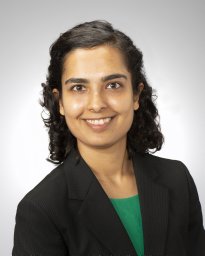 Kapoor Saloni合作论文数3Sebbag Robert合作论文数3Pierre Jallon合作论文数3Max Köster合作论文数2Sarisa Najafi合作论文数2Bertrand Godet合作论文数2Lynn Dagenais合作论文数2
 Dismand Stephan Houinato合作论文数2Viroj Wiwanitkit合作论文数2marziyeh mirghafari合作论文数2
 Asa Johansson合作论文数2
 Eman Khedr合作论文数2Satz Mengensatzproduktion合作论文数2
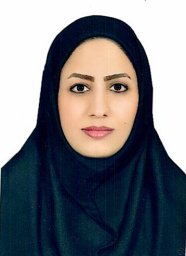 Somayeh Azimi合作论文数Dept Hlth Educ & Promot, Tabriz Univ Med Sci2
 Stephen Okoroafor Kalu合作论文数2
 Shahab Papi合作论文数School of Health, Mazandaran University of Medical Sciences2
 Nora Hernandez合作论文数Dept Neurol, Yale Univ2Maryam Oskoui合作论文数Division of Epidemiology, Biostatistics and Occupational Health, School of Population and Global Health, Faculty of Medicine and Health Sciences, McGill University2
 Aron S. Buchman合作论文数Department of Neurological Sciences, Rush University Medical Center2




