Pharmaceutical usage in both human and veterinary medicine contributes substantially to societal wellbeing. However, concerns regarding its environmental impacts are increasing. Despite global awareness, a substantial knowledge gap exists in Germany and several other countries regarding pharmaceutical residues, hindering comprehensive environmental risk assessments. This study aims to bridge this gap by analyzing veterinary pharmaceutical consumption in livestock farming in Germany and comparing it with human pharmaceutical usage, subsequently correlating these findings with environmental data on pharmaceutical residues to conduct a straightforward analysis of the environmental risk posed on non-target entities such as soil, water bodies, and microorganisms. Data from 129 agricultural farms in Germany were utilized to comprehensively analyze veterinary pharmaceutical usage. Extrapolation to national levels estimates a substantial quantity of active substances used, particularly antibiotics and electrolytes. Comparison with human pharmaceutical usage highlights differences in substance prevalence and usage patterns. Environmental correlations indicate a considerable presence of pharmaceutical residues in Germany, with notable distinctions between human and veterinary sources. In the environmental risk analysis, significant differences are evident between individual active substances within the same substance group. The study underscores the importance of addressing pharmaceutical residue impacts on the environment and emphasizes the necessity of comprehensive data for informed decision-making and environmental management strategies.
Pharmaceuticals are known to occur widely in the environment of industrialized countries. In developing countries, more monitoring results have recently become available, but a concise picture of measured environmental concentrations (MECs) is still elusive. Through a comprehensive literature review of 1016 original publications and 150 review articles, the authors collected MECs for human and veterinary pharmaceutical substances reported worldwide in surface water, groundwater, tap/drinking water, manure, soil, and other environmental matrices in a comprehensive database. Due to the heterogeneity of the data sources, a simplified data quality assessment was conducted. The database reveals that pharmaceuticals or their transformation products have been detected in the environment of 71 countries covering all continents. These countries were then grouped into the 5 regions recognized by the United Nations (UN). In total, 631 different pharmaceutical substances were found at MECs above the detection limit of the respective analytical methods employed, revealing distinct regional patterns. Sixteen substances were detected in each of the 5 UN regions. For example, the anti‐inflammatory drug diclofenac has been detected in environmental matrices in 50 countries, and concentrations found in several locations exceeded predicted no‐effect concentrations. Urban wastewater seems to be the dominant emission pathway for pharmaceuticals globally, although emissions from industrial production, hospitals, agriculture, and aquaculture are important locally. The authors conclude that pharmaceuticals are a global challenge calling for multistakeholder approaches to prevent, reduce, and manage their entry into and presence in the environment, such as those being discussed under the Strategic Approach to International Chemicals Management, a UN Environment Program. Environ Toxicol Chem 2016;35:823–835. © 2015 SETAC
Antineoplastic drugs are important in the treatment of cancer. Some interact directly with the deoxyribonucleic acid (DNA) and are of utmost importance in terms of risk. As highly active compounds, antineoplastics and their metabolites are largely excreted into wastewater and are found in the aquatic environment up to the lower μg/L range. Their predicted environmental concentrations are often below the action limit set in the European Medicines Agency (EMA) guideline. An in-depth risk assessment regarding their presence and effects in the aquatic environment is often not performed, and there is a lack of knowledge. This study considered whether there is an underestimation of possible risks associated with the presence of antineoplastic drugs with regard to trigger value stated in the EMA and FDA guidelines. In a balance, we identified a total of 102 active pharmaceutical ingredients of the ATC-group L01 (antineoplastic agents), which are environmentally relevant. In Germany, 20.7 t of antineoplastic agents was consumed in 2012. The share of drugs with DNA-damaging properties increased within the last 6 years from 24 up to 67 %. Solely, capecitabine and 5-fluorouracil amount together 8 t-which corresponds to 39 % of the total antineoplastic consumption. Around 80 % of the total mass consumed could be attributed to prescriptions issued by office-based practitioners and is mostly excreted at home. Based on the different mode of actions, a case-by-case evaluation of the risk connected to their presence in the environment is recommended. DNA-damaging drugs should be assessed independently as no action limit can be assumed.
The potential of membrane bioreactor (MBR) systems to remove organic micropollutants was investigated at different scales, operational conditions, and locations. The effluent quality of the MBR system was compared with that of a plant combining conventional activated sludge (CAS) followed by ultrafiltration (UF). The MBR and CAS-UF systems were operated and tested in parallel. An MBR pilot plant in Israel was operated for over a year at a mixed liquor suspended solids (MLSS) range of 2.8–10.6 g/L. The MBR achieved removal rates comparable to those of a CAS-UF plant at the Tel-Aviv wastewater treatment plant (WWTP) for macrolide antibiotics such as roxythromycin, clarithromycin, and erythromycin and slightly higher removal rates than the CAS-UF for sulfonamides. A laboratory scale MBR unit in Berlin – at an MLSS of 6–9 g/L – showed better removal rates for macrolide antibiotics, trimethoprim, and 5-tolyltriazole compared to the CAS process of the Ruhleben sewage treatment plant (STP) in Berlin when both were fed with identical quality raw wastewater. The Berlin CAS exhibited significantly better benzotriazole removal and slightly better sulfamethoxazole and 4-tolyltriazole removal than its MBR counterpart. Pilot MBR tests (MLSS of 12 g/L) in Aachen, Germany, showed that operating flux significantly affected the resulting membrane fouling rate, but the removal rates of dissolved organic matter and of bisphenol A were not affected.
The potential of MBR systems to remove organic micro-pollutants was investigated at different scales, operational conditions, and locations. MBR effluent quality was compared with that of a conventional activated sludge (CAS) plant, followed by ultrafiltration (UF), operated and tested in parallel. A MBR pilot plant in Israel was operated for over a year at an MLSS range of 2.8–10.6 g/L. The MBR achieved removal rates comparable to those of a CASUF plant at the Tel-Aviv WWTP for macrolide antibiotics such as roxythromycin, clarithromycin and erythromycin and slightly higher removal rates than the CAS-UF for sulfonamides. A laboratory scale MBR unit in Berlin – at an MLSS of 6–9 g/L – showed better removal rates for macrolide antibiotics, trimethoprim and 5-tolyltriazole compared to the CAS process of the Berlin WWTP Ruhleben at identical raw wastewater quality. Sulfamethoxazole and 4-tolyltriazole were removed slightly better in the CAS while the benzotriazole removal was more significant. In pilot MBR tests at an MLSS of 12 g/L in Aachen, Germany, operating flux significantly affected the resulting membrane fouling rate, but the removal rate of dissolved organic matter and of bisphenol-A was not affected.
The turnover and distribution of energy and nutrients in food webs is influenced by consumer stoichiometry. Although the stoichiometry of heterotrophs is generally considered to vary only little, there may be intraspecific variation due to factors such as habitat, resources, ontogeny and size. We examined intraspecific variation in Eurasian perch Perca fluviatilis stoichiometry, a common species that exhibits habitat and resource specialization, ontogenetic niche shifts and a large size range. This study investigated the elemental stoichiometry of a wide size range of perch from littoral and pelagic habitats. The mean C:N:P stoichiometry of whole perch was 37:9:1 (molar ratios). However, %C, %P, C:N, C:P and N:P varied with size, morphology, habitat and diet category. These factors together explained 24–40% of the variation in C:N:P stoichiometry. In contrast, perch stoichiometry was not related to diet stoichiometry, suggesting that the former is homeostatically regulated. The results suggest that the high P content of perch may result in stoichiometric constraints on the growth of non‐piscivorous perch, and that piscivory is an efficient strategy for acquiring P. Resource polymorphism, individual diet specialization and intraspecific size variation are widespread among animals. Thus changes in stoichiometry with size, habitat, morphology and resource use, and therefore also stoichiometric demands, are probably common.
The mechanism of product formation during ozonation of two widely used antimicrobial agents, macrolide roxithromycin and inhibitor of dihydrofolate reductase (DHFR) trimethoprim was studied in laboratory-scale experiments with two types of matrix: distilled water and secondary wastewater effluent The structures ofthe primary and secondary reaction intermediates were elucidated byquadrupole-time-of-flight (QqToF) instrument, showing that in spite of their high ozone affinity both roxithromycin and trimethoprim oxidation pathway involve to a great degree the *OH radical chain reactions. In total nine ozonation products were detected, whereas two products of roxithromycin exhibited high refractoriness to ozonation, especially in the case of distilled water. Furthermore, the intact tertiary amine moiety of roxithromycin in these products suggests that the antimicrobial activity of the parent compound will be preserved.
 Mathias Ernst合作论文数Centre for Water in Urban Areas, TU Berlin4
 Manuel Godehardt合作论文数3
 Ina Ebert合作论文数3T. Melin合作论文数2j herr合作论文数2Sahar E合作论文数2
 Martin Jekel合作论文数Institut fur Technischen Umweltschutz, Technische Universitat Berlin2A. Aharoni合作论文数2
 Haim Cikurel合作论文数Mekorot National Water Co .2
 Asher Brenner合作论文数The Jacob Blaustein Institute for Desert Research, Ben Gurion University of the Negev2
 Christian Kazner合作论文数2Rami Messalem合作论文数2
 Tim aus der Beek合作论文数1Armin Schuster合作论文数1claus jorgensen合作论文数1Felix Tettenborn合作论文数Fraunhofer-Institut für System- und Innovationsforschung ISI1Martin Krauss合作论文数1
 Damià Barceló合作论文数Chemistry and Physics Department, University of Almeria;School of Engineering, University of Petroleum and Energy Studies1
 Bruce Jefferson合作论文数Cranfield Water Science Institute, Cranfield University1
 Mira Petrovic合作论文数Catalan Water Research Institute, Institut Català de Recerca de l'Aigua;Catalan Institution for Research and Advanced Studies1Jonas Persson合作论文数Department of Civil and Environmental Engineering, University of Washington1
 Juliane Hollender合作论文数Department of Environmental Chemistry, Eawag - Swiss Federal Institute of Aquatic Science and Technology;Department of Environmental Systems Science, ETH Zurich1
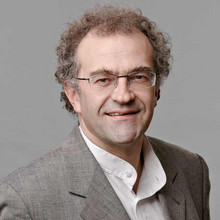 Klaus Kümmerer合作论文数Institute of Sustainable Chemistry, Leuphana University of Lüneburg;International Research and Education Sustainable Collaborative Centre, Leuphana University of Lüneburg1
 Gary Amy合作论文数Department of Environmental Engineering and Earth Sciences, College of Engineering and Science, Clemson University;Department of Chemical and Biomolecular Engineering, National University of Singapore;King Abdullah University of Science and Technology1
 Axel Bergmann合作论文数1
 Mario Quevedo合作论文数Instituto Cantábrico de Biodiversidad (UO-PA-CSIC)/Ecology Unit, Oviedo University1
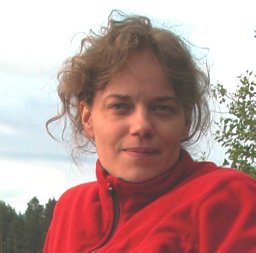 Stina Drakare合作论文数Department of Aquatic Sciences and Assessment, Swedish University of Agricultural Sciences1
 Christa S. Mcardell合作论文数Eawag, Swiss Federal Institute of Aquatic Science and Technology1Jelena Radjenovic合作论文数1
 Melanie Hamann合作论文数1
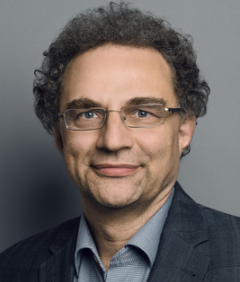 Thomas Ternes合作论文数Division Qualitative Hydrology, Bundesanstalt für Gewässerkunde1Anette Kuster合作论文数1Peter Eklöv合作论文数Limnology, Department of Ecology and Genetics, Uppsala University1
 Richard Svanback合作论文数Evolutionary Biology Centre, Uppsala University1Silke Hickmann合作论文数1
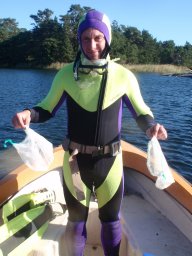 Jens Olsson合作论文数School of Computing, Blekinge Institute of Technology1
 Tobias Vrede合作论文数1Henrik Ragnarsson Stabo合作论文数1
 Antonia Liess合作论文数Department of Limnology, Uppsala University1Guido Fink合作论文数1
 Saroj Sharma合作论文数Department of Microbiology, Panjab University1
 Marinella Farré Urgell合作论文数Institute of Environmental Assessment and Water Research-CSIC1Annette Haiss合作论文数1
 Frank-Andreas Weber合作论文数1




