Digital medical images are used in healthcare for image processing and machine learning, allowing computers to analyze various phenomena. Traditional microscopic image segmentation by hematologists is labor-intensive, repetitive, and costly. A crucial stage in hematology imaging is the detection and segmentation of white blood cell nuclei, which serves as a foundation for deep learning to assist in diagnosing many blood-related diseases. This study proposes a novel, supervised segmentation method by hybridizing threshold with Mahalanobis distance, offering an accurate and lightweight solution validated across three diverse WBC image datasets. Thresholding is applied to a training image to distinguish between white blood cell nuclei and the surrounding background, thereby creating supervised learning datasets. Subsequently, the Mahalanobis distance technique is employed to automatically and efficiently segment the nucleus from the background in other test images using the established supervised data. This novel method is compared against traditional thresholding technique as well as other widely used clustering methods, including hierarchical clustering and k-means clustering for performance evaluation. The segmentation processes were applied to five distinct types of white blood cells: neutrophils, eosinophils, basophils, monocytes and lymphocytes, under three varying image conditions sourced from different databases. The performance evaluation results show that the proposed method outperforms the other three alternative techniques in two of the three databases. In contrast, the thresholding technique exhibited the shortest execution time among all the methods evaluated. Nevertheless, when assessing the visual segmentation results, it is evident that the proposed method improved the accuracy of the image region of interest.
This paper described the comprehensive design and implementation of an advanced noise measuring system tailored for chiller systems by utilizing the Internet of Things (IoT) technology. The primary goal is to facilitate real-time monitoring and in-depth analysis of noise levels, thereby enhancing operational efficiency and ensuring adherence to environmental regulations. The project integrates hardware components such as the MAX4466 noise sensor, MCP3008 ADC, and Raspberry Pi 4, along with software tools like Python and Google Sheets for data visualization and storage. This data is seamlessly transmitted via secure Wi-Fi connections to cloudbased platforms, enabling sophisticated data analytics and visualization. Experimental results demonstrate the system's high reliability and accuracy in capturing noise data, supporting timely interventions and proactive maintenance. This research underscores the transformative potential of IoTbased solutions in optimizing environmental monitoring practices within industrial settings.
The use of images has increased over the previous decade, and they have the potential to be effective communication tools, similar to social media. In social media, uploading visual information or images seems to be becoming more popular. The appearance of noise disturbs the original information in the image. Thus, removing the noise before using the image for subsequent tasks is necessary. The approaches for image restoration are based on a mathematical model of image deterioration. Alpha trimmed mean median filter (ATMMF) is proposed as a new method for removing salt and pepper noise in digital images. The basic principle behind this method is that it starts with noise detection and then moves on to a filtering strategy. The experimental process was performed with 12 samples of grayscale images with a variable salt and pepper noise density ranging from 10% to 90% to compare the proposed method to other widely used methods. Afterward, PSNR and SSIM were taken as the quality measurements. The proposed filtering technique is simple to use and implement. Experimental results show that the proposed method has successfully reduced salt and pepper noise in high noise density. It outranks all the previous filtering methods regarding visual effects and quantitative measure results.
Views Icon Views Article contents Figures & tables Video Audio Supplementary Data Peer Review Share Icon Share Twitter Facebook Reddit LinkedIn Tools Icon Tools Reprints and Permissions Cite Icon Cite Search Site Citation A. N. T. Al-Ashwal, M. T. A. Rahman, M. J. M. Ridzuan, S. Illias, A. H. Adom, A. K. Junoh; Design and analysis of the body of an urban concept vehicle for shell eco-marathon capitalized. AIP Conf. Proc. 7 March 2024; 2934 (1): 050013. https://doi.org/10.1063/5.0183850 Download citation file: Ris (Zotero) Reference Manager EasyBib Bookends Mendeley Papers EndNote RefWorks BibTex toolbar search Search Dropdown Menu toolbar search search input Search input auto suggest filter your search All ContentAIP Publishing PortfolioAIP Conference Proceedings Search Advanced Search |Citation Search
The use of images has increased over the previous decade and they have the potential to be effective communication tools, similar to social media. In this technological era, uploading information or visual images to the social media seems to be gaining popularity lately. Therefore, a good image is important to provide the right information. However, the information in the image can be lost or corrupted due to the appearance of noise caused by the digitization, transmission or acquisition process. Thus, it is necessary to remove the noise before using the image for subsequent task. In this study, a new method for removing salt and pepper noise in digital image is proposed by using singular value decomposition and alpha trimmed mean median approach. The singular value decomposition will be used in the detection process by considering the distribution of pixel values in the processed image. Next, the detected noisy pixels will be replaced with a new value obtained from the trimmed alpha mean median approach. The experimental process was performed on a grayscale image with a resolution of 512 × 512 prepared with a salt and pepper noise density varying between 10
Lithium-ion batteries are a type of rechargeable battery known for their high energy capacity and extended lifespan. Although lithium-ion battery technology is advancing rapidly, these batteries have a limited operational lifespan and their energy storage capability decreases with time and usage. This is where Remaining Useful Life (RUL) calculations become essential for battery maintenance planning. This study aims to employ the Bidirectional Long-Short Term Memory (BiLSTM) technique to predict the RUL of Li-ion batteries and compare it with the Long-Short Term Memory (LSTM) method to determine the most effective approach. The training data included batteries B0005, B0006, B0007, B0018, B0025, B0026, B0027, B0028, and B0055 for experiments. The BiLSTM approach consistently outperformed the LSTM method for each battery. The best results were achieved with battery B0005 using BiLSTM, with RMSE, MSE, MAE, and MAPE values of 0.01612, 0.00026, 0.00971, and 0.00684, respectively, indicating that the BiLSTM method is capable of accurately estimating the RUL of lithium-ion batteries.
Lithium-ion batteries are a type of rechargeable battery with a high energy density and an extended cycle life. The development of lithium-ion batteries is very rapid, but lithium-ion batteries have a limited lifespan and their energy storage capacity decreases with time and use. Therefore, the State of Health (SoH) of lithium-ion batteries is crucial when planning battery maintenance. The purpose of this study is to compare regression techniques for estimating the health of Li-ion batteries. XGBoost, Support Vector Regression (SVR), Random Forest Regression, Linear Regression, Gradient Boosting Regression, and Decision Tree Regression are the regression methods utilized in this investigation. All types of batteries from NASA’s Prognostics Data Repository were utilized in the investigation. Support Vector Regression (SVR) yields the most accurate results compared to other techniques. The SVR technique yields RMSE, MSE, MAE, and MAPE values of 0.0226, 0.0005, 0.0208, and 0.0264, respectively. This indicates that the SVR method is capable of accurately estimating the SoH of a lithium-ion battery.
Image segmentation is an image processing operation performed on the image in order to partition the image into some images based on the information contained in the original image. Image segmentation plays an important role in many medical imaging applications, image segmentation facilitates the anatomy process in a particular body of human body. Classification and clustering are the methods used un data mining for analyzing the data sets and divide them on the basis of some particular classification rules. There are many image segmentation tools that used for medical purpose, so it is necessary to define and/or to improve the image segmentation methods in order to get the best method. In this study, the image of leukemia and red blood cells will be used as samples to determine the best algorithm in image segmentation. The procedure for doing segmentation itself is clustering image, edge detection on image, and image classification. The clustering is to extract important information from an image. The edge detection is to determine the existence of edges of lines in image in order to investigate and localize the desired edge features. Moreover, the classification analyzes the properties of some images and organizes the information into certain categories. In this study, the Neural Network and K-Nearest Neighbor are used for image classification by paired with Local Binary Pattern and Principal Component Analysis. The results revealed that the best method of proven in classifying images is from Local Binary Pattern feature extraction with the average accuracy of 94%.
Fungi are one of the major causes that contributed to plant diseases. There are lots of fungi species but it is estimated that only 10% have been described. There are two major approaches to identifying fungi species, morphological identification, and molecular test which need cautious clarification to make good interpretations and are time-consuming. In this paper, we propose a Machine Learning approach that involves the use of the K-Means clustering technique, and Decision Tree to highlight the observed fungi spore images taken under the microscopic view and discard background pixels to produce digital images database which later can be used for Deep Learning.
Mahalanobis Taguchi System (MTS) is used for pattern recognition and classification, diagnosis, and prediction of a multivariate data set. Mahalanobis Distance (MD), orthogonal array (OA), and signal-to-noise ratio (SNR) are used in traditional MTS in order to identify and optimize the variables. However, the high correlation among variables shows an effect on the inverse of the correlation matrix that uses in the calculation of MD and hence affects the accuracy of the MD. Therefore, Mahalanobis-Taguchi-Gram-Schmidt (MTGS) system is proposed in order to solve the problem of multicollinearity. The value of MD can be calculated by using the Gram-Schmidt Orthogonalization Process (GSOP). Besides, the computational speed and the accuracy in optimization using OA and SNR are other issues that are concerned the authors. Hence, the combination of MTS and other methods such as Binary Particles Swarm Optimization (BPSO) and Binary Ant Colony Optimization (NBACO) is proposed to improve the computational speed and the accuracy in optimization. The purpose of this paper is to review and summarize some works that developed and used the hybrid methodology of MTS as well as its application in several fields. Moreover, a discussion about the future work that can be done related to MTS is carried out.
A concrete justification unavailability of the roughly estimated warranty claim quantity is leading to also inability to understand defect trend behavior and its effect upcoming warranty claim quantity. This is where an equation model is derived by considering the previous actual warranty data, to represent warranty claim defect quantity impact. Taking into consideration, identified parameters which link with pricing and cost, it also includes the observation and monitoring of warranty trend from the existing actual warranty data, by plotting cumulative defect quantity over Vehicle Line-off Date, as well as plotting cumulative defect quantity over Vehicle Submission Date. Multiple Linear Regression is deployed to define the best Multiple Regression Equation. Predictors, response and predictors’ validations defined by using normality and probability test. The successfully developed equation model, takes into account the existing warranty data and trend, As a result, the equation model managed to provide forecasted warranty claim quantity, based on a complete 36-month warranty period cycle, which has a significant impact on a reliable and convincing figure – a key factor in warranty budgeting and accrual task.
Digital image has a significant importance in many fields in human life such as, in medicine, photography, biology, astronomy, industry and defense. Thus, it attracts the attention of large number of researchers, among them those interested in preserving the image features from any factors that may reduce the image quality. One of these factors is the noise. Thus far, solving this noise problem remains a challenge point for the researchers in this field, a huge number of image denoising techniques have been introduced in order to remove the noise with taking care of the image features (edges, sharpness). However, besides that, the findings proved to be inconclusive yet. From this point, the current paper aims to introduce a new denoising method for removing salt & pepper noise from the digital image through spatial way. This denoising method exploits the relationship between pixel's values when the image changes color. Which gives ordered sequences of values in the four directions, horizontal, vertical and diagonals of the window. The proposed method relays on this concept to change the corrupted pixel, by using the neighbors in the window to extracts the truest value (subjects to this sequence) of the treated pixel. This method has been proven to be simple, effective and performing well comparing with the existing restoration methods with low computational cost.
Increasing the complexity of solving budgetary allocation (NP-hardness problem) has led a wide range of methods to minimize the costs. Metastrategy (or often called metaheuristic) and Linear Programming (LP) are the most popular optimisation methods used in this fields. Therefore, this study provides some insights and deep understanding of the applicability LP models in industry and how to formulate Simplex Method (SM) and affine Interior Point Methods (IPM) for solving real world linear problems. Moreover, it will present a better way to deal with decision making problems through the development and comparison of the SM and affine IPM to solve LP optimization problem to maximize profit. Finally, to other researchers particularly of similar interests who are undertaking further investigation on this topic, this study can be vital as a secondary source of information and guidance towards IR4.0.
It is aimed at finding the correlation between EEG channels from six induced emotions in normal subjects. The multichannel EEG data was measured by Pearson’s correlation coefficient to investigate the linear relationship between channel pairs in alpha, beta and gamma EEG frequency sub-bands. The EEG data were collected from 12 healthy subjects, with six induced emotions by audio-visual stimuli, which were anger, disgust, fear, happiness, sadness and surprise. The 14-channel wireless Emotiv Epoc was used for data collection. The results show that the EEG channels in alpha band was relatively higher correlation than in beta and gamma bands. The highest correlation for all emotions in alpha band were the channel pairs in right frontal region, FC6-F4 and F4-AF4. In beta and gamma bands, the highest correlation pairs involved the right frontal, occipital and parietal regions, which were FC6-F4 and O2-P8.
To be in the competitive industrial world, industries required high quality, speed in completing the required work, and commitment to the delivery dates. One of the most important issues in the field of production management is the job shop scheduling problem (JSSP). In this paper, the researchers tried to solve JSSP of factory by presenting a method to improve the factory's production. Job shop scheduling (JSS) is a suitable method for solving these types of problems, which aims to improve the production flow through minimizing the whole operation time of the products. Moreover, considering the factory that depends on workers as same as machine, human factor should be considered while scheduling by using the workers' weightage, in order to improve the workers' working time flexibility in terms of their waiting time among their tasks by proposed model of JSS. In addition, the researchers proposed a new combination of weightage values by using Taguchi method, regarding to improve the workers' working time and using genetic algorithm (GA) to solve the proposed model of JSS. One of the factories which is located in Jordan, and it is considered as one of the important factories; nevertheless, it can cover the local demands hardly, and hence, it deserves to be as a study case for this research. The findings of the studies decreased the whole operation time of the products by saving 75 min for each production line and 90 min by using GA, and the proposed model improved the flexibility of the workers' working time in terms of their waiting times among their tasks.
Segmentation technique is a commonly used method to detect white blood cells. The segmentation technique aims to separate the blood image into several parts based on the similarity of features in the image. Therefore, the detection results do not completely contain white blood cells but also contain other parts with similar features to white blood cells. This study proposes a new detection technique that directly considers the features of white blood cells using singular value decomposition approach. The experimental results show that the proposed method works better in detecting white blood cell nuclei than the existing methods. The existing methods only work well for white blood cells with dense color intensities such as basophil and monocyte. Meanwhile, the proposed method works well overall as it directly compares the level of similarity in white blood cells.
Human factor is one of the important elements in manufacturing world, despite their important role in improvement the production flow, they have been neglected while scheduling for many decades. In this paper the researchers taken the human factor throughout their job performance weightage into consideration while using job shop scheduling (JSS) for a factory of glass industry, in order to improving the workers' flexibility. In other hand, the researchers suggested a new sequence of workers' weightage by using Taguchi method, which present the best flexibility that workers can have, while decreasing the total time that the factory need to complete the whole production flow.
This paper presents the performance comparison of some computation software for solving the boundary element method (BEM).BEM formulation is the numerical technique and high potential for solving the advance mathematical modeling to predict the production of oil well in arbitrarily shaped based on multiple leases reservoir.The limitation of data validation for ensuring that a program meets the accuracy of the mathematical modeling is considered as the research motivation of this paper.Thus, based on this limitation, there are three steps involved to validate the accuracy of the oil production simulation process.In the first step, identify the mathematical modeling based on partial differential equation (PDE) with Poisson-elliptic type to perform the BEM discretization.In the second step, implement the simulation of the 2D BEM discretization using COMSOL Multiphysic and MATLAB programming languages.In the last step, analyze the numerical performance indicators for both programming languages by using the validation of Fortran programming.The performance comparisons of numerical analysis are investigated in terms of percentage error, comparison graph and 2D visualization of pressure on oil production of multiple leases reservoir.According to the performance comparison, the structured programming in Fortran programming is the alternative software for implementing the accurate numerical simulation of BEM.As a conclusion, high-level language for numerical computation and numerical performance evaluation are satisfied to prove that Fortran is well suited for capturing the visualization of the production of oil well in arbitrarily shaped.
 Wan Zuki Azman Wan Muhamad合作论文数33
 Muhammad Naufal Mansor合作论文数Intelligent Signal Processing Group ISP, Universiti Malaysia Perlis31
 Zulkifli Mohd Nopiah合作论文数Faculty of Engineering and Built Environment, Universiti Kebangsaan Malaysia12
 Zainab Yahya合作论文数Inst Engn Math, Univ Malaysia Perlis11
 Amran Ahmed合作论文数11
 Sazali Yaacob合作论文数School of Mechatronic Engineering, Universiti Malaysia Perlis11
 azrini idris合作论文数9
 Mohd Hafiz Zakaria合作论文数9
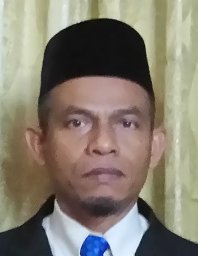 Mohd Yusoff Mashor合作论文数universiti malaysia perlis8
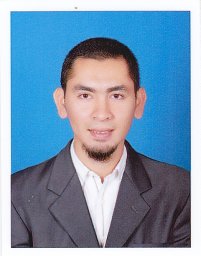 Wan Azani Mustafa合作论文数8
 Ahmad Kamal Ariffin合作论文数Faculty of Engineering, Universiti Kebangsaan Malaysia8
 Najah Ghazali合作论文数Inst Engn Math, Univ Malaysia Perlis7
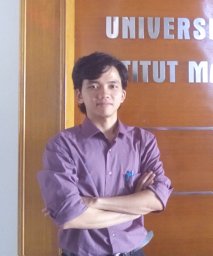 Achmad Abdurrazzaq合作论文数Univ Malaysia Perlis, Inst Engn Math, Kampus Pauh Putra, Arau 02600, Perlis, Malaysia7
 Afifi Md Desa合作论文数Sch Math Sci, Univ Sains Malaysia7
 Ismail Mohd合作论文数7Mohd Nazri Rejab合作论文数7
 Hariharan M合作论文数6ku ibrahim合作论文数6m l mohd khidir合作论文数6s h f s ahmad jamil合作论文数6
 Mo’ath Alluwaici合作论文数Inst Engn Math, Univ Malaysia Perlis6
 Shafriza Nisha Basah合作论文数Faculty of Engineering and Industrial Sciences, Swinburne University of Technology6Wen Yean Choong合作论文数5
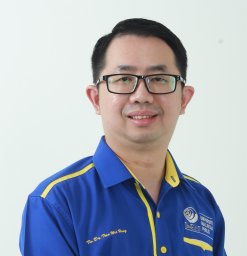 Wei Hong Tan合作论文数Fac Mech Engn & Technol, Univ Malaysia Penis UniMAP5
 Wan Suhana Wan Daud合作论文数5
 Mohammad Iqbal Omar合作论文数5
 Zuradzman M. Razlan合作论文数5
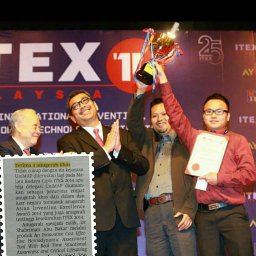 Shahriman Abu bakar合作论文数5
 Noman Shakir合作论文数4s f fauzi合作论文数4a z mukhtar合作论文数4
 Wan Khairunizam合作论文数4Bilal Charmouti合作论文数Cluster Math Sci & Data Analyt, Univ Malaysia Perlis4
 Mahyun Ab Wahab合作论文数Ctr Excellence Water Res & Environm Sustainabil G, Univ Malaysia Perlis4
 Farah Adibah Adnan合作论文数Inst Engn Math, Univ Malaysia Perlis4Wan Nurhadani Wan Jaafar合作论文数Inst Engn Math, Univ Malaysia Perlis4
 Raed Alazaidah合作论文数AI Dept, Irbid Natl Univ4
 Adel Mohammed AlDhahebi合作论文数Inst Engn Math, Univ Malaysia Perlis4
 Siao Zheng Bong合作论文数UniMAP, Univ. Malaysia Perlis;c;UniMAP, Univ. Malaysia Perlis4
 Zamri Hasan合作论文数4
 Lim Eng Aik合作论文数Matematik Kejuruteraan, Institut;Universiti Malaysia Perlis;Institut Matematik Kejuruteraan, Universiti Malaysia Perlis4R. Daud合作论文数3Murugappan Murugappan合作论文数3w z wan ahmad合作论文数3
 Anis Ayuni Ismail合作论文数3
 ROSLINE H合作论文数3Suhaila Saidat合作论文数3siti haida ismail合作论文数3
 Noor Alia Md Zain合作论文数3




