The present study was conducted to evaluate the effect of dry matter restriction on morphometry (live body weight and body condition score) and blood biochemistry (glucose, blood urea nitrogen, creatinine and total protein) in unproductive cattle.Nine non-descript, crossbred cows (BCS over 4) were randomly distributed in 3 treatments (T 0 , T 1 and T 2 ).T 0 : the control group was fed with dry matter (DM) @ 2.5% of the body weight.T 1 and T 2 were fed with the restricted DM i.e., @ 2% and 1.5% of the body weight, respectively up to 21 days.After 21 days of feed restriction all the cows were fed normal diets i.e., 2.5% of the body weight for next 21 days.Declining rate in body weight were observed (P<0.05) in T 1 and T 2 during the restriction period as well as in re-alimentation.Body condition score was not significantly (P>0.05)affected in restriction period.A declining trend was observed in blood glucose and urea nitrogen concentrations during feed restriction but an increasing trend was also observed during re-alimentation.By this study we can conclude that upto 60% reduction in feed intake will not exert any harmful effect on morphology and physiology of cattle during feed scarcity.
Communication services for offering the transfer of voice and data inside a building are severely affected by the presence of a large number of scatterers/reflectors. This paper reports the results of propagation measurements at 900 MHz and 1.89 GHz conducted in the corridors on three floors of a multifloor office-cum-institute-cum laboratory building. From the measured data, the path loss exponent, standard deviation, RMS delay spread and floor attenuation factor are determined. The path loss exponent exhibit a dependence on the transmitter-receiver (T-R) separation
Parental lines of three pearl millet hybrids were studied for planting isolation (spatial and physical barrier), and ratios (2:4, 2:6, 2:8, 1:5 and 1:6) during 1991 for optimisation of hybrid seed yield. During 1991, the recommended space isolation of 200 m did not differ significantly from a physical barrier isolation provided by a 2 m strip of dhancha (Sesbania aculata) crop, whereas the five planting ratios (2:4, 2:6, 2:8, 1:5 and 1:6) showed significant differences for seed yield and number of seeds per ear. Planting ratios 2:6 and 2:8 were found to give similar results and produced significantly higher seed yields compared to the recommended ratio of 2:4. Number of seeds per ear did not differ significantly between planting ratios 2:4, 2:6 and 2:8. Ratios 1:5 and 1:6 produced significantly poor seed yields with fewer seeds per ear. On the other hand, 1000-seed weight was not affected by planting ratio.
About 30% of infants born of mothers with active idiopa thic thrombocytopenic purpura (ITP) have thrombocytopenia resulting from the transplacent al transfer of antipla telet ant ibodies. The disease is usu ally self-limiting with thrombocytope nia lasting for 2-3 months(l,2). Indications for therapy include marke d thrombocytopenia With a platelet count of <50 l0/L or life threatening hemorrhage such as intracrani al bleeding( 3). Corticoster iod therapy has yielded equivocal results. Exchange transfusion or plate let admin istration may be only of temporary value in arresting acute bleed ing. In travenou s immuno globu lin (IVI g) has been successful ly used for achievin g sus tained incre ase in platelet counts in pregnan t women with ITP who were refractory to high dose corticoster oids(4). We present our experience with the use of IVIg in autoimmu ne ne onatal thromb ocytopenia (AINT) and intracrania l hemor rhage.
Pearl millet (Pennisetum typhoideum) grains were germinated at 25-degrees-C (48, 54 and 60 h), 30 and 35-degrees-C (36, 42 and 48 h) to obtain a desirable size of sprouts. The sprouting improved total protein, ash, ascorbic acid, total soluble sugars, reducing sugars, nonreducing sugars and fibre content and diminished starch and fat. The sprouts, when incorporated in various foods including salad, weaning foods, biscuits, cake and rabadi (an indigenous fermented food of India), were found to be acceptable to human palate.
Healthy males having similar socio-economic and cultural background and differing in food intake (1808.4 Cal/day to 2591.0 Cal/day) and their nature of work form the basis of this report. They are drawn from 54 non-factory workers (Gr-I), 33 tobacco workers (Gr-II), 110 metal workers (Gr-III), 18 plastic workers (Gr-IV) and 12 rubber workers (Gr-V) of 22.1 to 28.6 [mean] years old. Lung functions (FVC, FEV1 & PEFR) along with B.P., pulse rate (PR) and Hb were measured. Their height (Ht), weight (Wt), body surface (BSA), Quetlet Index (QI), skin fold thickness (SFT), calorie intake (CI), monthly income and smoking history were worked out. Among factory workers Ht, Wt, BSA, Hb PR, FVC, FEV1 were found higher in Gr-II, whereas the SFT, QI, PEFR and CI are higher in Gr-V as compared to other groups. The FVC, FEV1 and PEFR are higher in non-factory workers as compared to factory workers.
 L Stensland合作论文数1V Loiwal合作论文数1R. Mumane合作论文数1W. Obenza合作论文数1J. Ahrens合作论文数1S. Wangari合作论文数1M.-L. Huang合作论文数1
 R. K. Gupta合作论文数Division of Food Grains and Oilseeds Processing, ICAR-Central Institute of Post Harvest Engineering and Technology1S Amin合作论文数1
 Sarvesh Kumar Singh合作论文数School of Minerals and Energy Resources Engineering, UNSW Sydney1
 Punit Gupta合作论文数1
 Prakash Chandra合作论文数Babasaheb Bhimrao Ambedkar Univ, Food Microbiol & Toxicol, Dept Microbiol, Sch Biomed & Pharmaceut Sci, Lucknow 226025, Uttar Pradesh, India.1
 Christine B. Peterson合作论文数Department of Biostatistics, Division of Discovery Science, University of Texas MD Anderson Cancer Center1
 Major General Yoginder Rana Singh合作论文数Department of Obstetrics and Gynaecology, AFMC1
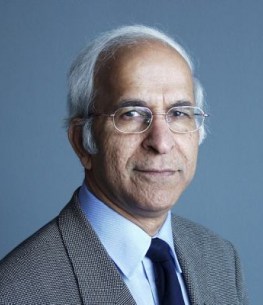 Bal Ram Singh合作论文数Faculty of Environmental Sciences and Natural Resource Management, Norwegian University of Life Sciences;International Environment and Development Studies, Noragric, Norwegian University of Life Sciences1
 Puneet Gupta合作论文数Department of Electrical Engineering, Samueli School of Engineering, University of California Los Angeles;NanoCAD Laboratory, University of California Los Angeles1
 Hans-Peter Kiem合作论文数Clinical Research Division, Fred Hutchinson Cancer Center;Vaccine and Infectious Disease Division, Fred Hutchinson Cancer Center1
 Keith Jerome合作论文数Virology Division, Department of Laboratory Medicine and Pathology, University of Washington;Vaccine and Infectious Disease Division, Fred Hutchinson Cancer Research Center1
 Bhaskaran Sasikumar合作论文数1
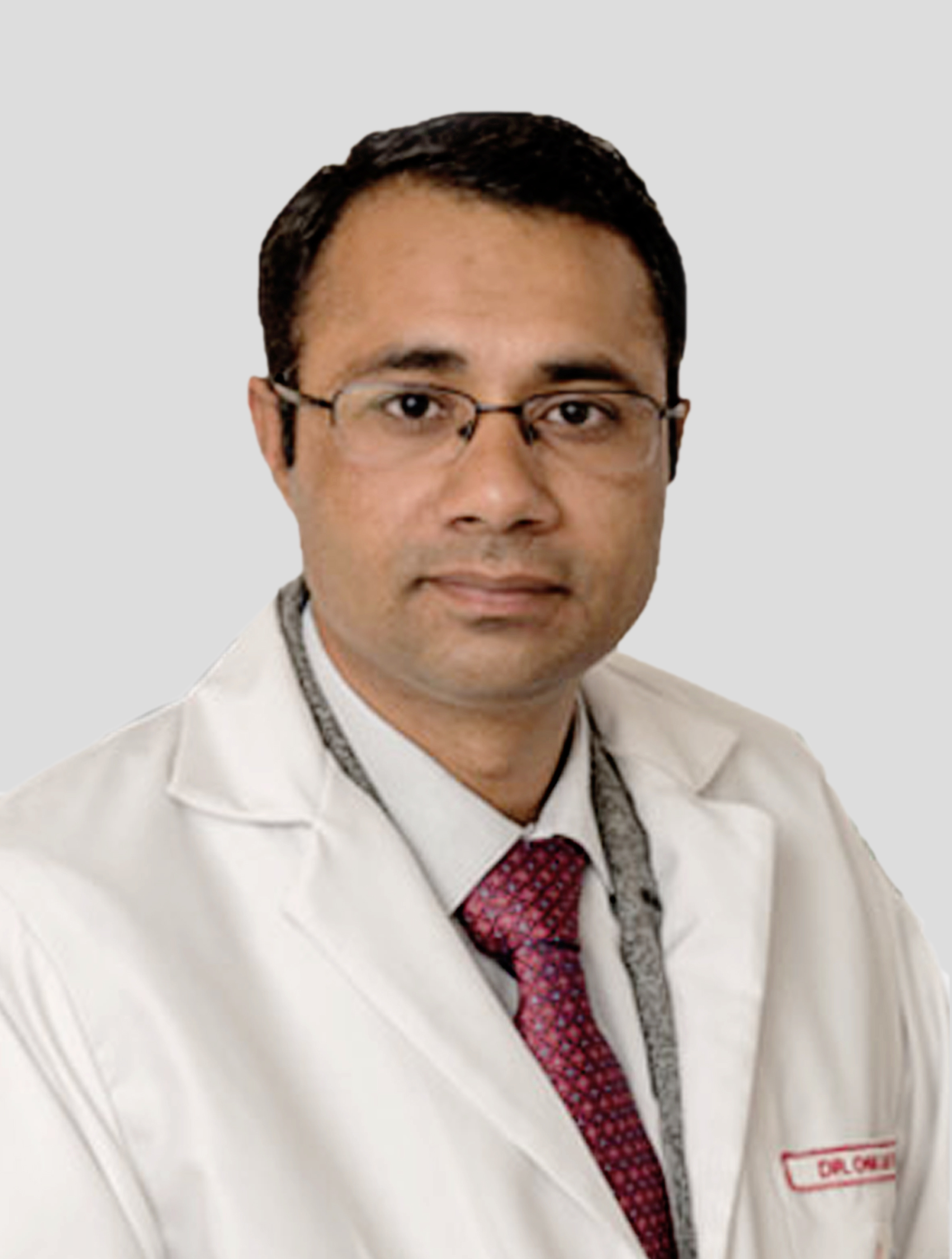 Onkar Singh合作论文数Shrimann Superspeciality Hospital1R. Suseela Bhai合作论文数Indian Institute of Spices Research1
 Ambrish Chandra合作论文数Departement de Genie Electrique, Ecole de Technologie Superieure1Martine Aubert合作论文数1B. M. Chauhan合作论文数1
 Manish Kumar Chatli合作论文数College of Veterinary Science, Guru Angad Dev Veterinary and Animal Sciences University1
 Subhash Chandra Bera合作论文数1




