CONTEXT Smallholder farmers produce most of Rwanda's agricultural output but remain highly exposed to food insecurity, climate shocks, soil degradation, and rising dependence on external inputs. Agroecology is increasingly promoted as a pathway to improve resilience and sustainability, yet investment planning remains constrained by a persistent gap: agroecological evidence is rarely translated into operational and investable domains that can be programmed, budgeted, and monitored. OBJECTIVE This study (i) measures agroecological transition levels among Rwandan smallholders, (ii) assesses how these levels are associated with multidimensional sustainability outcomes, and (iii) translates observed transition bottlenecks into a functionally defined and empirically grounded set of evidence-based investment domains for investment planning and scaling. METHODS The Tool for Agroecology Performance Evaluation (TAPE) was applied to 469 smallholder farms across Rwanda's five agroecological zones. Transition was assessed through CAET scores based on the 10 Elements of Agroecology, and performance indicators covered productivity and income dynamics, food security and nutrition, social inclusion, and ecosystem health. A Principal Component Analysis with k-means clustering generated a typology of transition profiles, and Canonical Correlation Analysis was used to examine multivariate associations between agroecological elements and sustainability outcomes. RESULTS AND CONCLUSIONS Farms with higher agroecological transition levels consistently achieve stronger outcomes across productivity, resilience, food security, social equity, soil health, and biodiversity indicators. Multivariate results confirm that agroecological transition is associated with bundled and mutually reinforcing improvements across sustainability dimensions, with diversification, recycling, and social values emerging as key levers linked to multiple outcome domains, including productivity, food security, soil health, and income stability. Based on transition bottlenecks identified through cluster typologies and multivariate analysis, the study identifies seven operational investment domains to accelerate transition in Rwanda: ecological intensification; organic fertilizers and bioinputs; farmer-managed seed systems; livestock integration; knowledge co-creation; youth and gender inclusion; and participatory governance. SIGNIFICANCE This study provides a comprehensive and empirically grounded farm-level assessment of agroecology in Rwanda. Its main contribution is to translate agroecological transition diagnostics into a functional investment framework, addressing a key gap between evidence and investment planning. By explicitly linking farm-level transition diagnostics to actionable financing and investment programming, it offers an operational framework that governments and partners can use to design, sequence, and monitor agroecology-focused programmes and investments.
The "Tool for Agroecology Performance Evaluation" (TAPE) was developed under the coordination of the Food and Agriculture Organisation of the United Nations (FAO) to assess the sustainability performance of agroecosystems. The assessment is mainly based on a 2-3-hour farm interview, in which a wide variety of data is collected. The environmental dimension has so far been represented in TAPE by two simple indices: A soil index, which is based on a visual analysis of the soil, and a biodiversity index, which is primarily based on the Gini-Simpson index of crops grown and animals kept. While the TAPE biodiversity index is crucial, it does not yet take into account so-called unplanned biodiversity, i.e. the impact of on-farm management practices on wild species. We have therefore expanded TAPE to include this aspect. Direct surveys of wildlife biodiversity in the field were not possible in TAPE, as this would have far exceeded the time required for data collection. Consequently, we based the newly developed biodiversity index on the indirect European BioBio method. The new index consists of ten indicators, which can take values between 0 and 100% and be aggregated to form the overall index. Examples of these indicators are field size, nitrogen application or stocking density. The new index was developed and tested on selected Swiss farms, where the comparison with a much more comprehensive and time-consuming method showed a positive correlation (r = 0.56, p-value = 0.009). The new index has so far been used in Switzerland (21 farms) and in Kenya (103 farms). In Switzerland, the field size and land use change indicators performed best (values > 75%), while the indicators tree habitat, nitrogen application, field operations and grazing intensity performed poorly (values > 50%). In Kenya, the field size, land use change, pesticide and field operations indicators reached values above 75%, while the tree habitat, grazing intensity and semi-natural habitat indicators had values clearly below 50%.
Raw food material supply is challenging for Home-Grown-School-Feeding (HGSF) and Productive-Safety-Net-Program (PSNP) in Ethiopia. This study was conducted to assess the institutional setup, infrastructure availability, challenges, and opportunities for the HGSF and PSNP programs in Ethiopia. The study was conducted in four purposively selected districts in Eastern and Southern Ethiopia. Quantitative data were collected from 619 farm households through survey interviews, while qualitative data were gathered using key informant interviews (KIIs) and focus group discussions (FGDs). The result showed that several NGOs and programs are available and operational across the target territories to address food and nutrition challenges. These institutions could be used as key entry points to link farmers with school feeding and productive safety net programs, thereby strengthening their capacity to implement nutrition-related issues. However, weak linkage mechanisms and limited synergy were reported between the smallholder farmers, flagship initiatives and the various organizations and programs. In addition to formal institutions and programs, informal networks and customary institutions are also present and have the potential to support efforts to improve the school feeding and the PSNP program by linking with smallholder farmers. These institutions can be harnessed as effective vehicle for reaching the local community to address food security challenges and target vulnerable households. Therefore, supporting the development of cooperatives and market linkages is critical to empower local producers. Moreover, linking smallholder producers with the home-grown school feeding program remains highly relevant.
Climate change is having unprecedented impacts on human health, including increasing infectious disease risk. Despite this, health systems across the world are currently not prepared for novel disease scenarios anticipated with climate change. While the need for health systems to develop climate change adaptation strategies has been stressed in the past, there is no clear consensus on how this can be achieved, especially in rural areas in low- and middle-income countries that experience high disease burdens and climate change impacts simultaneously. Here, we highlight the need to put health systems in the context of climate change and demonstrate how this can be achieved by taking into account all aspects of infectious disease risk (i.e., pathogen hazards, and exposure and vulnerability to these pathogen hazards). The framework focuses on rural communities in East Africa since communities in this region experience climate change impacts, present specific vulnerabilities and exposure to climate-related hazards, and have regular exposure to a high burden of infectious diseases. Implementing the outlined approach can help make health systems climate adapted and avoid slowing momentum towards achieving global health grand challenge targets.
Similarly to other tropical, arid and semi-arid regions of the World, livestock production in the Sahel is based on extensive grazing in rangelands where managing herd mobility (transhumance and nomadism) is key to productivity and sustainability. However, in this region, government planning, impact assessments and climate change adaptation solutions face several methodological limitations and lack of data availability particularly about the feed and forage resources and how there are used by livestock. Existing feed balances at national or regional level in Sub-Saharan Africa are still largely perfectible. To address these limitations, FAO and CIRAD (French Agricultural Research Centre for International Development) have developed a tool called Feed Balance Sheet (FBS) adapted to the Sahelian livestock systems to help countries carry out improved feed balances. This new FBS tool provides the following improvements to existing feed balances in countries: (i) it considers the seasonality of feed availability and quality as well as the seasonality of animal requirements; (ii) it includes protein and energy in addition to dry matter; (iii) it takes into account a wide range of resources, including browsing of woody biomass. This article describes the methodological development and the assumptions underlying this tool, which has already been piloted in 6 countries in Western and Central Africa. It also presents the results from 2 countries (Mali and Chad) and draws conclusions on the tool’s relevance and guidance for its application. It can be used to improve the resilience of pastoral communities in the Sahel and better plan responses to droughts and other types of crises. Its use requires dedicated training and partnerships between governments and science organizations for accessing the appropriate input data. Based on the tool’s experience in six countries (including 2 for which results are presented in this paper), we have confirmed the key role that CIRAD, FAO and their partners must play during the first few years in coaching the different teams at the country level.
Many funding institutions and development agencies are facing the same challenge when considering the sustainability of their investment portfolio in agriculture: the livestock sector has a large environmental footprint, the most pressing one being its contribution to climate change, but it is essential for food security, nutrition and livelihoods for billions of poor people in the world. While other challenges such as biodiversity losses or land degradation are growing and should also be addressed, climate change is the number one concern these organizations are facing now, and even more so since the Global Methane Pledge launched in 2021. The choice should not be whether or not to invest in livestock but rather how to invest, and we argue that a share of the emission budget should be allocated to livestock given its multiple positive contributions. Improving livestock production will not only be beneficial for nutrition and incomes but it is also key if we are to achieve our current climate targets. To be able to account for these benefits while accurately measuring greenhouse gas emissions, and to reflect this in national climate commitments, we need specific data, tools and capacity which are currently not available in all countries. It is the role of science to continue providing references in a diversity of local contexts to better estimate emissions and advise how to reduce them.
Food and nutrition insecurity remains one of the fundamental challenges among smallholder farmers in Ethiopia. To address these challenges, various policies and strategies have been designed and implemented in the country. This study is aimed at assessing and analyzing the relationship between dietary diversity and agroecology using the Tool for Agroecological Performance Evaluation (TAPE) methodology in selected regional states in Ethiopia. The study employed a combination of quantitative and qualitative methodologies. A total of 619 sample farm households were randomly drawn. The findings revealed that a large majority of farms assessed were found to be non-agroecological. In terms of diet diversity, the consumption of important food groups such as meat, eggs, fruits, and pulses has been very low. This result suggests that the vast majority of households suffer from micronutrient deficiency due to low level of dietary diversity. The study also revealed that households with more advanced agroecological farms had better dietary diversity. This study concludes that agroecological-based farming can improve production and contribute to better dietary diversity. As we move from non-agroecological to agroecological farms, dietary diversity score increases, suggesting the importance of fostering agroecological transition through awareness creation (agroecology education) and sensitization.
This study presents the results of agroecological performance evaluation in Ethiopia. The study utilized the TAPE methodology on a relatively large number of farms (619). The results showed that transition to agroecology had a positive effect on tenure security, agricultural output, gross revenue, and diversity of Income-Generating Activities. More advanced agroecological farms were found to have better soil health and agrobiodiversity, and reduced use of chemical pesticides. They were also associated with better dietary diversity; more empowered youth and women; and created on-farm employment opportunities. These results call for support and public investments on agroecological transition in the country.
Residents of the Sahel depend on livestock, but harsh environmental conditions during the dry season limit rangeland forage, which is the main source of livestock feed. Al-though operational tools exist for assessing and monitoring forage quantity during the dry season, assessments of forage quality are lacking. We addressed this gap by developing satellite-based monitoring of forage quality across Sahelian rangelands during the dry season. Acid detergent fiber (ADF), neutral detergent fiber (NDF), and crude protein (CP) content (%) were measured in forage samples collected from 11 sites across the Senegalese rangelands in 2021. Multilinear (MML) regression and support vector machine (SVM) models were calibrated with spectral indices to estimate these parameters of forage quality. The vegetation variables assessed were herbaceous mass (HQ), woody foliage mass (LQ), and total fo-rage mass (HLQ). The MML regression provided the most accurate estimates for CP (HQ: R2 = 0.81, LQ: R2 = 0.72, and HLQ: R2 = 0.70), ADF (HQ: R2 = 0.70, LQ: R2 = 0.77, and HLQ: R2 = 0.61), and NDF (HQ: R2 = 0.47, LQ: R2 = 0.83, and HLQ: R2 = 0.60). Temporal analysis revealed a slight decrease in CP and an increase in fiber during the dry season. Spatial analysis indicated that CP was higher in the steppe zone than in the savanna zone, and a decrease correlated with the rainfall gradient. The HQ alone was insufficient to meet livestock needs during the dry season, highlighting the importance of woody plants as an additional forage source. These findings will improve feed balance calculations in Sahelian countries, enable more sustainable use of rangelands, and contribute to the resilience of Sahelian communities to climate change. (c) 2024 The Author(s). Published by Elsevier Inc. on behalf of The Society for Range Management. This is an open access article under the CC BY-NC-ND license ( http://creativecommons.org/licenses/by-nc-nd/4.0/ )
CONTEXT: Livestock are an important component of livelihoods in smallholder dairy systems in Africa, but are characterized by low animal productivity and large environmental impacts per unit of animal product (e.g. greenhouse gas emissions (GHG) intensities). Governments in African countries have set ambitious targets for dairy systems, but development of climate-smart strategies has been hindered by a scarcity of baseline data and local intervention trials. OBJECTIVE: We use a rich dataset from smallholder mixed dairy systems in Kenya to determine whether national climate and development goals for 2030 can be met using locally appropriate interventions. Interventions considered included improved herd management and feed interventions. METHODS: We conducted a yield gap analysis to determine the scope of the existing milk yield gaps, then evaluated the extent to which yield gaps could be closed using interventions in a second step. We outscaled our results to the national level to determine the potential impact of adopting our interventions on national dairy production and GHG emission goals using the FAO Global Livestock Environmental Assessment Model - interactive (GLEAM-i) tool. RESULTS AND CONCLUSIONS: Our analysis showed that substantial yield gaps exist in Kenyan dairy systems (39 to 49% of attainable yields). These gaps could be closed by intervention packages but not by individual interventions alone. Our outscaled scenarios showed interventions can reduce milk GHG emission intensities (-6.5 to -27.4%), while absolute emissions would increase in most scenarios (-3.9 to +25.9%). To meet national milk production goals, we estimated that a large increase in animal numbers is needed by 2030 compared to 2010 (from similar to 2.7 M to 4.5-7.1 M heads of cattle). However, most scenarios fell short of the emissions target (-4% to +48%) by 2030. It may be possible to narrowly meet Kenyan national milk production and GHG emission goals by 2030. SIGNIFICANCE: National goals for milk production and reducing GHG emissions were only marginally compatible in Kenya. Other sectors of the economy will need to reduce emissions to ensure that food and nutrition security objectives are not jeopardized. In order to achieve national milk goals, there will be need to be a consummate increase in animal numbers even with the adoption of multiple interventions. To meet Kenya's national emissions goals, widespread adoption of several locally appropriate interventions will be required. International support will be needed to meet Kenya's conditional Nationally Determined Contributions under the 2015 Paris Agreement, as well as food and nutrition security goals.
CONTEXTIn 2019, FAO and partners launched the Tool for Agroecology Performance Evaluation (TAPE), an innovative and comprehensive framework to produce global and harmonized evidence on the multidimensional performance of agroecology and on its potential to contribute to sustainable food systems and the achievement of the SDGs.In 2020, TAPE was used in Mali to assess the status of agroecological transition of local farms and to identify its correlation with farms' quantitative performance across the economic, social, and environmental dimensions of sustainability.OBJECTIVEThe aim of this study is to present the evidence on the multidimensional performance of agroecology produced through the implementation of TAPE in 233 farms in the region of Kayes, in Mali.METHODSThrough a standardized survey filled during farm visits, TAPE provides a characterization of the level of agroecological transition of local farms and an assessment of their performance across the economic, environmental, and social dimensions of sustainability.RESULTS AND CONCLUSIONSThe use of TAPE in this study shows that agricultural systems in the region of Kayes are at very different levels of agroecological transition and that more advanced agroecological types of farms have better performances across the different dimensions of sustainability:-produce more and create more wealth from agropastoral activities using less external and industrial inputs;-use less pesticides, have better soil health, have more agricultural biodiversity, and higher presence of natural vegetation and pollinators on farm;-have more empowered youth more prone to continue as farmers and less prone to emigrate, and more family members directly employed in agropastoral production;-enjoy an improved dietary diversity and a higher level of food self-sufficiency.SIGNIFICANCEThere is a growing global interest in agroecology and a growing demand for evidence on its performance across the different dimensions of sustainability and on its potential to contribute to the achievement of the SDGs. TAPE has been created with the goal to fill this knowledge gap through the creation of global and harmonized evidence on the multidimensional performance of agroecological systems. The presentation of TAPE's results from Mali is meant to inform all interested stakeholders on the performance of agroecology in the context of Sub-Saharan Africa, to support the transition of different types of agricultural systems towards more sustainable production, and to encourage the formulation of adequate programs and policies enabling different processes of transition that take into consideration agroecological practices and principles. Such evidence is particularly needed in Sub-Saharan Africa where agroecology as a science, a practice and a social movement has been less promoted than in other regions.
Since 2014, the Food and Agriculture Organization of the United Nations (FAO) has played a leading role in facilitating agroecology discussions and dialogues among many different regions and stakeholders. FAO’s engagement with agroecology as one promising way of achieving the Sustainable Development Goals (SDGs) was confirmed in 2018 with the launch of the Scaling Up Agroecology Initiative. FAO’s function is of a dual but interconnected nature: that of normative operational work. This is reflected in FAO’s work on agroecology, which combines the normative and operational aspects to create synergies through their linkages, thus creating a policy bridge for transformation. Undergirding this work is the framework of the 10 Elements of Agroecology, which was approved by FAO Governing Bodies in November 2019 and has been expanded to include its use in visual narratives to describe plausible theories of change to facilitate food systems transformation. The 10 Elements serve as the foundation for the normative and operational aspects of the Scaling Up Agroecology Initiative (SUAI), which include various tools, knowledge pieces, projects, policy initiatives, and sharing platforms. Nowhere is this foundation of the 10 Elements clearer than in the Tool for Agroecology Performance Evaluation (TAPE), a tool for assessing the multidimensional performance of agroecology. TAPE relies upon the 10 Elements to characterize the level of agroecological transition of production systems in agriculture at scale and in time. Upon this snapshot of transition, criteria of quantitative performance are assessed. Recent utilization of TAPE across the globe has strongly shown how TAPE can help actors make data-driven decisions to elicit transformational change at all levels of the territory, when it is linked to the other aspects of the SUAI underpinned by the 10 Elements, thus effectively bridging policy and praxis.
Scientific and political discussions around the role of animal-source foods (ASFs) in healthy and environmentally sustainable diets are often polarizing. To bring clarity to this important topic, we critically reviewed the evidence on the health and environmental benefits and risks of ASFs, focusing on primary trade-offs and tensions, and summarized the evidence on alternative proteins and protein-rich foods. ASFs are rich in bioavailable nutrients commonly lacking globally and can make important contributions to food and nutrition security. Many populations in Sub-Saharan Africa and South Asia could benefit from increased consumption of ASFs through improved nutrient intakes and reduced undernutrition. Where consumption is high, processed meat should be limited, and red meat and saturated fat should be moderated to lower noncommunicable disease risk—this could also have cobenefits for environmental sustainability. ASF production generally has a large environmental impact; yet, when produced at the appropriate scale and in accordance with local ecosystems and contexts, ASFs can play an important role in circular and diverse agroecosystems that, in certain circumstances, can help restore biodiversity and degraded land and mitigate greenhouse gas emissions from food production. The amount and type of ASF that is healthy and environmentally sustainable will depend on the local context and health priorities and will change over time as populations develop, nutritional concerns evolve, and alternative foods from new technologies become more available and acceptable. Efforts by governments and civil society organizations to increase or decrease ASF consumption should be considered in light of the nutritional and environmental needs and risks in the local context and, importantly, integrally involve the local stakeholders impacted by any changes. Policies, programs, and incentives are needed to ensure best practices in production, curb excess consumption where high, and sustainably increase consumption where low.
This data article is a result of research conducted by a multidisciplinary team of researchers with the aim of analyzing agroecological transition and performance of agroecology in Ethiopia. It was conducted in four districts of Oromia and Southern Nations, Nationalities and People's (SNNP) regional states - Fedis district (East Hararghe Zone) and Miesso district (West Hararghe Zone) from the Oromia region, and Kindo Koysha district (Wolaita Zone) and Meskan district (Gurage Zone) of SNNP region. The rationale behind generating this dataset lies on the fact that there is scanty empirical evidence on the multidimensional performance of agroecology in the country. Available evidence only provides data on limited indicators of sustainability. Hence, there is a lack of comprehensive data on the economic, environmental and social indicators of sustainability and agroecological transition in the context of smallholder farming systems in the country. To fill this gap, the Food and Agriculture Organization of the United Nations (FAO) commissioned a consultancy project that employed the Tool for Agroecological Performance Evaluation (TAPE) to assess several dimensions and indicators of agroecological transitions and generate globally comparable data. A random sample of 619 farms were selected from 12 Kebeles (i.e., the lowest administrative unit), and trained enumerators gathered primary data based on a modified TAPE questionnaire using Kobo Toolbox. Participation of smallholders was on a voluntary basis and informed consent was obtained from the respondents. The survey questionnaire contained information on basic socio-economic and demographic characteristics, access to services and infrastructure, livelihood and Income-Generating Activities (IGAs), social and ecological indicators. Data on the 10 elements of agroecology was also collected. The collected data were entered into a STATA software, cleaned and analyzed through descriptive and inferential statistics. The outputs were summarized in Tables, Charts and Graphs. Since the data contained in this data article are disaggregated by study district, categories of agroecological transition, production typology and land size groups, this can foster the promotion of specific projects and programs that can address expressed needs of smallholder farmers. It can also facilitate agro-ecological based implementation of development interventions to encourage agroecological transition, sustainable development and food systems. The dataset can also enable researchers, practitioners and other decision-makers to make comparative analysis on the economic, environmental and social dimensions of sustainability. The analyzed data is provided in this data article. The raw data used to prepare figures is provided as a supplementary material. A copy of the questionnaire, raw dataset, and description of variables are available online on Mendeley Data.
Agroecology is increasingly recognized as a pathway for agricultural transformation that can mitigate environmental harms and improve social equity. Yet, the lack of broad-scale assessments that track agroecological indicators in distinct contexts has been identified as a challenge to scaling agroecology out and up. Here, we identify and assess indicators of agroecology based on the Food and Agriculture Organization’s 10 Elements of Agroecology and Tool for Agroecology Performance Evaluation. We created an agroecological index representing the status of agroecological practices and outcomes on farms in Brazil and mapped the results at the municipal level (the smallest autonomous administrative territorial unit in Brazil) using data from the 2017 agricultural census. We found that the extent of agroecological practice across Brazil’s 26 states exhibited strong spatial variability. Within states with low average levels of agroecological practice, we identified “bright spots” of agroecology, or municipalities that performed better than their state average. Bright spot analyses may provide insights on how other municipalities could improve their agroecological status, as well as illustrate potential factors inhibiting agroecological transitions elsewhere. Based on the analysis of local contexts through a literature review, we found that bright spots corresponded to areas with highly visible activities of grassroots farmer networks and nongovernmental organizations, access to public policies and programs, proximity to urban markets, and maintenance of traditional agricultural practices. This suggests that additional institutional investment and support should be directed toward strengthening these enabling factors for agroecology.
The current global energy scarcity is leading to a sharp increase in its price and indirectly in the price of feed. Therefore, the large part of animal production that relies on cereals, pulses and cultivated forage will experience a sharp loss of competitiveness. The low energy efficiency of animals makes these arable land-based (ALB) livestock systems very vulnerable to the current energy crisis. The increase in production costs could lead to a sharp rise in the price of animal products. If entirely reflected in product prices, this increase in production costs would lead to a significant drop in consumption in the context of reduced purchasing power. Therefore, the risk of a drop in income for farmers is real. To avoid this scenario, we proposed that two consequences seem unavoidable for livestock farming systems: i) the reduction of arable land dedicated to the production of animal feed, as other markets will be more profitable, and ii) a switch to feeding strategies based on low opportunity land and raw materials from which livestock production is most likely to benefit, i.e., low-quality resources that are difficult to harvest. This would result in a reduction in animal numbers and a redistribution of livestock in agricultural landscapes, a change in the types and traits of farm animals, an adaptation of supply chains and a rebalancing of diets. Such an evolution of livestock farming should also respond to other major challenges, such as climate change and feeding humanity.
Strengthening of feed security in the Sahel is urgently needed given the climate change and growing human population. A prerequisite to this is sustainable use of rangeland forage resources for livestock. Many studies have focused on the assessment of rangeland resources during the rainy season, while only a few have focused on the dry season which is the longest and most demanding period for livestock in Sahelian rangelands. The objective of this study is to develop remote sensing-based models for estimating dry season forage vegetation mass. To that end, 29 vegetation indices calculated from each of the MODIS-MCD43A4 (500 m), Landsat-8 (30 m), and Sentinel-2 (10 m) satellite products were used and tested against in situ data collected during three field-measurement campaigns in 2021 at eleven monitoring sites across Senegalese rangelands. Four statistical models were tested, namely, random forest, gradient boosting machines, and simple linear and multiple linear regressions. The two main vegetation mass variables modeled from remote sensing imagery were the standing herbaceous and litter dry mass (BH) and total forage dry mass (BT) with a dry mass of woody plant leaves added to BH. Overall, Sentinel-2 data provided the best performance for the assessment of BH with multiple linear regression (R2 = 0.74; RMSE = 378 kg DM/ha) using NDI5 (Normalized Difference Index5), GRCI (Green Residue Cover Index), SRI (Simple Ratio Index), TCARI (Transformed Chlorophyll Absorption in Reflectance Index), and DFI (Dead Fuel Index) indices. For BT, the best model was also obtained from Sentinel-2 data, including RVI3 (Ratio Vegetation Index3) (R2 = 0.78; RMSE = 496 kg DM/ha). Results showed the suitability of combining the red, green, blue, NIR, SWIR1, and SWIR2 bands in monitoring forage availability during the dry season. Our study revealed that the spectral richness of the optical sensor systems Sentinel-2, Landsat-8, and MODIS-MCD43A4 allowed for accurate assessments of dry-season forage mass of semi-arid rangelands. Adding to this, the high spatial and temporal resolution of Sentinel-2 satellite imagery makes this a promising data source for timely monitoring. These findings can support the monitoring of the animal feed balance in Sahelian countries and contribute to enhancing the resilience of pastoralism toward feed shortage through early warning systems.
 Pierre J. Gerber合作论文数14
 Carolyn Opio合作论文数10Dario Lucantoni合作论文数FAO's Animal Production and Health Division, Viale delle Terme di Caracalla, 00153 Rome (Italy)8h steinfeld合作论文数8
 Benjamin Henderson合作论文数Livestock Information, Sector Analysis and Policy Branch, Food and Agriculture Organization of the United Nations;Livestock Information, Sector Analysis and Policy Branch, Food and Agriculture Organization of the United Nations7Philippe Thonart合作论文数7Michel Paquot合作论文数7Alessandra Falcucci合作论文数7G. Tempio合作论文数6Giuseppe Tempio合作论文数6
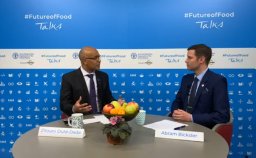 Abram J. Bicksler合作论文数6F. Teillard合作论文数5A. Falcucci合作论文数5
 Getachew Shambel Endris合作论文数Rural Development and Innovation studies, Haramaya University5
 Chanyalew Seyoum Aweke合作论文数Res Extens & Publicat, Haramaya Univ5L. Fraipont合作论文数5
 Jemal Yousuf Hassen合作论文数Haramaya University College of Agriculture4
 Muluken G. Wordofa合作论文数4T. Tshiamala合作论文数4
 Lutz Merbold合作论文数Institute of Plant-, Animal- and Agroecosystem Sciences, ETH Zurich4
 Annick Gibon合作论文数4
 Sylvie Ladet合作论文数4Beate Scherf合作论文数3
 Tesfaye T. Lemma合作论文数Towson Univ3
 Getachew Neme Tolesa合作论文数3Ph. Thonart合作论文数3Cees de Haan合作论文数2Frederic Ham合作论文数2
 Harinder Makkar合作论文数2
 Adama Lo合作论文数2Jean-Michel Sourisseau合作论文数2Paulo Petersen合作论文数2Theun Vellinga合作论文数2
 Ibrahima Diedhiou合作论文数2Rassoul Sy合作论文数2
 Assouma Mohamed Habibou合作论文数INRA Supagro, Univ Montpellier2
 Leroux Louise合作论文数2
 Rachel Bezner Kerr合作论文数Department of Global Development, College of Agriculture and Life Sciences, Cornell University2
 Diouf Abdoul A合作论文数2
 Uwizeye A合作论文数2
 Rasmus Fensholt合作论文数Department of Geosciences and Natural Resource Management, University of Copenhagen2
 Alexandre Ickowicz合作论文数CIRAD-EMVT, ISRA-LNERV2Matthieu Lesnoff合作论文数Centre de Coopération Internationale en Recherche Agronomique pour le Développement (CIRAD), UMR Systèmes d’Elevage Méditerranéens et Tropicaux, Campus International de Baillarguet, 34398 Montpellier Cedex 5, France2
 Allison Loconto合作论文数2Raffaello Cervigni合作论文数2
 Siwa Msangi合作论文数International Food Policy Research Institute2
 Torbern Tagesson合作论文数Department of Geography and Geology, University of Copenhagen2
 Eric Scopel合作论文数CIRAD PERSYST, UMR System2




