ObjectiveStroke is a major cause of disability, impacting mobility worldwide. Overground robotic-assisted gait training uses wearable exoskeletons to improve walking. This systematic review and meta-analysis assess its effectiveness versus conventional gait training in enhancing gait velocity and balance in poststroke patients.DesignOur search was conducted in the Pubmed, Cochrane, ScienceDirect, Scopus, and PEDro electronic databases for English journal articles about human randomized controlled trials of the last two decades, investigating overground robotic-assisted gait training effects on gait parameters of poststroke patients compared with conventional gait training.ResultsA comprehensive literature search identified seven randomized controlled trials with a total of 288 participants. Meta-analysis results indicated that overground robotic-assisted gait training significantly improved after intervention gait velocity (summary mean difference: 0.09 m/sec, 95% confidence interval 0.02-0.17), while other gait parameters, such as stride length and cadence, showed no statistically significant differences. The intervention was well-tolerated, with no major adverse events reported.ConclusionsDespite the positive impact on gait speed, challenges remain, including high device costs and the need for further research to optimize training parameters. These findings support the potential of overground robotic-assisted gait training as an effective tool for gait rehabilitation in stroke survivors, highlighting the need for larger studies with long-term follow-up to refine its clinical application.
Objectives To assess the synergistic impact of radiotherapy-induced xerostomia and dysphagia on malnutrition in Greek Head and Neck Cancer (HNC) survivors compared with matched controls, and to psychometrically validate the Greek version of the MD Anderson Dysphagia Inventory (MDADI). Materials and methods A cross-sectional, case-control study was conducted with 66 HNC patients (3 months post-RT) and 67 age- and sex-matched healthy controls (Oct 2024–Apr 2025). The study adhered to STROBE guidelines (Ethics No. 37871). Participants completed the MDADI, Xerostomia Inventory (XI), and PG-SGA Short Form. Statistical analyses included Cronbach's alpha for validation, Mann–Whitney U tests, Spearman's ρ, multivariable logistic regression, and Receiver Operating Characteristic (ROC) curve analysis to determine diagnostic accuracy. Results The Greek MDADI demonstrated excellent internal consistency (α = 0.92) and discriminant validity (Patients: 61.0 vs. Controls: 83.0, p < 0.001). Xerostomia and dysphagia were highly prevalent and strongly correlated (ρ = −0.69, p < 0.001). In the multivariable model, dysphagia emerged as the sole independent predictor of malnutrition (OR = 0.86, 95% CI: 0.77–0.95, p = 0.004), indicating a 14% risk reduction for every 1-point improvement in MDADI. ROC analysis identified an MDADI score of <53 as the optimal cutoff for detecting malnutrition risk (AUC = 0.78, Sensitivity 55%, Specificity 93%). Conclusions Dysphagia is the primary driver of malnutrition in the early post-RT period. The Greek MDADI is a valid clinical tool, and a score below 53 should serve as a "red flag" triggering immediate nutritional and speech-pathology intervention. Integrated management of the xerostomia-dysphagia-malnutrition cluster is essential for survivorship care.
Background Parkinson’s disease (PD) primarily affects the motor system, and many patients experience vocal disorders in the early disease stages. These findings can be utilized for the development of telediagnosis systems aimed at the early detection of PD. Methods The present study proposes an automated diagnostic tool trained on a dataset containing voice recordings of 252 participants. These recordings underwent feature extraction, pre-processing, and selection before being sent to a neural network hybrid algorithm to classify them into two categories: Normal and abnormal. The hybrid algorithm creates and trains a set of higher-order multicube unit (MCU) single-layer neural networks (SLNNs). The MCU uses a series of hypercubes, where each site of each cube corresponds to a weight value. These trained MCU SLNNs are evolved using a modified genetic algorithm (GA), and the most optimal one is selected for the classification process. The GA is self-adaptive, and can determine the optimal number and size of each subcube forming each MCU in the network (hidden and output layers). In addition, it can tune the hidden-layer weights. Results A single-hidden-layer network with 50 MCU neurons, assessed through 10-fold cross-validation, attained a peak cation accuracy of 87.55%, surpassing 15 benchmark methods. These methods include ten back-propagation (BP) variants, support vector machine (SVM), decision tree (DT), extreme learning machine (ELM), online sequential ELM (OS-ELM), and MCU-ELM, with SVM being the second-best, achieving an accuracy of 86.84%. Statistical significance was validated using the Wilcoxon signed-rank test, yielding P-values <0.05 for all pairwise comparisons. Conclusion The proposed algorithm achieved the highest accuracy in classifying vocal disorders for early PD detection, offering a promising tool for telediagnosis systems.
OBJECTIVE:Stroke is a major cause of disability, impacting mobility worldwide. Overground robotic-assisted gait training uses wearable exoskeletons to improve walking. This systematic review and meta-analysis assess its effectiveness versus conventional gait training in enhancing gait velocity and balance in poststroke patients. DESIGN:Our search was conducted in the Pubmed, Cochrane, ScienceDirect, Scopus, and PEDro electronic databases for English journal articles about human randomized controlled trials of the last two decades, investigating overground robotic-assisted gait training effects on gait parameters of poststroke patients compared with conventional gait training. RESULTS:A comprehensive literature search identified seven randomized controlled trials with a total of 288 participants. Meta-analysis results indicated that overground robotic-assisted gait training significantly improved after intervention gait velocity (summary mean difference: 0.09 m/sec, 95% confidence interval 0.02-0.17), while other gait parameters, such as stride length and cadence, showed no statistically significant differences. The intervention was well-tolerated, with no major adverse events reported. CONCLUSIONS:Despite the positive impact on gait speed, challenges remain, including high device costs and the need for further research to optimize training parameters. These findings support the potential of overground robotic-assisted gait training as an effective tool for gait rehabilitation in stroke survivors, highlighting the need for larger studies with long-term follow-up to refine its clinical application.
Background: Anterior cervical discectomy and fusion (ACDF) is a widely performed surgical intervention for cervical spine herniation (CSH) to alleviate symptoms such as pain, weakness, and restricted mobility. Despite its efficacy, ACDF is associated with postoperative complications, notably dysphagia and dysphonia (PDD). Objective: This study investigates the prevalence, severity, and risk factors associated with PDD following ACDF using the validated Dysphagia and Dysphonia Inventory (HSS-DDI) adapted into Greek. Methods: A prospective observational cohort study was conducted at the University General Hospital of Ioannina from May to November 2023. The study involved 40 adult patients who underwent ACDF for CSH. Postoperative dysphagia and dysphonia were assessed using the Ohkuma questionnaire and HSS-DDI at 1 week and 1 month postoperatively. Results: The mean age of participants was 54.78 years, with a majority being male (60%). In terms of body mass index (BMI), 30% of participants had a normal weight, 47.5% were overweight, and 22.5% were obese. This study revealed that dysphagia and dysphonia were common postoperative complications, with improvements noted after one month. Factors such as BMI were statistically significant in influencing dysphagia outcomes, with normal BMI individuals reporting better outcomes than obese participants. Confirmatory factor analysis indicated the need for a larger sample size to confirm subscale validity in the Greek population. Conclusions: Postoperative dysphagia and dysphonia are prevalent following ACDF, but most patients experience improvements within a short period. Identifying risk factors, such as BMI, and utilizing validated assessment tools like the HSS-DDI can help optimize surgical techniques and postoperative care. Further studies with larger sample sizes are recommended for a more comprehensive understanding of these complications.
OBJECTIVE:This study aimed to assess the effects of aquatic therapy in individuals with hemiplegia compared with those of a conventional land-based exercise program. DESIGN:This was a blinded, randomized controlled study of chronic stroke patients with hemiplegia. The participants were randomized in to aquatic therapy (experimental) or conventional therapy (control) groups. The aquatic therapy group conducted the exercise program in a swimming pool, and the conventional therapy group performed to an exercise on the land environment three times per week for 6 wks. Both interventions focused on posture, balance, and weight-bearing exercises. Outcomes included the Berg Balance Scale, Brunnstrom Scale, Motricity Index, muscle strength tests, Modified Ashworth Scale, Postural Assessment Scale for Stroke, Trunk Control Test, and Functional Independence Measure. In addition, postural sway was evaluated by using the variables of center of pressure displacements in the mediolateral and anteroposterior directions. RESULTS:The findings of the present study show that the experimental group (26 patients) exhibited significant improvements in spasticity compared with the control group (25 patients) ( P = 0.01). The conventional therapy group also achieved significant improvements ( P < 0.05) in anteroposterior deviation, mediolateral velocity, and total velocity of center of pressure in a sitting position with eyes closed. CONCLUSIONS:Land-based exercises were more beneficial in the spasticity of chronic stroke patients.
Objectives: Different types of exercises that aim in the development of balance, motor function, and gait are necessary for patients with motor disorders. Equine-assisted therapy could play an important role in the rehabilitation of these participants. Methods: The purpose of this study was to examine the effects that equine-assisted therapy can exert on balance, motor function, spasticity, posture and gait, as well as quality of life on individuals with motor disorders. Clinical trials, published up to 20 April 2022, comparing equine-assisted therapy with conventional rehabilitation were systematically searched. Two independent reviewers performed data extraction and assessed the quality of studies using the Downs and Black quality assessment tool. Results: Out of 27 studies that satisfied the inclusion criteria for systematic review, 15 included appropriate data for further comparative meta-analysis. Statistically significant differences were found in Dimension E (walking, running, jumping) of Gross Motor Function Measure in children with CP (0.009) and in Time Up and Go in Elderly and post-stroke participants (p = 0.006). Specifically, children with CP improved in walking, running, and jumping, as well as improved mobility in the elderly. The systematic review showed that the intervention had positive results, as well as in other domains, even though these were not statistically significant. Conclusions: Equine-assisted therapy is beneficial for individuals with impairments in balance, gross motor function, gait, spasticity, and coordination.
Heterotopic ossification (HO) is a frequent complication following spinal cord injury (SCI), yet evidence regarding the efficacy of bisphosphonates in managing this condition remains limited. This systematic review aims to evaluate the role of bisphosphonates in the prevention and treatment of HO in patients with SCI. A comprehensive search of PubMed, CINAHL, ScienceDirect, Cochrane Library, and the Centre for Reviews and Dissemination databases was conducted to identify studies meeting predefined inclusion criteria. Relevant articles were also identified through bibliographic references. A total of 11 studies were included: nine investigating etidronate, one on alendronate, and one on pamidronate. Bisphosphonate administration varied, with oral etidronate provided for a minimum of 12 weeks and intravenous pamidronate given for up to 14 days. Bisphosphonates were used either prophylactically or therapeutically to delay the progression of HO. Findings across all studies highlighted the preventive role of bisphosphonates in reducing the occurrence of HO in SCI patients and demonstrated their therapeutic potential, as evidenced by less extensive heterotopic bone formation. However, the available evidence remains insufficient to draw definitive conclusions about the optimal use of bisphosphonates in this population. Further well-designed clinical trials are required to elucidate their preventive and therapeutic efficacy in managing HO after SCI.
ObjectiveTo evaluate the efficacy of equine-assisted therapy for the static and dynamic balance in the rehabilitation of children and adolescents with cerebral palsy maintaining obtained improvement 8-weeks after the end of the intervention.MethodThe study lasted 28 weeks, of which the intervention lasted 12 weeks. Measurements were taken before, in the middle, after the end of the intervention and follow-up after 12 weeks. Paediatric Balance Scale and dynamic plate were used to evaluate the balance. Wechsler Intelligence Scale for Children (3rd edition) was used to assess mental capacity, and the Gross Motor Function Classification System for the assessment of functional capacity for the participants. Exercises on the horseback were individualised for every participant.ResultsThe study comprised 27 participants with cerebral palsy. Statistically significant improvements were found for the Paediatric Balance Scale (p<0.001) and the mean dynamic plate pressure for both feet (p<0.05). The Paediatric Balance Scale results remained in the follow-up and were found clinically significant.ConclusionsThe results suggest that this type of approach in rehabilitation can be beneficial with clinical significance for improving the motor dysfunctions and quality of life in cerebral palsy.
Purpose/Objective: To explore how spousal caregivers of older people undergoing rehabilitation experience gender within the Greek community. Research Method/Design: A psychological phenomenological design and analysis were used to illuminate the unique meanings 11 spousal caregivers attribute to their experience of gender by gathering qualitative data via interviews. Results: The data provided an insight into the structure of the experience of gender for the spousal caregivers as a normative diachronic identity in a succession of phases: normative constitution, alienation, and reparation. Conclusions/Implications: The findings highlight the influence of gender stereotypes on spousal caregivers' self-concept, agency, caregiving evaluations, and practices, emphasizing the importance of adopting an intersectional perspective in future research and interventions, considering various factors such as ethnicity, gender, sexuality, age, power dynamics, and cultural norms. Spousal caregivers experience alienation on entering the caregiving journey, with gender-related vulnerabilities affecting their psychological well-being. Addressing these vulnerabilities can improve caregivers' mental health and foster effective coping strategies. The study emphasizes the moral aspect of caregiving, highlighting the relationship between a sense of obligation, feelings of guilt, gender norms, and motivations calling for challenging self-sacrificial morals and societal norms associated with them to empower caregivers to prioritize their well-being while maintaining their caregiving motivations. This shift in perspective can lead to a more positive and fulfilling caregiving experience.
OBJECTIVE To investigate the efficacy of equine-assisted intervention (EAI) in children with spastic quadriplegia. The parameters that evaluated were gross motor function, performance, balance, and spasticity, and whether the resulting improvement remained two months after the completion of the EAI. METHOD Fourteen children with spastic quadriplegia participated in the study that lasted 28 weeks. The intervention lasted 12 weeks and took place once per week for 30 minutes. Gross Motor Function Measure (GMFM), Gross Motor Wechsler Intelligence Scale for Children (WISC III) were used for the evaluation of each child's physical performance and mental capacity. RESULTS The results showed statistically significant improvements in total GMFM and in all subcategories (p<0.05), also in total GMPM, and all subcategories (p<0.05), and PBS. These GMFM and PBS results remained present two months after the last session of EAI. A spasticity improvement trend was seen but without reaching statistical significance. CONCLUSIONS The results of our study suggest that EAI improves gross motor function, gross motor performance and balance in children with spastic quadriplegia, with clinical significance.
Reading and writing difficulties are commonly observed after traumatic and non-traumatic brain disorders (T-nTBDs). In this study, we investigated whether: (a) differentiation between acquired dyslexia (AD) and aphasia is possible in patients with T-nTBDs; (b) AD patterns constitute the subtype of Acquired Phonological Dyslexia (APhD); and (c) there are causal interactions between brain lesions and the APhD phenotype. A total of 22 Greek patients with T-nTBDs receiving a six-month intensive speech treatment were recruited for the study. The Western Aphasia Battery (WAB) and the Dyslexia Adults Screening Test (DAST) were applied. The significant statistical correlations between the DAST tests of "Semantic Fluency" and "Nonsense Passage Reading" (p = .006), along with their statistically significant effect on the Dyslexia Quotient (p = .044, p = .020, respectively), highlighted the prevalence of the APhD type. A network of brain lesions was found to be significantly involved in rapid naming, reading, and working memory difficulties. Results indicated that in several patients with T-nTBDs diagnostic APhD patterns potentially different from those of aphasia have been circumscribed and construed by brain lesions involving different but interacting components of the non-lexical route. Such findings are primary as well as decisive for the effective rehabilitation of patients with T-nTBSs.
PurposeRobotic and Exoskeleton Assisted Gait Training (REAGT) has become the mainstream gait training module. Studies are investigating the psychosocial effects of REAGT mostly as secondary outcomes. Our systematic review and meta-analysis aims to investigate the effects of REAGT in MS patients' mental health and fatigue.Materials and methodsWe searched the electronic databases (Scopus, PubMed, Pedro, Cochrane Trials, Dare) for RCT studies fulfilling our inclusion criteria. A meta-analysis of available assessment tools was conducted calculating the summary mean differences in two different timepoints, before and after the intervention using random-effects models.ResultsThe systematic search of the electronic databases identified 302 studies. Seven RCT studies were considered eligible for data extraction and meta-analysis, according to our eligibility criteria. We were able to obtain adequate data to proceed with a quantitative synthesis for QoL SF36-MC (Mental Component), QoL SF-36 mental and psychosocial subscales, Multiple Sclerosis Quality of Life-54-Mental Health Composite (MSQoL-54-MHC), Patient's Health Questionnaire (PHQ-9) and Fatigue Severity Scale (FSS).ConclusionsOverall, REAGT seems to have a positive effect to Quality of Life, especially in MS patients' perspective of General and Mental Health and a slight positive effect in depression as measured by PHQ-9.Implications for rehabilitationMultiple Sclerosis (MS) decreases physical and non-physical aspects of patients' quality of life perspective.Rehabilitation strategy must take into consideration the non-physical effects of a training intervention.Robotic and Exoskeleton Gait Training has a positive effect in MS patients' non-physical quality of life and a slight positive effect in depression.
Purpose:To evaluate the efficacy of Equine Assisted Therapy in children with Cerebral Palsy, in terms of gross motor function, performance, and spasticity as well as whether this improvement can be maintained for 2 months after the end of the intervention.Methods:Children with Cerebral Palsy participated in this prospective cohort study. The study lasted for 28 weeks, of which the equine assisted therapy lasted 12 weeks taking place once a week for 30 min. Repeated measures within the subject design were used for the evaluation of each child's physical performance and mental capacity consisting of six measurements: Gross Motor Function Measure-88 (GMFM-88), Gross Motor Performance Measure (GMPM), Gross Motor Function Classification System (GMFCS), Modified Ashworth Scale (MAS) and Wechsler Intelligence Scale for Children (WISC III).Results:Statistically significant improvements were achieved for 31 children in Gross Motor Function Measure and all its subcategories (p < 0.005), also in total Gross Motor Performance Measure and all subcategories (p < 0.005). These Gross Motor Function Measure results remained consistent for 2 months after the last session of the intervention. Regarding spasticity, although an improving trend was seen, this was not found to be statistically significant.Conclusion and implications:Equine Assisted Therapy improves motor ability (qualitatively and quantitatively) in children with Cerebral Palsy, with clinical significance in gross motor function.
ObjectiveThe role of kinesiotherapy in heterotopic ossification remains unclear. The goal of this study was to revisit the literature on the preventive role of kinesiotherapy against heterotopic ossification formation and maturation.DesignA systematic review was performed in MEDLINE, OVID, Scopus, and Cochrane databases.ResultsA high-quality clinical trial is missing from the literature. Of 9617 studies primarily identified, nine studies offered the proper data and were included. They infer that satisfactory results on neurogenic heterotopic ossification prevention were achieved with passive exercises, including continuous passive motion, that were initiated early and at a painless range of motion. On the contrary, for elbow posttraumatic heterotopic ossification and major joints burn-associated heterotopic ossification, active range of motion is indicated as early as possible.ConclusionsBecause of the very low quality of the studies included in this review, firm conclusions cannot be drawn about the effectiveness of kinesiotherapy. Nevertheless, it is recommended that controlled passive range of motion exercises (especially continuous passive motion) be applied early and pain-free especially in the neurogenic heterotopic ossification patients while active range of motion in painless limits is beneficial in the heterotopic ossification prevention of traumatic elbows or burn joints.
Background: Stroke has been associated with compromised patient outcomes, such as a decreased quality of life. We aimed in the present study to evaluate the health-related quality of life (HRQ.L) of hospitalized Greek stroke patients during the sub-acute rehabilitation period and assess the effect of demographic and clinical characteristics mediated by depressive symptom severity on HRQ.L. Methods: In a prospective study, a cohort of adult patients hospitalized in the sub-acute phase of their first stroke episode were assessed in the Rehabilitation Clinic of the University Hospital of Ioannina in Greece. Patients' functional status, depressive symptom severity, and HRQ.L were evaluated twice, using the Patient Health Questionnaire 9 (PHQ-9), the Barthel Index (BI), and the World Health Organization Quality of Life Brief Version (WHOQOL-BREF), respectively. All patients received physical, occupational, and speech therapy during their rehabilitation. Results: Fifty consecutive adult stroke patients were enrolled. We detected a statistically significant (p <0.001) improvement in WHOQOL-BREF, especially in the "psychological health" and "environment" domains, BI, and PHQ-9 scores, between the initial and follow-up assessments. Mediation analysis revealed that baseline disability had both a significant direct (estimate =0.014, p <0.001) and indirect (estimate =0.010, p <0.001, PHQ-9 as mediator) effect on the total HRQoL score. Gender and stroke localization had significant direct effects on HRQoL total (estimate =-0.432, p =0.009, and estimate =0.395, p =0.031, respectively), while PHQ-9 mediation was insignificant. Antidepressant medications and stroke type did not play a substantial role in HRQoL. Conclusion: By the end of the subacute rehabilitation phase, patients' HRQoL, functionality and depression severity improved. Additionally, baseline functionality, stroke localization, and gender directly or indirectly (mediated by initial depression severity) affected HRQoL, with male patients and patients with stroke non-involving the frontal lobe/basal ganglia showing a better HRQoL by the end of rehabilitation.
AimTo explore the experiences of older adults (65+) living with acquired brain injury regarding their sense of well-being during physical rehabilitation within the Greek Healthcare System.BackgroundWith the increasing ageing population and the life-changing effects of acquired brain injury, there is a need to focus on care for older people and their potential to live well. Rehabilitation systems deserve greater attention, especially in improving the well-being of those who are using them.DesignA qualitative study design with a hermeneutic phenomenological approach was used.MethodsFourteen older adults living with acquired brain injury and undergoing physical rehabilitation in Greece were purposively sampled. Semi-structured interviews were conducted to collect data and were thematically analysed using van Manen's and Clarke and Braun's methods. The COREQ checklist was followed.ResultsFour themes emerged from the analysis: (1) Challenges of new life situation, (2) Seeking emotional and practical support through social interaction, (3) Identifying contextual processes of rehabilitation, (4) Realising the new self.ConclusionsThe subjective experiences, intersubjective relations and contextual conditions influence the sense of well-being among older adults living with acquired brain injury, thus impacting the realisation of their new self. The study makes the notion of well-being a more tangible concept by relating it to the degree of adaptation to the new situation and the potential for older adults to create a future whilst living with acquired brain injury.Relevance for Clinical PracticeIdentifying the factors that impact older adults' sense of well-being during rehabilitation can guide healthcare professionals in enhancing the quality of care offered and providing more dignified and humanising care.Patient or Public ContributionOlder adults living with acquired brain injury were involved in the study as participants providing the research data.
A 68-year-old man suffered a run-off-road collision while driving and was immediately transported to the emergency department of a Tertiary University Hospital with a Glasgow coma scale of 7, where he was intubated. During his 2-month hospitalization in the intensive care unit, he was diagnosed with pulmonary contusions, a subdural hematoma in the brain, and a displaced T5–6 Chance fracture with spinal cord injury (ASIA C T6) (Figure 1), without knee injury. The fracture was treated nonoperatively, with immobilization by a 3-point hyperextension brace, and subsequently, the patient was transferred to the Department of Physical Medicine and Rehabilitation for recovery and physiotherapy, where he complained of pain and swelling along the medial side of the knee with restricted range of motion. The knee X-ray showed a characteristic PellegriniStieda disease (PSD) lesion (Figure 2), while the knee MRI did not reveal other injuries. Medication was administered (risedronate sodium), a knee brace was used with an adjustable angle, and mild active assisted kinesiotherapy of the knee was performed until the threshold of pain was reached (initially knee flexion was 35 degrees while knee extension was normal). Progressively and at the limit of pain, knee flexion was increased to 95 degrees. The daily physiotherapy session lasted 45 minutes and used a tilt table to help him stand until he was able to walk, assisted by the physiotherapist or a walker. Then he was tasked with climbing stairs and walking a certain distance. Six months later, the patient can walk (ASIA E) with slightly reduced knee flexion.
Aims: The standard of surgical treatment for lower limb neoplasms had been characterized by highly interventional techniques, leading to severe kinetic impairment of the patients and incidences of phantom pain. Rotationplasty had arisen as a potent limb salvage treatment option for young cancer patients with lower limb bone tumours, but its impact on the gait through comparative studies still remains unclear several years after the introduction of the procedure. The aim of this study is to assess the effect of rotationplasty on gait parameters measured by gait analysis compared to healthy individuals. Methods: The MEDLINE, Scopus, and Cochrane databases were systematically searched without time restriction until 10 January 2022 for eligible studies. Gait parameters measured by gait analysis were the outcomes of interest. Results: Three studies were eligible for analyses. Compared to healthy individuals, rotationplasty significantly decreased gait velocity (-1.45 cm/sec; 95% confidence interval (CI) -1.98 to -0.93; p < 0.001), stride length (-1.20 cm; 95% CI -2.31 to -0.09; p < 0.001), cadence (-0.83 stride/min; 95% (CI -1.29 to -0.36; p < 0.001), and non-significantly increased cycle time (0.54 sec; 95% CI -0.42 to 1.51; p = 0.184). Conclusion: Rotationplasty is a valid option for the management of lower limb bone tumours in young cancer patients. Larger studies, with high patient accrual, refined surgical techniques, and well planned rehabilitation strategies, are required to further improve the reported outcomes of this procedure. Cite this article: Bone Jt Open 2023;4(11):817–824.
Introduction: Acquired reading and writing difficulties, characterized as acquired dyslexia (AD) and dysgraphia (ADg), are potentially unique patterns of communication disabilities observed after traumatic and non-traumatic brain disorders (T-nTBDs).Objectives: In this study, we investigated whether a very early differential diagnosis between AD/ADg and Aphasia is attainable.We sought to form, analyze, and interpret well-defined AD/ADg, aphasia-differentiated, diagnostic profiles.Methods: A total of 23 Greek patients with T-nTBDs, with no previous history of language disabilities, were recruited.All patients were administered the Western Aphasia Battery (WAB) and Dyslexia Adults Screening Test (DAST), before and six months after completing a systematic rehabilitation program.Results: 24% of patients were diagnosed with AD/ADg as the predominant disorder at two testing stages, while surface AD/ADg types were underlined.In both testing stages, the highest ' At-Risk' for Dyslexia Quotient was recorded in the domains of reading, writing, spelling, and rapid naming.Statistically significant correlations were also observed between these domains.After a six months speech and language therapy not tailored to AD/ADg difficulties, identical reading and writing deficits to the baseline examination were observed. Conclusions:The findings showed that a number of patients with T-nTBDs exhibit unique AD and ADg patterns, aphasia differentiated, and potentially identified at a very early diagnostic stage.They underlined specific skills affected, highlighting a system of complex interactions in the lexical retrieval route of the reading and writing process, reflecting surface dyslexia and dysgraphia.Such findings particularly emphasize the importance of developing effective, AD/ADg oriented treatments.
 Dimitrios Varvarousis合作论文数Medical School, The National and Kapodistrian University of Athens34
 Anastasios Christodoulou合作论文数First Orthopaedic Department, Aristotle University Medical School16
 Ensor E Transfeldt合作论文数14
 Ioannis Terzidis合作论文数13
 Ioannis D Gelalis合作论文数Department of Orthopaedics, University Hospital of Ioannina12Amir A. Mehbod合作论文数12Dimitris Dimopoulos合作论文数10
 George I Vasileiadis合作论文数First Department of Orthopedics, Athens University Medical School10Alexander Beris合作论文数8
 Hong Liu (刘洪)合作论文数Department of Orthopedics, Peking University First Hospital8
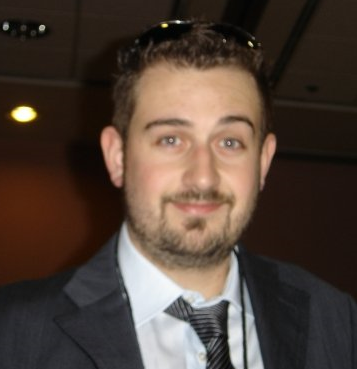 Nikolaos Giannakeas合作论文数Department of Informatics & Telecommunications, School of Informatics & Telecommunications, University of Ioannina;Department of Metabolism, Digestion and Reproduction, Imperial College London8
 Alexandra Stergiou合作论文数7
 Anastasios V Korompilias合作论文数7Ioannis Manolis合作论文数6Alexandros E. Beris合作论文数6
 Alexandros T. Tzallas合作论文数Departments of Computer Sciences, University of Ioannina6Emilios E. Pakos合作论文数University Hospital of Ioannina, University of Ioannina6
 Alexander R. Vaccaro合作论文数Department of Orthopaedic Surgery, Thomas Jefferson University;Sidney Kimmel Medical College, Thomas Jefferson University;Thomas Jefferson University Hospital6Areti Theodorou合作论文数5
 Soultana Papadopoulou合作论文数5
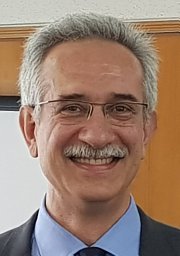 Panagiotis Givissis合作论文数1st Orthopaedic Department, Aristotle’s University of Thessaloniki5
 Kirkham Wood合作论文数Department of Orthopaedic Surgery, Stanford University5
 Christos Gogos合作论文数University of Ioannina5J Terzidis合作论文数4
 Alexandros Arjmand合作论文数Dept Informat & Telecommun, Univ Ioannina4
 Georgios Ntritsos合作论文数4
 Phan Philippe合作论文数University of Ottawa Spine Program, The Ottawa Hospital;Department of Surgery, University of Ottawa;University of Ottawa Spine Program, University of Ottawa4
 Mary Gouva合作论文数School of Health, Higher Technological Educational Institution of Epirus4
 Stefanos Mantzoukas合作论文数4
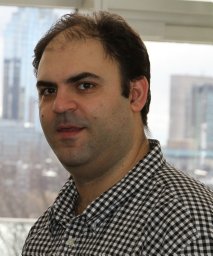 Markos G. Tsipouras合作论文数Dept. of Materials Science and Engineering, University of Ioannina4Stavroula J. Theodorou合作论文数4J Pournaras合作论文数3Daryll C. Dykes合作论文数3Georgios Exarchakos合作论文数3Pavlos Christodoulou合作论文数3
 Vasileios Christou合作论文数Corresponding author.3
 Charles Fisher合作论文数Department of Orthopaedics, Faculty of Medicine, The University of British Columbia3
 Alpesh A Patel合作论文数Department of Neurological Surgery, Feinberg School of Medicine, Northwestern University3
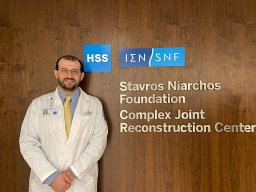 Ioannis Gkiatas合作论文数School of Medicine, University of Ioannina3Ntzani Evangelia E合作论文数Clin & Mol Epidemiol Unit, Univ Ioannina3
 Dimitri Papadopoulos合作论文数Department of Orthopedics, University Hospital of Ioannina3
 Chunde Li (李淳德)合作论文数Peking University First Hospital3
 Sygkliti-Henrietta Pelidou合作论文数3
 Todd J. Albert合作论文数Weill Cornell Medical College;Hospital for Special Surgery3Chunhui Wu合作论文数3Theodoros A. Xenakis合作论文数3
 George Chatzoulis合作论文数3
 Antonio Faundez合作论文数3




