The United Nations Decade of Ocean Science for Sustainable Development, launched in 2021, aims to achieve seven societal outcomes, including equitable access to marine scientific data, knowledge, and technology. An accessible ocean can help to eradicate inequalities between the Global North and South, empowering countries with the necessary knowledge and means to make national and regional science-based policy and legal decisions. However, a true and sustained process towards an accessible ocean requires acknowledgement of the historical and systemic coloniality of power that limits access and capacities development for the Global South. Scientific contributions provide essential knowledge to ocean policy frameworks, but existing science diplomacy processes suffer from global disparities, establishing a critical need to promote environmental justice, equity, and fair transitions. Through the analysis of the distribution of authorship in major global expert-based documents and the language used in international documents, we identify that the Decade inadequately acknowledges the existing colonial legacy and exclusions perpetuated by it. We suggest that to achieve the Decade's ultimate goals, as well as achieving the United Nations 2030 Agenda and its interlinked Sustainable Development Goals, an urgent shift is required. Hence, we include recommendations to improve the state of play.
Recent policy shifts terminating programs and funding related to diversity, equity, and inclusion challenge the “leave no one behind” pledge at the core of the United Nations Decade of Ocean Science. We urge the Ocean Decade to build capacity and resilience to safeguard its inclusivity commitments at forthcoming UN ocean events.
Technological innovation is driven by discovery and profit. Emerging technologies are directed to facilitate processes, raise efficiency and accuracy, lower costs and improve wellbeing. Technological innovation also urges research to work closely with industry to find solutions that add high value and generate profit for companies. To tell this story, I use the Technology readiness levels (TRL) to demonstrate the importance of the interlinkages between innovation and diplomacy to the maritime sector. The TRL is embodied in a scale of nine innovation steps ranging from basic and applied research in labs for viable prototypes all the way up to commercial production. TRL 1 to 3 are research-oriented, with a strong public funding basis, while steps 4 to 6 involve more risk, requiring a shared commitment from industry and governments. The last TRL, steps 7 to 9, depend on heavy investment from the private sector that engage in commercial and marketing tactics. In this chapter, TRL will be used as a guiding principle for analysing innovation diplomacy, defined as a subfield of science diplomacy, i.e., the influence of research on foreign policy and vice-versa. Innovation diplomacy is a multidimensional process by which cooperation and competition are balanced in lieu of the friction between national and global interests. An issue of concern is whether we can reconcile private investment with public interests, particularly in the ocean domain. Considering ocean governance as a global community interest due to marine environmental threats held in common, this chapter draws attention to the current deficits of marine technology transfer and how impactful disruptions in technological innovations are to the Global South.
Ocean science diplomacy stands for the social phenomena resulting from the interaction of science and diplomacy in ocean affairs. It refers, inter alia, to the provision of scientific evidence in support of international decision-making, the building of alliances through scientific cooperation, and the enhancement of international collaborative marine research. Despite this generalization, we still lack an understanding of the sense practitioners make of ocean science diplomacy. This paper reports on perceptions of ocean science diplomacy collected through twenty in-depth interviews with South and North Atlantic government officials and researchers involved in the All-Atlantic Ocean Research Alliance. In principle, interviewees perceive ocean science diplomacy as a positive and critically important phenomenon that combines the best of science and diplomacy. However, below this generally positive perception, there seems to be a polarization of power between science and policy and also between South and North Atlantic perspectives. Scientists have reported feeling suspicious of policymaking processes, while officials portray science as unaccountable and segregated from policy. South Atlantic researchers expressed concern over limited research capabilities, and officials reported an openness to the scientific evidence presented by scientists. Northern interviewees, with reported enhanced research capabilities, seem more inclined to search for the right scientific evidence in support of national political goals. A preconceived sense of the other is what seems to permeate South-North Atlantic relationships. Northern subjects make sense of their Southern peers as those in need of assistance, while Southern interviewees claimed being unheard and victims of tokenism. I discuss these findings in light of postcolonial and decolonial theories, advocating for the need to decolonize ocean science diplomacy in the Atlantic Ocean if we are to achieve its alluded benefits.
This chapter showcases the importance of innovation diplomacy to the maritime sector by conceptualizing it along the lines of engagement and partnership among government, academia, industry and society. It brings up concrete cases in which ocean innovation diplomacy is used to leverage innovation ecosystems. The chapter also draws recommendations, particularly to countries in the Global South, to benefit from the practice of ocean innovation diplomacy by having governments as facilitators for both matchmaking and establishing multistakeholder platforms. We conclude by ascertaining how ocean innovation diplomacy is, in fact, a common practice in the maritime industry, especially the technology innovation sector—a feature that other communities of practice should embody.
The UN Decade of Ocean Science for Sustainable Development begun in 2021 with the motto of fostering “the science we need for the ocean we want”. This paper analyses what government officials and scientists in the Atlantic Ocean feel about this Decade one year prior its start (2020). Twenty key individuals were interviewed in order to gather insights on the values placed in this Decade. These views matter because these stakeholders are entrusted with budget allocation and scientific coordination that are critical to the success of this Decade. Interviewees expressed feelings similar to grief. These individuals feel skeptical, frustrated and fearful to fail in achieving the Decade’s outcomes. They believe the UN system to be stagnant and unable to implement the necessary changes. In addition, they feel frustrated with the invisibility of the ocean agenda in the public eyes, in spite of the surmount work done in calling the attention of political leaders and society at large. However, these individuals believe this UN Decade to be a turning point in placing the ocean in the minds of all. In order to do so, the implementation of the UN Decade of Ocean Science will necessarily need to recognize the imbalances in ocean science capacity and to prioritize public engagement with science. In this regard, ocean science diplomacy can offer different approaches within ocean social sciences in support of this Decade.
An important goal of Integrated Ecosystem Assessment (IEA) is to be an inclusive, evidence-based process to engage stakeholders, in support of ecosystem-based management. IEA is resource intensive, requiring the engagement of personnel, experts from many disciplines, public and private institutions, and including issues of technology, infrastructure, capacity building, etc. Stakeholders such as policy-makers and scientists in influential decision-making roles often determine the level of investment when committing to an IEA. It is thus critical to understand how these specific stakeholders understand and perceive IEA, as well as their motivations for engagement. We interviewed government officials, science managers and scientists whose decisions are critical for mobilizing resources (time, expertise and funding) in support of ecosystem based management (and potentially IEA) in the Atlantic Ocean. The interviews aimed at documenting their perceptions of IEA, and their motivations to engage in the process. Our results show that most of these research and policy stakeholders are generally unaware of, or have misconceptions about IEA concepts. Those who expressed awareness of IEA considered IEA as unfit to address most policy and managerial goals. We propose that the IEA process could be improved by promoting inclusivity and applying ocean science diplomacy. We see that these two aspects (inclusivity and science diplomacy) can help research and policy stakeholders understand the true meaning of IEA through negotiating, and by strengthening and diversifying the involvement of international stakeholders. We advocate that the scoping phase of an IEA is of critical importance and should be core to the whole process. It is during the scoping phase that stakeholders are identified and engaged. With their involvement, there is a need to make their interests visible and respected. During the scoping phase, a safe and open space needs to be secured, so these interests can be negotiated and mutual understanding on concepts, roles in the process and the possible outcomes are achieved. This article is part of the Mission Atlantic Project (Horizon 2020) which is designed to conduct IEAs in the Atlantic Ocean.
Young people are the leaders of the future. Many young people are concerned and overwhelmed about the impacts of climate and ocean change and are emerging as advocates for action. However, challenges including social injustice, climate anxiety, nature disconnectedness, and fake news limit their ability to protect their future from the impacts of climate and ocean change. The conventional dissemination of new scientific knowledge alone is not enough to prepare and empower young people to cope with these challenges. Here, we present five actionable strategies to engage and empower young people with climate and ocean science in support of long-term sustainability: inclusion of diverse voices, active dialogue-based science learning, connection to nature, critical thinking skills, and co-created visions of a sustainable future. These strategies can help to strengthen young people’s engagement and agency to meet climate and ocean challenges. Together, the strategies can synergistically empower young people to have a say in shaping their sustainable future.
Despite the mainstreaming of trendy terms such as ‘inclusivity, diversity and Global South’, there still exists an unfortunate under-representation of the Global South in science diplomacy practices. ‘Diversity’ and ‘inclusivity’ often become decorative jargon, while attempts to leverage equity and to balance the world’s scientific capabilities fall short in everyday practices, particularly in multilateral arrangements. These practices, we advocate, seem to reflect a colonial value system grounded in a coloniality of science, and whoever challenges the current status quo faces the consequences of being misinterpreted. These practices are detrimental not only to the progress of science diplomacy as a field of research, but also have negative repercussions for the larger scientific community. Time is ripe to recognize our own privileges and promote a change in the negative practices that plague science diplomacy.
This opinion paper highlights the unseen impacts that the current COVID-19 outbreak has posted to ocean sciences, particularly in developing countries. Ocean science diplomacy, i.e. the interplay between ocean science and international affairs, present useful tools to leverage from this new normal and address the need to foster balance between regions in terms of scientific capabilities to unveil the ocean as a public good. The UN Decade of Ocean Science offers a timely framework to advance such discussions.
The current manuscript presents the main issues related to the “Clean Ocean” outcome that arose from the Regional South Atlantic (SA) Planning Workshop for the UN Decade of Ocean Science and five Brazilian Regional Planning Workshops. An interdisciplinary and trans-sectoral group constituted by the academia, non-governmental agencies, the private sector, decision-makers, the navy, and local communities discussed the main anthropogenic drivers compromising the current environmental status of the SA and its ecological services, and debated the main research gaps, priorities and needs for improving technical and structural capacities in order to roadmap the Brazilian actions for the Decade of Ocean Science. The aim of this review is to contribute to a social solution-driven understanding of the ocean ecosystems, to create conditions to promote sustainable development and to secure a clean, healthy ocean. We are proposing a list of actions to be implemented by the Decade of Ocean Science that will have the pivotal role to promote technical and scientific capacity development, increase research infrastructure and institutional frameworks, develop national public policies aimed at reducing the input of pollutants and management of impacts, and warranting food security and ecosystem health. The earlier the actions in controlling pollutants are implemented, along with the identification of key sources and prevention of crossing of thresholds will help to avert worst-case scenarios, reducing the socio-economic disparities of impacts across nations and social groups and supporting the sustainable development of a pollutant-free ocean.
Ocean science is central in providing evidence for the implementation of the United Nations Law of the Sea Convention. The Convention’s provisions on transfer of marine technology to developing countries aim at strengthening scientific capabilities to promote equitable opportunities for these countries to exercise rights and obligations in managing the marine environment. Decades after the adoption of the Convention, these provisions are under implemented, despite the efforts of international organizations, such as IOC-UNESCO. Latin America and the Caribbean struggle to conduct marine scientific research and seize the opportunities of blue economy due to the limited access to state-of-the-art technology. Ocean science communities in these countries are subject to constraints not foreseeing in international treaties, such as unstable exchange rates, taxation, fees for transportation, costs of maintenance and calibration of technology, challenges to comply with technical standards, and intellectual property rights. Action is needed to overcome these challenges by promoting a closer tie between science and diplomacy. We discuss that this interplay between science and international relations, as we frame science diplomacy, can inform on how to progress in allowing countries in this region to develop relevant research and implement the Convention. We provide concrete examples of this transfer of marine technology and ways forward, in particular in the context of the UN Decade of Ocean Science for Sustainable Development (2021–2030).
The ocean provides important ecosystem services to society, but its health is in crisis due to the impacts of human activities. Ocean sustainability requires ambitious levels of scientific evidence to support governance and management of human activities that impact the ocean. However, due to the size, complexity and connectivity of the ocean, monitoring and data collection presupposes high investments, and nations need to cooperate to deliver the ambitious, costly science that is required to inform decisions. Here, we highlight the role that ocean science diplomacy plays in facilitating the science needed to support ocean governance and management from domestic, regional to international scales in the Atlantic region via the All Atlantic Ocean Research Alliance. This Alliance is supported by the Galway Statement (2013), the South–South Framework for Scientific and Technical Cooperation in the South and Tropical Atlantic and the Southern Oceans (2017), and the Belém Statement (2017). We discuss the national and international interests that drove the processes of negotiating these agreements, as well as their challenges to date. We also discuss the potential future of the All Atlantic Alliance, as well as its significance in emerging global initiatives such as the UN Decade of Ocean Science for Sustainable Development (2021–2030).
Coastal ocean observing and modeling systems (coastal observatories), connected with regional and global ocean systems, improve the quality of information and forecasts for effective management of safe and sustainable maritime activities. The public availability of systematic and long-term information of the ocean is an engine for the Blue Economy, boosting economic growth, employment, and innovation. An overview of some Brazilian initiatives is presented in this paper, involving universities, private companies, federal and state agencies, covering institutions from south to north of Brazil. Although these initiatives focus mainly on ocean physics, integrated efforts can extend the scope to include biogeochemistry and marine biodiversity, helping to address interdisciplinary problems. Existing initiatives can be connected, and new ones fostered, to fill in the gaps of temporal and spatial coverage of ocean monitoring in the vast oceanic area under Brazilian jurisdiction (nationally referred to as the Blue Amazon, in reference to the similar richness of the Amazon Forest). The alignment among national and regional initiatives, as well as with international programs, can be promoted if coordinated by a national-level organization, maximizing the return of public investment and socioeconomic benefits. In light of international examples, possible future institutional arrangements are discussed, leveraging from existing national public policies and international cooperation that Brazil is taking part. The United Nations Decade of Ocean Science for Sustainable Development is a timely opportunity to encourage an institutional arrangement to support and articulate an integrated network of coastal observatories in Brazil.
Climate Change hazards to social-ecological systems are well-documented and the time to act is now. The IPCC-SROCC used the best available scientific knowledge to identify paths for effective adaptation and mitigation of climate change impacts on the ocean and cryosphere. Despite all the evidence highlighted by SROCC and the key role of the ocean and cryosphere for climate change at all levels, Latin America (LA) faces challenges to take effective action mostly due to socio-economic vulnerability, political instability and overall technical capacities. Countries have adopted diverse actions as the information needed by policy makers has been made available, not necessarily in accessible and inclusive ways. Regional imbalance in economic development, technological level, capacity development, societal involvement, and governmental oversight have contributed to skewed geographical and technological gaps of knowledge on key ecosystems and specific areas preventing effective climate actions/solutions. We analyze the Nationally Determined Contributions (NDCs) from the region as proxies to the incorporation of IPCC recommendations. The gaps and opportunities for the uptake of ocean and climate science to political decision making is discussed as five key aspects: (i) climate assessment information and regional policies, (ii) knowledge production, (iii) knowledge accessibility, (iv) knowledge impact to policy, and (v) long term monitoring for decision making. We advocate that the uptake of SROCC findings in LA policies can be enhanced by: (a) embracing local realities and incorporating local, traditional and indigenous knowledge; (b) empowering locals to convey local knowledge to global assessments and adapt findings to local realities; (c) enhancing regional research capabilities; and (d) securing long-term sustainable ocean observations. Local and regional participation in knowledge production and provision enhances communication pathways, climate literacy and engagement which are key for effective action to be reflected in governance. Currently, the lack of accessible and inclusive information at the local level hampers the overall understanding, integration and engagement of the society to mitigate climate effects, perpetuates regional heterogeneity and threatens the efforts to reverse the course of climate change in LA. Local researchers should be empowered, encouraged, rewarded and better included in global climate-ocean scientific assessments.
The ocean is highly impacted by human activities, and ambitious levels of science are urgently needed to support decision making in order to achieve sustainability. Due to the high cost and risk associated with ocean exploration and monitoring in time and space, vast areas of the oceanic social ecological system remain under-sampled or unknown. Governments have recognized that no single nation can on its own fill these scientific knowledge gaps, and this has led to a number of agreements to support international scientific collaboration and the exchange of information and capacity. This paper reviews current discussions on ocean science diplomacy, i.e., the intersection of science with international ocean affairs. Ocean science is intrinsically connected with diplomacy in supporting negotiations toward a more sustainable future. Diplomacy supports essential aspects of scientific work such as capacity building, technology and information/knowledge exchange, and access and sharing of research platforms. Ocean science diplomacy underlies the work of many intergovernmental organizations that provide scientific guidance, such as the Intergovernmental Oceanographic Commission (IOC), the Intergovernmental Panel on Climate Change (IPCC), and the International Council for the Exploration of the Sea (ICES), and United Nations Convention on the Law of the Sea (UNCLOS). To illustrate how critical science diplomacy is to global ocean affairs, this paper examines examples of the influence of ocean science diplomacy in UNCLOS. Furthermore, this paper discusses the utility of ocean science diplomacy in support of the UN 2030 agenda, and the UN Decade of Ocean Science.
In order to inform decision making and policy, research to address sustainability challenges requires cross-disciplinary approaches that are co-created with a wide and inclusive diversity of disciplines and stakeholders. As the UN Decade of Ocean Science for Sustainable Development approaches, it is therefore timely to take stock of the global range of cross-disciplinary questions to inform the development of policies to restore and sustain ocean health. We synthesized questions from major science and policy horizon scanning exercises, identifying 89 questions with relevance for ocean policy and governance. We then scanned the broad ocean science literature to examine issues potentially missed in the horizon scans and supplemented the horizon scan outcome with 11 additional questions. This resulted in an unprioritized list of 100 general questions that would require a cross-disciplinary approach to inform policy. The questions fell into broad categories including: coastal and marine environmental change, managing ocean activities, governance for sustainable oceans, ocean value, and technological and socio-economic innovation. Each question can be customized by ecosystem, region, scale, and socio-political context, and is intended to inspire discussions of salient cross-disciplinary research directions to direct scientific research that will inform policies. Governance and management responses to these questions will best be informed by drawing upon a diversity of natural and social sciences, local and traditional knowledge, and engagement of different sectors and stakeholders.
In Drosophila, courtship is an elaborate sequence of behavioural patterns that enables the flies to identify conspecific mates from those of closely related species. This is important because drosophilids usually gather in feeding sites, where males of various species court females vigorously. We investigated the effects of previous experience on D. mercatorum courtship, by testing if virgin males learn to improve their courtship by observing other flies (social learning), or by adjusting their pre-existent behaviour based on previous experiences (facilitation). Behaviours recorded in a controlled environment were courtship latency, courtship (orientation, tapping and wing vibration), mating and other behaviours not related to sexual activities. This study demonstrated that males of D. mercatorum were capable of improving their mating ability based on prior experiences, but they had no social learning on the development of courtship.Em Drosophila, a corte sexual consiste em uma elaborada seqüência de padrões comportamentais que possibilita às moscas reconhecer parceiros conspecíficos dentre indivíduos de outras espécies. Essa discriminação é importante uma vez que drosofilídeos geralmente se agregam em sítios de alimentação, onde machos de diversas espécies cortejam as fêmeas vigorosamente. Neste estudo, testamos se machos virgens aprimoram seu comportamento de corte mediante a observação do cortejo de outras moscas da população (aprendizado social), ou mediante experiências próprias anteriores (facilitação). O comportamento de corte das moscas, observado em ambiente controlado, foi registrado com relação aos seguintes componentes: latência da corte, duração da corte (orientação, "tapping" e vibração das asas), cópula, e outros comportamentos não relacionados à corte sexual. Os resultados aqui obtidos sugerem que machos de D. mercatorum são capazes de aprimorar sua habilidade de cortejar fêmeas em função de experiências próprias anteriores, mas não encontramos nenhuma evidência de aprendizado social para esse comportamento.
 Mary S. Wisz合作论文数National Environmental Research Institute, University of Aarhus4
 Leticia Cotrim Da Cunha合作论文数3
 Laura G. Elsler合作论文数World Maritime University2
 Carina Costa de Oliveira合作论文数Grp Estudos Direito Recursos Nat & Sustentabilida, Univ Brasilia2Alexander Turra合作论文数Oceanographic Institute, University of São Paulo2
 Leandra Regina Goncalves合作论文数School of Biosciences, University of Exeter2
 Rosana Tidon合作论文数Instituto de Ciências Biológicas, Universidade de Brasília (UNB)2Michael St John合作论文数1Carlos A. E. Garcia合作论文数1Joao B. R. Alvarenga合作论文数1James Bartram合作论文数1Kajsa Tönnesson合作论文数1
 Angelina Pena-Puch合作论文数1jose antonio m lima合作论文数1Julio Pellegrini合作论文数1luis fernando correa da silva machado合作论文数1
 Andre Cunha Lima合作论文数1Renato P. Martins合作论文数1
 Jenice Goveas合作论文数1
 Afonso Paiva合作论文数1
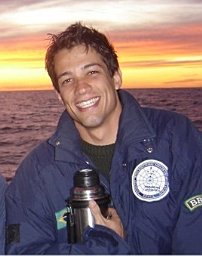 L. F. Mendonça合作论文数Dept Oceanog, Univ Fed Bahia1
 Ella Soares Pereira合作论文数1
 Erin V. Satterthwaite合作论文数Scripps Inst Oceanog, Univ Calif San Diego1
 Luciana Fernandes Coelho合作论文数Research Group Natural Resources, Law, and Sustainable Development, Brazilian Institute for the Law of the Sea1Carina Stefoni Böck合作论文数Lab Computat Methods Engn, Univ Fed Rio de Janeiro1
 Cora Horstmann合作论文数Ecol Chem, Alfred Wegener Inst1
 Francisco Alves dos Santos合作论文数1
 Marcelo Rollnic合作论文数Laboratório de Pesquisa em Monitoramento Ambiental Marinho, Universidade Federal do Pará1
 Peter Puskic合作论文数Royal Hobart Hospital1
 Maree Fudge合作论文数Institute for Marine and Antarctic Studies, University of Tasmania1
 Maartje Oostdijk合作论文数Copernicus Institute of Sustainable Development, Department of Innovation, Environmental and Energy Sciences, Utrecht University, The Netherlands1
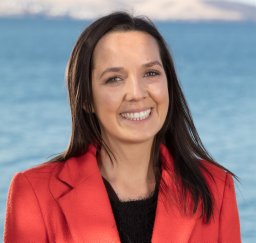 Rachel Kelly合作论文数Centre for Marine Socioecology, University of Tasmania1
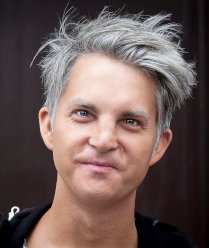 Tim Flink合作论文数German Ctr Higher Educ & Sci Studies1
 Guilherme Franz合作论文数Ctr Marine Studies, Univ Fed Parana1
 Paulina Ramirez-Monsalve合作论文数Dept Planning, Aalborg Univ1
 John Cook合作论文数1
 Christopher Cvitanovic合作论文数Australian National Centre for the Public Awareness of Science, College of Science, The Australian National University1
 Mibu Fischer合作论文数1
 Flavia Lucena Fredou合作论文数Departamento de Pesca e Aquicultura, Universidade Federal Rural de Pernambuco1
 Sander van der Linden合作论文数Department of Psychology, University of Cambridge;Churchill College1
 Leandro dos Santos Machado合作论文数Programa de Pós Graduação em Biotecnologia, Universidade Católica Dom Bosco1
 Amon Diva J合作论文数1
 Fletcher Stephen合作论文数Centre for Marine and Coastal Policy Research, Plymouth University1
 Janini Pereira合作论文数1
 Margareth Copertino合作论文数Inst Oceanog, Fed Univ Rio Grande1
 Toste R合作论文数Faculdade de Oceanografia, Universidade do Estado do Rio de Janeiro1
 Carlos A. D. Lentini合作论文数1
 Paulo Nobre合作论文数1
 Karen Evans合作论文数CSIRO Oceans and Atmosphere1




