Con el objeto de estudiar anticuerpos de virus oral, genital, citomegálico y Epstein-Barr en el suero de pacientes con carcinomas de cuello uterino, condiloma acuminado y en controles de Cali y Estados Unidos, se practicaron pruebas de inmunoflorescencia indirecta. No se vio diferencia significativa en la prevalencia de anticuerpos tardíos de virus oral y citomegálico entres los grupos estudiados. Se encontraron títulos más altos contra virus genital en los 3 grupos de Cali que en el grupo control de Estados Unidos. También hubo títulos altos de antígenos tardíos y tempranos contra Epstein-Barr en los mismos 3 grupos. Se discute el significado de estos hallazgos.
Studies of the Fc receptor induced by herpes simplex virus using the 7S EA rosette assay reveal that (i) the percentage of cells showing receptor activity is multiplicity-dependent; (ii) the percentage of cells rosetting is independent is independent of the cell cycle phase of the host cell; (iii) RNA and viral protein synthesis, and probably glycosidation, are required for the induction of the receptor but not viral DNA synthesis; and (iv) the receptor is neuraminidase-resistant but trypsin-sensitive.
A lymphosarcoma spontaneously arising in a nude mouse and a continuous cell line (NML-1) derived from it are described and compared. The primary tumor and a transplantable tumor line from it were composed of lymphoid cells, with no C-type viral particles seen by electron microscopy. The culture line was composed of cells with morphologic and functional properties of macrophages; budding C-type particles were abundant. The cells in the tumors produced in nude mice by injection of the NML-1 cells also resembled macrophages morphologically rather than lymphocytes; however, by electron microscopy, no C-type particles were seen. The findings suggest some type of in vivo suppression of complete expression of the virus.
Replication of Herpesvirus saimiri has been studied by electron microscopy in highly permissive primary owl monkey kidney cells (OMK) and less permissive Vero African green monkey kidney cells. In OMK cells, toroid structures were observed in nucleoids of immature and mature virions, and what has been previously described as intranuclear envelopment was shown to be envelopment by budding into intranuclear vesicles, the membranes of which were continuous with the inner nuclear membrane. In the less permissive Vero cells, accumulation of empty cytoplasmic capsids associated with dense osmiophilic material suggested the possibility of cytoplasmic assembly of defective particles. Other unusual structures associated with virus replication in the less permissive Vero cells are described and their possible role in virus morphogenesis is discussed.
The indirect immunofluorescent test was used to detect antibodies to herpesviruses types 1 and 2, cytomegalovirus and EBV in sera from patients with cervical carcinoma, condyloma acuminatum and controls from Cali, Colombia, and a control group from the USA. No significant differences were found in the prevalence of antibodies to viral capsid antigens of HSV-1 and CMV among the groups studied. However, titres for HSV-2 were higher in the three groups from Cali (cervical carcinoma, condyloma and controls) than in the control groups from USA. High EBV antibody titres (VCA and early antigens) were found in the three groups from Cali. Antibodies to early antigens of CMV were detected in a sub-sample of the subjects and with higher frequency in patients with cervical cancer. The significance of these findings is discussed.
Vero cells were infected with Herpesvirus saimiri. Early (EA) and late (LA) viral antigens were distinguished by inhibiting viral DNA synthesis with cytosine arabinoside (Ara C), or allowing it to proceed uninhibited until CPE was visible. The difference in the antigenic specificity of EA and LA was confirmed by direct fluorescence tests, in combination with blocking experiments. Sera that were anti‐EA positive according to the indirect test were capable of blocking the EA staining reaction with direct EA+‐ conjugates, whereas anti‐LA+EA— sera were unable to do so. Healthy adult squirrel monkeys had antibodies to late antigens (LA) but not to early antigens (EA), as judged by immunofluorescence tests. Isolation‐reared, antibody‐free squirrel monkeys responded with anti‐EA and anti‐LA antibodies after HVS inoculation. Uninoculated, cage‐mate squirrel monkeys became infected by horizontal transmission and responded with LA and EA antibodies approximately 2 months after being housed together with the infected animals. Simultaneously isolated controls remained antibody‐free. HVS‐inoculated, tumor‐bearing marmoset and owl monkeys developed antibodies to both LA and EA in the majority of the cases studied, although in some owl monkeys there was only LA and no EA antibody development. Two different patterns of EA staining could be distinguished, trabecular and punctate. There was a conspicuous difference between the species with regard to the timing of antibody development. Squirrel monkeys, the natural host species of the virus, but resistant to its oncogenic action, responded with antibody development within 14–17 days after inoculation. Marmoset and owl monkeys did not respond until 28–80 days. Conceivably, the natural host species has been selected for a high degree of genetic responsiveness against virus‐determined antigens. This may be partly or entirely responsible for its resistance to the oncogenic effect of this virus.
In generalized herpes simplex virus infection in man and experimental animals, involvement of the thymus has not been described and involvement of the spleen is rare. In organ cultures of hamster tissues, however, both spleen and thymus are susceptible to infection, with growth of virus, production of necrotizing lesions, and development of intranuclear inclusion bodies. Similar lesions can be produced in vivo when virus is inoculated directly into thymus or spleen, suggesting the possibility of some type of “blood-thymus barrier” for virus. Although members of the herpesvirus family have been suggested as possible etiologic agents in malignant lymphomas, we found no evidence of proliferation of lymphoreticular cells, thymocytes or thymic epithelium in the lesions produced by herpes simplex virus.
 TS TRALKA合作论文数5J Costa合作论文数4Carole Yee合作论文数4N Aristizabal合作论文数2Gary Pearson合作论文数2Deinhard.F合作论文数1GT OCONOR合作论文数1AS RABSON合作论文数1Pm Gullino合作论文数1Trisha Pritikin合作论文数1NN TANDON合作论文数1H Rabin合作论文数1Y Nakamura合作论文数1Sandra A. Tyrrell合作论文数1William F. Sindelar合作论文数1Session B合作论文数1V. Bedoya合作论文数1Denise Cavanaugh合作论文数1
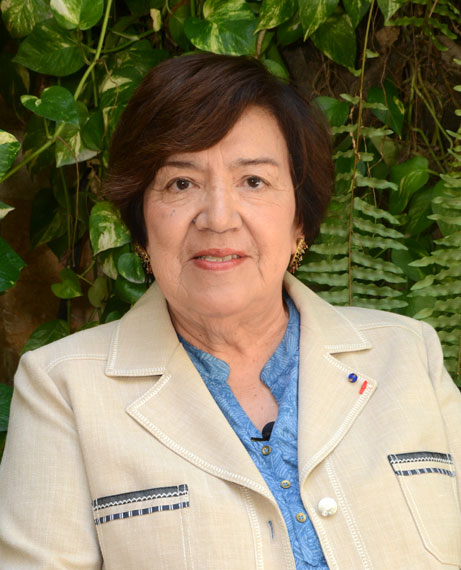 Nubia Muñoz合作论文数National Cancer Institute of Colombia1Lawrence Falk合作论文数1Phillip Periman合作论文数1Lauren G. Wolfe合作论文数1Dharam V. Ablashi合作论文数1EW CHU合作论文数1Mike Sage合作论文数1




