The demand for gluten-free meals is constantly increasing in school catering, but the serving process of gluten-free meals is less controlled. In this work, the presence of gluten was surveyed in school catering units to identify the food handling practices which effectively reduce gluten contamination. Thirty-nine school catering units were surveyed where gluten-free meals were regularly served. The presence of gluten was checked by immunochromatographic method on different kitchen surfaces. After the sampling, theoretical and practical training was held for food handlers and food handling practices were introduced to daily routine to better limit gluten cross-contamination on kitchen surfaces. The presence of gluten was re-checked after 1 month, and the food handling practice was checked with a checklist. Out of 156 sampled surfaces, 58 proved to be gluten-positive at the first sampling period, and only four kitchens were identified where all surfaces were gluten-negative. The most contaminated samples were microwave ovens (27 cases) and refrigerators (21 cases). During the second sampling period, the number of gluten-positive surfaces decreased to 28. Regarding the checklist, 18% of the surveyed kitchens were acceptable for all aspects. At the end of the intervention, 18 kitchens proved to be fully appropriate to serve gluten-free meals. It was found that the right cleaning processes show a higher correlation with the control of gluten cross-contamination. Since gluten may be present in school catering units, more emphasis should be placed on specific gluten controls in school kitchens. Thorough cleaning routines will largely contribute to the gluten-free environment.
Internal and external food safety audits and inspections are commonly implemented in food service establishments to uphold and enhance food safety standards. While the processes for various types of inspections are similar, each has distinct roles and implications. Self-checking involves inspections conducted by local staff within the food business. However, experts question the efficacy of this process, as it often fails to uncover food safety issues.This indicative study aimed to investigate whether self-checking can reveal food safety risks associated with primary and additional activities and identify which activities, if any, are misjudged by internal staff. An in-depth survey was conducted over four months in 10 school kitchens using a food safety control checklist, which was completed monthly by internal staff, an internal auditor, and an external auditor.The evaluations from external auditors consistently rated the kitchens lower than those from internal auditors and local catering managers. The most divergent judgments centered on personal hygiene practices, storage procedures, cleaning methods, and disinfection processes.Based on this data, food handlers tend to perceive their adherence to food safety practices as more robust than it is.
It is well known that in school catering system the served food rarely will be fully consumed resulting in varying amounts of leftovers, thus part of the food will become waste. This phenomenon significantly decreases the effectiveness of school catering. A key solution would be a better consideration of the students' taste, preference, and opinion. The goal of this research was to assess food liking in secondary schools and explore its relationship with real consumption. Questionnaire-based surveys were conducted in 66 secondary schools where 1973 adolescents (14-18 years) reported their food liking in a five-grade scale. The questionnaire contained 20 food groups. The real consumption was calculated from the weight of returned plate waste. Altogether 3491 plate waste were measured in 66 schools. Interestingly the standard deviations of most liked food groups were relatively lower compared to least liked food groups and the relationship was similar to real consumption data. Namely there is a less variation among consumers when food are better liked and this is also true for consumption. The research also revealed that the questionnaire-based liking scores correlate with real consumption if the number of samples is high enough (more than 50 measured plate) therefore questionnaire-based survey is a useful tool to predict real consumption in a school canteen environment.
Cytochrome b561 proteins (CYB561s) are integral membrane proteins with six trans-membrane domains, two heme-b redox centers, one on each side of the host membrane. The major characteristics of these proteins are their ascorbate reducibility and trans-membrane electron transferring capability. More than one CYB561 can be found in a wide range of animal and plant phyla and they are localized in membranes different from the membranes participating in bioenergization. Two homologous proteins, both in humans and rodents, are thought to participate—via yet unidentified way—in cancer pathology. The recombinant forms of the human tumor suppressor 101F6 protein (Hs_CYB561D2) and its mouse ortholog (Mm_CYB561D2) have already been studied in some detail. However, nothing has yet been published about the physical-chemical properties of their homologues (Hs_CYB561D1 in humans and Mm_CYB561D1 in mice). In this paper we present optical, redox and structural properties of the recombinant Mm_CYB561D1, obtained based on various spectroscopic methods and homology modeling. The results are discussed in comparison to similar properties of the other members of the CYB561 protein family.
The association of food safety knowledge and climate with gender, education level, length of employment, food safety training, and professional role was measured using a 15-item food safety climate survey and a 20-item food safety questionnaire on a sample of 263 employees from 19 small and medium-sized university canteens in Croatia, Hungary, and Portugal. The relationship between knowledge and climate and the demographic determinants of both variables were examined. Food safety knowledge was inadequate (45.5% of correct responses), while perceptions of food safety, as measured by the food safety climate survey, were positive (2.69 out of a maximum of 3.00). The perception of resources in canteens was the least favorable across all countries. Leaders did not exhibit better food safety knowledge or perceptions. Food safety climate and knowledge were significantly positively correlated and influenced by training. Perceptions of food safety compared to employee knowledge levels indicated that some employees were overly optimistic about food safety risks. Therefore, food safety knowledge and food safety climate should be assessed in parallel, and both could be improved through ongoing training of employees, especially leaders.
An aging society is a growing challenge for families, social and rehabilitation service providers, and economies. Information and communication technology-based assistive technology can bolster the independence of older adults (65 years and above) and reduce their burden on caregivers. Currently, there is no unified methodology to assess the effectiveness and acceptance of these technologies. The present study undertakes a scoping review to (1) identify and characterize the methods for assessing the acceptability and usability of information and communication technology-based assistive technologies, (2) explore the advantages and disadvantages of the assessment methods, (3) determine the possibilities of combining the assessment methods and (4) define the most commonly used assessment method and set of outcome measures. The literature was searched in MEDLINE, Scopus, IEEE Cochrane and Web of Science bibliographic databases using the keywords defined by reviewers for articles in English published between 2011 and 2021. Of the 1696 matches, 31 met the inclusion criteria. It was found that a combination of different assessment methods was common in outcome measurements. Of the 31 studies, assessment methods were combined in 21 studies and multiple questionnaires were used in 11 studies. The most common technique of outcome measurement was the use of questionnaires (81%), conducting interviews (48%) and recording usability-performance measures (39%). The advantages and disadvantages of the assessment methods could not be determined in the selected studies in this scoping review.
The REHAROB robotic upper limb rehabilitation system was improved with a custom-designed and developed hand/finger therapy module. The new module extends the scope of the applicable motion therapy from passive to active reach-to-grasp activities of daily living tasks, and the range of treated anatomical joints was also extended to every proximal and distal upper limb anatomical joint. Finger exercising and object grasping are supported with a pair of two degree-of-freedom (DOF) robotic fingers. One of the robotic fingers moves the index/middle/ring fingers together, whereas the other robotic finger moves the thumb. A novel hypothesis was established, analyzed, and tested for setting the orientation of the robotic finger moving the thumb. The robotic thumb is not aligned with the patient's thumb; its orientation is optimized in the patient's hand reference system to maximize the efficiency in the opposite grasping task. While most concurrent systems utilize virtual objects for grasping tasks, the REHAROB system exercises five carefully selected reach-and-grasp type activities of daily living (ADL) with real objects. Actuating the human finger phalanges through custom development finger orthoses is described. An advanced feature of the hand/finger therapy module is the left-right hand side changeover by only alternating the orientation of the robotic fingers and exchanging the finger orthoses.
Monotopic membrane-bound flavoproteins, sulfide:quinone oxidoreductases (SQRs), have a variety of physiological functions, including sulfide detoxification. SQR enzymes are classified into six groups. SQRs use the flavin adenine dinucleotide (FAD) cofactor to transfer electrons from sulfide to quinone. A type VI SQR of the photosynthetic purple sulfur bacterium, Thiocapsa roseopersicina (TrSqrF), has been previously characterized, and the mechanism of sulfide oxidation has been proposed. This paper reports the characterization of quinone binding site (QBS) of TrSqrF composed of conserved aromatic and apolar amino acids. Val331, Ile333, and Phe366 were identified near the benzoquinone ring of enzyme-bound decylubiquinone (dUQ) using the TrSqrF homology model. In silico analysis revealed that Val331 and Ile333 alternately connected with the quinone head group via hydrogen bonds, and Phe366 and Trp369 bound the quinones via hydrophobic interactions. TrSqrF variants containing alanine (V331A, I333A, F366A) and aromatic amino acid (V331F, I333F, F366Y), as well as a C-terminal α-helix deletion (CTD) mutant were generated. These amino acids are critical for quinone binding and, thus, catalysis. Spectroscopic analyses proved that all mutants contained FAD. I333F replacement resulted in the lack of the charge transfer complex. In summary, the interactions described above maintain the quinone molecule's head in an optimal position for direct electron transfer from FAD. Surprisingly, the CTD mutant retained a relatively high level of specific activity while remaining membrane-anchored. This is a unique study because it focuses on the QBS and the oxidative stage of a type VI sulfide-dependent quinone reduction. KEY POINTS: • V331, I333, F366, and W369 were shown to interact with decylubiquinone in T. roseopersicina SqrF • These amino acids are involved in proper positioning of quinones next to FAD • I333 is essential in formation of a charge transfer complex from FAD to quinone.
Arm type or exoskeleton type rehabilitation robots move the patient's upper limb through one or more, either free or restrained connection points. The rehabilitation robot is unsafe if it moves the patient's upper limb beyond the limits of the anatomical joint ranges. A validation toolkit was developed to assess the risks of "limit anatomical joint range of movement" and "limit anatomical joint overreaching" during the regular operation of a rehabilitation robot. The validation toolkit includes an anthropometrically adjustable and sensorised dummy limb attached to the RACA (rehabilitation, assessment, compensation, or alleviation) rehabilitation robot; and a software tool for off-line risk assessment and reporting.
Purpose The aim of this study is to identify and characterize kids' menu offer in fast-food and traditional restaurants located in shopping centres in five different countries. Design/methodology/approach An observational cross-sectional study is carried out, though a study was performed in all restaurants located in shopping centres from main cities, in five countries: Brazil, Chile, Croatia, Hungary and Portugal. A tool for assessing the quality of menus is used for the analysis (Kids Menu Healthy Score (KIMEHS)). Menu prices between countries were compared. Findings A total of 192 kids' menus were collected, 44 in Portugal, 57 in Brazil, 66 in Chile, 15 in Hungary and 10 in Croatia. All the countries have average negative KIMEHS values for the menus, indicating that the offer is generally poor in terms of healthy options. The cost of children's menus in European countries is generally low. In Brazil, the price is significantly more expensive, which may limit the accessibility by social economically deprived populations. No significant differences were found in the average cost of meals from different restaurants typology. Traditional/Western restaurants present the highest price. Practical implications Globally, kids' menus are composed by unhealthy food items, pointing to the need of improvements in food availability, aiming to promote healthy food habits among children. Originality/value This study presents innovative data on children's menus, allowing for characterization of meals offered to children and comparison between different countries. Key points Kids’ menus are composed by unhealthy food items. Improvement of kids' menus quality will promote children food habits. Healthier out-of-home food consumption will contribute to public health.
Innovative technologies can support older adults with or without disabilities, allowing them to live independently in their environment whilst monitoring their health and safety conditions and thereby reducing the significant burden on caregivers, whether family or professional. This paper discusses the design of a study protocol to evaluate the acceptance, usability, and efficiency of the SAVE system, a custom-developed information technology-based elderly care system. The study will involve older adults (aged 65 or older), professional and lay caregivers, and care service decision-makers representing all types of users in a care service scenario. The SAVE environmental sensors, smartwatches, smartphones, and Web service application will be evaluated in people’s homes situated in Romania, Italy, and Hungary with a total of 165 users of the three types (cares, elderly, and admin). The study design follows the mixed method approach, using standardized tests and questionnaires with open-ended questions and logging all the data for evaluation. The trial is registered to the platform ClinicalTrials.gov with the registration number NCT05626556. This protocol not only guides the participating countries but can be a feasibility protocol suitable for evaluating the usability and quality of similar systems.
The occurrence of diagnosed food intolerances and food allergies shows an increasing trend worldwide and the most affected age group is schoolchildren. School catering services are not always prepared for fulfilling the strict requirements of special diets. The main goal of the paper is to summarize the main food intolerances, allergies and diets and to show the situation of dietary food based on an empirical research representing 44 secondary schools in Hungary, where the existence of special diets, the number of consumers with special dietary needs and the appropriateness of conditions were analyzed. 4.3% of children of the sample required for special diets, but in 20% of all cases, diets were requested without appropriate documents. Only 3 kitchens complied fully the conditions of special dietary needs, an important problem was non-appropriate labelling of meals and cross-contamination. The increasing need for special diets generates additional tasks and responsibilities for school kitchens and food providers by providing special technologies, processes and conditions required for preparing dietary meals, and present research findings call attention for these requirements. In the future stage of the research the role of technical background and the knowledge of employees related to the special diets are to be explored.
Sulfide oxidation is catalyzed by ancient membrane-bound sulfide:quinone oxidoreductases (SQR) which are classified into six different types. For catalysis of sulfide oxidation, all SQRs require FAD cofactor and a redox-active centre in the active site, usually formed between conserved essential cysteines. SQRs of different types have variation in the number and position of cysteines, highlighting the potential for diverse catalytic mechanisms. The photosynthetic purple sulfur bacterium, Thiocapsa roseopersicina contains a type VI SQR enzyme (TrSqrF) having unusual catalytic parameters and four cysteines likely involved in the catalysis. Site-directed mutagenesis was applied to identify the role of cysteines in the catalytic process of TrSqrF. Based on biochemical and kinetic characterization of these TrSqrF variants, Cys121 is identified as crucial for enzyme activity. The cofactor is covalently bound via a heterodisulfide bridge between Cys121 and the C8M group of FAD. Mutation of another cysteine present in all SQRs (Cys332) causes remarkably decreased enzyme activity (14.6% of wild type enzyme) proving important, but non-essential role of this residue in enzyme catalysis. The sulfhydril-blocking agent, iodoacetamide can irreversibly inactivate TrSqrF but only if substrates are present and the enzyme is actively catalyzing its reaction. When the enzyme is inhibited by iodoacetamide, the FAD cofactor is released. The inhibition studies support a mechanism that entails opening and reforming of the heterodisulfide bridge during the catalytic cycle of TrSqrF. Our study thus reports the first detailed structure-function analysis of a type VI SQR enzyme which enables the proposal of a distinct mechanism of sulfide oxidation for this class.
Plant-based meat analogues (i.e., plant-based meat alternatives or substitutes, or vegan meats) are becoming more and more popular. The quality of the available products is constantly increasing therefore their consumption is also increasing. The primary role of meat analogues is to replace the meat component in meals while appropriate nutrient content and hedonic value will be provided as well. The food safety aspects of these newly emerging food products are less investigated. The aim of this study is to compare the microbial spoilage of identical meals prepared with meat and meat analogues to evaluate the food safety risk of meat analogues. In this work, raw protein materials were tested. Moreover, three pairs of meals prepared with or without meat were microbiologically examined during a storage experiment. Microbial contaminants were low in raw protein sources. In the case of hot meals, the microbial proliferation was faster in samples containing meat analogue, especially if the meals were not cooled. The food safety risk of meals prepared with meat analogues is slightly higher than their meat-containing counterparts, therefore more attention needs to be paid to the preparation, processing, and storage of these foods.
During the rehabilitation of upper limb function loss caused by stroke, the reconstruction of the kinematic model of the limb is the basis for the automatic assessment of patients and the personalization of robotic physiotherapy exercises. The aim is to determine the permanent anatomical parameters of the model: forearm, upper arm and hand lengths, the variable anatomical parameters: shoulder, elbow, wrist positions, and then the anatomical angles. The kinematic model reconstruction presented here does not require prior manual measurement or external sensors data, only the data of the tool coordinate systems of each robotic arm connected to the forearm and hand via the elbow and hand orthoses. First, the reconstruction algorithm of the model is presented in a plane, in two dimensions, which is verified by a virtual limb model created in a CAD system. We then extend the reconstruction algorithm to three dimensions. The mathematical calculations are performed in Wolfram Mathematica system. Kivonat A stroke miatt bekovetkezett felső vegtagi funkciovesztes robotos gyogytornaztatassal tortenő rehabilitacioja soran a vegtag kinematikai modelljenek rekonstrukcioja a betegek automatikus allapotfelmeresenek es a robotos gyogytorna gyakorlatok szemelyre szabasanak alapja. A celul kitűzott feladat a modell allando anatomiai parametereinek: az alkar, a felkar, es a kezfej hosszanak, valamint a valtozo anatomiai parametereinek: a vall, a konyok, a csuklo helyzetenek, majd belőluk az anatomiai szogeknek a meghatarozasa. A bemutatott kinematikai modell rekonstrukciohoz nincs szukseg előzetes manualis felmeres vagy kulső erzekelők altal szolgaltatott adatokra, kizarolag az alkarhoz es kezfejhez a konyok, illetve kezfej orteziseken keresztul csatlakozo egy-egy robotkar szerszamkoordinata-rendszereinek az adataira. Előszor sikban, ket dimenzioban kerul bemutatasra a modell rekonstrukcios algoritmusa, amelyet CAD rendszerben előallitott virtualis vegtagmodellel ellenőrzunk. Ezt kovetően kiterjesztjuk a rekonstrukcios algoritmust harom dimenziora. A matematikai szamitasokat Wolfram Mathematica rendszerben hajtjuk vegre.
In this study, pervaporation (PV) was used as a great promise for freshwater production from high-salinity water. Laponite nanodisc/poly (vinyl alcohol) (PVA) membranes were produced by simple exfoliation method of the nanoclay in the polymer solution using glutaraldehyde (GA). The surface morphology of the produced membrane and the influence of the addition of the nanoclay were investigated using a scanning electron microscope. The effect of the laponite addition on thermal stability and membranes properties as well as swelling measurements was discussed. The pervaporation desalination water flux and salts rejection characteristics of the prepared membranes were observed at different laponite concentration up to 10 wt%, under operating temperature of 30 degrees C-70 degrees C and salt solution concentration (0-10 wt%) in the feed were determined at constant feed and permeate pressure of 1 and -8 mbar, respectively. The salt rejection for all membranes was more than 99.9% with significant-high flux. The highest water flux of 49.25 kg/m(2) h was obtained using the membrane with 2 wt% loaded-laponite with a rejection of 99.94% when desalinating 5 wt.% NaCl solution at 70 degrees C. Overall, the salinity of the feed solutions varied from 0% NaCl to 10 wt.% NaCl (0 to 100 g/L) solutions while the salinity of the permeate was from 0.01 to 0.2 g/L.
During the rehabilitation of stroke upper limb function loss by robotic physiotherapy, the hand is adapted to support active guided motion therapy with a unique developed and manufactured hand module. This paper presents the major parts of the hand rehabilitation module design, from mechanical design to electrical planning. The main purpose of the rehabilitation hand module is do a programmable robotics physiotherapy of the hand of the spasm patients. Spasm is basically a sudden, involuntary, painful contraction of the muscle, virtually a muscle or group of muscles, due by nerve damage caused by a stroke. The device consists of two components, a three-degree module and a two-degree modul whitch is a serial kinematic, purely rotationally articulated module. The three-degree robot finger moves the index, middle and ring fingers through a load distributor, which is located above the fingers. The orthoses of the fingers are connected to the load distribution with magnets. The two degrees of freedom module moves the thumb along a plane (tilted at two angles) to close it. The rehabilitation device facilitate the side change on the left and the right hands, so it can rehabilitate both sides of the hand. Kivonat A stroke miatt bekovetkezett felső vegtagi funkciovesztes robotos gyogytornaztatassal tortenő rehabilitacioja soran a kezfejet egy egyedi fejlesztesű es gyartasu kezmodullal alkalmassa tesszuk aktiv vezetett mozgasterapia tamogatasara. A konferencian a kezmodul tervezesenek főbb lepesei kerulnek bemutatasra, a gepeszeten at egeszen a villamos tervekig. A rehabilitacios eszkoz celja a feloldalt benult spazmusban szenvedő betegek kezfejenek gyogytornasztatasa programozhato modon. A spazmus lenyegeben egy izomgorcs, gyakorlatilag az izom vagy izomcsoport hirtelen beallo, onkentelen, fajdalmas osszehuzodasa, melynek oka az agyverzes kovetkezteben kialakult idegserules. Az eszkoz ket reszegysegből all: egy harom szabadsagfoku es egy ket szabadsagfoku sikbeli, soros kinematikaju, tisztan rotacios csuklokbol felepitett modulbol. A harom szabadsagfoku robotujj a mutato, kozepső es gyűrűs ujjat mozgatja egy, az ujjak felett elhelyezett tehereloszto segitsegevel. A teherelosztohoz magnesek segitsegevel csatlakoznak az ujj ortezisek. A ket szabadsagfoku robotujj a huvelykujjat mozgatja, a zarasnak megfelelő (ket szogben megdontott) sik menten. A rehabilitacios eszkoz lehetőve teszi a bal-es jobb kez cserejet, igy minket oldal rehabilitalasara lehetőseg van.
During the rehabilitation of stroke upper limb function loss by robotic physiotherapy, the hand is adapted to support active guided motion therapy with a unique developed and manufactured hand module. This paper presents the major parts of the hand rehabilitation module design, from mechanical design to electrical planning. The main purpose of the rehabilitation hand module is do a programmable robotics physiotherapy of the hand of the spasm patients. Spasm is basically a sudden, involuntary, painful contraction of the muscle, virtually a muscle or group of muscles, due by nerve damage caused by a stroke. The device consists of two components, a three-degree module and a two-degree modul whitch is a serial kinematic, purely rotationally articulated module. The three-degree robot finger moves the index, middle and ring fingers through a load distributor, which is located above the fingers. The orthoses of the fingers are connected to the load distribution with magnets. The two degrees of freedom module moves the thumb along a plane (tilted at two angles) to close it. The rehabilitation device facilitate the side change on the left and the right hands, so it can rehabilitate both sides of the hand. Kivonat A stroke miatt bekovetkezett felső vegtagi funkciovesztes robotos gyogytornaztatassal tortenő rehabilitacioja soran a kezfejet egy egyedi fejlesztesű es gyartasu kezmodullal alkalmassa tesszuk aktiv vezetett mozgasterapia tamogatasara. A konferencian a kezmodul tervezesenek főbb lepesei kerulnek bemutatasra, a gepeszeten at egeszen a villamos tervekig. A rehabilitacios eszkoz celja a feloldalt benult spazmusban szenvedő betegek kezfejenek gyogytornasztatasa programozhato modon. A spazmus lenyegeben egy izomgorcs, gyakorlatilag az izom vagy izomcsoport hirtelen beallo, onkentelen, fajdalmas osszehuzodasa, melynek oka az agyverzes kovetkezteben kialakult idegserules. Az eszkoz ket reszegysegből all: egy harom szabadsagfoku es egy ket szabadsagfoku sikbeli, soros kinematikaju, tisztan rotacios csuklokbol felepitett modulbol. A harom szabadsagfoku robotujj a mutato, kozepső es gyűrűs ujjat mozgatja egy, az ujjak felett elhelyezett tehereloszto segitsegevel. A teherelosztohoz magnesek segitsegevel csatlakoznak az ujj ortezisek. A ket szabadsagfoku robotujj a huvelykujjat mozgatja, a zarasnak megfelelő (ket szogben megdontott) sik menten. A rehabilitacios eszkoz lehetőve teszi a bal-es jobb kez cserejet, igy minket oldal rehabilitalasara lehetőseg van.
Inefficient drug delivery across the blood-brain barrier (BBB) and into target cells in the brain hinders the treatment of neurological diseases. One strategy to increase the brain penetration of drugs is to use vesicular nanoparticles functionalized with multiple ligands of BBB transporters as vehicles. Once within the brain, however, drugs must also be able to reach their therapeutic targets in the different cell types. It is, therefore, favorable if such nanocarriers are designed that can deliver their cargo not only to brain endothelial cells, but to other cell types as well. Here, we show that alanine-glutathione dual-targeting of niosomes enhances the delivery of a large protein cargo into cultured cells of the neurovascular unit, namely brain endothelial cells, pericytes, astrocytes and neurons. Furthermore, using metabolic and endocytic inhibitors, we show that the cellular uptake of niosomes is energy-dependent and is partially mediated by endocytosis. Finally, we demonstate the ability of our targeted nanovesicles to deliver their cargo into astroglial cells after crossing the BBB in vitro. These data indicate that dual-labeling of nanoparticles with alanine and glutathione can potentially be exploited to deliver drugs, even biopharmacons, across the BBB and into multiple cell types in the brain.
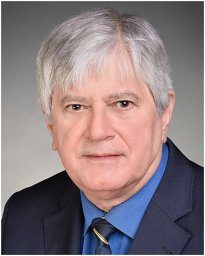 András Varró合作论文数Department of Pharmacology and Pharmacotherapy, University of Szeged31
 Andras Bittsanszky合作论文数18
 Norbert Nagy合作论文数17
 Gabor Fazekas合作论文数Dept Rehabil Poststroke, Natl Inst Med Rehabil17
 Gábor Rákhely合作论文数Department of Biotechnology, University of Szeged;Institute of Biophysics, HUN-REN Szegedi Biológiai Kutatóközpont17
 Károly Acsai合作论文数16
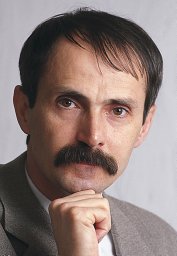 Csaba B. Illés合作论文数Institute of Business Management and Organization15
 Julius Gyula Papp合作论文数Division of Cardiovascular Pharmacology, Hungarian Academy of Sciences;Department of Pharmacology & Pharmacotherapy, Albert Szent-Györgyi Medical Center, University of Szeged13
 Peter Pal Nanasi合作论文数Department of Physiology, University of Debrecen;Division of Physiology and Pharmacology, Department of Basic Medical Sciences, Faculty of Dentistry, University of Debrecen12Tamás Ivanics合作论文数11
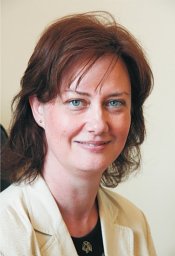 Anna Dunay合作论文数Department of Business Economics and Management, Hungarian University of Agriculture and Life Sciences10
 Janos Prorok合作论文数Department of Pharmacology and Pharmacotherapy, University of Szeged10
 Gabor Stepan合作论文数Hungarian Academy of Sciences/Department of Applied Mechanics, Budapest University of Technology and Economics9
 Laszlo Virag合作论文数Orvosi Vegytani Intezet, DE Altalanos Orvostudomanyi Kar;Faculty of Medicine, University of Debrecen9Mihaly Jurak合作论文数9
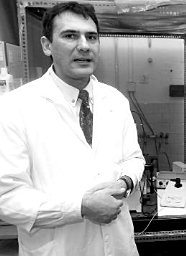 Norbert Jost合作论文数Division of Cardiovascular Pharmacology, Hungarian Academy of Sciences9László Ligeti合作论文数8
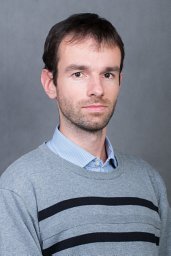 Pilissy, Tamas合作论文数8
 Zsuzsanna Miklos合作论文数8
 Péter Hegyi合作论文数Szentagothai Research Centre, University of Pecs;Centre for Translational Medicine, Medical School, University of Pécs;First Department of Medicine, Faculty of Medicine, University of Szeged;Hungarian Academy of Sciences7
 Szilvia Veszelka合作论文数Institute of Biophysics, the Hungarian Academy of Sciences7
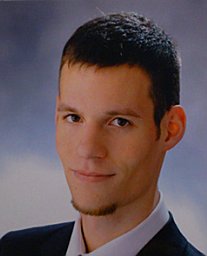 Attila Farkas合作论文数7
 Maria A Deli合作论文数Institute of Biophysics, Biological Research Centre7
 Anita Kormos合作论文数6Richárd Wohlfart合作论文数6
 Norbert Szentandrássy合作论文数Department of Physiology, University of Debrecen;Institute for General Medical Knowledge, Faculty of Dentistry, University of Debrecen;Department of Basic Medical Sciences, Faculty of Dentistry, University of Debrecen6
 Rakonczay Zoltán合作论文数Dept Med 1, Univ Szeged6
 Agnes Duzs合作论文数Institute of Biophysics, the Hungarian Academy of Sciences6Janos Lonovics合作论文数6Monika Horvath合作论文数6Imre Bertoti合作论文数Research Centre for Natural Sciences, Hungarian Academy of Sciences6
 Tamas Takacs合作论文数5J G Papp合作论文数5Kohajda Zsófia合作论文数5
 Dick W. Slaaf合作论文数Department of Biophysics, Maastricht University5
 Robert S Reneman合作论文数Cardiovascular Research Institute Maastricht, Maastricht University5
 Piero Pollesello合作论文数Cardiovascular Research, Orion Pharma5Gudrun Fazekas合作论文数5
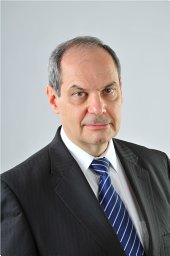 László Dézsi合作论文数Department of General Pharmacology, Gedeon Richter Ltd.5Jouko Levijoki合作论文数5Barry E. Argent合作论文数5
 Akos Miklos合作论文数Department of Applied Mechanics, Budapest University of Technology and Economics5
 Balazs Ordog合作论文数5
 Dénes Takács合作论文数Department of Applied Mechanics;Budapest University of Technology and Economics;Department of Applied Mechanics, Budapest University of Technology and Economics5
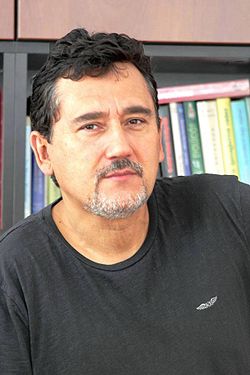 Zsolt Boldogkői合作论文数Department of Medical Biology, Albert Szent-Györgyi Medical School, University of Szeged5Mark Kollai合作论文数5
 Ibolya Tavaszi合作论文数4Mike A Gray合作论文数4Miklós Süth合作论文数4




