The Nearby Evolved Stars Survey (NESS) is a volume-complete sample of $\sim$850 Galactic evolved stars within 3\,kpc at (sub-)mm wavelengths, observed in the CO $J = $ (2$-$1) and (3$-$2) rotational lines, and the sub-mm continuum, using the James Clark Maxwell Telescope and Atacama Pathfinder Experiment. NESS consists of five tiers, based on distances and dust-production rate (DPR). We define a new metric for estimating the distances to evolved stars and compare its results to \emph{Gaia} EDR3. Replicating other studies, the most-evolved, highly enshrouded objects in the Galactic Plane dominate the dust returned by our sources, and we initially estimate a total DPR of $4.7\times 10^{-5}$ M$_\odot$ yr$^{-1}$ from our sample. Our sub-mm fluxes are systematically higher and spectral indices are typically shallower than dust models typically predict. The 450/850 $\mu$m spectral indices are consistent with the blackbody Rayleigh--Jeans regime, suggesting a large fraction of evolved stars have unexpectedly large envelopes of cold dust.
ABSTRACT We present results obtained from ALMA CO (2–1) data of the double-barred galaxy NGC 3504. With three times higher angular resolution (∼0${_{.}^{\prime\prime}}$8) than previous studies, our observations reveal an inner molecular gas bar, a nuclear ring, and four inner spiral arm-like structures in the central 1-kpc region. Furthermore, the CO emission is clearly aligned with the two dust lanes in the outer bar region, with differences in shape and intensity between them. The total molecular gas mass in the observed region (50 arcsec × 57 arcsec) is estimated to be ${\sim}3. 1\times 10^9 \, {\rm M}_{\odot }$, which is 17 per cent of the stellar mass. We used the Kinemetry package to fit the velocity field and found that circular motion strongly dominates at R = 0.3–0.8 kpc, but radial motion becomes important at R < 0.3 kpc and R = 1.0–2.5 kpc, which is expected due to the presence of the inner and outer bars. Finally, assuming that the gas moves along the dust lanes in the bar rotating frame, we derived the pattern speed of the outer bar to be 18 ± 5 km s−1 kpc−1, the average streaming velocities on each of the two dust lanes to be 165 and 221 km s−1, and the total mass inflow rate along the dust lanes to be $12\, {\rm M}_{\odot }$ yr−1. Our results give a new example of an inner gas bar within a gas-rich double-barred galaxy and suggest that the formation of double-barred galaxies could be associated with the existence of such gas structures.
The latest generation of Galactic Plane surveys is enhancing our ability to study the effects of galactic environment upon the process of star formation. We present the first data from CO Heterodyne Inner Milky Way Plane Survey 2 (CHIMPS2). CHIMPS2 is a survey that will observe the Inner Galaxy, the Central Molecular Zone (CMZ), and a section of the Outer Galaxy in 12CO, 13CO, and C18O $(J = 3\rightarrow 2)$ emission with the Heterodyne Array Receiver Program on the James Clerk Maxwell Telescope (JCMT). The first CHIMPS2 data presented here are a first look towards the CMZ in 12CO J = 3 → 2 and cover ${-}3^{\circ }\, \le \, \ell \, \le \, 5^{\circ }$ and $\mid {b} \mid \, \le \, 0{_{.}^{\circ}} 5$ with angular resolution of 15 arcsec, velocity resolution of 1 km s−1, and rms $\Delta \, T_A ^\ast =$ 0.58 K at these resolutions. Such high-resolution observations of the CMZ will be a valuable data set for future studies, whilst complementing the existing Galactic Plane surveys, such as SEDIGISM, the ${Herschel}$ infrared Galactic Plane Survey, and ATLASGAL. In this paper, we discuss the survey plan, the current observations and data, as well as presenting position–position maps of the region. The position–velocity maps detect foreground spiral arms in both absorption and emission.
ALMA (Atacama Large Millimeter/submillimeter Array) is the world's largest ground-based facility for observations in the millimeter/submillimeter regime. One of ALMA's outstanding characteristics is the large effort dedicated to the quality assurance (QA) of the calibrated and imaged data products offered to the astronomical community. The Data Management Group (DMG), in charge of the data processing, review, and delivery of the ALMA data, consists of approximately 60 experts in data reduction, from the ALMA Regional Centers (ARCs) and the Joint ALMA Observatory (JAO), distributed in fourteen countries. With a throughput of more than 3,000 datasets per year, meeting the goal of delivering the pipeline-able data products within 30 days after data acquisition is a huge challenge. This paper presents (a) the history of data processing at ALMA, (b) the challenges our team had and is still facing, (c) the methodology followed to mitigate the operational risks, (d) the ongoing optimization initiatives, (e) the current data processing status, (f) the strategy which is being followed so that, in a few Cycles from now, a team of approximately 10 data reducers (DRs) at JAO can process and review some 80% of the datasets collected during an observing cycle, and, finally, (g) the important role of the ARCs for processing the remaining datasets.
The timescales on which astronomical dust grows remain poorly understood, with important consequences for our understanding of processes like circumstellar disk evolution and planet formation.A number of post-asymptotic giant branch stars are found to host optically thick, dust- and gas-rich circumstellar discs in Keplerian orbits. These discs exhibit evidence of dust evolution, similar to protoplanetary discs; however since post-AGB discs have substantially shorter lifetimes than protoplanetary discs they may provide new insights on the grain-growth process. We examine a sample of post-AGB stars with discs to determine the FIR and sub-mm spectral index by homogeneously fitting a sample of data from \textit{Herschel}, the SMA and the literature. We find that grain growth to at least hundreds of micrometres is ubiquitous in these systems, and that the distribution of spectral indices is more similar to that of protoplanetary discs than debris discs. No correlation is found with the mid-infrared colours of the discs, implying that grain growth occurs independently of the disc structure in post-AGB discs. We infer that grain growth to $\sim$mm sizes must occur on timescales $<<10^{5}$ yr, perhaps by orders of magnitude, as the lifetimes of these discs are expected to be $\lesssim10^{5}$~yr and all objects have converged to the same state. This growth timescale is short compared to the results of models for protoplanetary discs including fragmentation, and may provide new constraints on the physics of grain growth.
The circumstellar envelopes of asymptotic giant branch (AGB) stars exhibit a wide range of morphologies and chemical compositions that can be exploited to unravel their mass-loss history as well as binary status. Here, we present ALMA Band 6 observations centred upon the oxygen-rich, high mass-loss rate AGB star GX Mon. The resulting CO (2–1) map reveals an intricate, complex circumstellar spiral-arc structure consistent with hydrodynamical models for an AGB experiencing mass loss in a highly eccentric, close binary system with an orbital period of around 140 years. Several other transitions (including SiO, SiS, SO2, and CS) are detected in the data, however only the SO (5–4) map shows a similar – although much weaker – distribution as imaged for the CO.
We present the highest resolution single-dish submillimetre observations of the detached shell source U Antliae to date. The observations were obtained at 450 and 850 mu m with SCUBA-2 instrument on the James Clerk Maxwell Telescope as part of the Nearby Evolved Stars Survey. The emission at 850 mu m peaks at 40 arcsec with hints of a second peak seen at similar to 20 arcsec. The emission can be traced out to a radius of 56 arcsec at a 3s level. The outer peak observed at 850 mu m aligns well with the peak observed at Herschel/PACS wavelengths. With the help of spectral energy distribution fitting and radiative transfer calculations of multiple-shell models for the circumstellar envelope, we explore the various shell structures and the variation of grain sizes along the in the circumstellar envelope. We determine a total shell dust mass of (2.0 +/- 0.3) X 10(-5) M-circle dot and established that the thermal pulse that gave rise to the detached shell occurred 3500 +/- 500 yr ago.
We present ALMA observations of 12 CO, 13 CO, and C 18 O J = 2–1 lines and the 230 GHz continuum for the FU Ori–type object (FUor) V900 Mon ( d ∼ 1.5 kpc), for which the accretion burst was triggered between 1953 and 2009. We identified CO emission associated with a molecular bipolar outflow extending up to an ∼10 4 au scale and a rotating molecular envelope extending over >10 4 au. The interaction with the hot energetic FUor wind, which was observed using optical spectroscopy, appears limited to a region within ∼400 au of the star. The envelope mass and collimation of the extended CO outflow suggest that the progenitor of this FUor is a low-mass Class I young stellar object (YSO). These parameters for V900 Mon, another FUor, and a few FUor-like stars are consistent with the idea that FUor outbursts are associated with normal YSOs. The continuum emission is marginally resolved in our observations with a 0.″2 × 0.″15 (∼300 × 225 au) beam, and a Gaussian model provides a deconvolved FWHM of ∼90 au. The emission is presumably associated with a dusty circumstellar disk, plus a possible contribution from a wind or wind cavity close to the star. The warm compact nature of the disk continuum emission could be explained with viscous heating of the disk, while gravitational fragmentation in the outer disk and/or a combination of grain growth and their inward drift may also contribute to its compact nature.
AbstractWe derive azimuthally-averaged surface-brightness profiles of 16 AGB stars in the far-IR and sub-mm with the aim of studying the resolved historic mass loss in the extended circumstellar envelope. The PSF-subtracted extended component fluxes were found to be ∼40% of the total source flux. By fitting SEDs at each radial point we derive the dust temperature, column density and spectral index of emissivity via Bayesian inference. The measured dust-to-gas ratios were somewhat consistent with canonical values however with a large scatter.
Nature Astronomy 1, 0060 (2017); published 1 March 2017; corrected 6 March 2017. The Supplementary Information originally published did not include Supplementary Video 1 and its associated caption. These are now included in the updated Supplementary Information.
Aims. The protoplanetary disk around HL Tau is the youngest candidate of planet formation known to date, and it is still embedded in a protostellar envelope with a size of thousands of au. In this work, we study the gas kinematics in the envelope and its possible influence on the embedded disk. Methods. We present our new ALMA cycle 3 observational results of HL Tau in the 13 CO (2–1) and C 18 O (2–1) emission at resolutions of 0.8 (110 au), and we compare the observed velocity pattern with models of different types of gas motion. Results. The 13 CO and C 18 O emission lines both show a central compact component with a size of 2″ (280 au) that traces the protoplanetary disk. The disk is clearly resolved and shows Keplerian motion, based on which, the protostellar mass of HL Tau is estimated to be 1.8 ± 0.3 M ⊙ , assuming the inclination angle of the disk to be 47° from the plane of the sky. The 13 CO emission shows two arc structures with sizes of 1000–2000 au and masses of 3 × 10 -3 M ⊙ connected to the central disk. One is blueshifted and stretches from the northeast to the northwest, and the other is redshifted and stretches from the southwest to the southeast. We find that simple kinematical models of infalling and (counter-)rotating flattened envelopes cannot fully explain the observed velocity patterns in the arc structures. The gas kinematics of the arc structures can be better explained with three-dimensional infalling or outflowing motions. Nevertheless, the observed velocity in the northwestern part of the blueshifted arc structure is ~60–70% higher than the expected free-fall velocity. We discuss two possible origins of the arc structures: (1) infalling flows externally compressed by an expanding shell driven by XZ Tau; and (2) outflowing gas clumps caused by gravitational instabilities in the protoplanetary disk around HL Tau.
The giant Herbig-Haro object 222 extends over similar to 6' in the plane of the sky, with a bow shock morphology. The identification of its exciting source has remained uncertain over the years. A non-thermal radio source located at the core of the shock structure was proposed to be the exciting source. However, Very Large Array studies showed that the radio source has a clear morphology of radio galaxy and a lack of flux variations or proper motions, favoring an extragalactic origin. Recently, an optical-IR study proposed that this giant HH object is driven by the multiple stellar system V380 Ori, located about 23' to the SE of HH 222. The exciting sources of HH systems are usually detected as weak free-free emitters at centimeter wavelengths. Here, we report the detection of an elongated radio source associated with the Herbig Be star or with its close infrared companion in the multiple V380 Ori system. This radio source has the characteristics of a thermal radio jet and is aligned with the direction of the giant outflow defined by HH. 222 and its suggested counterpart to the SE, HH. 1041. We propose that this radio jet traces the origin of the large scale HH outflow. Assuming that the jet arises from the Herbig Be star, the radio luminosity is a few times smaller than the value expected from the radio-bolometric correlation for radio jets, confirming that this is a more evolved object than those used to establish the correlation.
We present the essential results pointed out in a recently published paper, Kim et al. 2015, Astrophys. J., 814, 61. The carbon star CIT 6 reveals evidences for a binary in a high-resolution CO line emission map of its circumstellar envelope taken with the Submillimeter Array. The morphology of the outflow described by the spiral-shell pattern, bipolar (or possibly multipolar) outflow, one-sided interarm gaps, and double spiral feature point to a plausible scenario that CIT 6 is a binary system in an eccentric orbit with the mass losing star evolving from the AGB.
AGB stars are the most important contributors of dust mass in the Galaxy. However, estimating their dust mass loss is not an easy task. We present our approach to calculate more reliably the dust mass-loss rates in the Solar Neighborhood. Preliminary results are presented as well.
CIT 6 is a carbon star in the transitional phase from the asymptotic giant branch (AGB) to the protoplanetary nebulae (pPNs). Observational evidences of two point sources in the optical, circumstellar arc segments in an HC3N line emission, and a bipolar nebula in near-infrared provide strong support for the presence of a binary companion. Hence, CIT 6 is very attractive for studying the role of companions in the AGB–pPN transition. We have carried out high-resolution 12CO J = 2–1 and 13CO J = 2–1 observations of CIT 6 with the Submillimeter Array combined with the Submillimeter Telescope (single-dish) data. The 12CO channel maps reveal a spiral-shell pattern connecting the HC3N segments in a continuous form and an asymmetric outflow corresponding to the near-infrared bipolar nebula. Rotation of the 12CO channel peak position may be related to the inner spiral winding and/or the bipolar outflow. An eccentric orbit binary is suggested for the presence of an anisotropic mass loss to the west and a double spiral pattern. The lack of interarm emission to the west may indicate a feature corresponding to the periastron passage of a highly eccentric orbit of the binary. Spatially averaged radial and spectral profiles of 12CO J = 2–1 and 13CO J = 2–1 are compared with simple spherical radiative transfer models, suggesting a change of 12CO/13CO abundance ratio from ∼30 to ∼50 inward in the CSE of CIT 6. The millimeter continuum emission is decomposed into extended dust thermal emission (spectral index ∼ −2.4) and compact emission from radio photosphere (spectral index ∼ −2.0).
We present sensitive, high angular resolution (similar to 0 ''.2) submillimeter continuum and line observations of IRAS 16293-2422B made with the Atacama Large Millimeter/Submillimeter Array. The 0.45 mm continuum observations reveal a single and very compact source associated with IRAS 16293-2422B. This submillimeter source has a deconvolved angular size of about 400 mas (50 AU) and does not show any inner structure inside of this diameter. The (HCN)-C-13, (HCN)-N-15, and CH3OH line emission regions are about twice as large as the continuum emission and reveal a pronounced inner depression or "hole" with a size comparable to that estimated for the submillimeter continuum. We suggest that the presence of this inner depression and the fact that we do not see an inner structure (or a flat structure) in the continuum are produced by very optically thick dust located in the innermost parts of IRAS 16293-2422B. All three lines also show pronounced inverse P-Cygni profiles with infall and dispersion velocities larger than those recently reported from observations at lower frequencies, suggesting that we are detecting faster and more turbulent gas located closer to the central object. Finally, we report a small east-west velocity gradient in IRAS 16293-2422B that suggests that its disk plane is likely located very close to the plane of the sky.
WX Psc is a very-late type (oxygen-rich) and long-period variable AGB star. The mass loss history was inferred by Decin et al. (2007) from single dish observations of multiple rotational transitions of CO using radiative transfer modelling. In this work we do a similar analysis using interferometric observations, from the SMA in the CO 2-1 transition, and from the PdBI in the CO 2-1 and 1-0 transitions. We also analysed single-dish maps obtained with APEX in CO 3-2 and 2-1. This allows to observe the extended emission and test the mass loss history derived at different angular scales and therefore time scales. Here we present our current findings and future work on this project.
We present Atacama Large Millimeter/submillimeter Array (ALMA) and Very Large Array (VLA) observations of the molecular and ionized gas at 0.1-0.3 arcsec resolution in the Class 0 protostellar system IRAS 16293-2422. These data clarify the origins of the protostellar outflows from the deeply embedded sources in this complex region. Source A2 is confirmed to be at the origin of the well-known large-scale north-east-south-west flow. The most recent VLA observations reveal a new ejection from that protostar, demonstrating that it drives an episodic jet. The central compact part of the other known large-scale flow in the system, oriented roughly east-west, is well delineated by the CO(6-5) emission imaged with ALMA and is confirmed to be driven from within component A. Finally, a one-sided blueshifted bubble-like outflow structure is detected here for the first time from source B to the northwest of the system. Its very short dynamical time-scale (similar to 200 yr), low velocity and moderate collimation support the idea that source B is the youngest object in the system, and possibly one of the youngest protostars known.
The properties of tidally induced arms provide a means to study molecular cloud formation and the subsequent star formation under environmental conditions which, in principle, are different from quasi-stationary spiral arms. We report the properties of a newly discovered molecular gas arm of likely tidal origin at the south of NGC 4039 and the overlap region in the Antennae galaxies, with a resolution of 1.″68 × 0.″85, using the Atacama Large Millimeter/submillimeter Array science verification CO(2–1) data. The arm extends 3.4 kpc (34″) and is characterized by widths of ≲200 pc (2″) and velocity widths of typically ΔV ≃ 10–20 km s−1. About 10 clumps are strung out along this structure, most of them unresolved, with average surface densities of Σgas ≃ 10–100 M☉ pc−2, and masses of (1–8)×106 M☉. These structures resemble the morphology of beads on a string, with an almost equidistant separation between the beads of about 350 pc, which may represent a characteristic separation scale for giant molecular associations. We find that the star formation efficiency at a resolution of 6″(600 pc) is in general a factor of 10 higher than in disk galaxies and other tidal arms and bridges. This arm is linked, based on the distribution and kinematics, to the base of the western spiral arm of NGC 4039, but its morphology is different to that predicted by high-resolution simulations of the Antennae galaxies.
We report VILA radio observations of the 21 cm HI line toward two compact radio sources that could be associated with extended Galactic sources. In the case of the planetary nebula PHR 1735-333 we observed HI absorption against a non-thermal radio source recently discovered in the region, which was proposed to be physically associated with the planetary nebula. However, from the analysis of the HI absorption spectrum, we suggest a larger distance for this non-thermal source. In the case of the supernova remnant candidate SNR G3.8+0.3 we obtained HI absorption spectra towards it and towards a compact radio source located at its center. We conclude that SNR, G3.8+0.3 is more distant than the compact radio source and that they are not physically associated.
 Ciska Kemper合作论文数Institute of Space Sciences, CSIC9
 Luis F. Rodriguez合作论文数Institute of Radio Astronomy and Astrophysics, National Autonomous University of Mexico9
 Naomi Hirano合作论文数6Hyosun Kim合作论文数Technical University of Braunschweig6Scicluna Brendon P合作论文数1 University of Amsterdam5Sundar Srinivasan合作论文数5
 Sheng-Yuan Liu (呂聖元)合作论文数Institute of Astronomy and Astrophysics, Academia Sinica4
 Ronny Zhao-Geisler合作论文数3
 sofia wallstrom合作论文数Institute of Astronomy and Astrophysics, AS/NTU No. 13
 Ronald E Taam (譚遠培)合作论文数Department of Physics and Astronomy, Northwestern University3
 Hsi-Wei Yen合作论文数3
 Jan Cami合作论文数Physics & Astronomy;Dept .;University of Western Ontario;Dept ., University of Western Ontario3
 Albert Zijlstra合作论文数Labooratory for Space Research, The University of Hong Kong3Satoko Takahashi合作论文数3Jan G. A. Wouterloot合作论文数2Shuang-Shuang Liu合作论文数2
 Jesus A. Toala合作论文数2Jongsoo Kim合作论文数2Thavisha E. Dharmawardena合作论文数2
 Gioia Rau合作论文数Dept Phys, Catholic Univ Amer2
 Ming Zhu (朱明)合作论文数National Astronomical Observatories, Chinese Academy of Sciences;University of Chinese Academy of Sciences2
 Jinhua He (何金华)合作论文数Yunnan Observatories, Chinese Academy of Sciences;University of Chinese Academy of Sciences2
 Laurent Loinard合作论文数2
 Mikako Matsuura合作论文数2Hauyu Baobab Liu (呂浩宇)合作论文数Planet-Formation Laboratory;Department of Physics, National Sun Yat-sen University2
 Do-Young Byun合作论文数Radio Astronomy Center, Korea Astronomy and Space Science Institute2
 Luis A. Zapata合作论文数MPIfR2Y.-J. Kuan合作论文数2
 Paolo Ventura合作论文数Osservatorio Astronomico di Roma2Berengere Parise合作论文数2Hiroko Shinnaga合作论文数2
 Daniel Espada合作论文数Instituto de Astrof ´ isica de Andaluc2
 Jacco Th. Van Loon合作论文数School of Chemical and Physical Sciences, Keele University2Howard G Parsons合作论文数2
 Jonathan C. Marshall合作论文数Department of Environment, Science and Innovation, Queensland Government2
 Chin-Fei Lee (李景輝)合作论文数Institute of Astronomy and Astrophysics, Academia Sinica2
 Olivia Jones合作论文数UK Astronomy Technology Centre, Royal Observatory, Edinburgh2
 Paul T. P. Ho (賀曾樸)合作论文数Institute of Astronomy and Astrophysics, Academia Sinica;East Asian Observatory2
 Wayne Holland合作论文数UK Astronomy Technology Centre2Kazuya Saigo合作论文数2
 Eric Lagadec合作论文数Observatoire de la Côte d'Azur, Université Côte D'azur2
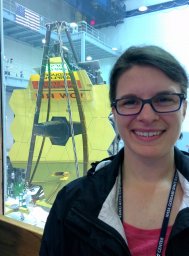 Martha L. Boyer合作论文数Space Telescope Science Institute2D. L. Li合作论文数1D. T. Hoai合作论文数1N Kuno合作论文数1H. Shi合作论文数1A. Rigby合作论文数1H. Ma合作论文数1T. Liu合作论文数1




