Schinus terebinthifolius is a medicinal plant with biological in vitro activity against clinically relevant parasites such as Leishmania amazonensis and L. chagasi. Considering its antiparasitic activity, this work aimed to investigate the in vitro effects of S. terebinthifolius fractions against P. falciparum using SYBR fluorescence tests, its cytotoxicity towards monkey kidney cells and efficacy against malaria in a murine model of P. berghei infection. For the first time, screening results with several extracts and fractions are reported herein. Five out of 16 fractions obtained from leaves, flowers, unripe and ripe berries with dichloromethane, ethyl acetate and butanol solvents used in plant extraction were active against P. falciparum. Two ethyl acetate fractions with no cytotoxicity in vitro presenting selectivity indexes of ≥111 and ≥167 exhibited no antimalarial activity in mice at 500 mg/kg. Preliminary LCMS analysis of the ethyl acetate subfractions showed antiplasmodial effect in vitro with high specific index suggesting that such activity is related to polyphenolics in the fractions, mainly flavonoids. Additional studies should be undertaken to identify the compound(s) with anti-malaria activity.
Malaria, Chagas disease, and leishmaniasis are tropical diseases caused by protozoan parasites of the genera Plasmodium, Trypanosoma and Leishmania, respectively. These diseases constitute a major burden on public health in several regions worldwide, mainly affecting low-income populations in economically poor countries. Severe side effects of currently available drug treatments and the emergence of resistant parasites need to be addressed by the development of novel drug candidates. Natural 2,5-Diketopiperazines (2,5-DKPs) constitute N-heterocyclic secondary metabolites with a wide range of biological activities of medicinal interest. Its structural and physicochemical properties make the 2,5-DKP ring a versatile, peptide-like, and stable pharmacophore attractive for synthetic drug design. In the present work, twenty-three novel synthetic 2,5-DKPs, previously synthesized through the versatile Ugi multicomponent reaction, were assayed for their anti-protozoal activities against P. falciparum, T. cruzi, and L. infantum. Some of the 2,5-DKPs have shown promising activities against the target protozoans, with inhibitory concentrations (IC50) ranging from 5.4 to 9.5 µg/mL. The most active compounds also show low cytotoxicity (CC50), affording selectivity indices ≥ 15. Results allowed for observing a clear relationship between the substitution pattern at the aromatic rings of the 2,5-DKPs and their corresponding anti-Plasmodium activity. Finally, calculated drug-like properties of the compounds revealed points for further structure optimization of promising drug candidates.
Introduction: Emergence of drug resistant strains of Plasmodium species has necessitated the search for novel antimalarials with unique mechanisms of action. Synthesis of hybrid compounds has been one approach to tackling this challenge. In this study, the synthesis of artesunate-ellagic acid hybrid compound (EA31) from ellagic acid and artesunate and its evaluation for antimalarial and antioxidant activities using in vitro and in vivo models were carried out.Method: EA31 was synthesized from artesunate and ellagic acid. The activities of the hybrid compound against Plasmodium falciparum W2 and P. berghei NK65 were evaluated, and its antioxidant activities were also determined.Results: The results revealed that EA31 was more active against P. falciparum W2 (chloroquine resistant) clone and less cytotoxic to buffalo green monkey kidney cell line compared to artesunate. EA31 was also active against Plasmodium berghei NK65 in vivo. The results revealed inhibition of β-hematin formation as one of the mechanisms of action of EA31. EA31 also exhibited antioxidant activities.Conclusion: The results revealed that EA31 may exert dual action of killing malaria parasite and mopping the reactive oxygen species that mediate the secondary complications of malaria.
Background: Statins present a plethora of pleiotropic effects including anti-inflammatory and antimicrobial responses. A,α-difluorophenylacetamides, analogs of diclofenac, are potent pre-clinical anti-inflammatory non-steroidal drugs. Molecular hybridization based on the combination of pharmacophoric moieties has emerged as a strategy for the development of new candidates aiming to obtain multitarget ligands. Methods: Considering the anti-inflammatory activity of phenylacetamides and the potential microbicidal action of statins against obligate intracellular parasites, the objective of this work was to synthesize eight new hybrid compounds of α,α-difluorophenylacetamides with the moiety of statins and assess their phenotypic activity against in vitro models of Plasmodium falciparum and Trypanosoma cruzi infection besides exploring their genotoxicity safety profile. Results: None of the sodium salt compounds presented antiparasitic activity and two acetated compounds displayed mild anti-P. falciparum effect. Against T. cruzi, the acetate halogenated hybrids showed moderate effect against both parasite forms relevant for human infection. Despite the considerable trypanosomicidal activity, the brominated compound revealed a genotoxic profile impairing future in vivo testing. Conclusions: However, the chlorinated derivative was the most promising compound with chemical and biological profitable characteristics, without presenting genotoxicity in vitro, being eligible for further in vivo experiments.
The rapid spread of drug resistant malaria parasites has necessitated the search for novel antimalarials and chemosensitizers capable of reversing drug resistance in the parasites. A number of studies have revealed the resistance reversal activities of pregnane glycosides and the antimalarial activity of a pregnane glycoside obtained from Gongronema species. However, the pregnane (2) and pregnane glycosides (1, 3-4) isolated from Gongronema latifolium leaf have not been evaluated for these activities. This study was therefore carried out to evaluate the antiplasmodial and chloroquine resistance reversal activities of a pregnane and three pregnane glycosides isolated from G. latifolium leaf in vitro. The compounds were evaluated for their inhibitory activities against P. falciparum 3D7 (a chloroquine-sensitive strain) and P. falciparum W2 (a chloroquine-resistant clone) in vitro. The activities of chloroquine in separate combination with each of the compounds against P. falciparum W2 were also evaluated. Moreover, the interaction of the active compounds (1 and 4) with selected P. falciparum proteins (PfProteins) were evaluated in silico. The results revealed that only 1 and 4 were active against P. falciparum 3D7 and P. falciparum W2. Also, 2 and 3 did not exhibit chloroquine resistance reversal activity. Activity of chloroquine against P. falciparum W2 was potentiated by 1 by 3200% at concentrations higher than 0.625 µg/mL. Also, 1 and 4 demonstrated similar binding patterns and higher binding tendencies to the selected PfProteins compared to chloroquine. Thus, 1 (iloneoside) is an antimalarial pregnane glycoside which can potentiate the activity of chloroquine against multidrug resistant P. falciparum.
Malaria is among the tropical diseases that cause the most deaths in Africa. Around 500,000 malaria deaths are reported yearly among African children under the age of five. Chloroquine (CQ) is a low-cost antimalarial used worldwide for the treatment of Plasmodium vivax malaria. Due to resistance mechanisms, CQ is no longer effective against most malaria cases caused by P. falciparum. The World Health Organization recommends artemisinin combination therapies for P. falciparum malaria, but resistance is emerging in Southeast Asia and some parts of Africa. Therefore, new medicines for treating malaria are urgently needed. Previously, our group identified the 4-aminoquinoline DAQ, a CQ analog containing an acetylenic bond in its side chain, which overcomes CQ resistance in K1 P. falciparum strains. In this work, the antiplasmodial profile, drug-like properties, and pharmacokinetics of DAQ were further investigated. DAQ showed no cross-resistance against standard CQ-resistant strains (e.g., Dd2, IPC 4912, RF12) nor against P. falciparum and P. vivax isolates from patients in the Brazilian Amazon. Using drug pressure assays, DAQ showed a low propensity to generate resistance. DAQ showed considerable solubility but low metabolic stability. The main metabolite was identified as a mono N-deethylated derivative (DAQM), which also showed significant inhibitory activity against CQ-resistant P. falciparum strains. Our findings indicated that the presence of a triple bond in CQ-analogues may represent a low-cost opportunity to overcome known mechanisms of resistance in the malaria parasite.
Malaria is an endemic disease that affected 229 million people and caused 409 thousand deaths, in 2019. Disease control is based on early diagnosis and specific treatment with antimalarial drugs since no effective vaccines are commercially available to prevent the disease. Drug chemotherapy has a strong historical link to the use of traditional plant infusions and other natural products in various cultures. The research based on such knowledge has yielded two drugs in medicine: the alkaloid quinine from Cinchona species, native in the Amazon highland rain forest in South America, and artemisinin from Artemisia annua, a species from the millenary Chinese medicine. The artemisinin-based combination therapies (ACTs), proven to be highly effective against malaria parasites, and considered as “the last bullet to fight drug-resistant malaria parasites,” have limited use now due to the emergence of multidrug resistance. In addition, the limited number of therapeutic options makes urgent the development of new antimalarial drugs. This review focuses on the antimalarial activities of 90 plant species obtained from a search using Pubmed database with keywords “antimalarials,” “plants” and “natural products.” We selected only papers published in the last 10 years (2011–2020), with a further analysis of those which were tested experimentally in malaria infected mice. Most plant species studied were from the African continent, followed by Asia and South America; their antimalarial activities were evaluated against asexual blood parasites, and only one species was evaluated for transmission blocking activity. Only a few compounds isolated from these plants were active and had their mechanisms of action delineated, thereby limiting the contribution of these medicinal plants as sources of novel antimalarial pharmacophores, which are highly necessary for the development of effective drugs. Nevertheless, the search for bioactive compounds remains as a promising strategy for the development of new antimalarials and the validation of traditional treatments against malaria. One species native in South America, Ampelozyzyphus amazonicus , and is largely used against human malaria in Brazil has a prophylactic effect, interfering with the viability of sporozoites in in vitro and in vivo experiments.
Human malaria continues to be a public health problem and an important cause of morbidity and mortality in the world. Malaria control is achieved through both individual protection against mosquito bites and drug treatment, which is hampered by the spread of Plasmodium falciparum resistance to most antimalarials, including artemisinin derivatives. One of the key pharmacological strategies for controlling malaria is to block transmission of the parasites to their mosquito vectors. Following this rational, MEFAS, a synthetic hybrid salt derived from artesunate (AS) and mefloquine has been previously reported for its activity against asexual P. falciparum parasites in vitro, in addition to a pronounced reduction in the viability of mature gametocytes. Herein, MEFAS was tested against asexual forms of Plasmodium vivax and for its ability to block malaria transmission in Anopheles darlingi mosquitoes in a membrane feeding assay using P. vivax field isolates. MEFAS demonstrated high potency, with a IC50 of 6.5 nM against asexual forms of P. vivax. At 50 μM, MEFAS completely blocked oocyst formation in mosquitoes, regardless of the oocyst number in the control group. At lower doses, MEFAS reduced oocyst prevalence by greater than 20%. At equivalent doses, AS irregularly reduced oocyst formation and caused only slight inhibition of mosquito infections. These results highlight the potential of MEFAS as a novel transmission-blocking molecule, as well as its high blood schizonticidal activity against P. vivax and P. falciparum field isolates, representing a starting point for further development of a new drug with dual antimalarial activity.
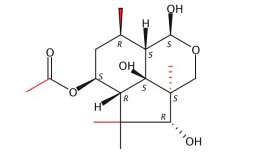
Malaria remains a serious public health problem, being lethal to near 400,000 people every year, mostly in Africa. Due to the resistance of Plasmodium falciparum to available antimalarials, including artemisinin derivatives, and P. vivax to chloroquine, new therapies are necessary, since drug treatment remains as the main method to control the disease. The medicinal plants are an important source of malaria treatment and remains as an important strategy in the field of drug discovery. This study aimed to identification the antimalarials bioactive compounds isolated from Symphyopappus casarettoi inflorescences. The extract was investigated using a bioassay-guided fractionation protocol based on the assay with P. falciparum, and the cytotoxicity using monkey kidney cells. A fraction derived from the crude extract was active against P. falciparum and showed low cytotoxicity. From this fraction we isolated the flavonoid caryatin, a compound with activity against P. falciparum in vitro. It was, however, not active in the experiments with animals infected with P. berghei. The present work is the first to report the presence of caryatin in the family Asteraceae and its antiplasmodial activity. Another finding was the isolation of a new labdane type diterpene with a rare hydroxylation pattern.
Malaria is a disease that requires new drugs not only to fight Plasmodium but also to reduce symptoms of infection such as fever and inflammation. A series of 21 hybrid compounds were designed from chloroquine (CQ) and primaquine (PQ) linked to the pharmacophoric group present in phenylacetic anti-inflammatory drugs. These compounds were designed to have dual activity: namely, to be capable of killing Plasmodium and still act on the inflammatory process caused by malaria infection. The compounds were assayed with nine different biological methods. The carbonylated CQ derivative 6 (n = 3; R-1 = Cl) was more potent than CQ in vitro, and 8 (n = 4; R-1 = H) reduced P. berghei parasitemia up to 37% on day 7. The carbonylated PQ derivative 17 (R = Br) was slightly less potent than PQ. The gem-difluoro PQ derivative 20 (R = Cl) exhibited high transmission blockade of the malaria sporogonic cycle in mosquitoes. Compounds 6 and 20 dose-dependently reduced nitric oxide (NO) production and inhibited TNF alpha production by LPS-stimulated J774A.1 macrophages. Our results indicate a viable and interesting approach in planning new chemical entities that act as transmission-blocking drugs for treating malaria caused by P. falciparum and P. vivax and the anti-inflammatory process related to this disease.
Malaria is among the most important parasitic diseases in humans. In 2016, 216 million cases of malaria occurred worldwide, with an estimated 445,000 deaths globally in 91 countries. Most antimalarial drugs currently in use target blood-stage parasites, which are responsible for the malaria pathologies including fatal disease. In the 1800s, Joseph Caventou and Pierre Pelletier, two French scientists, characterized the active principle of the plant infusions as quinine, which became a reference malaria treatment for centuries. Treatments based on the quinoline compound mefloquine and the sesquiterpene lactone were developed years later post-World War II. The current FDA approved antimalarial drugs act in many different processes involved in Plasmodium development, most of them against parasites inside the host red blood cells, where they degrade vast amounts of hemoglobin. Phenotypic screening approaches have shown to be efficient to find potential candidates for fighting malaria.
Malaria remains a major public health problem worldwide, and it is responsible for high rates of morbidity and mortality. Resistance to current antimalarial drugs has been identified, and new drugs are urgently needed. In this study, we designed and synthesized seventeen novel quinolines based on the structures of mefloquine ((2,8-bis(trifluoromethyl)quinolin-4-yl)(piperidin-2-yl)methanol) and amodiaquine (4-((7-chloroquinolin-4-yl)amino)-2-((diethylamino)methyl)phenol) using ring bioisosteric replacement and molecular hybridization of the functional groups. The compounds were evaluated in vitro against Plasmodium falciparum and in vivo in mice infected with P. berghei. All derivatives presented anti-P. falciparum activity with IC50 values ranging from 0.083 to 33.0 µM. The compound with the best anti-P. falciparum activity was N-(5-methyl-4H-1,2,4-triazol-3-yl)-2,8-bis(trifluoromethyl)quinolin-4-amine (12) which showed an IC50 of 0.083 µM. The three most active compounds were selected for antimalarial activity tests against P. berghei-infected mice. Compound 12 was the most active on the 5th day after infection, reducing parasitemia by 66%, which is consistent with its in vitro activity. This is an important result as 12, a simpler molecule than mefloquine, does not contain the stereogenic center, and consequently, its synthesis in the laboratory is easier and less expensive. This system proved promising for the design of potential antimalarial compounds.
where most cases are reported [1].Between 2000-2015, malaria incidence rates fell by 37% globally, and by 42% in Africa.During this same period, malaria mortality rates fell by 60% globally and by 66% Africa [2].Several factors, including increased research nancial support, e ective vector control, e ective malaria diagnosis and immediate and e ective treatment regimens have been important factors in decreasing the burden of malaria-a ected countries.e appearance and spread of resistant parasites to multiple antimalarial agents represent one of the greatest challenges to controlling the disease.Malarial drug resistance is associated with increased morbidity, mortality, and poverty in many countries where malaria is endemic [3,4].us, it imposes a constant pressure to continue nding new antimalarial drugs for treating the several forms of malaria [5].
Introduction: In spite of significant efforts to reduce malaria deaths, this disease still kills around 445,000 people every year. Overcoming drug resistance is one of the main goals of current malaria research programs. This is challenging, since the biology of Plasmodium is not fully understood, requiring the development of advanced models for data analysis in the search for new antimalarials.Areas covered: In this review the authors introduce the importance of computational models to address the challenges of drug discovery, presenting examples of pioneering systems biology approaches in the search for new antimalarial drugs and their role in the future of drug research programs. Other related topics are discussed, e.g. regulation of malaria pathogenesis by epigenetics and the importance of new platforms for malaria network.Expert opinion: The use of a systems biology approach in antimalarial drug discovery emerges in a scenario where the most efficient antimalarial chemotherapies are showing resistance in Southeast Asia. New models for a better understanding of Plasmodium cell function have already proved to be powerful tools for uncovering complex mechanisms of resistance, and have great potential to inform the design of novel small molecules with both high antimalarial activity and transmission-blocking potential to improve the control of malaria.
BACKGROUND:Several species of Aspidosperma plants are referred to as remedies for the treatment of malaria, especially Aspidosperma nitidum. Aspidosperma pyrifolium, also a medicinal plant, is used as a natural anti-inflammatory. Its fractionated extracts were assayed in vitro for activity against malaria parasites and for cytotoxicity.METHODS:Aspidosperma pyrifolium activity was evaluated against Plasmodium falciparum using extracts in vitro. Toxicity towards human hepatoma cells, monkey kidney cells or human monocytes freshly isolated from peripheral blood was also assessed. Anti-malarial activity of selected extracts and fractions that presented in vitro activity were tested in mice with a Plasmodium berghei blood-induced infection.RESULTS:The crude stem bark extract and the alkaloid-rich and ethyl acetate fractions from stem extract showed in vitro activity. None of the crude extracts or fractions was cytotoxic to normal monkey kidney and to a human hepatoma cell lines, or human peripheral blood mononuclear cells; the MDL50 values of all the crude bark extracts and fractions were similar or better when tested on normal cells, with the exception of organic and alkaloidic-rich fractions from stem extract. Two extracts and two fractions tested in vivo caused a significant reduction of P. berghei parasitaemia in experimentally infected mice.CONCLUSION:Considering the high therapeutic index of the alkaloidic-rich fraction from stem extract of A. pyrifolium, it makes the species a candidate for further investigation aiming to produce a new anti-malarial, especially considering that the active extract has no toxicity, i.e., no mutagenic effects in the genototoxicity assays, and that it has an in vivo anti-malarial effect. In its UPLC-HRMS analysis this fraction was shown to have two major components compatible with the bisindole alkaloid Leucoridine B, and a novel compound, which is likely to be responsible for the activity against malaria parasites demonstrated in in vitro tests.
In spite of recent efforts to eradicate malaria in the world, this parasitic disease is still considered a major public health problem, with a total of 216 million cases of malaria and 445,000 deaths in 2016. Artemisinin-based combination therapies remain effective in most parts of the world, but recent cases of resistance in Southeast Asia have urged for novel approaches to treat malaria caused by Plasmodium falciparum. In this work, we present chloroquine analogs that exhibited high activity against sensitive and chloroquine-resistant P. falciparum blood parasites and were also active against P. berghei infected mice. Among the compounds tested, DAQ, a chloroquine analog with a more linear side chain, was shown to be the most active in vitro and in vivo, with low cytotoxicity, and therefore may serve as the basis for the development of more effective chloroquine analogs to aid malaria eradication.
Nussenzweig, 89, died of pulmonary embolism in New York City, where she lived and had spent most of her life working on a vaccine against malaria.Despite her impaired mobility, the consequence of a fall, she remained committed to malaria research using non-infective sporozoites as the source of antigens.Two of the human vaccines presently in clinical trials are based on her original research.Ruth was born in Vienna, Austria in 1928, arriving in São Paulo, Brazil in 1939 at age 11 with her parents Eugenia and Barouch Sonntag, both medical doctors, and a younger brother, who died in a tragic accident years later while working in a Kibbutz in Israel.Her family migrated to Brazil, fleeing the totalitarian regime in Germany to which Austria had just been annexed and where her father, a non-religious Jew, had been imprisoned.While her mother was waiting in line to visit her husband at the prison one day, she was identified by an Austrian Nazi who let them go, and the family escaped.They first went to Belgium, where Ruth spent most of her youth, and then to Brazil, where she attended school in São Paulo (Figure 1 and Figure 2).She studied medicine at the University of São Paulo (USP), and there she met her classmate, Victor Nussenzweig, who would become her life companion and collaborator.Like her, he came from a traditional Jewish family that emigrated from Poland to escape pogroms.Victor was born in São Paulo and was interested in social politics, serving as president of the students association and was a member of the communist party when they first met.Ruth soon convinced him to become a scientist instead of a political leader; she believed that it would be more helpful to
The use of nanocarriers in drug delivery is a breakeven research and has received a clarion call in biomedicine globally. Herein, two newly nano-biomaterials: MCM-41 encapsulated quinine (MCM-41 ⊃ QN) ( 1 ) and 3-phenylpropyl silane functionalized MCM-41 loaded QN (pMCM-41 ⊃ QN) ( 2 ) were synthesized and well characterized. 1 and 2 along with our two already reported nano-antimalarial drugs (MCM-41 ⊃ ATS) ( 3 ) and 3-aminopropyl silane functionalized MCM-41 contained ATS (aMCM-41 ⊃ ATS) ( 4 ) were screened in vitro for their activity against P. falciparium W2 strain, cytotoxicity against BGM cells and in vivo for their activity against Plasmodium bergheiNK65 . 1 has the highest antimalarial activity in vivo against P. berghei NK65, (ED 50 : < 0.0625 mg/kg body weight) and higher mean survival time compared to the other nano biomaterials or unencapsulated drugs at doses higher than 0.0625 mg/kg body weight. This encapsulation strategy of MCM-41 ⊃ QN ( 1 ) stands very useful and effective in delivering the drug to the target cells compared to other delivery systems and therefore, this encapsulated drug may be considered for rational drug design.
BACKGROUND The main strategy to control human malaria still relies on specific drug treatment, limited now by Plasmodium falciparum-resistant parasites, including that against artemisinin derivatives. Despite the large number of active compounds described in the literature, few of them reached full development against human malaria. Drug repositioning is a fast and less expensive strategy for antimalarial drug discovery, because these compounds are already approved for human use. OBJECTIVES To identify new antimalarial drugs from compounds commercially available and used for other indications. METHODS Accuvit®, Ginkgo® and Soyfit®, rich in flavonoids, and also the standard flavonoids, hesperidin, quercetin, and genistein were tested against blood cultures of chloroquine-resistant P. falciparum, as well as chloroquine, a reference antimalarial. Inhibition of parasite growth was measured in immunoenzymatic assay with monoclonal anti-P. falciparum antibodies, specific to the histidine-rich protein II. Tests in mice with P. berghei malaria were based on percent of parasitaemia reduction. These compounds were also evaluated for in vitro cytotoxicity. FINDINGS The inhibition of parasite growth in vitro showed that Accuvit® was the most active drug (IC50 5 ± 3.9 μg/mL). Soyfit® was partially active (IC50 13.6 ± 7.7 μg/mL), and Ginkgo® (IC50 38.4 ± 14 μg/mL) was inactive. All such compounds were active in vivo at a dose of 50 mg/kg body weight. Accuvit® and quercetin induced the highest reduction of P. berghei parasitaemia (63% and 53%, respectively) on day 5 after parasite inoculation. As expected, the compounds tested were not toxic. MAIN CONCLUSIONS The antimalarial activity of Accuvit® was not related to flavonoids only, and it possibly results from synergisms with other compounds present in this drug product, such as multivitamins. Multivitamins in Accuvit® may explain its effect against the malaria parasites. This work demonstrated for the first time the activity of these drugs, which are already marketed.
 Anna Caroline Aguiar合作论文数Centro de Pesquisas René Rachou, FIOCRUZ32
 Z. Brener合作论文数16Isabela P. Cerávolo合作论文数Laboratório de Malária, Centro de Pesquisas René Rachou/Fundação Oswaldo Cruz16
 Nubia Boechat合作论文数Instituto de Tecnologia em Farmacos - Farmanguinhos, Oswaldo Cruz Foundation15Luzia H. Carvalho合作论文数Centro de Pesquisas René Rachou, Fiocruz and Departamento de Parasitologia-Universidade Federal de Minas Gerais (UFMG), Belo Horizonte, MG, Brazil13JR CANCADO合作论文数12
 Cortopassi Wilian A合作论文数Laboratory of Molecular Modeling Applied to Chemical and Biological Defense (LMCBD),, Military Institute of Engineering11
 Joseph Adebayo合作论文数Department of Biochemistry;University of Ilorin10
 Tanos Franca合作论文数Instituto Militar de Engenharia10EMM ROCHA合作论文数9
 Érika Martins Braga合作论文数Dept Parasitol, Univ Fed Minas Gerais9de Souza Nicolli Bellotti合作论文数Laboratório de Malária, Centro de Pesquisas René-Rachou-Fiocruz8
 Carlos Leomar Zani合作论文数Centro de Pesquisas René Rachou—Fundação Oswaldo Cruz (FIOCRUZ), Av. Augusto de Lima, 1715 CEP 30190-002, Belo Horizonte, MG, Brazil8
 Julia Coutinho合作论文数7Julia Penna-Coutinho合作论文数7Wilson Cunico合作论文数Departamento de Quimica, Universidade Federal de Santa Maria7Lmc Galvao合作论文数6
 Fernando Varotti合作论文数6
 André Silva Pimentel合作论文数Departamento de Química, Pontifícia Universidade Católica do Rio de Janeiro6CJF Fontes合作论文数5Luisa G. Krettli合作论文数5V. F. Andrade-Neto合作论文数5
 Monica Macedo Bastos合作论文数5Krautz G M合作论文数5
 Antonio E. G. Sant'Ana合作论文数Inst Quim & Biotecnol, Univ Fed Alagoas5Maria de Lourdes G. Ferreira合作论文数5Lucia Maria Xavier Lopes合作论文数5
 Marcus Vinicius Nora De Souza合作论文数Medicinal Chemistry Synthesis Department, Instituto de Tecnologia em Fármacos;Medicinal Chemistry Synthesis Department, Fiocruz Research Institue5Marcos D. P. Pereira合作论文数4Isabel M de Andrade合作论文数4J. ROMEU CANCADO合作论文数4micheli g coutinho合作论文数4Balogun Elizabeth A合作论文数Department of Biochemistry, Federal University of Agriculture4Kohlhoff Markus合作论文数Centro de Pesquisas René Rachou, Fundação Oswaldo Cruz4
 Louis Howard Miller合作论文数Laboratory of Parasitic Diseases, National Institute of Allergy and Infectious Diseases, National Institutes of Health4
 Cor J Fontes合作论文数Secretaria de Estado da Saúde de Rondônia;Hospital Universitário Julio Muller;Universidade Federal de Mato Grosso;AMB3 Serviços Médicos Ltda;Centro Universitário UNIVAG4
 Valéria Maria de Azeredo Passos合作论文数Faculdade de Ciências Médicas de Minas Gerais4
 Luiz Carlos Da Silva Pinheiro合作论文数4
 Alvaro Jose Romanha合作论文数4Tito Da Silva合作论文数4A S Babatunde合作论文数3Paulo R. R. Costa合作论文数3A. C. Volpini合作论文数3A J Romanha合作论文数3M E Pereira合作论文数3
 Luiz Marcos da Fonseca合作论文数3Sandhi Maria Barreto合作论文数3
 Marcelo Gomes Davanco合作论文数3
 Jean Leandro Dos Santos合作论文数3




