Scientists have much to contribute to the growing social movements pushing for urgent and transformative change to address the climate and biodiversity crises. Depending on their skills, interests and circumstances, scientists can actively participate in social movements as members (whether on the streets or behind-the-scenes), endorse and facilitate these movements in their professional capacity and within their institutions, and build social movement effectiveness through research and teaching.
The world's understanding of the climate and ecological crises rests on science. However, scientists' conventional methods of engagement, such as producing ever more data and findings, writing papers and giving advice to governments, have not been sufficiently effective at persuading politicians to act on the climate and ecological emergency. To date, governments’ decisions (such as continuing with vast subsidies for fossil fuels) clearly show that powerful vested interests have been much more influential than the amassed scientific knowledge and advice. We argue that in the face of this inaction, scientists can have the maximum amount of influence by lending their support to social movements pressing for action, joining as active participants and considering civil disobedience. Scientists seeking to halt continued environmental destruction also need to work through our institutions. Too many scientific organizations, from national academies of science to learned societies and universities, have not taken practical action on climate; for example, many still partner with fossil fuel and other compromised interests. We therefore also outline a vision for how scientists can reform our scientific institutions to become powerful agents for change.
This study examines how the climate action group Extinction Rebellion represents scientific knowledge in the public presentations used to recruit new members. Using a combination of semi-structured interviews and recordings of the talks and comparing them across four versions, we examine how the talk developed and identify four distinct modes of science communication. This analysis also highlights that many factors shape the mode of science communication employed, with the outcome particularly influenced by the editors' concept of how to best motivate action, as well as changes in the wider communication environment and the evolution of the movement's strategic aims. We note the way in which the modes are expressions of “boundary work” seeking to either include or exclude scientific views the group perceives as either aligning with, or running counter to, their political goals.
Despite thousands of higher education institutions (HEIs) having issued Climate Emergency declarations, most academics continue to operate according to ‘business-as-usual’. However, such passivity increases the risk of climate impacts so severe as to threaten the persistence of organized society, and thus HEIs themselves. This paper explores why a maladaptive cognitive-practice gap persists and asks what steps could be taken by members of HEIs to activate the academy. Drawing on insights from climate psychology and sociology, we argue that a process of ‘socially organized denial’ currently exists within universities, leading academics to experience a state of ‘double reality’ that inhibits feelings of accountability and agency, and this is self-reenforcing through the production of ‘pluralistic ignorance.’ We further argue that these processes serve to uphold the cultural hegemony of ‘business-as-usual’ and that this is worsened by the increasing neo-liberalization of modern universities. Escaping these dynamics will require deliberate efforts to break taboos, through frank conversations about what responding to a climate emergency means for universities’ – and individual academics’ – core values and goals.
Time is short to secure a liveable and sustainable future; yet, inaction from governments, industry and civil society is setting the course for 3.2 °C of warming, with all the cascading and catastrophic consequences that this implies. In this context, when does civil disobedience by scientists become justified?
Conservation LettersEarly View e12915 CORRESPONDENCEOpen Access The recent past is not a reliable guide to future climate impacts: Response to Caro et al. (2022) Aaron Thierry, Aaron Thierry School of Social Sciences, Cardiff University, Cardiff, UKSearch for more papers by this authorJames M. Bullock, Corresponding Author James M. Bullock jmbul@ceh.ac.uk UK Centre for Ecology & Hydrology, Wallingford, UK Correspondence James M. Bullock, UK Centre for Ecology & Hydrology, Wallingford, UK. Email: jmbul@ceh.ac.ukSearch for more papers by this authorCharlie J. Gardner, Charlie J. Gardner Durrell Institute of Conservation and Ecology, University of Kent, Canterbury, UKSearch for more papers by this author Aaron Thierry, Aaron Thierry School of Social Sciences, Cardiff University, Cardiff, UKSearch for more papers by this authorJames M. Bullock, Corresponding Author James M. Bullock jmbul@ceh.ac.uk UK Centre for Ecology & Hydrology, Wallingford, UK Correspondence James M. Bullock, UK Centre for Ecology & Hydrology, Wallingford, UK. Email: jmbul@ceh.ac.ukSearch for more papers by this authorCharlie J. Gardner, Charlie J. Gardner Durrell Institute of Conservation and Ecology, University of Kent, Canterbury, UKSearch for more papers by this author First published: 28 July 2022 https://doi.org/10.1111/conl.12915 Funding information: UK Centre for Ecology & Hydrology, Grant/Award Number: 06895; Economic and Social Research Council AboutSectionsPDF ToolsRequest permissionExport citationAdd to favoritesTrack citation ShareShare Give accessShare full text accessShare full-text accessPlease review our Terms and Conditions of Use and check box below to share full-text version of article.I have read and accept the Wiley Online Library Terms and Conditions of UseShareable LinkUse the link below to share a full-text version of this article with your friends and colleagues. Learn more.Copy URL Share a linkShare onFacebookTwitterLinked InRedditWechat Caro et al. (2022) assert that there is an "inconvenient misconception" in conservation biology that climate change poses a significant risk to biodiversity. They support their claim with suggestions that climate change has not been a major recorded driver of species extinctions since 1900 and has not been reported as a key driver in IUCN threat analyses. However, given the accelerating and nonlinear nature of climate change impacts, we argue that the recent past is not a reliable guide to future change, and that conservation must look to the future if it is to successfully anticipate and mitigate biodiversity loss. The latest IPCC Working Group II report states that up to 14% of species will face a very high risk of extinction at 1.5°C of heating, rising to up to 29% at 3°C. Such temperature increases are worryingly imminent, with the 1.5°C threshold expected to be passed within decades, and 3°C anticipated within the century given current emissions trajectories (IPCC, 2022). In those biodiversity hotspots classed as vulnerable, 2°C of climate change is expected to double the number of species at very high risk of extinction, and by 3°C the risk is expected to be an order of magnitude larger than at present (IPCC, 2022). The scale of the threat shocked even the report's authors, with one remarking that; "One of the most striking conclusions in our report is that we're seeing adverse impacts that are much more widespread and much more negative than expected" (Plummer & Zhong, 2022). Caro et al.'s focus on the decline and extinction of individual species, while easier to quantify, masks the more pervasive and critical impacts climate change can have on ecosystems; most species in any ecosystem are adapted to similar abiotic conditions, thus climatic change will stress most species simultaneously, undermining the resilience of the system and increasing the potential for dramatically nonlinear changes in its structure and function. These rapid changes may lead to the simultaneous losses of whole communities of species (Trisos et al., 2020). For example, tropical warm water corals are estimated to support at least 25% of known marine species, but anthropogenic global warming has already led to a >20-fold increase in marine heat waves, resulting in bleaching which risks not only the loss of corals but the species reliant on these ecosystem engineers (Hoegh-Guldberg et al., 2017). Australia's Great Barrier Reef has already lost half its coral cover within just the last three decades (Dietzel et al., 2020). The potential for such rapid ecosystem-wide changes is not restricted to aquatic ecosystems; substantial parts of the Amazon rainforest are rapidly losing resilience due to a combination of warming-induced drought and expanding deforestation, pushing the system toward a tipping point beyond which fire will create a savannah-like ecosystem, leading to a catastrophic loss of forest-obligate wildlife (Boulton et al., 2022). Clearly, climate change has the potential to severely damage biodiversity, both in isolation and in combination with other anthropogenic threats, emphasizing the need to proactively manage ecosystems to protect them from the multifaceted nature of future global change. Indeed, failure to do so threatens the resilience of human societies and natural systems (Pörtner et al., 2021). While assessing past biodiversity loss can help evidence the negative impacts humanity has on the global biosphere, the past is a poor guide for where we are headed. Fixating on retrospective analyses as a predictor of future trends in a world characterized by increasingly rapid environmental change risks catastrophically underestimating future biodiversity loss (Gardner & Bullock, 2021) and is unnecessary when robust predictive approaches are available (see e.g., Trisos et al., 2020 and work synthesized in IPCC, 2022). Of particular importance is understanding how a rapidly changing climate will interact with other drivers of biodiversity decline such as habitat fragmentation and overexploitation of populations (Brook et al., 2008). Conservation science must quickly orient itself toward the oncoming threats we face. ACKNOWLEDGMENTS We would like to thank Chris Clements and Kylie Yarlett for comments on earlier drafts of this paper. AUTHOR CONTRIBUTIONS AT, JMB, and CGJ all contributed to the ideas, writing, and editing of this paper. CONFLICT OF INTEREST The authors declare no conflict of interest. Open Research DATA AVAILABILITY STATEMENT Data sharing not applicable to this article as no datasets were generated or analysed during the current study REFERENCES Boulton, C. A., Lenton, T. M., & Boers, N. (2022). Pronounced loss of Amazon rainforest resilience since the early 2000 s. Nature Climate Change, 12, 271– 278. CrossrefWeb of Science®Google Scholar Brook, B. W., Sodi, N. S., & Bradshaw, C. J. A. (2008). Synergies among extinction drivers under global change. Trends in Ecology and Evolution, 23, 453– 460. CrossrefPubMedWeb of Science®Google Scholar Caro, T., Rowe, Z., Berger, J., Wholey, P., & Dobson, A. (2022). An inconvenient misconception: Climate change is not the principal driver of biodiversity loss. Conservation Letters, 22, e12868. Google Scholar Dietzel, A., Bode, M., Connolly, S. R., & Hughes, T. P. (2020). Long-term shifts in the colony size structure of coral populations along the Great Barrier Reef. Proceedings of the Royal Society B: Biological Sciences, 287, 20201432. CrossrefPubMedWeb of Science®Google Scholar Gardner, C. J., & Bullock, J. M. (2021). In the climate emergency, conservation must become survival ecology. Frontiers in Conservation Science, 2, 659912. CrossrefGoogle Scholar Hoegh-Guldberg, O., Poloczanska, E. S., Skirving, W., & Dove, S. (2017). Coral reef ecosystems under climate change and ocean acidification. Frontiers in Ecology and Evolution, 4, 158. Google Scholar IPCC. (2022). Climate change 2022: Impacts, adaptation, and vulnerability. H.-O. Pörtner, D. C. Roberts, M. Tignor, E. S. Poloczanska, K. Mintenbeck, A. Alegría, M. Craig, S. Langsdorf, S. Löschke, V. Möller, A. Okem, & B. Rama (Eds.). Contribution of Working Group II to the Sixth Assessment Report of the Intergovernmental Panel on Climate Change. Cambridge University Press. In Press. Google Scholar Plummer, B., & Zhong, R. (2022). Climate change is harming the planet faster than we can adapt, U.N. Warns. New York Times. Available at: https://www.nytimes.com/2022/02/28/climate/climate-change-ipcc-report.html (Accessed 17/3/2022) Google Scholar Pörtner, H. O., Scholes, R. J., Agard, J., Archer, E., Arneth, A., Bai, X., Barnes, D., Burrows, M., Chan, L., Cheung, W. L., Diamond, S., Donatti, C., Duarte, C., Eisenhauer, N., Foden, W., Gasalla, M. A., Handa, C., Hickler, T., Hoegh-Guldberg, O., …Ngo, H. T. (2021). IPBES-IPCC co-sponsored workshop report on biodiversity and climate change; IPBES and IPCC. https://doi.org/10.5281/zenodo.4782538 CrossrefGoogle Scholar Trisos, C., Merow, C., & Pigot, A. L. (2020). The projected timing of abrupt ecological disruption from climate change. Nature, 580, 496– 501. CrossrefCASPubMedWeb of Science®Google Scholar Early ViewOnline Version of Record before inclusion in an issuee12915 ReferencesRelatedInformation
Thousands of universities have made climate emergency declarations; however the higher education sector is not rising to the collective challenge with the urgency commensurate with scientific warnings. Universities are promoting an increased focus on sustainability through their research, teaching and their own institutional footprints. However, we suggest that such initiatives will be insufficient to catalyse the required transformations in our societies and economies because of (i) the time lags inherent in education and research pathways to impact, and (ii) their failure to address either real-world political processes or the forces invested in maintaining the status quo. We therefore suggest that academics should move from publications to public actions and engage in advocacy and activism to affect urgent and transformational change. We discuss the barriers to engagement in advocacy that academics face, and propose a number of actions that universities should adopt to help overcome them. These include explicitly recognising advocacy as part of the work mandate of academic staff by altering work allocation models, facilitating engaged research sabbaticals, altering hiring and promotion policies, and providing training to enhance the effectiveness of engagement. In addition, universities must defend the right of academics to engage in protest and push back against emerging threats to academic freedom. Such actions would strengthen a rich tradition of academic protest and enhance the contribution of universities to the public good in areas well beyond sustainability, for example race and social justice (Black Lives Matter, decolonising education) and public health.
Methane fluxes from thawing peatlands in northern Canada were derived predominantly from anaerobic decomposition of recent vegetation rather than from previously frozen material — as is typically assumed. Models predict that thaw of permafrost soils at northern high latitudes will release tens of billions of tonnes of carbon (C) to the atmosphere by 2100 (refs 1,2,3). The effect on the Earth’s climate depends strongly on the proportion of this C that is released as the more powerful greenhouse gas methane (CH4), rather than carbon dioxide (CO2) (refs 1,4); even if CH4 emissions represent just 2% of the C release, they would contribute approximately one-quarter of the climate forcing5. In northern peatlands, thaw of ice-rich permafrost causes surface subsidence (thermokarst) and water-logging6, exposing substantial stores (tens of kilograms of C per square meter, ref. 7) of previously frozen organic matter to anaerobic conditions, and generating ideal conditions for permafrost-derived CH4 release. Here we show that, contrary to expectations, although substantial CH4 fluxes (>20 g CH4 m−2 yr−1) were recorded from thawing peatlands in northern Canada, only a small amount was derived from previously frozen C (<2 g CH4 m−2 yr−1). Instead, fluxes were driven by anaerobic decomposition of recent C inputs. We conclude that thaw-induced changes in surface wetness and wetland area, rather than the anaerobic decomposition of previously frozen C, may determine the effect of permafrost thaw on CH4 emissions from northern peatlands.
Permafrost stores globally significant amounts of carbon (C) which may start to decompose and be released to the atmosphere in form of carbon dioxide (CO2) and methane (CH4) as global warming promotes extensive thaw. This permafrost carbon feedback to climate is currently considered to be the most important carbon-cycle feedback missing from climate models. Predicting the magnitude of the feedback requires a better understanding of how differences in environmental conditions post-thaw, particularly hydrological conditions, control the rate at which C is released to the atmosphere. In the sporadic and discontinuous permafrost regions of north-west Canada, we measured the rates and sources of C released from relatively undisturbed ecosystems, and compared these with forests experiencing thaw following wildfire (well-drained, oxic conditions) and collapsing peat plateau sites (water-logged, anoxic conditions). Using radiocarbon analyses, we detected substantial contributions of deep soil layers and/or previously-frozen sources in our well-drained sites. In contrast, no loss of previously-frozen C as CO2 was detected on average from collapsed peat plateaus regardless of time since thaw and despite the much larger stores of available C that were exposed. Furthermore, greater rates of new peat formation resulted in these soils becoming stronger C sinks and this greater rate of uptake appeared to compensate for a large proportion of the increase in CH4 emissions from the collapse wetlands. We conclude that in the ecosystems we studied, changes in soil moisture and oxygen availability may be even more important than previously predicted in determining the effect of permafrost thaw on ecosystem C balance and, thus, it is essential to monitor, and simulate accurately, regional changes in surface wetness.
Carbon release from thawing permafrost soils could significantly exacerbate global warming as the active-layer deepens, exposing more carbon to decay. Plant community and soil properties provide a major control on this by influencing the maximum depth of thaw each summer (active-layer thickness; ALT), but a quantitative understanding of the relative importance of plant and soil characteristics, and their interactions in determine ALTs, is currently lacking. To address this, we undertook an extensive survey of multiple vegetation and edaphic characteristics and ALTs across multiple plots in four field sites within boreal forest in the discontinuous permafrost zone (NWT, Canada). Our sites included mature black spruce, burned black spruce and paper birch, allowing us to determine vegetation and edaphic drivers that emerge as the most important and broadly applicable across these key vegetation and disturbance gradients, as well as providing insight into site-specific differences. Across sites, the most important vegetation characteristics limiting thaw (shallower ALTs) were tree leaf area index (LAI), moss layer thickness and understory LAI in that order. Thicker soil organic layers also reduced ALTs, though were less influential than moss thickness. Surface moisture (0-6 cm) promoted increased ALTs, whereas deeper soil moisture (11-16 cm) acted to modify the impact of the vegetation, in particular increasing the importance of understory or tree canopy shading in reducing thaw. These direct and indirect effects of moisture indicate that future changes in precipitation and evapotranspiration may have large influences on ALTs. Our work also suggests that forest fires cause greater ALTs by simultaneously decreasing multiple ecosystem characteristics which otherwise protect permafrost. Given that vegetation and edaphic characteristics have such clear and large influences on ALTs, our data provide a key benchmark against which to evaluate process models used to predict future impacts of climate warming on permafrost degradation and subsequent feedback to climate.
A general question in biology is how processes at one scale, for example that of individual organisms, influence patterns at larger scales, for example communities of interacting individuals. Here we ask how changing the size‐dependence of the foraging behaviour of individuals can influence the structure of food webs. We assembled communities using a model in which species interactions are determined by allometric foraging rules of (1) handling time and (2) attack rates, and also (3) the distribution of body sizes. We systematically varied these three factors and examined their effects on three community level, food web allometries: the generality ‐ mass correlation, the vulnerability ‐ mass correlation and the trophic height ‐ mass correlation. The results demonstrate how allometries of individual foraging behaviour (handling time and attack rates) are linked across scales of organisation: different community level allometries are influenced by different individual level allometries. For example, generality allometries in the community are most affected by the individual allometric relationships of the attack rate, whereas trophic level allometries in the community are more strongly influenced by variation in individual handling time allometries. Importantly, we also find that the shape of the body size distribution from which species are drawn has a substantial influence on how these links between scales operate. This study suggests that understanding the variation of size structure among ecological networks requires knowledge about the causes of variation in individual foraging behaviour and determinants of the regional body size distribution.
Understanding how ecological communities are structured and how this may vary between different types of ecosystems is a fundamental question in ecology. We develop a general framework for quantifying size‐structure within and among different ecosystem types (e.g. terrestrial, freshwater or marine), via the use of a suite of bivariate relationships between organismal size and properties of individuals, populations, assemblages, pair‐wise interactions, and network topology. Each of these relationships can be considered a dimension of size‐structure, along which real communities lie on a continuous scale. For example, the strength, slope, or elevation of the body mass‐versus‐abundance or predator size‐versus‐prey size relationships may vary systematically among ecosystem types. We draw on examples from the literature and suggest new ways to use allometries for comparing among ecosystem types, which we illustrate by applying them to published data. Finally, we discuss how dimensions of size‐structure are interconnected and how we could approach this complex hierarchy systematically. We conclude: (1) there are multiple dimensions of size‐structure; (2) communities may be size‐structured in some of these dimensions, but not necessarily in others; (3) across‐system comparisons via rigorous quantitative statistical methods are possible, and (4) insufficient data are currently available to illuminate thoroughly the full extent and nature of differences in size‐structure among ecosystem types.
Over the past decade, attempts have been made to characterise the factors affecting the robustness of food webs. Many studies have been carried out using a "topological" approach, in which secondary extinctions in ecological networks are determined by the structure of the network alone. These studies have led to numerous insights; for example how robustness is highly dependent on the order of extinctions, the fraction of basal species, as well as the connectance of the webs. But there has been criticism of these investigations for their lack of biological realism, such as the inability of species to alter their diets when species are lost, or the reliance on the criterion that a species only suffers a secondary extinction once it loses all its resources. Here, building on past approaches, we address these issues by introducing allometric optimal foraging theory to explore the consequences of species adaptively responding (by altering feeding links) to loss of prey in size-structured food webs. We also explore the effect on robustness of a secondary extinction criterion based on a threshold of energy loss, rather than merely the absence of a connection to at least one prey. We show that both rewiring and energetic extinction criteria greatly affect the robustness of model food webs, and that these new factors interact with each other as well as with the body mass distribution of the community, to shape the complexity robustness relationship.
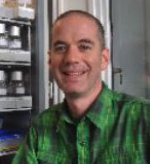 Owen Petchey合作论文数Department of Evolutionary Biology and Environmental Studies, Faculty of Science, University of Zurich7
 Iain P. Hartley合作论文数School of Biological and Environmental Sciences, University of Stirling7
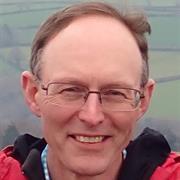 Julian Murton合作论文数Department of Geography, School of Global Studies, University of Sussex6
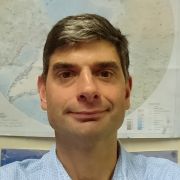 Gareth Phoenix合作论文数School of Biosciences, Faculty of Science, The University of Sheffield6
 Dan Charman合作论文数Department of Geography, College of Life Environmental Sciences, University of Exeter6
 Cristian Estop Aragonés合作论文数Limnological Research Station;Department of Hydrology;University of Bayreuth;Department of Hydrology, University of Bayreuth6
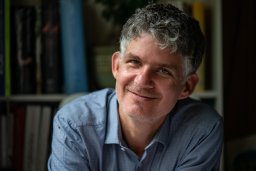 Gardner Charlie J合作论文数School of Anthropology and Conservation, University of Kent5Bo Ebenman合作论文数4
 Mathew Williams合作论文数Institute of Atmospheric and Environmental Sciences, School of Geosciences, The University of Edinburgh4Fisher James P合作论文数3
 Guy Woodward合作论文数Department of Life Sciences, Faculty of Natural Sciences, Imperial College London3
 Ulrich Brose合作论文数Centre for integrative Biodiversity Research iDiv, Institute of Biodiversity, Friedrich Schiller University3
 Jens O. Riede合作论文数JF Blumenbach Inst Zool & Anthropol, Univ Gottingen3
 Stephen A. Wolfe合作论文数3
 David Gilljam合作论文数Dynam Ecol Grp, Swansea Univ2
 Rachael Treharne合作论文数Woods Hole Research Center2Richard J. Williams合作论文数Vibrant Data Labs2
 Philip Warren合作论文数Department of Animal and Plant Sciences, School of Biosciences, The University of Sheffield2
 Jennifer A. Dunne合作论文数Santa Fe Institute2Wolf E. Arntz合作论文数2
 Stuart Capstick合作论文数School of Pharmacy, University of Otago2
 David Figueroa合作论文数Department of Pharmacology, Merck Research Laboratories2
 J. Iwan Jones合作论文数School of Biological Sciences;Queen Mary, University of London;Department of Marine Sciences;University of the Aegean;University Hill;Laboratory of Math . Ecology;Theoretical Physics, Department of;University of Manchester;Complex Systems Laboratory;Department of Animal and Plant Sciences;University of Sheffield;University of Manchester, University of Sheffield2
 Andrew Beckerman合作论文数School of Biosciences, Faculty of Science, The University of Sheffield2
 Thomas Brey合作论文数Alfred Wegener Institute for Polar and Marine Research;Helmholtz Institute for Functional Marine Biodiversity, University Oldenburg2
 Antoni G. Lewkowicz合作论文数2Anton T. Ibbotson合作论文数2Rasmus B. Lauridsen合作论文数2
 Steve Kokelj合作论文数Department of Geography, Carleton University2
 Ingo Fetzer合作论文数Stockholm Resilience Centre, Stockholm University2
 Julia K. Steinberger合作论文数Faculty of Geosciences and Environment Amphipôle, University of Lausanne2
 Francois K. Edwards合作论文数Sch Biol & Chem Sci, Queen Mary Univ London2
 Katja Mintenbeck合作论文数2
 Ute Jacob合作论文数Alfred Wegener Institute for Polar and Marine Research2
 Mark Garnett合作论文数National Environment Research Council Radiocarbon Laboratory2
 Tomas Jonsson合作论文数Department of Biology, Linköping University2Steve Westlake合作论文数1Francisco de Castro合作论文数1
 Oscar Berglund合作论文数Univ Bristol1Andrew J. Cole合作论文数Christchurch Clinical Studies Trust1
 Emily Cox合作论文数Understanding Risk Group, Cardiff University1
 Nicole K Sanderson合作论文数Geotop & GRIL Res Ctr, Univ Quebec Montreal1
 Rall Björn C合作论文数JF Blumenbach Inst Zool & Anthropol, Univ Gottingen1
 James Bullock合作论文数UK Centre for Ecology & Hydrology1
 Eklöf Anna合作论文数1Binzer Amrei合作论文数1
 Alva Curtsdotter合作论文数1
 Christian Mollmann合作论文数Institute of Marine Ecosystem and Fishery Science, Department Biology, Faculty of Mathematics, Informatics and Natural Sciences, University of Hamburg1
 Christopher R. Burn (Christopher Burn)合作论文数Department of Geography and Environmental Studies, Faculty of Arts and Social Sciences, Carleton University1




