Climate change is disrupting myriad biological processes, including the ability of species to synchronize life-history events with optimal environmental conditions, with potential fitness impacts. Changes in migratory and breeding phenology and their consequences on fitness have been well studied in birds and some mammals. By contrast, changes in the phenology of overwinter sheltering and their influence on fitness have rarely been investigated. Pregnant female polar bears (Ursus maritimus) spend the winter fasting in a maternity den where they give birth and nurse their cubs until emergence in early spring. To sustain their fast, females rely on energy stores built primarily through consumption of ice-associated seals. Here, we assess the impact of sea-ice loss driven by climate change on early reproductive success acting through disrupted denning phenology and other unspecified factors. To do so, we develop a Bayesian hierarchical model combining capture-recapture and path modeling. We apply it to 38 years of capture-recapture data along with biologging data on denning status and phenology, while accounting for imperfect detection and uncertainty in individual denning schedules. We found that low sea-ice availability led to earlier den emergence, which in turn reduced early litter survival and possibly litter size. By contrast, there was little evidence that sea-ice availability affected early reproductive success through pathways independent of denning phenology (e.g., litter mass). Considering both direct and indirect effects, low sea-ice availability reduced early litter survival but not the size of surviving litters. Given the strong link between sea-ice conditions and body condition in female polar bears, we conclude that sea-ice loss exerts an energetic constraint on denning females, forcing them to depart from dens early, which jeopardizes their cubs, ultimately reducing maternal fitness. Similar impacts of climate change may occur in other species where phenology is determined by body condition.
Abstract Knowledge of evolutionary patterns and genetic variation across a species' range is important for determining conservation and management strategies. The Arctic is the fastest‐warming ecosystem on Earth and has already reached temperature increases not expected in the rest of the world until the end of the century. Consequently, synthesizing patterns of evolutionary and genetic change in Arctic species will be instructive for understanding future change in other systems. Here, we present a literature review of peer‐reviewed published research exploring evolutionary processes in polar bears, a sentinel species for climate action. The wealth of knowledge generated from the long‐term monitoring of polar bears has provided data for exploring patterns of evolutionary change associated with climate change. Warming temperatures have led to significant reductions in sea ice coverage and availability, contributing to declines in genetic variation in some, but not all, polar bear subpopulations. Natural selection driven by warming and selective subsistence harvests may be contributing to the evolution of smaller body sizes in polar bears. However, evidence of adaptive change in polar bears remains limited, despite clear behavioral and phenological plasticity in the species in response to changing sea ice conditions. Following our review, we suggest pathways for identifying the effects of climate warming on the evolution and genetic variation in polar bears, which may improve strategies for locally supported conservation and management decisions. Our results highlight the general complexity of predicting the consequences of warming for wide‐ranging, genetically structured, and adaptively specialized species such as polar bears, and underscore the importance of developing evolutionarily informed management and conservation priorities for species threatened by climate change.
Abstract Background Energy expenditure shapes key biological functions in animals, including reproduction, growth, foraging, and survival. Yet quantifying energy expenditure over long periods in wildlife, especially in remote Arctic environments, remains difficult. Traditional approaches of estimating metabolic rate using heart rate (HR) measurements by external devices have substantial limitations, whereas implantable biologgers offer a promising alternative. This study assesses for the first time the feasibility of using implantable heart rate and temperature (HRT) loggers in wild adult female polar bears (Ursus maritimus) equipped with GPS collars in the Svalbard Archipelago. Results Five bears were surgically implanted with HRT devices that recorded HR and body temperature every 15 min for more than a year, along with short (4 s) and long (10 s) electrocardiograms (ECG) every 6 h and 18 h, respectively. The females were tracked using GPS collars throughout the study. All implantation procedures were completed safely, and device retrieval the following year revealed no lasting health effects. The loggers performed reliably, with 82% of HR data classified as high quality. Manual validation of ECGs increased data retention by 1.7% and verified the accuracy of extreme HR values (11 to 178 BPM). Lower-quality data were generally associated with shorter ECG durations and low HR, although variation among individuals suggests that motion artifacts or muscle electrical activity also contributed. Minimal heat loss occurred at the shaved implantation site, and subcutaneous temperature stabilized within 2–5 days. Conclusions Overall, the study demonstrates that implantable HRT loggers are an effective tool for long-term recording of heart rate and sub-cutaneous temperature in wild polar bears. Future deployments should prioritize longer ECG durations (10 s) to maximize data quality.
Evaluating the demographic status of large mammals in dynamic habitats is challenging. The east Greenland (EG) polar bear (Ursus maritimus) subpopulation ranges over approximately 1.5 million km2 of sea ice and 18 degrees of latitude along a mostly uninhabited coastline, making it the most expansive of the world's 20 polar bear subpopulations. We report on a distance-sampling aerial survey that provided the first estimate of abundance for EG polar bears. We used a density surface model (DSM) that corrected for incomplete detection on the transect line using mark-recapture methods, accounted for overall detectability via distance-sampling methods, and modeled bear density as a function of environmental covariates with a generalized additive model. Our study design was informed by Indigenous Knowledge surveys and 3 decades of polar bear movement data obtained from satellite telemetry. During March-May 2023, we flew 106.5 h on-effort over 26 survey days and sighted 84 groups of bears (108 individuals). Mean observed litter size was 1.6 (95% CI = 1.2-2.0) for cubs-of-the-year and 1.6 (95% CI = 1.3-1.8) for yearlings. Polar bear density was higher closer to land and along the continental shelf break offshore, where bathymetry deepens from 300 to 1000 m. Polar bear density was approximately 5 times lower within 50 km of subsistence hunting communities (0.06 bears 100 km-2) compared to the rest to the study area (0.31 bears 100 km-2). The best estimate of abundance for the EG subpopulation, adjusted for animals located outside the sampling area, was 2275 bears (CV = 0.27, 95% CI = 1360-3807). This estimate can be used to identify a sustainable level of subsistence harvest, manage human-bear conflicts, and monitor the effects of climate warming on EG polar bears. Our methods also provide a template for designing and conducting aerial surveys for wildlife populations inhabiting vast and remote regions.
Polar bears are only found in Arctic areas with sufficient access to sea ice and seals on which they prey. Studies have highlighted negative effects on condition and demographics in areas where sea ice cover is declining due to warmer climate, but condition of the Barents Sea polar bear population have not been examined yet. Loss of sea ice rate has been considerably higher here than in other areas with polar bears. We investigated variation in body condition index (BCI) among 770 adult bears, 1188 captures, in March-May 1995-2019, in Svalbard, Norway (western part of the Barents Sea). We assessed how intrinsic (female reproductive state, age) and both males and females, BCI declined until 2000, but increased afterwards, during a period with rapid loss of sea ice. In models including sea ice metrics and climate (Arctic Oscillation), there was no support for the predicted negative effect of warmer weather and habitat loss. This indicates a complex relationship between habitat, ecosystem structure, energy intake, and energy expenditure. Increases in some prey species, including harbour seals, reindeer, and walrus, may partly offset reduced access to seals. Our findings underline the importance not to extrapolate findings across populations.
Estimating demographic rates of wild populations is critical to understanding their dynamics but can be challenging because large amounts of data are required, and parts of the life cycle of individuals may be unobserved. In numerous research programmes, capture-recapture (CR) data and biologging data are collected in parallel. The latter often contain information on individual state (e.g. alive/dead, breeding/non-breeding), but this information is seldom combined with CR data. Here, we present a Bayesian multi-event CR framework to combine biologging containing information on individual state with CR data. Because biologging can inform on unobservable life cycle events like early offspring mortality, it can allow decomposing a demographic rate into two more precise demographic rates. We outline the principle of the model using a generic example then use simulations in a range of life cycles (ungulate, seabird, galliform, bear) to assess model performance. We then apply our model to 38 years of CR and biologging data from the Svalbard polar bear (Ursus maritimus) population. Simulations indicated that across life cycles, our model recovered most parameters well and often outperformed a standard CR model despite increased complexity. Benefits of including biologging data in terms of parameter estimates were apparent even for low biologger deployment probabilities and increased with deployment probability. Benefits were greater at low recapture probability when the amount of information on breeding status contained in biologging data was increased and possibly in long-lived species. Benefits also extended to yearly offspring survival rates in the species with extended parental care. When applied to Svalbard polar bears, our model decomposed the traditionally estimated breeding probability into the denning probability and early litter survival probability. We document sharp age-related changes in survival and reproductive success and find low evidence that denning incurred a future reproduction cost. Finally, we uncover pervasive negative impacts of sea-ice loss on demographic rates. Our model is applicable to any species where CR and biologging data are simultaneously available-provided that biologging data contain information on individual state. It can increase the benefit-to-cost ratio of deploying biologgers and provide new demographic insights. L'estimation des taux d & eacute;mographiques des populations sauvages est essentielle pour comprendre leur dynamique, mais elle peut s'av & eacute;rer difficile car elle n & eacute;cessite de grandes quantit & eacute;s de donn & eacute;es et certaines parties du cycle de vie des individus peuvent ne pas & ecirc;tre observ & eacute;es. Dans de nombreux programmes de recherche, des donn & eacute;es de capture-marquage-recapture (CMR) et des donn & eacute;es de biologging sont collect & eacute;es en parall & egrave;le. Ces derni & egrave;res contiennent souvent des informations sur l'& eacute;tat des individus (par exemple, vivant/mort, reproducteur/non reproducteur), mais ces informations sont rarement combin & eacute;es avec les donn & eacute;es de CMR. Nous pr & eacute;sentons ici une approche bay & eacute;sienne de mod & eacute;lisation par CMR permettant de combiner des donn & eacute;es de biologging (contenant des informations sur l'& eacute;tat des individus) avec des donn & eacute;es de CMR. Comme le biologging peut fournir des informations sur des & eacute;v & eacute;nements du cycle de vie non observables tels que la mortalit & eacute; pr & eacute;coce des petits, il peut permettre de d & eacute;composer un taux d & eacute;mographique en deux taux d & eacute;mographiques plus pr & eacute;cis. Nous commen & ccedil;ons par d & eacute;crire le principe du mod & egrave;le & agrave; l'aide d'un exemple g & eacute;n & eacute;rique, d'utiliser des simulations dans une gamme de cycles de vie (ongul & eacute;s, oiseaux marins, galliformes, ours) pour & eacute;valuer les performances du mod & egrave;le. Nous appliquons ensuite notre mod & egrave;le & agrave; 38 ann & eacute;es de donn & eacute;es de CMR et de biologging provenant de la population d'ours polaires (Ursus maritimus) du Svalbard. Les simulations montrent que, sur l'ensemble des cycles de vie, notre mod & egrave;le estime correctement la plupart des param & egrave;tres et surpasse souvent un mod & egrave;le de CMR standard, malgr & eacute; une complexit & eacute; accrue. La valeur ajout & eacute;e de l'inclusion des donn & eacute;es de biologging en termes d'estimation des param & egrave;tres est apparente m & ecirc;me pour de faibles probabilit & eacute;s de d & eacute;ploiement de biologgers, et augmente avec celle-ci. La valeur ajout & eacute;e est plus importante lorsque la probabilit & eacute; de recapture est faible, lorsque la quantit & eacute; d'informations sur le statut reproducteur contenues dans les donn & eacute;es de biologging augmente, et potentiellement chez les esp & egrave;ces & agrave; longue dur & eacute;e de vie. Les b & eacute;n & eacute;fices s'& eacute;tendent & eacute;galement aux taux de survie annuels des petits chez les esp & egrave;ces dont les soins parentaux sont prodigu & eacute;s sur plus d'un an. Appliqu & eacute; aux ours polaires du Svalbard, notre mod & egrave;le d & eacute;compose la probabilit & eacute; de reproduction traditionnellement estim & eacute;e en une probabilit & eacute; de mise bas et une probabilit & eacute; de survie pr & eacute;coce des petits. Nous documentons des changements marqu & eacute;s li & eacute;s & agrave; l'& acirc;ge dans la survie et le succ & egrave;s reproducteur et ne d & eacute;tections pas de co & ucirc;t de la mise bas & agrave; elle seule sur la reproduction future. Enfin, nous mettons en & eacute;vidence les effets n & eacute;gatifs g & eacute;n & eacute;ralis & e Notre mod & egrave;le est applicable & agrave; toute esp & egrave;ce animale chez laquelle des donn & eacute;es de CMR et de biologging sont simultan & eacute;ment collect & eacute;es, pour peu que les donn & eacute;es de biologging contiennent des informations sur l'& eacute;tat des individus. Son utilisation permet d'augmenter le rapport co & ucirc;ts-b & eacute;n & eacute;fice du d & eacute;ploiement d'appareils de biologging et notre compr & eacute;hension de la d & eacute;mographie des animaux sauvages.
The polar bear (Ursus maritimus) is the only Arctic land mammal that dives into water to hunt. Despite thermal insulation provided by blubber and fur layers and low Arctic temperatures, their fur is typically observed to be free of ice. This study investigates the anti-icing properties of polar bear fur. Here, we show that polar bear fur exhibits low ice adhesion strengths comparable to fluorocarbon-coated fibers, with the low ice adhesion a consequence of the fur sebum (hair grease). Lipid analyses reveal the presence of cholesterol, diacylglycerols, anteisomethyl-branched fatty acids, and the unexpected absence of squalene. Quantum chemical calculations predict low ice adsorption energies for identified lipids and high adsorption for squalene, suggesting that sebum composition is responsible for the observed anti-icing properties. Our work enhances understanding of polar bears and their interactions with their environment and builds on Inuit knowledge of natural anti-icing materials.
Seventy-five years ago, Lack proposed that there should be an optimal clutch size shared by all individuals in a population and favored by natural selection, which maximizes the number of recruited offspring. While some studies support this "common optimum" hypothesis, others have shown that the optimal clutch size depends on maternal state (e.g., age and body condition, "state-dependent optimization"). These contrasting results suggest that the degree of state dependency might itself depend on the ecological context (e.g., capital vs. income breeding). Furthermore, almost all these studies were conducted on fast-living species and have ignored interdependencies among variables such as maternal age and condition. Here, we test whether females share a common optimal litter size or have a state-dependent optimal litter size in a slow-paced capital breeder, the polar bear (Ursus maritimus). To do so, we assess the influences of (1) maternal state on litter size, (2) maternal state and litter size on cub mass, and (3) maternal state, litter size, and cub mass on cub survival, using path analysis to account for interdependencies among variables and capture-recapture modeling to estimate cub survival. We use 34 years (1992-2025) of individual-based data from a polar bear subpopulation in the Svalbard region of Norway. In accordance with the state-dependent optimization hypothesis, litter size varied with maternal age and size. Middle-aged and sized females had the highest probability of having twins. Old and large females more often had triplet litters. Cub mass decreased with increasing litter size, whereas litter mass increased, meaning females with a large litter allocated more resources to reproduction. Cub mass in turn strongly predicted cub survival, indicating that offspring survival was traded against offspring number. In middle-aged and old females, productivity-the number of cubs surviving their first year-increased with litter size, in accordance with the state-dependent optimization hypothesis. Overall, our results are consistent with a state-dependent optimization of litter size in this large, slow-paced mammal producing small litters. State dependence of litter size may be more likely in capital breeders as the amount of energy available for reproduction is known in advance.
Maternal denning plays a vital role in the development and survival of highly altricial polar bear cubs by providing protection from external conditions. The denning period remains challenging to study and monitor because polar bear dens are often remote and difficult to access. Denning is typically inferred from satellite telemetry data, yet the accuracy of these measures in capturing important denning behaviors that are relevant to management and monitoring is unclear. We installed cameras at 13 den sites in Svalbard, Norway, over a 6‐year period, 9 of which yielded observations of behavior and phenology of polar bears at den emergence, and we compared these observations with denning behavior inferred from telemetry data (location, temperature, and activity levels) from satellite collars worn by denning bears. We next developed Bayesian generalized linear models to accurately predict denning behaviors (i.e., observations from cameras) from collar sensor data. From the camera data, mean date of observed den breakout was 9 March (SD = ±6.5 days, n = 7) and departure from the den site occurred 12.1 days later (±10.1 days, n = 7). Estimates of den breakout date based on joint analysis of collar temperature and activity data indicated breakout occurred on average 0.7 days later (±11.4 days, n = 7) and estimates based on collar temperature thresholds alone indicated breakout occurred 4.0 days later (±6.6 days, n = 7) compared to the camera data. Location data from collars suggested departure occurred on average 3.2 days later (±7.0 days, n = 7) than camera observations. We found that the probability a bear had broken out of the den could be accurately predicted from changes in collar temperature, activity, and ordinal date (e.g., a 1 SD decrease in collar temperature increased the probability of breakout by 18.5 percentage points). Post‐den emergence behavior was influenced by external environmental temperature, time of day, and the amount of time since den breakout; bears were more likely to emerge and stay outside longer given warmer temperatures and increasing time since den breakout. Our study highlights the importance of the post‐emergence period for cub acclimatization and development and provides new monitoring tools to study polar bear denning behavior, which is increasingly vulnerable to disruption in a rapidly changing Arctic.
Arctic ecosystems are especially vulnerable to the impacts of climate change because of the limit to possible northward shifts for species dependent on land or continental shelf and because the rate of warming of the region has been 2-4 x the global average in recent decades. The decline in sea ice in the Arctic has both direct and indirect impacts on the species that live in association with ice, breeding on it, traveling over it, feeding on other ice-dependent species or avoiding competition with subarctic species that cannot exploit resources in ice-covered areas. Herein, we present a metamodel of a top-level predator, the polar bear (Ursus maritimus), and two of its key prey species, ringed seals (Pusa hispida) and bearded seals (Erignathus barbatus), which are important in maintaining current polar bear densities and in turn are strongly influenced by bear predation. We used a metamodel that links Population Viability Analyses of the three species in order to examine how the impacts of declining spring land-fast sea ice on the fjords of Svalbard (Norway) and Frans Josef Land (Russia) can cascade through this predator-prey system. As the ice conditions that allow ringed seals to raise pups in snow-covered lairs on the frozen fjords diminish, or even disappear, ringed seal populations using the land-fast sea ice will collapse due to lack of successful recruitment. Consequently, the polar bear population, which relies heavily on hunting ringed seals in the land-fast sea ice to be able to raise their own offspring is also likely to decline. Our models suggest time-lags of decades, with the polar bear population not entering into decline until the lack of recruitment of ringed seals results in the depletion of breeding age ringed seals - starting in the third decade from the start point of the model and dropping below the initial population size only some decades later. Although lags between climate change and impacts on the ice-associated fauna are expected, the sea ice conditions have already changed dramatically in the northern Barents Sea region, including the Svalbard Archipelago, and the collapse of this Arctic species assemblage might already be underway.
Current methods for locating polar bear dens in snow are expensive and unreliable. Synthetic aperture radar (SAR) penetrates significantly into dry snow, allowing the imaging of buried structures such as bear dens. This study uses electromagnetic simulations alongside SAR imagery of known denning sites to assess the feasibility of detecting dens using SAR. The simulations indicate that SAR can detect occupied dens, but due to limited number of images containing occupied dens and current processing shortcomings, no den signatures have been conclusively identified to date. Further investigation involving additional simulations and improved SAR focusing of the real data is proposed.
Beluga whales are rare along the coast of east Greenland and the closest recognized stock occurs around Svalbard. Here we report on an ice entrapment of an adult beluga whale (Delphinapterus leucas) in north-east Greenland. The whale was observed entrapped in the fast ice on 21 April 2023 in Loch Fyne (73°54’N, 21°51’W) during a visual aerial survey for polar bears (Ursus maritimus). The whale was located >100 km from open water (i.e., pack ice) and appeared in poor body condition. A literature review back to the early 1900s failed to produce any other records of beluga whale ice entrapments in east Greenland.
According to sexual selection theory, the sexes are faced with opposing evolutionary goals. Male fitness benefits from access to females, whereas female fitness is constrained by food resources and safety for themselves and their offspring. Particularly in large solitary carnivores, such as polar bears (Ursus maritimus), these divergent goals can potentially lead to conflict between the sexes. Outside the mating season, when polar bears are on the move across vast distances, the consequences of such conflict can become apparent when individuals arrive at the same food source. To investigate interrelationships between the sexes, we observed successive polar bears visiting a bird breeding colony to feed on clutches of eggs. We found that males succeeded females more frequently and more closely than expected by chance. Moreover, when males were closer to conspecifics, they walked faster, spent less time in the colony and ingested less food. In contrast, female foraging performance was not associated with proximity to other bears. Irrespective of proximity, females generally spent short periods in the colony and ingested fewer clutches than males. Our results suggest that in polar bears, there is a trade-off between the benefits of food intake and the opportunities (in males) and risks (in females) posed by encountering conspecifics.
Background Monitoring polar bears is logistically challenging and expensive. Traditionally, reproductive history has been assessed using permanent marks from physically captured individuals, which requires assumptions about reproductive history based on their status at the time of capture. This is often supplemented with economically costly satellite telemetry (ST) collars restricted to adult females, which yield data on space use and reproductive history. Methods This study assesses the potential of adapting light-level geolocation (Global location sensing or GLS) tags, developed for birds and fish, to estimate life history metrics for polar bears. Traditionally, GLS uses light intensity and time of day to estimate approximate twice-daily locations. This information, combined with temperature data, can be used to assess approximate locations of maternity denning events, denning timing, general space use, and population connectivity. Results Adult females ( n = 54) were equipped, some several times, with a total of 103 GLS in Svalbard and Greenland from 2012 to 2021. Of these, 44 were also equipped with 80 ST collars during this period. This yielded GLS and ST data records for each individual up to 9.4 years (mean (Ø) 4.0 years) and 5.1 years (Ø 1.5 years), respectively. Combined with capture information, the GLS and ST collars were used to score reproductive history (determined presence or absence of maternity denning events) for 72–54% of bear winters during this period, respectively. Using GLS yielded on average 4.3 years of unbroken reproductive history records (up to 8 years for some individuals) including denning phenology and age at first reproduction. Additionally, geographic locations could be estimated during spring and autumn (when twilight was present) with an average daily accuracy of 93 km (4–1042 km) and 58 km (5–550 km) when aggregating by season. Conclusions This study establishes GLS as a powerful, low-cost method for polar bear population monitoring that can provide data on reproductive history, including age at first reproduction, and maternity denning location and phenology in programs with ongoing recapture. GLS can also be used to monitor males and immatures that cannot wear ST collars.
Camera traps have become popular labor-efficient and non-invasive tools to study animal populations. The use of camera trap methods has largely focused on large animals and/or animals with identifiable features, with less attention being paid to small mammals, including rodents. Here we investigate the suitability of camera-trap-based abundance indices to monitor population dynamics in two species of voles with key functions in boreal and Arctic ecosystems, known for their high-amplitude population cycles. The targeted species-gray-sided vole (Myodes rufocanus) and tundra vole (Microtus oeconomus)-differ with respect to habitat use and spatial-social organization, which allow us to assess whether such species traits influence the accuracy of the abundance indices. For both species, multiple live-trapping grids yielding capture-mark-recapture (CMR) abundance estimates were matched with single tunnel-based camera traps (CT) continuously recording passing animals. The sampling encompassed 3 years with contrasting abundances and phases of the population cycles. We used linear regressions to calibrate CT indices, based on species-specific photo counts over different time windows, as a function of CMR-abundance estimates. We then performed inverse regression to predict CMR abundances from CT indices and assess prediction accuracy. We found that CT indices (for windows maximizing goodness-of-fit of the calibration models) predicted adequately the CMR-based estimates for the gray-sided vole, but performed poorly for the tundra vole. However, spatially aggregating CT indices over nearby camera traps enabled reliable abundance indices also for the tundra vole. Such species differences imply that the design of camera trap studies of rodent population dynamics should be adapted to the species in focus, and adequate spatial replication must be considered. Overall, tunnel-based camera traps yield much more temporally resolved abundance metrics than alternative methods, with a large potential for revealing new aspects of the multi-annual population cycles of voles and other small mammal species they interact with.
To understand the exposure and potential sources of emerging brominated flame retardants (EBFR) and organophosphate esters (OPEs) in marine wildlife from the Norwegian Arctic, we investigated concentrations of EBFRs in 157 tissue samples from nine species of marine vertebrates and OPEs in 34 samples from three whale species. The samples, collected from a wide range of species with contrasting areal use and diets, included blubber of blue whales, fin whales, humpback whales, white whales, killer whales, walruses and ringed seals and adipose tissue and plasma from polar bears, as well as adipose tissue from glaucous gulls. Tris(2-ethylhexyl) phosphate (TEHP) and tris(2-chloroisopropyl) phosphate (TCIPP) ranged from <0.61 to 164 and < 0.8-41 ng/g lipid weight, respectively, in blue whales and fin whales. All other EBRFs and OPEs were below the detection limit or detected only at low concentration. In addition to the baseline information on the occurrence of EBFRs and OPEs in marine wildlife from the Arctic, we provide an in-depth discussion regarding potential sources of the detected compounds. This information is important for future monitoring and management of EBFRs and OPEs.
Satellite telemetry (ST) has played a critical role in the management and conservation of polar bears (Ursus maritimus) over the last 50 years. ST data provide biological information relevant to subpopulation delineation, movements, habitat use, maternal denning, health, human-bear interactions, and accurate estimates of vital rates and abundance. Given that polar bears are distributed at low densities over vast and remote habitats, much of the information provided by ST data cannot be collected by other means. Obtaining ST data for polar bears requires chemical immobilization and application of a tracking device. Although immobilization has not been found to have negative effects beyond a several-day reduction in activity, over the last few decades opposition to immobilization and deployment of satellite-linked radio collars has resulted in a lack of current ST data in many of the 19 recognized polar bear subpopulations. Here, we review the uses of ST data for polar bears and evaluate its role in addressing 21(st) century conservation and management challenges, which include estimation of sustainable harvest rates, understanding the impacts of climate warming, delineating critical habitat, and assessing potential anthropogenic impacts from tourism, resource development and extraction. We found that in subpopulations where ST data have been consistently collected, information was available to estimate vital rates and subpopulation density, document the effects of sea-ice loss, and inform management related to subsistence harvest and regulatory requirements. In contrast, a lack of ST data in some subpopulations resulted in increased bias and uncertainty in ecological and demographic parameters, which has a range of negative consequences. As sea-ice loss due to climate warming continues, there is a greater need to monitor polar bear distribution, habitat use, abundance, and subpopulation connectivity. We conclude that continued collection of ST data will be critically important for polar bear management and conservation in the 21(st) century and that the benefits of immobilizing small numbers of individual polar bears in order to deploy ST devices significantly outweigh the risks.
The Arctic is warming rapidly, with concomitant sea ice losses and ecosystem changes. The animals most vulnerable to Arctic food web changes are long-lived and slow-growing such as marine mammals, which may not be able to adapt rapidly enough to respond to changes in their resource bases. To determine the current extent and sources of these resource bases, we examined isotopic and trophic niches for marine mammals in the European Arctic using skin carbon (δ13C) and nitrogen (δ 15N) stable isotope (SI) compositions from 10 species: blue, fin, humpback, minke, sperm and white whales, bearded and ringed seals, walruses and polar bears, and dietary fatty acids (FAs) in polar bears, walruses and most of the whale species listed here. SI values showed clear species separation by trophic behaviour and carbon sources. Bearded seals, walruses and white whales had the smallest isotopic niches; these species are all resident High Arctic species and are likely to be particularly vulnerable to changes in Arctic ecosystems. We found clear separation between FA groupings driven by pelagic, benthic and planktonic/algal sources: pelagic FAs in all whales, benthic FAs in walruses, and copepod/algae/dinoflagellate FAs in polar bears, with some polar bear compositions approaching those of the whales and walruses. There is strong niche partitioning between study species with minimal functional redundancy, which could impact Arctic ecosystem structure and connectivity if populations of these large nutrient vectors are reduced or lost.
We examined spatial variation in total mercury (THg) concentrations in 100 hair samples collected between 2008 and 2016 from 87 polar bears (Ursus maritimus) from the Norwegian (Svalbard Archipelago, western Barents Sea) and Russian Arctic (Kara Sea, Laptev Sea, and Chukchi Sea). We used latitude and longitude of home range centroid for the Norwegian bears and capture position for the Russian bears to account for the locality. We additionally examined hair stable isotope values of carbon (δ13C) and nitrogen (δ15N) to investigate feeding habits and their possible effect on THg concentrations. Median THg levels in polar bears from the Norwegian Arctic (1.99 μg g-1 dry weight) and the three Russian Arctic regions (1.33-1.75 μg g-1 dry weight) constituted about 25-50% of levels typically reported for the Greenlandic or North American populations. Total Hg concentrations in the Norwegian bears increased with intake of marine and higher trophic prey, while δ13C and δ15N did not explain variation in THg concentrations in the Russian bears. Total Hg levels were higher in northwest compared to southeast Svalbard. δ13C and δ15N values did not show any spatial pattern in the Norwegian Arctic. Total Hg concentrations adjusted for feeding ecology showed similar spatial trends as the measured concentrations. In contrast, within the Russian Arctic, THg levels were rather uniformly distributed, whereas δ13C values increased towards the east and south. The results indicate that Hg exposure in Norwegian and Russian polar bears is at the lower end of the pan-Arctic spectrum, and its spatial variation in the Norwegian and Russian Arctic is not driven by the feeding ecology of polar bears.
 Øystein Wiig合作论文数Natural History Museum, University of Oslo46
 Magnus Andersen合作论文数34
 Andrew E. Derocher (Andrew Derocher)合作论文数Department of Biological Sciences, Faculty of Science, University of Alberta25
 Kit Kovacs合作论文数Norwegian Polar Institute;The University Centre in Svalbard25
 Routti Heli合作论文数National Wildlife Research Centre, Carleton University23
 Christian Lydersen合作论文数Scientific Research Department, Norwegian Polar Institute23
 Bjørn Munro Jenssen合作论文数Department of Biology, Faculty of Natural Sciences, Norwegian University of Science and Technology22
 Rune Dietz合作论文数Department of Ecoscience, Aarhus University;Department of Bioscience, Faculty of Science and Technology, Aarhus University18
 Christian Sonne合作论文数Department of Ecoscience, Aarhus University;Arctic Research Centre, Department of Bioscience, Faculty of Science and Technology, Aarhus University17
 Rolf Anker Ims合作论文数Department of Arctic and Marine Biology, UiT The Arctic University of Norway17
 Erik Born合作论文数Department of Birds and Mammals, Greenland Institute of Natural Resources17
 Jenny Bytingsvik合作论文数Department of Biology;Norwegian University of Science and Technology;National Institute for Coastal and Marine Management;National Institute for Coastal and Marine Management, Norwegian University of Science and Technology15Elisabeth Lie合作论文数National Veterinary Institute13Lutz Bachmann合作论文数Natural History Museum;University of Oslo;Natural History Museum, University of Oslo12Kristin L. Laidre合作论文数Greenland Institute of Natural Resources11
 Jeff Welker合作论文数University of the Arctic;University of Alaska Anchorage;Faculty of Science, University of Oulu10Peacock Elizabeth合作论文数9
 Sabrina Tartu合作论文数Centre d'Etudes Biologiques de Chizé (CEBC),, CNRS9
 Sophie Bourgeon合作论文数Department of Biological Sciences, Simon Fraser University9
 Anuschka Polder合作论文数9Andrei N. Boltunov合作论文数8
 Robert Letcher合作论文数Department of Biology, Carleton University;Organic Contaminants Research Laboratory, National Wildlife Research Centre, Carleton University;NWRC8Stanislav E Belikov合作论文数7
 Karen Lone合作论文数Fram Ctr, Norwegian Polar Res Inst7
 Tomasz Ciesielski合作论文数Department of Biology, Norwegian University of Science and Technology7
 Blanchet Marie-Anne合作论文数Norwegian School of Veterinary Science, Section of Arctic Veterinary Medicine, Stakkevollveien 23, 9010 Tromsø, Norway.7
 Ian Grote Stirling (Ian Stirling)合作论文数Department of Environment, University of Alberta;Department of Biological Sciences, Faculty of Science, University of Alberta7
 Martyn E. Obbard合作论文数Wildlife Research and Development Section, Trent University7
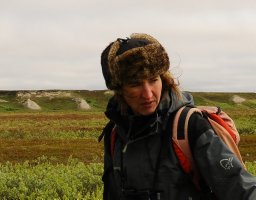 Dorothee Ehrich合作论文数Centre for Ecological and Evolutionary Synthesis;Department of Biology;University of Oslo;Centre for Ecological and Evolutionary Synthesis, University of Oslo7
 Geir Gabrielsen合作论文数Norsk Polarinstitutt6
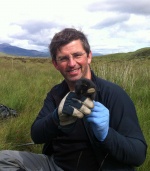 Xavier Lambin合作论文数The School of Biological Sciences, University of Aberdeen6
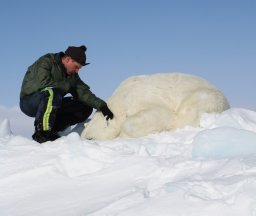 Eric V. Regehr合作论文数Department of Zoology and Physiology, University of Wyoming6
 Sarah Cubaynes合作论文数6
 Gregory W. Thiemann合作论文数Department of Biology;Dalhousie University;Department of Biology, Dalhousie University6
 Tiago A. Marques合作论文数5
 Anna Lippold合作论文数Fram Centre, Norwegian Polar Institute5Hamilton Charmain D合作论文数5
 Benjamin Merkel合作论文数Fram Centre, Norwegian Polar Institute5Timo Hamers合作论文数5
 Nicholas Lunn合作论文数5
 Steven Amstrup合作论文数5
 Tore Haug合作论文数5
 Stuart Piertney合作论文数School of Biological Sciences;University of Aberdeen;School of Biological Sciences, University of Aberdeen5Sandra Telfer合作论文数5
 Fernando Ugarte合作论文数4
 Bjarne Styrishave合作论文数Department of Pharmacy, Faculty of Health and Medical Sciences, University of Copenhagen4Eve Zeyl Fiskebeck合作论文数4
 Todd C. Atwood合作论文数4
 Melissa McKinney合作论文数Department of Natural Resource Sciences, Faculty of Agricultural and Environmental Sciences, McGill University4




