Ringed seals are ice-associated marine mammals that excavate lairs in snowdrifts on sea ice during winter for resting and pupping. Before lairs melt in the spring, seals shift from predominantly hauling out in lairs to predominantly hauling out on the surface of the ice to bask and molt, a transition we refer to as “emergence.” Emergence timing is poorly understood, which hinders planning and interpretation of aerial surveys for population monitoring. We used hidden Markov models (HMMs) to analyze haul-out timelines from satellite-linked transmitters to estimate emergence dates of ringed seals from 2005 to 2021 in the Bering, Chukchi, and Beaufort seas. Our HMMs were fit separately for adults and subadults and included a lair state and an emerged state, characterized by differences in diel behavior and the daily proportion of time seals spent hauled out. We explored covariates of the transition probability between states, including day of year, daylength, sea-ice concentration, air temperature, and indices of snow melt progression. Emergence probability for adults was associated with longer daylengths and warmer temperatures. Median emergence date was 12 May (within 3 days of previous estimates from aerial surveys) and emergence date was positively associated with latitude. Subadults showed weaker seasonal changes in haul-out behavior, potentially making HMMs more suitable for adults than subadults. Our results contribute to our understanding of ringed seal behavioral ecology, provide useful information for aerial surveys, and demonstrate the value of haul-out data from tagged ringed seals for monitoring emergence timing in a warming Arctic.
Abstract Knowledge of evolutionary patterns and genetic variation across a species' range is important for determining conservation and management strategies. The Arctic is the fastest‐warming ecosystem on Earth and has already reached temperature increases not expected in the rest of the world until the end of the century. Consequently, synthesizing patterns of evolutionary and genetic change in Arctic species will be instructive for understanding future change in other systems. Here, we present a literature review of peer‐reviewed published research exploring evolutionary processes in polar bears, a sentinel species for climate action. The wealth of knowledge generated from the long‐term monitoring of polar bears has provided data for exploring patterns of evolutionary change associated with climate change. Warming temperatures have led to significant reductions in sea ice coverage and availability, contributing to declines in genetic variation in some, but not all, polar bear subpopulations. Natural selection driven by warming and selective subsistence harvests may be contributing to the evolution of smaller body sizes in polar bears. However, evidence of adaptive change in polar bears remains limited, despite clear behavioral and phenological plasticity in the species in response to changing sea ice conditions. Following our review, we suggest pathways for identifying the effects of climate warming on the evolution and genetic variation in polar bears, which may improve strategies for locally supported conservation and management decisions. Our results highlight the general complexity of predicting the consequences of warming for wide‐ranging, genetically structured, and adaptively specialized species such as polar bears, and underscore the importance of developing evolutionarily informed management and conservation priorities for species threatened by climate change.
Evaluating the demographic status of large mammals in dynamic habitats is challenging. The east Greenland (EG) polar bear (Ursus maritimus) subpopulation ranges over approximately 1.5 million km2 of sea ice and 18 degrees of latitude along a mostly uninhabited coastline, making it the most expansive of the world's 20 polar bear subpopulations. We report on a distance-sampling aerial survey that provided the first estimate of abundance for EG polar bears. We used a density surface model (DSM) that corrected for incomplete detection on the transect line using mark-recapture methods, accounted for overall detectability via distance-sampling methods, and modeled bear density as a function of environmental covariates with a generalized additive model. Our study design was informed by Indigenous Knowledge surveys and 3 decades of polar bear movement data obtained from satellite telemetry. During March-May 2023, we flew 106.5 h on-effort over 26 survey days and sighted 84 groups of bears (108 individuals). Mean observed litter size was 1.6 (95% CI = 1.2-2.0) for cubs-of-the-year and 1.6 (95% CI = 1.3-1.8) for yearlings. Polar bear density was higher closer to land and along the continental shelf break offshore, where bathymetry deepens from 300 to 1000 m. Polar bear density was approximately 5 times lower within 50 km of subsistence hunting communities (0.06 bears 100 km-2) compared to the rest to the study area (0.31 bears 100 km-2). The best estimate of abundance for the EG subpopulation, adjusted for animals located outside the sampling area, was 2275 bears (CV = 0.27, 95% CI = 1360-3807). This estimate can be used to identify a sustainable level of subsistence harvest, manage human-bear conflicts, and monitor the effects of climate warming on EG polar bears. Our methods also provide a template for designing and conducting aerial surveys for wildlife populations inhabiting vast and remote regions.
Abstract Evaluating the impact of human‐caused removals on wildlife is challenging, especially when population data are limited, future monitoring is uncertain, and habitat conditions are changing. The East Greenland (EG) polar bear subpopulation contains 2275 animals (95% CI = 1360–3807) and is a subsistence resource for Indigenous Peoples. We developed a state‐dependent modeling and management framework to evaluate different harvest strategies for EG bears. Our approach considered sea‐ice loss and followed international consensus principles for the sustainable harvest of polar bears. Over the next 34 years (approximately three polar bear generations) and assuming a 2:1 male‐to‐female harvest sex ratio, the starting sustainable harvest ranged from 63 bears/year in the absence of scientific monitoring, to 93 bears/year if updated demographic parameters are estimated after 15 years and used to adjust the harvest, if necessary. We also identified an intermediate harvest strategy of up to 78 bears/year that requires a moderate level of monitoring and uses a threshold harvest rule. Our findings demonstrate how monitoring can make it possible to safely implement higher sustainable harvest levels (i.e., approaching maximum sustainable yield). Our methods are relevant to wildlife managers seeking to balance demographic risk, investment in monitoring, and opportunities for subsistence use.
Abstract The Last Ice Area (LIA), located north of the Canadian Arctic Archipelago and Greenland, has the Arctic's oldest and thickest sea ice. The LIA is hypothesized to be a potential climate refuge for ice‐dependent top predators as Arctic sea ice continues to decline. However, recent studies indicate the region may be less resilient than expected. We used a coupled biophysical model to examine the impact of changes in sea ice and nutrient availability on the LIA marine planktonic ecosystem and the ecological potential of this critical area. The model was used to generate two downscaled simulations which were forced by two Intergovernmental Panel on Climate Change AR6 climate models (GFDL‐ESM4 and CNRM‐CM6‐1‐HR using the SSP5‐8.5 shared socioeconomic pathway) to investigate potential changes in primary productivity (PP) with different rates of future warming. Both downscaled model runs, which captured observed sea ice dynamics, predicted declines in LIA sea ice concentration and thickness. Under CNRM‐CM6‐1‐HR, summer sea ice was largely absent from the LIA by 2055–2070, shortly after it disappeared elsewhere in the Arctic. Under GFDL‐ESM4, some summer sea ice persisted through 2070 although concentration and thickness were low. Concurrently with declining sea ice, both models predicted increases in PP through 2070, with annual values peaking in August. While increased PP would support higher trophic levels, ice‐dependent top predators require an ice platform for foraging and resting. Our approach of integrating physical and biological forecasts is a step towards a more complete picture to date of anticipated ecological changes in the LIA. We identify future research needs, which include evaluating additional climate models and forcing scenarios, collecting in situ ecological data, and obtaining a mechanistic understanding of how lower level ecological changes will affect top predators.
The southern Beaufort Sea polar bear sub-population (Ursus maritimus) has been adversely affected by climate change and loss of sea ice habitat. Even though the sub-population is likely decreasing, it remains difficult to link individual polar bear health and physiological change to sub-population effects. We developed an index of allostatic load, which represents potential physiological dysregulation. The allostatic load index included blood- and hair-based analytes measured in physically captured southern Beaufort bears in spring. We examined allostatic load in relation to bear body condition, age, terrestrial habitat use and, over time, for bear demographic groups. Overall, allostatic load had no relationship with body condition. However, allostatic load was higher in adult females without cubs that used terrestrial habitats the prior year, indicating potential physiological dysregulation with land use. Allostatic load declined with age in adult females without cubs. Sub-adult males demonstrated decreased allostatic load over time. Our study is one of the first attempts to develop a health scoring system for free-ranging polar bears, and our findings highlight the complexity of using allostatic load as an index of health in a wild species. Establishing links between individual bear health and population dynamics is important for advancing conservation efforts.
The nutritional health of polar bears (Ursus maritimus) is tied to reproductive success, and fasting status can be used to infer recent reproductive history. However, the methods currently used to determine denning and fasting status have their limitations. We examined hemoglobin A1c (HbA1c), an integrative metric of average blood glucose levels over recent months, in free-ranging Southern Beaufort Sea polar bears to assess its usefulness in determining reproductive status and fasting. We compared HbA1c between bears recently in maternity dens that included spring-captured females that were accompanied by cubs-of-the-year (n = 38), and non-denned bears that included spring-captured females that were accompanied by 1- or 2-yr-old cubs (n = 39). We predicted that HbA1c would be higher in denned females compared to non-denned females, due to the combined effects of increased circulating glucose associated with insulin resistance from fasting and gestation, as well as the energy mobilization required during early lactation. HbA1c was measured in Polar Bear whole blood samples using an enzymatic assay for quantifying HbA1c and expressed as the percentage of glycated hemoglobin over total hemoglobin. Denned females had higher mean HbA1c (x¯ = 4.70%, 95% CI = 4.54%, 4.86%) than non-denned (x¯ = 4.38%, 95% CI = 4.23%, 4.53%, P = 0.005). We trained a binary logistic regression model to classify the probability of recent prior denning based on HbA1c and glucose, and the model classified denning with 75% accuracy. HbA1c can be used as an effective tool for determining denning history and could have implications for monitoring reproductive success.
The feeding ecology of wildlife populations has important implications for individual health, population productivity and distribution patterns. For ursids (bears), food resources and feeding behaviour primarily affect population dynamics via effects on cub production and survival. Much of what is known about the feeding ecology of bears is based on analyses of tissues collected from capture-based research efforts, harvested animals or non-invasive approaches. However, inference about diet from hair has been limited by a lack of quantitative data on the timing of the moult and hair growth rates. We conducted a study to develop and test two methods of quantifying hair growth rates of three species in the family Ursidae (n = 1 polar bear, Ursus maritimus; n = 3 black bears, Ursus americanus; n = 3 grizzly bears, Ursus arctos horribilis). We implemented visual and biochemical approaches, proven safe for humans and other mammals, in a zoo setting. These methods relied on voluntary bear behaviours trained using positive reinforcement. The two methods were: (i) applying a small patch of hair dye (or bleach) on the rump or foreleg, and (ii) feeding an isotopically labelled amino acid (glycine) capsule that 'marks' time at a particular location as it is incorporated within the hair. We collected hair at regular intervals (every 1-2 weeks) for five months from body locations on the bear consistent with commonly sampled collection points in wild-caught bears. We found that both methods effectively identified periods of hair growth and detected individual and seasonal variation in hair growth rates. Average guard hair growth rates ranged between 0.10 and 1.05 mm day-1 across the three species. This study provides the first step for developing a foundation for incorporating seasonality in wild-collected bear hair samples by assessing growth over an annual cycle.
The polar bear (Ursus maritimus) is a species particularly vulnerable to the effects of climate change. As the climate warms, polar bears will be forced to move to more suitable habitats which are likely to shrink, adapt to the new conditions, or decline in population size. However, the genomic diversity within and among all 19 subpopulations of polar bears, and therefore their adaptive potential, is currently unknown. In addition, warmer climates are likely to result in more frequent contact between polar bears and grizzly bears (U. arctos), with which they can hybridize. Here we describe the development, quality control, and application of the Ursus maritimus V2 SNP chip. This 8 K SNP chip contains loci explicitly selected to assess both RAD-derived and transcriptome-derived loci, as well as SNPs to detect hybridization between species. A total of 7,239 loci (90.3% of those printed) were successfully genotyped, with over 99% genotype concordance for individuals typed in duplicate on this chip, and between individuals typed here and on the Ursus maritimus V1 SNP chip. Using simulations, we demonstrate that the markers have high accuracy and efficiency to detect hybridization and backcrosses between polar bears and grizzly bears. However, empirical analysis of 371 polar bears, 440 grizzly bears, and 8 known hybrids found no novel instances of recent hybridization. The Ursus maritimus V2 SNP chip provides a powerful tool for monitoring the adaptive potential of this species along with assessing population structure, quantitative genomics, and hybridization in polar bears.
Passive acoustic monitoring has been an effective tool to study cetaceans in remote regions of the Arctic. Here, we advance methods to acoustically identify the only two Arctic toothed whales, the beluga (Delphinapterus leucas) and narwhal (Monodon monoceros), using echolocation clicks. Long-term acoustic recordings collected from moorings in Northwest Greenland were analyzed. Beluga and narwhal echolocation signals were distinguishable using spectrograms where beluga clicks had most energy >30 kHz and narwhal clicks had a sharp lower frequency limit near 20 kHz. Changes in one-third octave levels (TOL) between two pairs of one-third octave bands were compared from over one million click spectra. Narwhal clicks had a steep increase between the 16 and 25 kHz TOL bands that was absent in beluga click spectra. Conversely, beluga clicks had a steep increase between the 25 and 40 kHz TOL bands that was absent in narwhal click spectra. Random Forest classification models built using the 16 to 25 kHz and 25 to 40 kHz TOL ratios accurately predicted the species identity of 100% of acoustic events. Our findings support the use of echolocation TOL ratios in future automated click classifiers for acoustic monitoring of Arctic toothed whales and potentially for other odontocete species.
Southeast Greenland (SEG) is characterized by complex morphology and environmental processes that create dynamic habitats for top marine predators. Active glaciers producing solid-ice discharge, freshwater flux, offshore sea ice transport, and seasonal landfast-ice formation all contribute to a variable, transient environment within SEG fjord systems. Here, we investigate a selection of physical processes in SEG to provide a regional characterization that reveals physical system processes and supports biological research. SEG fjords exhibit high fjord-to-fjord variability regarding bathymetry, size, shape, and glacial setting, influencing some processes more than others. For example, during fall, the timing of offshore sea ice formation near SEG fjords progresses temporally when moving southward across latitudes, while the timing of offshore sea ice disappearance is less dependent on latitude. The rates of annual freshwater flux into fjords, however, are highly variable across SEG, with annual average input values ranging from similar to 1 x 10⁸ to similar to 1.25 x 10¹⁰ m3 (similar to 0.1-12.5 Gt) for individual fjords. Similarly, the rates of solid-ice discharge in SEG fjords vary widely - partly due to the irregular distribution of active glaciers across the study area (60-70 degrees N). Landfast sea ice, assessed for eight focus fjords, is seasonal and has a spatial distribution highly dependent on individual fjord topography. Conversely, glacial ice is deposited into fjord systems year-round, with the spatial distribution of glacier-derived ice depending on the location of glacier termini. As climate change continues to affect SEG, the evolution of these metrics will vary individually in their response, and next steps should include moving from characterization to system projection. Due to the projected regional ice sheet persistence that will continue to feed glacial ice into fjords, it is possible that SEG could remain a long-term refugium for polar bears and other ice-dependent species on a centennial to millennial scale, demonstrating a need for continued research into the SEG physical environment.
During 17 spring and summer field seasons between 1973 and 1999, we documented 220 bouts of nursing by dependent polar bear ( Ursus maritimus Phipps, 1774) cubs at Radstock Bay, Nunavut, Canada. The overall mean duration of nursing bouts for cubs-of-the-year (COY) and yearlings (YRLG) litters was 7.1 min (standard deviation (SD) = 3.3, range = 1-23). Mean nursing bout durations of one- and two-cub litters of COY and YRLG in spring and summer seasons ranged from 6.09 to 7.78 min and from 5.00 to 9.18 min, respectively. The overall mean duration of inter-nursing intervals for COY and YRLG litters was 5.7 h (SD = 4.9, range = 0.0-35.0). The mean inter-nursing interval for one-cub litters was 6.4 h (SD = 4.6, range = 0.0-20.2) and for two-cub litters was 5.1 h (SD = 5.1, range = 0.0-35.0). We found no evidence for effects of season or cub age class on nursing behavior. We found weak evidence that two-cub litters nurse slightly longer than one-cub litters, potentially reflecting reduced nursing efficiency due to sibling rivalry. There was neither evidence for diel patterns in nursing behavior nor a detectable relationship between the cessation of nursing and the onset of hunting or sleeping by the adult female.
AbstractClimate change is rapidly transforming the coastal margins of Greenland. At the same time, there is increasing recognition that marine‐terminating glaciers provide unique and critical habitats to ice‐associated top predators. We investigated the connection between a top predator occupying glacial fjord systems in Northwest Greenland and the properties of Atlantic‐origin water and marine‐terminating glaciers through a multiyear interdisciplinary project. Using passive acoustic monitoring, we quantified the summer presence and autumn departure of narwhals (Monodon monoceros) at glacier fronts in Melville Bay and modeled what glacier fjord physical attributes are associated with narwhal occurrence. We found that narwhals are present at glacier fronts after Greenland Ice Sheet peak summer runoff and they remain there during the period when the water column is becoming colder and fresher. Narwhals occupied glacier fronts when ocean temperatures ranged from −0.6 to 0.8°C and salinities between 33.2 and 34.0 psu at around 200 m depth and they departed on their southbound migration between October and November. Narwhals' departure was approximately 4 weeks later in 2019 than in 2018, after an extreme 2019 summer heatwave event that also delayed sea ice formation by 2 months. Our study provides further support for the niche conservative narwhal's preference for cold ocean temperatures. These results may inform projections about how future changes will impact narwhal subpopulations, especially those occupying Greenland glacial fjords.
The Arctic is warming four times faster than the rest of the world, threatening the persistence of many Arctic species. It is uncertain if Arctic wildlife will have sufficient time to adapt to such rapidly warming environments. We used genetic forecasting to measure the risk of maladaptation to warming temperatures and sea ice loss in polar bears (Ursus maritimus) sampled across the Canadian Arctic. We found evidence for local adaptation to sea ice conditions and temperature. Forecasting of genome-environment mismatches for predicted climate scenarios suggested that polar bears in the Canadian high Arctic had the greatest risk of becoming maladapted to climate warming. While Canadian high Arctic bears may be the most likely to become maladapted, all polar bears face potentially negative outcomes to climate change. Given the importance of the sea ice habitat to polar bears, we expect that maladaptation to future warming is already widespread across Canada.
Beluga whales are rare along the coast of east Greenland and the closest recognized stock occurs around Svalbard. Here we report on an ice entrapment of an adult beluga whale (Delphinapterus leucas) in north-east Greenland. The whale was observed entrapped in the fast ice on 21 April 2023 in Loch Fyne (73°54’N, 21°51’W) during a visual aerial survey for polar bears (Ursus maritimus). The whale was located >100 km from open water (i.e., pack ice) and appeared in poor body condition. A literature review back to the early 1900s failed to produce any other records of beluga whale ice entrapments in east Greenland.
Greenland's marine-terminating glaciers connect the ice sheet to the ocean and provide a critical boundary where heat, freshwater, and nutrient exchanges take place. Buoyant freshwater runoff from inland ice sheet melt is discharged at the base of marine-terminating glaciers, forming vigorous upwelling plumes. It is understood that subglacial plumes modify waters near glacier fronts and increase submarine glacier melt by entraining warm ambient waters at depth. However, ocean observations along Greenland's coastal margins remain biased toward summer months which limits accurate estimation of ocean forcing on glacier retreat and acceleration. Here, we fill a key observational gap in northwest Greenland by describing seasonal hydrographic variation at glacier fronts in Melville Bay using in situ observations from moorings deployed year-round, CTDs, and profiling floats. We evaluated local and remote forcing using remote sensing and reanalysis data products alongside a high-resolution ocean model. Analysis of the year-round hydrographic data revealed consistent above-sill seasonality in temperature and salinity. The warmest, saltiest waters occurred in spring (April-May) and primed glaciers for enhanced submarine melt in summer when meltwater plumes entrain deep waters. Waters were coldest and freshest in early winter (November-December) after summer melt from sea ice, glacier ice, and icebergs provided cold freshwater along the shelf. Ocean variability was greatest in the summer and fall, coincident with increased freshwater runoff and large wind events before winter sea ice formation. Results increase our mechanistic understanding of Greenland ice-ocean interactions and enable improvements in ocean model parameterization. Many of Greenland's glaciers terminate in the ocean and form an important boundary between coastal waters and the ice sheet. During summer months, meltwater from the ice sheet flows out below glaciers that terminate in the ocean. The less-dense meltwater rises to the surface as a plume, increasing near-glacier ocean mixing and submarine glacier melt. Understanding processes at the glacier-ocean interface, including how plumes modify nearshore waters, requires sustained observations near glacier termini. However, ocean measurements are largely taken during the summer and do not necessarily represent the total variability observed in the system. Here, we fill an important knowledge gap by presenting year-round measurements of temperature and salinity near glacier fronts in Northwest Greenland. We found the warmest, saltiest waters in the spring and coldest, freshest waters in early winter at all sites. Warm waters in the spring prime deep glaciers for submarine melt during summer. Increased winds in the fall initiated vertical mixing in nearshore waters before winter sea ice created a surface barrier, stabilizing the water column. Results advance our understanding of the ocean's role in the acceleration and retreat of Greenland's glaciers, which is important for estimating large-scale ocean circulation and Greenland's ice sheet mass loss. Moored hydrographic observations at glacier fronts in NW Greenland revealed consistent above-sill seasonality in temperature and salinity Ocean temperatures reached a maximum in spring, priming deep glaciers for submarine melt during summer Remote forcing supplied the renewal of warm, salty water in the spring and local forcing controlled increased variability in the summer/fall
Subarctic baleen whales, including humpback (Megaptera novaeangliae), fin (Balaenoptera physalus), and gray whales (Eschrichtius robustus), migrate through the Bering Strait every summer to feed in the Chukchi Sea. When and where the whales are found in the region likely reflects environmental conditions. Using recordings collected between 2009 and 2018 from a hydrophone 35 km north of the strait, we identified whale calls during the open-water season (May–December), examined migration timing, and investigated potential drivers of whale presence. The acoustic presence of fin and humpback whales varied across the years, while gray whales were consistently detected each year. We compared detection rates for October and November since these months had recordings each year. We observed the highest proportion of recordings with humpback whale calls for October–November in 2009, 2017, and 2018 (66–80
 Mads Peter Heide-Jørgensen合作论文数Greenland Institute of Natural Resources79
 Øystein Wiig合作论文数Natural History Museum, University of Oslo33
 Erik Born合作论文数Department of Birds and Mammals, Greenland Institute of Natural Resources28
 Harry Stern合作论文数Applied Physics Laboratory, University of Washington26
 Rune Dietz合作论文数Department of Ecoscience, Aarhus University;Department of Bioscience, Faculty of Science and Technology, Aarhus University20
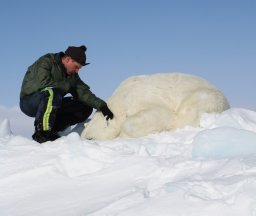 Eric V. Regehr合作论文数Department of Zoology and Physiology, University of Wyoming19
 Malene Simon合作论文数Greenland Inst Nat Resources, Greenland Climate Res Ctr13Kathleen M. Stafford合作论文数13
 Todd C. Atwood合作论文数12
 Markus Dyck合作论文数12
 Marianne Helene Rasmussen合作论文数Húsavík Research Center, University of Iceland12
 Nicholas Lunn合作论文数11
 Jon Aars合作论文数11Pierre RICHARD合作论文数10
 Ian Grote Stirling (Ian Stirling)合作论文数Department of Environment, University of Alberta;Department of Biological Sciences, Faculty of Science, University of Alberta10
 Peter L. Boveng合作论文数Alaska Fisheries Science Center, NOAA Fisheries National Marine Mammal Laboratory NOAA10
 Fernando Ugarte合作论文数9
 Donna D. W. Hauser合作论文数78 Marine Drive9
 Marie J. Zahn合作论文数Sch Aquat & Fishery Sci, Univ Washington8
 David Borchers合作论文数Centre for Research into Ecological and Environmental Modelling;University of St Andrews;Centre for Research into Ecological and Environmental Modelling, University of St Andrews8
 Stephen Atkinson合作论文数Department of Microbiology, College of Science, Oregon State University8Robert S. Suydam合作论文数8Ronald J. Jameson合作论文数8Benjamin Cohen合作论文数7
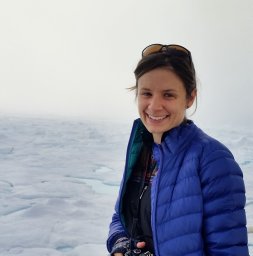 Erica Escajeda合作论文数Sch Aquat & Fishery Sci, Univ Washington7R. G. Hansen合作论文数7
 Patrick J. Heagerty合作论文数Department of Biostatistics, School of Public Health, University of Washington;Center for Biomedical Statistics, Schools of Medicine and Public Health, University of Washington7
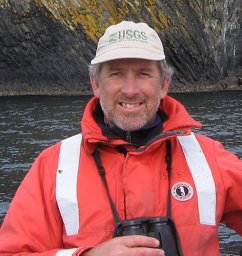 M. Tim Tinker合作论文数Department Of Ecology;Evolutionary Biology;University of California Santa Cruz;Department Of Ecology, University of California Santa Cruz7
 Mikkel Villum Jensen合作论文数7
 Christian Lydersen合作论文数Scientific Research Department, Norwegian Polar Institute6Twila Moon合作论文数6
 Eliezer Gurarie合作论文数School of Aquatic and Fishery Sciences, University of Washington6
 Kit Kovacs合作论文数Norwegian Polar Institute;The University Centre in Svalbard6
 Jens C. Koblitz合作论文数6Rebecca A. Woodgate合作论文数6Roderick C. Hobbs合作论文数6
 Lianne D. Postma合作论文数5
 Jessica Rhian Hale合作论文数5
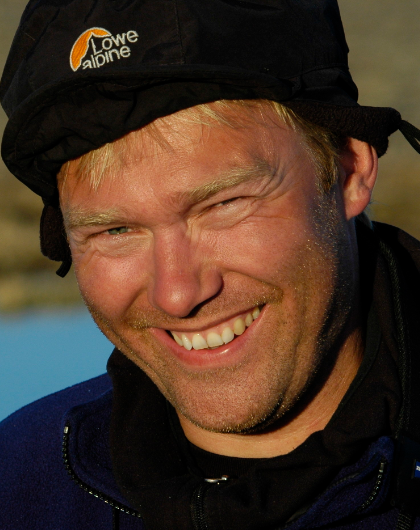 Christian Sonne合作论文数Department of Ecoscience, Aarhus University;Arctic Research Centre, Department of Bioscience, Faculty of Science and Technology, Aarhus University5Nielsen Nynne Hjort合作论文数5
 Steve Ferguson合作论文数Fisheries and Oceans Canada5
 Rikke Guldborg Hansen合作论文数5Dueck Larry合作论文数5Lutz Bachmann合作论文数Natural History Museum;University of Oslo;Natural History Museum, University of Oslo5
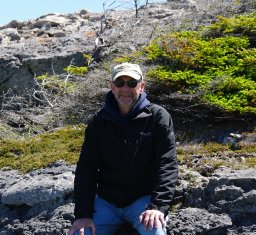 Martyn E. Obbard合作论文数Wildlife Research and Development Section, Trent University5
 Jeffrey L. Laake合作论文数5Aqqalu Rosing-Asvid合作论文数5
 Lars Witting合作论文数Greenland Institute of Natural Resources5
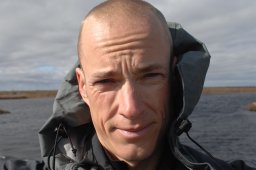 Evan Richardson合作论文数Canadian Wildlife Service;Department of Biological Sciences;University of Alberta;Department of Biological Sciences, University of Alberta5




