Metoprolol is a selective (beta-1 adrenergic receptor blocker that undergoes extensive metabolism by the polymorphic enzyme cytochrome P450 2D6 (CYP2D6). Our objective was to investigate the influence of CYP2D6 polymorphisms on the efficacy and tolerability of metoprolol tartrate. Two hundred and eighty-one participants with uncomplicated hypertension received 50 mg of metoprolol twice daily followed by response-guided titration to 100 mg twice daily. Phenotypes were assigned based on results of CYP2D6 genotyping and copy number variation assays. Clinical response to metoprolol and adverse effect rates were analyzed in relation to CYP2D6 phenotypes using appropriate statistical tests. Heart rate response differed significantly by CYP2D6 phenotype (P < 0.0001), with poor and intermediate metabolizers showing greater reduction. However, blood pressure response and adverse effect rates were not significantly different by CYP2D6 phenotype. Other than a significant difference in heart rate response, CYP2D6 polymorphisms were not determinants of variability in metoprolol response or tolerability.
Hypokalemia is a recognized adverse effect of thiazide diuretic treatment. This phenomenon, which may impair insulin secretion, has been suggested to be a reason for the adverse effects on glucose metabolism associated with thiazide diuretic treatment of hypertension. However, the mechanisms underlying thiazide diuretic-induced hypokalemia are not well understood. In an effort to identify genes or genomic regions associated with potassium response to hydrochlorothiazide, without a priori knowledge of biologic effects, we performed a genome-wide association study and a multiethnic meta-analysis in 718 European- and African-American hypertensive participants from two different pharmacogenetic studies. Single-nucleotide polymorphisms rs10845697 (Bayes factor=5.560) on chromosome 12, near to the HEME binding protein 1 gene, and rs11135740 (Bayes factor=5.258) on chromosome 8, near to the Mitoferrin-1 gene, reached genome-wide association study significance (Bayes factor >5). These results, if replicated, suggest a novel mechanism involving effects of genes in the HEME pathway influencing hydrochlorothiazide-induced renal potassium loss.
OBJECTIVE:Elevations in uric acid (UA) and the associated hyperuricaemia are commonly observed secondary to treatment with thiazide diuretics. We sought to identify novel single nucleotide polymorphisms (SNPs) associated with hydrochlorothiazide (HCTZ)-induced elevations in UA and hyperuricaemia. METHODS:A genome-wide association study of HCTZ-induced changes in UA was performed in Caucasian and African American participants from the pharmacogenomic evaluation of antihypertensive responses (PEAR) study who were treated with HCTZ monotherapy. Suggestive SNPs were replicated in Caucasians and African Americans from the PEAR study who were treated with HCTZ add-on therapy. Replicated regions were followed up through expression and pathway analysis. RESULTS:Five unique gene regions were identified in African Americans (LUC7L2, ANKRD17/COX18, FTO, PADI4 and PARD3B), and one region was identified in Caucasians (GRIN3A). Increases in UA of up to 1.8 mg dL(-1) were observed following HCTZ therapy in individuals homozygous for risk alleles, with heterozygotes displaying an intermediate phenotype. Several risk alleles were also associated with an increased risk of HCTZ-induced clinical hyperuricaemia. A composite risk score, constructed in African Americans using the 'top' SNP from each gene region, was strongly associated with HCTZ-induced UA elevations (P = 1.79 × 10(-7) ) and explained 11% of the variability in UA response. Expression studies in RNA from whole blood revealed significant differences in expression of FTO by rs4784333 genotype. Pathway analysis showed putative connections between many of the genes identified through common microRNAs. CONCLUSION:Several novel gene regions were associated with HCTZ-induced UA elevations in African Americans (LUC7L2, COX18/ANKRD17, FTO, PADI4 and PARD3B), and one region was associated with these elevations in Caucasians (GRIN3A).
 Stephen T. Turner合作论文数Mayo Clinic31
 Julie Johnson合作论文数Division of Pharmaceutics & Pharmacology, College of Pharmacy, The Ohio State University29
 John G. Gums合作论文数28
 Rhonda M Cooper-DeHoff合作论文数Department of Pharmacotherapy and Translational Research, College of Pharmacy, University of Florida;Division of Cardiovascular Medicine, College of Medicine, University of Florida25A. L. Beitelshees合作论文数24
 Yan Gong (巩岩)合作论文数National Astronomical Observatories, Chinese Academy of Sciences24
 Eric Boerwinkle合作论文数Department of Epidemiology, Human Genetics and Environmental Sciences, School of Public Health, The University of Texas Health Science Center at Houston;Baylor College of Medicine Human Genome Sequencing Center23
 Taimour Y. Langaee合作论文数Department of Pharmacy Practice and Center for Pharmacogenomics, University of Florida College of Pharmacy18
 Caitrin Mcdonough合作论文数Dept Pharmacotherapy & Translat Res, Univ Florida15
 Kent R. Bailey合作论文数Division of Clinical Trials and Biostatistics, Department of Quantitative Health Sciences, Mayo Clinic12
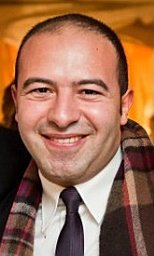 Mohamed H. Shahin合作论文数8
 Shailaja Singh合作论文数6
 Gary L Schwartz合作论文数Division of Hypertension, Mayo Clinic6
 Vicente E. Torres合作论文数Department of Nephrology and Hypertension, Mayo Clinic;Translational Polycystic Kidney Disease Center, Mayo Clinic4
 J. Philip Miller合作论文数Division of Biostatistics;Washington University;School of Medicine;School of Medicine, Washington University4A. Motsinger-Reif合作论文数3K Bailey合作论文数3
 Rhonda Cooper-DeHoff合作论文数3Lm Guaywoodford合作论文数3
 Rotroff Daniel M合作论文数Dept Stat, Bioinformat Res Ctr, N Carolina State Univ3
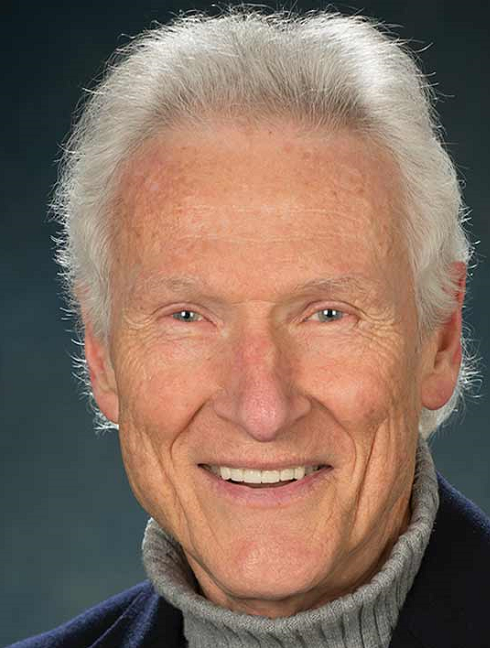 Wolfgang Sadee合作论文数Department of Molecular Immunology, Virology and Medical Genetics, College of Medicine, The Ohio State University Wexner Medical Center;æther THERAPEUTICS;University of California, San Francisco3
 Zilu Wang合作论文数Tianjin University, Tianjin Univ.3
 Jason Karnes合作论文数Department of Pharmacy Practice and Science, College of Pharmacy, University of Arizona;Division of Pharmacogenomics, Center for Applied Genetics and Genomic Medicine;Sarver Heart Center, University of Arizona College of Medicine3
 Garrett Timothy J合作论文数3
 Jared J. Grantham合作论文数University of Kansas Medical Center3
 K. Ty Bae合作论文数Department of Diagnostic Radiology, Li Ka Shing Faculty of Medicine, The University of Hong Kong;University of Pittsburgh3
 Rima Fathi Kaddurah-Daouk合作论文数Department of Medicine, School of Medicine, Duke University;Department of Psychiatry & Behavioral Sciences, School of Medicine, Duke University;Duke Institute for Brain Sciences, Duke University3
 Reginald Frye合作论文数College of Pharmacy, The University of Tennessee Health Science Center3Ann M. Johnson合作论文数3Wg Paxton合作论文数2St Turner合作论文数2M. J. Moore合作论文数2
 Jorge L Del-Aguila合作论文数Genome and Biomarker Sciences, Merck Exploratory Science Center2
 Mai Mehanna合作论文数College of Pharmacy, University of Florida2
 William F. Young合作论文数Division of Endocrinology, Diabetes, Metabolism, & Nutrition, Mayo Clinic;College of Medicine, Mayo Clinic2
 Nihal El Rouby合作论文数University of Cincinnati2Vandell A G合作论文数2Webb Amy合作论文数2
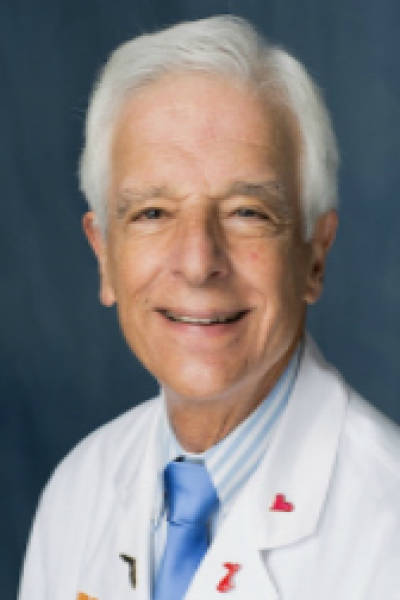 Carl J. Pepine合作论文数Division of Cardiovascular Medicine, Department of Medicine, College of Medicine, University of Florida2Tevfik Ecder合作论文数Department of Medicine, University of Colorado School of Medicine;Department of Medicine, Emory University School of Medicine2M. E. Brummer合作论文数2RW SCHRIER合作论文数2Charles L. Edelstein合作论文数2GG GERRON合作论文数2G. Yang合作论文数1B. Stockard合作论文数1M. T. Lobmeyer合作论文数1P. Hooymans合作论文数1S. E. Scherer合作论文数1




