This comprehensive review examines the application of Reynolds-Averaged Navier-Stokes (RANS) modelling in computational ship hydrodynamics, starting from fundamental theory, numerical implementation, validation procedures, and diverse practical applications. The paper systematically addresses governing equations and turbulence modelling approaches, while analyzing their strengths and limitations in ship flow simulations. Detailed discussions of discretization schemes, grid generation strategies, free surface modelling techniques, and convergence algorithms provide practical guidance for CFD practitioners. The review emphasizes verification and validation methodologies through benchmark cases and uncertainty quantification, highlighting best practices from ITTC guidelines and international workshops. Extensive applications are presented across calm water resistance prediction, hull form optimization, bulbous bow design, energy-saving devices, seakeeping analysis and fluid - structure interaction. Current challenges are critically assessed, including turbulence modelling limitations, scale effects, and free surface accuracy. The integration of machine learning with RANS simulations is explored as an emerging frontier for accelerated design optimization, with particular focus on resistance prediction, hull optimization, and wake field analysis. The paper concludes with future perspectives on hybrid RANS-LES approaches, increased availability of CFD services and ultimately, AI-augmented ship design workflows, providing a comprehensive reference for researchers and engineers in computational ship hydrodynamics.
Current knowledge regarding the assessment of forward and sideways accelerations on human safety onboard the high-speed craft (HSC) remains limited, and most conventional shock mitigation seats for these vessels are designed primarily to mitigate vertical accelerations. This study analyzes recorded accelerations onboard a high-speed craft (HSC) in multiple directions to evaluate the effects of forward, sideways, and vertical accelerations on human health and comfort in accordance with ISO 2631-1:1997. To address the shortcomings of conventional seat systems, this research proposes a shock mitigation seat model that incorporates both forward and vertical suspension systems. A mathematical model is developed to predict the seat's ability to reduce multidirectional acceleration exposure, with an emphasis on vertical acceleration-the direction with the highest intensity-and the forward direction, which is often overlooked in existing designs. The results demonstrate that combining forward and vertical suspension systems in seat design can significantly reduce health and comfort risks associated with accelerations in these directions. This study provides a foundation for future innovations in HSC seat design and encourages the integration of forward suspension systems to enhance occupant safety and comfort.
The adoption of Machine Learning (ML) and Artificial Intelligence (AI) in engineering design has significantly advanced numerous industries. However, the maritime sector still faces challenges in leveraging these technologies, due to the limited availability of structured and high-quality datasets. This paper presents a methodology for building a flexible dataset of ship hull geometries using the open-source Python library PyGeM. By applying Free Form Deformation (FFD) techniques, we generate several hull variants suitable for training data-driven models. The approach is generalizable to a broad range of hull forms, we demonstrate it through two representative case studies: the KCS and ITTCA1 container ships. The resulting dataset aims to support ML applications for the prediction of hydrodynamic performance and design optimization. This accelerate innovation in the ship design process, helping to advance sustainable ship design and supporting compliance with IMO’s revised greenhouse gas reduction targets.
Steps can improve the hydrodynamic performance of planing boats in both calm and rough conditions. While transverse steps have been widely studied, the influence of swept (V-shaped) steps remains less understood. This paper presents a mathematical model to predict the calm-water performance of a hard-chine planing boat equipped with forward-swept steps. The method is based on the 2D+T approach and uses a linear wake assumption to estimate the ventilation length behind each step. Model predictions are validated against experimental measurements and CFD results. The validated model is then applied to assess the hydrodynamic performance of swept-stepped hulls in early-stage design and to support designers in optimizing step height, sweep angle, and longitudinal position for improved trim, reduced resistance, and enhanced overall performance. The study extends and validates the 2D+T method for forward-swept configurations, offering a fast and practical tool for concept evaluation, while CFD remains essential for final design refinement.
This study investigates the potential for improving the dynamic performance and human safety of High-Speed Planing Craft (HSPC) in irregular head waves through the implementation of a Transom Interceptor System (TIS) and a Double Interceptor System (DIS). Experimental tests measure hull resistance, heave and pitch motions, and vertical accelerations in semi-planing, transient, and planing modes. The recorded data for the bare hull, the hull equipped with TIS in transient mode, and the hull equipped with TIS and DIS in planing mode are compared to evaluate the interceptor performance in improving the dynamics of HSPC. Additionally, the crew safety exposed to vertical acceleration is evaluated according to the ISO 2631–1 (1997), ISO 2631–5 (2004), and EU Directive 2002/44/EC (2002). The results indicate that TIS effectively enhances dynamic performance in transient and planing modes as well as human safety and comfort by reducing moderate vertical acceleration. However, in transient mode, TIS may amplify impact shocks, increasing the possibility of adverse health effects. Moreover, the DIS increases hull motions, vertical acceleration, and the potential for health and comfort risks in planing mode. These findings emphasize the potential of TIS in enhancing HSPC dynamics and safety, while it is crucial to optimize interceptor configurations based on operational speeds.
A 150 m electric wave-piercing catamaran concept from Incat Tasmania is analysed using CFD to explore the hydrodynamic impact of operating speed and hull separation on vessel performance and CO 2 emissions reduction. Over the investigated speed range of 0.2 < Fr < 0.4, interference factors are evaluated for four demihull separation ratios ( s/ L) and two demihull slenderness ratios ( L/∇ 1/3 ). The implications on total life-cycle CO 2 emissions are presented as a function of total vessel resistance, and the significance discussed. A separation ratio of s/ L = 0.220 provides the lowest overall resistance, however other configurations provide superior results for specific Froude numbers. The concept of transportation capacity is introduced and used to demonstrate the advantage of slower speeds for the electric powertrain through identification of a critical Froude number Fr = 0.35, above which transportation capacity is reduced as a consequence of the low energy density of Nickel Manganese Cobalt (NMC) batteries. A comparison is also made between the electric and equivalent LNG and diesel powertrains to demonstrate the effect of fuel carbon intensities on standardised vessel CO 2 emissions. Through analysis of the transportation capacity and emissions reduction of the electric vessel, a speed of Fr = 0.28 is proposed as a compromise between the two, with further power and emissions reductions achievable near this speed by adopting a narrower hull separation ratio of s/ L = 0.151.
This paper investigates the maneuvering characteristics of a planing hull free to move in heave and pitch directions undergoing a steady drift test. Results assess and compare predictions from Computational Fluid Dynamics (CFD) Detached Eddy Simulation (DES) and a 2D + t strip theory models against available experimental data from Katayama et al. (2005). At high yaw angles and high Froude numbers of predictions from both models marginally deviate from the experimental longitudinal force measurements. Whereas strip theory confronts difficulties in predicting dynamic trim angle and CG rise-up when either Froude number or yaw angle increases and hence nonlinear hydrodynamics prevail, CFD generally agrees well with experimental data. The CFD model is seen to result in numerical ventilation in zero-drift cases, leading to lower pressure and a localized reduction in the skin friction coefficient. These phenomena are hypothesized to contribute to the under-prediction of trim angle and longitudinal force in zero-drift scenarios. Strip theory provides less reliable results in terms of predicting the sway forces at larger yaw angles, the yaw moment at low Froude numbers and sway forces and associated maximum pressures near the stagnation line. This model cannot capture the asymmetric pressure distribution that emerges on the bottom of the hull at large speed and yaw angles, which is likely to be one of the reasons for errors in predicting the side force. Detached Eddy Simulations demonstrate the strong asymmetric vorticity field formation on the exposed side of the hull at nonzero drift angle. This means that added masses used in the 2D + t model can cause large errors in equilibrium predictions.
Verification and Validation (V&V) is the foremost analysis which is carried out for evaluation of the accuracy level and dependability of computational fluid dynamic (CFD) simulations. The present study investigates the V&V of CFD models in predicting the dynamic trim and hull resistance of high-speed planing hulls with an aim to provide a deeper understanding of V&V analysis in this specific field of application. Two different planing hulls, namely the C05 stepped hull and the C1 interceptor hull, are analyzed with four different grids and time-steps using two mesh motion techniques, namely overset and morphing approach. The discretization (grid) and time-step uncertainties for each CFD simulation are estimated using the least squares method. The results indicate that the overset mesh approach performs better than the morphing grid method in terms of numerical uncertainty and validation achieved for both hulls. The error of both techniques in the prediction of resistance and trim angle of the boat shows an acceptable range of accuracy. The findings provide valuable insights for simulation-based designing and optimizing high-speed planing hulls, specifically by identifying the optimal mesh technique, cell number, and time-step for accurate prediction of wetted surface shape, ventilation formation, running attitude, and resistance.
Moving fast by high-speed planing craft (HSPC) is advantageous for some special missions, though it causes severe hull vibrations and shocks that can transfer to the human body and increase health and comfort risks. This study reviews the current safety standards to avoid human safety risks affected by whole-body vibrations (WBVs), as well as the safety status of HSPC occupants. In addition, the efficiency of motion-reduction devices (trim tab and interceptor) and shock/vibration-mitigation devices (shock-mitigation seat) in improving the safety of HSPC occupants is examined according to existing documents. The research methodology was based on the Preferred Reporting Items for Systematic Reviews and Meta-Analyses (PRIS-MA) method, and published papers in the Scholar, Scopus, and Web of Science databases were analyzed. Because most of these publications are academic research, issues of bias in the eligible publications were not of particular interest. During this systematic review, many gaps and challenges in current information on safety improvement devices were found that need to be addressed in future studies, such as a lack of information on motion-reduction devices and shock-mitigation seat performance in reducing lateral and fore-and-aft motions. Referring to these gaps and challenges can be valuable as a suggestion to improve current knowledge in research and reduce safety risks.
An innovative Computational Fluid Dynamics (CFD) approach, defined as the Forcing Function Method (FFM), is used to simulate Ride Control Systems (RCS) on an Incat Tasmania Wave-Piercing Catamaran vessel in analysis conducted at model scale. This study examines the FFM's capabilities in head sea regular waves using CFD, and considers three ride control scenarios: Bare Hull (BH), Pitch Control (PC), and Non-Linear Pitch Control (NL PC). CFD-predicted vessel motion is compared to experimental data from a 2.5 m Incat Tasmania Wave-Piercing Catamaran model at 2.89 m/s (Fr similar to 0.6), showing good agreement. Modification in FFM to account for emergence of control surfaces from the water, and time series of lift forces produced by FFM are also discussed. The frequency domain analysis using heave and pitch Response Amplitude Operators (RAOs) showed a good of agreement in motion reduction trends between CFD and experiments, providing a high level of confidence in the FFM predictions. Dimensionless vertical accelerations are calculated along the length of hull using the various control algorithms, showing a considerable reduction in acceleration, especially at the bow. These outcomes demonstrate the novel CFD approach, FFM, that can be used by ship designers for predicting high-speed vessel motion reductions from deployment of RCS, and thereby improving passenger comfort.
A tunneled planing craft is a high-speed boat with two tunnels over the hull bottom that are designed to improve the vessel’s performance. Hydrodynamic performance of tunneled planing hulls in calm-water is well-known, however, current information on wave conditions is limited. In this study, two different tunneled planing hulls with two degrees of freedom in heave and pitch motions are studied in regular waves by using the computational fluid dynamics (CFD) method based on the Unsteady Reynolds Averaged Navier-Stokes Equations (URANSE) in conjunction with k−ϵ turbulence model. The results demonstrate that tunneled planing hull motions in waves are nonlinear. In addition, it is found that the dynamic responses of heave and pitch motions as well as occurrence portability of the fly-over phenomenon significantly increases as the Froude number grows. Fly-over motions resulted in vertical motions and acceleration up to 5g, high impact pressure, and large induced drag. At a very high planing speed, after flying over the water surface, when the vessel re-enters the water, the resulting hydrodynamic load leads to a second fly-over motion. Since the fly-over is an unwanted movement with adverse effects, these results can provide a better understanding of the fly-over motion that one may consider in future design for improving the planing hull performance.
Ride Control Systems (RCS) on high-speed vessels help improve passenger comfort and mitigate dynamic structural loads. Incat Tasmania Wave-Piercing Catamarans (WPC) use RCS consisting of a central T-foil, and a stern tab on each deli-hull. Previous towing tank studies on a 2.5 m model of a 112 m WPC have demonstrated significant reductions in motions with the use of a T-foil and stern tabs. To extend this work, this study examines the use of Computational Fluid Dynamics (CFD) to predict the ship's response with RCS implemented. The model-scale WPC was simulated in calm water conditions, traveling at 2.89 m/s (Fr similar to 0.6), with step responses applied at the T-foil and stern tabs, to determine the trim and sinkage. The T-foil was implemented in CFD using two methods: 1) Overset mesh; 2) Forcing function. By replacing the geometric mesh with a lift force coefficient and forcing function, the setup difficulty and computational cost were reduced. Only about 7% difference was observed between CFD and experiments, but no significant difference was found between the methods of overset mesh and forcing function. This has proven the ability of CFD to predict vessel responses to RCS step changes in calm water, and the simplified forcing function method is recommended.
In recent years, research has been conducted on reducing resistance by adding steps on the bottom of high-speed craft. The most significant issue in the design of multi-stepped planing craft is the selection of an appropriate step configuration, i.e., step geometry, location, and height. This requires a general knowledge of the hydrodynamic behavior of each step configuration. Although the towing tank test is an effective method to predict accurately the hydrodynamic behavior of stepped planing boats, there are restrictions in studying some details. In this study, a Computational Fluid Dynamic (CFD) method is used to investigate the hydrodynamic behavior of a stepped planing hull with eight different step configurations in detail. Comparison of the results of trim angle, resistance, sinkage, wetted surface, and ventilation length of swept-stepped planing hulls for different step configurations at various Froude numbers shows that a maximum average resistance reduction occurs at 1.9 < FrB < 4.0 with the step height of 2.73% BTC located at 48.46% L from the transom. There is also a lower resistance associated with a step height of 0.91% BTC at 48.35% L distance from the transom at FrB > 4. These results can be used to improve high-speed planing hull performances by utilizing an appropriate step configuration.
This study aims to improve Computational Fluid Dynamics (CFD) self-propulsion simulations for a semi-displacement hull with an interceptor. To enhance full-scale self-propulsion simulations, the numerical setup incorporated hull roughness based on the ITTC 78 formula and full-scale propeller open water curves following the ITTC 78 procedure. Simulations were performed using the SIEMENS PLM STAR-CCM+ CFD code for a displacement condition and for 0.638 < Fr▽ < 1.530. Comparisons were made with experimental scaled results from tests conducted at the Towing Tank of the Department of Industrial Engineering, Università degli Studi di Napoli “Federico II”. A comparison of numerical and experimental self-propulsion factors, such as wake fraction and thrust deduction coefficients, shows an average error reduction of 2.5% for wake fraction and 1.5% for thrust deduction. Additionally, a self-propulsion proportional (P) speed controller was implemented using the Ziegler-Nichols method to improve accuracy. This controller allows real-time adjustment of the propeller speed, supplying valuable insights into marine vessel performance under realistic conditions. This approach can be extended to incorporate factors like waves and wind, creating a more realistic representation of the marine environment. The implementation of a P speed controller is the first step towards developing a free-sailing approach that enhances simulations of real-world conditions for marine vessels.
This paper uses the 2D+T method for hull optimization of double-stepped planing hulls at the early-stage design. The method is applied to investigate the impact of various step configurations on the performance of stepped planing hulls in calm water and waves. The 2D+T method utilizes pressure distributions along the hull length to calculate forces in calm water and incorporates momentum variation theory to mathematically simulate rigid body motions in waves. Previous studies have validated the accuracy of this method. The paper conducts a parametric study on a double-stepped hull, analyzing the effects of different step configurations on hydrodynamic performance in calm and rough water conditions. The results suggest that optimal location of front step is somewhere near the mid-section, and that of rear step is in the vicinity of the center of gravity for steps with identical heights. It is demonstrated that this configuration minimizes the added resistance and wave-induced motions. It is concluded that the 2D+T method can effectively assist designers in hull optimization of stepped planing hulls in the early-stage design. Further research is recommended to consider the effects of step shape in the hull optimization.
Controlling vessel motion using hydrofoils to ensure smoother journeys is a widely adopted practice. Incat Tasmania has implemented the Ride-Control System (RCS) on their Wave-Piercing Catamaran (WPC) fleets, consisting of a T-foil and two stern tabs. To efficiently evaluate the effectiveness of different RCS geometries, a novel Computational Fluid Dynamics (CFD) approach, the Forcing Function Method (FFM) was developed and validated. The present paper encompasses two main components: a standalone T-foil analysis and an assessment of the influence of various RCS geometries on a WPC by FFM. In the standalone T-foil study, the lift and drag forces were investigated with respect to the angle of attack and immersed depth. The results indicated that the T-foil lift coefficient diminished logarithmically by decreasing the immersed depth smaller than 1 chord length. The present paper utilises the FFM to examine different RCS geometries on a 2.5 m WPC operating at a speed of 2.89 m/s (Fr∼0.6). The effectiveness of motion control is evaluated by measuring the changes in sinkage and trim over time after deflecting the FFM T-foil by ±15° in calm water. Through these CFD simulations, the impact of total planform area, number of T-foils, and longitudinal location of the T-foil were analysed. It was found that controllability of motion was a function of total planform area, regardless of the number of foils, and although moving the T-foil away from the bow reduces motion control in trim, it does not affect sinkage significantly. The study also highlights the efficiency and accuracy of the FFM method for integrating hydrofoils into marine vehicle simulations. These insights contribute to the advancement of RCS development and offer valuable guidance for future research and design of hydrofoil systems. The proposed FFM approach has the potential to expedite the development process and enhance the performance of hydrofoil-equipped vessels in diverse operating conditions.
Abstract Designing a high-speed craft for better seakeeping in waves can contribute significantly to higher safety and human comfort. Early in the design process, mathematical models such as the 2D+T method are commonly used, while high-fidelity computational fluid dynamics (CFD) and experimental models are used later in the process. Some of the limitations of such models are that they are not fast enough to be used in the ship’s system for real-time monitoring or to develop a digital twin. Recently, machine learning methods have demonstrated great promise in building surrogate models from data. These methods include deep learning and recurrent neural network (RNN). In this paper, a systematic investigation of the network architectures and the used optimizers to train the network is presented. Adam, Adagrad, RMSprob and SGD are investigated in training the network. To train the model almost 35000 data points were collected for Fridsma hull operating in 18 regular waves using a 2D+T model. The result showed that gated recurrent unit (GRU) outperformed long short-term memory (LSTM) and RNN in predicting the heave motion. Also, one hidden layer with 5 neurons was enough to achieve mean absolute error of 0.000298 and to predict unseen waves when trained with more than 24000 data points.
The wake waves generated by the steady movement of a planing hull are analyzed by means of towing tank tests. Two sets of waves, including divergent and transverse waves, are identified and then analyzed. The wave period of the divergent waves is seen to decrease by the increase in speed of the vessel. These waves are seen to damp temporally. The mechanisms that lead to damping of the divergent wave were found to depend on the wave orbital Reynolds number in semi-planing regime, though that of in-planing regime is a function of the Reynolds number of the boat. The wake angle is seen to decrease with the increase in Froude number, the rate of which becomes relatively large in-planing regime. Transverse waves are captured through measurements, and it is shown that while their period is longer than those of the divergent waves, they are not noticeably damped. Throughout the spectral analysis, it is demonstrated that divergent waves reach a higher level of nonlinearity by the increase in Froude number and, hence, the wave energy is distributed over a boarder range of frequency. The height of the transverse wave is observed to become lower by the increase in speed, but as the towing speed increases, the probability density function curves of surface elevation deviate more and more from the Gaussian distribution.
In recent years, global demands for safe and sustainable ships led to dramatic changes in maritime industry. Digitalization is expected to play important part in the future. This is supported by analysis of the autonomous ships market which shows that digitalization of large ship types such as tankers and container ships is well on track. Although to date designs of autonomous High Speed Craft (HSC) have been developed, there are only a few studies on the impact of digitalization on design and operations. This is because of the challenging operational profile of these assets across a spread of waterborne activities namely fishing, leisure, patrolling and rescuing. This paper reviews literature of relevance on the potential of digitalization of the HSC sector in the Baltic. An overview of the systems that could be partly digitalized and how technology developments may influence operations are also outlined.
This work addresses the experimental study of a new systematic series of stepped planing hulls. Indeed, the interest in the stepped planing hulls is constantly growing, both in the industrial/commercial and academic fields. Designers and boat builders have been orienting toward the multi-stepped hulls solution to ensure good dynamic stability, reliable seakeeping and operability at high speeds. However, there is a lack of a compre-hensive stepped hull systematic series with various step configurations including a forward V-shaped step, as typically used on modern boats. For the abovementioned reasons, a systematic series of eight different models of stepped hulls have been developed and tested. The towing tank tests have been carried out at the naval basin of the Universit`a degli Studi di Napoli "Federico II" Dipartimento di Ingegneria Industriale (DII) in calm water at different speeds (Fr backward difference = 1.077-6.774) and for three different static trim conditions. All models are built with a transparent bottom to visualize the wetted surface and the eventual development of vortices generated behind the step. The eight models are defined by modifying three significant design parameters for stepped hulls (i.e. the number of steps, longitudinal step position, and step height).
 Sasan Tavakoli合作论文数Department of Infrastructure Engineering, The University of Melbourne42
 Parviz Ghadimi合作论文数Department of Marine Technology, Amirkabir University of Technology38
 Rasul Niazmand Bilandi合作论文数Estonian Maritime Acad, Tallinn Univ Technol18
 Simone Mancini合作论文数CFD Engineering Solutions, Eurisco Consulting Srls14
 Fatemeh Roshan合作论文数Estonian Maritime Acad, Tallinn Univ Technol9
 Mohammad Amin Feizi Chekab合作论文数6
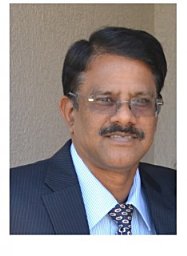 Prasanta Sahoo合作论文数Florida Inst Technol6
 Reza Djeddi合作论文数Tickle College of Engineering, The University of Tennessee5
 Jason Ali-Lavroff合作论文数4
 Chun-Yu Lau合作论文数4Rahim Zamanian合作论文数4
 Javad A. Mehr合作论文数Univ Tasmania4
 Arman Esfandiari合作论文数3
 Saeed Najafi合作论文数Dept Mech Engn, Sharif Univ Technol3
 Fabio De Luca合作论文数3
 Luigi Vitiello合作论文数3
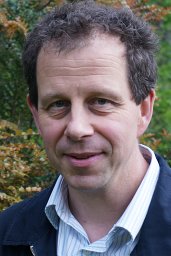 Damien S. Holloway合作论文数School of Mathematics and Physics, University of Tasmania3
 Mohammad Mehdi Farsi aliabadi合作论文数School of Chemical and Petroleum Engineering, Shiraz University3
 Spyros E. Hirdaris合作论文数2seyed hamid mirhosseini合作论文数2mohammad amini合作论文数2Miklos Lakatos合作论文数2Barmala Bahare合作论文数2
 Yaser F.Maghrebi合作论文数2Abbas Ghassemzadeh合作论文数2
 Maria De Carlini合作论文数2Ebrahim Amini合作论文数2
 Luofeng Huang合作论文数School of Water, Energy and Environment, Cranfield University2
 Pentti Kujala合作论文数Department of Energy and Mechanical Engineering, School of Engineering, Aalto University;Estonian Maritime Academy, Tallinn University of Technology2
 Azam Dolatshah合作论文数2Tommi Mikkola合作论文数1M Habibiasl合作论文数1Henrik Andreasson合作论文数1Taghikhani Pouria合作论文数1farid habashi aliabadi合作论文数1Hossein Hosseinzadeh合作论文数1afshin loni合作论文数1P Sahoo合作论文数1
 Carlo Giorgio Grlj合作论文数Dept Mech Engn, Karlovac Univ Appl Sci1
 shahryar abtahi合作论文数Maritime Engn Dept, Amirkabir Univ Technol1
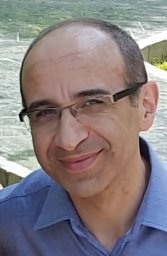 m ghaemi合作论文数Gdansk Univ Technol1Artur Karczewski合作论文数Inst. of Naval Arch. & Ocean Eng., Gdańsk University of Technology1
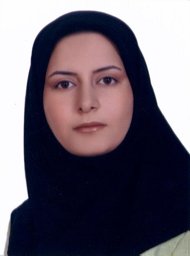 Roya Shademani合作论文数Amirkabir University of Technology1
 Minghao Li合作论文数1Hashem Nowruzi合作论文数1Youjiang Wang合作论文数1Blanca Pena合作论文数1
 Shan Wang (王珊)合作论文数Instituto Superior Tecnico, Universidade de Lisboa1
 Danial Khojasteh合作论文数School of Civil and Environmental Engineering, UNSW1




