Accurate determination of volume percentages in three-phase fluids is paramount for the success of various industrial processes, ranging from oil and gas production to chemical engineering. This study presents a comprehensive approach to this challenge by leveraging advanced signal processing techniques and machine learning paradigms. Our methodology integrates the time, frequency, and wavelet transform features extracted from X-ray-based measurement systems whose structure consists of an X-ray tube source, two sodium iodide detectors, and a test pipe, all of which were simulated using the Monte Carlo N Particle code. The amalgamation of these features provides a rich representation of the fluid composition that captures both temporal and spectral characteristics. To enhance the discriminative power of the features, we employ a simulated annealing algorithm to strategically reduce their dimensionality and select pertinent features. The simulated annealing unit systematically evaluates the contribution of each feature to predictive accuracy. Further, through iterative elimination and re-evaluation, the algorithm refines the feature set, retaining only those with the highest relevance to the three-phase fluid composition. This feature selection process optimises the performance of subsequent machine learning models, streamlining the input space for enhanced interpretability and efficiency. Finally, to determine the volume percentages, we employ a support vector regression (SVR) neural network, which is trained on a refined dataset with capability to handle complex relationships and high-dimensional data. The proposed approach demonstrates superior accuracy in determining volume percentages of three-phase fluids compared to traditional methods, thereby making it an effective and integrated technique to analyse fluid composition in a variety of industrial settings and applications.
Research on emotion recognition is an interesting area because of its wide-ranging applications in education, marketing, and medical fields. This study proposes a multi-branch convolutional neural network model based on cross-attention mechanism (MCNN-CA) for accurate recognition of different emotions. The proposed model provides automated extraction of relevant features from multimodal data and fusion of feature maps from diverse sources as modules for the subsequent emotion recognition. In the feature extraction stage, various convolutional neural networks were designed to extract critical information from multiple dimensional features. The feature fusion module was used to enhance the inter-correlation between features based on channel-efficient attention mechanism. This innovation proves effective in fusing distinctive features within a single mode and across different modes. The model was assessed based on EEG emotion recognition experiments on the SEED and SEED-IV datasets. Furthermore, the efficiency of the proposed model was evaluated via multimodal emotion experiments using EEG and text data from the ZuCo dataset. Comparative analysis alongside contemporary studies shows that our model excels in terms of accuracy, precision, recall, and F1-score.
Quantum computation and artificial intelligence are separately considered transformative technologies that are shaping our present and future. The prospect of combining the two paradigms portends astounding computing power and human-level intelligence for resulting technologies. One area that seems ripe to reap from this amalgamation is the field of robotics. This could potentially lead to the realization of advanced robots that are controlled using quantum computing resources. Whereas the idea of quantum robots is not new, the advances it has recorded have not been commensurate with the inroads in the two fields separately. Many hold the view that quantum algorithms and notably quantum machine learning will play leading roles in shaping future robotics and automation of integrated systems. Consequently, it is widely anticipated that quantum algorithms, quantum sensors, and quantum controls will be at the fulcrum of next-generation robotics. This study is primarily aimed as an exposition on the advances in the nascent research field of quantum robotics. By summarizing their architectures as well as discussions on their perception and interactions, it is hoped that our effort will stimulate interest leading to innovative ideas to complement current designs and frameworks geared towards realizing the astounding promises of quantum robotics.
This study explores a new electrode configuration for measuring the void fraction of two-phase flows using capacitance-based sensors. The proposed method is considered 'skewed' because of its unique geometric shape, and the performance of the proposed sensor was evaluated and improved via multiple simulations using the COMSOL Multiphysics software. The simulations encompass three different flow patterns, stratified, annular and homogeneous, whose performance themselves were verified in a previous study. The influences of geometric properties and parameters on the sensitivity of the proposed sensor were evaluated to determine an optimal configuration. Furthermore, the sensitivity distribution on different void fractions of the sensor was analysed for various void fractions in different flow patterns. Additionally, the proposed configuration was also compared alongside double-ring and concave sensors to determine the overall sensitivity. At 2.11 pF, the overall sensitivity of the proposed sensor was significantly higher than that of the other sensors. It is worth mentioning that the measurement precision of multiphase flow meters is of high importance, particularly in petroleum industry because of the oil price and also the high amount of transported products.
This book includes selected papers from the 5th International Conference on Computational Vision and Bio Inspired Computing (ICCVBIC 2021).
When scale builds up in a transmission pipeline, it narrows the pipe's interior and causes losses in both power and efficiency. A noninvasive instrument based on gamma-ray attenuation is one of the most reliable diagnostic procedures for determining volumetric percentages in a variety of circumstances. A system with a NaI detector and dual-energy gamma generator simulations (Am-241 and (13)3 Ba radioisotopes) is recommended for simulating a volume percentage detection system utilizing Monte Carlo N particle (MCNP). Three-phase flow consisting of oil, water, and gas moves through a scaled pipe of variable wall thicknesses in a stratified flow regime with changing volume percentages. After gamma rays are emitted from one end of the pipe, a detector take in the photons coming from the other end. Four temporal features, including kurtosis and mean value of the square root (MSR), skewness, and waveform length (WL) picked up by the detector, were thus obtained. By training two GMDH neural networks with the aforementioned inputs, it is possible to forecast volumetric percentages with an RMSE of less than 0.90 and independently of scale thickness. The low error value, simplicity of the system, and reduction of design costs ensures the effectiveness of the suggested method and the advantages of employing this approach in the petroleum and petrochemical industries.
During a quantum walk on a complex network, the observed results contain extensive redundant information generated by interference effects, which makes it difficult to determine a suitable walk step and find the structural characteristics of the network. A Grover coin driven quantum walk model (GWM) is proposed to identify significant nodes in undirected complex networks by simulating the particle moving on the network. To circumvent the negative effects of the associated redundant information, the proposed GWM adds a self -loop to each node and determines a three-step walk by exploiting the three degrees of influence rule. Experiments on correlation, Kendall coefficient, and robustness were reported to validate the effectiveness of the proposed GWM in identifying significant nodes. Outcomes show strong correlation between results from the susceptible-infected-recovered (SIR) model and our GWM, which signify accurate identification of the significant nodes of complex networks by our model. Furthermore, outcomes in terms of Kendall coefficient between different algorithms (comprising of conventional and quantum algorithms) alongside the proposed GWM further attest that the GWM can capture the structural characteristics of networks, e.g., triadic closure and degree. Additionally, based on robustness index, the practicality of the proposed GWM in terms of identifying significant nodes was demonstrated.
The advent of the fourth industrial revolution along with developments in other emerging technologies, such as Internet of Things, big data, artificial intelligence as well as cloud and quantum computing, smart healthcare systems (SHS) are becoming ubiquitous in our daily lives. Meanwhile, patients, doctors, and other medical personnel rely on the safe and efficient storage, transmission, and analysis of medical images and electronic health records for successful diagnosis, treatment, and management of different ailments. Moreover since, for various reasons, medical images are always the target of different illicit criminal activities, studies to utilise advanced information technologies to safeguard the confidentiality, integrity, and availability of such data have become a major priority in all SHS platforms. Our study evaluates recent efforts to deploy emerging technologies to design, secure, and enhance the efficiency of SHS that are based on medical images. It is hoped that this work will stimulate further interest aimed at the pursuit of more advanced algorithms and frameworks covering all aspects of security and privacy in emerging and future smart healthcare applications.
Determining the volume percentages of flows passing through the oil transmission lines is one of the most essential problems in the oil, gas, and petrochemical industries. This article proposes a detecting system made of a Pyrex-glass pipe between an X-ray tube and a NaI detector to record the photons. This geometry was modeled using the MCNP version X algorithm. Three liquid-gas two-phase flow regimes named annular, homogeneous, and stratified were simulated in percentages ranging from 5 to 95%. Five time characteristics, three frequency characteristics, and five wavelet characteristics were extracted from the signals obtained from the simulation. X-ray radiation-based two-phase flowmeters’ accuracy has been improved by PSO to choose the best case among thirteen characteristics. The proposed feature selection method introduced seven features as the best combination. The void fraction inside the pipe could be predicted using the GMDH neural network, with the given characteristics as inputs to the network. The novel aspect of the current study is the application of a PSO-based feature selection method to calculate volume percentages, which yields outcomes such as the following: (1) presenting seven suitable time, frequency, and wavelet characteristics for calculating volume percentages; (2) the presented method accurately predicted the volume fraction of the two-phase flow components with RMSE and MSE of less than 0.30 and 0.09, respectively; (3) dramatically reducing the amount of calculations applied to the detection system. This research shows that the simultaneous use of time, frequency, and wavelet characteristics, as well as the use of the PSO method as a feature selection system, can significantly help to improve the accuracy of the detection system.
Global demand for fossil fuels has increased the importance of flow measurement in the oil sector. As a result, a new submarket in the flowmeter business has opened up. To improve the accuracy of gamma-based two-phase flowmeters, this study employs time-feature extraction methods, a particle swarm optimization (PSO) based feature selection system, and an artificial neural network. This article proposes a fraction detection system that uses a 137Cs gamma source, two NaI detectors for recording the photons, and a Pyrex-glass pipe between them. The Monte Carlo N Particle method was used to simulate the geometry mentioned above. Thirteen time-domain features were extracted from the raw data recorded by both detectors. Optimal characteristics were identified with the help of PSO. This procedure resulted in the identification of eight efficient features. The input-output relationship was approximated using a Multi-Layer Perceptron (MLP) neural network. The innovation of the present research is in the use of a feature extraction technique based on the PSO algorithm to determine volume percentages, with results such as: (1) introducing eight appropriate time characteristics in determining volume percentages; (2) achieving an accuracy of less than 0.37 in root mean square error (RMSE) and 0.14 in mean square error (MSE) while predicting the volume fraction of components in a gas-liquid two-phase flow; and (3) reducing the calculation load. Utilizing optimization-based feature selection techniques has allowed for the selection of meaningful inputs, which has decreased the volume of computations while boosting the precision of the presented system.
Determining the amount of void fraction of multiphase flows in pipelines of the oil, chemical and petrochemical industries is one of the most important challenges. Performance of capacitance based two phase flow meters highly depends on the fluid properties. Fluctuation of the liquid phase properties such as density, due to temperature and pressure changes, would cause massive errors in determination of the void fraction. A common approach to fix this problem is periodic recalibration of the system, which is a tedious task. The aim of this study is proposing a method based on artificial intelligence (AI), which offers the advantage of intelligent measuring of the void fraction regardless of the liquid phase changes without the need for recalibration. To train AI, a data set for different liquid phases is required. Although it is possible to obtain the required data from experiments, it is time-consuming and also incorporates its own specific safety laboratory consideration, particularly working with flammable liquids such as gasoline, oil and gasoil. So, COMSOL Multiphysics software was used to model a homogenous regime of two-phase flow with five different liquid phases and void fractions. To validate the simulation geometry, initially an experimental setup including a concave sensor to measure the capacitance by LCR meter for the case that water used as the liquid phase, was established. After validation of the simulated geometry for concave sensor, a ring sensor was also simulated to investigate the best sensor type. It was found that the concave type has a better sensitivity. Therefore, the concave type was used to measure the capacitance for different liquid phases and void fractions inside the pipe. Finally, simulated data were used to train a Multi-Layer Perceptron (MLP) neural network model in MATLAB software. The trained MLP model was able to predict the void fraction independent of the liquid phase density changes with a Mean Absolute Error (MAE) of 1.74.
Prediction of missing links is an important part of many applications, such as friends’ recommendations on social media, reduction of economic cost of protein functional modular mining, and implementation of accurate recommendations in the shopping platform. However, the existing algorithms for predicting missing links fall short in the accuracy and the efficiency. To ameliorate these, we propose a simplified quantum walk model whose Hilbert space dimension is only twice the number of nodes in a complex network. This property facilitates simultaneous consideration of the self-loop of each node and the common neighbour information between arbitrary pair of nodes. These effects decrease the negative effect generated by the interference effect in quantum walks while also recording the similarity between nodes and its neighbours. Consequently, the observed probability after the two-step walk is utilised to represent the score of each link as a missing link, by which extensive computations are omitted. Using the AUC index as a performance metric, the proposed model records the highest average accuracy in the prediction of missing links compared to 14 competing algorithms in nine real complex networks. Furthermore, experiments using the precision index show that our proposed model ranks in the first echelon in predicting missing links. These performances indicate the potential of our simplified quantum walk model for applications in network alignment and functional modular mining of protein–protein networks.
One of the main problems in oil fields is the deposition of scale inside oil pipelines, which causes problems such as the reduction of the internal diameter of oil pipes, the need for more energy to transport oil products, and the waste of energy. For this purpose, the use of an accurate and reliable system for determining the amount of scale inside the pipes has always been one of the needs of the oil industry. In this research, a non-invasive, accurate, and reliable system is presented, which works based on the attenuation of gamma rays. A dual-energy gamma source (241Am and 133Ba radioisotopes), a sodium iodide detector, and a steel pipe are used in the structure of the detection system. The configuration of the detection structure is such that the dual-energy source and the detector are directly opposite each other and on both sides of the steel pipe. In the steel pipe, a stratified flow regime consisting of gas, water, and oil in different volume percentages was simulated using Monte Carlo N Particle (MCNP) code. Seven scale thicknesses between 0 and 3 cm were simulated inside the tube. After the end of the simulation process, the received signals were labeled and transferred to the frequency domain usage of fast Fourier transform (FFT). Frequency domain signals were processed, and four frequency characteristics were extracted from them. The multilayer perceptron (MLP) neural network was used to obtain the relationship between the extracted frequency characteristics and the scale thickness. Frequency characteristics were defined as inputs and scale thickness in cm as the output of the neural network. The prediction of scale thickness with an RMSE of 0.13 and the use of only one detector in the structure of the detection system are among the advantages of this research.
Quantum information science is an emerging research field devoted to the use of quantum mechanical systems to devise and implement information processing tasks faster than that possible with classical computers. In this study, two quantum image resolution enhancement (QIRE-I and QIRE-II) schemes are proposed based on quantum wavelet transform and quantum interpolation. Using these, the resolutions of low-resolution (LR) images are enhanced by decomposing them into four frequency sub-bands using a single-level one-dimensional (1-D) quantum Haar wavelet transform (QHWT). Subsequently, to preserve the edges and obtain sharper high-resolution (HR) images, quantum interpolation was applied to three of the high-frequency sub-bands. A few simulation-based demonstrations are presented to illustrate the feasibility and effectiveness of the proposed schemes. The visual and quantitative results demonstrate the superiority of the proposed schemes over those that use only quantum interpolation.
Scale formation inside oil and gas pipelines is always one of the main threats to the efficiency of equipment and their depreciation. In this study, an artificial intelligence method method is presented to provide the flow regime and volume percentage of a two-phase flow while considering the presence of scale inside the test pipe. In this non-invasive method, a dual-energy source of barium-133 and cesium-137 isotopes is irradiated, and the photons are absorbed by a detector as they pass through the test pipe on the other side of the pipe. The Monte Carlo N Particle Code (MCNP) simulates the structure and frequency features, such as the amplitudes of the first, second, third, and fourth dominant frequencies, which are extracted from the data recorded by the detector. These features use radial basis function neural network (RBFNN) inputs, where two neural networks are also trained to accurately determine the volume percentage and correctly classify all flow patterns, independent of scale thickness in the pipe. The advantage of the proposed system in this study compared to the conventional systems is that it has a better measuring precision as well as a simpler structure (using one detector instead of two).
Machine learning is a data analysis method that has been used to solve several problems. Image classification is one of them. During this pandemic caused by the spread of Covid-19, the number of people infected was relatively high. The COVID-19 pandemic has had a severe impact on people’s lives. One of the critical steps for overcoming this pandemic lies in the ability of medical personnel to identify patients who are infected with Covid-19 at an early age. Detecting Covid-19 from patient radiographs may be one of the quickest ways to identify Covid-19 patients. Many researchers have applied machine learning to predict Covid-19. The data are based on chest X-ray images of the patient. In this study, K–Nearest Neighbor (K-NN), Support Vector Machine (SVM), and Convolutional neural network (CNN) methods were used to find the best analytical performance in predicting COVID-19 based on chest X-ray images of the patients. The research results from the three methods used, the performance of the CNN method is the best compared to the other two methods, namely SVM and KNN.
Scale deposition is the accumulation of various materials in the walls of transmission lines and unwanted parts in the oil and gas production system. It is a leading moot point in all transmission lines, tanks, and petroleum equipment. Scale deposition leads to drastic detrimental problems, reduced permeability, pressure and production losses, and direct financial losses due to the failure of some equipment. The accumulation of oil and gas leads to clogged pores and obstruction of fluid flow. Considering the passage of a two-phase flow, our study determines the thickness of the scale, and the flow regime is detected with the help of two Multilayer Perceptron (MLP) networks. First, the diagnostic system consisting of a dual-energy source, a steel pipe, and a NaI detector was implemented, using the Monte Carlo N Particle Code (MCNP). Subsequently, the received signals were processed, and properties were extracted using the wavelet transform technique. These features were considered as inputs of an Artificial Neural Network (ANN) model used to determine the type of flow regimes and predict the scale thickness. By accurately classifying the flow regimes and determining the scale inside the pipe, our proposed method provides a platform that could enhance many areas of the oil industry.
Introduction: In humanity’s ongoing fight against its common enemy of COVID-19, researchers have been relentless in finding efficient technologies to support mitigation, diagnosis, management, contact tracing, and ultimately vaccination. Objectives: Engineers and computer scientists have deployed the potent properties of deep learning models (DLMs) in COVID-19 detection and diagnosis. However, publicly available datasets are often adulterated during collation, transmission, or storage. Meanwhile, inadequate, and corrupted data are known to impact the learnability and efficiency of DLMs. Methods: This study focuses on enhancing previous efforts via two multimodal diagnostic systems to extract required features for COVID-19 detection using adulterated chest X-ray images. Our proposed DLM consists of a hierarchy of convolutional and pooling layers that are combined to support efficient COVID-19 detection using chest X-ray images. Additionally, a batch normalization layer is used to curtail overfitting that usually arises from the convolution and pooling (CP) layers. Results: In addition to matching the performance of standard techniques reported in the literature, our proposed diagnostic systems attain an average accuracy of 98% in the detection of normal, COVID-19, and viral pneumonia cases using corrupted and noisy images. Conclusions: Such robustness is crucial for real-world applications where data is usually unavailable, corrupted, or adulterated.
This research aims to create a model, analyze the factors that influence the COVID-19 mortality rate in Indonesia. There are five independent variables and one dependent variable used in the research. The independent variables used are the percentage of poor people, the percentage of households using shared toilet facilities, the percentage of households using wood as the main fuel for cooking, the percentage of the population whose drinking water source comes from pumped water and the percentage of population who have health insurance from private insurance. While the dependent variable used is the Annual Parasite incidence COVID-19. The results obtained are as follows. First, a Zero-Inflated Negative Binomial regression model was obtained for the case of COVID-19 morbidity where this model could overcome overdispersion and excess zero values in observations. Second, there are 4 independent variables that have a significant effect on the count model and there is no independent variable that has a significant effect on the Zero inflation model. Third, a web application is produced that can display the Zero-Inflated Negative Binomial regression model (ZINB).
This paper presents a method that uses a web questionnaire to create a corpus containing spontaneous utterances of natural ideas, which may contain grammatical mistakes. In an experimental implementation of the method, the subjects were informed that they were receiving nursing care from a person, and they were required to answer a web-based questionnaire in which their responses were recorded as speech utterances. Compared to the Wizard of Oz approach and interview-based corpus-creation methods, the presented method simplifies the collection of utterances. Furthermore, we conducted a two-fold assessment to verify the effectiveness of the presented method. First, the approach exhibited a significant reduction in workload compared to interview-style utterance collection. Second, we compared the variety of expressions collected when subjects were informed that they were talking to a person with those collected when they were informed that they were communicating with a nursing robot. The results indicate that, although the number of utterances was larger for a robot than for a person, in terms of other metrics such as time efficiency index, the total number of morphemes, the average number of morphemes per utterance, the number of unique morphemes, and coefficient of variation, the utterances were larger for a human speech target than for a robot.
 Fei Yan合作论文数Department of Computer Science and Technology, Tsinghua University;School of Computer Science and Technology, Changchun University of Science and Technology47
 Ahmed S. Salama合作论文数27
 Kaoru Hirota (广田薰)合作论文数School of Automation, Beijing Institute of Technology25
 Fangyan Dong合作论文数17
 Phuc Quang Le合作论文数17
 Huamin Yang合作论文数11
 Chastine Fatichah合作论文数Department of Informatics, Institut Teknologi Sepuluh Nopember10
 Khaled A. Abuhasel合作论文数9Bo Sun合作论文数8
 His Excellency Prof. Awad Kh. Alasmari合作论文数King Saud University7
 Kehan Chen合作论文数6
 Mohamed Hammad合作论文数Menoufia Univ, Fac Comp & Informat, Dept Informat Technol, Menoufia, Egypt6
 Salvador E. Venegas-Andraca合作论文数The Unconventional Computing Lab;Centro de Investigación en Computación del IPN;Tecnológico de Monterrey6
 Fathi E. Abd El-Samie合作论文数Department of Electronics and Communication Engineering, Faculty of Electronic Engineering, Menoufia University6
 Mohammed A. Al-Qodah合作论文数6
 Ahmed Sedik合作论文数5
 Maria Susan Anggreainy合作论文数School of Computer Science, Bina Nusantara University5
 Ahmed A. Abd El-Latif合作论文数Department of Mathematics and Computer Science, Faculty of Science, Menoufia University;College of Computer and Information Sciences, Prince Sultan University5
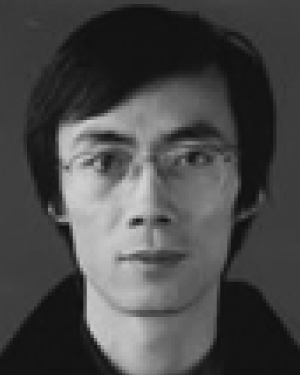 Jianping Zhao合作论文数4Wen Liang合作论文数4
 Ehsan Eftekhari-Zadeh合作论文数Inst Opt & Quantum Elect, Friedrich Schiller Univ Jena4Roshani Gholam Hossein合作论文数4
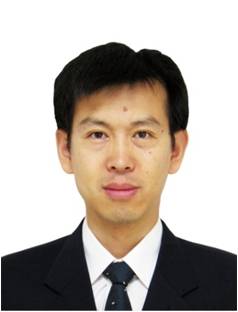 Zhengang Jiang (蒋振刚)合作论文数Changchun University of Science and Technology4
 Mohamed Abdel-Nasser合作论文数3Sihao Jiao合作论文数3Nianqiao Li合作论文数3
 Basma Abd El-Rahiem合作论文数Menoufia University3
 Tsafack Nestor合作论文数Univ Dschang, Elect Engn Dept IUT FV, Res Unit Lab Automat & Appl Comp LAIA, POB 134, Bandjoun, Cameroon3
 Ibrahim Elgendy合作论文数Harbin Inst Technol, Sch Comp Sci & Technol, Harbin 150001, Peoples R China3
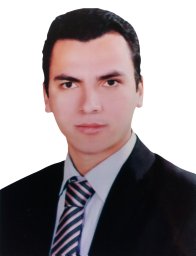 Bassem Abd-El-Atty合作论文数Menoufia Univ, Ctr Excellence Cybersecur Quantum Informat Proc &, Shibin Al Kawm 32511, Egypt3
 Akram Belazi合作论文数3
 Jacques Kengne合作论文数Department of Electrical Engineering, IUT-FV, University of Dschang;Department of Electrical and Electronic Engineering, University of Dschang3
 Jinhua She (佘錦華)合作论文数Department of Mechanical Engineering, School of Engineering, Tokyo University of Technology;Waseda University3
 Joy Iong-Zong Chen合作论文数3Yiming Guo合作论文数3Yasunari Obuchi合作论文数2Faculdade de Engenharia合作论文数2Kazuaki Shima合作论文数2joao manuel r s tavares合作论文数2
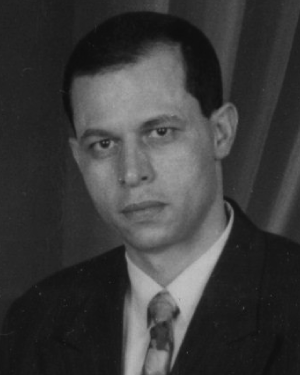 Mohamed Amin Sherif合作论文数2Dakhkilgova Kamila Bagaudinovna合作论文数2Hanif Musyaffa合作论文数2Florence Helena Kansil合作论文数2
 Ehsan Nazemi合作论文数2
 Ajeng Wulandari合作论文数School of Computer Science, Bina Nusantara University2
 Abdulilah Mohammad Mayet合作论文数Mech Engn Dept, King Khalid Univ2




