Environmental education (EE) seeks to inspire individuals to adopt sustainable practices and foster a deeper awareness of environmental responsibility. Effective EE develops and enhances environmental knowledge, connectedness to nature (CN), and builds socially benefitting attributes that prepare individuals and communities to undertake positive EE action collaboratively. EE combines promoting environmental knowledge and internal motivation, namely being connected to the natural world, as a holistic strategy for increasing environmental awareness. The current study examined the relationships between EE and green behaviour (GB), employing insights from the environmental competence model. The link between the aforementioned variables was investigated to determine the role of CN as a mediator and social dominance orientation (SDO) as a moderator. A cross-sectional methodology was employed to gather data from 421 university students using a convenience sampling method through self-reported questionnaires measuring the CN scale, GB inventory, and SDO scale. Structural equation modelling and PROCESS methodologies were used for data analysis. The study’s findings confirmed the hypothesised conceptual model: EE was positively associated with GB. Furthermore, CN improved the positive relationships between EE and GB. Moreover, SDO has significantly reduced the positive association of direct and mediated links. This research provides empirical evidence for the education-nature association and bears practical implications for social dominance ideologies and beliefs.
Background: In disaster situations the hardships and adversities for teachers are amplified because their work is drastically deviated from their normal routine and are expected to take the additional role of socio-psychological guide for the communities, exerting mounting pressure on their professional responsibilities and their well-being. Methods: Therefore, a small-scale intervention was carried out to help the teachers to improve their well-being in a post-disaster situation for two years. Alongside this intervention, a longitudinal qualitative study was carried out to measure the changes in the well-being of the targeted five teachers over a period of two years in a remote, isolated context. The data was collected in three rounds. Round one was carried out at the start, followed by round two in the middle of the intervention, and the final round of data collection was carried out at the end of the study. This study employed the OECD’s tool for measuring the occupational well-being of the teachers. Findings: The study found a gradual and consistent improvement in the cognitive, subjective and social well-being of the teachers. However, satisfaction with profession reflects a stable level of discontent about their career choice and the data suggests that there is a certain level of regret for career choice. In the dimension of physical and mental well-being, the data suggests that participants are facing a variety of physical and emotional symptoms like headache, back pain, stomach pain, feeling nervous, irritability, and sleep deprivation. Conclusions: Teachers must be trained and prepared for an expanded role of leadership in remote contexts not only for education in emergencies but also for community cohesion and well-being in post-disaster situations. Therefore, aid organizations must prioritize the well-being of teachers in post-disaster situations. Novelty/Originality of this article: A small-scale longitudinal qualitative study over two years measuring cognitive, subjective, social, physical, and mental well-being changes of teachers in a remote, isolated post-disaster context using the OECD’s occupational well-being tool.
The mountain communities of Karakorum and the Himalayas in Pakistan are frequently experiencing climate change-induced natural disasters, which are inflicting irreparable losses to their generation's old value system and socio-economic life. Focusing on the value system, this small-scale study explored the change in values and perceptions of a disaster-affected mountain community about natural hazards and its implications for their future lives. Twenty participants from the affected community, including local political activists, religious leaders, teachers, and youth activists, were thoroughly interviewed. The study explored significant deviations from their traditional values of connectedness to each other and with their ancestors' land. The emergence of new values like local wisdom for disaster management and the education of their children was also noted. The fading of the values of connectedness to the region and the values of helping each other have serious implications for the breaking of generational old cultures and values that may trigger mass migrations from such regions that will result in the abandonment of mountain villages.
PurposeThis paper explores the indigenous climate knowledge (ICK) of the Gwadar fishing community in Pakistan. The main purpose of this paper is to explore the accuracy of ICK and how climatic change brings changes to it and the social lives of local fishers. Design/methodology/approachQualitative research methods, including participant observation, in-depth interviews and oral histories, were used to collect the data. FindingsFinding from this long fieldwork shows that this fishing community has a harmonious relationship with nature and local ecology. Their knowledge of local ecology enables them to have equal access to natural resources, sustainable resource management, disaster risk reduction and strong social organization on the coast of Gwadar. Recently their deep relationship with local ecology and sociocultural organization has been disturbed due to huge climate changes caused by human manipulation of the environment. Their ability to foresee climatic events has been reduced. They are finding it impossible to estimate fish availability due to massive climate changes. Local communities are losing their traditional livelihoods and socioeconomic autonomy as a result of growing climate change. Climatic change adds to the existing poverty situation and increases political instability in the region. Practical implicationsThe study suggests using the fishermen's valuable indigenous knowledge of local ecology, climate and its ties to local traditions, culture and resource management for a scientific understanding of climate change and marine resource management in Gwadar, Pakistan. Originality/valueThis is an ethnographic study based on a long term field work. Fishing community is passing through catastrophic climatic changes in the region. This community has been ignored by both government and researchers to record their problems and bring them to academia and media. Therefore, this study will help them raise their voices.
The teachers in early childhood education and preschool have a significant influence on curriculum and daily practices in the class, therefore, have a dominant influence on the implementation of values education. Deeming values as a social construct, this small-scale qualitative case study was carried out to explore the priority values of early childhood education teachers and their ways of teaching values in a school in northern Pakistan. Interviews and classroom observations were conducted to gather in-depth data from the school leadership and the teachers. Teachers were found primarily focused on the inculcation of societal values, behaviors and life skills needed for children to successfully adjust to society. In this school, teachers are playing a dominant role in the values education of the young children through role modeling, daily practices and routines and interactions with the parents. School leadership is focused on values education. While doing so, they are aspiring for other stakeholders to accept the upper hand of the school values and expect them to facilitate the inculcation of these values in young children. The school and teachers are facing the problem of the reluctance of parents to take full responsibility for the values education of their children.
The Community of a Shared Future for Mankind seeks to mitigate the world's current challenges, and to create a more sustainable future through better global governance. Some of the philosophical arguments of the Community of a Shared Future for Mankind, and its foundations, which this article traces, are grounded in the philosophical teachings of Confucius and Mencius. The five pillars of Confucianism are benevolence (Ren), righteousness (Yi), propriety (Li), wisdom (Zhi) and fidelity (Xin). The five pillars have their equivalents in the philosophy of the Community of a Shared Future for Mankind: benevolence has its equivalents in multilateral and bilateral agreements; righteousness shows justice; propriety's equivalents are international standards and regulations; wisdom is the problem-solving dialogues; and trustworthiness is equated to international organizations that safeguard global integrity. The Confucian principle of harmony is congruent with the objective of the Community of a Shared Future for Mankind, of creating a world of harmony, peace and cooperation. The Golden Rule has been observed in the Community of a Shared Future for Mankind, through its insistence on reciprocal bilateral and multilateral cooperation. Mencius' philosophical contribution to the Community of a Shared Future for Mankind is in his theory of human nature, where humaneness is seen as developmental-as would be the community built by the Community of a Shared Future for Mankind. Mencius' principle of governance is congruent with the Community of a Shared Future for Mankind's insistence on responsible governance. These congruences and similarities, between the Community of a Shared Future for Mankind and the philosophies of Confucius and Mencius, point to the foundations for the Community of a Shared Future for Mankind.
This article offers a critical review of the research on moral and environmental education as a basis for building environmentalism. The review’s objective is to present an ideological and philosophical theory and research on environmentalism through moral education. The bulk of this research involves empirical research that examines the correlation between moral education and environmentalism, ideologies produced by moral education, and philosophical arguments inherent in environmental education. A deductive argument is made following the review of the existing research on moral education to highlight the educational approaches that have been hailed as effective. Some of the environmental educational approaches identified as being effective include proactive environmental education, creating an environmentally conscious environment, and real-life environmental education simulations. The research also identifies moral education whose focus is the creation of a moral consciousness among learners as being critical for the development of environmental consciousness. Inculcation of religious education, creating a moral educational atmosphere, moral leadership, moral life simulations, and use of Ubuntu and Ukamu theoretical frameworks will bolster building a moral consciousness among learners. The argument presented in this article is that despite the existence of some contrary research, moral education can act as a bolster to positive attitudes, actions, and behaviors towards the environment.
Agroforestry plays a vital role in enhancing environmental sustainability, improving local economies, and reducing poverty through livelihood resilience. Several researchers have studied the importance of agroforestry, but little attention has been paid to livelihood resilience and local economic development in developing countries. This study aims to find the role of small-scale agroforestry in local economic development in the Shangla and Swat districts of Khyber Pakhtunkhwa (KPK) Province, Pakistan. In this study, a total of 350 quantitative household surveys, 12 qualitative household case studies, and interviews of experts are used. The ordinary least squares (OLS), linear regression model, household income, wealth index, and five capitals of sustainable livelihood approach (SLA) were used to measure livelihood resilience. Results show several significant findings which may apply on a larger scale and in other cities of Pakistan or other countries. First, it directly shows the association between agroforestry, resilience-building, and local economic development. Second, financial capital can be improved through agroforestry, which can improve other capital assets. Third, small-scale agroforestry brings non-financial benefits such as environmental sustainability, improved living standards, reduced soil erosion, and provided shade. Fourth, irrigation plays a vital role in building livelihood resilience and promoting agroforestry. Lastly, on-farm diversity can be improved through agroforestry. This research discusses several practical implications along with recommendations for future research.
Tourism has played an influential role in the global economies. It is considered the third largest socio-economic sector and contributes about 9% to the world economy’s GDP. Tourism enhances investments, creates job opportunities, harnesses entrepreneurship, and secures heritage and cultural values and norms. However, tourism faces serious challenges in developing countries, especially in Pakistan. Therefore, the main aim of the current study is to examine the influential factors that affect the tourism sector and exhibit the nexus between tourism and economic development in Pakistan. The study collected data from the Global Terrorism Index (GTI), Pakistan Tourism Statistics, and the State Bank of Pakistan (SBP) for the period from 1995 to 2017. The results of the study present that terrorism, which hampers peace and certainty, tourism expenditure and inflation rate, has a strong influence on the tourism sector in Pakistan. Moreover, the study also disclosed that tourism boosts the long-term macro-economic factors and leads to the economic development of Pakistan.
According to the constitution of Pakistan, the state is responsible for the provision of necessities of life to its citizens whenever their livelihood is permanently or temporarily threatened. COVID-19 and its associated lockdowns were a series of events where amenities of life around the world were seriously endangered. Especially, hard hit were the small- and medium-sized entrepreneurs (SMEs) of rural Pakistan. To quantitatively assess the social and economic impact of COVID-19, we interviewed the local microenterprise owners in rural Pakistan from January to February 2021 and then June 2021. Mean comparison tests were estimated for pre- and post-COVID-19 periods. Results reveal that the COVID-19 pandemic has significantly and negatively affected wellbeing of micro and small entrepreneurs in the regions as the income of most of the sampled entrepreneurs significantly decreased during the pandemic. Disaggregated consumption analysis however revealed that nominal consumption of food, clothing, energy, health, and education all increased, except for communication, during the pandemic. Furthermore, the regression analysis revealed that changes in income, occupation, borrowing during COVID-19, and family type of the respondents were significant factors in mitigating the effects of COVID-19. Based on the findings, policy recommendations are also spelled out in the last section.
Small–medium-sized forest enterprises (SMFEs) have historically played an essential role in developing countries’ economies worldwide because most businesses start as small businesses, and government support and knowledge-based recourse are critical to the sustainable development of SMFEs and local economies. The current studies examined the effects of the Khyber Pakhtunkhwa (KPK) government’s (Pakistan) support (GS) and entrepreneur knowledge (EK) on the development of small–medium-sized forest enterprises (SD) and their contribution to the local economic development (LED) of the region. Primary data were collected from 350 SMFEs in KPK, Pakistan. The model was developed by using a structural equation model (SEM) to investigate the impact of GS, EK, and SMFEs on the growth, SG, and sustainable development of the local economy. This study concludes that EK and GS could increase growth in SMFE businesses and contribute to LED. On the other hand, crediting loans and equipping businesses with training could not directly affect SMFE businesses and LED growth. The government needs to use natural resources and the SMFE communities as leaders among suppliers in the local market for the sustainable development of LED and SMFEs, alongside focusing on preserving and taking initiatives to develop. This study discusses several practical implications for policymakers, business owners, and academics, with recommendations for future research.
There is growing research evidence to support the view that the early years greatly influence the overall development of early learners. This study is a pioneer, intended to explore the effects of peace education on the overall development of early years learners in the remote context of Gilgit Baltistan (GB), Pakistan. The study employs qualitative methodology to gain an in-depth understanding of the issue. For data, interviews, observations, and field notes were collected. The research findings revealed that peace education positively contributes to the holistic development of early years learners and serves as a window of opportunity to inspire children’s future lives positively. The study also found that teachers and parents needed training to undertake peaceful interventions in the learning environment, playgrounds, and home settings. Hence, the study recommends more extensive research to gain further in-depth insights and to understand the broader impact of peace education on the whole life of early years learners of GB.
This paper aims to explore the effect of humble leadership on project management effectiveness by integrating the mediating role of employee creativity. Top management support moderates the direct (humble leadership and project management effectiveness) and indirect relationships through employee creativity. Time-lagged data were obtained from 332 persons working in a matrix organization on sustainable information technology projects. The results show that humble leadership enhances project management effectiveness by mediating and moderating processes. This study provides a solution to an underlying research question that has gone unanswered in prior studies. What are the strategies proposed for humble leadership in fostering the effectiveness of project management?
In light of increasing concerns about global environmental problems, environmental moral education is assumed to have a significant influence on the pro-environmental behaviour of students. Within the past decade, several higher education institutes have acknowledged the importance of integrating sustainability into the educational curriculum to have a focused and explicit impact on society. The current study investigated the relationship between environmental moral education and pro-environmental behaviour while drawing upon insights from the conservation of resource theory. The relationship among the aforementioned variables was studied for the mediating role of psychological empowerment and the moderating effect of Islamic religiosity. Data were collected from 429 university students with a cross-sectional approach. The data were analysed using “structural equation modelling” and “PROCESS” analytical techniques. The results of the study followed the predicted conceptual model, that is, environmental moral education was positively related to pro-environmental behaviour. Furthermore, psychological empowerment partially mediated the aforementioned relationship, while Islamic religiosity moderated the relationships between environmental moral education and pro-environmental behaviour as well as between environmental moral education and psychological empowerment. These findings reinforce the importance of environmental moral education and Islamic religiosity in understanding the Muslim student’s ecological behaviours.
With increasing global environmental problems, considerable evidence now suggests that environmental education can influence students' ecologically friendly behavior significantly. Addressing increased environmental problems requires better understanding of the relations between focused and explicit environmental education, environmental responsibility, and religious values. The current study examined the relationship between environmental education and ecologically friendly behavior, utilizing insights from resource conservation theory. The relationship between the variables mentioned above was examined to determine the mediating effect of environmental responsibility and the moderating effect of Islamic values. Through a cross-sectional approach, data were gathered from 413 university students. The data were analyzed using analytical techniques such as "structural equation modeling" and "PROCESS." The study's findings support the predicted conceptual model, indicating that environmental education was positively related to environmentally friendly behavior. Furthermore, environmental responsibility partially mediated the relationship above, whereas Islamic values positively moderated the relationships between environmental education and ecologically friendly behavior as well as between environmental education and environmental responsibility. These findings emphasize the critical role of environmental education and Islamic values in comprehending the ecological behaviors of Muslim students.
Background: Patients face difficulties identifying appropriate physicians owing to the sizeable quantity and uneven quality of information in physician rating websites. Therefore, an increasing dependence of consumers on online platforms as a source of information for decision-making has given rise to the need for further research into the quality of information in the form of online physician reviews (OPRs). Methods: Drawing on the signaling theory, this study develops a theoretical model to examine how linguistic signals (affective signals and informative signals) in physician rating websites affect consumers’ decision making. The hypotheses are tested using 5521 physicians’ six-month data drawn from two leading health rating platforms in the U.S (i.e., Healthgrades.com and Vitals.com) during the COVID-19 pandemic. A sentic computing-based sentiment analysis framework is used to implicitly analyze patients’ opinions regarding their treatment choice. Results: The results indicate that negative sentiment, review readability, review depth, review spelling, and information helpfulness play a significant role in inducing patients’ decision-making. The influence of negative sentiment, review depth on patients’ treatment choice was indirectly mediated by information helpfulness. Conclusions: This paper is a first step toward the understanding of the linguistic characteristics of information relating to the patient experience, particularly the emerging field of online health behavior and signaling theory. It is also the first effort to our knowledge that employs sentic computing-based sentiment analysis in this context and provides implications for practice.
Road and transportation plays a vital role in the sustainable development and prosperity of the area. This study investigates the impact of road and transportation on the health of the host community and its sustainable destination development. Data were collected from the host community and were analyzed through factor analysis and structure equation modeling to evaluate the in-hand data of the structural relationship. It is revealed that road and transportation has a significant role in the improvement of health. Moreover, income mediates the effects of accessibility and employment on health. This study will help the authorities and policy maker to formulate policy regarding road and transportation that will improve health of the host community and its sustainable development. The study is limited to the seven districts of Hazara division and explores the societal aspect of CPEC on the host community, future researcher may investigate other regions and may select some other variables such as effect on GDP, per capita income, etc.
Terrorist growth has increased in certain parts of the world. Terrorist groups use Facebook, WhatsApp, messages to spread their information on the social network. It is essential to detect terrorism and prevent its spreading before a certain time. The basic idea of this project is to reduce or stop spreading of terrorism and to remove all these accounts. The terrorists are spreading their terrorism activities using the internet by speech, text, videos. Terrorist groups are utilizing the internet as a medium to convince the innocent people to take part in terrorist activities by infuriating people through web pages that inspire disenchanted individuals to take part in a terrorist organization. This needs a lot of human effort to implement this project that will collect the information and find the terrorist groups. To reduce the human effort, we implement the system which detects terrorist groups in social-media
In this study, surveys were undertaken during 2008 – 2013, to record the distribution and status of reptiles of the area, during the study 41 species of reptiles were recorded. Twenty two important habitats for reptiles in the area were identified and listed. Indian Spiny-tailed Lizard (Saara hardwickii) was found to be under threat in its localized habitat in Jhimpir Wind Corridor block in Thatta district and Indian Fat–tail Gecko (Eublepharis macularius) was noted to have been almost disappeared from most of the area due to large scale capture of the species for sale in the local markets.
 Heesup Han合作论文数College of Hospitality and Tourism Management, Sejong University11
 Harikrishna S合作论文数10Irfanulla Khan合作论文数10
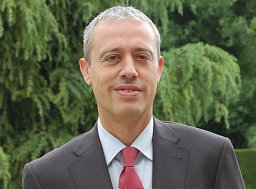 Antonio Ariza-Montes合作论文数From the Department of Business Management (Dr Ariza-Montes),, Universidad Loyola Andalucía;Department of Business Management (Dr Leal-Rodríguez),, Universidad Loyola Andalucía;and Department of Business Management and Marketing (Dr Leal-Millán, Universidad de Sevilla;Universidad Loyola Andalucía, Universidad de Sevilla6sharifullah baig合作论文数5k veena合作论文数5
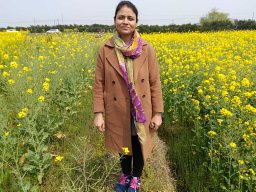 Dr Afsheen Zehra合作论文数Institute of Sustainable;Halophyte Utilization;University of Karachi;Institute of Sustainable|Halophyte Utilization, University of Karachi5fozia tabbassum合作论文数4
 Babar Hussain合作论文数4
 Abdullah Mohamed合作论文数Res Ctr, Future Univ Egypt4
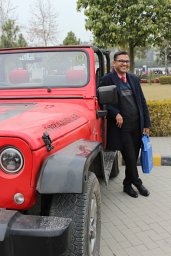 Mudassar Ali合作论文数Harbin Inst Technol, Sch Management, Harbin, Peoples R China4
 Muthyala Ramaiah合作论文数Department of Chemistry, Wayne State University Detroit4
 Salim Khan合作论文数School of Management, Jiangsu University3Jingwei Liu合作论文数3
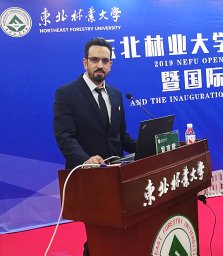 Muhammad Zada合作论文数Business Sch, Henan Univ3
 Araya-Castillo Luis合作论文数ESADE Business School, Ramon Llull University3
 Arif Zubair合作论文数Department of Environmental Sciences, Federal Urdu University of Arts, Science & Technology3
 m imran nasir合作论文数2
 Alejandro Vega-Munoz合作论文数2Shagufta Zada合作论文数2
 Yongjun Zhang (张永军)合作论文数Business School, Henan University2Muhammad Zaheer Khan合作论文数1Dilshad Ahmed合作论文数1
 Dr Wajid Alim合作论文数1Muhammad Asif Chuadhry合作论文数1Ikram Ullah合作论文数1Abdul Qayyum合作论文数1Zhongliang Cui合作论文数1khush funer murtaza合作论文数1S Hanu Rakavi合作论文数1darakhshan abbas合作论文数1
 Aman Ullah合作论文数1
 Zaheer MD Khan合作论文数1Shivakumar Bs合作论文数1
 Zhenduo Zhang (张振铎)合作论文数School of Economics and Management, Dalian University of Technology1
 Saqib Yaqoob Malik合作论文数Coll Econ & Management, Northeast Forestry Univ1
 Saima Siddiqui合作论文数1Uzma Khan合作论文数1
 Amr Mamdouh合作论文数Architectural Dept, Future Univ Egypt1R. M. Ammar Zahid合作论文数1R H Aswathy合作论文数1
 Maqsood Haider合作论文数Dept Management Sci, FATA Univ1
 Adnan Muhammad Shah合作论文数Harbin Inst Technol, Harbin, Heilongjiang, Peoples R China1
 Wajid Khan合作论文数Department of Business Management, University of Baltistan1
 Muhammad Rais合作论文数Herpetol Lab, Arid Agr Univ Rawalpindi1Shakir Ullah合作论文数Dept Anthropol, SYSU1Afed Ullah Khan合作论文数1Yasir Hayat Mughal合作论文数1
 Usman T. Khan合作论文数Corresponding author.1




