BACKGROUND:Despite reports of favorable short- and mid-term outcomes with direct plantar plate repair, there is scarce data in the literature with follow up greater than two years. PURPOSE:To examine long-term clinical and patient-reported outcomes with isolated 2nd metatarsophalangeal joint (MTPJ) dorsal approach plantar plate repair STUDY DESIGN: Prospective cohort of consecutive patients METHODS: Data were longitudinally collected from patients undergoing 2nd MTPJ dorsal approach plantar plate repair for metatarsalgia in our practice from November 2011 to March 2012. Outcomes included a structured clinical assessment, VAS for pain and Foot and Ankle Outcome Scores (FAOS) at two years and 9+ years post-operatively. RESULTS:Fifty-three consecutive patients (53 joints; 50 women, 3 men) with mean age of 58.2 ± 9.8 years completed a two-year follow up exam demonstrating normalized toe position, strength, range of motion and stability. Eighteen patients developed post-operative dorsal joint arthrofibrosis and 16 elected for a minor percutaneous soft tissue release on the toe prior to this follow up visit. FAOS scores were significantly improved in 3 of 5 domains at two years. Thirty-two (32/53, 60%) patients completed assessments at a median 9.6 years post-operatively. At this time, scores were significantly improved from both baseline and 2 years in all 5 FAOS domains. Seventy-eight percent (25/32) of patients reported they were satisfied or extremely satisfied and would have the procedure again. CONCLUSION:The 2nd MTPJ dorsal approach plantar plate repair appears to be safe and effective at alleviating pain and restoring function at long-term follow up. LEVEL OF CLINICAL EVIDENCE:Therapeutic level 4.
Introduction: Offloading adherence (OA) is critical for diabetic foot ulcer (DFU) healing. This report investigated whether DFU patients with low overall OA (<20%) limit offloading device usage to days they come to the clinic. Methods: Activity monitors measured OA 24 h/day. Daily walking and standing OA were calculated for up to four weeks, and participants self-reported their cumulative adherence. Each day was classified as to whether a DFU-related clinic visit occurred. Results: Four participants from an ongoing RCT were identified with <20% overall adherence, despite self-reporting 65-80% adherence. Most days they did not wear their devices at all, while the majority of wear-days coincided with footcare visits. Conclusions: This report describes a cohort that had low daily OA yet consistently wore their devices to the clinic and self-reported inflated OA. To improve OA and DFU healing, more research is needed to understand this phenomenon and help clinicians ascertain adherence during patient encounters.
Studies have shown that non-home discharge following orthopedic procedures is associated with a higher risk of 30-day complications and significantly increases medical costs. The purpose of this study was to identify risk factors for being discharged to a non-home destination following total ankle arthroplasty (TAA). We included patients undergoing TAA from the American College of Surgeons National Surgical Quality Improvement Program database (NSQIP) between 2014 and 2019. TAA was identified using CPT codes 27702, 27703 and 27704. Logistic regression models were used to assess the association between discharge location (home versus non-home) and a series of exposure variables (e.g., patient demographics, patient health characteristics, and operative factors). A total of 1,704 patients were included, experiencing a 3.6% short term complication rate (61/1,704). 8.5% of the population were discharged to a non-home destination. In the final adjusted model, patients who were older [OR 1.11; 95%CI 1.08, 1.13], female [OR 2.94; 95%CI 2.04, 4.34], obese [OR 1.93; 95%CI 1.29, 2.89], had surgery in an inpatient setting [OR 5.73; 95%CI 1.78, 18.46], and ASA class IV [OR 10.65; 95%CI 1.03, 110.61] were at greater risk for a non-home discharge. People living with obesity experienced a nearly 2x greater likelihood of being discharged to a non-home destination after TAA despite their preoperative functional (e.g., ASA class) and metabolic status (i.e., diabetes). Opportunities to mitigate this risk will be needed to lessen the financial burden of TAA surgery as a growing number of obese patients become eligible for TAA in the US.
This study provides an in-depth exploration of patient expectations with hallux valgus surgery using a qualitative approach. Twenty patients awaiting surgery for symptomatic hallux valgus completed a 20-minute semi-structured interview to elicit rich, nuanced information regarding their expectations for bunion surgery. Interviews were transcribed and independently coded by three reviewers. Codes were combined and analyzed by three reviewers to produce over-arching themes that represented patients' goals for surgery. Pain and activity were key decision making factors influencing both the decision to pursue surgery and in defining surgical success. Many participants feared worsening pain and progression of deformity if left untreated. Cosmetic appearance was an important concern, but was secondary to pain, activity and functional ability. Participants valued clear, comprehensive instructions from their care team regarding their immediate postoperative care. Lastly, we observed wide variability in expectations regarding the postoperative recovery timeline, suggesting a greater need for providing rehabilitation timelines that better align expectations with clinical reality. These findings provide evidence that hallux valgus deformity, in the eyes of our patients, is a disabling musculoskeletal condition which can substantially restrict daily activities. Additionally, this work offers insight into patients' goals and motivations for pursuing hallux valgus surgery and highlights potential areas for improved dialog during preoperative consultations.
The purpose of this study was to identify if complicated open reduction internal fixation (ORIF) of calcaneal fractures (i.e. requiring bone graft) performed in the outpatient setting poses an excess risk for 30-day complications compared to inpatient procedures. We included patients who underwent ORIF of the calcaneus involving the use of bone graft utilizing CPT code 28420 from the American College of Surgeons National Surgical Quality Improvement Program database (ACS-NSQIP) between 2014 and 2019. Postoperative complications, demographic data, patient characteristics, and operative factors were compared between groups. T-tests were performed to assess univariate associations between outpatient status and surgical/patient demographics for continuous variables while chi-squared tests were performed to evaluate categorical variables. A total of 113 patients were included, experiencing a 2.6% short term complication rate (3/113). All 3 complications occurred in the outpatient setting. 51.3% of surgeries were performed on an inpatient basis. In the univariate analysis, there were no statistically significant differences between inpatient and outpatient 30-day postoperative complication rates. Although more complications were recognized in the outpatient population, this did not reach statistical significance and suggests that complicated calcaneal ORIF procedures involving bone graft may be performed in the outpatient setting without posing an excess risk.
BACKGROUND:Total ankle arthroplasty (TAA) utilization has significantly increased in the US in recent years, and current studies examining surgeon specialty and TAA outcomes are limited. PURPOSE:To explore the effect of surgeon specialty on long-term TAA survivorship and short-term postoperative complications STUDY DESIGN: Retrospective cohort study and time-to-event analysis METHODS: Using a large, national claims database (PearlDiver, Inc.) with more than 170 million patient files we examined the association of surgeon specialty (podiatric surgeon vs. other) on adverse patient outcomes from January 2010 to April 2023. Relevant covariates were adjusted for using multivariable Cox and logistic regression models. RESULTS:There were 16,485 people who underwent TAA for a cumulative rate of 9.7 per 100,000. Surgeon specialty was known for 13,514 TAA surgeries. There were 714 revisions corresponding to a revision rate of 0.053 (714/13,514) over the 13-year study period. Patients who underwent TAA by podiatric surgeons were no more likely to experience revision surgery than those undergoing TAA by other surgeon specialties (adjusted hazards ratio [HR] 0.84, 95 % CI 0.46 to 1.53, p = 0.57). Furthermore, the risk of readmission (adjusted odds ratio [OR] 1.0, 95 % CI 0.77 to 1.30), infection (adjusted OR 0.91, 95 % CI 0.77 to 1.07), and venous thromboembolism (adjusted OR 0.83, 95 % CI 0.61 to 1.09) within the first 90 days postoperatively did not differ among surgeon specialty. CONCLUSION:This information may be of interest to third party payers, health administrators, and healthcare consumers.
Falls are now the leading cause of injury-related deaths in the US among older adults. While foot/ankle pain, osteoarthritis and limited ankle joint range of motion serve as independent risk factors for falls in older adults, it is uncertain whether surgical correction of ankle osteoarthritis via total ankle arthroplasty (TAA) can mitigate this risk. In this retrospective cohort study, we examined US adults aged 50 and over who underwent TAA from January 2010 to April 2022 using commercial, state, and federal claims data obtained via PearlDiver, Inc. The surgery group was compared to a similar sample of older adults who were treated nonoperatively for foot and ankle osteoarthritis over the same time frame. Cox proportional hazards regression models were utilized to examine the association of surgery and an injurious fall while controlling for important covariates. In the first year of follow-up, a greater proportion of people fell in the non-surgery group (31%, 41,049/130,318) than in the surgery group (27%, 177/664) (chi-square p<0.01). Furthermore, patients who underwent TAA were 51% less likely (adjusted HR 0.491, 95%CI 0.381 to 0.634) to fall over the 11+ year follow-up compared to those living with foot and ankle osteoarthritis without TAA. Our findings suggest TAA is safe in older adults, and that ankle osteoarthritis may be a surgically modifiable risk factor for falls.
A well-conducted prospective cohort study has the potential to change the way in which surgeons practice. However, not all are equal. In this article, we provide many of the tools needed to critically appraise this powerful study design. We advocate for using a 3-step approach that centers on understanding the study’s generalizability, results, and validity. We illustrate how this process is applied into practice regularly at our hospital section’s journal club sessions.
A cost-effectiveness analysis (CEA) is a type of health economics model that uses a systematic approach to simplify the complexities that exist in health-care decision-making. A CEA aids in medical decision-making by considering both the costs of a treatment and how effective that treatment is for at least 2 competing strategies. This article reviews major concepts of CEA including results interpretation, key attributes of CEA that make it differ from cost analysis , uncertainty surrounding analysis, and how/why CEA is an important contributor to the medical literature.
Introduction: Physical stress is a key factor in diabetic foot ulcer (DFU) formation and healing. However, knowledge on the association of stress with DFU is still limited due to the complexities in quantifying the magnitude of stress imparted on feet over 24hr periods. This project utilized novel methods to quantify the daily cumulative stress (CS) applied to active DFU. Methods: Plantar pressures were measured in participants with DFU while walking offloaded with a removable cast walker and while walking unshod (Figure 1). Similar measurements were made while participants stood still. Pressure values (pressure time integral) were paired with steps/day & standing time/day over a one-month period during which adherence with the cast walker was objectively monitored via accelerometry. Results: For a sample of 5 DFU patients the following median and ranges were found for the 4 components to CS: offloading adherent walking 80.9 MPa*s/day (9.9 - 126.7); non-adherent walking 69.0 MPa*s/day (28.5 - 156.5; offloading adherent standing 313.8 MPa*s/day (25.5 - 649.6); non-adherent standing 341.8 MPa*s/day (165.6 - 500.2). Conclusion: The methodology developed is the most comprehensive assessment of foot loading in patients’ daily lives to date. In accordance with past work showing DFU patients spend more time standing than walking each day, standing contributed more to the daily CS than walking. Disclosure R.T. Crews: Other Relationship; OPED Medical. S. Jhaveri: None. S.V. Yalla: None. A.E. Fleischer: None. S.A. Miller: None. A.J. Boulton: None. N.J. Rosenblatt: None. Funding National Institutes of Health Award Number (R01DK131303)
BACKGROUND:Surgery is a common setting for opioid-naive patients to first be exposed to opioids. Understanding the multimodal analgesic-prescribing habits of podiatric surgeons in the United States may be helpful to refining prescribing protocols. The purpose of this benchmark study was to identify whether certain demographic characteristics of podiatric surgeons were associated with their postoperative multimodal analgesic-prescribing practices.METHODS:We administered a scenario-based, voluntary, anonymous, online questionnaire that consisted of patient scenarios with a unique podiatric surgery followed by a demographics section. We developed multiple logistic regression models to identify associations between prescriber characteristics and the odds of supplementing with a nonsteroidal anti-inflammatory drug, regional nerve block, and anticonvulsant agent for each scenario. We developed multiple linear regression models to identify the association of multimodal analgesic-prescribing habits and the opioid dosage units prescribed at the time of surgery.RESULTS:Eight hundred sixty podiatric surgeons completed the survey. Years in practice was a statistically significant variable in multiple scenarios. Compared with those in practice for more than 15 years, podiatric surgeons in practice 5 years or less had increased odds of reporting supplementation with an anticonvulsant agent in scenarios 1 (odds ratio [OR], 2.4; 95% confidence interval [CI], 1.11-5.18; P = .03), 3 (OR, 2.97; 95% CI, 1.55-5.68; P = .001), 4 (OR, 2.54; 95% CI, 1.56-4.12; P < .001), and 5 (OR, 2.07; 95% CI, 1.29-3.32; P = .003).CONCLUSIONS:Podiatric surgeons with fewer years in practice had increased odds of supplementing with an anticonvulsant. Approximately one-third of podiatric surgeons reported using some form of a nonopioid analgesic and an opioid in every scenario. The use of multimodal analgesics was associated with a reduction in the number of opioid dosage units prescribed at the time of surgery and may be a reasonable adjunct to current protocols.
There are over 350,000 bunion surgeries performed in the USA annually, making it one of the most common elective forefoot surgeries. Studies have suggested that as many as 10% of patients remain dissatisfied after bunion surgery. The purpose of this study is to evaluate if radiographic variables are associated with patient satisfaction at 1 year postoperatively. We performed a secondary analysis of prospectively collected data on 69 consecutive adult patients (mean age 45 ± 14 years, 91% female [63/69]) who underwent isolated hallux valgus surgery from January 2016 to January 2017. Subjects completed a standardized 4-item survey inquiring about their satisfaction with regards to pain relief, overall operative result, cosmetic appearance, and ability to wear desired shoe gear. Conventional radiographic indices for hallux valgus were examined preoperatively and 3 months postoperatively. An association model using backward stepwise logistic regression was utilized to determine which variables, if any, are most important in explaining patient satisfaction after surgery. Sixty-nine subjects completed the 4-item satisfaction survey with 53.6% (37/69) of subjects answering they were fully satisfied on all aspects of the survey at 12 months postoperatively. In the final regression model, no radiographic or demographic variables were associated with patient satisfaction including shoe gear, cosmetic appearance, pain relief, and overall operative result. Radiographic variables did not appear to be associated with patient satisfaction at one year postoperatively in our study. Factors such as quality of life, anxiety levels, fear of surgery, and/or preoperative expectations may offer more insight into satisfaction; however, further research should be performed to examine this further.
Hammertoes with greater preoperative transverse plane deformity are more likely to recur after corrective surgery; however, it is unclear whether this represents an inherent (fixed, nonmodifiable) risk, or whether steps can be taken intraoperatively to mitigate this risk. In this study, we examined whether transverse plane transposition and/or shortening of the second metatarsal during second hammertoe surgery influenced recurrence. We performed a secondary analysis of pre-existing data from patients that had previously undergone second hammertoe surgery at our institution between January 1, 2011 and December 31, 2013. One hundred two patients (137 toes) were followed for a mean 28 ± 7.8 months postoperatively. Thirty-seven toes required, at the surgeon's discretion, an additional/concomitant Weil metatarsal osteotomy. Magnitude of transverse plane transposition and shortening of the second metatarsal, and joint angular measurements were obtained from the second metatarsophalangeal joint on weightbearing AP radiographs preoperatively and at 6 to 10 weeks postoperatively. Cox regression analysis was used to identify predictors of hammertoe recurrence using these new variables and a set of known predictors. In the final regression model, failure to establish a satisfactory postoperative metatarsal parabola (i.e., long second metatarsal; Nilsonne values <-4 mm, multivariate hazards ratio [HR] 1.96, p = .097), and intraoperative lateral transposition of the metatarsal head (multivariate HR 3.45, p = .028) seemed to confer additional risk for hammertoe recurrence. We conclude that shortening osteotomies may be assistive in some individuals, while further inquiry is still needed to determine whether similar benefits can be derived from medial head transposition in medial toe deformities.
Treatment of subacute and chronic heel pain often presents a unique challenge to the physician. Regenerative therapies, such as injectable amnion and connective tissue matrix, may represent a promising new approach in these patients, and have become increasingly popular in the United States. However, little literature exists evaluating these injections compared to conventional nonoperative means. As such, we designed a retrospective comparative study evaluating patients in our practice who received a standardized plantar fascial treatment protocol only (standard therapy), and those who received regenerative plantar fascial injections in addition to standard therapy. A total of 54 patients were followed over a 3-month observation period (91.7 ± 73.9 days), with numeric pain rating (NPR) serving as the primary outcome. Both groups saw an improvement in NPR at the end of the observation period, but patients in the regenerative therapy group demonstrated lower pain scores than those receiving standard therapy alone (mean NPR 2.1 ± 2.3 vs 4.4 ± 2.8, p = .004). Additionally, those in the standard therapy group were significantly more likely to proceed onto surgical intervention compared to the regenerative therapy group (unadjusted odds ratio 15.6, 95% CI 3.0-27.9). The use of regenerative injections for subacute and chronic plantar fasciitis showed promise in our study, and may help mitigate against the need for invasive surgical intervention.
Stress fractures of the foot are often preceded by magnetic resonance imaging evidence of bone marrow edema. While new evidence suggests intraosseous injection of calcium phosphate ("subchondral stabilization") can alleviate symptoms associated with bone marrow edema, no data yet exist regarding its use in developing mid- and forefoot stress fractures. Fifty-four patients who underwent subchondral stabilization of various midfoot/forefoot bones in our practice were observed over a 5-year period. All patients were unresponsive to standard nonoperative measures for at least 6 weeks, and all had clinical exams and advanced imaging consistent with a Kaeding-Miller Grade II stress fracture. Forty patients were included with a mean age of 54.3 ± 14.9 years and mean follow-up of 14.1 ± 6.9 months. Patients saw a significant decrease in visual analog scale (VAS) pain as early as 1 month postoperatively (p < .05). Mean postoperative VAS at 12 months was 2.11 ± 2.50, and mean reduction in VAS pain from preoperative to 12 months postoperative was -5.00 (95% CI -3.44 to -6.56, p < .05). Fourteen patients (34%, 14/41) were entirely pain free at 12 months. Higher preoperative VAS pain scores (unadjusted odds ratio [OR] 2.13 [95% CI 1.20-3.77], p = .010) and treatment of more than 1 bone (unadjusted OR 6.23 [95% CI 1.39-27.8], p = .017) were associated with a greater likelihood of not achieving a pain free status at 12 months. Our initial experience with subchondral stabilization suggests the procedure may be safe and effective for use in many Kaeding-Miller Grade II stress fractures of the mid- and forefoot.
Background: Ingrown toenails are a common condition requiring outpatient procedures in podiatric medical clinics. To prevent recurrence, chemical matrixectomy is often recommended. Postprocedural pain management is largely based on preferences rather than on a formal guideline. This study aims to explore the postprocedural prescribing behavior among practicing podiatric physicians to foster future guideline and policy development. Methods: We administered an open, voluntary, anonymous questionnaire via an online survey platform that included a common nail procedure scenario (chemical matrixectomy) and a prescribed demographics section. Podiatric physicians were asked what they would prescribe to manage postprocedural pain. Opioid and nonopioid options were provided. We developed two multiple logistic regression models to identify associations between prescriber characteristics and prescribing opioids after "standard" chemical matrixectomy.Results: Of the 860 podiatrists who completed the survey, 8.7% opted to prescribe an opioid. Hydrocodone was most commonly chosen. A median of 18 opioid pills were prescribed. No prescriber characteristics were associated with prescribing opioids after chemical matrixectomy scenario. There is a large discrepancy and knowledge gap in the literature on the optimal postprocedural pain management for outpatient procedures, including procedures in specialties such as dentistry and dermatology. The median number of opioids prescribed by podiatrists is higher than that by dentists for management of third molar extraction. In contrast, opioid-prescribing behavior among the 8.7% of respondents is similar to dermatologic management of postprocedural pain in Mohs surgery. Conclusions: Podiatric physicians cannot assume that their prescribing of opioids does not affect the opioid abuse problem in the United States. The presented study serves to be an initiation for procedure-specific opioid prescription benchmarking to foster future guideline and policy development. After nail procedures, opioids should not be routinely prescribed. (J Am Podiatr Med Assoc 113(3), 2023)
Background: Approximately 3,900 Americans die every month of opioid overdose. The total economic burden of the opioid epidemic is estimated to be more than $78 billion annually. We sought to determine whether postoperative opioid-prescribing practice variation exists in foot and ankle surgery. Methods: We administered a voluntary, anonymous, online questionnaire consisting of six foot and ankle surgery scenarios followed by a demographics section. The purpose of the demographics section was to gather characteristics of podiatric foot and ankle surgeons. We invited podiatric foot and ankle surgeons practicing in the United States to complete the questionnaire via e-mail from the American Podiatric Medical Association’s membership list. For each scenario, respondents selected the postoperative opioid(s) that they would prescribe at the time of surgery, as well as the dose, frequency, and number of “pills” (dosage units). We developed multiple linear regression models to identify associations between prescriber characteristics and two measures of opioid quantity: dosage units and morphine milligram equivalents. Results: Eight hundred sixty podiatric foot and ankle surgeons completed the survey. The median number of dosage units never exceeded 30 regardless of the foot and ankle surgery. Years in practice correlated with reduction in dosage units at the time of surgery. Compared with the orthopedic community, podiatric foot and ankle surgeons prescribe approximately 25% less dosage units than orthopedic foot and ankle surgeons. Conclusions: Postoperative opioid-prescribing practice variation exists in foot and ankle surgery. Further research is warranted to determine whether additional education is needed for young surgeons.
BACKGROUND:Ingrown toenails are a common condition requiring outpatient procedures in podiatric medical clinics. To prevent recurrence, chemical matrixectomy is often recommended. Postprocedural pain management is largely based on preferences rather than on a formal guideline. This study aims to explore the postprocedural prescribing behavior among practicing podiatric physicians to foster future guideline and policy development.METHODS:We administered an open, voluntary, anonymous questionnaire via an online survey platform that included a common nail procedure scenario (chemical matrixectomy) and a prescribed demographics section. Podiatric physicians were asked what they would prescribe to manage postprocedural pain. Opioid and nonopioid options were provided. We developed two multiple logistic regression models to identify associations between prescriber characteristics and prescribing opioids after "standard" chemical matrixectomy.RESULTS:Of the 860 podiatrists who completed the survey, 8.7% opted to prescribe an opioid. Hydrocodone was most commonly chosen. A median of 18 opioid pills were prescribed. No prescriber characteristics were associated with prescribing opioids after chemical matrixectomy scenario. There is a large discrepancy and knowledge gap in the literature on the optimal postprocedural pain management for outpatient procedures, including procedures in specialties such as dentistry and dermatology. The median number of opioids prescribed by podiatrists is higher than that by dentists for management of third molar extraction. In contrast, opioid-prescribing behavior among the 8.7% of respondents is similar to dermatologic management of postprocedural pain in Mohs surgery.CONCLUSIONS:Podiatric physicians cannot assume that their prescribing of opioids does not affect the opioid abuse problem in the United States. The presented study serves to be an initiation for procedure-specific opioid prescription benchmarking to foster future guideline and policy development. After nail procedures, opioids should not be routinely prescribed.
There is growing interest in adopting validated and reliable patient-reported outcome measures following surgery. While the Foot and Ankle Outcome Score (FAOS) has previously been validated for use in multiple foot/ankle conditions, it has not yet been validated in patients with infracalcaneal heel pain. In this study we aimed to validate the FAOS by looking at 4 psychometric properties of the survey: construct validity, content validity, reliability, and responsiveness, using patients in our practice with a clinical diagnosis of plantar fasciitis. A total of 150 patients (mean age 49.7 ± 12.1 years [36 men and 114 women]) were included in one or more of the 4 components of this study. All FAOS subscales demonstrated adequate construct validity when compared with the physical health component of the 12-Item Short Form Health Survey (SF-12), and 2 out of 5 subscales demonstrated moderate correlation with the mental health component of SF-12 (all Spearman rho >0.3, and p values <0.05). Most FAOS subscales demonstrated content validity and were found to contain relevant questions from the patient's perspective. All 5 subscales demonstrated good test-retest reliability with intraclass correlation coefficients ≥ 0.827. Finally, 4 out of the 5 subscales (all but other symptoms) were responsive to change at a mean follow up of 12.2 months after surgery (p < .05). We conclude that the FAOS is a responsive, reliable, and valid instrument for use in infracalcaneal heel pain. We believe that due to its ease of use and broad applicability, the FAOS could be more widely adopted in foot/ankle practices as patient-centered healthcare delivery and research becomes increasingly prioritized in the US and abroad.
BACKGROUND:Previous literature has suggested both MRI and ultrasound can accurately diagnose plantar plate tears. There is a significant cost difference between these two modalities, sparking interest for which should be the preferred method for diagnosis.PURPOSE:The purpose of this study was to examine the diagnostic accuracy of MRI and dynamic, musculoskeletal ultrasound for lesser metatarsal plantar plate injuries using a systematic review and meta-analysis.METHODS:MEDLINE, CINAHL, and Clinicaltrials.gov were searched thru May 2020. We included studies evaluating the diagnostic accuracy of MRI or ultrasound for detecting plantar plate tears, using intraoperative confirmation as the gold standard comparison. Sensitivity and specificity were obtained and pooled from included studies. Summary receiver operating curves were formed for each diagnostic test to compare accuracy. Study quality was assessed using the QUADAS-2 scoring system.RESULTS:Eleven studies met our inclusion criteria, representing 227 plantar plates for MRI and 238 plantar plates for ultrasound. MRI displayed a pooled sensitivity of 89% (95% CI 0.84, 0.93) and specificity of 83% (95% CI 0.64, 0.94). Ultrasound displayed a sensitivity and specificity of 95% (95% CI 0.91, 0.98) and 52% (95% CI 0.37, 0.68), respectively.CONCLUSION:MRI was superior to ultrasound in diagnosing plantar plate injuries overall, however, ultrasound was more sensitive than MRI, suggesting a negative ultrasound would likely rule out a plantar plate injury in the presence of an equivocal physical exam. Determining the grade of the injury is best served with MRI which can provide added insight into the joint's supporting structures (e.g. collateral ligaments) and integrity.
 Lowell Weil合作论文数33
 Albright Rachel合作论文数31
 Erin E Klein合作论文数30
 Sorensen Matthew D合作论文数11
 Ryan T. Crews合作论文数College of Podiatric;Rosalind Franklin University of Medicine and Science;College of Podiatric, Rosalind Franklin University of Medicine and Science10
 Jeffrey Baker合作论文数8Joseph Robert合作论文数7
 Bijan Najafi合作论文数Department of Surgery, School of Medicine, University of California, Los Angeles;Center for Advanced Surgical & Interventional Technology, University of California, Los Angeles;Rice University7Richmond Robinson合作论文数6Michael Matthews合作论文数6
 Sai Vikas Yalla合作论文数Center for Lower Extremity Ambulatory Research (CLEAR),, Rosalind Franklin University of Medicine and Science6James S Wrobel合作论文数Center for Lower Extremity Ambulatory Research (CLEAR), Rosalind Franklin University of Medicine & Science6
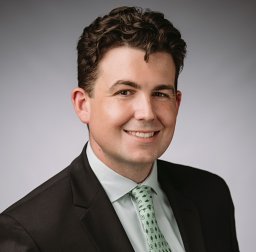 Brandon M Brooks合作论文数§Wm. Jennings Bryan Dorn VA Medical Center5
 Grewal Gurtej S合作论文数College of Medicine, University of Arizona5
 David G. Armstrong合作论文数Keck School of Medicine, University of Southern California5Craig Wirt合作论文数4Shirley Chen合作论文数3Manali Chingre合作论文数3Waverly Brett J合作论文数3Barbosa Carolina合作论文数RTI International3
 Dane Wukich合作论文数Department of Orthopaedic Surgery, University of Texas Southwestern Medical Center3Peter Kallio合作论文数2Bradley M. Brooks合作论文数2Alisha Joshi合作论文数2Jessica Knight合作论文数2Alyse Acciani合作论文数2Jacob M Jones合作论文数2
 Michael Bowen合作论文数2
 Chia-Ding Shih合作论文数Calif Sch Podiatr Med, Samuel Merritt Univ2
 Rosenblatt Noah J合作论文数Department of Kinesiology and Nutrition, University of Illinois at Chicago2
 Nicholas Argerakis合作论文数2
 Beth D Jarrett合作论文数2Berns Dana合作论文数2Feuerstein Catherine A合作论文数2Parsley Nancy L合作论文数2Leland Jaffe合作论文数1
 Marco Avalos合作论文数1
 Jason B Woods合作论文数1John Baca合作论文数1Brett D. Sachs合作论文数1Timothy P. McConn合作论文数1Troy J. Boffeli合作论文数1Tahir Khan合作论文数1Neathie Patel BS合作论文数1Summer E.S. Bochat合作论文数1Adam J. Teichman合作论文数1
 Harry Schneider合作论文数1Bradley P. Abicht合作论文数1Robert Garcia合作论文数1




