XLS file - 14K, Clincal characteristics of the 237 patients by treatment received for whom pathologic tumor reponse is available.
XLS file - 57K, Top 206 candidate probesets on the U133A array with logistic regression interaction p-value<0.05 for the gene-treatment interaction effect that could differentially predict response by treatment arm.
XLS file - 15K, DLDA30 probe set interaction with treatment using logistic regression.
XLS file - 15K, Statistical power of the study under various possible response outcomes.
The purpose of the present study is to evaluate safety, human radiation dosimetry, and optimal imaging time of [89Zr]trastuzumab in patients with HER2-positive breast cancer.
Advances in DNA sequencing provide the potential for clinical assays that are timely and affordable and use small amounts of clinicalmaterial. The hypothesis has therefore been raised thatmarked improvements in patient outcomeswill result whenDNAdiagnostics arematched to an armamentariumof targeted agents. While this may be partially true, much of the novel biology uncovered by recent sequencing analysis is poorly understood and not druggable with existing agents. Significant other challenges remain before these technologies can be successfully implemented in the clinic, including the predictive accuracy of pathwaybased models, distinguishing drivers from passenger mutations, development of rational combinations, addressing genomic heterogeneity, and molecular evolution/resistance mechanisms. Developments in regulatory science will also need to proceed in parallel to scientific advances so that targeted treatment approaches can be delivered to small subsets of patients with defined biology and drug reimbursement is available for individuals whose tumor carries a mutation that has been successfully targeted in another malignancy, as long as they agree to participate in an outcome registry. Clin Cancer Res; 19(23); 6371–9.
Abstract Purpose: Translating the cancer genome into highly efficacious targets to guide rational therapeutic combinations is a major emerging challenge. Methods: We established an in silico bioinformatic platform in parallel with a high throughput screening platform evaluating the pharmacological activity of 37 novel targeted agents across 669 highly characterized cell lines representing the genetic and tumor-type heterogeneity of human cancers. Analysis of large scale pharmacological data coupled to massive sequencing data on cell lines was performed to systematically identify combinatorial biomarkers of sensitivity and resistance to cancer therapeutics. Genomic predictors discovered in a 141 cell line training set were validated in an independent non-overlapping test set of 359 cell lines screened on 14 of the compounds. Results: We demonstrate combinations of genomic events that are co-occurring or mutually exclusive and act as co-drivers in various tumors, representing potential targets for combinatorial intervention in cancer. We find that multiple cooperating genomic events predict response to drug intervention independent of tumor lineage. Conclusions: The coupling of scalable in silico and functional high throughput cancer cell line platforms for the identification of co-events in cancer delivers rational combinatorial targets for synthetic lethal approaches with a high potential to prevent the emergence of resistance. Citation Format: Adel Tabchy, Nevine Eltonsy, Gordon B. Mills. Systematic identification of combinatorial markers of drug sensitivity in cancer cell lines. [abstract]. In: Proceedings of the 104th Annual Meeting of the American Association for Cancer Research; 2013 Apr 6-10; Washington, DC. Philadelphia (PA): AACR; Cancer Res 2013;73(8 Suppl):Abstract nr 2218. doi:10.1158/1538-7445.AM2013-2218
Advances in DNA sequencing provide the potential for clinical assays that are timely and affordable and use small amounts of clinical material. The hypothesis has therefore been raised that marked improvements in patient outcomes will result when DNA diagnostics are matched to an armamentarium of targeted agents. While this may be partially true, much of the novel biology uncovered by recent sequencing analysis is poorly understood and not druggable with existing agents. Significant other challenges remain before these technologies can be successfully implemented in the clinic, including the predictive accuracy of pathway-based models, distinguishing drivers from passenger mutations, development of rational combinations, addressing genomic heterogeneity, and molecular evolution/resistance mechanisms. Developments in regulatory science will also need to proceed in parallel to scientific advances so that targeted treatment approaches can be delivered to small subsets of patients with defined biology and drug reimbursement is available for individuals whose tumor carries a mutation that has been successfully targeted in another malignancy, as long as they agree to participate in an outcome registry. Clin Cancer Res; 19(23); 6371–9. ©2013 AACR.
11013 Background: Massive parallel sequencing provides high numbers of cell-free nucleic acid serum DNA sequences (cfDNA) that can detect trace amounts of tumor derived chromosomal imbalances and copy number variations (CNVs) in patients with cancer. The aim of this study was to determine if there is a difference between the cfDNA CNVs from patients with breast cancer (BrCa) compared to healthy controls. Methods: DNA extracted from serum samples of 225 BrCa (Stage 1 to 4) and 205 gender and age-matched healthy controls (HC) was amplified using random primers, tagged with a unique molecular identifier per sample, sequenced on an Illumina HiSeq system and aligned to the human genome (Build 37). Hits were counted in sliding 1Mbp interval regions and normalized. Using a Random-Resampling procedure, a model was established to distinguish BrCa from HC using the copy number variations (CNV) and cross validated. Results: From 1,100 rounds of random resampling (50/50), a set of 31 regions was selected, based on the frequency of occurrence in the models. Using 20 random sets of a 10-fold cross validation, the selected regions were found to be highly significant discriminators between BrCa and HC (p<10-5). When using a final linear model with 16 regions the AUC of a diagnostic ROC curve was found to be 0.895 for all samples, for Stage I and II the AUC was 0.86 compared to 0.93 for the higher stages. The final model included three regions from chromosome 8 and 1 and two regions from chromosome 15, the remaining regions were found as one per chromosome. Conclusions: Using comparative massive parallel sequencing of cfDNA from cancer patients vs. controls, we were able to show that a 16-region model based on CNV, is useful to distinguish patients with breast cancer from matched controls. Genomic instabilities that are shed into the circulation from breast cancer may play a role in screening, monitoring or as companion diagnostic tests in breast cancer.
There is an urgent need to elicit and validate highly efficacious targets for combinatorial intervention from large scale ongoing molecular characterization efforts of tumors. We established an in silico bioinformatic platform in concert with a high throughput screening platform evaluating 37 novel targeted agents in 669 extensively characterized cancer cell lines reflecting the genomic and tissue-type diversity of human cancers, to systematically identify combinatorial biomarkers of response and co-actionable targets in cancer. Genomic biomarkers discovered in a 141 cell line training set were validated in an independent 359 cell line test set. We identified co-occurring and mutually exclusive genomic events that represent potential drivers and combinatorial targets in cancer. We demonstrate multiple cooperating genomic events that predict sensitivity to drug intervention independent of tumor lineage. The coupling of scalable in silico and biologic high throughput cancer cell line platforms for the identification of co-events in cancer delivers rational combinatorial targets for synthetic lethal approaches with a high potential to pre-empt the emergence of resistance.
Abstract Sequence analysis and quantitative allele specific PCR (QPCR) methods permit genetic profiling of cancer for targeted therapeutic selection; such personalized treatments have been associated with improved outcomes in cancer. Circulating tumor cells (CTC) offer a minimally-invasive opportunity for serial patient sampling, and potentially a means of tracking the molecular evolution that underlies the behavior and response phenotype of the disease including potential therapeutic response markers. Acquiring these types of patient profiles requires a platform and workflow providing reliable detection and recovery of small numbers of mutation-bearing CTC from a blood sample. Availability of such an enabling platform is a necessary prerequisite to the clinical correlation studies needed to demonstrate the utility of mutation-bearing CTC to patient care. We have successfully purified CTCs and converted them into DNA template of sufficient purity and quality to support multiple non-overlapping advanced molecular characterizations. Beginning with whole human blood spiked with defined numbers of cultured cancer cells as surrogates for CTCs, cells were successfully fluid-phase labeled using an anti-EpCAM antibody ferrofluid. Using a proprietary microfluidic sheath flow technology, EpCAM positive, cytokeratin staining cells were selected from 2 to 4 ml of labeled blood. This method produced sufficient DNA template for multiple analyses per patient sample. QPCR analysis of these templates demonstrated reproducible detection of fewer than 1% target cells in a background of non-target cells, allowing detection of the KRAS G12S mutation from as few as 5 recaptured cancer cells. The same DNA templates were then used for hybrid capture and next-generation sequencing of a panel of more than 200 cancer-related genes. This sequencing platform was able to detect multiple somatic mutations in genomic DNA templates produced from samples containing as few as 10 cancer cells per milliliter of blood. Together these data provide initial proof-of-concept for a system capable of detecting and characterizing mutations across any specified set of genes within purified CTC populations. Citation Format: {Authors}. {Abstract title} [abstract]. In: Proceedings of the 103rd Annual Meeting of the American Association for Cancer Research; 2012 Mar 31-Apr 4; Chicago, IL. Philadelphia (PA): AACR; Cancer Res 2012;72(8 Suppl):Abstract nr 4554. doi:1538-7445.AM2012-4554
Being a significant health problem that affects patients in various age groups, breast cancer has been extensively studied to date. Recently, molecular breast cancer classification has advanced significantly with the availability of genomic profiling technologies. Proteomic technologies have also advanced from traditional protein assays including enzyme-linked immunosorbent assay, immunoblotting and immunohistochemistry to more comprehensive approaches including mass spectrometry and reverse phase protein lysate arrays (RPPA). The purpose of this manuscript is to review the current protein markers that influence breast cancer prediction and prognosis and to focus on novel advances in proteomic classification of breast cancer.
Completion of the Human Genome Project, rapid progress in The Cancer Genome Atlas (TCGA) and genome-wide association studies, and the ensuing development of high-throughput technologies for analysing patient samples at the DNA, RNA, protein, and metabolic levels, have resulted in a rapid accumulation of data capable of providing an atlas or ‘tool kit’ that describes the events that may occur during tumour initiation and progression. This body of data is challenging because of the incredible heterogeneity among types of tumours and the number of genetic aberrations found in epithelial cancer cells. The complexity of these aberrations makes identification of the emerging properties of tumours overwhelmingly difficult using current technologies. Thus, converting the abundant data into useful information about tumour initiation and progression, and, more importantly, obtaining the knowledge required to improve patient outcomes, will require new integrated approaches. Systems approaches that integrate data collected using multiple platforms and modalities with mathematical models of functional and phenotypic tumour outcomes will be necessary for the discovery of principles that can accelerate progress in translating preclinical studies into improved patient outcomes. This chapter focuses on the current and future clinical applications of systems biology approaches related to cancer, which include identification of diagnostic, prognostic, and therapeutic biomarkers, selection of suitable intervention strategies tailored to individual patients using combinatorial targeted therapy, and design of clinical trials.
The interaction of autotaxin with its substrates leads to the production of lysophosphatidic acids (LPA), bioactive lipids with an emerging prominent role in inflammation and cancer. Two papers in this issue tell the previously unknown story of autotaxin, from substrate discrimination to highly efficient local delivery of LPA to target receptors.
Abstract Purpose: We examined in a prospective, randomized, international clinical trial the performance of a previously defined 30-gene predictor (DLDA-30) of pathologic complete response (pCR) to preoperative weekly paclitaxel and fluorouracil, doxorubicin, and cyclophosphamide (T/FAC) chemotherapy, and assessed if DLDA-30 also predicts increased sensitivity to FAC-only chemotherapy. We compared the pCR rates after T/FAC versus FACx6 preoperative chemotherapy. We also did an exploratory analysis to identify novel candidate genes that differentially predict response in the two treatment arms. Experimental Design: Two hundred and seventy-three patients were randomly assigned to receive either weekly paclitaxel × 12 followed by FAC × 4 (T/FAC, n = 138), or FAC × 6 (n = 135) neoadjuvant chemotherapy. All patients underwent a pretreatment fine-needle aspiration biopsy of the tumor for gene expression profiling and treatment response prediction. Results: The pCR rates were 19% and 9% in the T/FAC and FAC arms, respectively (P < 0.05). In the T/FAC arm, the positive predictive value (PPV) of the genomic predictor was 38% [95% confidence interval (95% CI), 21-56%], the negative predictive value was 88% (95% CI, 77-95%), and the area under the receiver operating characteristic curve (AUC) was 0.711. In the FAC arm, the PPV was 9% (95% CI, 1-29%) and the AUC was 0.584. This suggests that the genomic predictor may have regimen specificity. Its performance was similar to a clinical variable–based predictor nomogram. Conclusions: Gene expression profiling for prospective response prediction was feasible in this international trial. The 30-gene predictor can identify patients with greater than average sensitivity to T/FAC chemotherapy. However, it captured molecular equivalents of clinical phenotype. Next-generation predictive markers will need to be developed separately for different molecular subsets of breast cancers. Clin Cancer Res; 16(21); 5351–61. ©2010 AACR.
Recent technological advances are permitting a comprehensive cataloging of the molecular aberrations that underlie breast cancer. Systems biology uses the large amount of information generated by efforts to characterize tumors at the DNA, RNA, and protein levels to build the networks of components and pathways that recapitulate the development of cancer and metastasis. This molecular understanding of the process of oncogenesis is leading to the discovery of biomarkers that can detect early cancer, describe the clinical course, and predict response to therapy, as well as to the rational design of therapeutic agents targeted to the molecular lesions. New molecular classifications of breast cancers based on pathway abnormalities are emerging and promise to move the field from empirical therapeutics to pathway-based therapeutics. However, significant challenges remain before these technologies can be widely implemented in the clinic, among them the identification of biomarkers that would predict response to treatment and the parsing of driving aberrations from noise.
Huntington's Disease: A transcriptional report card from the peripheral blood: Can it measure disease progression in Huntington's disease?
Heart failure is characterized at the cellular level by impaired contractility and abnormal Ca2+ homeostasis. We have previously shown that restoration of a key enzyme that controls intracellular Ca(2+) handling, the sarcoplasmic reticulum Ca2+ ATPase (SERCA2a), induces functional improvement in heart failure. We used high-density oligonucleotide arrays to explore the effects of gene transfer of SERCA2a on genetic reprogramming in a model of heart failure. A total of 1,300 transcripts were identified to be unmodified by the effect of virus alone. Of those, 251 transcripts were found to be up- or down-regulated upon failure. A total of 51 transcripts which were either up--(27) or down--(24) regulated in heart failure were normalized to the nonfailing levels by the restoration of SERCA2a by gene transfer. The microarray analysis identified new genes following SERCA2a restoration in heart failure, which will give us insights into their role in the normalization of multiple pathways within the failing cell.
Heart failure remains an intractable disease with epidemic proportions in the Western World. While progress in conventional treatment modalities for congestive heart failure is making steady and incremental gains to reduce this disease burden, there remains a need to explore new potentially therapeutic approaches. Gene therapy, for example, was initially envisioned as a treatment strategy for inherited monogenic disorders. It is now apparent that gene therapy has broader potential that also includes acquired polygenic diseases, such as heart failure. Advances in the understanding of the molecular basis of congestive heart failure, together with the evolution of increasingly efficient gene transfer technology, has placed congestive heart failure within reach of gene-based therapy. In addition, gene-based reconstitution of a normal phenotype allows us to closely examine the behavior of a large number of transcripts as the heart fails and is rescued by genetic manipulations.
 Gordon Mills合作论文数School of Medicine, Oregon Health Sciences University7
 Gabriel N. Hortobagyi合作论文数Department of Breast Medical Oncology, Division of Cancer Medicine, The University of Texas MD Anderson Cancer Center6
 Ana Lluch合作论文数5
 Charles Coutant合作论文数5
 William Fraser Symmans合作论文数Department of Pathology, Division of Pathology/Lab Medicine, The University of Texas MD Anderson Cancer Center;National Cancer Institute Latin American Breast Cancer Clinical Trials5Vidaurre Tatiana合作论文数5
 Franco Doimi合作论文数5Barajas-Figueroa Luis Javier合作论文数5
 Kenneth R. Hess合作论文数Department of Biostatistics, University of Texas MD Anderson Cancer Center5Souchon Eduardo合作论文数5
 Miguel Martin合作论文数Complutense University of Madrid5Yun Gong合作论文数5
 Vicente Valero合作论文数Department of Breast Medical Oncology, Division of Cancer Medicine, The University of Texas MD Anderson Cancer Center5
 Lajos Pusztai合作论文数Department of Internal Medicine, School of Medicine, Yale University5
 Henry Gomez合作论文数Inst Nacl Enfermedades Neoplas5
 Nuhad K. Ibrahim合作论文数Department of Breast Medical Oncology, Division of Cancer Medicine, The University of Texas MD Anderson Cancer Center5yuan qi合作论文数4
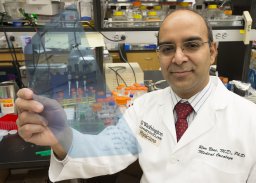 Ron Bose合作论文数Div Oncol, Washington Univ4Nevine Eltonsy合作论文数2Reiko Oyama合作论文数2Jennifer Burkemper合作论文数2
 Suzanne E Lapi合作论文数2
 Bernadette Marquez-Nostra合作论文数Bioimaging Sciences, Radiology & Biomedical Imaging, Yale School of Medicine, Yale University2
 Richard L. Wahl合作论文数Precision Radiotheranostics Translation Center, Mallinckrodt Institute of Radiology, Washington University School of Medicine in St. Louis2
 Matthew Ellis合作论文数Department of Psychiatry, Washington University School of Medicine In St. Louis2
 Roger Hajjar合作论文数MGB Gene and Cell Therapy Institute, Mass General Brigham2Farrokh Dehdashti合作论文数2Brian D. Wright合作论文数International Food Policy Research Institute;University of California;International Food Policy Research Institute, University of California , Berkeley2
 Federica del Monte合作论文数Cardiovascular Research Center, Massachusetts General Hospital2
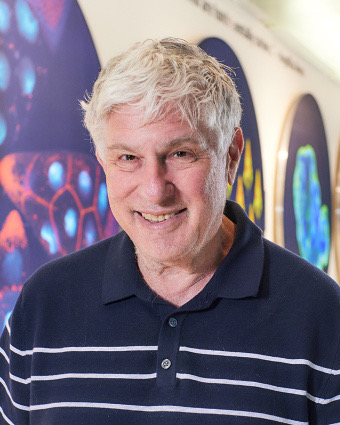 David E. Housman合作论文数Koch Institute for Integrative Cancer Research, Massachusetts Institute of Technology;Department of Biology, Massachusetts Institute of Technology2
 Cynthia Ma合作论文数2
 Barry Alan Siegel合作论文数Mallinckrodt Institute of Radiology, Washington University School of Medicine in St. Louis;Barnes-Jewish Hospital;Barnes-Jewish West County Hospital;St. Louis Children's Hospital2Behrad Vahidi合作论文数1
 William Marvin Mitchell合作论文数1Yuan Qi合作论文数1Maureen Cronin合作论文数1
 Sarah Frye合作论文数Department of Clinical Health Sciences, Saint Louis University1
 Prahlad T Ram合作论文数Univ Texas MD Anderson Canc Ctr, Dept Syst Biol, Houston, TX 77030 USA1Eddy Kizana合作论文数School of Medicine, Faculty of Medicine and Health, The University of Sydney1
 Bryan Hennessy合作论文数Department Of Medicine, Royal College of Surgeons in Ireland, University of Medicine and Health Sciences1Kenneth D. Bloch合作论文数Harvard Medical School1Klem Erich R合作论文数1Frye Jennifer合作论文数1Fang Cong合作论文数1Romero Juan合作论文数1
 Jennifer A Couget合作论文数1Dalal Rishikesh合作论文数1Kamel Dalia合作论文数1
 Funda Meric-Bernstam合作论文数Division of Cancer Medicine, Department of Investigational Cancer Therapeutics, University of Texas MD Anderson Cancer Center1




