OBJECTIVE The goal of the current study was to further clarify the role of right pars trianagularis (rPTr) in persons with aphasia (PWA) by investigating if the structural changes after stroke are associated with language deficits. We hypothesized that boundary controllability (bc), which measures the capacity of a region integrate/segregate brain regions, would be higher in rPTr for PWA than age-matched controls. We also sought to understand whether different types of naming errors corresponded to bc at rPTr. We hypothesized that bc would relate to phonological naming errors. METHOD We tested our hypothesis in 60 chronic post-stroke aphasia patients and 62 matched controls. All PWA completed the Western Aphasia Battery (WAB) and the Philadelphia Naming Test (PNT). With PNT data, we calculated the overall accuracy and proportion of error type (phonological, semantic, and mixed). RESULTS Consistent with our first hypothesis, we found PWA had higher bc than age-matched controls at rPTr (t(120) = -2.52, p < 0.01). A regression model yielded a statistically significant negative relationship between bc and phonological errors that could not be accounted for by lesion volume (R2 = 0.11, F(1,48) = 6.21, p < 0.05). CONCLUSION Our results demonstrate shift in the fundamental anatomical role of rPTr suggests the region becomes more critical for integrating and segregating communication across networks of the brain. Compared to findings in the left PTr in healthy subjects, our data suggest that homotopic recruitment may involve shifts in this anatomical property. and may relate to specific aspects of language processing.
The present study examined spontaneous detection and repair of naming errors in people with aphasia to advance a theoretical understanding of how monitoring impacts learning in lexical access. Prior work in aphasia has found that spontaneous repair, but not mere detection without repair, of semantic naming errors leads to improved naming on those same items in the future when other factors are accounted for. The present study sought to replicate this finding in a new, larger sample of participants and to examine the critical role of self-generated repair in this monitoring learning effect. Twenty-four participants with chronic aphasia with naming impairment provided naming responses to a 660-item corpus of common, everyday objects at two timepoints. At the first timepoint, a randomly selected subset of trials ended in experimenter-provided corrective feedback. Each naming trial was coded for accuracy, error type, and for any monitoring behavior that occurred, specifically detection with repair (i.e., correction), detection without repair, and no detection. Focusing on semantic errors, the original monitoring learning effect was replicated, with enhanced accuracy at a future timepoint when the first trial with that item involved detection with repair, compared to error trials that were not detected. This enhanced accuracy resulted from learning that arose from the first trial rather than the presence of repair simply signifying easier items. A second analysis compared learning from trials of self-corrected errors to that of trials ending in feedback that were detected but not self-corrected and found enhanced learning after self-generated repair. Implications for theories of lexical access and monitoring are discussed.
Fluent speech production is a critical aspect of language processing and is central to aphasia diagnosis and treatment. Multiple cognitive processes and neural subsystems must be coordinated to produce fluent narrative speech. To refine the understanding of these systems, measures that minimize the influence of other cognitive processes were defined for articulatory deficits and grammatical deficits. Articulatory deficits were measured by the proportion of phonetic errors (articulatory and prosodic) in a word repetition task in 115 participants with aphasia following left hemisphere stroke. Grammatical deficits were assessed in 46 participants based on two measures—proportion of closed class words and proportion of words in sentences—generated during semistructured narrative speech production (telling the Cinderella story). These measures were used to identify brain regions critical for articulatory and grammatical aspects of speech production using a multivariate lesion-symptom mapping approach based on support vector regression. Phonetic error proportion was associated with damage to the postcentral gyrus and the inferior parietal lobule (particularly the supramarginal gyrus). Proportion of closed class words in narrative speech did not have consistent lesion correlates. Proportion of words in sentences was strongly associated with frontal lobe damage, particularly the inferior and middle frontal gyri. Grammatical sentence structuring relies on frontal regions, particularly the inferior and middle frontal gyri, whereas phonetic-articulatory planning and execution relies on parietal regions, particularly the postcentral and supramarginal gyri. These results clarify and extend current understanding of the functional components of the frontoparietal speech production system.
This study examined spontaneous self-monitoring of picture naming in people with aphasia. Of primary interest was whether spontaneous detection or repair of an error constitutes an error signal or other feedback that tunes the production system to the desired outcome. In other words, do acts of monitoring cause adaptive change in the language system? A second possibility, not incompatible with the first, is that monitoring is indicative of an item’s representational strength, and strength is a causal factor in language change. Twelve PWA performed a 615-item naming test twice, in separate sessions, without extrinsic feedback. At each timepoint, we scored the first complete response for accuracy and error type and the remainder of the trial for verbalizations consistent with detection (e.g., “no, not that”) and successful repair (i.e., correction). Data analysis centered on: (a) how often an item that was misnamed at one timepoint changed to correct at the other timepoint, as a function of monitoring; and (b) how monitoring impacted change scores in the Forward (Time 1 to Time 2) compared to Backward (Time 2 to Time 1) direction. The Strength hypothesis predicts significant effects of monitoring in both directions. The Learning hypothesis predicts greater effects in the Forward direction. These predictions were evaluated for three types of errors -- Semantic errors, Phonological errors, and Fragments – using mixed-effects regression modeling with crossed random effects. Support for the Strength hypothesis was found for all three error types. Support for the Learning hypothesis was found for Semantic errors. All effects were due to error repair, not error detection. We discuss the theoretical and clinical implications of these novel findings.
It is thought that semantic memory represents taxonomic information differently from thematic information. This study investigated the neural basis for the taxonomic-thematic distinction in a unique way. We gathered picture-naming errors from 86 individuals with poststroke language impairment (aphasia). Error rates were determined separately for taxonomic errors (“pear” in response to apple) and thematic errors (“worm” in response to apple), and their shared variance was regressed out of each measure. With the segmented lesions normalized to a common template, we carried out voxel-based lesion-symptom mapping on each error type separately. We found that taxonomic errors localized to the left anterior temporal lobe and thematic errors localized to the left temporoparietal junction. This is an indication that the contribution of these regions to semantic memory cleaves along taxonomic-thematic lines. Our findings show that a distinction long recognized in the psychological sciences is grounded in the structure and function of the human brain.
Semantic errors in aphasia (e.g., naming a horse as “dog”) frequently arise from faulty mapping of concepts onto lexical items. A recent study by our group used voxel-based lesion-symptom mapping (VLSM) methods with 64 patients with chronic aphasia to identify voxels that carry an association with semantic errors. The strongest associations were found in the left anterior temporal lobe (L-ATL), in the mid- to anterior MTG region. The absence of findings in Wernicke’s area was surprising, as were indications that ATL voxels made an essential contribution to the post-semantic stage of lexical access. In this follow-up study, we sought to validate these results by re-defining semantic errors in a manner that was less theory dependent and more consistent with prior lesion studies. As this change also increased the robustness of the dependent variable, it made it possible to perform additional statistical analyses that further refined the interpretation. The results strengthen the evidence for a causal relationship between ATL damage and lexically-based semantic errors in naming and lend confidence to the conclusion that chronic lesions in Wernicke’s area are not causally implicated in semantic error production.
Many research questions in aphasia can only be answered through access to substantial numbers of patients and to their responses on individual test items. Since such data are often unavailable to individual researchers and institutions, we have developed and made available the Moss Aphasia Psycholinguistics Project Database: a large, searchable, web-based database of patient performance on psycholinguistic and neuropsychological tests. The database contains data from over 240 patients covering a wide range of aphasia subtypes and severity, some of whom were tested multiple times. The core of the archive consists of a detailed record of individual-trial performance on the Philadelphia (picture) Naming Test. The database also contains basic demographic information about the patients and patients' overall performance on neuropsychological assessments as well as tests of speech perception, semantics, short-term memory, and sentence comprehension. The database is available at http://www.mappd.org/.
Analysis of error types provides useful information about the stages and processes involved in normal and aphasic word production. In picture naming, semantic errors (horse for goat) generally result from something having gone awry in lexical access such that the right concept was mapped to the wrong word. This study used the new lesion analysis technique known as voxel-based lesion-symptom mapping to investigate the locus of lesions that give rise to semantic naming errors. Semantic errors were obtained from 64 individuals with post-stroke aphasia, who also underwent high-resolution structural brain scans. Whole brain voxel-based lesion-symptom mapping was carried out to determine where lesion status predicted semantic error rate. The strongest associations were found in the left anterior to mid middle temporal gyrus. This area also showed strong and significant effects in further analyses that statistically controlled for deficits in pre-lexical, conceptualization processes that might have contributed to semantic error production. This study is the first to demonstrate a specific and necessary role for the left anterior temporal lobe in mapping concepts to words in production. We hypothesize that this role consists in the conveyance of fine-grained semantic distinctions to the lexical system. Our results line up with evidence from semantic dementia, the convergence zone framework and meta-analyses of neuroimaging studies on word production. At the same time, they cast doubt on the classical linkage of semantic error production to lesions in and around Wernicke's area.
Nonaphasic speakers are known to take longer to name pictures when they are blocked by semantic category and repeated multiple times. We replicated this “semantic blocking effect” in older controls and showed that in aphasia, the effect is manifested in increased error rates when naming semantically homogeneous, compared to mixed blocks. We further showed that semantic blocking affects Broca’s aphasics more than a matched group of NonBrocas, and that the effect increases with repetition of the blocked sets. Error analysis undermines the inhibition-based account of the blocking effect by showing that errors arise from competition among increasingly activated items within the homogeneous set. The consequent slowing of naming latencies is due at least in part to the intervention of a controlled selection mechanism, and the disruption of this mechanism in anterior aphasia accounts for the increase in error vulnerability.
Background: There are now numerous experimental Studies demonstrating successful treatment of word retrieval deficits in aphasia. Technological advances allow us to implement many of these approaches on the computer and target the underlying impairment (e.g., in phonologically vs semantically based retrieval deficits). These computer-assisted treatments have the potential to facilitate the work of clinicians and, if geared towards independent Or volunteer-assisted usage, extend the rehabilitation process beyond the period of formal therapy.Aims: Our aim is to review the benefits and limitations of computer-assisted treatment for word retrieval deficits, focusing on the lessons we have learned from a computerised therapy system, developed in Our laboratory, which was designed to be used in the clinical setting, as well as by patients working independently.Contributions: We review relevant single and multiple case studies that use computer-assisted treatment programmes in various clinical and home settings. We then describe an Outcome Study that used the therapy system developed in our laboratory to deliver a hierarchical, multi-modality cueing protocol under clinician-guided and self-guided instruction. Through the use of mini case studies, we exemplify the system's application in the clinical setting and in home usage. Additionally we present use and satisfaction data which impact on clinical and home use.Conclusions: Theoretically motivated, computer-assisted treatments for naming impairments can be beneficial as an adjunct to one-on-one speech/language therapy, and are an effective way to intensity and continue the rehabilitation process. While many of our patients are capable of working independently or with minimal assistance to achieve their goals, computers still represent an unfamiliar and intimidating technology for the majority of our patients and families; and access in the home remains limited. One way to provide needed support is through a Computer lab, staffed by trained Volunteers working under the supervision of a speech-language pathologist. Additional research is needed to replicate these findings with a larger and more diverse group of individuals with aphasia and to evaluate the effectiveness of the Multi-modality Matching Module of MossTalk Words (R) software in the treatment of semantically based anomia. This Could potentially provide pilot data for a largescale clinical trial.
The semantic blocking effect refers to the detrimental effect on naming latencies (nonaphasic speakers; e.g., Damian, Vigliococco, & Levelt, 2001) and accuracy (aphasic speakers) when targets are blocked by semantic category, compared with mixed-category presentation. The effect is most reliable when blocked sets are repeated multiple times in succession (i.e., for multiple cycles). Schnur, Brecher, Rossi, and Schwartz (2004) recently showed that anterior aphasics are particularly vulnerable to the semantic blocking effect, as indexed by error rate in blocked-cyclic naming. They argued that the increased difficulty exhibited by their Brocas group, compared to a matched group of fluent aphasic speakers, Non-Brocas, is consistent with the theory that the left inferior frontal lobe subserves selection during high competition (Thompson-Schill, et al., 1998). Less well understood is the effect of phonological blocking. For nonaphasic speakers, naming sets of phonologically related words generally facilitates latencies (e.g., Damian, 2003), but sometimes it has the opposite effect (OSeaghdha & Marin, 2000). Phonemic cueing paradigms used with aphasic patients have also produced mixed results, with some patients responding favourably, whereas others do not (Croot, Patterson, & Hodges, 1999). The present study investigated phonological blocking in aphasic and nonaphasic speakers, using the blocked-cyclic naming paradigm.
OBJECTIVE:To describe a consent-based Patient Research Registry designed to improve the quality and efficiency of cognitive rehabilitation research by balancing patients' privacy rights with researchers' need for access to research participants.DESIGN:Description of a protocol for a Patient Research Registry.SETTING:Three rehabilitation hospitals.PARTICIPANTS:Inpatients with stroke or traumatic brain injury (TBI) at the 3 participating hospitals.INTERVENTIONS:Not applicable.MAIN OUTCOME MEASURES:Percentages of eligible patients with stroke or TBI who consented to be enrolled in the Registry, were subsequently contacted about a study, and ultimately participated in a study. A survey examined satisfaction with the Registry among researchers who used it for recruitment.RESULTS:After 36 months of operation, 58% of patients approached have consented to be in the Registry (N=1256). Eighty-seven percent of those later identified as potential subjects for research studies expressed interest, and 63% eventually participated. Researchers reported satisfaction with the recruitment opportunities afforded by the Registry.CONCLUSIONS:The Registry succeeded in identifying eligible patients interested in participating in research studies, while safeguarding their privacy rights. We identify its strengths and limitations and characterize the type of facility that would most profit from adopting this recruitment model.
In the ‘‘paced-cyclic’’ naming paradigm participants take longer to name a repeated series of pictures when the pictures are from the same semantic category vs. mixed categories, presumably due to semantically mediated competition for lexical selection (Damian, Vigliocco, & Levelt, 2001). Thompson-Schill’s selection hypothesis (ThompsonSchill et al., 1998) maintains that anterior brain damage compromises selection when semantic competition is high. In keeping with this, two anterior aphasics were shown to produce more errors in the homogeneous compared to mixed condition of paced-cyclic naming (McCarthy & Kartsounis, 2000; Wilshire & McCarthy, 2002). The present study replicated and extended this finding using a group study design. It also used error-type analysis to test the hypothesis that competition is the basis for higher error rates in the homogeneous contexts [see McCarthy and Kartsounis (2000) for alternative].
Phipps E, Harris D, Brown N, Harralson T, Brecher A, Polansky M, Whyte J: Investigation of ethnic differences in willingness to enroll in a rehabilitation research registry: A study of the Northeast Cognitive Rehabilitation Research Network. Am J Phys Med Rehabil 2004;83:875–883. Objective:To investigate differences between African American and white respondents in willingness to enroll in a rehabilitation research registry for future research and to determine if reasons for consenting and refusing to enroll differ by ethnicity. Design:Inpatient recruitment results from 739 African American and white respondents in which patients were admitted to a rehabilitation hospital with a diagnosis of stroke or traumatic brain injury. Results:A similar proportion of African American and white respondents (both patients and surrogates) consented to enroll in the registry (72% of all African American respondents vs. 68% of all white respondents). African Americans and whites provided similar reasons for consenting and refusing to enroll. Demographic variables associated with consent were: higher education, younger age, and facility. The odds of consenting to enroll in the registry were 5 times as high for those who thought they had a great deal to gain from enrollment compared with those who thought they had less to gain and were nearly 2 times as high for those who reported little concern about privacy compared with those who were more concerned about privacy. Conclusions:Ethnicity was not found to be a predictor of willingness to enroll in a study registry. A greater belief of gain and less concern over privacy were associated with willingness to enroll, even after controlling for age, education, facility, and ethnic group.
Background: Computer-based rehabilitation programs are now available for patients' use at home and in the clinical setting, yet we have meagre outcome data associated with their usefulness under self- and/or clinician-guided conditions.Aims: We assess the benefits of a computer-delivered, hierarchical phonological cueing protocol (cued naming) under two conditions of instruction, (1) with full clinician guidance or (2) in partial independence.Methods & procedures: We employed a single-subject experimental design, which was replicated over six chronic aphasic subjects, three in each instruction condition. Subjects with deficits identified as primarily phonological in nature were administered a phonological treatment, utilising a computerised therapy program (MossTalk Words), under one of the two conditions.Outcomes & Results: Training-specific acquisition and maintenance was demonstrated in both conditions. Limited and variable generalisation patterns were noted.Conclusions: Chronic aphasic individuals with moderate-to-severe phonologically based naming impairment can benefit from a computerised cued-naming protocol and independent work on the computer can be an effective adjunct to clinician-guided therapy.
Dell, Schwartz, Martin, Saffran, and Gagnon (DSMSG; 1997) presented a computational analysis of aphasic naming that, among other things, purports to explain why some error types correlate with naming severity while others do not. It does so in terms of chance response opportunities, which differ among error types and which come into play particularly when activation levels are small. The present study looks at error frequencies in relation to severity at two points in time: at study entry and after a period of partial recovery. Results support the model's distinction between severity-sensitive errors (nonwords. formal paraphasias, and unrelated errors) and those that are severity insensitive (semantic; mixed). Additionally, we show that the degree of target overlap in nonwords is sensitive to severity but various measures of monitoring and error correction are not. While these results generally support DSMSG, effects at the level of individual patients underscore the difficulties that their model encounters in explaining some pure error dissociations.
 Myrna F. Schwartz合作论文数Moss Rehabilitation Research Institute18
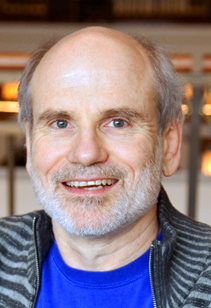 Gary S Dell合作论文数Department of Psychology, College of Liberal Arts & Sciences, University of Illinois at Urbana-Champaign6
 Grant M Walker合作论文数Department of Cognitive Sciences, University of California4
 H. Branch Coslett合作论文数Department of Neurology, University of Pennsylvania School of Medicine4Faseyitan Olufunsho合作论文数4
 Daniel Y. Kimberg合作论文数Department of Neurology;University of Pennsylvania;Department of Radiology;Wenner-Gren Research Lab;Center for Biomedical Engineering;University of Kentucky;Department of Neurosurgery;University of Pennsylvania, University of Pennsylvania4
 Daniel Mirman合作论文数and Haskins Laboratories, University of Connecticut4Catherine Hodgson合作论文数3
 Tatiana T. Schnur合作论文数Department of Psychology, University of Pennsylvania3
 Erica Middleton合作论文数University of North Carolina at Greensboro3
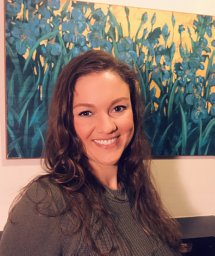 Harvey Denise Y合作论文数Department of Psychology, Rice University2Paula R. Sobel合作论文数2Olu Faseyitan合作论文数1Maureen Gagliardi合作论文数1Harrison Stoll合作论文数1Diana Harris合作论文数1MF SCHWARTZ合作论文数1Apoorva Kelkar合作论文数Dept Psychol, Drexel Univ1
 Haley C. Dresang合作论文数University of Wisconsin - Madison1
 Turkeltaub Peter E合作论文数Dept Neurol, Georgetown Univ1
 John Whyte合作论文数Moss Rehabilitation Research Institute1Garvey Kelly合作论文数1Sacchetti Daniela合作论文数1Phipps Etienne J合作论文数1Klein Mary G合作论文数1
 John Whyte合作论文数Moss Rehabilitation Research Institute1Harralson Tina合作论文数1Marcia Polansky合作论文数1
 Ted J. Strauss合作论文数Department of Psychology, University of Connecticut1
 Roy H. Hamilton合作论文数Beth Israel Deaconess Medical Center, Harvard Medical School1
 John D. Medaglia合作论文数Department of Psychological and Brain Sciences, College of Arts and Sciences, Drexel University;Moss Rehabilitation Research Institute;Cognitive Neuroengineering and Wellbeing Laboratory1
 Nadine Martin合作论文数Temple University1Randall R. Robey合作论文数1Ruth Fink合作论文数1Nick Rossi合作论文数1




