Evidence suggests that African Americans (AAs) experience increased rates of adverse posttraumatic neuropsychiatric sequelae (APNS) versus non-Hispanic whites, but few prospective studies of APNS development have been performed in this understudied population. In this analysis, we evaluated for sex differences in the rates of posttraumatic depressive symptoms (PDS) and posttraumatic stress symptoms (PTSS) in AAs experiencing MVC.
Research evaluating dimensions of posttraumatic stress symptoms (PTSS) has been mixed; with some studies suggesting a common higher-order vulnerability factor that drives first order factors (e.g., re-experiencing, avoidance, and hyperarousal symptoms).
The influence of minor traumatic brain injury (MTBI) on the pathogenesis of posttraumatic stress symptoms (PTSS) and posttraumatic somatic symptoms commonly termed “post-concussive” (PCS) remains poorly understood.
Motor vehicle collision (MVC) is one of the most common life-threatening events experienced by US civilians. To our knowledge, no prospective studies have compared PTSD outcomes in African Americans (AAs) vs. European Americans (EAs) experiencing MVC.
Low neighborhood socioeconomic status (nSES) has been associated with adverse effects on stress system function and increased incidence of stress-related disorders following trauma. To our knowledge no prospective studies have evaluated the ability of nSES to predict Post-Traumatic Stress Disorder (PTSD) outcomes after one of the most common forms of trauma, motor vehicle collision (MVC).
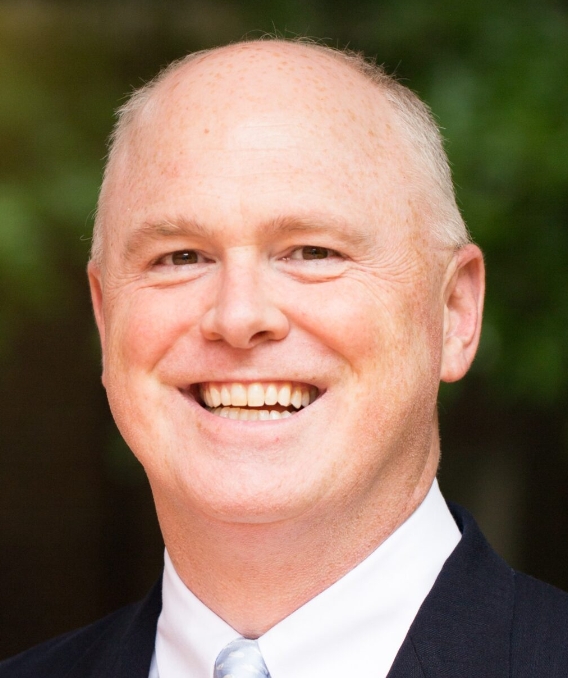 Samuel McLean合作论文数Department of Psychiatry, School of Medicine, University of North Carolina at Chapel Hill;Department of Emergency Medicine, School of Medicine, University of North Carolina at Chapel Hill;Institute for Trauma Recovery, School of Medicine, University of North Carolina at Chapel Hill5
 Robert M. Domeier合作论文数4Christopher Lewandowski合作论文数4
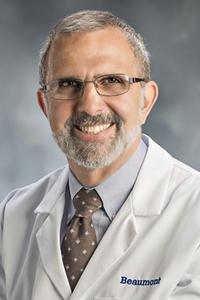 Robert A Swor合作论文数Corewell Health;William Beaumont University Hospital4Niels K. Rathlev合作论文数Department of Emergency Medicine, Boston Medical Center4Erin Zimny合作论文数3
 David Peak合作论文数3Marc-Anthony Velilla合作论文数3
 Phyllis L Hendry合作论文数Dept Emergency Med, Univ Florida3
 Michael C Kurz合作论文数3Pearson Claire合作论文数3Sophie Flotron合作论文数2Sangeeta Kaushik合作论文数2Soward April C合作论文数2Damiron Kathia合作论文数2
 Sean Flannigan合作论文数2
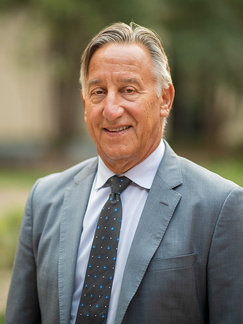 Mark Rosenberg合作论文数Division of Nephrology and Hypertension, University of Minnesota;Medical School, University of Minnesota2
 Bernard Chang合作论文数Beth Israel Deaconess Medical Center2
 Kenneth A. Bollen合作论文数Department of Sociology, College of Arts and Sciences, The University of North Carolina at Chapel Hill;Department of Psychology and Neuroscience, College of Arts and Sciences, University of North Carolina at Chapel Hill2James A. Feldman合作论文数Department of Emergency Medicine, The Boston Medical Center2
 Jeffrey S. Jones合作论文数Department of Emergency Medicine, Michigan State University College of Human Medicine2
 Elizabeth M Datner合作论文数1Alice Mintz合作论文数1
 Zachary Fisher合作论文数Department of Human Development and Family Studies.1Yue Pan合作论文数Gillings Sch Global Publ Hlth, Univ N Carolina1
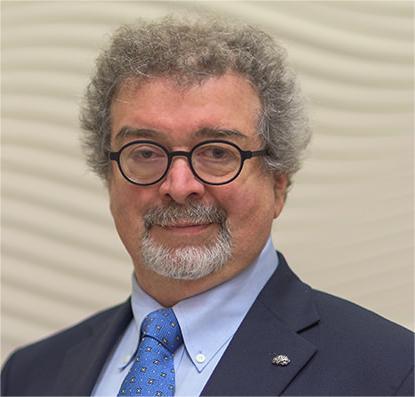 Israel Liberzon合作论文数Department of Psychological & Brain Sciences, College of Arts & Sciences, Texas A&M University1
 Sarah Linnstaedt合作论文数Univ N Carolina1
 Lane Stephanie T合作论文数Department of Psychology.1
 David C. Lee合作论文数Berkeley Design Automation, Santa Clara, California
1
David C. Lee合作论文数Berkeley Design Automation, Santa Clara, California
1 David A Lee合作论文数School of Engineering and Materials Science, Queen Mary University of London1




