People with HIV (PWH) experience greater declines in both muscle function and muscle mass with aging. Whether changes in muscle quality and quantity with aging differ between men and women with HIV and the implications on muscle function are not established. In coordinated substudies of the Multicenter AIDS Cohort Study and Women’s Interagency HIV Study, participants completed physical function and falls assessments; total trunk/thigh density, inversely related to fatty infiltration, and area were quantified from computed tomography (CT) scans. Generalized linear models were used to explore variables affecting density/area, and associations between area/density and physical function and falls. CT scans were available on 387 men (198 PWH) and 184 women (118 PWH). HIV serostatus was associated with greater lateralis, paraspinal, and hamstring area, but lower psoas area and density. Older age and female sex were associated with smaller trunk muscle area and lower density. Both lower muscle area and muscle density were associated with several measures of impaired physical function. The odds of falling were lower with greater hamstring density, but not associated with other measurers of muscle area or density. In summary, older adults with HIV appear to have smaller and less dense (fattier) psoas, a key component in truncal stability and hip flexion that could have implications on physical function. The longitudinal associations of muscle area and density with physical function require careful investigation, with a particular focus on characteristics and interventions that can preserve muscle area, density, and function over time.
Background: Tesamorelin, a growth hormone-releasing hormone analogue, decreases visceral adipose tissue in people living with HIV, however, the effects on skeletal muscle fat and area are unknown. Objectives: The goals of this exploratory secondary analysis were to determine the effects of tesamorelin on muscle quality (density) and quantity (area). Design: Secondary, exploratory analysis of two previously completed randomized (2:1), clinical trials. Setting: U.S. and Canadian sites. Participants: People living with HIV and with abdominal obesity. Tesamorelin participants were restricted to responders (visceral adipose tissue decrease ≥8%).Intervention: Tesamorelin or placebo. Measurements: Computed tomography scans (at L4-L5) were used to quantify total and lean density (Hounsfield Units, HU) and area (centimeters2) of four trunk muscle groups using a semi-automatic segmentation image analysis program. Differences between muscle area and density before and after 26 weeks of tesamorelin or placebo treatment were compared and linear regression models were adjusted for baseline and treatment arm. Results: Tesamorelin responders (n=193) and placebo (n=148) participants with available images were similar at baseline; most were Caucasian (83%) and male (87%). In models adjusted for baseline differences and treatment arm, tesamorelin was associated with significantly greater increases in density of four truncal muscle groups (coefficient 1.56-4.86 Hounsfield units; all p<0.005), and the lean anterolateral/abdominal and rectus muscles (1.39 and 1.78 Hounsfield units; both p<0.005) compared to placebo. Significant increases were also seen in total area of the rectus and psoas muscles (0.44 and 0.46 centimeters2; p<0.005), and in the lean muscle area of all four truncal muscle groups (0.64-1.08 centimeters2; p<0.005). Conclusions: Among those with clinically significant decrease in visceral adipose tissue on treatment, tesamorelin was effective in increasing skeletal muscle area and density. Long term effectiveness of tesamorelin among people with and without HIV, and the impact of these changes in daily life should be further studied.
 J. E. Lake合作论文数3
 Kristine Erlandson合作论文数Division of Infectious Diseases, School of Medicine, University of Colorado;University of Colorado Hospital3Scherzinger A合作论文数2
 Lawrence A Kingsley合作论文数Department of Infectious Diseases and Microbiology, School of Public Health, University of Pittsburgh;Department of Epidemiology, School of Public Health, University of Pittsburgh2F. Palella合作论文数1Brown TT合作论文数1Jc Mamputu合作论文数1Abanti Sanyal合作论文数Johns Hopkins School of Public Health1F. J. Palella合作论文数1P. C. Tien合作论文数1
 Wendy Post合作论文数Department of Epidemiology, Bloomberg School of Public Health, Johns Hopkins University;School of Medicine, Johns Hopkins University;Ciccarone Center for the Prevention of Cardiovascular Disease, Johns Hopkins University1
 Stephen J. Gange合作论文数Department of Epidemiology, Bloomberg School of Public Health, Johns Hopkins University1Todd T. Brown合作论文数Epidemiology, Bloomberg School of Public Health, Johns Hopkins University1
 Stanley Takara L合作论文数Massachusetts Gen Hosp, Boston, MA 02114 USA1
 Matthew Budoff合作论文数The Lundquist Institute;Division of Cardiology, Harbor-UCLA Medical Center;David Geffen School of Medicine, University of California, Los Angeles1
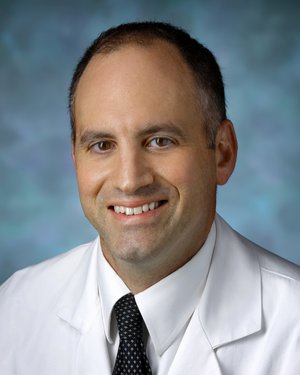 Todd Tarquin Brown合作论文数Department of Medicine, Johns Hopkins School of Medicine1
 Sun Jing合作论文数Menzies Hlth Inst Queensland, Griffith Univ1
 Steven Grinspoon合作论文数Metabolism Unit, Massachusetts General Hospital;Harvard Medical School;Nutrition Obesity Research Center, Harvard University1Michael P. Dube合作论文数1Michael T Yin合作论文数College of Physicians and Surgeons, Columbia University1C. Marsolais合作论文数1Julian Falutz合作论文数1




