Hereditary haemochromatosis is caused by pathogenic variants in the homoeostatic iron regulator gene HFE. Outcomes include liver cancer, cirrhosis and arthropathy, but penetrance is incomplete. Here, we use genetic data from >400,000 subjects to determine the genetic risk across 29 regions of the British Isles and Ireland. Northwest Irish and Outer Hebrideans are at the highest risk (1/54 - 1/62 carry the major risk genotype), Mainland Scots are also at increased risk (1/117), declining to 1/212 in Southern England. We also assessed the prevalence of clinically diagnosed haemochromatosis in >63 million people in NHS England and identified 70,365 cases. White Irish individuals have the highest prevalence (3.7x white British). Among white British, prevalence varied 11-fold from 1/1972 in parts of Kent to 1/177 in Liverpool. Discrepancies between genetic risks and prevalences of clinical diagnoses for Birmingham, Cumbria, Northumberland and Durham suggest under-diagnosis in these regions. We show heightened genetic risk of haemochromatosis in people of Northwest Irish and Hebridean ancestry and suggest health-economic modelling of community screening should be targeted to these priority areas.
Abstract The Scottish Travellers are a traditionally nomadic community in Scotland that has historically been marginalised, and remained socially isolated from the settled Scottish population until recently. Little, however, is known about their genetic origins, population structure and risks of Mendelian disease. After an approach from the community to address this gap and increase representation, we analyzed array genotypes and whole-exome sequencing data from up to 125 Gypsy/Traveller individuals, alongside settled British and Irish references. We demonstrate that Scottish Travellers are genetically distinct from Irish Travellers, English Gypsies and European Roma, as well as the settled British and Irish populations. However, they do share autosomal and mitochondrial genetic ancestry with settled Scots. Two genetic subgroups are detectable: one which is more drifted and one more admixed. High levels of autozygosity are apparent, consistent with consanguinity. We detect signals of bottlenecks in autosomal and mitochondrial data. Importantly, we identified an enrichment of rare, pathogenic variants, including at least five putative founder variants associated with recessive Mendelian disorders. These findings provide insights into the genetic history of the Scottish Traveller population and highlight the opportunity and need for community-driven clinical genetics screening initiatives to decrease the scope for further health disparities.
Naturally occurring loss-of-function variants in human genes enable drug target discovery because they mimic pharmacological inhibition of proteins. However, the study of these genetic variants is constrained by their rarity. Sequencing of diverse populations, particularly those enriched in familial relatedness, has been postulated to promote discovery of rare genetic variants1-3. Here we present the Pakistan Genome Resource, a South Asian biobank with high familial relatedness comprising 173,303 participants, who collectively carry naturally occurring homozygous loss-of-function variants in 6,476 genes. We describe the genetic architecture of this population, associations between genes and biomarkers, the distribution of loss-of-function variants across molecular pathways, and recall-by-genotype studies of therapeutically relevant genes. The Pakistan Genome Resource expands the catalogue of human genetic variants, provides a comprehensive genetic reference resource for the Pakistani population, and demonstrates the value of studying diverse cohorts to advance human health.
Rare undiagnosed diseases impose a substantial burden on patients, families, and health systems. Collectively they affect an estimated 300-350 million people worldwide. Of these, approximately 250 million live in low- and middle-income countries (LMICs). Many rare diseases have a genetic basis and can be diagnosed using molecular testing. However, patients in LMICs often lack access to advanced diagnostics and specialist care, leading to prolonged diagnostic odysseys and significant distress. To address this gap, the Global Genomic Medicine Collaborative (G2MC) implemented a Rare Disease Pilot Project to enable clinical genomic testing at six LMIC sites (Chile, Malaysia, Mexico, Nepal, South Africa, Sri Lanka). Using trio exome sequencing for 18 selected families, supplemented by chromosomal microarray as indicated, definitive molecular diagnoses were established in 5 families (pathogenic/likely pathogenic variants explaining the phenotype). An additional 8 families had suspected molecular diagnoses with strong phenotype correlation that require functional validation, while 5 families remained undiagnosed at the end of the pilot. The integration of genomic data into clinical decision-making enabled definitive diagnoses, precise management, and genetic counseling for these patients. The pilot also strengthened local capacity building by conducting cross-site case conferences and enabling local reanalysis of sequence data at sites with bioinformatics capabilities. This study demonstrates the feasibility, effectiveness, and adaptability of implementing exome sequencing in resource-limited settings and highlights its potential to transform rare disease diagnosis and care in LMICs.
Rare variants in SETD1A, encoding a histone H3K4 methyltransferase, are among the strongest genetic risk factors for schizophrenia. Exome sequencing (n=3,736) revealed a population-enriched SETD1A missense variant (P596L) in the Lancaster Old Order Amish founder population, presenting a unique opportunity to elucidate variant-specific, multi-scale mechanisms. Psychiatric and cognitive phenotyping revealed nearly two-fold increased risk for bipolar disorder, accompanied by allele dose-dependent cognitive deficits in adulthood. Induced pluripotent stem cells (iPSCs) from homozygous carriers exhibited signatures of SETD1A hypofunction, including reduced proliferation and heightened susceptibility to replication stress and DNA double-strand breaks. During forebrain-directed differentiation, homozygous mutant cells displayed premature activation of neurodevelopmental transcriptional programs but impaired neural rosette formation, reduced neurite complexity, and early progenitor senescence. Multi-omic profiling revealed dysregulation of gene modules converging on replication stress pathways and neuronal regulatory networks enriched for autism and psychiatric risk genes. Pharmacologic inhibition of the H3K4 demethylase KDM5 partially rescued replication stress and neurite deficits, supporting an epigenetic mechanism and suggesting therapeutic tractability. Together, these findings link a population-enriched missense variant to disrupted chromatin regulation, genome stability, and neurodevelopmental timing, bridging human genetic risk with cellular pathophysiology.
Meningomyelocele (also known as spina bifida) is considered to be a genetically complex disease resulting from a failure of the neural tube to close. Individuals with meningomyelocele display neuromotor disability and frequent hydrocephalus, requiring ventricular shunting. A few genes have been proposed to contribute to disease susceptibility, but beyond that it remains unexplained1. We postulated that de novo mutations under purifying selection contribute to the risk of developing meningomyelocele2. Here we recruited a cohort of 851 meningomyelocele trios who required shunting at birth and 732 control trios, and found that de novo likely gene disruption or damaging missense mutations occurred in approximately 22.3% of subjects, with 28% of such variants estimated to contribute to disease risk. The 187 genes with damaging de novo mutations collectively define networks including actin cytoskeleton and microtubule-based processes, Netrin-1 signalling and chromatin-modifying enzymes. Gene validation demonstrated partial or complete loss of function, impaired signalling and defective closure of the neural tube in Xenopus embryos. Our results indicate that de novo mutations make key contributions to meningomyelocele risk, and highlight critical pathways required for neural tube closure in human embryogenesis.
Introduction The impact of age-associated clonal hematopoiesis (CH) on healthspan and lifespan remains unclear with some studies linking it to increased risk of cardiovascular diseases, hematological malignancies, and mortality while others demonstrating its association with protection against Alzheimer's disease. To better define its role in aging and age-associated diseases, we leveraged a well characterized longevity-enriched cohort with previously described protection from age-related diseases. We characterized the prevalence, clonal dynamics, and gene-specific burden of CH in this cohort compared to the general population with the goal to identify CH features that are associated with risk vs. protection. Method The longevity-enriched cohort includes 2,535 individuals, ranging in age from 21-110 (23%, age ≥95 referred to as centenarians, 40%, offspring who have at least one parent living to age ≥95, 30%, control without parental longevity, age-matched to offspring, 6%, age 21-60 as younger participant, 60% female). High-confidence CH mutations were identified from targeted sequencing data using a previously published Mutect2 pipeline and variant allele frequencies (VAFs) were used as proxy for clonal expansion. Age distributions across cohorts and CH status were assessed using non-parametric tests (Kruskal–Wallis and Mann–Whitney U), while categorical variables, including sex and cohort, were compared using chi-square tests. Post hoc analyses included Dunn's test for multiple comparisons. Logistic regression (adjusted for age, sex, and cohort), co-mutation matrix construction, and gene-level stratification were used to explore clonal complexity and mutation trends. Results CH prevalence increased markedly with age, with highest proportion (30.3%) noted in centenarians and lowest in youngest age-group (21-60 years), with statistically significant differences across all age groups (χ² = 160.38, p < 1.0×10⁻³⁴). CH prevalence was lower in offspring (9.4%) compared tocontrols (12.3%). CH prevalence was higher in males, though not statistically significant. We benchmarked CH prevalence by age against the AllofUs cohort and found that our dataset included approximately 6.7-fold more individuals (n = 573 vs. 85) above age 95, and a higher proportion of CH+ cases among centenarians (30.19% vs. 25.88%). Logistic regression confirmed age as a strong independent predictor of CH (p < 1 × 10⁻⁵), while sex was not significant after adjustment. DNMT3A and TET2 were the two most frequently mutated genes, accounting for over 75% of all CH events. Notably in the centenarians, the next most frequently mutated genes were SF3B1, TP53, and PPM1D; a finding not previously described in individuals with average lifespans. Most CH+ individuals had a single mutation (n=278), though 66 carried two and 13 had three or more; these multi-mutation cases were enriched in centenarians. Nonetheless, approximately 70% of CH+ centenarians carried a single mutation. Co-mutation analysis revealed frequent DNMT3A–TET2 overlap (n=25). Notably, 88% of ASXL1 mutations co-occurred with another CH mutation in a different gene. VAF distributions differed significantly across genes (p=0.0002), with higher VAFs observed in SF3B1, GNB1, and PPM1D. VAF also showed a modest positive correlation with age. These patterns highlight the heterogeneous nature of CH in aging and suggest that even among long-lived individuals, clonal architectures vary in complexity and potential impact. Conclusion Our findings highlight strong age-related trends in CH prevalence and clonal expansion within a longevity-enriched cohort, with centenarians exhibiting the highest burden and complexity. The enriched sampling of centenarians in our dataset, compared to a general population cohort, provided a unique opportunity to uncover distinct patterns associated with CH in extreme old age. While multi-mutation and co-mutation cases were enriched in centenarians, most CH+ carried only a single mutation. The mutation spectrum also differed from prior reports in older individuals. Additionally, offspring had a slightly lower rate of CH compared to age adjusted controls. These findings raise the possibility that long-lived individuals may tolerate clonal hematopoiesis without clinical consequences in the context of extreme aging. Ongoing work will explore CH-associated resilience in aging using longitudinal and clinical outcomes.
BACKGROUND:The SuperAgers Family study aims to investigate phenotypic and genetic mechanisms related to healthy aging in nonagenarians, centenarians, and their family members. A remote study design was tested to demonstrate the feasibility of using digital technology to conduct health research within this rare population of advanced age. This paper describes key design elements of the digital research platform developed to deliver consent, enrollment, and study data collection in a cohort of older adults. METHODS:SuperAgers participants aged 95 years or older, their offspring, and offspring's spouses were invited to join the study via media and community outreach. Participants completed registration, consent, submitted study data, and completed remote biospecimen collection via the web-based study app. Platform design elements and functionality were adapted for use by older-aged adults. Qualitative process evaluation assessed usability and participant data entry completion throughout the study workflow. RESULTS:Preliminary data from SuperAgers (n = 160) of average age 98 years (±3 standard deviation [SD]) and offspring/spouses (n = 127) of average age 69 years (±5 SD) were evaluated. About 97% of participants in both groups successfully used the platform to complete eligibility screening, eConsent, and study surveys. CONCLUSIONS:SuperAgers and offspring successfully used the digital research platform to complete eConsent and submit study data. This supports the feasibility of conducting digitally enabled research in older-aged populations using tailored platform design elements that increase usability and minimize entry errors. These findings may contribute to the development of best practices for digitally delivered research studies in aging populations.
Major depressive disorder (MDD) is a leading cause of disability worldwide. Risk for MDD is heritable, and the genetic structure of founder populations enables investigation of rare susceptibility alleles with large effect. In an extended Old Order Mennonite family cohort, we identified a rare missense variant in GPR156 (c.1599G>T, p.Glu533Asp) associated with a two-fold increase in the relative risk of MDD. GPR156 is an orphan G protein-coupled receptor localized in the medial habenula, a region implicated in mood regulation. Insertion of a human sequence containing c.1599G>T into the murine Gpr156 locus induced medial habenula hyperactivity and abnormal stress-related behaviors. This work reveals a human variant that is associated with depression, implicates GPR156 as a target for mood regulation, and introduces informative murine models for investigating the pathophysiology and treatment of affective disorders.
ABSTRACTGenetic association studies have demonstrated that partial loss ofSLC30A8function protects against type 2 diabetes (T2D) in humans, but the impact of complete loss ofSLC30A8function remains unknown. From whole-exome and genome sequencing of 100,814 participants in the Pakistan Genome Resource, we identified fifteenSLC30A8knockouts, including homozygotes for a variant enriched in South Asians (Gln174Ter) and 615 heterozygotes for loss-of-function (LoF) variants. T2D risk was lower inSLC30A8LoF hetero- and homozygotes, and the protective effect strengthens in a gene dose-dependent manner (ORadditive=0.63 [0.53-0.78, p=7.5E-07], ORrecessive=0.27 [0.09-0.80, p=0.018]). Recall-by-genotype ofSLC30A8LoF hetero- and homozygotes and their family members with oral glucose tolerance tests showed a gene dose-dependent reduction in glucose levels coupled with elevated insulin. Corrected Insulin Response, Disposition Index, and Insulin Sensitivity Index in LoF hetero- and homozygotes indicated higher glucose-stimulated insulin secretion with preserved beta cell function. These data suggest that therapeutic knockdown ofSLC30A8, up to and including complete knockout, may treat T2D safely and effectively.
The benefits of returning clinically actionable genetic results to participants in research cohorts are accruing, yet such a genome-first approach is challenging. Here, we describe the implementation of return of such results in two founder populations from Scotland. Between 2005 and 2015, we recruited >4,000 adults with grandparents from Orkney and Shetland into the Viking Genes research cohort. The return of genetic data was not offered at baseline, but in 2023, we sent invitations to participants for consent to return of actionable genetic findings. We generated exome sequence data from 4,198 participants and used the American College of Medical Genetics and Genomics (ACMG) v.3.2 list of 81 genes, ClinVar review, and pathogenicity status, plus manual curation, to develop a pipeline to identify potentially actionable variants. We identified 104 individuals (2.5%) with 108 actionable genotypes at 39 variants in 23 genes and validated these. Working with the NHS Clinical Genetics service, which provided genetic counseling and clinical verification of the research results, and after expert clinical review, we notified 64 consenting participants (or their next of kin) of their actionable genotypes. Ten actionable variants across seven genes (BRCA1, BRCA2, ATP7B, TTN, KCNH2, MUTYH, and GAA) have risen 50- to >3,000-fold in frequency through genetic drift in ancestral island localities. Viking Genes is one of the first UK research cohorts to return actionable findings, providing an ethical and logistical exemplar of return of results. The genetic structure in the Northern Isles of Scotland with multiple founder effects provides a unique opportunity for a tailored approach to disease prevention through genetic screening.
The Mennonite population has a unique history of 500 years of genetic isolation shaped by at least three demographic bottlenecks, founder effects, inbreeding, epidemics, and migrations. To evaluate their susceptibility for monogenic diseases (MD), we performed whole-exome sequencing on 325 volunteers from two South Brazilian Mennonite settlements (one urban and another rural). We identified 23 pathogenic variants (P) and 27 likely P, with 22.8% accounting for endocrine, nutritional, and metabolic MDs, 17.5% for developmental anomalies, and 10.5% for nervous system MDs. HFE rs1800562 causing hereditary hemochromatosis presented the highest frequency (7.54%), followed by BTD rs13078881 for biotinidase deficiency (7.08%), FLG rs61816761 for ichthyosis vulgaris and atopic dermatitis (3.38%), and FANCM rs147021911 for Fanconi anemia (3.08%). Genomic and genealogical analysis confirmed their European origin, with very low consanguinity and high heterozygosity coefficients, confirming a random selection of refugees that emigrated from widespread settlements in Russia to Brazil in 1930. There was also a slight deviation to Native Americans for self-reported admixed Mennonites. Even so, founder effects occurred for 96% of P, whose frequencies differed from non-Finnish Europeans, Amish, and Brazilian populations. These findings highlight the genetic risks in this population, reinforcing the importance of genetic counseling, screening programs, and Personalized and Preventive Medicine strategies to mitigate health risks associated with inherited conditions.
The Amish of Lancaster County, PA has been the focus of genetic studies for many years due to its demographic history and unique genetic makeup that includes a historical bottleneck event and subsequent genetic drift, resulting in a marked decrease in genetic diversity and increased frequency of some variants that have substantially shaped the health of the community. To characterize the coding variation in the Amish genome, we sequenced the exomes of 7221 adult community members, and in this report, we contrast genetic diversity between the Amish and Europeans from the UK Biobank. Exome sequences of 7221 Amish contained only 14% as many variants as the same number of UKB participants. This reduced genetic diversity has substantial clinical implications. We identified pathogenic (P) and likely pathogenic (LP) variants from ClinVar and a population-specific genetic screening panel and found that most of the variants present in the Amish were highly enriched, resulting in 5.2% of Amish individuals being homozygous for a recessive P/LP variant and 25.6% being heterozygous for at least one dominant P/LP variant. In 43.6% of the 2141 Amish spouse-pairs in our sample, at least one spouse was heterozygous for a P/LP dominant variant, and 24.3% of couples were autosomal recessive disease carrier couples, meaning that each of their children was at ~25% risk of inheriting two copies of that variant. Gene discovery efforts in other founder communities will likely uncover distinct P (and beneficial) variants impacting the health of these communities, with implications for all of human health.
Inherited cardiomyopathies represent a highly heterogeneous group of cardiac diseases. DNA variants in genes expressed in cardiomyocytes cause a diverse spectrum of cardiomyopathies, ultimately leading to heart failure, arrythmias, and sudden cardiac death. We applied massive parallel DNA sequencing using a 72-gene panel for studying inherited cardiomyopathies. We report on variants in 25 families, where pathogenicity was predicted by different computational approaches, databases, and an in-house filtering analysis. All variants were validated using Sanger sequencing. Familial segregation was tested when possible. We identified 41 different variants in 26 genes. Analytically, we identified fifteen variants previously reported in the Human Gene Mutation Database: twelve mentioned as disease-causing mutations (DM) and three as probable disease-causing mutations (DM?). Additionally, we identified 26 novel variants. We classified the forty-one variants as follows: twenty-eight (68.3%) as variants of uncertain significance, eight (19.5%) as likely pathogenic, and five (12.2%) as pathogenic. We genetically characterized families with a cardiac phenotype. The genetic heterogeneity and the multiplicity of candidate variants are making a definite molecular diagnosis challenging, especially when there is a suspicion of incomplete penetrance or digenic-oligogenic inheritance. This is the first systematic study of inherited cardiac conditions in Cyprus, enabling us to develop a genetic baseline and precision cardiology.
AbstractAntiplatelet therapy with a P2Y12 receptor inhibitor, in combination with aspirin, is standard of care for medical management of patients with coronary artery disease, and flexibility in prescribing options among these medications offers great potential for individualizing patient care. Previously, we showed that a loss‐of‐function missense mutation (G143E) in carboxylesterase 1 (CES1), the primary enzyme responsible for clopidogrel degradation, significantly impacts on‐clopidogrel platelet aggregation and recurrent cardiovascular event risk. In the current investigation, we conducted a prospective randomized crossover study of clopidogrel (75 mg/day for 7 days) and ticagrelor (180 mg/day for 7 days) in 50 individuals stratified by CES1 G143E genotype (N = 34 143GG and 16 143GE) to determine the effect of drug choice on inhibition of platelet aggregation (IPA). Consistent with prior reports, we observed strong association between G143E and adenosine diphosphate‐stimulated platelet aggregation following clopidogrel administration (IPA = 71.6 vs. 48.0% in 143E‐allele carriers vs. non‐carriers, respectively, p = 3.8 × 10⁻⁵). Similar significant effects on platelet aggregation were also noted between 143E‐allele carriers versus non‐carriers in response to stimulation with arachidonic acid (45.8 vs. 25.8%, p = 0.04), epinephrine (44.4 vs. 18.8%, p = 0.03), and collagen (5 μg/mL, 25.8 vs. 11.4%, p = 3.7 × 10⁻³). In contrast, no relationship between CES1 G143E and IPA was observed following ticagrelor administration regardless of the platelet agonist used. Collectively, these data suggest that on‐clopidogrel platelet aggregation is substantially modified by CES1 G143E genotype, that this variant does not modify ticagrelor pharmacodynamics, and that more consistent inhibition of platelet aggregation may be achieved by using ticagrelor in patients who carry clopidogrel response‐modifying alleles in CES1.
Growth differentiation factor 15 (GDF15) is a secreted protein that regulates food intake, body weight and stress responses in pre-clinical models1. The physiological function of GDF15 in humans remains unclear. Pharmacologically, GDF15 agonism in humans causes nausea without accompanying weight loss2, and GDF15 antagonism is being tested in clinical trials to treat cachexia and anorexia. Human genetics point to a role for GDF15 in hyperemesis gravidarum, but the safety or impact of complete GDF15 loss, particularly during pregnancy, is unknown3-7. Here we show the absence of an overt phenotype in human GDF15 loss-of-function carriers, including stop gains, frameshifts and the fully inactivating missense variant C211G3. These individuals were identified from 75,018 whole-exome/genome-sequenced participants in the Pakistan Genomic Resource8,9 and recall-by-genotype studies with family-based recruitment of variant carrier probands. We describe 8 homozygous ('knockouts') and 227 heterozygous carriers of loss-of-function alleles, including C211G. GDF15 knockouts range in age from 31 to 75 years, are fertile, have multiple children and show no consistent overt phenotypes, including metabolic dysfunction. Our data support the hypothesis that GDF15 is not required for fertility, healthy pregnancy, foetal development or survival into adulthood. These observations support the safety of therapeutics that block GDF15. This study reports and characterizes the impact of loss-of-function GDF15 variants in human individuals.
For breast and ovarian cancer risk assessment in the isolated populations of the Northern Isles of Orkney and Shetland (in Scotland, UK) and their diasporas, quantifying genetically drifted BRCA1 and BRCA2 pathogenic variants is important. Two actionable variants in these genes have reached much higher frequencies than in cosmopolitan UK populations. Here, we report a BRCA2 splice acceptor variant, c.517-2A>G, found in breast and ovarian cancer families from Shetland. We investigated the frequency and origin of this variant in a population-based research cohort of people of Shetland ancestry, VIKING I. The variant segregates with female breast and ovarian cancer in diagnosed cases and is classified as pathogenic. Exome sequence data from 2108 VIKING I participants with three or more Shetlandic grandparents was used to estimate the population prevalence of c.517-2A>G in Shetlanders. Nine VIKING I research volunteers carry this variant, on a shared haplotype (carrier frequency 0.4%). This frequency is ~130-fold higher than in UK Biobank, where the small group of carriers has a different haplotype. Records of birth, marriage and death indicate genealogical linkage of VIKING I carriers to a founder from the Isle of Whalsay, Shetland, similar to our observations for the BRCA1 founder variant c.5207T>C from Westray, Orkney. In total, 93.5% of pathogenic BRCA variant carriers in Northern Isles exomes are accounted for by these two drifted variants. We thus provide the scientific evidence of an opportunity for screening people of Orcadian and Shetlandic origins for each drifted pathogenic variant, particularly women with Westray or Whalsay ancestry.
Microglia are the resident immune cells of the central nervous system and are involved in brain development, homeostasis, and disease. New imaging and genomics technologies are revealing microglial complexity across developmental and functional states, brain regions, and diseases. We curated a set of publicly available gene expression datasets from human microglia spanning disease and health to identify sets of genes reflecting physiological and pathological microglial states. We also integrated multiple human microglial single-cell RNA-seq datasets in Alzheimer's disease (AD), multiple sclerosis (MS), and Parkinson's disease, and identified a distinct microglial transcriptional signature shared across diseases. Analysis of germ-line DNA identified genes with variants associated with AD and MS that are overrepresented in microglial gene sets, including the disease-associated transcriptional signature. This work points to genes that are dysregulated in disease states and provides a resource for the analysis of diseases in which microglia are implicated by genetic evidence.
 Braxton D. Mitchell合作论文数302Jeffrey R. O'Connell合作论文数University of Maryland School of Medicine99Pollin Toni I合作论文数90
 Kathleen Ryan合作论文数Univ Maryland, Sch Med, Div Endocrinol Diabet & Nutr, Baltimore, MD 21201 USA70
 Eric Boerwinkle合作论文数Department of Epidemiology, Human Genetics and Environmental Sciences, School of Public Health, The University of Texas Health Science Center at Houston;Baylor College of Medicine Human Genome Sequencing Center55
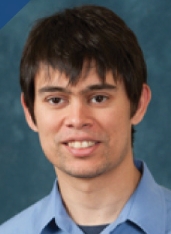 Goncalo Abecasis合作论文数Regeneron55
 Jim Wilson合作论文数Usher Institute, Edinburgh Medical School, The University of Edinburgh;Institute of Genetics and Cancer, The University of Edinburgh50
 Tamara B. Harris合作论文数Laboratory of Epidemiology & Population Sciences, National Institute on Aging, National Institutes of Health50
 Albert Hofman合作论文数Department of Epidemiology, Harvard T.H. Chan School of Public Health46
 Cornelia van Duijn合作论文数Nuffield Department of Population Health, Medical Sciences Division, University of Oxford;St Cross College, University of Oxford46
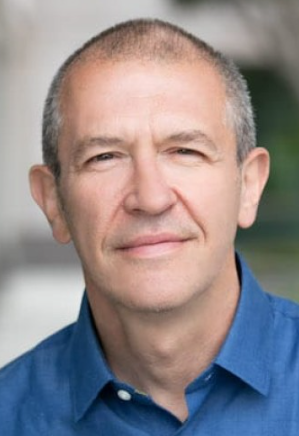 Mark McCarthy合作论文数Genentech46
 Caroline Hayward合作论文数MRC Human Genetics Unit, Institute of Genetics and Cancer, Deanery of Molecular, Genetic and Population Health Sciences, College of Medicine & Veterinary Medicine, The University of Edinburgh44
 William Knowler合作论文数National Institute of Diabetes and Digestive and Kidney Diseases, National Institutes of Health, United States Department of Health and Human Services43
 Ingrid Borecki合作论文数National Heart, Lung, and Blood Institute, National Institutes of Health43
 Albert Smith合作论文数School of Public Health, University of Michigan43
 Patrick Mcardle合作论文数Division of Endocrinology;Diabetes and Nutrition;University of Maryland;School of Medicine;Icelandic Heart Association;University of Iceland;Geriatric Unit;Azienda Sanitaria di Firenze;Human Genetics Center;University of Texas Health Science Center at Houston;Longitudinal Studies Section;Clinical Research;National Institute on Aging;Division of Epidemiology;School of Public Health;University of Minnesota;Laboratory of Epidemiology;mural Research Program, Intra;Hebrew Se;University of Iceland, University of Maryland42
 Peter Pramstaller合作论文数Institute for Biomedicine, Eurac Research41
 Vilmundur G Guðnason合作论文数Faculty of Medicine, University of Iceland41
 Ruth Loos合作论文数Faculty of Health and Medical Sciences, Novo Nordisk Foundation Center for Basic Metabolic Research, University of Copenhagen;Charles Bronfman Institute for Personalized Medicine, Icahn School of Medicine at Mount Sinai41
 Igor Rudan合作论文数Centre for Global Health, Usher Institute, College of Medicine and Veterinary Medicine, The University of Edinburgh;Chinese Academy of Sciences41Soren Snitker合作论文数41Richard B. Horenstein合作论文数41
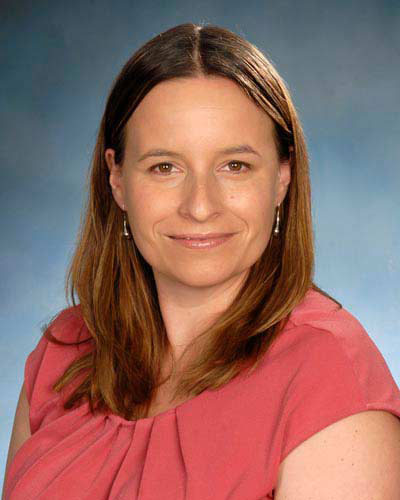 Laura M. Yerges-Armstrong合作论文数School of Medicine, University of Maryland;Variant Bio41
 Harry Campbell合作论文数College of Medicine and Veterinary Medicine, University of Edinburgh;Usher Institute, University of Edinburgh;NIHR Global Health Research Unit on Respiratory Health40
 Mao Fu (茅夫)合作论文数40Robert L. Hanson合作论文数40
 Christian Gieger合作论文数Deutsches Zentrum für Infektionsforschung;Helmholtz Zentrum München - Deutsches Forschungszentrum für Gesundheit und Umwelt39TI Pollin合作论文数38
 Panos (Panagiotis) Deloukas合作论文数The William Harvey Research Institute, Faculty of Medicine and Dentistry, Queen Mary University of London38
 Van Hout Cristopher V合作论文数38
 F. (Fernando) Rivadeneira合作论文数Department of Internal Medicine, Erasmus MC38
 Caroline S. Fox合作论文数Brigham and Women's Hospital38
 A.G. (André) Uitterlinden合作论文数Genetic Laboratory of Internal Medicine/Population Genomics, Erasmus MC;Department of Internal Medicine, Erasmus MC;Erasmus University Rotterdam38
 Bruce M. Psaty合作论文数Department of Epidemiology, School of Public Health, University of Washington38
 Joshua P. Lewis合作论文数School of Medicine, University of Maryland37Haiqing Shen (申海清)合作论文数37
 Claudia Gonzaga-Jauregui合作论文数Department of Molecular and Human Genetics, Baylor College of Medicine37
 Patricia A. Peyser合作论文数Department of Epidemiology, School of Public Health, University of Michigan36
 Jerome I Rotter合作论文数Institute for Translational Genomics and Population Sciences, The Lundquist Institute;Division of Genomic Outcomes, Departments of Pediatrics and Medicine, Harbor-UCLA Medical Center;David Geffen School of Medicine, University of California, Los Angeles36
 Jeffrey Reid合作论文数Regeneron Genetics Center36
 Philippe Froguel合作论文数Lille University Hospital;Department of Genomics of Common Disease, School of Public Health, Imperial College London36
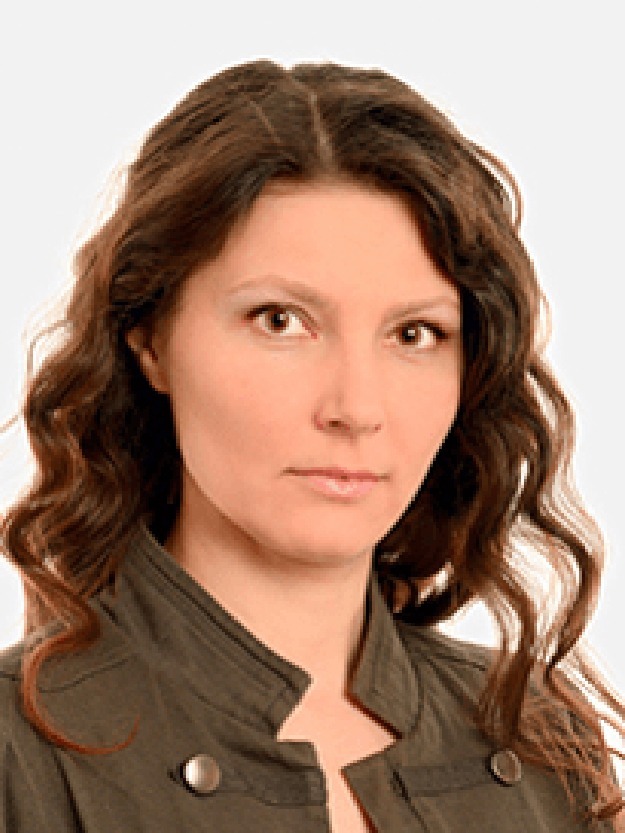 Inga Prokopenko合作论文数School of Biosciences, Faculty of Health and Medical Sciences, University of Surrey36
 Nick Wareham合作论文数MRC Epidemiology Unit, School of Clinical Medicine, University of Cambridge35
 Veikko Salomaa合作论文数Finnish Institute for Health and Welfare35
 Tim Spector合作论文数Department of Twin Research & Genetic Epidemiology, School of Life Course & Population Sciences, Faculty of Life Sciences & Medicine, King's College London35
 Erik Ingelsson合作论文数Wave Life Sciences35
 Coleen M Damcott合作论文数35
 Wendy Post合作论文数Department of Epidemiology, Bloomberg School of Public Health, Johns Hopkins University;School of Medicine, Johns Hopkins University;Ciccarone Center for the Prevention of Cardiovascular Disease, Johns Hopkins University34
 Toshiko Tanaka合作论文数Longitudinal Studies Section, National Institute on Aging, National Institutes of Health34




