Ixazomib (MLN 9708) is an oral proteasome inhibitor, preclinically more potent than bortezomib, that is currently US Food and Drug Administration-approved for the treatment of multiple myeloma. We conducted a phase 1/2 study to estimate the maximum tolerated dose, recommended phase 2 dose (RP2D), and early efficacy of ixazomib when combined with chemotherapy in pediatric patients with relapsed/refractory (R/R) acute lymphoblastic leukemia (ALL) and lymphoblastic lymphoma (LL). Patients aged ≤21 years with R/R ALL/LL (including Down syndrome) were eligible. Ixazomib was combined with up to 3 different 28-day blocks of well-established, relapsed ALL chemotherapy. Ixazomib was tested at 2 dose levels (DL; DL1: 1.6 mg/m2 per dose; DL2: 2 mg/m2 per dose) using a 3+3 design. Dose-limiting toxicities (DLTs) during block 1 were used to make DL escalation decisions. Twenty-four patients enrolled, all with ALL (10 in phase 1, 14 in phase 2). The most common categories of grade ≥3 attributable adverse events were gastrointestinal disorders (n = 12) and febrile neutropenia (n = 9). Two patients experienced a DLT (both treated at DL2 in phase 2), however, DL2 was determined to be the RP2D. The complete response rate for evaluable patients was 67%; 64% (9/14) of whom were also flow minimal residual disease negative. The half-life was consistent across DLs and was comparable with that previously reported in adults. Oral capsule and liquid formulations were determined to be palatable. Ixazomib can be combined with chemotherapy with an acceptable safety profile and an encouraging early efficacy signal in pediatric R/R ALL. This trial was registered at www.clinicaltrials.gov as NCT03817320.
ABSTRACT INTRODUCTION Vincristine sulfate liposome injection (VSLI), a liposomal formulation of vincristine, may be better tolerated than standard aqueous vincristine and enable dose intensification. PROCEDURES Based on single‐agent tolerability, activity, and FDA approval in adults with acute lymphoblastic leukemia (ALL), we tested the safety and feasibility of VSLI as replacement for standard vincristine in the UK ALL R3 mitoxantrone‐based four‐drug induction (Cohort A), a three‐drug anthracycline‐free induction (Cohort B), and maintenance chemotherapy (Cohort C) in children and young adults with relapsed/refractory B‐cell ALL. RESULTS Among 29 participants with a median age of 12.4 years (range: 1.8–19.6 years), 16 received Cohort A, eight received Cohort B, and five received Cohort C therapy. Dose level 1 (DL1): 1.5 mg/m 2 and dose level 2 (DL2): 2 mg/m 2 of VSLI, each without a dose cap, were tested. Collectively, the median VSLI dose administered was 1.9 mg (range: 0.71–4.06 mg), and 13 (44.8%) received a dose above the standard 2 mg vincristine dose cap. Dose‐limiting toxicities (DLTs) at DL2 were seen in three patients, two in Cohort A and one in Cohort B, prompting further evaluation at DL1 for both cohorts. No DLTs were experienced at DL1. Only DL2 was tested in Cohort C—without DLT. Complete remissions were seen in 14 of 16 (87.5%) participants in Cohort A; three of eight (37.5%) in Cohort B; and one (20%) in Cohort C. VSLI with combination chemotherapy at DL1 was generally well tolerated. CONCLUSION Based on the promising response signal in this heavily pretreated population, further study of VSLI is warranted. (ClinicalTrials.gov NCT02879643)
Abstract Chimeric antigen receptor (CAR) T-cell therapy has remarkably succeeded in treating lymphoblastic leukemia. However, its success in acute myeloid leukemia (AML) remains elusive because of the risk of on-target off-tumor toxicity to hematopoietic stem/progenitor cells (HSPC) and insufficient T-cell persistence and longevity. Using a SynNotch circuit, we generated a high-precision “IF-THEN” gated logical circuit against the combination of CD33 and CD123 AML antigens and demonstrated antitumor efficacy against AML cell lines and patient-derived xenografts. Unlike constitutively expressed CD123 CAR-T cells, those expressed through the CD33 SynNotch circuit could preserve HSPCs and lower the risk of on-target off-tumor hematopoietic toxicity. These gated CAR-T cells exhibited lower expression of exhaustion markers (PD-1, TIM-3, LAG-3, and CD39), higher frequency of memory T cells (CD62L+CD45RA+), and enhanced expansion. Although targeting AML, the moderated circuit CAR signal also helped mitigate cytokine release syndrome, potentially addressing one of the ongoing challenges in CAR-T immunotherapy. Significance: Our study demonstrates the use of “IF-THEN” SynNotch-gated CAR-T cells targeting CD33 and CD123 in AML reduces off-tumor toxicity. This strategy enhances T-cell phenotype, improves expansion, preserves HSPCs, and mitigates cytokine release syndrome—addressing critical limitations of existing AML CAR-T therapies.
ABSTRACT:Relapsed/refractory T-cell acute lymphoblastic leukemia (ALL; T-ALL)/lymphoma (LBL) represent a significant unmet medical need. WU-CART-007 is a CD7-targeting, allogeneic, fratricide-resistant chimeric antigen receptor T-cell product generated from healthy donor T cells. WU-CART-007 was evaluated in a phase 1/2 study with a 3+3 dose-escalation design followed by cohort expansion in relapsed/refractory T-ALL/LBL. Patients received 1 infusion of WU-CART-007 after standard or enhanced lymphodepleting chemotherapy. The primary objectives, to characterize safety and assess the composite complete remission rate, were met. Of 28 patients enrolled, 13 received the recommended phase 2 dose (RP2D) of 900 × 106 cells of WU-CART-007 with enhanced lymphodepletion. The most common treatment-related adverse event was cytokine release syndrome (88.5%; 19.2% grade 3-4). Two grade 1 immune effector cell-associated neurotoxicity syndrome events (7.7%) and 1 grade 2 acute graft-versus-host disease event occurred (3.8%). One grade 2 immune effector cell-associated hemophagocytic lymphohistiocytosis-like syndrome was observed. Among the 11 patients evaluable for response at the RP2D who received enhanced lymphodepleting chemotherapy, the overall response rate was 90.9%, and the composite complete remission rate was 72.7%. WU-CART-007 at the RP2D demonstrated a high response rate in patients with relapsed/refractory T-ALL/LBL and has the potential to provide a new treatment option. This trial was registered at www.ClinicalTrials.gov as #NCT04984356.
ABSTRACT:This study reports outcomes of Pediatric Leukemia Adoptive Therapy 02 (PLAT-02), a phase 2 trial of SCRI-CAR19, a second-generation chimeric antigen receptor (CAR) T-cell product with FMC63 single-chain variable fragment and 4-1BB costimulation, in pediatric and young adult patients with B-cell acute lymphoblastic leukemia; and PLAT-03, a companion study evaluating exogenous CD19 antigen stimulation with serial infusions of T cells expressing truncated CD19, T-cell antigen-presenting cells (T-APCs). The efficacy cohort of PLAT-02 (n = 72 patients; median age 12.5 years) received fludarabine/cyclophosphamide lymphodepletion followed by a dose of 1 × 10⁶ CAR+ T cells per kg. The minimal residual disease-negative complete remission rate was 89%. Leukemia-free survival (LFS) at 1 and 2 years was 0.71 (95% confidence interval [CI], 0.58-0.81) and 0.64 (95% CI, 0.51-0.75), respectively. Patients with low disease burden had significantly higher 1-year LFS (0.91 vs 0.42). Rapid in vivo contraction of CAR T cells after infusion was associated with CAR loss within 6 months compared to those without rapid contraction (57% vs 19%). Most common grade 3/4 adverse events included cytokine release syndrome in 13% and neurotoxicity in 16%. The companion pilot, PLAT-03, enrolled 26 patients, and 19 received T-APCs. Neither cytokine-release syndrome nor neurotoxicity was observed after T-APC infusion. T-APC infusions in patients improved persistence (P = .03), with rapid CAR T-cell contraction being associated with decreased early CAR loss (20% with T-APC vs 57% without). Further exploration of serial artificial CD19 antigen exposure is warranted based on these pilot results. PLAT-02 and PLAT-03 trials were registered at www.clinicaltrials.gov as #NCT02028455 and #NCT03186118, respectively.
Infants with B-cell acute lymphoblastic leukemia (B-ALL) continue to have significantly worse outcomes compared to older children with B-ALL, and those with relapsed or refractory (R/R) infant ALL have especially dismal outcomes with conventional treatment. CD19-targeting chimeric antigen receptor (CAR) T-cell therapy has demonstrated remarkable success in the treatment of R/R childhood B-ALL, though the majority of reports have been in non-infant patients. Barriers to the successful implementation of CAR T-cell therapy in infant B-ALL include challenges related to apheresis, product manufacturing and disease-specific considerations such as lineage switch. We describe our experience utilizing two experimental CD19-CAR T-cell products, SCRI-CAR19 or SCRI-CAR19x22, for 19 patients with R/R infant B-ALL enrolled on three clinical trials. CAR T-cell products were successfully manufactured in 18/19 (94.7%) patients, with a median age of 22.5 months at enrollment (range, 14.5-40.1 months). Sixteen of 17 (94.1%) treated patients achieved a complete remission without detectable minimal residual disease. The 1-year leukemia free survival was 75% and 1-year overall survival was 76.5%, with a median follow up time of 35.8 months (range, 1.7-83.6 months). Cytokine release syndrome (CRS) occurred in 14/17 (82.4%) patients, with only 1 patient experiencing Grade 3 CRS. Neurotoxicity occurred in 2/17 (11.8%) patients with all events ≤ Grade 2. With the successful early clinical experience of CAR T-cell therapy in this population, more systematic evaluation specific to infant ALL is warranted.
R/R T-ALL/LBL are challenging malignancies to treat with few treatment options and high rates of relapse and mortality. WT-7 is a CD7-targeted CAR T-cell product with CRISPR/Cas9 deletion of CD7 and T-cell receptor alpha constant (TRAC), to prevent fratricide and enable the use of healthy donor allogeneic T-cells (Leedom, et al. ASH 2021). We report time-to-event (TTE) update from the Phase 2 portion of WU-CART-007 1001 (NCT04984356), a Phase 1/2 study of WU-CART-007 in patients (pts) with R/R T-ALL/LBL, and a focus on subgroup analysis of RP2D. In the Phase 2 portion, pts received a single infusion of 900 million WT-7 cells on Day 1 following enhanced lymphodepleting (eLD) chemotherapy (fludarabine 30 mg/m2/day x 4 days and cyclophosphamide 1000 mg/m2/day x 3 days). Disease response was assessed by a Day 28 bone marrow (BM) assessment and a CT/PET, if applicable. Composite complete remission (CRc) was defined as combination of CR (BM blasts <5% with absolute neutrophil count ≥1,000/μL and platelet count ≥100,000/μL) and CRi (CR with incomplete hematologic recovery), and SUV uptake < than liver/mediastinum for those with extramedullary disease (EMD). Objective response rate (ORR) was defined as CRc plus partial response (PR; reduced uptake compared to baseline in EMD). Duration of response (DOR) is measured from initial response to relapse or death, follow up time is calculated from first dose to death or last follow date, and TTE endpoints are calculated using Kaplan-Meier statistics. Pharmacokinetics were measured by ddPCR andimmunophenotyping. MRD was measured centrally by flow cytometry, threshold >0.01%. As of 24 Jul 2024, 13 pts were dosed, median age was 23 years (range 14 - 47). Pts were heavily pretreated with a median of 5 lines of therapy (range 1 - 9); 46% (6/13) had prior allogeneic hematopoietic stem cell transplant (allo-HSCT). Disease burden at baseline consisted of EMD in 38.4% (5/13), and a median BM blast percentage of 82.5% (range 5-95%) in pts with BM disease (8/13). Treatment-related adverse events of ≥ Grade (G) 3 were observed in 10/13 (77%) pts. Cytokine Release Syndrome (CRS) occurred in 13/13 (100%) pts; most (69%; 9/13) had G1-2 CRS events; four (31%) pts had G≥3 CRS, which was managed with steroids (75%), tocilizumab (100%), anakinra (25%). A single event of immune effector cell-associated neurotoxicity (G1) was reported in one pt (8%). Severe (≥ G3) infections were observed in 46% (6/13), including sepsis 31% (4/13), opportunistic viral infections, otitis externa, fungal pneumonia in 1 patient (8%) each. One case of G2 graft vs. host disease was reported. Two G5 events occurred: sepsis due to fungal infection on day 13, and an event of multi-organ failure occurred in the setting of G3 CRS and fulminant disease progression on Day 7 post infusion. ORR and CRc amongst evaluable pts were 91% (10/11) and 73% (8/11; 6 CR, 2 CRi), respectively. Minimum Residual Disease (MRD) data were available for 6 pts who achieved CRc, with 83% (5/6) achieved MRDneg CR. Five patients received consolidating allo-HSCT. With a follow-up time of up to 9.9 months (m), median DOR has not been reached (95% CI: 0.5, NE; range 0.5-9.1 m); 4 pts remain in continuous CR at 9.1, 8.2, 6.7, and 6.7 m. In 5 pts with EMD disease, a relatively more challenging population, the ORR was 80% (4/5; 2CR/2PR). For pts that achieved PR the decrease in total disease burden ranged from 78.5-95.7% (median 87.7%) by Lugano Criteria. Expansion of WT-7 cells peaked on Day 10 in the peripheral blood (median 237,827 copies/μg DNA), persisting out to Day 90. No pt tested developed novel anti-HLA or anti-drug antibodies against the CAR construct. A further analysis exploring the impact of MRD response was performed on all treated patients irrespective of dose level. A time-to-event Kaplan-Meier analysis showed median duration of response for pts with MRDneg CR/CRi (n=7) was 6.6 m (95%CI: 1.8, NE) vs. 3.7 m (95%CI: 0.5, NE) for those with CR/CRi MRDpos (n=3). Similar findings were identified for overall survival (OS), for pts that achieved MRDneg OS was 11.5 m (95%CI: 2.7, NE) vs. 6.1 m (95%CI: 1.4, NE) for MRDpos pts. WT-7 has demonstrated evidence of anti-leukemic activity with an acceptable safety profile in heavily pre-treated R/R T-ALL/LBL pts. A follow up study, NCT06514794, in R/R T-ALL/LBL including pediatric pts 1 year of age and older will begin enrolling in late 2024; exploratory MRDpos cohort may be initiated after safety is confirmed in the R/R setting.
Background and Significance: Overweight and obesity (OW/OB) are well-characterized risk factors for relapse in children,adolescents, and adults with high-risk acute lymphoblastic leukemia (HR-ALL). Children presenting with OW/OB at ALL diagnosis have a 30-50% higher risk for relapse, a finding replicated in adults with ALL treated on the inter-consortia CALGB 10403 trial (Stock Blood 2019). The mechanisms by which OW/OB induce chemoresistance are emerging and include systemic effects on ALL cells from insulin resistance, and local interactions with marrow adipocytes. Past clinical data and mouse models of dietary modification in ALL show that the adverse impact of OW/OB on relapse is modifiable, with the initial Induction chemotherapy phase of particular importance. Risk for minimal residual disease (MRD) positivity (≥0.01% by flow cytometry) at end of induction was >2-fold higher in patients beginning ALL chemotherapy with OW/OB. Following these translational observations, we conducted the Improving Diet and Exercise in ALL [IDEAL-1] trial in 40 pediatric patients investigating whether caloric restriction could reduce risk for MRD positivity (Orgel Blood Adv 2021). The IDEAL-1 intervention consisted of a 10% caloric dietary deficit via a low carbohydrate, low glycemic load, low-fat, and high protein dietary plan accompanied by a guided home exercise program. Despite intensive chemotherapy and steroid-induced hyperphagia, >90% adherence to caloric restriction was achieved. However, poor adherence to home exercise (<50% of daily goals) and sedentary behavior (SB, <2,000 steps/day) were common. As compared to historical controls, the IDEAL-1 intervention successfully reduced fat gain in those with OW/OB. Importantly, the IDEAL-1 trial also found that caloric restriction reduced odds for MRD positivity by ~70% (p=0.02). Trial Design & Update: Following proof-of-principle from IDEAL-1, we designed the successor IDEAL-2 randomized Phase 2 trial. IDEAL-2 is actively accruing within the Therapeutic Advances in Childhood Leukemia/Lymphoma consortium with a target enrollment goal of 220 evaluable pediatric HR-ALL patients (T2020-003, NCT05082519). Subjects receive health promotion education and are then randomized within strata (±OW/OB, ±presenting WBC≥50K/uL) 1:1 to institutional routine care versus the IDEAL-2 intervention. Chemotherapy is not prescribed by the trial; patients may receive any eligible four-drug Induction regimen. IDEAL-2 incorporated lessons from the prior trial. Based on excellent dietary adherence in IDEAL-1, IDEAL-2 targets an augmented 15% caloric deficit, with the same macronutrient goals. Conversely, limited home exercise and SB in IDEAL-1 prompted integration of supervised exercise >1x/week and a new SB intervention consisting of step goals and movement reminders via a wearable fitness tracker device. Correlative biology uses metabolomics, cytometry, and RNA sequencing to investigate the impact in ALL cells of OW/OB and the IDEAL-2 intervention on insulin signaling, AKT, and chemoresistance. During the trial, we identified the logistical challenges of national variability in the availability of dietitians and physical therapists at sites to implement the intervention and travel barriers to study visits. As such, the trial is being amended to reduce these barriers through use of telehealth and incorporation of supervised exercise trainers. In acknowledging the resource-intensive nature of diet and exercise interventions on families, the trial will add an integrated assessment of household material hardship. Disparities in ALL outcomes remain a critical challenge across populations. These design changes will reduce real-life obstacles to support widespread clinical implementation of a diet and exercise intervention.
Increasing numbers of cell and gene therapies (CGTs) are emerging to treat and cure pediatric diseases. However, small market sizes limit the potential return on investment within the traditional biopharmaceutical drug development model, leading to a market failure. In this Perspective, we discuss major factors contributing to this failure, including high manufacturing costs, regulatory challenges, and licensing practices that do not incorporate pediatric development milestones, as well as potential solutions. We propose the creation of a new entity, the Pediatric Advanced Medicines Biotech, to lead late-stage development and commercialize pediatric CGTs outside the traditional biopharmaceutical model in the United States-where organized efforts to solve this problem have been lacking. The Pediatric Advanced Medicines Biotech would partner with the academic ecosystem, manufacture products in academic good manufacturing practice facilities and work closely with regulatory bodies, to ferry CGTs across the drug development 'valley of death' and, ultimately, increase access to lifesaving treatments for children in need.
BACKGROUND:The National Cancer Institute (NCI) issued a 2021 memorandum adopting the American Society of Clinical Oncology (ASCO) and Friends of Cancer Research (Friends) task force recommendations to broaden clinical study eligibility criteria. They recommended that washout periods be eliminated for most prior cancer therapy and when required to utilize evidence- and/or rationale-based criteria. The Therapeutic Advances in Childhood Leukemia and Lymphoma (TACL) consortium responded to this guidance. METHODS:A TACL task force reviewed the consortium's research portfolio, the relevant literature and guidance documents from ASCO-Friends, NCI, and US Food and Drug Administration to make expert consensus and evidence-based recommendations for modernizing, broadening, and codifying TACL-study washout periods while ensuring consistency with pediatric ethics, and federal regulations. TACL's screening log was reviewed to estimate the impact that updated washout periods would have on patient inclusivity and recruitment. RESULTS:Over a 19-year period, 42 (14.6% of all screened ineligible patients [n = 287]) patients were identified as excluded from TACL early phase studies exclusively because of not meeting washout criteria. An additional 6 (2.1%) did not meet washout and at least 1 other exclusion criterion. A new TACL washout guidance document was developed and then adopted for use. Where washout criteria were not eliminated, rationale- and/or evidenced-based criteria were established with citation. CONCLUSION:In an effort to reduce unnecessary exclusion from clinical trials, TACL created rationale- and/or evidenced-based washout period standards largely following guidance from the NCI and ASCO-Friends recommendations. These new, expanded eligibility criteria are expected to increase access to TACL clinical trials while maintaining safety and scientific excellence.
Improvements in survival have been made over the past two decades for childhood acute myeloid leukemia (AML), but the approximately 40% of patients who relapse continue to have poor outcomes. A combination of checkpoint-inhibitor nivolumab and azacitidine has demonstrated improvements in median survival in adults with AML. This phase I/II study with nivolumab and azacitidine in children with relapsed/refractory AML (NCT03825367) was conducted through the Therapeutic Advances in Childhood Leukemia & Lymphoma consortium. Thirteen patients, median age 13.7 years, were enrolled. Patients had refractory disease with multiple reinduction attempts. Twelve evaluable patients were treated at the recommended phase II dose (established at dose level 1, 3 mg/kg/dose). Four patients (33%) maintained stable disease. This combination was well tolerated, with no dose-limiting toxicities observed. Grade 3–4 adverse events (AEs) were primarily hematological. Febrile neutropenia was the most common AE ≥ grade 3. A trend to improved quality of life was noted. Increases in CD8+ T cells and reductions in CD4+/CD8+ T cells and demethylation were observed. The combination was well tolerated and had an acceptable safety profile in pediatric patients with relapsed/refractory AML. Future studies might explore this combination for the maintenance of remission in children with AML at high risk of relapse.
T-ALL/LBL are challenging hematologic cancers with high rates of relapse and mortality in both children and adults. Despite success in B-cell malignancies, development of CAR-T cell therapy for T cell malignancies has been complicated by induction of fratricide and risk of malignant cell contamination of the drug product in the autologous setting. WU-CART-007 is a CD7-targeted CAR-T cell products with CRISPR/Cas9 deletion of CD7 and T-cell receptor alpha constant (TRAC), to prevent fratricide and enable the use of healthy donor allogeneic T-cells, respectively (Leedom et al. ASH 2021). This off-the-shelf allogeneic CAR-T cell product is being developed for the treatment of CD7 + malignancies. WU-CART-007 1001 (NCT04984356) is a global first-in-human, Phase 1/2 single-agent study of WU-CART-007 in patients (pts) with R/R T-ALL/LBL. The recommended Phase 2 dose (RP2D) of WU-CART-007 is 900 million (M) cells administered on day 1 following lymphodepleting chemotherapy (LDC). Two different LDC regimens have been tested: standard LDC (fludarabine 30 mg/m 2/day x 3 days and cyclophosphamide 500 mg/m 2/day x 3 days), and enhanced LDC (eLDC; fludarabine 30 mg/m2/day x 4 days and cyclophosphamide 1000 mg/m2/day x 3 days).Disease response is assessed by Day 28 bone marrow (BM) aspirate/biopsy, and CT/PET, if applicable, per NCCN Guidelines Version 2.2022; Pharmacokinetics (PK) are measured by ddPCR; samples are collected for immunophenotyping by flow cytometry (FACS). As of July 21, 2023, 18 pts have been dosed with WU-CART-007(n = 11 T-ALL, n = 7 T-LBL); 3 with 100M (DL1), 3 with 300M (DL2), 6 with 600M (DL3), and 6 with 900M (DL4/RP2D) cells in a single infusion. A total of 15 pts received standard LDC while 3 received eLDC at the DL4/RP2D. Median age is 33.5 years (range 20-68). Pts were heavily pretreated with a median of 4 prior lines of therapy (range 2 - 7), 28% (5/18) relapsed following an allogeneic HSCT. Disease burden at baseline consisted of extramedullary disease (EMD) in 28% (5/18) of pts, and a median BM blast count of 60% (range 5-98%) in pts with BM disease (13/18). Overall WU-CART-007 demonstrated manageable safety profile; treatment-related adverse events of ≥ G3 were observed in 8/18 (44%) pts. Cytokine release syndrome (CRS) was observed in 14/18 (78%) pts. Most (72%; 13/18) pts had G1-2 CRS events; a single G3 CRS event was reported which resolved within 72 hours after receiving tocilizumab, dexamethasone, and low-dose vasopressors. Grade 1 ICANS was reported in one patient at DL3, which resolved spontaneously. No GvHD, prolonged T-cell aplasia, or prolonged pancytopenia in the absence of disease were observed. One unrelated DLT lead to cohort expansion at DL3. The majority of deaths were due to disease progression. There were two Grade 5 events not attributed to WU-CART-007, both due to fungal infection. WU-CART-007 showed dose-dependent anti-tumor activity with no responses seen at DL1. In evaluable patients at DL≥ 2 (n=12) Composite Complete Remission Rate (CRc; CR + CRi + CRh): 58% (86% MRD neg), median duration of response 12.3 weeks (1.1 - 29.4); two patients successfully received a consolidating allogeneic-HSCT. At the RP2D, the CRc rate was 60% (3/5; 2 CR, 1CRi). Molecular expansions of CAR-T cells peaked on day 10 in peripheral blood (mean 66,069 copies/ug DNA) and persisted out to day 56. Of all pts tested (n=15), none developed novel anti-HLA antibodies against the donor, and no anti-drug antibodies against the CAR-construct were detected. Phenotypic analysis revealed in vivo WU-CART-007 cells expressed activation markers (KI67, CD38, HLA-DR) and were largely an effector memory CD45RA + (EMRA) CM phenotype (CD45RA +, CD197 +). WU-CART-007 has demonstrated an acceptable safety profile and preliminary evidence of anti-leukemic activity. This program advances CAR-T cell therapy in heavily pre-treated patients with R/R T-ALL/LBL. Enrollment is ongoing.
Background:T-ALL/LBL are highly aggressive hematologic cancers with high rates of relapse and mortality in both children and adults. Cluster of differentiation (CD) 7 is expressed in over 95% of T-ALL/LBL patients and limited effective treatment options are available for these patients. WT-7 is an allogeneic, fratricide-resistant genetically modified T cell transduced with a 2nd generation 4-1BB-CD3z chimeric antigen receptor (CAR) targeting human CD7. In a global first-in-human, phase 1/2 single-agent study of WT-7, 28 patients with R/R T-ALL/LBL were treated with WT-7 at varying dose levels (Aldoss, et al, EHA 2024). Patients ≥12 years old were included. The recommended phase 2 dose (RP2D) was 900M WT-7 cells following an enhanced lymphodepletion (eLD) regimen consisting of fludarabine 30mg/m2/day for four days and cyclophosphamide 1gm/m2/day for 3 days. WT-7 demonstrated an acceptable safety profile as well as dose-dependent anti-tumor activity at the RP2D, with 1) an overall response rate (ORR) of 91%, 2) a composite complete response (CRc) rate of 73%, MRDneg 83% (n=8 with available sample for MRD testing) 3) a median duration of response (DOR) not reached (95%CI: 1.8, NE) with follow up of up to 9.9 months, and 4) CAR-T cell expansion peaking on day 10 (median 237,827 copies/µg of DNA) and persisting to day 90, with no development of anti-HLA or anti-CAR antibodies. WT-7 has the potential to address a significant unmet medical need for patients with CD7 positive R/R T-ALL/LBL, as patients who relapse have a poor prognosis. Methods:WUC007-03, a single-agent, multicenter study, will evaluate patients 1 year of age and older with R/R T-ALL/LBL. The primary endpoint is CRc during the 3 months after WT-7 administration. CRc rate is defined as the proportion of patients that achieve a complete remission (CR) + CR with partial hematologic recovery (CRh) + CR with incomplete hematologic recovery (CRi). Secondary endpoints include DOR, percentage of patients who achieve best overall response (BOR) of CR or CRh at Month 6 without stem cell transplant (SCT) between WT-7 infusion and Month 6 response assessment, and percentage of patients who achieve CR, CRh or CRi and then proceed to SCT while in remission before Month 6 response assessment. Response assessments will take place on Day 28 (±3days), and at Months 3, 6, 12, and 24 (±14 days) by bone marrow (BM) aspirate and biopsy, and computerized tomography (CT)/PET, if applicable. Undetectable MRD disease is defined as <0.1% blasts in BM. MRD threshold is based on the Children's Oncology Group risk classification schema for T-ALL where patients with an end-of-consolidation MRD ≥0.1% are considered very high risk for relapse. After evaluation of safety in R/R T-ALL/LBL patients (n~30), patients in CR with detectable MRD may be enrolled to evaluate MRD conversion rate to undetectable, and hematological relapse-free survival (NCT06514794). Eligibility: Patients ≥ 1 year old with evidence of T-ALL or T-LBL, as defined by the World Health Organization (WHO) classification, and R/R disease (≥5% blasts in the BM and/or evidence of extramedullary disease (EMD)) will be eligible for this study. For potential exploratory cohort, patients with detectable MRD disease (0.1-5% blasts in the BM as determined by a central flow-based assay) following first induction and consolidation, will also be eligible for this study following confirmation of safety in the R/R cohort. Treatment: Enrollment will begin with a safety lead-in in the R/R cohort at a reduced dose of 600M cells with eLD. The purpose of this safety lead-in will be to 1) confirm that the safety data demonstrated in the Phase 1/2 trial is comparable for pediatric patients ages 1-11, and 2) validate the prior safety data in patients 12 years and older. Following this safety lead-in, all patients enrolled in the study will receive a single dose of the RP2D of 900M WT-7 on Day 0 following eLD conditioning. Enrollment: Enrollment will take place at 19 sites globally and is targeted to begin by the end of 2024.
R/R T-ALL/LBL are challenging hematologic cancers with high rates of relapse and mortality in both children and adults. Development of autologous chimeric antigen receptor (CAR) T-cell therapy for T-cell malignancies is complicated by potential for risk of malignant cell contamination and fratricide. WT-7 is an allogeneic CD7-targeted CAR T-cell product with CRISPR/Cas9 deletion of CD7 and T-cell receptor alpha constant (TRAC), to prevent fratricide and enable the use of healthy donor allogeneic T-cells, respectively (Leedom et al. ASH 2021). This off-the-shelf CAR T-cell product is being developed for the treatment of CD7-positive malignancies. WU-CART-007 1001 (NCT04984356) has demonstrated an acceptable safety profile and efficacy in heavily pre-treated R/R T-ALL/LBL pts (Aldoss et al, EHA 2024). Herein, we report data on the adolescent population. Adolescent patients 12-18 years old were eligible. In the Phase 2 portion, pts received 900M WT-7 cells on Day 1 following lymphodepleting chemotherapy (fludarabine 30 mg/m2/day x 4 days and cyclophosphamide 1000 mg/m2/day x 3 days). Disease response was assessed by a Day 28 bone marrow (BM) assessment and a CT/PET, if applicable. Composite complete remission (CRc) rate was defined as the combination of CR (BM blasts <5% with absolute neutrophil count ≥1,000/μL and platelet count ≥100,000/μL) and CRi (CR with incomplete hematologic recovery), and SUV uptake < than liver/mediastinum for those with extramedullary disease (EMD). Objective response rate (ORR) was defined as CRc plus partial response (PR; reduced uptake compared to baseline in EMD). Pharmacokinetics were measured by ddPCR and immunophenotyping. As of 24 July 2024, 5 adolescent patients were treated in Phase 2. The median age was 16 years (range 14-17), patients were heavily pre-treated with median of 4 prior lines of therapy (range 2-7), including 2/5 with a history of previous allogeneic hematopoietic stem cell transplantation (HSCT). Disease burden at baseline included median bone marrow blasts of 49.3% (range 5-95%) and one patient with extramedullary disease only. Cytokine release syndrome (CRS) was reported in all patients (Grade [G] 1-2 in 40%, G3 in 20%, and G4 in 40%) and fully resolved with supportive care in all but 1 patient. One patient had a G1 ICANS event. No Graft-versus-Host-Disease or hemophagocytic lymphohistiocytosis were reported. A single G5 event of multi-organ failure occurred in the setting of fulminant disease progression; per protocol, this patient was not evaluable for efficacy. WT-7 demonstrated significant anti-leukemic activity with a CR/CRi rate of 75% and 1 PR with CD7-negative residual EMD, for an ORR of 100% in evaluable patients (4/4). Minimal residual disease was undetected in 2/3 of CRc patients. All three of the patients who achieved a CR/CRi transitioned to HSCT, two with history of prior transplant, and all remain in complete remission at 9, 8.1, and 6.1 months. WT-7 has shown preliminary evidence of efficacy and an acceptable safety profile in adolescent patients with R/R T-ALL/LBL. Given these promising results, the follow up Phase 2 trial will expand enrollment to include children 1 year of age and above, with the potential to open an exploratory cohort with patients with MRD positive disease following induction and consolidation chemotherapy will be initiated after additional safety data is collected in the R/R population. This study, NCT06514794, will begin enrolling in late 2024.
BackgroundBrain bases and progression of methotrexate-associated neurotoxicity and cognitive disturbances remain unknown. We tested whether brain abnormalities worsen in proportion to intrathecal methotrexate(IT-MTX) doses.MethodsIn this prospective, longitudinal study, we recruited 19 patients with newly diagnosed acute lymphoblastic leukemia 4-to-20 years of age and 20 matched controls. We collected MRI and neuropsychological assessments at a pre-methotrexate baseline and at week 9, week 22, and year 1 during treatment.ResultsPatients had baseline abnormalities in cortical and subcortical gray matter(GM), white matter(WM) volumes and microstructure, regional cerebral blood flow, and neuronal density. Abnormalities of GM, blood flow, and metabolites worsened in direct proportions to IT-MTX doses. WM abnormalities persisted until week 22 but normalized by year 1. Brain injuries were localized to dorsal and ventral attentional and frontoparietal cognitive networks. Patients had cognitive deficits at baseline that persisted at 1-year follow-up.ConclusionsBaseline abnormalities are likely a consequence of neuroinflammation and oxidative stress. Baseline abnormalities in WM microstructure and volumes, and blood flow persisted until week 22 but normalized by year 1, likely due to treatment and its effects on reducing inflammation. The cytotoxic effects of IT-MTX, however, likely contributed to continued, progressive cortical thinning and reductions in neuronal density, thereby contributing to enduring cognitive deficits.ImpactBrain abnormalities at a pre-methotrexate baseline likely are due to acute illness. The cytotoxic effects of intrathecal MTX contribute to progressive cortical thinning, reductions in neuronal density, and enduring cognitive deficits.Baseline white matter abnormalities may have normalized via methotrexate treatment and decreasing neuroinflammation. Corticosteroid and leucovorin conferred neuroprotective effects.Our findings suggest that the administration of neuroprotective and anti-inflammatory agents should be considered even earlier than they are currently administered. The neuroprotective effects of leucovorin suggest that strategies may be developed that extend the duration of this intervention or adapt it for use in standard risk patients.
Supplementary Data from Modified Manufacturing Process Modulates CD19CAR T-cell Engraftment Fitness and Leukemia-Free Survival in Pediatric and Young Adult Subjects
 Deepa Bhojwani合作论文数49
 Ira Pastan合作论文数Laboratory of Molecular Biology, Center for Cancer Research, National Cancer Institute, National Institutes of Health37
 Nirali N. Shah合作论文数Center for Cancer Research, National Cancer Institute33Stetler-Stevenson Maryalice合作论文数26
 Crystal Mackall合作论文数School of Medicine, Stanford University21
 Robert J. Kreitman合作论文数Laboratory of Molecular Biology, Center for Cancer Research, National Cancer Institute,National Institutes of Health19Michael A. Pulsipher合作论文数18
 Terry Fry合作论文数16Richard Sposto合作论文数15Daniel W Lee合作论文数15Malvar Jemily合作论文数13Richards Kelly合作论文数13
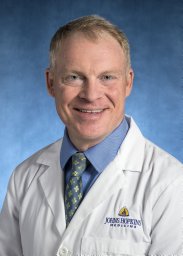 Patrick A. Brown合作论文数Johns Hopkins University;Pediatric Leukemia Program at Kimmel Cancer Center at Johns Hopkins13Paul S. Gaynon合作论文数13Kristin Baird合作论文数13Kim Yong-Mi合作论文数12
 Bill H Chang合作论文数12Yueh-Yun Chi合作论文数Department of Biostatistics, University of North Carolina12
 David J Fitzgerald合作论文数12
 Lewis B. Silverman合作论文数Irving Medical Center, Columbia University;Department of Pediatrics, Columbia University;Dana-Farber / Harvard Cancer Center11Delbrook Cindy合作论文数11
 Eric S. Schafer合作论文数11André Baruchel合作论文数10
 James Whitlock合作论文数Department of Paediatrics, University of Toronto;Garron Family Cancer Centre, The Hospital for Sick Children, University of Toronto10Elizabeth Garabedian合作论文数10Sun Weili合作论文数10Seth M Steinberg合作论文数Center for Cancer Research, National Cancer Institute, National Institutes of Health10Michelle L. Hermiston合作论文数10Marianna Sabatino合作论文数10Kim Hye-Na合作论文数9Colleen Annesley合作论文数9Rheingold Susan R合作论文数9Cooper Todd M合作论文数9Chintan Parekh合作论文数9
 Robert Sokolic合作论文数Center for Cancer Research, National Cancer Institute9Fabio Candotti合作论文数National Human Genome Research Institute, National Institutes of Health9Eileen McNulty合作论文数8John Muth合作论文数8Corinne Summers合作论文数8Michael Jensen合作论文数School of Medicine, University of Washington8
 Michael Bishop合作论文数Department of Medicine, The University of Chicago8
 Shannon L. Maude合作论文数Division of Oncology, Children's Hospital of Philadelphia;Center for Cellular Immunotherapies, University of Pennsylvania School of Medicine;Abramson Cancer Center, University of Pennsylvania School of Medicine8
 Stefania Pittaluga合作论文数Laboratory of Pathology, Center for Cancer Research, National Cancer Institute, National Institutes of Health8
 Rebecca M. Gardner合作论文数Seattle Children's Hospital;Seattle Children's Hospital8
 Hisham Abdel-Azim合作论文数Loma Linda University Pediatric Subspecialty Clinics8Michael P. Rettig合作论文数7Fabian Mueller合作论文数7
 Donald Kohn合作论文数Department of Microbiology, Immunology and Molecular Genetics, David Geffen School of Medicine, University of California, Los Angeles;Broad Stem Cell Research Center, University of California, Los Angeles7Place Andrew E合作论文数7




