Supplementary Table 1 from Origins and Prevalence of the American Founder Mutation of <i>MSH2</i>
Supplementary Table 2 from A Susceptibility Locus for Papillary Thyroid Carcinoma on Chromosome 8q24
Related Article from The Search for Unaffected Individuals with Lynch Syndrome: Do the Ends Justify the Means?
Supplementary Table 1 from Screening for Lynch Syndrome (Hereditary Nonpolyposis Colorectal Cancer) among Endometrial Cancer Patients
Supplementary Table 2 from Screening for Lynch Syndrome (Hereditary Nonpolyposis Colorectal Cancer) among Endometrial Cancer Patients
Supplementary Methods, Supplementary References Supplementary Table S1: Inherited regions of homozygosity in >1% of 1,798 non-leukemic individuals Supplementary Table S2: Acquired uniparental disomies detected in 425 cytogenetically normal AML patients Supplementary Table S3. Associations between recurrent UPDs with pretreatment patient characteristics for patients with cytogenetically normal acute myeloid leukemia Supplementary Table S5. Variant allele fraction of gene mutations that co-occurred with UPDs Supplementary Table S6. Allelic ratio of FLT3 internal tandem duplications that co-occurred with UPDs Supplementary Table S7: Copy number gains and losses in 425 patients with cytogenetically normal acute myeloid leukemia
Supplementary Figure S1. Unsupervised clustering of the sole -7 AML cohort and the complete TCGA AML patient data set. Supplementary Figure S2. SMARCA2 mutations in AML patients with sole -7. Supplementary Figure S3. Heatmap depicting the differential gene expression of AML patients with sole -7. Supplementary Figure S4. Heatmap visualizing the gene ontology (GO) analyses of the predicted target genes of the miRs upregulated in AML patients with sole -7. Supplementary Figure S5. Heatmap visualizing the gene ontology (GO) analyses of the predicted target genes of the miRs downregulated in AML patients with sole -7. Tables: Supplementary Table S1. Gene mutations detected in 36 patients with acute myeloid leukemia (AML) and sole -7 (DNA sequencing of 81 genes). Supplementary Table S2. Mutation analysis in paired germline-leukemic samples of 10 sole -7 patients. Supplementary Table S3. Genes significantly downregulated in 31 AML patients with sole -7 compared with gene expression of 136 AML patients from the TCGA cohort (14) who had other chromosome abnormalities that did not include abnormalities of chromosome 7 or a complex karyotype. Supplementary Table S4. Genes significantly upregulated in 31 AML patients with sole -7 compared with gene expression of 136 AML patients from the TCGA cohort (14) who had other chromosome abnormalities that did not include abnormalities of chromosome 7 or a complex karyotype. Supplementary Table S5. MicroRNAs (miRs) significantly downregulated in 31 AML patients with sole -7 compared with gene expression of 136 AML patients from the TCGA cohort who had other chromosome abnormalities that did not include abnormalities of chromosome 7 or a complex karyotype. Supplementary Table S6. MicroRNAs (miRs) significantly upregulated in 31 AML patients with sole -7 compared with gene expression of 136 AML patients from the TCGA cohort who had other chromosome abnormalities that did not include abnormalities of chromosome 7 or a complex karyotype. Supplementary Table S7. Gene ontogeny analyses of significantly downregulated genes located on chromosome 7 in 31 AML patients with sole -7.
Supplementary Figure 1 from Tgfbr1 Haploinsufficiency Is a Potent Modifier of Colorectal Cancer Development
Materials and Methods: Participating institutions. List of all institutions that participated in the study. Patients and treatments. Detailed information about patients included in the study and their treatments. Mutational profiling. Detailed information about the techniques used to perform the mutational profiling. Definition of clinical endpoints. Statistical definition of the used end point terms . Univariable outcome analysis. Listing of all parameters that were included in the univariable outcome analysis.
Supplementary Figure 1 from Origins and Prevalence of the American Founder Mutation of <i>MSH2</i>
Supplementary Table 2 from Origins and Prevalence of the American Founder Mutation of MSH2
Supplementary Table 1. Linkage disequilibrium patterns of the tag-SNPs used for genotyping the 6q23.3 locus. Supplementary Table 2. Cytogenetic and molecular information on AML patients used for functional studies (n=12). Supplementary Table 3. French-American-British (FAB) classification35 and molecular information on AML patients used to determine miR-3662's abundance (n=8). Supplementary Table 4. Canonical pathway analysis of the miR-3662-associated gene expression signature. Supplementary Figure 1. Transcription factor binding according to the transcription factor chip data from ENCODE. Supplementary Figure 2. Electrophoretic mobility shift assay comparing the binding affinity of the alleles of rs66650371 and rs9483788. Supplementary Figure 3. Endogenous miR-3662 expression levels of hematopoietic progenitor (HP) cells during differentiation, total bone marrow aspirate of three non-leukemic donors (total BM 1-3), different populations of differentiated peripheral blood cells, and three AML cell lines. Supplementary Figure 4. Top panel, Macroscopic pictures of the spleens of three mice of the scramble and miR-3662-infected groups (organs harvested post-mortem). All mice had a massive splenomegaly compared to the un-injected, sacrificed control mouse. Bottom panel, images of spleen histologies (40x enlargement). Slides were stained for CD45 to proof MV4-11 origin of the leukemia. Supplementary Figure 5. Endogenous abundance of miR-3662 and IKBKB in patient samples and cell lines. Supplementary Figure 6. Comparison of the relative miR-3662 abundance of AML patient blasts and AML cell lines before (black) and after (red) forced miR-3662 expression with the lentiviral expression construct.
Incidence of differentiated thyroid carcinoma (DTC) varies considerably between ethnic groups, with particularly high incidence rates in Pacific Islanders. DTC is one of the cancers with the highest familial risk suggesting a major role of genetic risk factors, but only few susceptibility loci were identified so far. In order to assess the contribution of known DTC susceptibility loci and to identify new ones, we conducted a multiethnic genome‐wide association study (GWAS) in individuals of European ancestry and of Oceanian ancestry from Pacific Islands. Our study included 1554 cases/1973 controls of European ancestry and 301 cases/348 controls of Oceanian ancestry from seven population‐based case‐control studies participating to the EPITHYR consortium. All participants were genotyped using the OncoArray‐500K Beadchip (Illumina). We confirmed the association with the known DTC susceptibility loci at 2q35, 8p12, 9q22.33 and 14q13.3 in the European ancestry population and suggested two novel signals at 1p31.3 and 16q23.2, which were associated with thyroid‐stimulating hormone levels in previous GWAS. We additionally replicated an association with 5p15.33 reported previously in Chinese and European populations. Except at 1p31.3, all associations were in the same direction in the population of Oceanian ancestry. We also observed that the frequencies of risk alleles at 2q35, 5p15.33 and 16q23.2 were significantly higher in Oceanians than in Europeans. However, additional GWAS and epidemiological studies in Oceanian populations are needed to fully understand the highest incidence observed in these populations.
Objective An understanding of the etiologic heterogeneity of colorectal cancer (CRC) is critical for improving precision prevention, including individualized screening recommendations and the discovery of novel drug targets and repurposable drug candidates for chemoprevention. Known differences in molecular characteristics and environmental risk factors among tumors arising in different locations of the colorectum suggest partly distinct mechanisms of carcinogenesis. The extent to which the contribution of inherited genetic risk factors for CRC differs by anatomical subsite of the primary tumor has not been examined. Design To identify new anatomical subsite-specific risk loci, we performed genome-wide association study (GWAS) meta-analyses including data of 48 214 CRC cases and 64 159 controls of European ancestry. We characterised effect heterogeneity at CRC risk loci using multinomial modelling. Results We identified 13 loci that reached genome-wide significance (p<5×10 −8 ) and that were not reported by previous GWASs for overall CRC risk. Multiple lines of evidence support candidate genes at several of these loci. We detected substantial heterogeneity between anatomical subsites. Just over half (61) of 109 known and new risk variants showed no evidence for heterogeneity. In contrast, 22 variants showed association with distal CRC (including rectal cancer), but no evidence for association or an attenuated association with proximal CRC. For two loci, there was strong evidence for effects confined to proximal colon cancer. Conclusion Genetic architectures of proximal and distal CRC are partly distinct. Studies of risk factors and mechanisms of carcinogenesis, and precision prevention strategies should take into consideration the anatomical subsite of the tumour.
Although ∼80% of adult patients with cytogenetically normal acute myeloid leukemia (CN-AML) achieve a complete remission (CR), more than half of them relapse. Better identification of patients who are likely to relapse can help to inform clinical decisions. We performed RNA sequencing on pretreatment samples from 268 adults with de novo CN-AML who were younger than 60 years of age and achieved a CR after induction treatment with standard "7+3" chemotherapy. After filtering for genes whose expressions were associated with gene mutations known to impact outcome (ie, CEBPA, NPM1, and FLT3-internal tandem duplication [FLT3-ITD]), we identified a 10-gene signature that was strongly predictive of patient relapse (area under the receiver operating characteristics curve [AUC], 0.81). The signature consisted of 7 coding genes (GAS6, PSD3, PLCB4, DEXI, JMY, NRP1, C10orf55) and 3 long noncoding RNAs. In multivariable analysis, the 10-gene signature was strongly associated with relapse (P < .001), after adjustment for the FLT3-ITD, CEBPA, and NPM1 mutational status. Validation of the expression signature in an independent patient set from The Cancer Genome Atlas showed the signature's strong predictive value, with AUC = 0.78. Implementation of the 10-gene signature into clinical prognostic stratification could be useful for identifying patients who are likely to relapse.
Abstract Clinical outcome of patients with acute myeloid leukemia (AML) is associated with cytogenetic and molecular factors and patient demographics (e.g., age and race). We compared survival of 25,523 non-Hispanic Black and White adults with AML using Surveillance Epidemiology and End Results (SEER) Program data and performed mutational profiling of 1,339 patients with AML treated on frontline Alliance for Clinical Trials in Oncology (Alliance) protocols. Black patients had shorter survival than White patients, both in SEER and in the setting of Alliance clinical trials. The disparity was especially pronounced in Black patients <60 years, after adjustment for socioeconomic (SEER) and molecular (Alliance) factors. Black race was an independent prognosticator of poor survival. Gene mutation profiles showed fewer NPM1 and more IDH2 mutations in younger Black patients. Overall survival of younger Black patients was adversely affected by IDH2 mutations and FLT3-ITD, but, in contrast to White patients, was not improved by NPM1 mutations. Significance: We show that young Black patients have not benefited as much as White patients from recent progress in AML treatment in the United States. Our data suggest that both socioeconomic factors and differences in disease biology contribute to the survival disparity and need to be urgently addressed. See related commentary by Vyas, p. 540. This article is highlighted in the In This Issue feature, p. 521
Papillary thyroid carcinoma (PTC) is the most common type of thyroid cancer. The molecular characteristics of histologically normal appearing tissue adjacent to the tumor (NAT) from PTC patients are not well characterized. The aim of this study was to characterize the global gene expression profile of NAT and compare it with those of normal and tumor thyroid tissues. We performed total RNA sequencing with fresh frozen thyroid tissues from a cohort of three categories of samples including NAT, normal thyroid (N), and PTC tumor (T). Transcriptome analysis shows that NAT presents a unique gene expression profile, which was not associated with sex or the presence of lymphocytic thyroiditis. Among the differentially expressed genes (DEGs) of NAT vs N, 256 coding genes and 5 noncoding genes have been reported as cancer genes involved in cell proliferation, apoptosis, and/or tumorigenesis. Bioinformatics analysis with Ingenuity Pathway Analysis software revealed that "Cancer, Organismal Injury and Abnormalities, Cellular Response to Therapeutics, and Cellular Movement" were major dysregulated pathways in the NAT tissues. This study provides improved insight into the complexity of gene expression changes in the thyroid glands of patients with PTC.
 Heather Hampel合作论文数Department of Medical Oncology & Therapeutics Research, City of Hope;Division of Clinical Cancer Genomics, Beckman Research Institute, City of Hope97
 Sandya Liyanarachchi合作论文数67
 Clara D. Bloomfield合作论文数Comprehensive Cancer Center, The Ohio State University66Paivi Peltomaki合作论文数50Huiling He合作论文数45
 Krzysztof Mrózek合作论文数Comprehensive Cancer Center, The Ohio State University42Anna-Elina Lehesjoki合作论文数42Stephan M. Tanner合作论文数The Comprehensive Cancer Center, The Ohio State University40Lauri A. Aaltonen合作论文数38
 Wendy L. Frankel合作论文数Department of Pathology, The Ohio State University Wexner Medical Center37
 Christopher Walker合作论文数School of Biological Sciences, Faculty of Science, The University of Auckland36
 Bert Vogelstein合作论文数Department of Molecular Biology and Genetics, Johns Hopkins School of Medicine34Pertti Sistonen合作论文数34Ann-Kathrin Eisfeld合作论文数33
 John C. Byrd合作论文数College of Medicine, University of Cincinnati33
 Juha Kere合作论文数Department of Medicine, Huddinge, Karolinska Institutet33Jonathan E. Kolitz合作论文数32
 Andrew J Carroll Ill合作论文数School of Medicine, University of Alabama at Birmingham32Nicolet Deedra合作论文数31
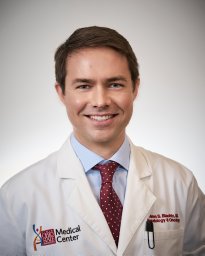 James S Blachly合作论文数College of Medicine, The Ohio State University;Comprehensive Cancer Center, The Ohio State University;Gnosigen Labs31
 Jessica Kohlschmidt合作论文数30
 Henry T. Lynch合作论文数Lynch Comprehensive Cancer Research Center, School of Medicine, Creighton University28
 Richard M. Stone合作论文数Dana-Farber Cancer Institute;Harvard Medical School26Wei Li合作论文数26P.A. Lalley合作论文数25
 Bayard L. Powell合作论文数Wake Forest University School of Medicine25
 Kenneth W. Kinzler合作论文数Department of Oncology, School of Medicine, Johns Hopkins University;The Sidney Kimmel Comprehensive Cancer Center, Johns Hopkins University School of Medicine24Tiina Alitalo合作论文数24Rebecca Nagy合作论文数23
 Mark Clendenning合作论文数Familial Cancer Laboratory, QIMR23
 Jukka-Pekka Mecklin合作论文数Department Of Surgery, Faculty of Sport and Health Sciences, University of Jyväskylä22
 Peter L Pearson合作论文数Department of Medical Genetics, University Medical Center Utrecht22J.H. Edwards合作论文数21Victor A. McKusick合作论文数20Senter Leigha合作论文数19Orwick Shelley合作论文数19
 Mark A. Jenkins合作论文数Centre for Epidemiology and Biostatistics, School of Population and Global Health, University of Melbourne19
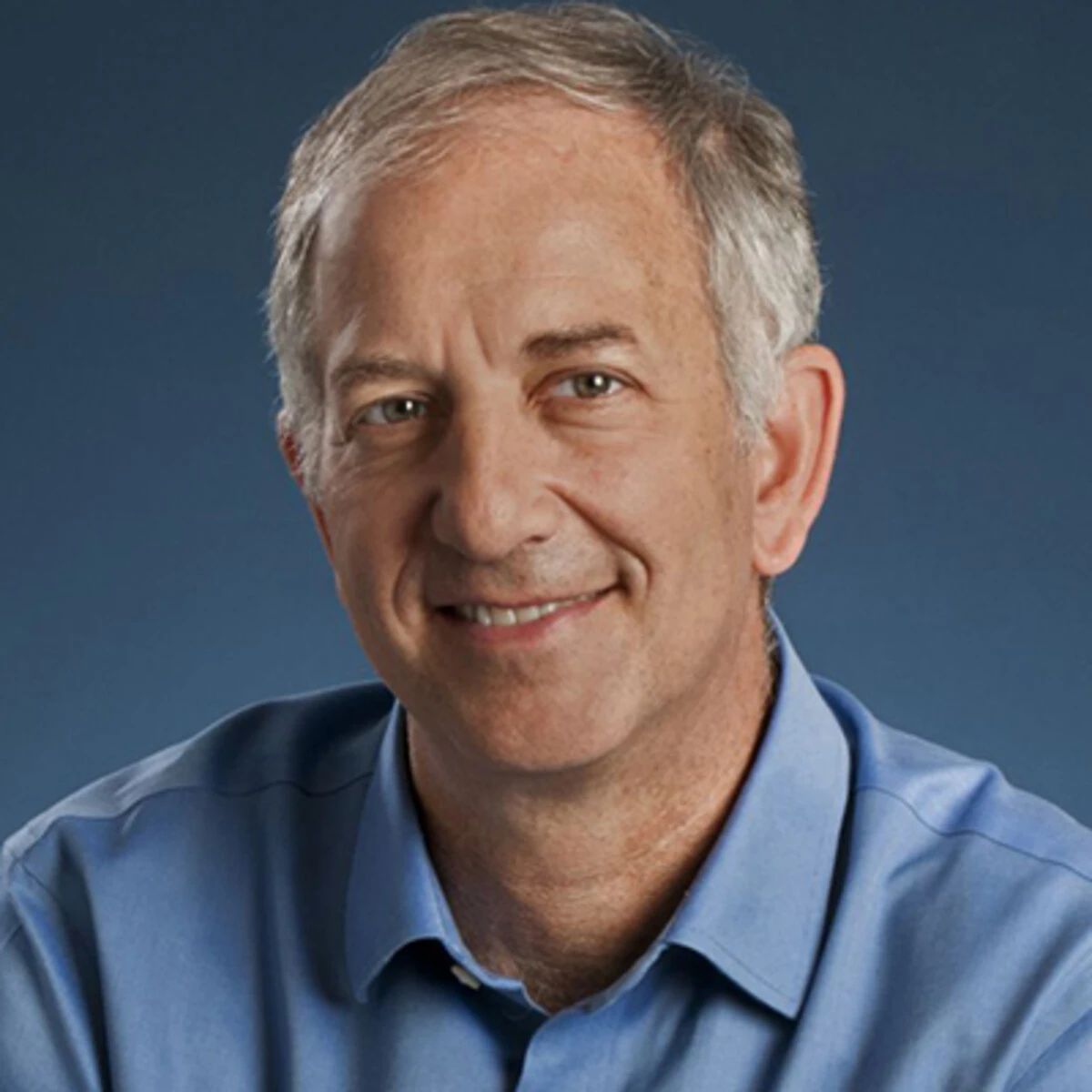 Steven Gallinger合作论文数Department of Surgery, Temerty Faculty of Medicine, University of Toronto19
 Stephen N. Thibodeau合作论文数Laboratory Medicine and Pathology, Mayo Clinic19Hp Klinger合作论文数17
 Pamela Brock合作论文数17
 Heikki Järvinen合作论文数Second Department of Surgery, Helsinki University Central Hospital17Henrik Forsius合作论文数17Sophia Maharry合作论文数16
 Matthew D Ringel合作论文数Division of Endocrinology, Diabetes and Metabolism, TheOhioStateUniversity16John L Hamerton合作论文数16Sakari Knuutila合作论文数Department of Pathology, University of Helsinki16
 Natalia S Pellegata合作论文数Institute of Pathology, GSF-National Research Center for Environment and Health16
 Huntington F. Willard合作论文数Howard Hughes Medical Institute15




