This Editorial is the introductory text to the special section "Climate Change: Ecological and socio economic dimensions in the coastal zone" which is the result of the work developed to carry out the symposium of the same name held during the conference "EcoSummit 2016" in Montpellier, France, as well as the open call for papers published once the conference is over.
The southern Gulf of Mexico is characterized by coastal ecosystems with high freshwater input, extensive wetlands and coastal lagoons, productive fisheries, and human settlements whose economy is largely based on the rich natural resources of the area. The Grijalva-Usumacinta River and delta region has high riverine input and extensive wetlands. The CENTLA Biosphere Reserve was established to protect this important region. The management plan is based on the identification of natural environmental units that are grouped into two nucleus zones with high levels of protection and a number of buffer zones designed to allow some economic activities. Laguna de Terminos, the largest lagoon-mangrove system in Mesoamerica, has a long history of scientific study. The system has a high habitat diversity. Primary producers have peak production at different times of the year leading to overall sustained high productivity throughout the year. There is a high diversity migratory nekton community that uses the lagoon habitats at times when they are most productive ensuring overall high secondary production that supports a multistock fishery. The area has been designated as a natural protected area to ensure sustainable management. The coastal zone of the Yucatan Peninsula is fed by the extensive ground water system that supports a unique system of karstic freshwater lakes, brackish lagoons, estuarine coastal lagoons, and reef lagoons with extensive mangrove swamps and submerged aquatic vegetation. The main source of inorganic nutrients is ground water and in some parts of the coast elevated levels have the potential to cause eutrophication and harmful algal blooms. Along the northern and eastern coasts of the Yucatan, rapid development has led to extensive habitat degradation and water quality problems. Ecosystem-based management could lead to improved environmental quality and restoration. Some global climate models suggest that this region will experience strong decreases in precipitation and this may become the most serious problem for this region. Mexico has established 17 natural protected areas in the southern Gulf of Mexico and Yucatan to enhance sustainable management in the region. In this chapter we review the structure and functioning of this regional coastal system, describe human impacts, review sustainable management of the area, and discuss the potential impacts of climate change.
This study addresses the problem of age determination of the southern king crab (Lithodes santolla). Given that recapture is difficult for this species and, thus, age cannot be directly determined with the help of the annual marks on the shell, the von Bertalanffy growth function (vBGF) cannot be used to directly model length-frequency data (LFD). To determine age classes, some researchers have proposed using the MIX algorithm that consists of sampling realization of a finite mixture of normal (FMN) distributions for each LFD. However, normality assumption in age-length data has been questioned in several works related to fish growth analysis. For this study, we considered the biological information of the southern king crab for the period 2007–2015 and localization between 50 ∘ 06 ′ – 53 ∘ 15 ′ S and 76 ∘ 36 ′ – 72 ∘ 18 ′ W. We assumed that LFD could be modelled by the novel class of finite mixture of skew-t (FMST). Assigned age classes were used to estimate the vBGF parameters. The estimated vBGF parameters were L ∞ = 176.756 cm, K = 0.151 year − 1 , t 0 = − 1.678 year for males, and L ∞ = 134.799 cm, K = 0.220 year − 1 , t 0 = − 1.302 year for females. This study concludes that (a) FMST modal decomposition can detect a group of younger individuals at age 2, given that those individuals have LFD with a left heavy-tail and asymmetry; (b) FMST produces a better representation of LFD than the FMN model; (c) males have bigger L ∞ but grow slower than females; and (d) as expected, a high correlation exists among the vBGF estimates.
The arid border region that encompasses the American Southwest and the Mexican northwest is an area where the nexus of water scarcity and climate change in the face of growing human demands for water, emerging energy scarcity, and economic change comes into sharp focus.
Tropical coastal ecosystems of the southern Gulf of Mexico including marshes, mangroves and seagrasses of Centla Wetlands and Terminos Lagoon (Grijalva-Usumacinta delta) are known to host a high diversity of aquatic consumers. Nevertheless, the limited research focusing on the energy fluxes that sustain consumers has as yet neither considered the strong seasonality of these systems, nor the linkage of the trophic flow patterns with ecosystem functioning. The present work analyses and compares stable isotope ratios (δ13C and δ15N) of consumers during the dry and rainy season at different wetland sites to determine their resource utilization. The sites compared comprise three fluvio-lagoons and a coastal mangrove creek that differ in vegetational characteristics, distance to the sea, and freshwater input. The results support the hypothesis that a larger isotopic niche breadth of consumers prevails during the rainy season, when resource availability is supposedly higher. This translates into an increase in resource use diversification by consumers and corroborates the flood pulse concept (FPC), which can be particularly applied to those habitats with high riverine influence in the study area (e.g., fluvio-lagoons). However, the FPC alone cannot be applied to understand the main factors influencing the fate and utilization of basal resources in areas interacting more actively with the sea, and therefore further extensions and/or complementary conceptual approaches considering marine systems highly interconnected with coastal floodplains should be considered.
Los manglares constituyen un importante recurso forestal en toda la banda intertropical del planeta. Las acciones antrópicas acrecientan los riesgos sobre los ecosistemas y esto ha sido más catastrófico que el propio cambio climático global. Este último induce nuevas incertidumbres en la estabilidad ambiental y aumenta la vulnerabilidad de los hábitats críticos. Frente al desafío que enfrentan los sistemas económicos, sociales y ecológicos se presentan evidencias de estructura funcional de este sistema ecológico, planteando la hipótesis que “los manglares como hábitat forestado crítico de la zona costera presentan respuestas de acomodación frente a la variabilidad ambiental que induce el cambio global, desarrollando un papel estructural y funcional clave en la estabilidad de la línea de costa, la persistencia de hábitats y biodiversidad, el metabolismo del ecosistema, reduciendo riesgos e incertidumbre para el desarrollo sustentable del uso de sus recursos”.
Deltas are among the most productive and economically important of global ecosystems but unfortunately they are also among the most threatened by human activities. Here we discuss deltas and human impact, several approaches to defining deltaic sustainability and present a ranking of sustainability. Delta sustainability must be considered within the context of global biophysical and socioeconomic constraints that include thermodynamic limitations, scale and embeddedness, and constraints at the level of the biosphere/geosphere. The development, functioning, and sustainability of deltas are the result of external and internal inputs of energy and materials, such as sediments and nutrients, that include delta lobe development, channel switching, crevasse formation, river floods, storms and associated waves and storm surges, and tides and other ocean currents. Modern deltas developed over the past several thousand years with relatively stable global mean sea level, predictable material inputs from drainage basins and the sea, and as extremely open systems. Human activity has changed these conditions to make deltas less sustainable, in that they are unable to persist through time structurally or functionally. Deltaic sustainability can be considered from geomorphic, ecological, and economic perspectives, with functional processes at these three levels being highly interactive. Changes in this functioning can lead to either enhanced or diminished sustainability, but most changes have been detrimental. There is a growing understanding that the trajectories of global environmental change and cost of energy will make achieving delta sustainability more challenging and limit options for management. Several delta types are identified in terms of sustainability including those in arid regions, those with high and low energy-intensive management systems, deltas below sea level, tropical deltas, and Arctic deltas. Representative deltas are ranked on a sustainability range. Success in sustainable delta management will depend on utilizing natural delta functioning and an ecological engineering approach.
Deltas and estuaries built by the Mississippi/Atchafalaya River (MAR) in the United States and the Usumacinta/Grijalva River (UGR) in Mexico account for 80 percent of all Gulf of Mexico (GoM) coastal wetlands outside of Cuba. They rank first and second in freshwater discharge to the GoM and owe their natural resilience to a modular geomorphology that spreads risk across the coast-scape while providing ecosystem connectivity through shelf plumes that connect estuaries. Both river systems generate large plumes that strongly influence fisheries production over large areas of the northern and southern GoM continental shelves. Recent watershed process simulations (DLEM, MAPSS) driven by CMIP3 General Circulation Model (GCM) output indicate that the two systems face diverging futures, with the mean annual discharge of the MAR predicted to increase 11 to 63 percent, and that of the UGR to decline as much as 80 percent in the 21st century. MAR delta subsidence rates are the highest in North America, making it particularly susceptible to channel training interventions that have curtailed a natural propensity to shift course and deliver sediment to new areas, or to refurbish zones of high wetland loss. Undoing these restrictions in a controlled way has become the focus of a multi-billion-dollar effort to restore the MAR delta internally, while releasing fine-grained sediments trapped behind dams in the Great Plains has become an external goal. The UGR is, from an internal vulnerability standpoint, most threatened by land use changes that interfere with a deltaic architecture that is naturally resilient to sea level rise. This recognition has led to successful efforts in Mexico to protect still intact coastal systems against further anthropogenic impacts, as evidenced by establishment of the Centla Wetland Biosphere Preserve and the Terminos Lagoon Protected Area. The greatest threat to the UGR system, however, is an external one that will be imposed by the severe drying predicted for the entire Mesoamerican “climate change hot-spot”, a change that will necessitate much greater international involvement to protect threatened communities and lifeways as well as rare habitats and species.
Se analizan diversos aspectos de la biología y ecología de Opisthonema oglinum con base en 813 individuos obtenidos en seis cruceros oceanográficos. Esta especie dependiente estuarina, se distribuye en la Sonda de Campeche entre los 12 y 36 m. Las hembras tienen una talla de primera madurez de 135 mm de LT. Se reproduce desde mayo a octubre, con dos máximos en mayo y agosto, a profundidades mayores de 18 m. Los juveniles se encuentran en la plataforma y dentro de la Laguna de Términos. El reclutamiento se presenta en junio y octubre. Las máximas abundancias se presentan alrededor de las iso batas de 12 y 36 m, y en nortes en el área carbonatada.
Considering the challenge that the economic, social and ecological systems face -in order to know and mitigate the global climate change-, evidences of the functional structure of mangroves ecological system are presented revisiting the hypothesis presented by Yanez-Arancibia et al. (1998), and revised latter by Yanez-Arancibia et al. (2010): "the mangroves as a critical forest habitat of the coastal zone present accommodation responses to the environmental variability that induces global change playing an structural and functional role in the stability of the coastline, the persistence of habitats and biodiversity, the metabolism of the ecosystem, reducing risks and uncertainty for the sustainable development of the use of its resources". Recent evidences indicates that mangroves in the Gulf of Mexico follows this hypothesis and -as answer to climate change and its effects in the coastal zone- shows a consistent pattern of geographical distribution colonizing all over the northern coast of the Gulf, including the Atlantic coast of Florida Peninsula because of the opportunity of "global tropicalization of the Gulf of Mexico". Moreover, at present the four mangrove species in the Gulf of Mexico are distributed in the Texas state U.S. We conclude that mangrove ecosystem is a "sentinel-ecosystem" in front of climate change impact in the Gulf of Mexico.
Tropical coastal lagoons (TCL) are among the most productive coastal ecosystems, and they provide a wide range of ecosystem goods and services that support productive economic activities. The objective of this paper is to present a comprehensive review of the ecosystem dynamics in Paraman Lagoon, a wave-dominated, meso-tidal coastal lagoon with an ephemeral inlet on the Pacific coast of Mexico. A conceptual model is used to describe the seasonal environmental cycle for the lagoon, which is characterized by three periods: Period 1 - disconnected from the sea, evaporation is much higher than freshwater input and salinity can exceed 75psu; Period 2 - disconnected from the sea, freshwater input is much higher than evaporation and salinity drops to as low as 5psu; and Period 3 - the inlet is open connecting the lagoon with the ocean resulting in optimal estuarine conditions and moderate salinities between 15 to 25psu. Hydrology and salinity regime in the lagoon are largely controlled by the amount of freshwater discharge that changes the spatial and temporal distribution of environmental parameters. This information is used to develop a conceptual model of the functioning of the lagoon that can be used to aid in decision-making about the restoration and management of the lagoon
We discuss the sustainability of natural and human systems in the United States in relation to 21st century threats associated with energy scarcity, climate change, the loss of ecosystem services, the limitations of neoclassical economics, and human settlement patterns. Increasing scarcity and the decreasing return on investment for existing conventional energy reserves are expected to significantly reduce the amount of affordable energy for societal needs and demands. This will also make dealing with the predicted impacts of climate change more difficult and expensive. Climate change will threaten the present sustainability of natural environments, agriculture, and urban areas but these impacts will manifest themselves differentially across the landscape. The impacts of projected climate change will make living in arid regions of the southern Great Plains, the Southwest, and the southern half of California increasingly difficult. Accelerated sea-level rise and increased frequency of strong hurricanes will increase the vulnerability of natural and human systems along the Gulf and Atlantic coasts while making them less sustainable. Ecosystem services provided by natural environments form the basis for the human economy everywhere and are also at risk from climate change impacts and overuse. Decreasing energy availability, climate change, and continued degradation of ecosystem services are likely to make continued economic growth difficult if not impossible. The capacity of neoclassical economics to effectively deal with these growing threats is limited. The areas of the country most compromised by these 21st century trends are likely to be the southern Great Plains, Southwest, southern California, the Atlantic and Gulf coasts, and densely populated areas everywhere, but especially in the northeast, Midwest, and southern California.
Sustainable development of the coastal zone is a complex topic involving social, economic, bio-physical, ecological, and legal components. Nevertheless such complex topics must be explained in a relatively simple way to avoid incorrect analysis in studies by students and decisions by policymakers. In general, the usual procedure is to set up social versus economic versus market pressures, which are always on the table, during discussions of coastal zone management to reduce impacts to a level that does not induce any further environmental catastrophes. In fact we need a more integrated approach where each component is fairly represented. Our study case is the Gulf of Mexico where coastal resources in both Mexico and the United States are Gulf-dependent; i.e. just four economic sectors, oil and natural gas, fi sheries, port-shipping, and tourism are values at over 120 billion U.S. dollars annually. This means 16% of Gross Domestic Product by the USA and 13% of GDP by Mexico. This productive value is not static but is constantly changing due to several factors, most directly the market value of the resources themselves. While human-made capital is increasingly abundant (guided by market signals), it is the natural products and ecosystem services from the Gulf that are increasingly scarce, and natural capital, not human-derived capital, that is fast becoming the limiting factor.
The Gulf of Mexico (GOM) is a shared ecosystem in which problems and solutions are a common responsibility among governments, primarily the United States and Mexico. Concepts about management of coastal systems suggest that GOM ecosystem-based management approaches should be coupled with ecological risk assessment and that quantitative modeling is a valuable tool for ecosystem-based management, which results in sound sustainable management. Sustainable management requires the consideration of a number of processes and issues. These include definition of ecological regions, description of processes controlling primary productivity, wetland restoration and coastal fisheries, and an understanding that pulsing is a fundamental characteristic of coastal systems, that climate change must be taken into consideration in management, and that environmental sustainability and socioeconomic development are strongly related. Throughout the 6,134 km of coastline stretching from Florida to Quintana Roo, there are several major geographic regions that include the warm-temperate GOM, the tropical GOM, and the Caribbean coast connected to the GOM. Within each geographic region, discrete complex systems can be defined as geographic/hydrological subregions, characterized by the interactions of geology, geomorphology, oceanography, climate, freshwater input, biogeochemistry, coastal vegetation, wildlife, estuary-shelf interactions, and human factors. We conclude: (a) system functioning should serve as a basis for sustainable coastal management; and (b) to sustain environmental and socioeconomic conditions, the GOM must be maintained as a healthy, productive, and resilient ecosystem. The challenge for future coastal management in the GOM should be towards an integration of coastal management with large marine ecosystem management.
This contribution is based on a previous technical report in Science and Information Technology for Sustainable Management of Aquatic Ecosystems. Universidad de Concepcion, International Water Association, 7th ISE & 8th HIC Chile, pp. 90–99, 2009. In the Mississippi basin (USA) and Grijalva-Usumacinta basin (Mexico), there has been a large-scale loss of wetlands and water quality deterioration over the past 50 years. Wetland loss is due to reclamation, mainly for agriculture, urban development, oil and gas industry, and isolation of rivers by levees from their fl oodplains and deltas. Water quality has deteriorated throughout the basin due to several factors including heavy use of fertilizers, effi cient drainage, wetland loss, erosion, and reduced diversity of crops. Habitat loss and poor water quality are the results of cumulative impacts of actions throughout the basin. Wetlands promote nitrogen removal, not only through de-nitrifi cation, but also through burial and plant uptake, which offer a sound ecotechnological solution. There are additional benefi ts of restoration of wetland and riverine ecosystems such as flcontrol, reduction in public health threats, enhanced landscape, wildlife and fi sheries, increased accretion rates to help offset subsidence, and fi nancial and energy saving of capital not invested in conventional tertiary treatment systems.
Welcome to the WIT Press eLibrary - the home of the Transactions of the Wessex Institute collection, providing on-line access to papers presented at the Institute's prestigious international conferences and from its State-of-the-Art in Science & Engineering publications.
 John W. Day合作论文数Department of Neurology & Neurological Sciences, School of Medicine, Stanford University;Division of Medical Genetics, Department of Pediatrics, School of Medicine, Stanford University25
 P SANCHEZGIL合作论文数15Ana Laura Lara合作论文数Ecosistemas y Planificacion Ambiental para el Desarrollo Sustentable S.C. Mexico.14Ian Simmons合作论文数11
 Anthony J. Brazel合作论文数Department of Geography, Arizona State University11
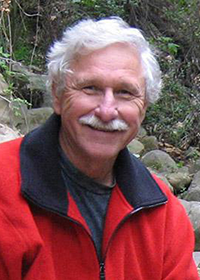 Edward A. Keller (Edward Keller)合作论文数Department of Earth Sciences, UC Santa Barbara10Arthur G. Sylvester合作论文数9
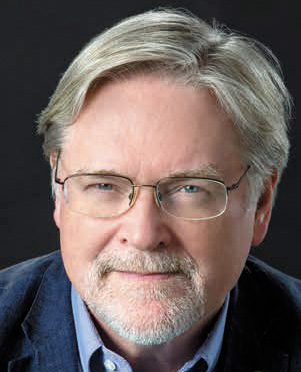 Robert R. Twilley (Robert Twilley)合作论文数Sea Grant College, Louisiana State University;Department of Oceanography & Coastal Sciences, College of the Coast & Environment, Louisiana State University;Coastal Sustainability Studio, Louisiana State University9
 Charles A S Hall合作论文数College of Environmental Science and Forestry, State University of New York7K. J. Gregory合作论文数6
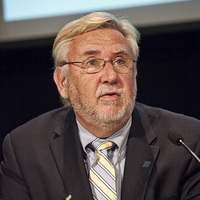 William J. Mitsch合作论文数Florida Gulf Coast University;The Ohio State University5D. Zárate Lomelı́合作论文数5
 James H. Cowan (James Jim Cowan)合作论文数Department of Oceanography and Coastal Sciences, College of the Coast & Environment, Louisiana State University5
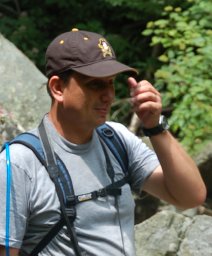 Enrique Reyes合作论文数School of the Coast and Environment, Louisiana State University5Patricia Sánchez-Gil合作论文数5G. Cooper合作论文数4J. Pat Doody合作论文数4F. Blasco合作论文数4Laurel T. Gorman合作论文数4D. Din Ndongo合作论文数4Gregory W. Stone合作论文数4M. R. Gregory合作论文数4J. Besnehard合作论文数4M. Aizpuru合作论文数4J. Andrew合作论文数4Paolo A. Pirazzoli合作论文数4David Zarate Lomeli合作论文数4Eric Bird合作论文数4Vincent May合作论文数4Patricia M. Masters合作论文数4William Ritchie合作论文数4W. R. Osterkamp合作论文数4Terry R. Healy合作论文数4Orrin H. Pilkey合作论文数4Francis A. Galgano合作论文数4
 Alan Trenhaile合作论文数School of the Environment, University of Windsor4
 William J. Neal合作论文数Department of Geology, Grand Valley State University4
 Robert R. Lane合作论文数Coastal Ecology Institute, Louisiana State University4Robert A. Morton合作论文数Bureau of Economic Geology, University of Texas at Austin4David M. Bush合作论文数4J. L. Rojas-Galaviz合作论文数4M. Tapia-Garcia合作论文数4D. T. Tudor合作论文数4
 John M. Rybczyk合作论文数Biological and Environmental Sciences Department, California University of Pennsylvania4
 Scott A. Jenkins合作论文数4M. C. Garcia-Abad合作论文数4
 Stephen P. Leatherman (Stephen Leatherman)合作论文数Department of Earth & Environment, College of Arts, Sciences & Education, Florida International University4
 Daniel Pauly合作论文数Institute for the Oceans and Fisheries, University of British Columbia;Department of Zoology, Faculty of Science, University of British Columbia4




