The niche conservatism hypothesis states that a species' relationships to habitat and climate conditions are maintained across space and time. Niche stationarity is assumed when ecologists estimate species' habitat needs or transfer findings across geographic regions. Recent studies show that some species' associations with climate and habitat vary spatially, contradicting the niche conservatism hypothesis. The sources of this nonstationarity are unknown and potential mechanisms remain untested. Here we show that the environmental niches of 36 common North American mammals vary spatially across dimensions of human influence, climate, and landscape. Spatial variation is not explained by known genetic subspecies lineages. Instead, niches vary at a relatively fine spatial scale consistent with adaptations by animals to local conditions, which may be explained by genetic or behavioral changes or by unmodeled interactions with unobserved variables. Spatially varying ecology means that static niche models are not appropriate at large scales and extrapolating species' niches to novel contexts may be impossible. This complicates management decisions based on transferring findings across space and projecting species' current environmental associations to responses to future change, but may provide optimism if nonstationarity represents potential for rapid evolutionary rescue. ### Competing Interest Statement The authors have declared no competing interest.
Supplemental feeding of wild ungulates has long been and remains a common practice across Europe and North America. Yet by drawing animals together, supplemental feeding can have unintended, negative effects on individual species and broader ecological processes. These include increased risk of disease transmission, intraspecific and interspecific competition, and predation, which are of management concern for white-tailed deer (Odocoileus virginianus) in the southeastern United States given the arrival of nonnative wild pigs (Sus scrofa) and coyotes (Canis latrans). We conducted a field experiment between March and July of 2021 to assess the effects of supplemental feeding on spatiotemporal activity patterns of deer and wild pigs at wildlife feeders, and space use of coyotes in the Piedmont region of South Carolina, USA. We observed support for our hypothesis that interspecific competition through increased visitation by larger groups of competitor species reduces use of foraging sites by other subordinate ungulates, where feeders highly visited by wild pigs were rarely visited by deer. While adult deer and wild pigs generally did not shift their temporal activity patterns at feeders, juvenile temporal activity shifted to more frequent visits of feeders during the night, supporting our hypothesis that supplemental feed could increase risk to predator exposure, as coyotes tend to be active during crepuscular hours. Our findings suggest that supplemental feed put out to encourage deer activity could actually deter deer if wild pigs occupy that area, and has potential negative demographic effects if juveniles are at increased risk of predation. Collectively, based on our data, we do not recommend supplemental feeding in the southeastern United States where white-tailed deer, coyotes, and wild pigs co-occur. More broadly, given how widespread the legal use of supplemental feed remains across the United States, we encourage landowners and policymakers to consider the full suite of potential direct and indirect, short-term and long-term negative impacts supplemental feeding can have on both target and nontarget wildlife populations.
The accelerating loss of biodiversity has created an urgent need for applied science to help halt species extinction. However, conservation scientists have long been concerned about the extent to which their findings have been incorporated into management practices. In the case of the U.S. Endangered Species Act, the use of science in decision-making is mandated in the drafting and revision of recovery planning documents, making it an ideal case study to assess the extent to which threat-addressing research is being conducted and incorporated into endangered species recovery. We evaluated which animal species tended to receive the most peer-reviewed research, the extent to which research was relevant to the known threats faced by species, how often relevant research was integrated into recovery planning revisions, and the attributes of research that was utilized. We found that endangered species research has increased exponentially over the past 50 years, with more peerreviewed research being produced on endangered species that are larger in size, receive more funding, and are more popular. Half (54.6 %) of peer-reviewed publications on endangered species addressed a recognized threat, with publications increasingly addressing threats over time. Recovery planning documents only cited 35 % of threat-focused peer-reviewed publications, with publications containing more government-affiliated authors being more likely to be cited in recovery plans. To better navigate this space between science and practice in endangered species recovery, we encourage researchers and practitioners to counteract entrenched taxonomic biases and to collaborate on research that is focused on identifiable threats to species and that produces findings clearly applicable to practice.
Wildlife must adapt to human presence to survive in the Anthropocene, so it is critical to understand species responses to humans in different contexts. We used camera trapping as a lens to view mammal responses to changes in human activity during the COVID-19 pandemic. Across 163 species sampled in 102 projects around the world, changes in the amount and timing of animal activity varied widely. Under higher human activity, mammals were less active in undeveloped areas but unexpectedly more active in developed areas while exhibiting greater nocturnality. Carnivores were most sensitive, showing the strongest decreases in activity and greatest increases in nocturnality. Wildlife managers must consider how habituation and uneven sensitivity across species may cause fundamental differences in human–wildlife interactions along gradients of human influence.
Aim: The assembly of species into communities and ecoregions is the result of interacting factors that affect plant and animal distribution and abundance at biogeographic scales. Here, we empirically derive ecoregions for mammals to test whether human disturbance has become more important than climate and habitat resources in structuring communities. Location: Conterminous United States. Time Period: 2010-2021. Major Taxa Studied: Twenty-five species of mammals. Methods: We analysed data from 25 mammal species recorded by camera traps at 6645 locations across the conterminous United States in a joint modelling framework to estimate relative abundance of each species. We then used a clustering analysis to describe 8 broad and 16 narrow mammal communities. Results: Climate was the most important predictor of mammal abundance overall, while human population density and agriculture were less important, with mixed effects across species. Seed production by forests also predicted mammal abundance, especially hard-mast tree species. The mammal community maps are similar to those of plants, with an east-west split driven by different dominant species of deer and squirrels. Communities vary along gradients of temperature in the east and precipitation in the west. Most fine-scale mammal community boundaries aligned with established plant ecoregions and were distinguished by the presence of regional specialists or shifts in relative abundance of widespread species. Maps of potential ecosystem services provided by these communities suggest high herbivory in the Rocky Mountains and eastern forests, high invertebrate predation in the subtropical south and greater predation pressure on large vertebrates in the west. Main Conclusions: Our results highlight the importance of climate to modern mammals and suggest that climate change will have strong impacts on these communities. Our new empirical approach to recognizing ecoregions has potential to be applied to expanded communities of mammals or other taxa.
Recruitment is central to diversity, equity, and inclusion (DEI) initiatives within higher education, but how faculty recruit their graduate students and consider DEI in this context remains unknown. We surveyed environmental science faculty across the United States, aiming to better understand what faculty value when recruiting, as well as when, how, and why they consider DEI. We show that faculty valued applicant character traits highest, followed by soft skills and relevant technical experience. DEI-related criteria were of low to medium importance and were generally rated lower by faculty who were White, male, and at R1 institutions, although there were nuances related to applicant degree (MS versus PhD), whether we were asking about the applicant's commitment to DEI or their demographic identity, and the stage of the recruitment process. We identified opportunities for more inclusive graduate recruitment, including higher pay, more objective evaluation strategies, and a need for institutions to incentivize productivity without undermining the faculty's ability to attract diverse graduate students.
Predators impose top-down forces on prey populations, with the strength of those effects often varying over space and time and among demographic groups. In ungulates, predation risk is typically greatest for neonatal offspring, with some suggesting that predators can key in on adult activity to locate hidden neonates. However, few field studies to date have been able to directly assess the influence of maternal care on ungulate neonate survival. Using a population of white-tailed deer under heavy coyote predation pressure, we tested the maternal dispersion hypothesis, which suggests the dispersion of maternal activity temporally and spatially attenuates risk of predation for ungulate neonates during this vulnerable altricial phase. We compared support for this hypothesis with more commonly tested hypotheses regarding the influence of habitat conditions and intrinsic factors on neonatal survival. Fawn survival to 16 weeks was 27.7%, with coyotes accounting for 59% of fawn mortalities. In support of our maternal temporal diffusion hypothesis, we found that neonatal survival decreased as more maternal visits (proportionally) occurred at night. The only other significant (p < .1) predictor of fawn survival was birth timing, with fawn survival decreasing as the season progressed. Given that fawn survival declined as the proportion of nighttime visits increased, and that wild pig presence and human disturbance can push doe and fawn activity toward nocturnal hours, additional research is needed to determine whether managing pig and human disturbance can decrease fawn mortality. More broadly, given the importance of recruitment in ungulate population dynamics, our finding opens a potentially important new line of inquiry on how maternal behaviors influence predation risk in large animal predator-prey ecology.
AimSynthesize literature on genetic structure within species to understand how geographic features and species traits influence past responses to climate change.LocationNorth America.Time PeriodWe synthesized phylogeographic studies from 1978 to 2023, which describe genetic lineages that diverged during the Pleistocene (>= 11,700 years ago).Major Taxa StudiedMammals.MethodsWe conducted a literature review to map genetic breaks in species distributions, then tested a set of geographic hypotheses (e.g., mountains, rivers) to explain their position by comparing break locations to a grid within each species' sampled range using logistic regression. We then conducted a meta-analysis using species-specific model estimates to ask if life-history traits explained variation in which barriers were most important in species' past response to climate change.ResultsOur findings reveal heterogeneity in both where North American mammal phylogeography has been studied and the density of genetic breaks across 229 species. We found relatively high concordance among carnivores, ungulates and lagomorphs, where breaks were associated with mountains, major water bodies and relatively even terrain. In contrast, we found high variability within rodents and shrews, and no evidence that intrinsic factors related to dispersal ability explained the importance of hypothesized barriers across all species.Main ConclusionsSouthern Mexico is a hotspot for genetic breaks that has yet to be integrated into the broader story of North American phylogeography. We show that mountains and major water bodies play particularly important roles as barriers, but substantial variation across species within orders suggests that there is more to the story besides shared climatic or phylogenetic histories. Thus, understanding the phylogeography of individual species will continue to be important given that our results suggest high variability in how species may respond to future global change.
Abstract Site occupancy models (SOMs) are a common tool for studying the spatial ecology of wildlife. When observational data are collected using passive monitoring field methods, including camera traps or autonomous recorders, detections of animals may be temporally autocorrelated, leading to biased estimates and incorrectly quantified uncertainty. We presently lack clear guidance for understanding and mitigating the consequences of temporal autocorrelation when estimating occupancy models with camera trap data. We use simulations to explore when and how autocorrelation gives rise to biased or overconfident estimates of occupancy. We explore the impact of sampling design and biological conditions on model performance in the presence of autocorrelation, investigate the usefulness of several techniques for identifying and mitigating bias and compare performance of the SOM to a model that explicitly estimates autocorrelation. We also conduct a case study using detections of 22 North American mammals. We show that a join count goodness‐of‐fit test previously proposed for identifying clustered detections is effective for detecting autocorrelation across a range of conditions. We find that strong bias occurs in the estimated occupancy intercept when survey durations are short and detection rates are low. We provide a reference table for assessing the degree of bias to be expected under all conditions. We further find that discretizing data with larger windows decreases the magnitude of bias introduced by autocorrelation. In our case study, we find that detections of most species are autocorrelated and demonstrate how larger detection windows might mitigate the resulting bias. Our findings suggest that autocorrelation is likely widespread in camera trap data and that many previous studies of occupancy based on camera trap data may have systematically underestimated occupancy probabilities. Moving forward, we recommend that ecologists estimating occupancy from camera trap data use the join count goodness‐of‐fit test to determine whether autocorrelation is present in their data. If it is, SOMs should use large detection windows to mitigate bias and more accurately quantify uncertainty in occupancy model parameters. Ecologists should not use gaps between detection periods, which are ineffective at mitigating temporal structure in data and discard useful data.
Abstract Resource pulses are ecologically important phenomenon that occur in most ecosystems globally. Following optimal foraging theory, many consumers switch to pulsatile foods when available, examples of which include fruit mast and vulnerable young prey. Yet how the availability of resource pulses shapes the ecology of predators is still an emerging area of research; and how much individual variation there is in response to pulses is not well understood. We hypothesized that resource pulses would lead to dietary convergence in our population, which we tested by tracking both population‐level and individual coyote diets for 3 years in South Carolina, USA. We (1) described seasonal dietary shifts in relation to resource pulses; (2) compared male and female diets across seasons; and (3) tested this dietary convergence hypothesis by quantifying individual dietary variation both across and within periods when resource pulses were available. We found that pulses of white‐tailed deer fawns and blackberries composed over half of coyote diet in summer, and persimmon fruits were an important component in fall. Male and female coyotes generally had similar diets, but males consumed more deer in fall, perhaps driven by scavenging more. We found support for our dietary convergence hypothesis, where individuals had more similar diets during resource pulses compared to a non‐pulse period. We also found that this convergence happened before peak availability, suggesting a non‐symmetric response to pulse availability. We show that nearly all coyotes eat fawns, suggesting that targeted efforts to remove “fawn killers” would be in vain. Instead, given how quickly coyotes collectively converge on resource pulses, our findings show that resource pulses could potentially be used by managers to alter the behavior of apex predators. More broadly, we open a new line of inquiry into how variation in individual foraging decisions scales up to shape the effects of resource pulses on ecological communities.
Wild pigs (Sus scrofa), which are invasive in many regions globally, can alter ecosystems and compete with native species through interference competition and resource exploitation. Wild pig impacts on other species may increase with greater niche overlap, which could vary over time based on environmental conditions, resource availability, or biological traits like diet, especially as seasonal variation in wild pig diet has been widely documented. A limited number of studies have assessed spatial or temporal overlap between native species and invasive wild pigs, with only a handful simultaneously assessing overlap in these niche dimensions. We investigated the potential for interspecific interactions involving invasive wild pigs in the Piedmont region of South Carolina, USA, by examining seasonal spatiotemporal overlap with other wildlife using N-mixture models and diel activity overlap analyses. Site use by white-tailed deer (Odocoileus virginianus) and coyote (Canis latrans) was negatively associated with wild pig activity in the fall, when the species had high diel activity overlap, indicating spatial partitioning could reduce interference competition with wild pigs in this season. Conversely, white-tailed deer site use was positively associated with wild pig activity in the winter, suggesting higher spatial overlap may be necessary if resources are limited. Site use by bobcat (Lynx rufus) and nine-banded armadillo (Dasypus novemcinctus) in the spring, along with raccoon (Procyon lotor) and wild turkey (Meleagris gallopavo) site use in the summer, was positively associated with wild pig activity. With the exception of diurnal wild turkey, diel activity overlap between these species and wild pigs was high, although temporal partitioning could have occurred at finer spatiotemporal scales than we examined. Our results collectively emphasize the importance of accounting for seasonal spatial and temporal responses by individual species to invasive wild pigs, with special consideration given to species in seasons where high niche overlap with wild pigs is anticipated.
Large carcasses often attract multiple carnivore species, so subordinate carnivores must weigh the reward of a profitable meal with the risk of being attacked by dominant carnivores. These risk-reward trade-offs are likely influenced by a variety of factors, including scale-dependent risk from dominant carnivores (e.g., short- vs. long-term risk) and the amount of carcass remaining. In the southeastern United States, human hunters provision a large amount of white-tailed deer carrion, which appears to be an important food source for coyotes (a novel top predator), but we know little about how coyotes influence the scavenging behavior of smaller carnivores. In this study, we evaluated the relative importance of risk from coyotes, vulture activity, forest structure, and remaining food on bobcat, gray fox, raccoon, and opossum scavenging by deploying 71 deer carcasses within a managed forest in South Carolina during January 2020 and 2021. We found that coyotes only had direct effects on bobcat behavior, suggesting that competition for carcasses was greatest between these two species. However, the relative importance of long- versus short-term risk from coyotes was dependent on the stage in the scavenging process. Effects from forest structure were also stage-dependent, where tree density and age were related to carcass discovery for bobcats and raccoons, while minimal understory cover facilitated bobcat, gray fox, and opossum scavenging, despite short-term risk from coyotes. Vulture activity appeared to serve as a cue for gray foxes to discover carcasses. Ultimately, we found that risk from coyotes had species-specific and context-dependent effects on smaller carnivore scavenging. This represents some of the first direct evidence of how coyotes alter smaller carnivore behavior in a region where coyotes are a novel top predator. However, forest structure (particularly understory cover) seemed to mediate risk from coyotes, highlighting how habitat can influence predator-predator interactions. Future research should also investigate these interactions during other times of the year and try to quantify how human-provisioned carcasses influence populations and communities.
Abstract Background Hepatozoon spp. are apicomplexan parasites known to cause musculoskeletal disease in a variety of animals. Two species are known to infect wild and domestic canids in the US: Hepatozoon canis and H. americanum. Methods In this study, blood, heart, and/or spleen samples were collected from 278 wild canids (180 coyotes, 93 red foxes, and 5 gray foxes) in the eastern US and tested via PCR for Hepatozoon. Histology slides of heart and skeletal muscle were assessed for Hepatozoon cysts and associated inflammation when fresh tissue was available (n = 96). Results Hepatozoon spp. were found in 24.2% (59/278) of individuals, with Hepatozoon canis in 14.0% (34/278) and H. americanum in 10.7% (26/278). One coyote was positive for both H. canis and H. americanum. Foxes were more likely to be positive for H. canis than coyotes (23% and 7% respectively, P = 0.0008), while only coyotes were positive for H. americanum. Of the eight sampled states, H. canis was present in six (Louisiana, North Carolina, Pennsylvania, South Carolina, Tennessee, and Virginia) while H. americanum was found in two southern states (South Carolina and Louisiana). Infection status was positively correlated with myositis and myocarditis, and heart or muscle cysts were found in 83% (5/6) of H. americanum-positive coyotes. Conclusion This survey showed a moderate prevalence of H. canis and H. americanum in states where the parasite was previously unrecorded including South Carolina and Pennsylvania. Graphical Abstract
Context A central problem in road ecology is the need to minimise roadkill without exacerbating fragmentation. The best current solution to this problem is wildlife-exclusion fencing combined with crossing structures. However, because species vary in their propensity to use crossing structures, optimising their design for a suite of species remains a challenge. Aims We investigated medium- and large-mammal use of undercrossings along Highway 101 in the Central Coast of California. Specifically, we quantified how undercrossing size, surrounding habitat, and the presence of a wildlife-exclusion fence, influenced overall species richness, as well as use by black bear, mule deer, puma, and bobcat. Methods Using wildlife cameras, we documented mammal use at 11 undercrossings in our study area. We calculated the openness index of each undercrossing and remotely measured habitat features, such as percentage tree cover, and distance to nearest stream. We determined the relative importance of these factors on overall species richness, and the activity of focal species, using generalised linear mixed models in an information-theoretic framework. Key results Mesocarnivores used a wider variety of undercrossings, and used them more frequently, than did larger mammals. Species richness and bear activity were greater closer to streams, and there was more bear activity at undercrossings within the wildlife-exclusion fence zone than outside it. Deer activity was strongly and positively related to undercrossing openness. Our puma and bobcat analyses were uninformative, likely because we detected puma too infrequently, and because bobcats showed little variation in use across sites. Conclusions Our results support previous research highlighting natural travel corridors (e.g. riparian areas) as important places for wildlife crossings, both for a diversity of medium–large mammals and a low-density large carnivore. Ungulates may be the most selective taxa in respect to undercrossing use. Implications Large, open undercrossings along natural travel routes accommodate the greatest diversity of medium–large mammal species.
With rapid global change in the Anthropocene, it is important to understand and predict changes in species distributions that could potentially impact entire ecosystems. Turkey Vulture (Cathartes aura) distribution has been expanding and, as an obligate scavenger, its presence can have an impact on the ecosystems it inhabits. Here we investigated the relative impact of human population density and climate (temperature and precipitation) on Turkey Vulture presence. We used eBird community science data from 2010-2020 to create a species distribution model for Turkey Vultures across their entire range using a Random Forests algorithm. We then projected this distribution for the year 2070 to estimate any changes. Our model predicted an expansion in Turkey Vulture distribution during the breeding season of May-August. This suggests that areas of both North and South America where only seasonal, migratory Turkey Vultures currently exist can expect resident populations of Turkey Vultures in the future. Mild temperature was an important variable for presence during the nonbreeding season, whereas low human density was more important for predicting presence during the breeding season. The distribution of Turkey Vultures is widest during the breeding season, meaning that factors influencing the breeding range could be considered more important when considering range expansion. As such, our findings suggest that warmer boreal winters coupled with the potential presence of domestic carcasses in agricultural areas (i.e., low human density) are facilitating Turkey Vulture range expansion. This expansion has important implications for the scavenging community in northern latitudes where increased Turkey Vulture presence might impact other species relying on carrion.
Species that respond to ecosystem change in a timely, measurable, and interpretable way can be used as sentinels of global change. Contrary to a pervasive view, we suggest that, among Carnivora, small carnivores are more appropriate sentinels than large carnivores. This reasoning is built around six key points: that, compared to large carnivores, small carnivores 1) are more species-rich and diverse, providing more potential sentinels in many systems; 2) occupy a wider range of ecological niches, exhibiting a greater variety of sensitivities to change; 3) hold an intermediate trophic position that is more directly affected by changes at the producer, primary consumer, and tertiary consumer levels; 4) have shorter life spans and higher reproductive rates, exhibiting more rapid responses to change; 5) have smaller home ranges and are more abundant, making it easier to investigate fine-scale management interventions; 6) are easier to monitor, manage, and manipulate. Therefore, we advocate for incorporating a middle-out approach, in addition to the established top-down and bottom-up approaches, to assessing the responses of ecosystems to global change.
Managing wildlife populations in the face of global change requires regular data on the abundance and distribution of wild animals, but acquiring these over appropriate spatial scales in a sustainable way has proven challenging. Here we present the data from Snapshot USA 2020, a second annual national mammal survey of the USA. This project involved 152 scientists setting camera traps in a standardized protocol at 1485 locations across 103 arrays in 43 states for a total of 52,710 trap-nights of survey effort. Most (58) of these arrays were also sampled during the same months (September and October) in 2019, providing a direct comparison of animal populations in 2 years that includes data from both during and before the COVID-19 pandemic. All data were managed by the eMammal system, with all species identifications checked by at least two reviewers. In total, we recorded 117,415 detections of 78 species of wild mammals, 9236 detections of at least 43 species of birds, 15,851 detections of six domestic animals and 23,825 detections of humans or their vehicles. Spatial differences across arrays explained more variation in the relative abundance than temporal variation across years for all 38 species modeled, although there are examples of significant site-level differences among years for many species. Temporal results show how species allocate their time and can be used to study species interactions, including between humans and wildlife. These data provide a snapshot of the mammal community of the USA for 2020 and will be useful for exploring the drivers of spatial and temporal changes in relative abundance and distribution, and the impacts of species interactions on daily activity patterns. There are no copyright restrictions, and please cite this paper when using these data, or a subset of these data, for publication.
Wildlife exclusion fencing can significantly reduce wildlife-vehicle collisions. However, some animals breach the fence and become trapped in the highway corridor, thereby increasing risk of a wildlife-vehicle collision. An emerging solution to this problem is the installation of earthen escape ramps (i.e., jumpouts), which allow trapped animals to escape the highway corridor. Few studies have quantified wildlife use of jumpouts, and none have investigated intraspecific differences in use. We used camera traps to document wildlife use of 4 2m-high jumpouts associated with wildlife exclusion fencing along Highway 101 near San Luis Obispo, California, USA, from 2012 to 2017. We surveyed for 7,361 nights across all 4 jumpouts, yielding 1,015 visitation events by 10 different species of large- and medium-ized mammals. Mule deer (Odocoileus hemionus) accounted for 895 (88%) detections; they jumped out 20% of the time when detected at the top of the ramp and were never detected using the jumpout to enter the highway corridor. We differentiated male and female deer using the presence of antlers and found that they jumped out at similar rates, but females were detected 6 times more often and were more likely to return to the same jumpout. Two groups of 2-3 deer accounted for similar to 41% of deer detections, which allowed us to investigate their behavior over time. These results indicate that individual variation could influence jumpout use, which should be considered when quantifying their use. To increase the overall jumpout rate, we recommend a jumpout height between 1.75 and 2 m.
Coyotes Canis latrans have expanded their geographic range by 40% in the last 120 years, raising questions about their ecological impacts in the newly colonised areas. Despite a wealth of local knowledge on coyote diet in North America, we have little information about how and why diet might vary throughout the species' range. We conducted the first rangewide meta-analysis of coyote diet by investigating how ecoregion, coyote mass, environmental conditions, presence of top predators and alternative food items are related to coyote dietary diversity, as well as consumption of small mammals, lagomorphs, vegetation and ungulates. Using data from 93 studies, we used generalised linear mixed models to determine which variables best explained coyote dietary patterns. Coyotes were generally more carnivorous in temperate forests than in other ecoregions, primarily due to greater ungulate consumption. Dietary diversity was most influenced via a negative effect of mammal consumption; coyote diet was more diverse in the spring and where human footprint was greater. There was minor variation in small mammal consumption, but lagomorph consumption was greater in spring and winter and when coyotes were larger. Vegetation consumption was greatest in summer and autumn. Ungulate consumption was positively related to coyote mass, snow cover and the presence of grey wolves Canis lupus. Both intrinsic and extrinsic factors were related to coyote diet. Larger coyotes ate larger foods, which parallels the relationship between mass and prey size across the carnivore guild. Wolves and humans have opposing effects on coyote diet. Coyotes seem to prioritise eating wild mammals, though more work is needed to quantify scavenging. Collectively, our findings emphasise the need for continued local or regional studies to understand the highly variable ecological effects of coyotes within the diverse ecosystems they currently inhabit and are poised to inhabit.
Small mammalian carnivores (Carnivora <16 kg) carry out important roles in ecosystems, such as influencing ecosystem structure and providing numerous ecosystem services. Despite their importance, there are contrasting views on the required conservation and management needs for species within this group. In a review of the IUCN Red List species-level assessments, we found that 53 small carnivore species were threatened (CR, EN, or VU) compared to 15 large. However, there were similar proportions of large (4%, 9%) and small (1%, 9%) carnivores endangered with extinction (CR or EN, respectively). We did not find support for small carnivores benefiting from mesopredator release in a global context; more than half of both large and small carnivore species decreasing, suggesting parallel declines. On average, large carnivores received their first IUCN assessment 10 years before small and, since their first assessment, small carnivores have received fewer assessments than large, highlighting the disparity in conservation attention within the guild. The leading threats for all carnivores include biological resource use and land use change. We review the major threats to threatened small carnivores and suggest areas for priority research and conservation. Collectively, we show that small carnivores are as endangered with extinction as are large carnivores, and that small carnivores should be of conservation concern globally, but particularly in species-rich regions of Southeast Asia, sub-Saharan Africa, and Madagascar. To inform conservation, we encourage more research into the basic ecology and demography of small carnivores, particularly regarding current and future threats in the face of global change.
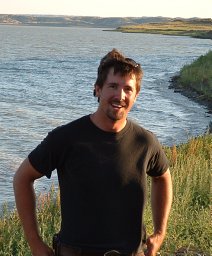 David S. Jachowski合作论文数Dept Forestry & Environm Conservat, Clemson Univ15
 Elizabeth A. Saldo合作论文数9
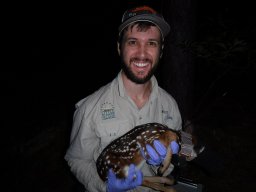 Michael Muthersbaugh合作论文数Dept Forestry & Environm Conservat, Clemson Univ8
 Roland Kays合作论文数Nature Research Center, North Carolina Museum of Natural Sciences;Department of Forestry and Environmental Resources, College of Natural Resources, North Carolina State University7
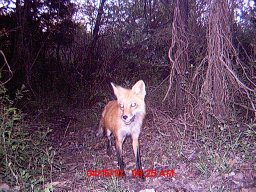 Michael Cove合作论文数Department of Biology and Agriculture, University of Central Missouri7
 William J. McShe合作论文数Smithsonian Conservation Biology Institute6
 Brigit Rooney合作论文数5
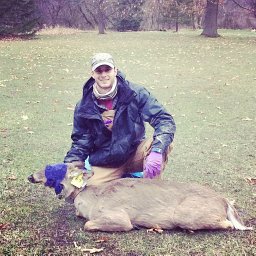 Keifer L. Titus合作论文数Dept Forestry & Environm Conservat, Clemson Univ5
 Courtney Marneweck合作论文数Department of Forestry and Environmental Conservation, Clemson University5John C. Kilgo合作论文数Southern Research Station, USDA Forest Service5Maximilian L. Allen合作论文数4Jay R. Cantrell合作论文数4Joseph W. Butfiloski合作论文数4Michael S Rentz合作论文数4Daniel A Bogan合作论文数4Adam Zorn合作论文数4
 Erika Barthelmess合作论文数4Justin A Compton合作论文数4
 Mary Pendergast合作论文数4Tru Hubbard合作论文数4
 Christopher Nagy合作论文数Mianus River Gorge, Inc4
 Austin Green合作论文数School of Biological Sciences, University of Utah4Laura S. Whipple合作论文数4
 Derek R Risch合作论文数Dept Nat Res & Environm Management, Univ Hawaii Manoa4
 Andrea K Darracq合作论文数4Jean Fantle-Lepczyk合作论文数School of Forestry & Wildlife Sciences, Auburn University4
 Morgan Gray合作论文数Pepperwood Foundation4
 Sarah Fritts合作论文数Dept Biol, Texas State Univ4M Caitlin Fisher-Reid合作论文数4
 Hila Shamon合作论文数Natl Zool Pk, Smithsonian Conservat Biol Inst4
 David Mason合作论文数Wildlife Ecol & Conservat, Univ Florida4
 Jesse Alston合作论文数School of Natural Resources and the Environment, University of Arizona4
 Anthony Crupi合作论文数4
 Carolina Baruzzi合作论文数Dept Wildlife Ecol & Conservat, Univ Florida4
 Katherine C. B. Weiss合作论文数4
 Diana Lafferty合作论文数4Teague O'Mara合作论文数4
 Robert C Lonsinger合作论文数Oklahoma Cooperative Fish and Wildlife Research Unit, U.S. Geological Survey;Oklahoma State University4
 Maher Sean P合作论文数4
 Marcus Lashley合作论文数Department of Forestry and Environmental Resources, North Carolina State University4
 Gerber Brian D合作论文数Department of Fish, Wildlife and Conservation Biology, Colorado State University4Romero Andrea合作论文数4
 Christopher T Rota合作论文数4
 Appel Cara L合作论文数Department of Comparative Medicine, University of Washington4Davis Miranda L合作论文数School of Biological and Biomedical Sciences, University of Durham4
 Çağan Hakkı Şekercioğlu (Çağan H. Şekercioğlu)合作论文数Koc University;Harvard University Museum of Comparative Zoology;Department of Biology, University of Utah4
 Damon B. Lesmeister合作论文数Research Wildlife Biologist, USDA Forest Service4
 Richard G. Lathrop Jr.合作论文数Center for Remote Sensing and Spatial Analysis, School of Environmental and Biological Sciences, Rutgers University;Department of Ecology, Evolution & Natural Resources, Cook College, Rutgers University4
 Elizabeth A. Flaherty合作论文数Dept. 3166, University of Wyoming4




